

Notice of Violation
The city has identified one or more conditions that require correction. Deadlines, reinspections, and escalating enforcement may apply.
A code enforcement notice does not automatically mean you must repair everything before selling. Orangevale homeowners—including owners in Greenback Lane, Hazel Avenue, Main Avenue, Oak Avenue, and ZIP code 95662—may be able to sell a property as-is while the violations, deferred maintenance, unpermitted work, or municipal concerns are still unresolved.
The right decision depends on the type of violation, the condition of the house, city deadlines, available equity, repair costs, insurance, buyer financing, and how much additional time and money you are prepared to invest. Darren Brown helps owners compare a direct as-is cash offer with repairing, permitting, holding, or listing the property conventionally.
Yes, a Orangevale house with code violations can often be sold before every violation is corrected. A sale does not necessarily erase the violation, fine, lien, permit issue, or city requirement. Those matters must be identified and addressed in the purchase and closing process. However, an experienced direct buyer may evaluate the property in its present condition and account for the required work after closing.
Before paying contractors, opening walls, applying for permits, or beginning a major renovation, compare the likely repair cost and timeline with the expected net proceeds from each selling option. Some homes are worth repairing and listing. Others are better suited to a direct as-is sale because the cost, uncertainty, and delay of compliance are disproportionate to the likely return.
Code violations vary widely. A notice involving tall weeds or exterior debris is different from a dangerous-building determination, an unpermitted living area, structural damage, unsafe electrical work, or an illegal conversion. The violation type affects repair costs, permit requirements, buyer financing, insurability, appraisal, closing conditions, and the pool of buyers willing to accept the property.
Older homes in established Orangevale neighborhoods and larger residential parcels—particularly within ZIP code 95662—may have improvements completed decades ago without the documentation expected today. A converted garage, enclosed patio, additional bedroom, altered electrical panel, modified plumbing, or detached structure may create questions during a conventional sale. The owner should understand the scope before assuming the only solution is a full correction project.
The city has identified one or more conditions that require correction. Deadlines, reinspections, and escalating enforcement may apply.
Additions, conversions, electrical work, plumbing, or structural changes may require plans, permits, engineering, demolition, or retroactive approval.
Fire damage, structural movement, unsafe access, severe water intrusion, or exposed systems can narrow the conventional buyer and lender pool.
Overgrowth, debris, broken windows, unsecured entry, dumping, vandalism, and prolonged vacancy can create recurring municipal concerns.
Unauthorized alterations, accumulated belongings, sanitation problems, damaged systems, or limited access may complicate both compliance and a retail listing.
Outstanding municipal charges must be identified during title and escrow so the seller and buyer understand how they will be handled.
A code violation is not just a repair problem. It is a decision problem involving time, money, city requirements, contractor availability, permit uncertainty, carrying costs, and the owner’s willingness to manage the project. The most useful first step is not automatically beginning construction. It is comparing the complete cost and likely net result of every realistic path.
The highest advertised sale price is not always the strongest net outcome. A conventional listing may be appropriate when the violation is manageable, the repair scope is clear, the owner has sufficient funds, and the completed property is likely to attract financeable buyers. A direct as-is sale may be more practical when the work is extensive, the deadlines are pressing, the house is occupied, the owner lives out of area, or the project would require substantial cash and coordination.
| Decision Factor | Repair and List | Direct As-Is Sale |
|---|---|---|
| Repairs and permits | Seller usually manages the work before or during the sale. | Buyer evaluates the property with known issues in place. |
| Upfront cash | May require contractors, plans, permits, cleanup, utilities, and carrying costs. | No retail-ready renovation is required before the offer. |
| Buyer financing | Property may need to satisfy lender, appraisal, and insurance standards. | A direct cash buyer does not depend on conventional mortgage approval. |
| Timeline | Depends on compliance work, inspections, marketing, escrow, and buyer financing. | Can be structured around title, disclosures, city issues, and an agreed closing date. |
| Potential outcome | May produce the highest gross price when the completed value justifies the work. | May produce a more practical net result when repair risk and delay are substantial. |
Homeowners should evaluate any buyer before sharing access, signing an agreement, or relying on a promised closing. Review real seller feedback, confirm the buyer’s identity, and compare the written terms—not just the headline offer.
Code enforcement cases often begin with one visible issue, but the full repair burden may be much larger. Roof deterioration, unsafe access, interior demolition, water intrusion, accumulated debris, damaged systems, and hidden deferred maintenance can all affect the cost of bringing a house back into compliance.
The photos below come from real Sacramento-area property projects Darren has handled. They are Sacramento-area projects and are not all represented as Orangevale properties. They show the type of ugly, repair-heavy conditions a direct as-is buyer may need to evaluate and take responsibility for after closing.
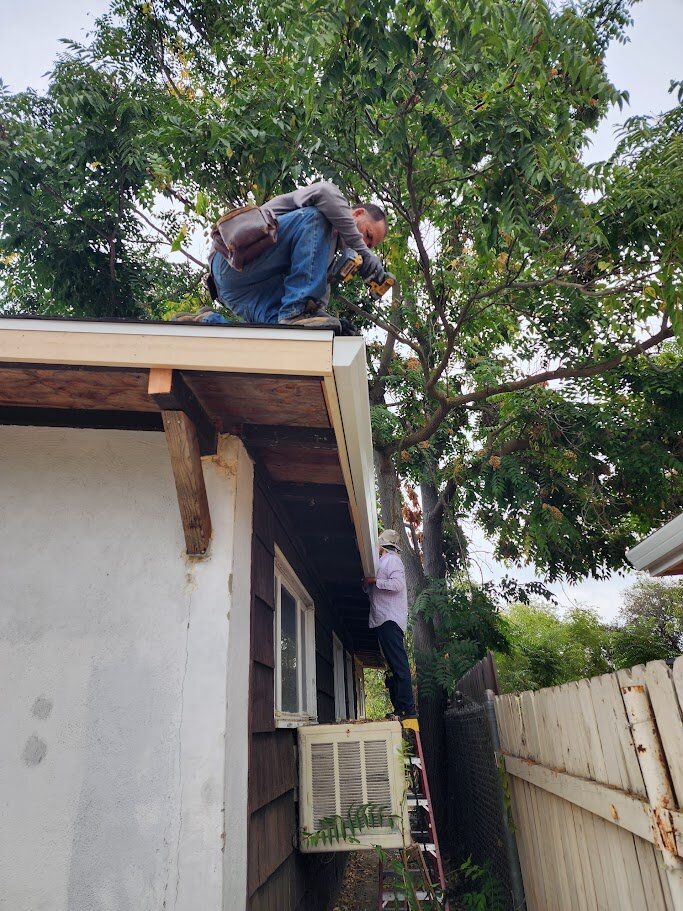
Visible roof deterioration can lead to leaks, sheathing damage, interior moisture, mold concerns, and additional correction work.
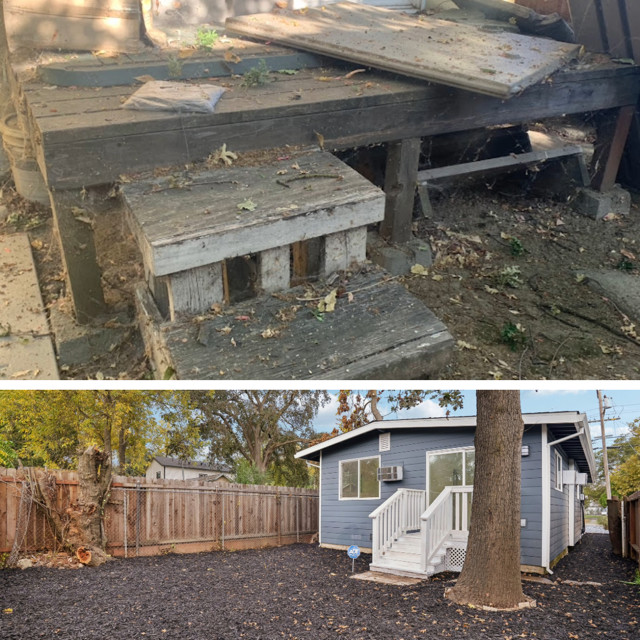
Damaged steps, missing rails, unstable landings, and unsafe exits can create immediate life-safety and liability concerns.
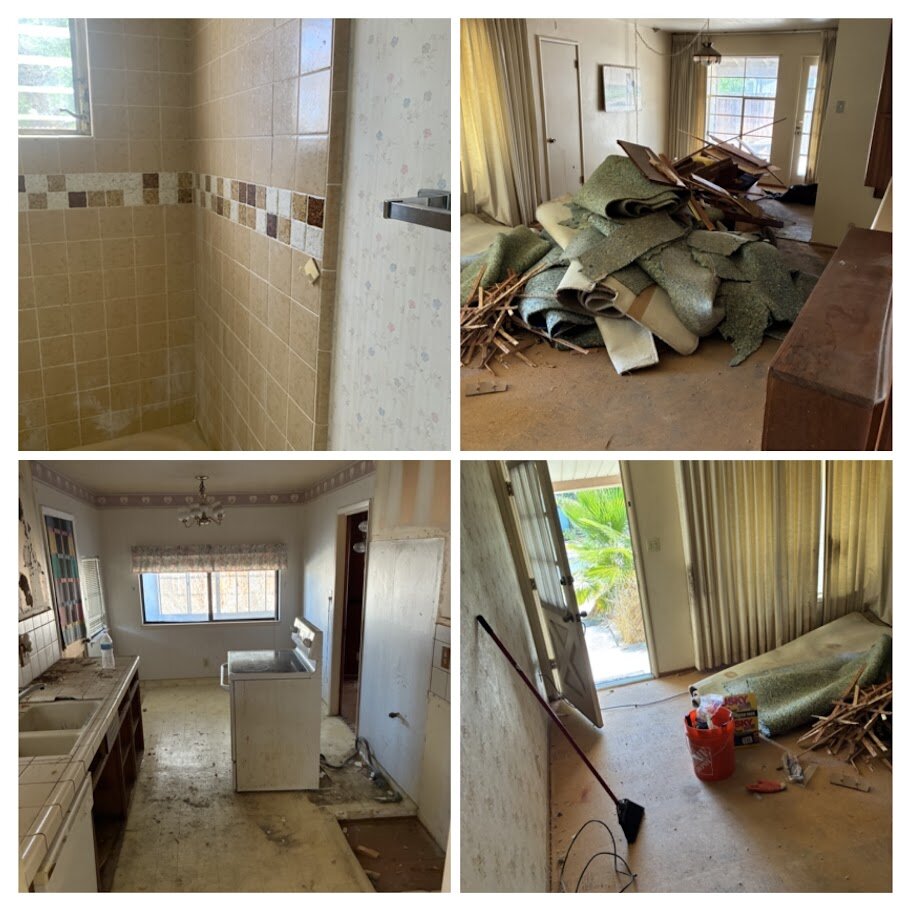
Once walls, flooring, cabinets, or fixtures are removed, additional electrical, plumbing, moisture, and structural problems may appear.
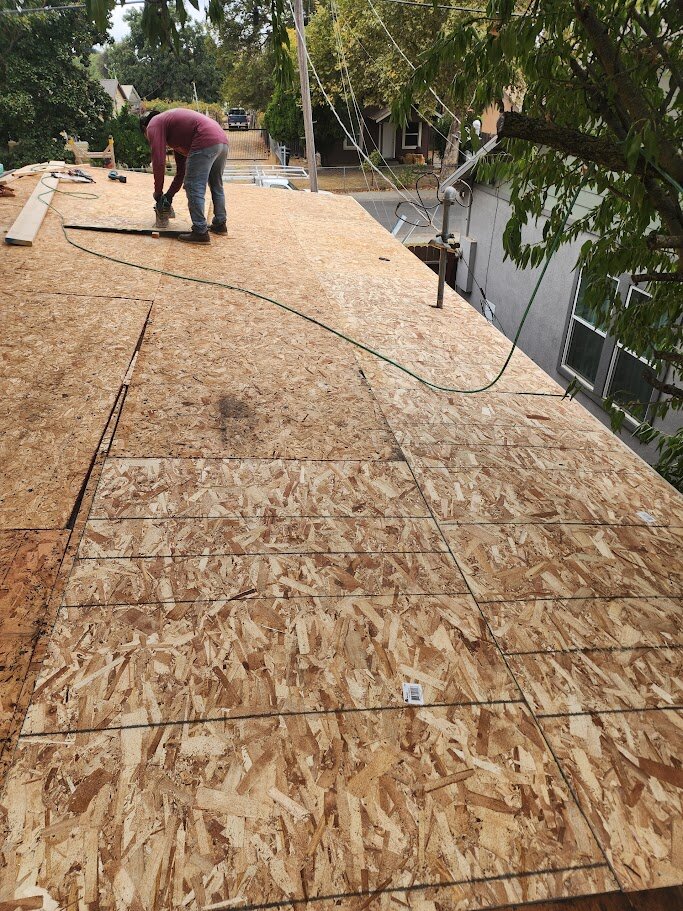
A roof problem may involve more than replacing shingles. Decking, framing, flashing, drainage, and interior damage may also need review.
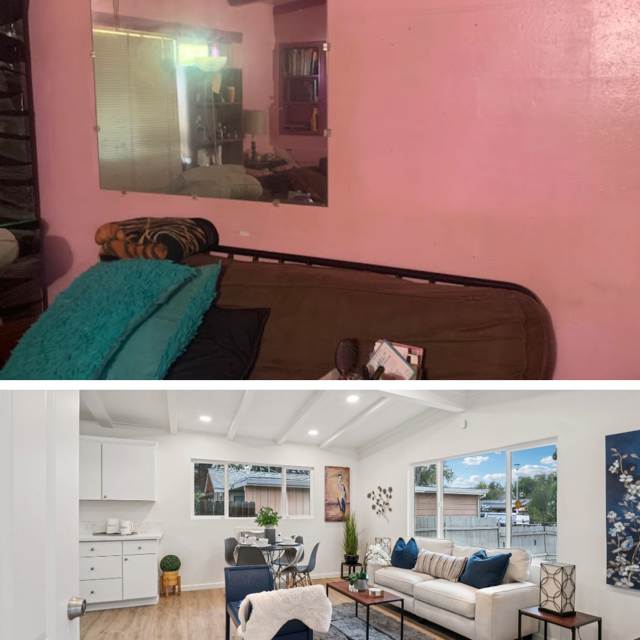
Flooring, walls, ceilings, fixtures, windows, and accumulated wear can add substantially to a compliance or resale project.
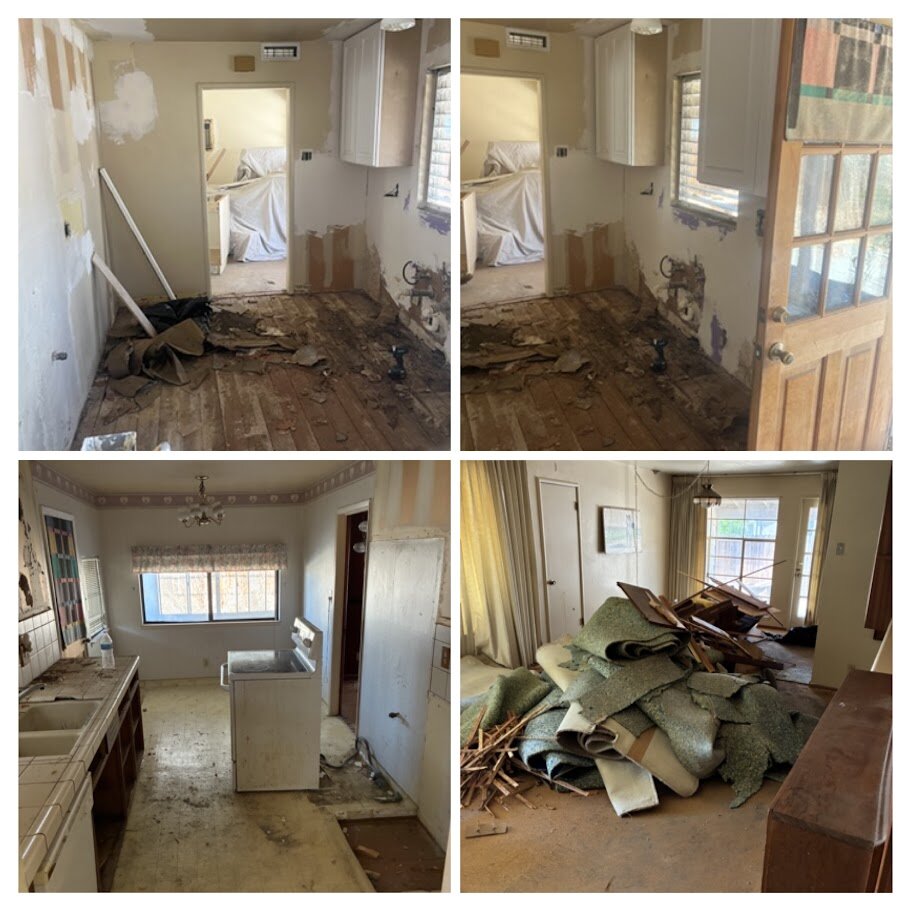
The original violation may be only one part of the cleanup, demolition, repair, permitting, and rehabilitation burden.
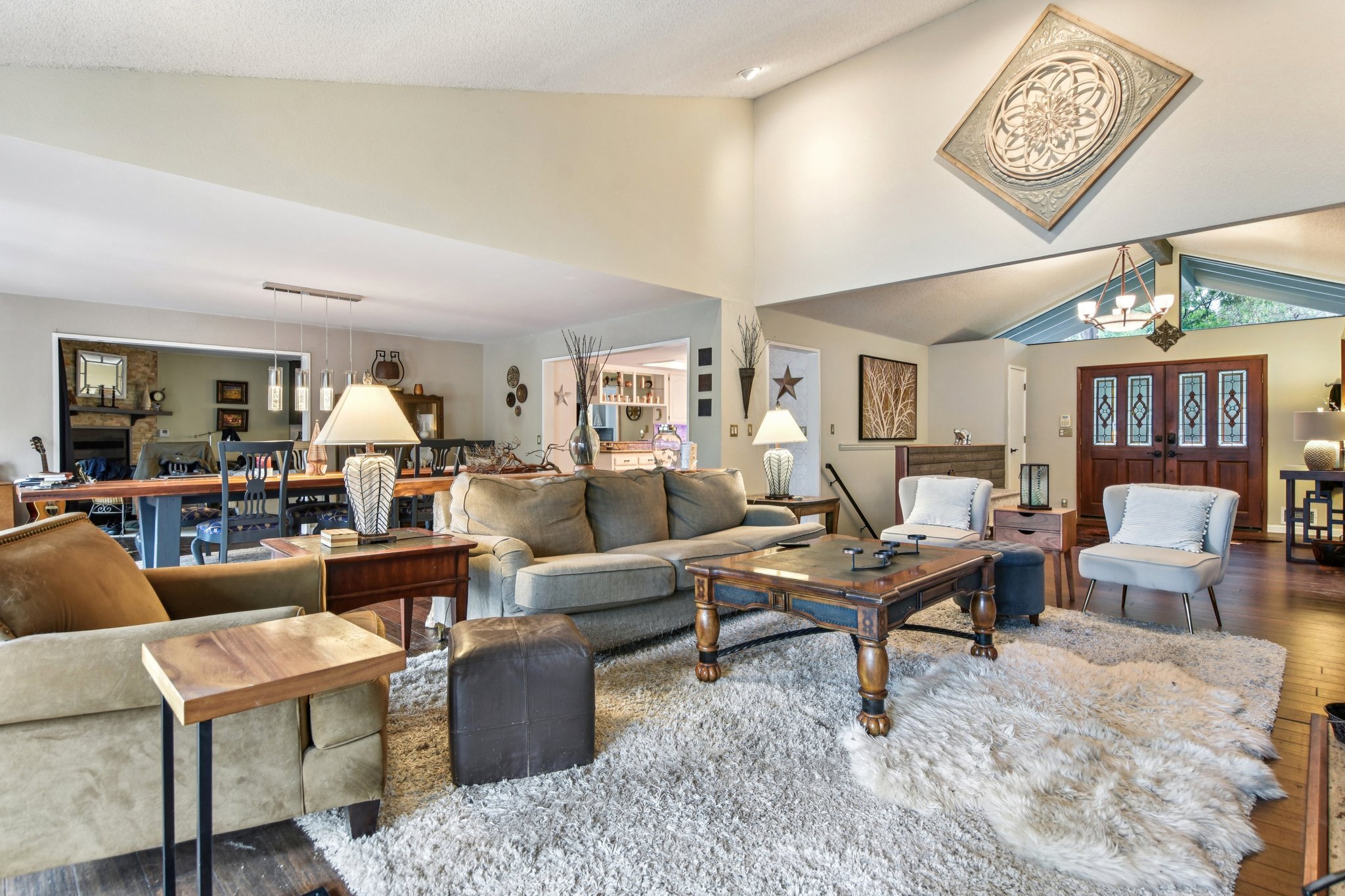
Sudbury involved a distressed property with code issues, difficult occupancy circumstances, and substantial work ahead. It is relevant because the seller’s real decision was not simply whether repairs were possible. The decision involved cost, timing, legal and occupancy complications, city concerns, and whether the owner wanted to continue managing the project.
Darren evaluated the complete situation as an as-is acquisition. That meant the buyer—not the seller—would assume responsibility for the rehabilitation, cleanup, deferred maintenance, and future work described in the purchase agreement after closing.
A responsible direct sale begins with the facts. The buyer needs to understand the notice, property condition, access, occupancy, title, fines, liens, deadlines, and what the owner is trying to accomplish.
Explain the violation, deadlines, known repairs, permits, occupancy, access limits, title concerns, and the outcome you want.
Darren evaluates the property in its present condition without requiring the seller to create a retail-ready house first.
Compare repairs and listing, continued ownership, partial compliance, or a direct cash sale using realistic costs and timelines.
Known notices, liens, responsibilities, disclosures, and closing terms are documented so the parties understand the transaction.
Repair bids are useful, but committing money before comparing the likely as-is net result can remove flexibility.
Additional roof, electrical, plumbing, moisture, structural, or interior problems may appear after work begins.
Taxes, insurance, utilities, security, landscaping, legal advice, and municipal charges can continue while the owner delays.
The buyer should understand distressed property, occupancy, title, repairs, city issues, and the difference between making an offer and actually closing.
Compare likely net proceeds after repairs, permits, carrying costs, commissions, concessions, delays, and transaction risk.
Notices, liens, fines, permits, and agency requirements must be identified and addressed in the purchase and closing structure.
Every Orangevale anchor below points to its matching verified Orangevale destination from the uploaded Site 1 sitemap. No generic city substitutions, guessed slugs, or unrelated area pages are used.
Start with the verified Orangevale resource covering cash, as-is, tenant, inherited, fixer, and fast-sale options.
Review Orangevale Home Selling Options →Review the main Orangevale selling page when the property has repairs, code concerns, occupancy problems, or another difficult condition.
Review the Orangevale Selling Guide →Compare a direct sale when code deadlines, carrying costs, vacancy, or repair uncertainty make timing important.
Review Fast-Sale Options →Review whether the property may be sold in its current condition without first correcting every cosmetic or structural issue.
Review the Orangevale As-Is Guide →Compare selling without first completing a full renovation, permit project, cleanup, or retail preparation.
Review the No-Repairs Option →Review a direct sale when roofing, electrical, plumbing, structural, cleanup, or deferred-maintenance work is extensive.
Review the Fixer-Upper Guide →Useful when code violations exist alongside vacancy, nuisance conditions, dumping, overgrowth, vandalism, or security concerns.
Review the Vacant-House Guide →Review occupancy, lease, access, deposits, disclosures, and sale considerations when the code case involves tenants.
Review Tenant-Occupied Sale Options →Compare continued ownership, repairs, another rental cycle, listing, or a direct as-is sale.
Review the Rental Exit Guide →Useful when code enforcement overlaps with unpaid rent, tenant damage, limited access, or difficult possession circumstances.
Review the Non-Paying-Tenant Guide →Review family, title, probate, cleanout, repair, and timing issues when the code-violation property was inherited.
Review Inherited-House Options →Review timing options when code violations exist alongside missed payments, default, or foreclosure pressure.
Review Foreclosure Sale Options →Relevant when code enforcement, vacancy, unauthorized occupants, or possession problems overlap.
Review Difficult-Occupancy Options →Review buyer verification, professional background, written terms, proof, and closing reliability.
Verify an Orangevale Cash Buyer →Review how a local as-is cash buyer evaluates condition, repairs, timeline, and transaction certainty.
Review Orangevale Cash Buyer Options →Compare a direct local cash sale with repairs, listing, buyer financing, and the time required to prepare the property.
Review Orangevale Cash Buyer Information →Compare repair bids, code work, permit expenses, and likely net proceeds before deciding whether to renovate or sell as-is.
Review the Repair-vs-Sell Guide →Understand the direct-sale process from property review and offer comparison through title and closing.
Review the Orangevale Cash-Sale Process →A sale may be possible, but the notice, title, physical condition, fines, liens, agency requirements, and closing structure must be reviewed. Do not assume ownership transfer automatically resolves every issue.
No. Darren can review the property in its current condition before you begin corrective work or commit money to contractors.
It may be possible. The addition, permit history, property value, safety, title, disclosure requirements, and buyer’s plan must be considered.
They should be identified through the city, title, and escrow process. The purchase agreement and closing statement should explain how confirmed amounts will be handled.
It depends on the violation, appraisal, lender, insurer, and property condition. Significant life-safety, structural, roof, electrical, or habitability issues can reduce conventional financing options.
No. A clean, financeable property with manageable repairs may perform better through a conventional listing. The correct comparison is the likely net result, timeline, cost, and risk of each option.
You do not need to promise repairs, hire contractors, or accept an offer to begin the conversation. Share the notice, explain the property condition, and compare a direct cash offer with the realistic cost and timeline of your other options.