

01
He Did Not Repair the Property First
The rental was evaluated in its existing condition. The seller was not required to repair the electrical system, remodel the interior, or prepare the home for financed buyers.
An out-of-state landlord had gone approximately 18 months without collecting rent and believed his Citrus Heights rental was vacant. When I visited the property, I discovered a family was still living inside.
Instead of requiring the owner to complete repairs, remove the occupants, clean the home, or prepare it for a traditional listing, I purchased the rental directly as-is and closed in seven days.
Yes. A landlord may be able to sell a tenant-occupied rental without first renovating the property or delivering it vacant. In this documented Citrus Heights transaction, the owner sold directly to a local cash buyer while the occupants were still living in the home.
The property was purchased completely as-is. The seller did not make repairs, prepare the house for showings, or complete an eviction before the sale. Escrow closed seven days after the purchase agreement was signed.
The owner did not spend more money trying to transform a difficult rental into a retail-ready house. He compared the uncertainty of continuing to hold it against a direct, no-repairs as-is sale.
The rental was evaluated in its existing condition. The seller was not required to repair the electrical system, remodel the interior, or prepare the home for financed buyers.
The occupants remained in the property through closing. Vacant possession was not made a condition of the direct purchase.
After approximately eighteen months without rental income, the seven-day closing replaced an open-ended landlord problem with a completed sale.
This is not stock footage or a recreated story. The video documents the people who were living in the Citrus Heights rental featured on this page and provides their perspective after the property changed ownership.
The video above relates to the actual Citrus Heights rental-property transaction documented on this page.
Many of the homeowners who contact me say they read my Google reviews before they ever picked up the phone. That matters because selling a difficult property requires more than an offer. The seller also needs confidence that the buyer will communicate clearly, follow through, and do what was promised.
This was not a simple vacant-house purchase. Distance, unpaid rent, unexpected occupancy, deferred maintenance, and concerns about the property’s systems all had to be considered without delaying the seller’s exit.
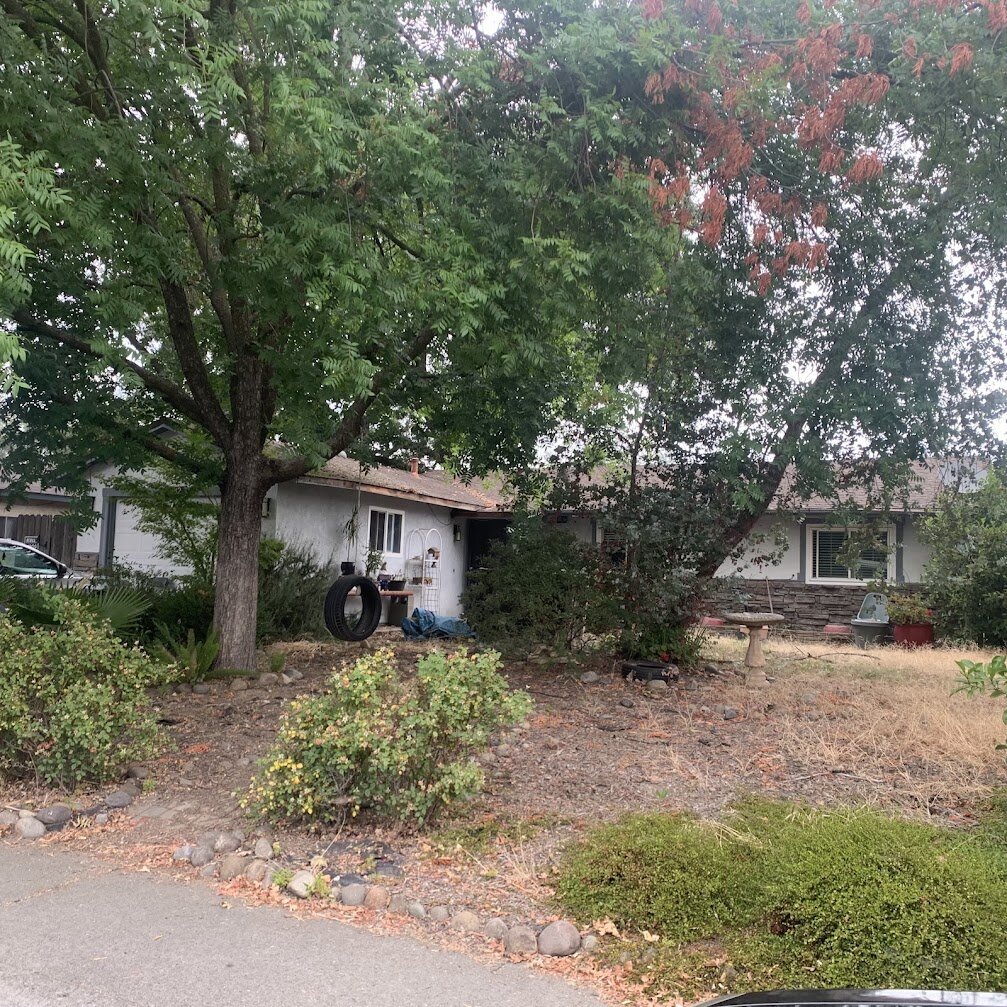
The owner lived outside California and had reached the point where his Citrus Heights rental felt more like an unresolved obligation than an investment. He had not received rent for approximately eighteen months and believed the house was vacant.
He contacted me after receiving one of my postcards. He was not looking for a long listing process, repeated inspections, repair negotiations, or another uncertain period of holding the property.
He wanted to know whether I could visit the rental, give him a straightforward assessment, purchase it in its current condition, and close without requiring him to manage another long-distance project.
During our conversation, we also discovered a shared military connection. The owner and his wife were retired Army veterans, and I am a retired Air Force veteran. We spent time talking about our service before discussing the property in detail.
We arranged for me to visit the home the following morning. Based on the information available at that time, the owner believed I would be inspecting an empty rental.
That changed as soon as I arrived.
When I arrived at the Citrus Heights property, there were clear signs that people were still living there. The rental the out-of-state owner believed was empty was occupied by a family.
That discovery changed the transaction immediately. This was no longer just a vacant house with deferred maintenance. The sale now involved occupants, unpaid rent, uncertainty about the condition inside, and the question of whether the owner would have to resolve everything before he could sell.
A traditional buyer might require vacant possession before closing. A financed buyer might also request repairs, inspections, credits, or additional access to the property. Each requirement could create more expense, more delay, and more responsibility for a landlord living outside California.
I evaluated the occupants and the property condition together. The owner would not be required to remove the family, renovate the house, clean it out, or prepare it for public showings before the sale could proceed.
We would purchase the rental directly as-is and take responsibility for what remained after closing.
Once I confirmed that the Citrus Heights rental was still occupied, the next question was not whether it needed fresh paint. I needed to understand what condition the house was actually in—and what problems the owner would be handing to the next buyer.
The living room, kitchen, bathroom, and electrical system showed why this was not a simple market-ready rental. A traditional sale might require repairs, repeated access, inspections, buyer negotiations, and more time carrying a property that had already gone approximately eighteen months without producing rent.
Flooring, paint, and cabinets are easy for buyers to notice. The more important question was what was happening behind the electrical-panel cover. The actual Butternut photos below show why this property needed to be evaluated as more than a cosmetic fixer.
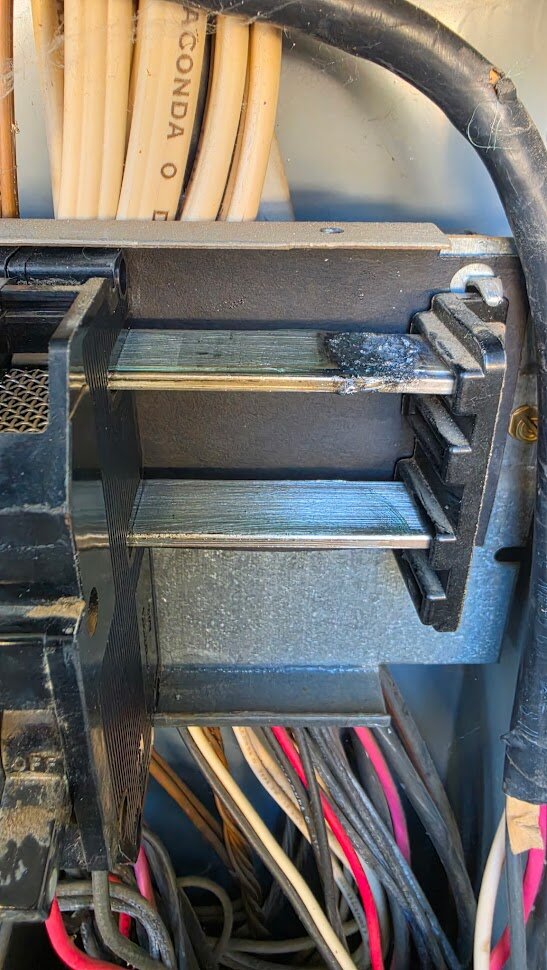
A visible electrical concern can lead a traditional buyer to ask for specialist inspections, repair estimates, credits, or work completed before closing. A lender, insurer, appraiser, or home inspector may also raise questions depending on what is found.
I treated the condition as part of the as-is purchase. That meant the uncertainty, investigation, repair decisions, and expense would become my responsibility after closing—not another project the out-of-state seller had to coordinate from a distance.
This is an important distinction. Selling a rental as-is does not make a serious condition disappear. It determines who accepts the responsibility for dealing with it.
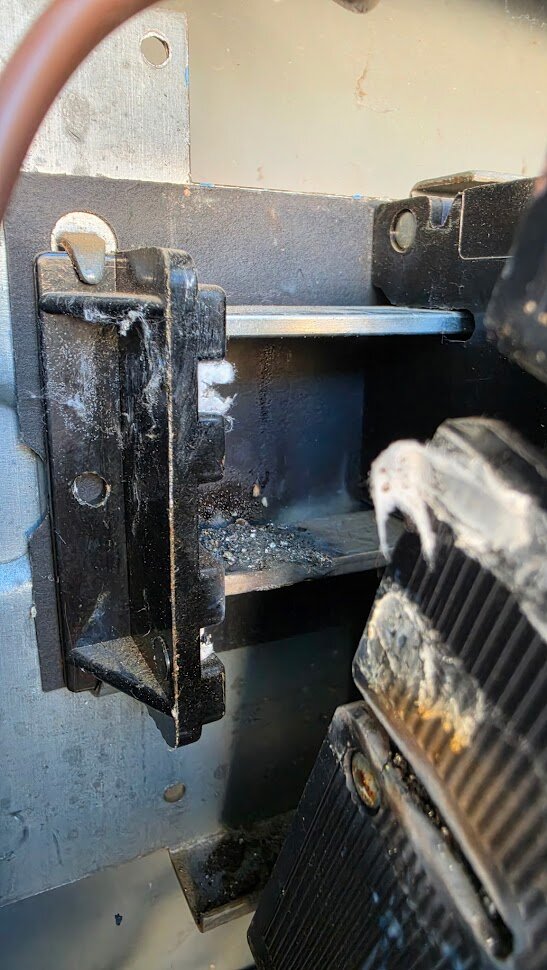
The photograph documents visible damage inside the electrical area. It was a real condition to investigate—not a marketing phrase added to make the house sound distressed.

Damaged controls and switches added another layer of uncertainty for a property already occupied and managed from outside California.
One isolated photograph never tells the entire story. The panel, damaged components, occupancy, and broader property condition all affected how I evaluated the purchase.
The house was not automatically impossible to list. But listing it would not remove the conditions inside. Those conditions could become repair requests, inspection issues, access problems, financing delays, or reasons for a buyer to reconsider.
Visible damage could trigger additional inspections, estimates, negotiations, or lender and insurance concerns.
Agents, buyers, inspectors, and appraisers would need reliable access to a home that was still occupied.
The visible condition could lead buyers to request repairs or reduce their willingness to proceed at the original price.
Preparation, marketing, inspections, financing, and closing could extend the period in which the owner remained responsible for the rental.
These are the real rooms inside the Butternut rental. The purpose is not to embarrass the occupants or exaggerate the condition. It is to show what the seller would have been responsible for addressing before presenting the property as a repaired, retail-ready home.
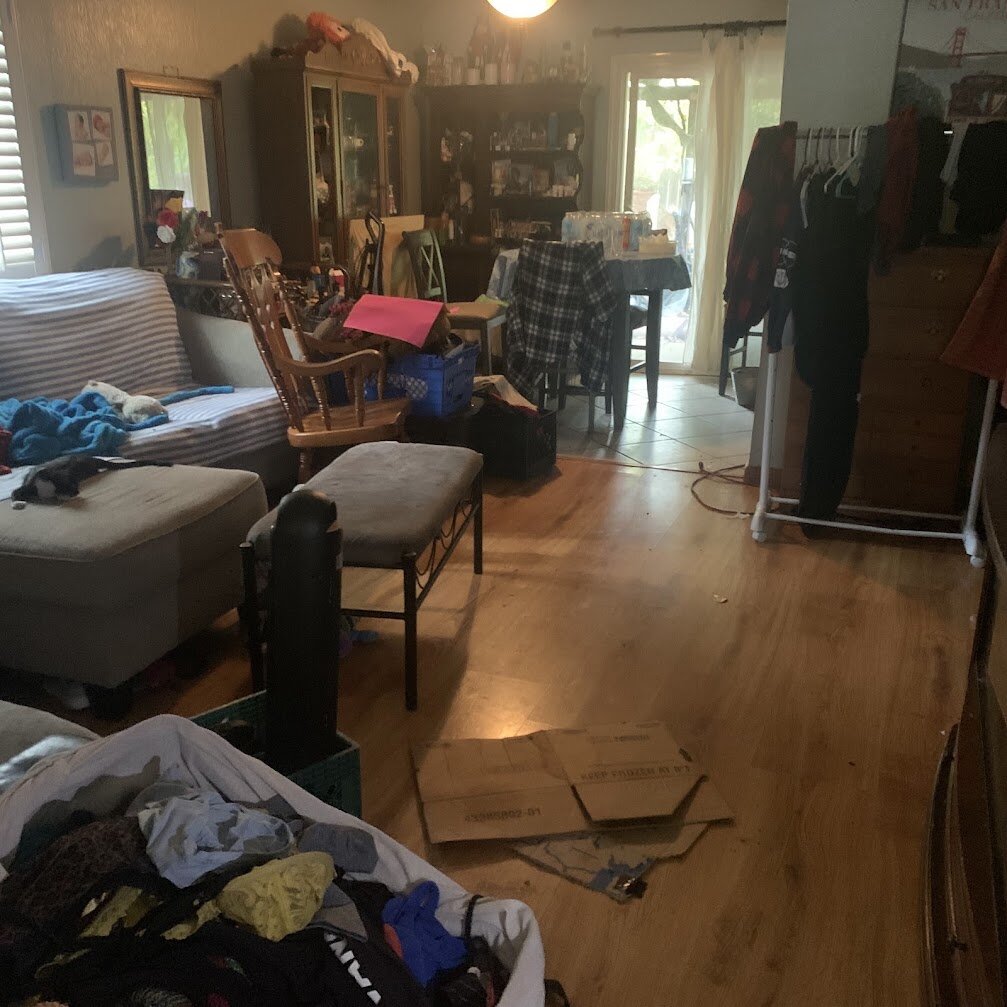
The property was not empty, staged, or ready for open houses. It was actively occupied. That matters because selling an occupied rental requires more than choosing a list price.
The seller would need cooperation for access, photography, showings, inspections, appraisal appointments, and any repair work. Even when everyone acts in good faith, every additional visit adds another point where the process can slow down.
My purchase did not depend on converting the occupied living space into a showroom before escrow could close.
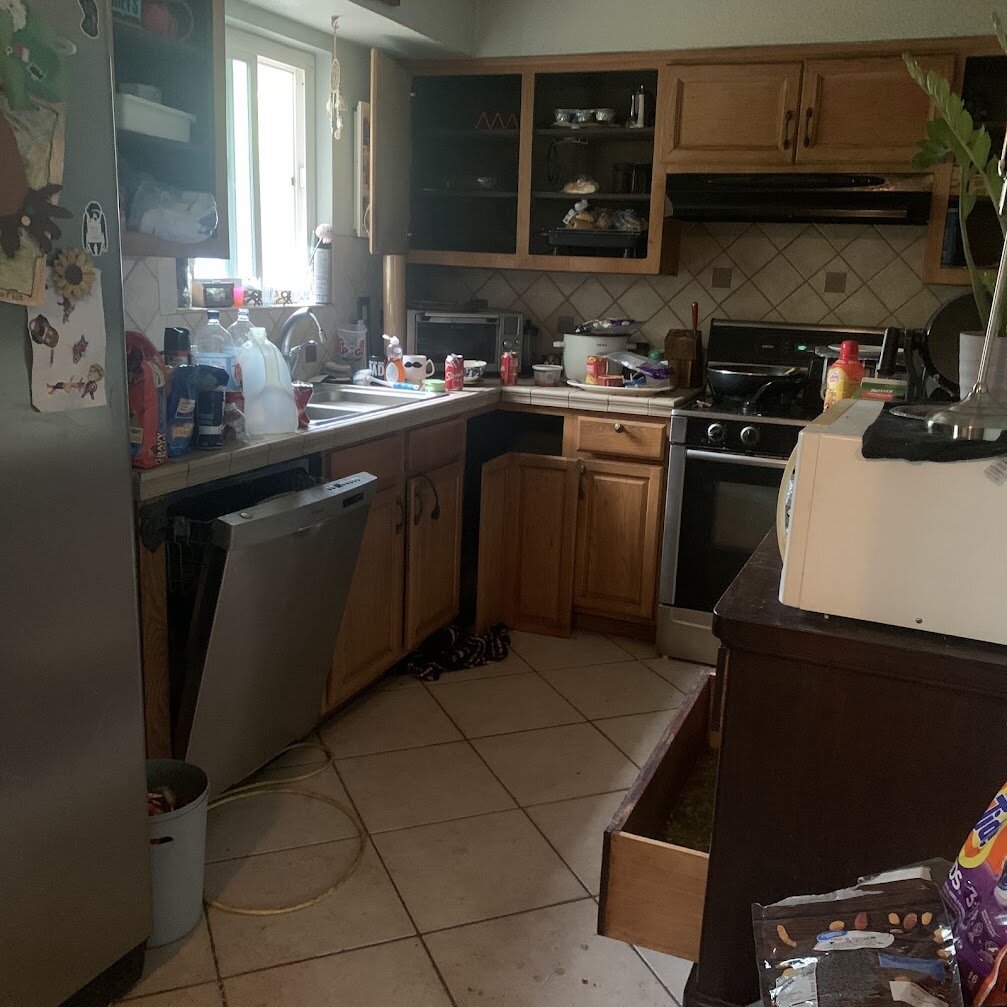
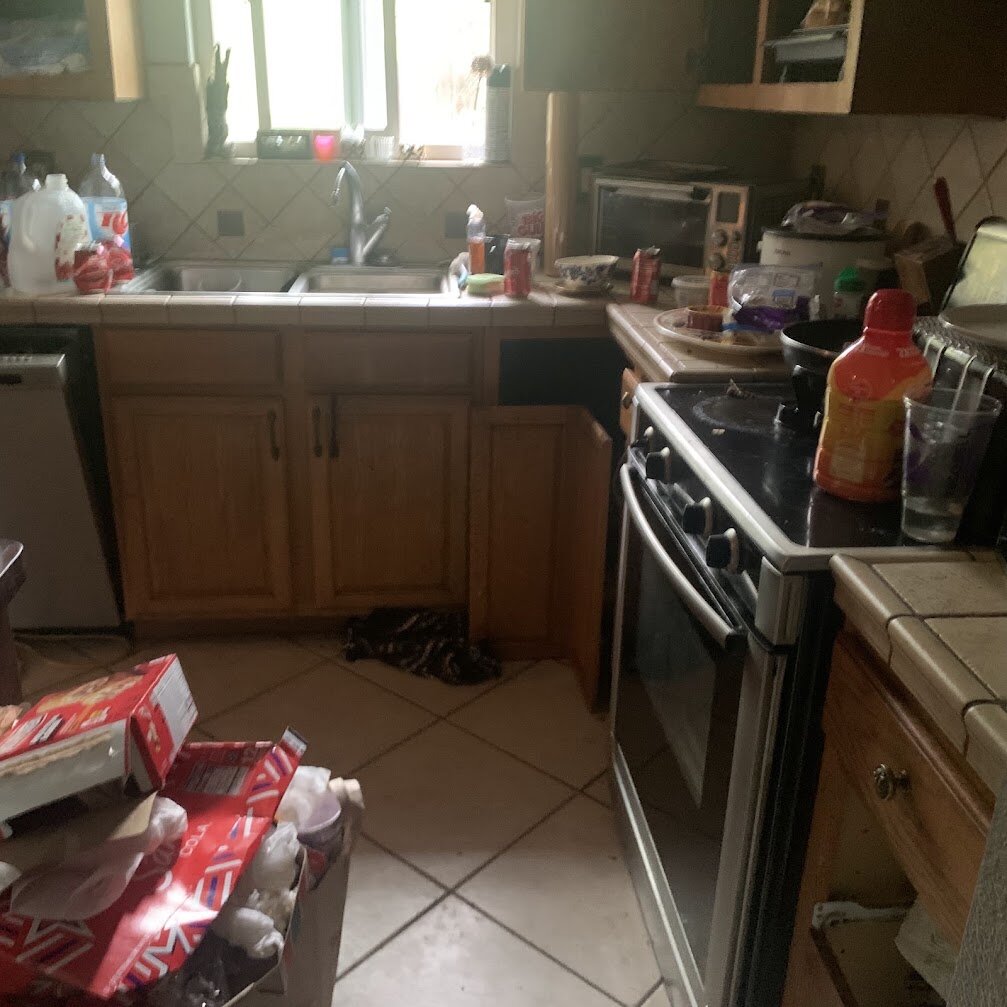
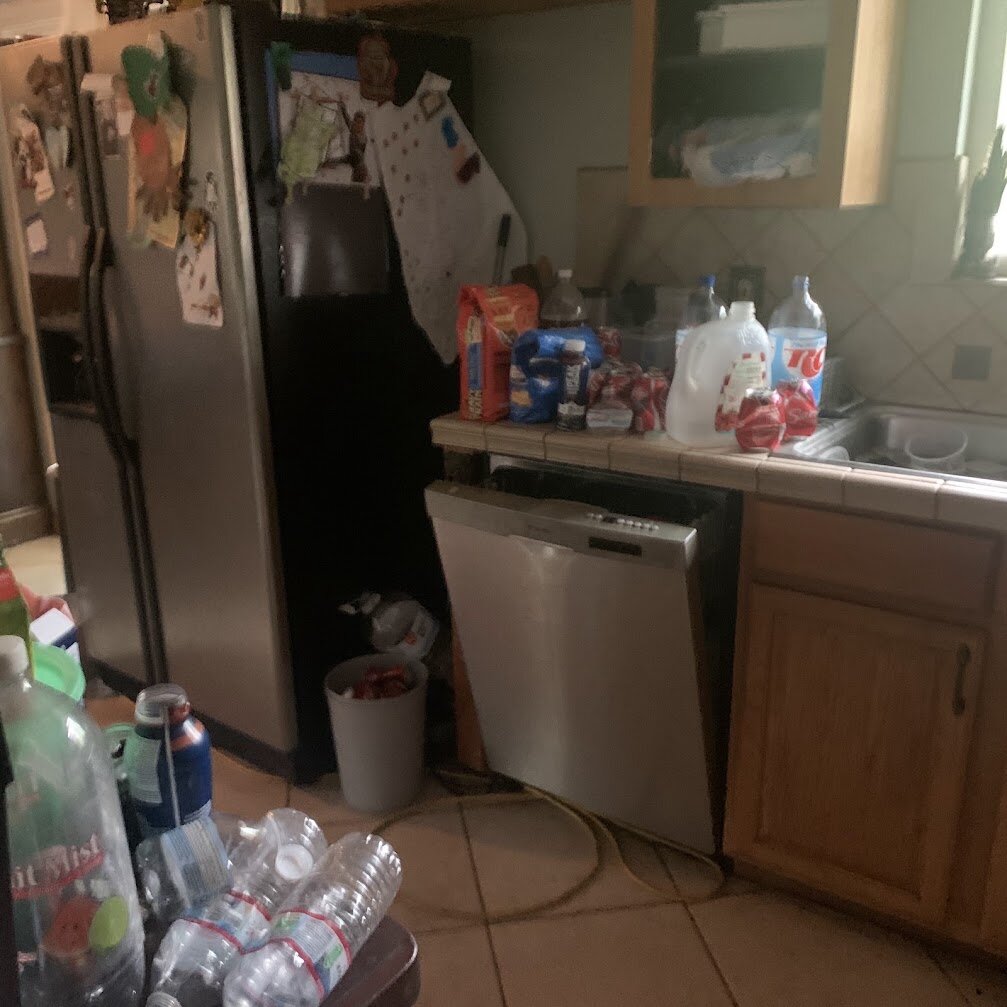
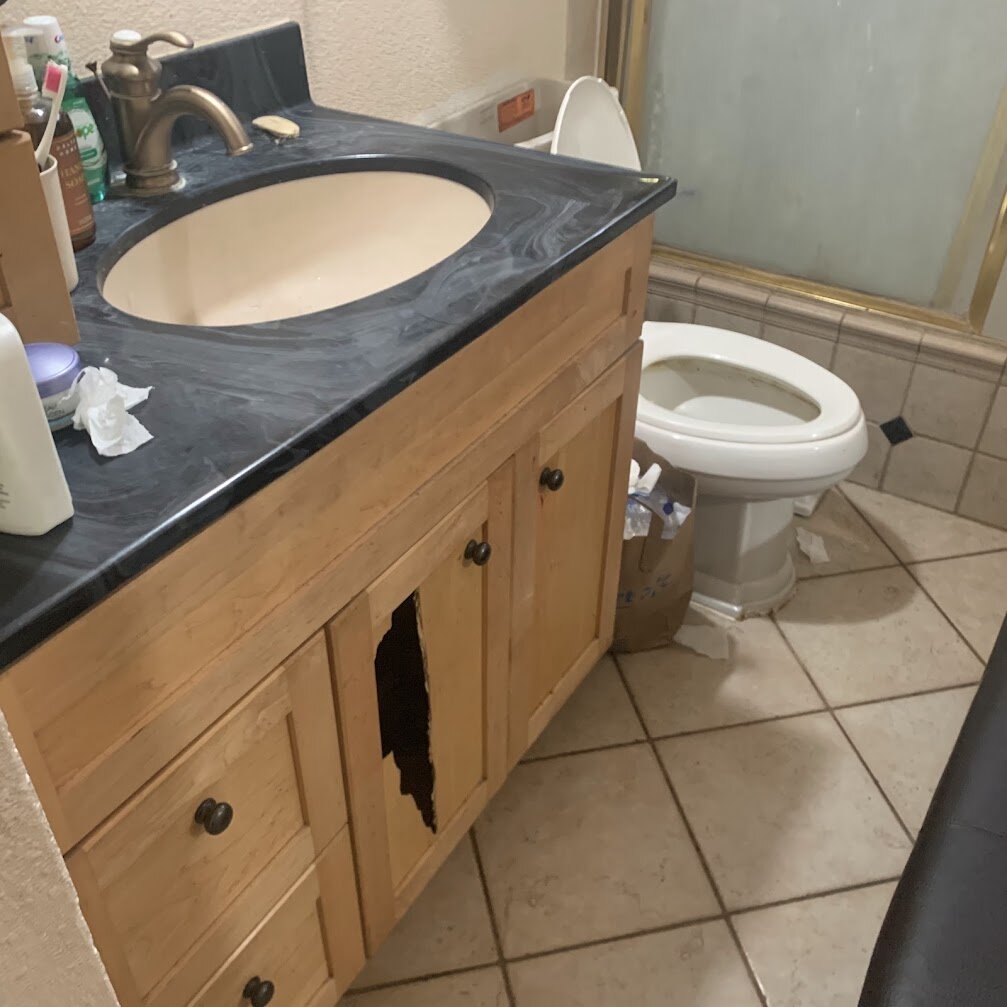
A seller preparing for a traditional listing may start with one room and quickly discover that every room needs attention. The bathroom, kitchen, living areas, electrical system, cleaning, and occupied condition do not exist separately. Together, they determine how much time and money may be needed before the house is ready for the broad retail market.
The landlord had already gone a long period without rental income. Spending additional money to prepare the home would not guarantee a particular sales price, buyer, appraisal, or closing date.
A direct as-is offer gave him another benchmark: what the property could sell for without completing that preparation first.
Neither option is automatically right for every landlord. The real comparison is not simply retail price versus cash-offer price. It is the likely net result, work, risk, timing, and certainty attached to each path.
Pursue broader market exposure after addressing the property’s condition and occupancy.
Transfer the property and its remaining responsibilities without completing the pre-sale project.
Difficult rentals rarely involve one isolated issue. Occupancy affects access. Access affects inspections and repairs. Repairs affect cost. Cost and financing affect the timeline. The timeline determines how long the owner remains exposed to the property.
In this case, the landlord was not choosing between an effortless retail sale and a direct as-is sale. He was deciding whether to take responsibility for the sequence below or transfer that responsibility to a buyer willing to accept the rental in its existing condition.
The seven-day closing was possible because the important issues were identified early and incorporated into the purchase—not left as conditions the seller had to solve before escrow could move forward.
The out-of-state owner explained that the property had not produced rent for approximately eighteen months and that he believed the home was vacant.
The visit established that the rental was still occupied and allowed me to begin assessing its actual condition.
The living areas, kitchen, bathroom, electrical panel, and damaged components showed that the property was not ready for a simple financed retail sale.
The occupancy, deferred maintenance, electrical uncertainty, and remaining work were included in the as-is evaluation.
The purchase agreement did not require the owner to remodel the house, repair the panel, or deliver the property vacant before closing.
Seven days after entering the agreement, the landlord completed the sale and transferred the difficult rental and its remaining responsibilities.
From the seller’s side, the transaction ended when the property transferred and the sale proceeds were disbursed. From my side, that was when responsibility for the difficult parts began.
Those conditions were not reasons to criticize the seller or the occupants. They were the actual facts that had to be priced, investigated, and managed.
A legitimate as-is offer should reflect both sides of the transaction: the property’s present value to the seller and the work, risk, expense, and responsibility the buyer accepts after closing.
An as-is cash offer should not be compared only with a hoped-for future retail price. A realistic comparison includes the money, time, risk, and management required to reach that future sale.
Some landlords start spending money before they know whether the repairs will produce a worthwhile return. Others assume they must remove the occupants before any buyer will consider the property.
This Butternut transaction demonstrates another approach. The owner first compared what the property could sell for in its existing occupied condition. That gave him a real alternative to funding the electrical work, interior preparation, long-distance management, and traditional sales process himself.
A direct offer will not be the best choice for every landlord. A repaired, vacant, market-ready home may benefit from broad market exposure. But when a rental has non-paying occupants, deferred maintenance, system concerns, and an owner who needs certainty, comparing a no-repairs as-is sale before investing more money can prevent an expensive assumption.
The electrical system, deferred maintenance, and occupied rooms explain why the owner chose an as-is sale. But they do not explain what happened with the family living inside—or why their video is one of the most important pieces of proof on this page. The next chapter connects the landlord’s exit with the human side of an occupied-property purchase.
When the owner first contacted Darren Brown, he believed he was dealing with another vacant rental property that needed work. What he discovered was more complicated: the Citrus Heights house was occupied, the tenant had not been producing reliable rental income, the property had deferred maintenance, and the electrical concerns added another layer of uncertainty.
Repairing the house would not have solved the occupancy problem. Removing the tenant would not have repaired the house. Listing the property would still require access, cooperation, inspections, preparation, and a buyer willing to accept everything happening inside the transaction.
The seller did not have to remodel the kitchen, repair the damaged electrical components, clean the property, stage it for showings, or wait for the tenant situation to be resolved before closing.
Darren purchased the house directly, as-is and occupied, and assumed responsibility for what came next.
The transaction moved forward without a traditional retail-sales timeline.
No remodeling, cleaning, staging, or seller repairs were required.
The seller did not have to complete the tenant-removal process before selling.
The property, repairs, occupancy issues, and next steps became the buyer’s responsibility.
A difficult property transaction usually involves several problems layered together. The real work is understanding which problems belong to the seller today—and which responsibilities can be transferred through a properly structured sale.
Homeowners usually do not contact me because everything is going perfectly. They call when a property problem has become a personal, financial, legal, or emotional burden.
“The real job is not simply buying a house. It is identifying the problem the seller actually needs solved and determining whether a direct as-is sale is the right way to solve it.”
Sometimes the main issue is a non-paying tenant. Sometimes it is probate, an inherited rental, family disagreement, deferred maintenance, code violations, squatters, foreclosure pressure, or a house that has simply become too difficult to manage.
At Butternut Drive, the owner was not transferring only the deed. He was transferring the responsibility for the tenant, the damaged electrical components, the deferred repairs, the future cleanup, and every decision that would have followed.
This Butternut Drive transaction is one example of how Darren Brown helps Sacramento-area property owners compare a direct as-is cash sale against continued ownership, repairs, tenant removal, or a traditional listing.
Local information, real property stories, seller resources, credentials, as-is buying options, and direct access to Darren Brown.
Learn about Darren Brown, the types of Sacramento-area properties he purchases, how a direct as-is sale works, and the situations where working with a local cash buyer may make sense.
Visit the homepage → Trust and CredentialsReview Darren’s professional credentials, business information, seller proof, and identity before deciding who should purchase your property.
Verify Darren Brown → Compare an OfferProvide the basic property details so Darren can evaluate the house in its current condition, including existing repairs or tenant-related complications.
Compare an as-is offer →Sellers should be able to confirm the professional and business background of a buyer before signing a purchase agreement or transferring a property.
Darren purchased the house directly, as-is and occupied, and assumed responsibility for what came next.
At closing, the seller transferred more than ownership of the Citrus Heights property. The tenant situation, deferred repairs, damaged electrical components, future cleanup, and every decision connected to the house became the buyer’s responsibility.
The transaction moved forward without the preparation, repeated showings, buyer financing, and extended timeline associated with a traditional retail sale.
No remodeling, cleaning, staging, electrical repairs, cosmetic improvements, or seller repair credits were required before closing.
The seller did not have to complete the tenant-removal process or deliver the Citrus Heights rental vacant before it could be sold.
The occupancy issues, repairs, cleanup, property condition, and decisions about what happened next became the buyer’s responsibility.
The details change from one property to another, but difficult rental transactions often share the same pattern: the owner is dealing with more than a house. Tenant behavior, unpaid rent, access problems, deferred repairs, unauthorized occupants, code enforcement, cleanup, legal timing, and financial pressure can all overlap.
This rental combined tenant occupancy, substantial personal-property accumulation, deferred maintenance, limited retail-market appeal, and a seller who needed a practical way to transfer responsibility without first completing a major cleanup or renovation.
A property that appeared vacant became occupied again shortly before the scheduled closing, creating a new security and transaction problem at the point when many traditional buyers might have reconsidered.
See how the transaction moved forwardAfter an extended and stressful ownership experience, this rental required a selling path built around its actual condition and circumstances—not the ideal assumptions of a normal retail listing.
Read the Natomas rental case studyThe owner was facing unauthorized occupancy, tenant complications, two unlawful-detainer matters, extensive code pressure, and a property that could not be treated like an ordinary clean and vacant home.
Review the Cameron Park outcomeReview additional Sacramento-area properties involving difficult tenants, occupied closings, severe repairs, cleanup, access problems, unauthorized occupants, and direct as-is sales.
Visit the complete case-study libraryA buyer may look capable when a house is vacant, clean, repaired, and easy to access. The more important test is what happens when tenants remain, occupancy changes, serious repairs surface, code problems exist, or the closing requires someone willing to accept responsibility instead of asking the seller to solve everything first.
Non-payment may be the problem that gets the owner’s attention, but it often exists alongside property damage, deferred maintenance, unauthorized occupancy, limited access, legal uncertainty, code violations, or a rental that no longer fits the owner’s life.
Compare continued ownership, negotiation, eviction, listing, and selling the rental occupied to a direct as-is cash buyer.
Sacramento non-paying tenant guide 02Learn how uncertain occupancy, limited access, property damage, legal timing, and security problems can affect a possible sale.
Sacramento squatter-house guide 03Understand how a house may be evaluated and sold as-is without requiring the owner to complete a full cleanout first.
Sell without cleaning first 04Explore how unresolved repairs, enforcement pressure, fines, unsafe conditions, and compliance deadlines may influence the selling decision.
Code-violation property options 05Compare the possible resale benefit of repairing the house against the cost, time, contractor risk, and continued carrying expenses.
Repairs that may be skipped 06Compare access, timing, buyer pool, showings, legal considerations, property condition, and possible net results.
Compare tenant versus vacant 07Review practical exit paths when management, repairs, tenant communication, legal responsibilities, or financial stress have become too much.
Build a landlord exit strategy 08Learn how a direct sale may transfer repair, cleanup, occupancy, and resale responsibilities to a local as-is cash buyer.
Sell a rental property fast as-isA direct cash offer is one option—not automatically the right option for every owner. These resources help landlords understand tenant rights, possible timelines, occupied sales, vacant sales, and the practical tradeoffs between resolving the problem first or transferring it through an as-is sale.
Review the practical issues involving access, communication, showings, leases, buyer expectations, timing, and closing with occupants.
Explore the complete guide → Occupied Sale QuestionLearn why a tenant does not always have to be removed before ownership transfers and what may affect the transaction.
Review the occupied-sale answer → California Seller EducationUnderstand why leases, notices, access, retaliation rules, habitability issues, local ordinances, and property type can matter.
Review tenant-rights information → Transaction TimelineFollow the possible stages from the owner’s initial decision through property evaluation, tenant coordination, escrow, and ownership transfer.
View the tenant-property timeline → Side-by-Side ComparisonCompare the possible benefits and friction associated with selling now versus completing the vacancy process first.
Compare both selling paths → Direct As-Is SaleLearn how a local cash buyer may evaluate the property in its present condition without requiring a retail listing first.
Explore the as-is tenant-sale option →A traditional sale would have required the owner to coordinate repairs, address the electrical concerns, work around an occupied property, prepare the house for buyers, and accept the uncertainty of a longer retail timeline.
Instead, Darren Brown evaluated the property based on its actual condition and circumstances. The house was purchased directly from the owner, as-is and occupied, without requiring the seller to make the rental look or operate like a conventional listing.
That distinction matters. A local cash buyer is not merely buying walls, land, and a roof. In a difficult landlord transaction, the buyer may also be accepting the repair burden, occupancy complications, cleanup, resale risk, and responsibility for whatever must happen after closing.
The seller received an exit. Darren accepted the property and the problems attached to it.
Some landlords need a broader understanding of their options before making a decision. Others already know they want to compare an occupied, no-repairs sale against continuing to manage the rental.
Learn about Darren Brown, the properties he purchases, his local Sacramento-area experience, seller proof, and the direct as-is buying process.
Visit the homepage → Verify Before SellingReview Darren’s broker credentials, veteran status, business documentation, BBB profile, local affiliations, and transaction proof.
Review the trust center → Direct Selling OptionShare the property details so Darren can evaluate the rental in its current condition, including tenant, repair, access, or occupancy complications.
Request a cash offer →The Butternut Drive case study shows what one successful occupied sale looked like. The resource center below addresses the broader questions landlords face when tenants stop paying, communication breaks down, repairs accumulate, access becomes difficult, or the owner begins considering an exit.
Use the guides below to compare tenant-occupied and vacant sales, review California seller considerations, understand possible timelines, explore real local case studies, and evaluate whether continued ownership, tenant removal, a traditional listing, or a direct as-is sale makes the most sense.
This is the educational and internal-resource section of the page. It is designed to help Sacramento-area landlords move from one property story into the full range of selling questions and available options.
City-specific landlord resources, non-paying tenant guides, occupied-sale comparisons, tenant-rights information, real Sacramento property case studies, related rental problems, trusted outside resources, and direct selling options.
Compare your options, understand the practical issues that affect an occupied rental sale, explore every verified local guide, and decide whether continued ownership, eviction, listing, or a direct as-is cash sale makes the most sense.
The Sacramento page serves as the central guide. Every local page below is verified in the supplied sitemap and connects the same landlord problem to the appropriate city.
Unpaid rent, repairs, legal costs, access problems, commissions, concessions, taxes, insurance, utilities, and time can materially change the outcome.
| Option | Possible Benefit | Common Friction | Key Question |
|---|---|---|---|
| Continue ownership | Preserve long-term appreciation and future rent | More management, unpaid rent, and repair exposure | What will another 3–12 months realistically cost? |
| Negotiate a resolution | May avoid litigation and create cooperation | Requires agreement and reliable follow-through | Is the tenant willing and able to perform? |
| Evict before selling | May improve access and expand the buyer pool | Legal expense, delay, procedure, and damage risk | Will the expected price increase exceed the total delay cost? |
| List traditionally | Potential exposure to retail buyers | Showings, repairs, inspections, financing, and tenant access | Can the property be shown and financed as it is? |
| Sell as-is to a cash buyer | Fewer contingencies and no retail preparation | Offer reflects condition, occupancy, and resale risk | What is the true net after avoided costs and time? |
These examples show how non-payment can overlap with limited access, severe condition problems, unauthorized occupancy, code violations, and closing risk.
These government and court resources provide current legal-process and landlord-rights information. They do not replace advice from a qualified attorney.
Official California Judicial Branch eviction guidance.
Visit official resource ↗ Official External Resource California DRE — 2026 Landlord/Tenant GuideCurrent state guide to landlord and tenant rights and responsibilities.
Visit official resource ↗ Official External Resource Sacramento Superior Court — Unlawful DetainerLocal court forms, filing information, mediation, and self-help resources.
Visit official resource ↗Legal-information disclaimer: This page is educational and is not legal advice. Notice, eviction, rent-control, retaliation, habitability, relocation, and lease rules may depend on current law, local ordinances, property type, tenancy facts, and documents already served.
A direct cash offer is one option, not the only option. Darren Brown can evaluate the rental as-is so you can compare certainty and speed against continued ownership, eviction, repairs, or a traditional listing.