

✅ A+ BBB Rated Business
Verify Darren Buys Homes Cash through its Better Business Bureau business profile.
View BBB Profile →When a rental property has become a second job, selling it does not have to become another long project. Darren Brown helps Antelope landlords compare a traditional listing with a direct as-is sale to a local cash buyer—especially when repairs, tenant complications, deferred maintenance, vacancies, or repeated management problems have made ownership harder than it is worth.
Verified Sacramento Cash Home Buyer Trust Signals
Darren Brown is a local Sacramento-area cash home buyer, licensed California Broker/Realtor®, verified retired U.S. Air Force veteran, DVBE-certified business owner, Sacramento Metro Chamber active member, and A+ BBB rated business. Antelope rental-property owners can independently review his veteran status, broker license, business filing, chamber membership, and third-party credentials before deciding whether to request or compare an as-is cash offer.
Verify Darren Buys Homes Cash through its Better Business Bureau business profile.
View BBB Profile →Darren Brown’s business is DVBE certified, providing third-party verification of its veteran-owned status.
View DVBE Certificate →Darren served 20 years in the United States Air Force before continuing his Sacramento real estate career.
View Veteran Status Proof →Darren is a licensed California real estate broker/Realtor®, adding professional accountability to the direct-sale process.
View Broker License →Review official filing documentation supporting Darren’s established California business presence.
View SOS Filing →Darren is listed as an active member through the Sacramento Metro Chamber directory.
View Chamber Profile →More than three decades of Sacramento-area real estate experience helping owners navigate difficult property situations.
Read About Darren Brown →Experience with tenant-occupied rentals, non-paying tenants, inherited rentals, landlord burnout, and difficult occupancy issues.
Review Tenant-Occupied Sale Options →Qualified sellers may ask about Darren’s written 10-Day Closing Guarantee for added certainty and accountability.
Ask About the Guarantee →Yes. An Antelope landlord can sell a rental property as-is without first completing a full remodel, replacing worn finishes, preparing the home for repeated showings, or turning the property into a retail-ready listing. A direct sale may also be considered when the property is tenant-occupied, although the lease, tenancy status, notices, access, deposits, and closing plan must be handled carefully.
Selling as-is means the buyer evaluates the property in its current condition and builds needed repairs, risk, carrying costs, and resale considerations into the offer. It does not mean that every offer is equally strong. Landlords should compare the likely net proceeds, certainty, timing, inspections, contingencies, tenant plan, and the amount of work required before deciding between a listing and an as-is cash offer.
Darren Brown operates as both a local cash buyer and a licensed California broker, so the conversation can begin with the seller’s actual objective—not with a predetermined assumption that every rental should be sold the same way.
Most landlords do not decide to sell because of a single repair call. The decision usually builds over time. A water heater fails, then the property needs exterior work, then a tenant gives notice, then the unit needs cleaning and turnover work before it can be rented again. Even when each individual issue seems manageable, the combined burden can change the investment from a source of income into a recurring demand on time, attention, and cash.
In Antelope, many rental owners are not full-time property managers. They may own one former residence, a house purchased years ago, an inherited rental, or a small number of homes intended to support retirement. That matters because the true cost of ownership is not limited to a spreadsheet. It includes evenings spent coordinating vendors, time away from work or family, uncertainty about the next repair, and the stress of making decisions when a tenant is still living inside the property.
A landlord can still have equity and be tired of the responsibility. Those two facts are not inconsistent. The question is not simply, “Is this property worth money?” The better question is, “Does continuing to own this property still support my financial and personal goals?”
Repairs, missed rent, insurance changes, property taxes, utilities between tenants, cleanout costs, and contractor delays can quietly reduce the return that originally made the rental attractive.
Even a profitable rental can become exhausting when every problem requires calls, access coordination, follow-up, documentation, and another decision from the owner.
A landlord may be dealing with late payments, lease uncertainty, limited access, communication breakdowns, property-condition concerns, or fear that the situation will become more difficult before a sale.
Retirement, health concerns, moving out of the area, inheriting additional responsibilities, or simply wanting fewer obligations can make a clean rental exit more valuable than another year of ownership.
A tired landlord does not need pressure. The owner needs a realistic comparison. In some situations, completing repairs and listing may create the highest possible sale price. In others, the time, uncertainty, tenant coordination, carrying costs, and upfront cash required can make a direct as-is sale the more practical net solution. The correct answer depends on the property, tenancy, condition, equity, timeline, and what the seller wants life to look like after closing.
Antelope includes established subdivisions, owner-occupied homes, and rental properties that may have been held through multiple market cycles. A house that worked well as a rental ten or fifteen years ago may now need roofing, HVAC, drainage, paint, flooring, appliances, fencing, landscaping, plumbing work, or a broader renovation to compete for a new tenant or a retail buyer.
The owner may also be balancing a property that looks acceptable from the street but has accumulated interior wear, unpermitted changes, deferred maintenance, pet damage, belongings left behind, or tenant-related access limitations. None of these conditions automatically prevents a sale. They do change which selling method is likely to be easiest and which buyer is prepared to take responsibility for the property in its present state.
For landlords who live outside Sacramento County, even a routine turnover can become a logistics problem. Every contractor visit, lock change, inspection, cleanup estimate, and showing may require remote coordination. A local as-is home buyer can evaluate the rental based on its current condition and present an option that does not require the owner to manage a renovation from a distance.
Trust should be verified, especially when a landlord is comparing a direct cash buyer with a traditional listing. Review the experiences of sellers who have worked with Darren, then confirm credentials, contract terms, closing expectations, and who will actually be responsible for purchasing the property.
These related Site 1 pages are already published and provide additional detail for Antelope owners comparing a tenant-occupied sale, an inherited-property sale, an as-is sale, repairs, and a direct cash transaction.
Yes, a landlord may be able to sell a rental property while a tenant-occupied rental is still living inside. You do not necessarily have to finish an eviction, repair the property, remove the tenant’s belongings, or prepare the house for retail buyers before considering a sale. Darren Brown is a local cash home buyer and licensed California broker who evaluates tenant-occupied rental properties as-is and can help the owner compare a direct cash offer with the potential time, cost, and uncertainty of continuing to hold the property.
A tenant-occupied rental can turn a rental into a property that consumes money instead of producing it. The owner may still be responsible for the mortgage, property taxes, insurance, utilities, maintenance, legal consultations, yard problems, code concerns, and damage that becomes visible only after access is restored.
Every rental situation is different. Some owners have the financial reserves and time to continue managing the property, while others are dealing with inherited rentals, out-of-state ownership, foreclosure pressure, deferred maintenance, code concerns, insurance costs, or months of tenant challenges. The right decision depends on the owner’s goals—not on a one-size-fits-all solution.
Comparing a direct as-is cash offer is simply another option. Some owners ultimately continue renting, some complete the legal tenant-removal process before selling, and others decide that transferring the property to an experienced local cash home buyer provides the greatest certainty. The goal is to compare every realistic path before making a decision.
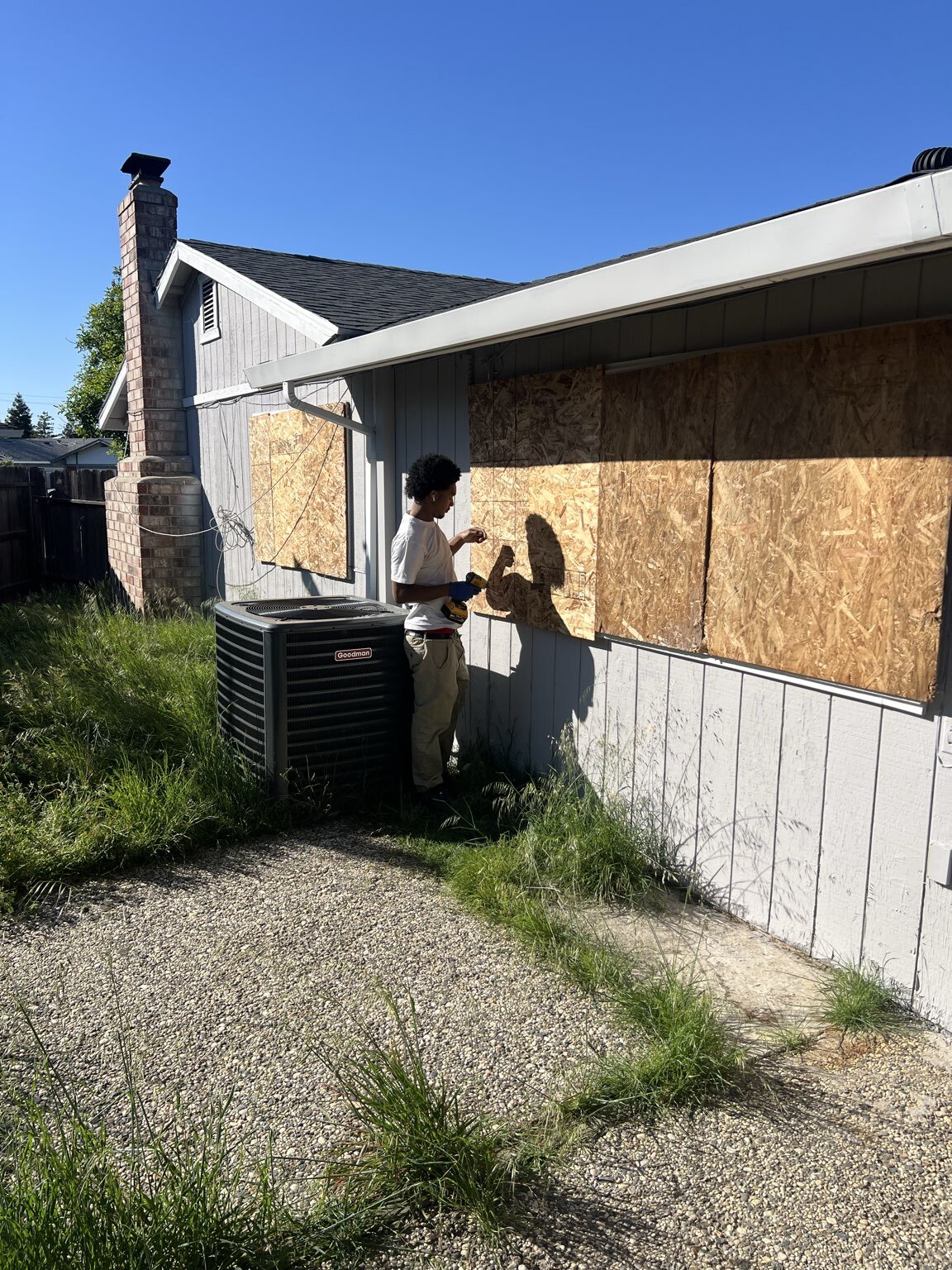
Darren’s experience is based on actual Sacramento-area transactions involving tenants, deferred maintenance, difficult communication, and properties that were not ready for traditional listing photos or repeated buyer showings.
Not every tenant-occupied transaction becomes simple the moment escrow closes. In this real Sacramento-area case, a tenant broke back into the property after Darren had already purchased it.
This behind-the-scenes video shows why experience matters when selling a rental with difficult occupants. Unexpected access problems, belongings, deferred repairs, communication issues, and post-closing complications require practical judgment—not polished promises.
The former owner had already completed the sale. Darren took responsibility for handling what happened afterward, illustrating one of the reasons a direct as-is cash home buyer with real tenant experience can be valuable when a landlord wants to transfer the property and move forward.
Sellers should not have to rely only on polished claims. These videos show actual tenant-occupied and difficult rental properties Darren has worked with in the Sacramento region.
See what can happen after a seller transfers a rental as-is. The owner did not have to complete this work before selling, coordinate contractors, or remodel the house to compete for a retail buyer.
This tenant-occupied hoarder property required substantial work. The seller was able to transfer the house without first removing everything, completing renovations, or making it retail-ready.
Walk through an actual property with Darren and see the kinds of conditions an as-is cash buyer may take on after closing. The seller does not have to make the property perfect before discussing a sale.
“The most important proof is not a promise that every rental situation will be easy. It is showing that the buyer has already worked through difficult tenant conditions, deferred maintenance, belongings, repairs, and real people who needed a respectful solution.”Darren Brown — Licensed California Broker and Local Cash Buyer
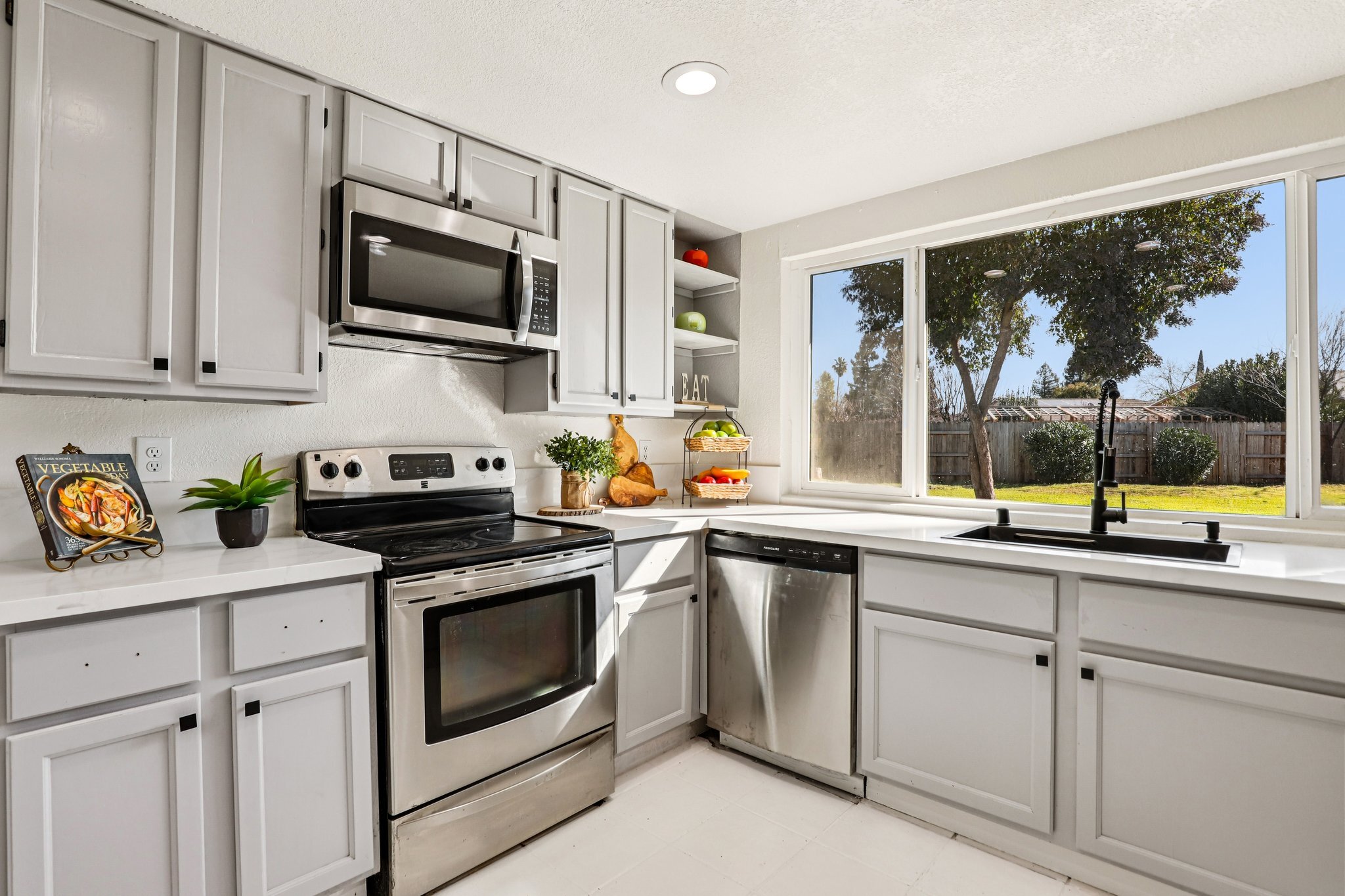
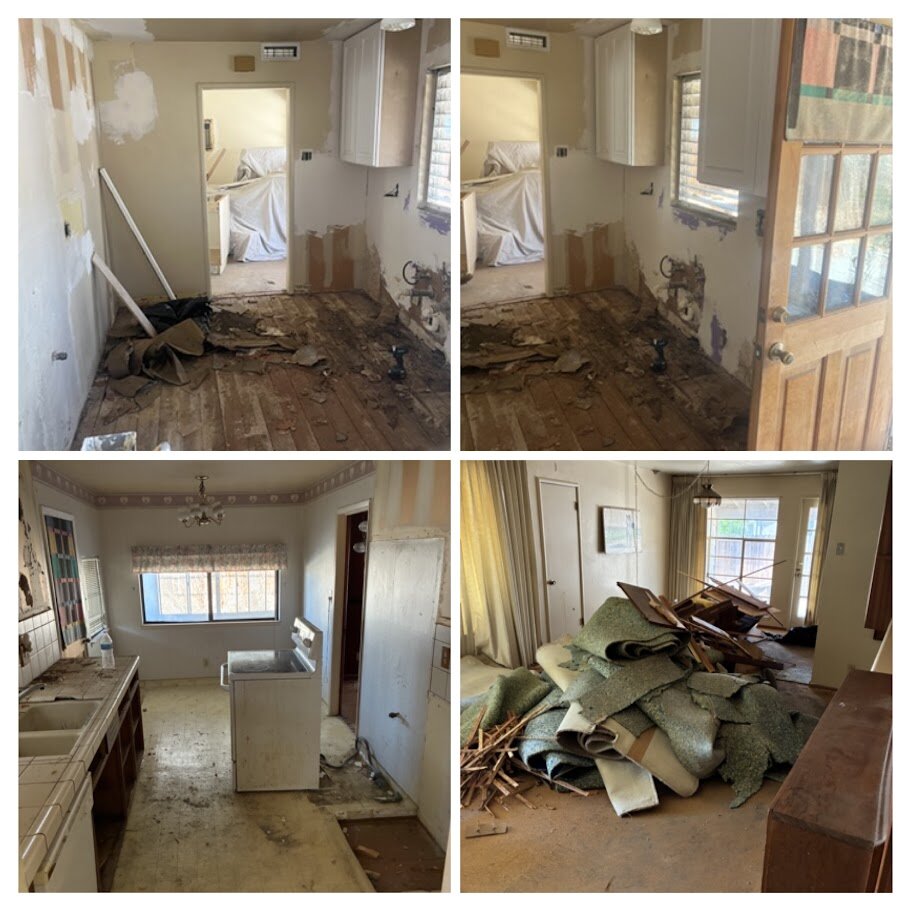
These images come from actual Northern California transactions. They demonstrate why many landlords compare an as-is sale with paying for repairs, coordinating contractors, supervising cleanouts, and waiting for a traditional listing.
A real tenant-occupied transaction demonstrating the condition and improvement work a buyer may inherit after the seller closes.
Work that occurred after the purchase—not a list of projects the former landlord had to complete before selling.
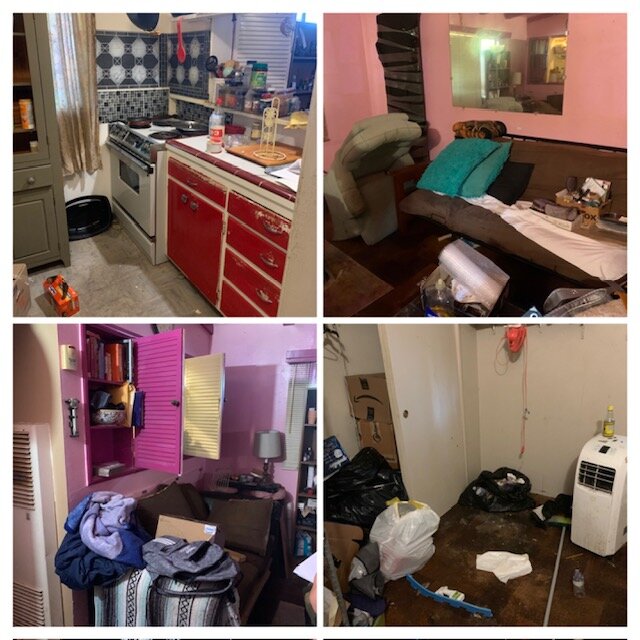
A rental property with repairs and deferred maintenance that became a candidate for a direct as-is cash home buyer purchase.
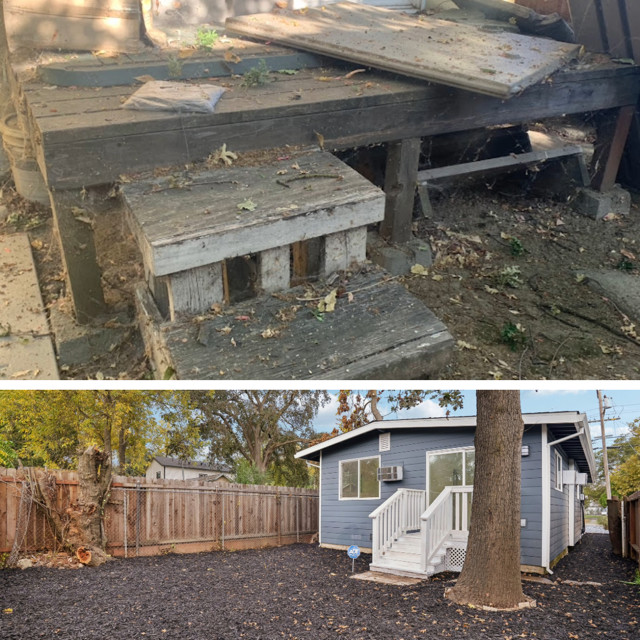
Deferred repairs can become another financial burden when a rental is no longer producing reliable income.
These sellers describe their own experiences working directly with Darren through real property transactions.
A homeowner shares firsthand feedback about working with Darren during the sale of a property.
Additional seller proof showing the communication, process, and personal experience behind a direct transaction with Darren.
Whether the property is in Sacramento, Elk Grove, Roseville, Citrus Heights, Carmichael, Fair Oaks, Orangevale, Antelope, North Highlands, Rancho Cordova, Lincoln, Galt, Folsom, or another Northern California community, the same decision framework applies: verify the buyer, compare every available selling option, understand the total cost of continuing to hold the property, and make a decision based on facts rather than pressure. Before signing any agreement, independently verify the buyer’s identity, licensing, professional background, business registration, community involvement, and transaction experience.
Darren Brown combines cash home buying experience with a professional California real estate brokerage background.
View Broker Documentation →Veteran-owned service centered on accountability, direct communication, follow-through, and doing what was agreed upon.
View Military Retirement Proof →Darren’s business has documentation supporting its Disabled Veteran Business Enterprise certification.
View DVBE Certification →Sellers can review the California Secretary of State filing associated with Darren’s operating business.
View State Business Filing →Review the independent Better Business Bureau profile for Darren Buys Homes Cash before accepting an offer.
View BBB Business Profile →Darren maintains a public connection to the Sacramento-region professional and business community.
View Chamber Listing →Review additional seller feedback, property situations, and experiences involving Darren Buys Homes Cash.
Review Seller Testimonials →Examine Darren’s professional background, business identity, and supporting trust documentation in one place.
Review Professional Credentials →Use the Seller Trust Center to evaluate the company, process, proof, and cash home buying experience before deciding.
Visit The Seller Trust Center →Another homeowner explains what it was like to work with Darren. Real seller feedback gives property owners a better basis for evaluating the buyer before making a decision.
The right decision depends on the tenant, property condition, legal timeline, monthly carrying costs, available reserves, and how much additional landlord responsibility you are prepared to accept.
This may make sense when the owner has adequate reserves, wants to remain a landlord, and believes the payment problem can be resolved.
Some owners consult a qualified California landlord-tenant attorney and pursue the applicable legal process before selling.
A direct sale may be worth evaluating when the owner values certainty, wants to stop managing the property, or does not want to complete repairs before selling.
Darren can evaluate the rental in its current condition and explain how a direct as-is offer compares with continuing to hold the property, completing a tenant process, repairing the house, or attempting a traditional listing.
Landlords often delay selling because the next decision feels unclear. They may hope the tenant catches up, the market improves, the repair can wait, or one more lease term will make the property easier to sell later. Sometimes waiting is reasonable. But waiting also has a cost, and that cost is rarely limited to the monthly mortgage payment.
An Antelope rental can continue generating property taxes, insurance premiums, utilities, landscaping expenses, HOA dues where applicable, maintenance calls, management fees, and the risk of another major repair. If the property is vacant, the owner may also be carrying the full payment without rental income while worrying about vandalism, unauthorized occupancy, water leaks, dumping, or weather-related damage.
The more useful question is not simply, “Can I hold the property longer?” It is, “What am I likely to gain by holding it, and what could it cost me if the situation gets worse?” A landlord who answers that question honestly can make a clearer decision about whether to keep renting, prepare the home for the open market, or sell directly to a local cash buyer.
Mortgage payments, property taxes, insurance, utilities, landscaping, HOA dues, pest service, management fees, and routine maintenance continue whether or not the landlord is emotionally ready to sell.
A small roof leak, drainage concern, plumbing issue, failing fence, aging HVAC system, or damaged flooring can become more expensive when the repair is postponed.
Once a tenant leaves, the owner may need to fund cleaning, trash removal, paint, flooring, appliances, yard work, security, and repairs before the property can be rented or listed.
Every month of uncertainty can mean more contractor calls, more paperwork, more tenant communication, and more time spent managing a property the owner may no longer want.
A higher projected sale price is not automatically a better outcome if reaching that price requires substantial repairs, months of carrying costs, repeated showings, tenant disruption, buyer contingencies, an appraisal, and the risk of the transaction falling apart. The better comparison is the expected net amount, the work required, the timeline, and the certainty of closing.
A landlord may assume that the property must be vacant before it can be sold. That is not always true. A tenant-occupied rental can be sold, but the sale should be planned around the lease, the tenant’s rights, access, communication, security deposits, property condition, and the buyer’s intended use.
A vacant rental creates a different set of concerns. The owner may have easier access for inspections, contractors, and showings, but vacancy can increase carrying costs and expose the property to break-ins, theft, unauthorized entry, dumping, water damage, and unnoticed maintenance problems.
A tenant-occupied sale may be practical when the lease is clear, rent records are organized, the tenant communicates, and the buyer is willing to take over the existing tenancy. It may also work when the property needs repairs and the landlord does not want to disturb the tenant with a renovation and a long series of public showings.
The landlord should review the lease, payment history, deposit records, notices, maintenance documentation, and any written agreements before entering a contract. Access should be coordinated lawfully and respectfully. A direct cash buyer experienced with occupied properties may be better prepared to evaluate the home without requiring it to be empty, staged, or available for repeated showings.
Antelope owners facing a difficult occupancy situation can review the published resource on selling a tenant-occupied house in Antelope and the related guidance about what may happen when a tenant will not leave before the sale.
A vacant property gives the owner more control over access and timing, but it can also expose the true extent of deferred maintenance. Once furniture and belongings are removed, worn floors, wall damage, leaks, odors, damaged fixtures, appliance problems, and cleanup needs may become more visible.
Before automatically starting a renovation, the owner should compare the likely increase in sale price with the full cost of repairs, labor, permits, delays, utilities, insurance, financing, and project management. A direct as-is offer can provide a baseline before the landlord commits additional money.
The seller can also review the Antelope guide addressing whether an owner must repair the property before selling.
Selling a tenant-occupied rental does not remove the need to follow California law or honor valid lease obligations. The sale method should be selected only after the landlord understands the tenancy, possession plan, required disclosures, and how the buyer intends to handle the property after closing.
Landlords sometimes receive advice to “just fix it up and list it.” That recommendation may be appropriate when the property needs limited cosmetic work, the owner has reliable contractors, the home can be delivered vacant, and the likely increase in net proceeds clearly exceeds the cost and risk of the project.
The problem is that renovation estimates are often treated as fixed numbers when they are only starting points. Once work begins, contractors may discover damaged subflooring, plumbing leaks, electrical problems, dry rot, drainage issues, mold-like conditions, roof deterioration, unpermitted work, or additional tenant-related damage. Material delays and scheduling problems can also extend the holding period.
A landlord should consider the entire project cost, not just the first contractor estimate. That means adding the repair budget, contingency funds, carrying costs, utilities, insurance, cleanup, permits where required, possible relocation or vacancy expenses, and the value of the owner’s time.
Landlords should compare three figures: the likely as-is listing net, the likely renovated listing net, and the direct cash-offer net. Each calculation should include realistic repair costs, commissions where applicable, seller-paid costs, concessions, carrying expenses, and the probability of closing on the expected timeline.
A traditional listing and a direct cash sale solve different problems. Listing may be the stronger fit when the property is in good condition, the tenant situation is stable or the home is vacant, the owner has time, and maximizing exposure is more important than speed or convenience.
A direct as-is sale may be more practical when the property needs substantial work, the landlord does not want to spend more money, the tenant situation limits showings, the owner lives out of the area, or certainty matters more than pursuing the highest possible retail price.
| Decision Factor | Traditional Listing | Direct As-Is Cash Sale |
|---|---|---|
| Property preparation | May involve repairs, cleaning, staging, photography, and showing preparation. | Property is evaluated in its current condition. |
| Tenant coordination | May require repeated access for showings, inspections, appraisal, and buyer visits. | May require fewer visits and a more controlled access plan. |
| Financing risk | Buyer financing and appraisal may affect closing. | A genuine cash purchase generally avoids lender and appraisal conditions. |
| Timing | Depends on preparation, market response, buyer contingencies, and lender approval. | Can often be structured around a defined closing date. |
| Potential sale price | May produce a higher gross price when the property is market-ready. | Usually reflects repairs, risk, holding costs, and resale considerations. |
| Best suited for | Owners with time, market-ready homes, and a priority on broad exposure. | Owners prioritizing simplicity, certainty, speed, or no-repairs convenience. |
Antelope owners who want a deeper explanation can review how a cash home sale works in Antelope and whether an Antelope property can be sold as-is.
A cash offer can look simple, but the contract determines whether the transaction is actually certain. Before signing, the seller should understand who the buyer is, how the purchase will be funded, whether the agreement can be assigned, what contingencies exist, how deposits are handled, and what conditions could allow the buyer to cancel or renegotiate.
Ask whether the person or company signing the agreement intends to purchase the property directly or market the contract to another investor.
Confirm whether the offer is final based on known information or subject to inspection, partner approval, contractor estimates, title review, or later renegotiation.
The agreement should clearly state the closing date, any extension rights, and what happens if the buyer does not perform as promised.
The seller should understand whether the buyer expects the property vacant, will accept the existing tenancy, or requires a separate occupancy plan before closing.
Review escrow, title, transfer, recording, commission, repair-credit, and other cost provisions rather than relying only on verbal statements.
A legitimate local buyer should be willing to provide a real business identity, references or reviews, professional credentials where claimed, and a clear explanation of the process.
Do not accept an offer solely because it has the highest number at the top of the page. Compare the complete contract, buyer credibility, deposit, contingencies, closing date, tenant requirements, and the likelihood that the buyer will perform without a last-minute price reduction.
The best selling path becomes clearer when the owner separates the property decision from the emotion of the latest repair or tenant problem. Start with the desired outcome. Decide whether the priority is maximum market exposure, a predictable closing, avoiding repairs, reducing tenant disruption, eliminating monthly carrying costs, or simplifying life.
Next, document the current condition of the rental, the tenancy status, known repairs, monthly expenses, estimated equity, and any deadlines. Then compare realistic options rather than idealized outcomes.
A landlord who wants to keep the property should have a credible plan for repairs, management, reserves, and the next lease term. A landlord who wants to list should understand what preparation and access the sale will require. A landlord considering a direct sale should verify the buyer and compare the written net offer with the cost and risk of the alternatives.
A direct sale should be simple enough for the landlord to understand before signing anything. The process begins with the property itself: its location, current condition, occupancy, known repairs, rent status, lease terms, and the owner’s preferred timeline. From there, Darren can review whether buying the rental directly is a realistic fit.
The property does not need to be fully remodeled, staged, or presented like a retail listing before the conversation begins. The purpose of the initial evaluation is to understand the rental as it exists today and identify the issues that could affect value, access, possession, title, and closing.
Explain the Antelope rental’s condition, tenant status, known repairs, lease situation, and what has made ownership difficult.
Compare continuing to rent, preparing the property for a traditional listing, and requesting a direct as-is cash offer.
Darren reviews the property in its current condition without requiring the landlord to begin repairs, cleaning, or renovation first.
The landlord should be able to review the purchase price, closing date, costs, contingencies, possession plan, and tenant-related terms in writing.
The seller decides whether the direct sale, a traditional listing, or continued ownership better fits the property and personal goals.
If the direct offer is accepted, the sale moves through a professional escrow and title process according to the written agreement.
An as-is cash buyer should still ask enough questions to understand the property, explain the offer, identify title or occupancy issues, and create a realistic closing plan. A seller should be cautious when a buyer promises an instant result without understanding the house, tenancy, condition, or contract obligations.
Landlord burnout can take many forms. Some owners are dealing with an immediate tenant problem. Others are simply finished with the long-term responsibility of maintaining an aging rental. A direct as-is sale can be considered in any of the following situations, but the right solution depends on the facts.
Missed or irregular rent can quickly change the economics of ownership. The landlord may still be responsible for the mortgage, taxes, insurance, repairs, utilities, and legal expenses while receiving little or no income.
A sale may be possible with the tenant still in place, but the lease, notices, payment records, deposits, court matters, and possession expectations should be reviewed before closing terms are finalized.
A property may require roofing, HVAC, plumbing, electrical work, drainage corrections, flooring, paint, cleanup, appliances, fencing, or a full interior update before it can compete with market-ready homes.
Selling directly to an as-is cash buyer may allow the landlord to transfer the repair burden instead of funding and managing the work personally.
Remote ownership makes every repair, inspection, turnover, and tenant concern harder to coordinate. Even reliable vendors require scheduling, payment, access, and follow-up.
A defined direct-sale process can reduce the number of moving parts when the owner no longer wants to manage an Antelope property from a distance.
An inherited rental may arrive with existing tenants, deferred maintenance, incomplete records, family disagreements, personal belongings, title concerns, or no clear management plan.
Heirs can compare keeping the property, listing it after preparation, or selling it as-is based on the estate’s timeline and the condition of the home.
A vacant house can create ongoing worry about break-ins, dumping, theft, vandalism, leaks, and unauthorized occupancy. The risk may grow the longer the property sits without regular supervision.
A faster sale can reduce exposure when the owner does not intend to repair and re-rent the property.
Some landlords are not facing a crisis. They simply want fewer responsibilities, more liquidity, or a clean exit from active property management.
Selling one difficult rental can help simplify a larger portfolio or support a broader retirement and estate-planning strategy.
A landlord does not need to have every document organized before making contact, but accurate information makes it easier to evaluate the property and create realistic terms. The more complicated the tenant or title situation, the more important documentation becomes.
Rental-property decisions are affected by more than a statewide housing trend. The property’s street, condition, lot, layout, age, occupancy, nearby sales, repair needs, and local buyer demand all influence the likely outcome.
Antelope sits within the greater Sacramento market and is connected to nearby communities such as North Highlands, Citrus Heights, Rio Linda, and Roseville. Owners may see very different buyer responses depending on whether the rental is updated and vacant, occupied by a reliable tenant, burdened by deferred maintenance, or difficult to access.
A local cash buyer should understand that two houses with similar square footage can produce very different results when one is rent-ready and the other has tenant complications, major repairs, title issues, or a lengthy cleanout ahead. The offer should reflect the actual property rather than a generic formula disconnected from the home’s condition and circumstances.
A strong retail market does not eliminate the need to compare options. Even when buyer demand is healthy, a property with major repairs, limited access, occupancy complications, or financing concerns may still be better suited to an investor sale. The landlord’s timeline and tolerance for additional work remain central to the decision.
Antelope Seller Resource Center
Every landlord situation is different. These verified Antelope resources explain the primary ways local homeowners can compare a direct cash sale, sell a difficult property as-is, avoid unnecessary repairs, and choose the selling path that best fits the house.
Start with the main Antelope city resource for local selling options, as-is sales, and direct cash-buyer guidance.
Learn what a local cash buyer does, how a direct offer works, and what sellers should compare before accepting one.
See how an as-is cash sale can work when the property needs repairs, cleanup, or a simpler closing process.
Review the credentials, contract terms, and buyer-verification steps that help distinguish a real buyer from an uncertain offer.
Compare practical fast-sale options when timing, carrying costs, vacancy, or another deadline makes speed important.
Understand how to sell your house as-is without first turning the property into a renovation project.
Explore a no-repairs as-is sale when the property has deferred maintenance or the owner does not want to fund improvements.
Compare repairing and listing with selling directly when the house needs substantial cosmetic or structural work.
Learn how occupancy, leases, access, deposits, and tenant communication may affect a rental-property sale.
Review the direct-sale option for an aging, difficult, vacant, or tenant-occupied rental that no longer fits your plans.
Reduce ongoing carrying costs and vacancy exposure without first completing a full cleanup or remodel.
Understand the importance of acting early, confirming deadlines, and comparing realistic sale options before time runs short.
Explore options for an inherited property with repairs, tenants, belongings, multiple heirs, or an uncertain ownership plan.
Additional Antelope Guidance
Follow the cash-sale process from property review and written offer through escrow and closing.
Learn what an as-is sale does and does not mean for condition, disclosures, access, and seller responsibilities.
Review the practical issues that may affect possession, buyer expectations, communication, and closing strategy.
Compare repair costs, carrying expenses, market preparation, and a direct no-repairs as-is sale.
Explore the issues landlords should organize when missed rent, lease records, notices, deposits, and possession affect the sale.
Darren works with rental-property owners throughout Antelope and surrounding Sacramento-area communities. Each destination below is a verified Site 1 service-area page.
Being tired of managing a rental does not mean the owner has failed. It may simply mean the property no longer fits the landlord’s finances, available time, retirement plans, family responsibilities, or tolerance for continued risk.
An Antelope landlord can compare keeping the rental, repairing and listing it, or selling directly to a local as-is cash buyer. The correct decision should be based on the property’s current condition, tenancy, monthly carrying costs, repair exposure, expected net proceeds, timeline, and the seller’s preferred outcome.
Darren Brown offers Antelope rental owners a direct way to compare an as-is cash offer without first committing to repairs, cleaning, repeated showings, or a renovation. As a licensed California broker, local cash buyer, retired U.S. Air Force veteran, DVBE-certified business owner, Sacramento Metro Chamber member, and A+ BBB rated business, Darren also gives sellers multiple ways to verify who they are dealing with before making a decision.
A Clear Exit for Tired Antelope Landlords
Tell Darren about the property, repairs, tenant situation, and preferred timeline. You can review a direct cash option and compare it with listing or continuing to hold the rental before deciding what works best.
No repairs, cleaning, staging, or obligation required to begin the conversation.