

1
Explain the Situation
Tell the buyer who occupies the property, whether rent is being paid, what documents exist and what problems the owner already knows about.
If your Citrus Heights house is still occupied by tenants, you may not have to turn it into a vacant property simply to explore a sale to a direct cash buyer.
An experienced buyer can evaluate an occupied property based on the actual tenancy, lease or rental arrangement, rent, access, property condition, security deposit and closing requirements rather than pretending the house is vacant.
The practical question is not merely whether somebody will make an offer. It is whether the buyer understands tenant-occupied real estate well enough to evaluate the situation before contract and follow through on an occupied closing.
One of the clearest ways to understand an occupied cash purchase is to look at an actual Citrus Heights transaction rather than a hypothetical example.
The Butternut property involved an out-of-state owner and a non-paying tenant. The house also had significant condition issues. There was no electricity, the air conditioning was not working, and the washer and dryer were not operating.
The seller did not first have to transform the property into a clean, vacant retail listing. Darren purchased the property directly as-is and closed in seven days, then dealt with the property and occupant issues after acquiring it.
The important point is that a tenant still occupying the property did not automatically prevent a direct purchase. The tenancy and physical condition were part of the transaction Darren was evaluating—not conditions the seller first had to eliminate.
This guide focuses narrowly on the transaction question: what changes when a cash buyer purchases a house while tenants are still living there?
Not necessarily.
A direct cash buyer may be willing to purchase a Citrus Heights rental while the property is still occupied. The tenant situation does not have to be ignored; it has to be understood and incorporated into the purchase.
The buyer should know who occupies the property, what rental agreement exists, whether rent is being paid, what deposit is being held, how much access is available and what is known about the physical condition.
This can allow a landlord to compare an occupied as-is sale against the alternative of continuing to own the property while waiting for vacancy, completing repairs and pursuing a later sale.
A direct occupied purchase should not depend on the seller creating a completely different property before closing.
The purpose of the initial evaluation is to understand the house and tenancy well enough to determine whether the buyer is comfortable acquiring both under the proposed transaction terms.
Tell the buyer who occupies the property, whether rent is being paid, what documents exist and what problems the owner already knows about.
Coordinate reasonable access when available and evaluate known repairs, deferred maintenance and conditions that affect the purchase.
Review the lease or rental arrangement, rent, deposit, payment history and other relevant occupancy information.
If buyer and seller agree, the purchase contract and escrow process should address the property as it actually exists—including occupancy.
A buyer who knows from the beginning that tenants remain in the house is in a different position from someone who writes a high number first and only later discovers the property is occupied.
The word cash changes the financing structure. It does not eliminate the need for the buyer to understand the property.
That makes the offer more meaningful than a number generated from public records while ignoring who occupies the property and what condition it is actually in.
Access is one of the most common complications in an occupied sale. A tenant may be cooperative, available only at limited times or difficult to coordinate with.
A direct sale can reduce the number of people who need to enter the property compared with broad retail marketing, but the buyer still needs enough information to make a responsible purchase decision.
When access can be reasonably coordinated, the buyer can inspect the house and account for the visible condition before finalizing the purchase.
If access is restricted, the buyer may need to rely more heavily on available records, exterior observations and known property history.
Severe access limitations can increase uncertainty. An experienced buyer may still evaluate the opportunity, but unknown condition becomes part of the risk analysis.
It means the buyer has less information. A direct cash buyer can decide whether the available information is sufficient and price the remaining uncertainty rather than automatically requiring the seller to create full retail access.
Occupancy and property condition are separate issues, but they frequently overlap.
A landlord may have a tenant still living in a house with an aging roof, failed HVAC, worn flooring, plumbing issues, deferred maintenance or tenant-related damage.
A direct as-is purchase allows the buyer to evaluate those repairs as part of the purchase rather than automatically requiring the seller to renovate an occupied rental before it can be sold.
Repairs postponed during years of rental ownership can be considered in the purchase price.
Known tenant-related damage can be evaluated with the rest of the property’s as-is condition.
When access is limited, the buyer may need to account for additional uncertainty rather than expecting the seller to guarantee what cannot currently be verified.
The Citrus Heights property did not need to become a renovated vacant listing before Darren could purchase it. The tenant situation and the property’s condition were evaluated as part of one direct as-is transaction.
When tenants remain in the property, the occupancy information becomes part of the buyer’s due diligence and closing preparation.
The buyer should review whatever written rental documentation exists rather than relying only on a verbal description.
Current rent and actual payment performance help the buyer understand whether the occupied property is functioning as an income-producing rental.
Deposit information should be identified so it can be properly addressed through the ownership-transfer process.
Nonpayment, access problems, property damage or other known issues should be considered before the buyer commits to an occupied purchase.
A buyer who intentionally purchases occupied property should evaluate the real situation. Accurate information early is more useful than discovering a material tenant problem after escrow has already started.
A landlord should compare the two strategies based on realistic net results, time, effort and risk—not simply assume that vacancy is always better or that a cash sale is always better.
| Decision Factor | Direct Occupied Cash Sale | Wait for Vacant Sale |
|---|---|---|
| Tenant | Buyer evaluates the property with the existing occupancy understood. | Seller continues managing the tenancy until the property eventually becomes vacant. |
| Repairs | Property can potentially be purchased in its present as-is condition. | Seller may choose to repair or renovate after vacancy before marketing. |
| Showings | Typically focused on the direct buyer’s evaluation and necessary transaction visits. | Vacant retail marketing may allow broader access to prospective buyers. |
| Buyer Pool | Primarily investors and buyers comfortable acquiring occupied property. | Vacancy may open the property to a broader owner-occupant market. |
| Holding Period | Seller can potentially exit without waiting for a future vacancy date. | Seller continues ownership, expenses and management until the later sale. |
| Uncertainty | Buyer must price current property and occupancy risk. | Seller assumes the uncertainty of future condition, market, vacancy timing and eventual buyer performance. |
A future vacant sale may produce a higher gross price in some situations. The meaningful comparison includes the cost of waiting, repairs, continued ownership, management, vacancy exposure and the probability of actually achieving that future price.
When somebody calls me about a tenant-occupied house, I want to know the actual situation before I make a decision.
Is the tenant paying? Is there a lease? How much is the deposit? Can we reasonably see the house? Is there property damage? Are there repairs the owner has been putting off?
Those questions don’t automatically kill a deal. They help me understand what I’m buying.
I’ve purchased properties where the tenant situation was part of the reason the owner wanted to sell. Butternut in Citrus Heights is a good example. The owner was out of state, the tenant wasn’t paying and the house had significant issues. We still had a transaction because I was evaluating the property that actually existed.
If I can understand the occupancy, condition and transaction risk, I can decide whether I can make a direct as-is offer with the tenant still there. I would rather know the difficult facts before escrow than discover them afterward.
This guide explains how a direct buyer can evaluate a Citrus Heights house while tenants are still living there. It is not intended to determine a tenant’s legal rights or advise a landlord how to terminate, modify or enforce a tenancy.
The lease or rental arrangement, access requirements, notices, deposits, local rules and specific facts can affect the parties’ legal obligations. Legal questions should be reviewed with a qualified California landlord-tenant attorney.
A landlord can explore whether a direct buyer is willing to purchase the property in its existing occupied condition without treating the sale process as a substitute for legal advice about the tenancy.
An occupied-property offer is only useful if the buyer understands the situation and can perform under the written agreement. Review experience, professional credentials and actual seller feedback before deciding who should purchase the property.
Yes, a landlord may be able to sell a rental property while a non-paying tenant is still living inside. You do not necessarily have to finish an eviction, repair the property, remove the tenant’s belongings, or prepare the house for retail buyers before considering a sale. Darren Brown is a local cash buyer and licensed California broker who evaluates tenant-occupied rental properties as-is and can help the owner compare a direct cash offer with the potential time, cost, and uncertainty of continuing to hold the property.
A non-paying tenant can turn a rental into a property that consumes money instead of producing it. The owner may still be responsible for the mortgage, property taxes, insurance, utilities, maintenance, legal consultations, yard problems, code concerns, and damage that becomes visible only after access is restored.
Some landlords have enough time, reserves, and patience to pursue every available landlord remedy. Others are already exhausted, live outside the Sacramento area, inherited the rental, need to protect other assets, or simply no longer want to manage a difficult occupancy situation.
A direct as-is sale offers another path. Instead of first trying to create a perfect vacant property, the owner can compare the likely net outcome of continuing to hold the rental against an offer from a buyer who understands tenant-occupied and problem-property transactions.
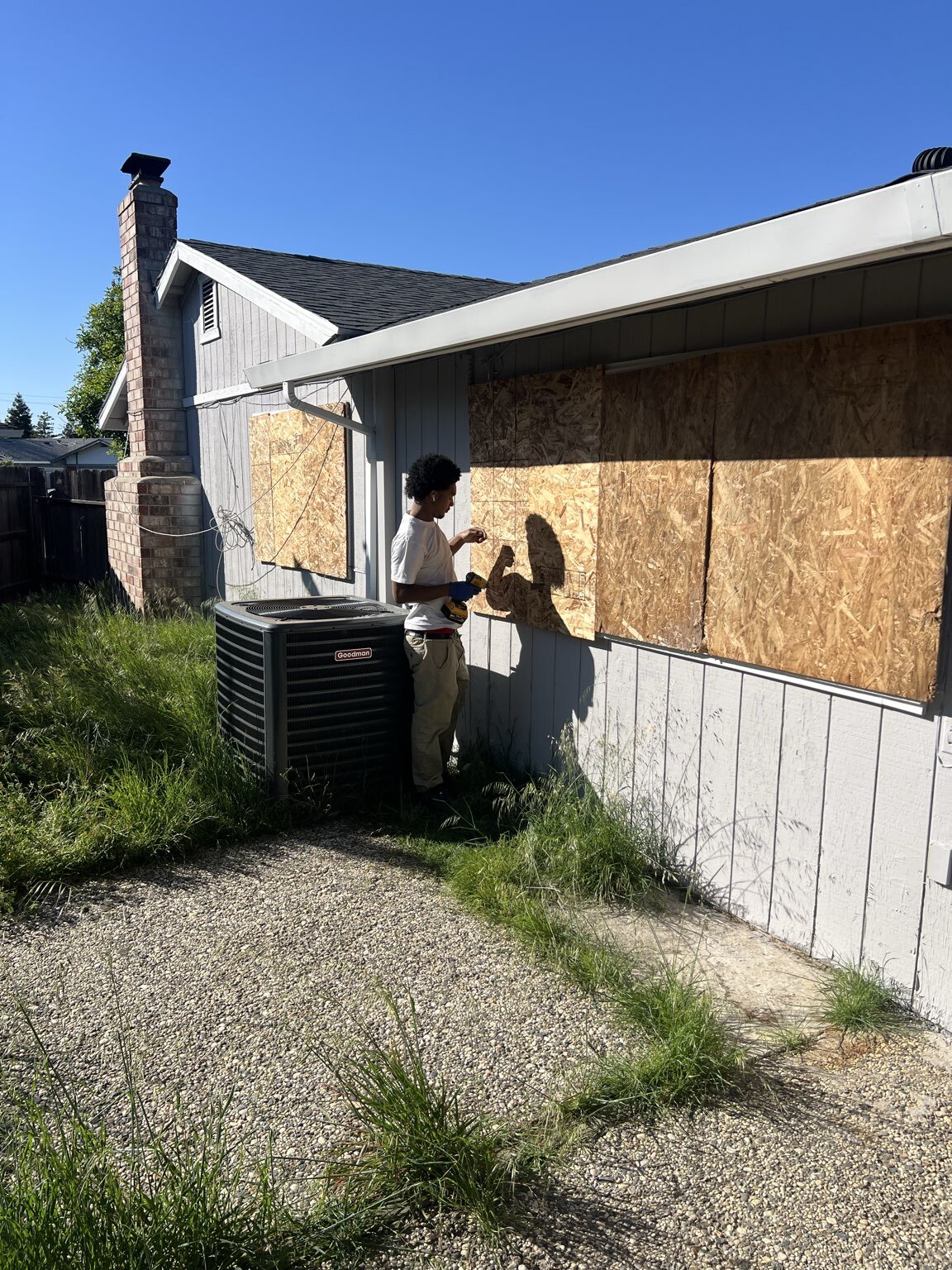
Darren’s experience is based on actual Sacramento-area transactions involving tenants, deferred maintenance, difficult communication, and properties that were not ready for traditional listing photos or repeated buyer showings.
Not every tenant-occupied transaction becomes simple the moment escrow closes. In this real Sacramento-area case, a tenant broke back into the property after Darren had already purchased it.
This behind-the-scenes video shows why experience matters when selling a rental with difficult occupants. Unexpected access problems, belongings, deferred repairs, communication issues, and post-closing complications require practical judgment—not polished promises.
The former owner had already completed the sale. Darren took responsibility for handling what happened afterward, illustrating one of the reasons a direct as-is buyer with real tenant experience can be valuable when a landlord wants to transfer the property and move forward.
Sellers should not have to rely only on polished claims. These videos show actual tenant-occupied and difficult rental properties Darren has worked with in the Sacramento region.
See what can happen after a seller transfers a rental as-is. The owner did not have to complete this work before selling, coordinate contractors, or remodel the house to compete for a retail buyer.
This tenant-occupied hoarder property required substantial work. The seller was able to transfer the house without first removing everything, completing renovations, or making it retail-ready.
Walk through an actual property with Darren and see the kinds of conditions an as-is cash buyer may take on after closing. The seller does not have to make the property perfect before discussing a sale.
“The most important proof is not a promise that every rental situation will be easy. It is showing that the buyer has already worked through difficult tenant conditions, deferred maintenance, belongings, repairs, and real people who needed a respectful solution.”Darren Brown — Licensed California Broker and Local Cash Buyer
These images come from actual Sacramento-area properties. They demonstrate why some landlords choose to sell a rental as-is rather than finance repairs, manage contractors, supervise a cleanout, and wait for a conventional sale.
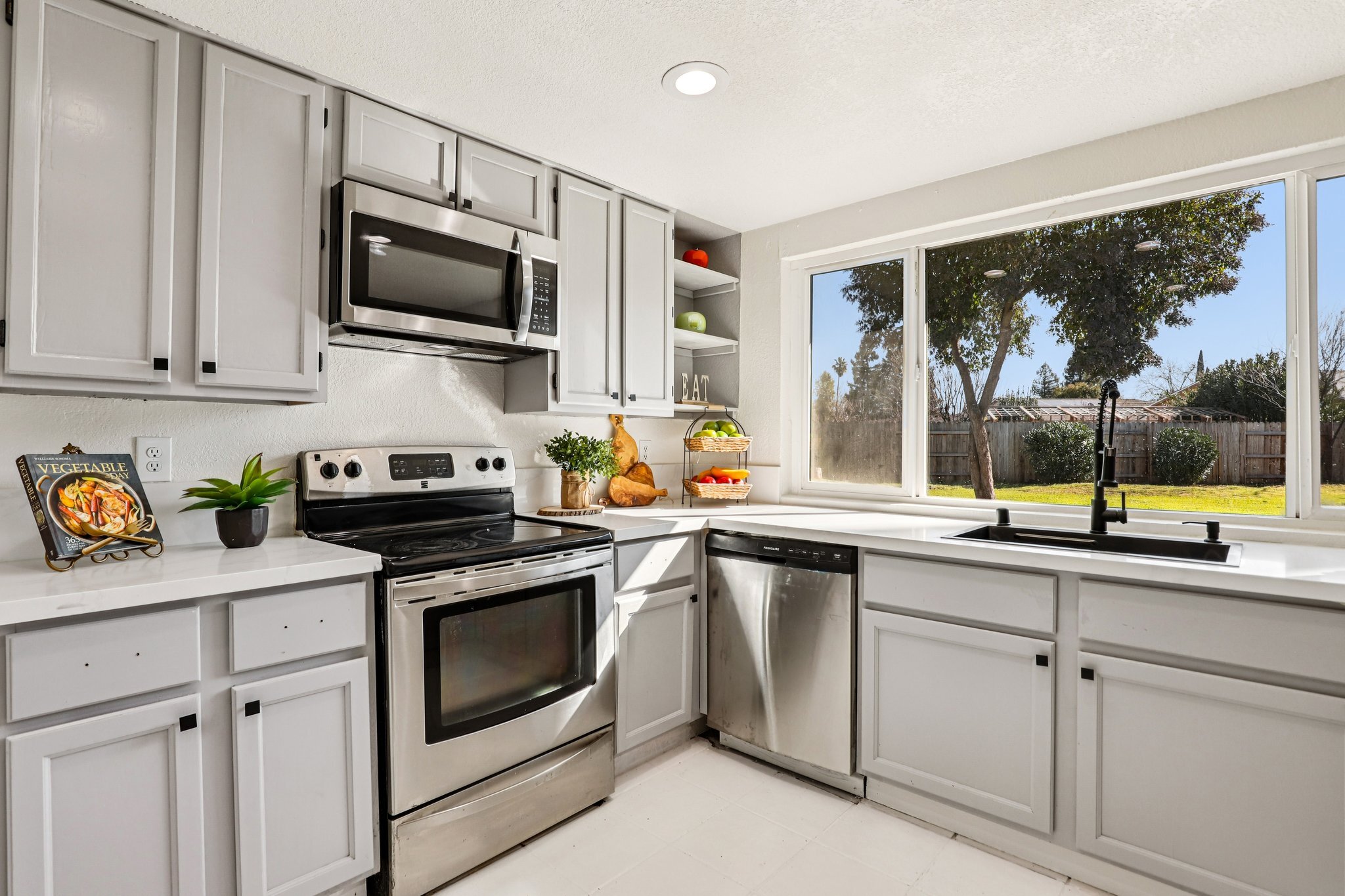
A real tenant-occupied transaction demonstrating the condition and improvement work a buyer may inherit after the seller closes.
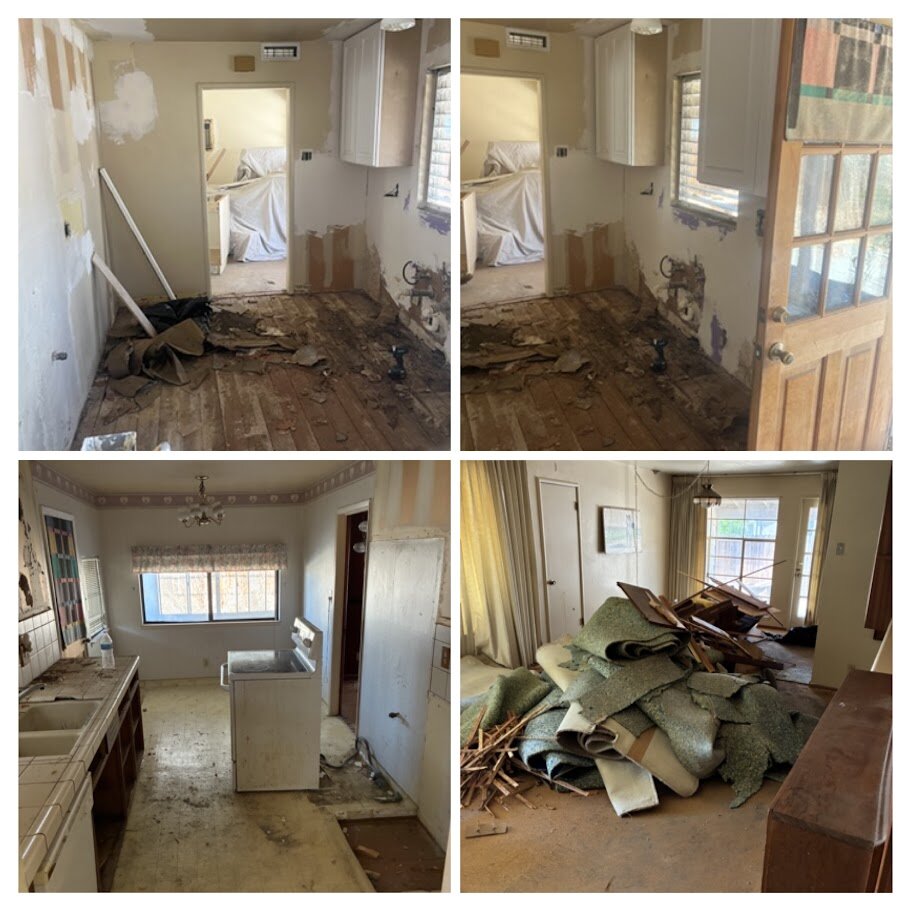
Work that occurred after the purchase—not a list of projects the former landlord had to complete before selling.

A rental property with repairs and deferred maintenance that became a candidate for a direct as-is purchase.
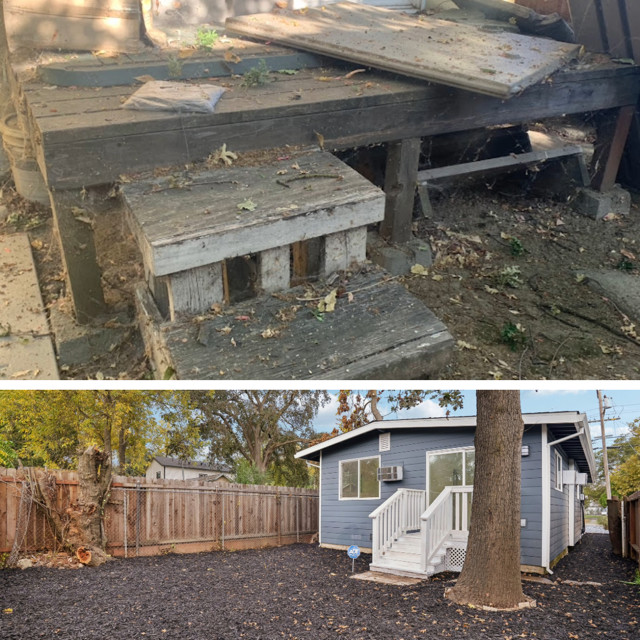
Deferred repairs can become another financial burden when a rental is no longer producing reliable income.
These sellers describe their own experiences working directly with Darren through real property transactions.
A homeowner shares firsthand feedback about working with Darren during the sale of a property.
Additional seller proof showing the communication, process, and personal experience behind a direct transaction with Darren.
A landlord may be handing over a valuable property, tenant information, access details, and a complicated occupancy problem. Before signing an agreement, independently verify the buyer’s identity, licensing, professional background, business registration, community involvement, and transaction experience.
Darren Brown combines direct-buying experience with a professional California real estate brokerage background.
View Broker Documentation →Veteran-owned service centered on accountability, direct communication, follow-through, and doing what was agreed upon.
View Military Retirement Proof →Darren’s business has documentation supporting its Disabled Veteran Business Enterprise certification.
View DVBE Certification →Sellers can review the California Secretary of State filing associated with Darren’s operating business.
View State Business Filing →Review the independent Better Business Bureau profile for Darren Buys Homes Cash before accepting an offer.
View BBB Business Profile →Darren maintains a public connection to the Sacramento-region professional and business community.
View Chamber Listing →Review additional seller feedback, property situations, and experiences involving Darren Buys Homes Cash.
Review Seller Testimonials →Examine Darren’s professional background, business identity, and supporting trust documentation in one place.
Review Professional Credentials →Use the Seller Trust Center to evaluate the company, process, proof, and direct-buying experience before deciding.
Visit The Seller Trust Center →Another homeowner explains what it was like to work with Darren. Real seller feedback gives property owners a better basis for evaluating the buyer before making a decision.
The right decision depends on the tenant, property condition, legal timeline, monthly carrying costs, available reserves, and how much additional landlord responsibility you are prepared to accept.
This may make sense when the owner has adequate reserves, wants to remain a landlord, and believes the payment problem can be resolved.
Some owners consult a qualified California landlord-tenant attorney and pursue the applicable legal process before selling.
A direct sale may be worth evaluating when the owner values certainty, wants to stop managing the property, or does not want to complete repairs before selling.
Darren can evaluate the rental in its current condition and explain how a direct as-is offer compares with continuing to hold the property, completing a tenant process, repairing the house, or attempting a traditional listing.
Compare your options, understand the practical issues that affect an occupied rental sale, explore every verified local guide, and decide whether continued ownership, eviction, listing, or a direct as-is cash sale makes the most sense.
The Sacramento page serves as the central guide. Every local page below is verified in the supplied sitemap and connects the same landlord problem to the appropriate city.
Unpaid rent, repairs, legal costs, access problems, commissions, concessions, taxes, insurance, utilities, and time can materially change the outcome.
| Option | Possible Benefit | Common Friction | Key Question |
|---|---|---|---|
| Continue ownership | Preserve long-term appreciation and future rent | More management, unpaid rent, and repair exposure | What will another 3–12 months realistically cost? |
| Negotiate a resolution | May avoid litigation and create cooperation | Requires agreement and reliable follow-through | Is the tenant willing and able to perform? |
| Evict before selling | May improve access and expand the buyer pool | Legal expense, delay, procedure, and damage risk | Will the expected price increase exceed the total delay cost? |
| List traditionally | Potential exposure to retail buyers | Showings, repairs, inspections, financing, and tenant access | Can the property be shown and financed as it is? |
| Sell as-is to a cash buyer | Fewer contingencies and no retail preparation | Offer reflects condition, occupancy, and resale risk | What is the true net after avoided costs and time? |
These examples show how non-payment can overlap with limited access, severe condition problems, unauthorized occupancy, code violations, and closing risk.
These government and court resources provide current legal-process and landlord-rights information. They do not replace advice from a qualified attorney.
Official California Judicial Branch eviction guidance.
Visit official resource ↗ Official External Resource California DRE — 2026 Landlord/Tenant GuideCurrent state guide to landlord and tenant rights and responsibilities.
Visit official resource ↗ Official External Resource Sacramento Superior Court — Unlawful DetainerLocal court forms, filing information, mediation, and self-help resources.
Visit official resource ↗Legal-information disclaimer: This page is educational and is not legal advice. Notice, eviction, rent-control, retaliation, habitability, relocation, and lease rules may depend on current law, local ordinances, property type, tenancy facts, and documents already served.
A direct cash offer is one option, not the only option. Darren Brown can evaluate the rental as-is so you can compare certainty and speed against continued ownership, eviction, repairs, or a traditional listing.
The central idea behind an occupied cash purchase is simple: the seller transfers ownership of the real estate while the buyer knowingly accepts that the property is occupied.
That does not mean the tenancy is ignored. It means the buyer has reviewed the occupancy information before closing and has decided that purchasing the property with the tenants still there fits the proposed transaction.
Title and escrow can complete the real estate transfer even though the property is occupied, provided the transaction requirements are satisfied.
The buyer should understand who lives in the property and what rental arrangement or tenancy documents exist.
A direct buyer may accept deferred repairs, cleanup and other physical property issues without requiring a pre-sale renovation.
Lease, rent, security-deposit and relevant occupancy information should be organized so the ownership transition is not based on guesswork.
The property can be occupied and sold as-is while still using a written purchase contract, escrow, title review and professional closing process.
A tenant-occupied cash purchase is not simply a house purchase with an inconvenient detail attached. The occupancy can affect income, access, property condition, timing and post-closing management.
Roof, HVAC, plumbing, electrical, flooring, cleanup, deferred maintenance and other repairs affect the property’s as-is value.
A cooperative paying tenant creates a different ownership profile from a non-paying tenant or an unresolved occupancy problem.
Access, documentation, title, escrow and the buyer’s ability to perform determine whether the occupied offer can actually become a closing.
A direct buyer does not need every piece of paper before having an initial conversation with the seller. Available records become increasingly important as the buyer evaluates the tenancy and moves toward closing.
A buyer intentionally purchasing an occupied property should understand both before becoming the new owner.
An established tenant who pays consistently and allows reasonable property access may fit naturally with an investor purchasing an occupied rental.
The rental may be financially stable while the buyer has less ability to evaluate interior condition before closing.
The buyer may need to account for lost income, access problems, post-closing management and uncertainty about the property’s condition.
The buyer should evaluate the actual tenant situation rather than automatically discounting every occupied property the same way.
A non-paying tenant can turn a rental property from an income-producing asset into an ongoing expense. Mortgage payments, property taxes, insurance, maintenance and repairs can continue even when rent has stopped.
Butternut Drive is directly relevant because the Citrus Heights seller was dealing with prolonged tenant nonpayment and difficult property condition. Darren evaluated the existing situation rather than requiring the owner to first convert the house into a vacant retail property.
The landlord can remain responsible for the property while pursuing the appropriate tenant strategy and sell later.
A direct cash buyer can determine whether purchasing the property with the existing occupancy problem makes economic sense.
A seller may be dealing with both an occupancy problem and a physical-property problem at the same time.
The property may need roofing, HVAC, plumbing, electrical work, flooring, cleanup or other deferred maintenance. Tenant-related damage may add another layer.
Repairs already visible or documented can be considered directly when the buyer evaluates an as-is purchase.
Limited tenant access can leave some property conditions uncertain, and the buyer may need to account for that uncertainty.
Personal property, debris or accumulated contents can affect both access and expected post-closing work.
A direct as-is purchase may prevent the seller from having to coordinate a major renovation while tenants are still living in the house.
The buyer can consider the tenant, access, repairs and cleanup together rather than forcing the landlord to solve each problem separately before requesting an offer.
One risk for a landlord is accepting an attractive offer from a buyer who has not actually evaluated the tenant situation. The buyer may later discover the lease, nonpayment, limited access or property damage and attempt to substantially change the deal.
The tenant situation should be incorporated into the buyer’s decision before the contract is treated as reliable—not discovered after the seller has already committed to the transaction.
Selling the property and determining tenant rights are different questions. These official California resources provide useful background for tenancy, access and notice issues without turning this page into a general landlord-law guide.
A direct buyer can determine whether an occupied purchase makes sense. Legal questions involving notices, possession, lease interpretation or disputed tenant rights should be handled through appropriate professional advice.
| Strategy | Potential Benefit | Primary Tradeoff |
|---|---|---|
| Sell Occupied Now | May allow the landlord to transfer the property without first making it vacant or completing extensive repairs. | Buyer pool is more concentrated among investors and direct purchasers comfortable with existing tenants. |
| Create Vacancy First | Vacancy can improve access and broaden the future buyer pool. | Seller remains responsible for the tenancy, carrying costs, property condition and time required to reach the later sale. |
| Continue Holding | May make sense if the tenancy is performing well and the owner wants to continue receiving rental income. | Repairs, tenant risk, market changes and long-term landlord obligations remain with the owner. |
You may ultimately decide to wait. But knowing what the property could sell for today with the tenants still living there creates a real alternative instead of forcing the decision to rely only on a future estimate.
Potentially, yes. A buyer experienced with occupied property may evaluate the existing tenancy and purchase the property without requiring vacancy first.
Not automatically. An occupied transaction can potentially close with tenants still living in the property when the buyer understands and accepts the occupancy situation.
A non-paying tenant does not automatically prevent Darren from evaluating the property. Butternut Drive is a real Citrus Heights example involving prolonged nonpayment and a direct as-is purchase.
Limited access can increase uncertainty, but a direct buyer may still be able to evaluate the property using the information reasonably available.
Not automatically. A direct as-is buyer may incorporate known damage and expected rehabilitation into the purchase evaluation.
No. Cash describes the buyer’s financing method. It does not by itself determine legal rights or obligations under an existing tenancy.
Available lease documents, rent and deposit information, occupancy facts, access limitations and known property-condition issues are useful starting points.
No. Vacancy can broaden the buyer pool. The seller should compare the current occupied offer with continued ownership costs, tenant risk, repairs and the expected future sale outcome.
A direct cash buyer can potentially evaluate a Citrus Heights property while tenants remain in possession.
The buyer should understand the real occupancy arrangement, rent, deposit, access and physical condition rather than treating the tenant as an issue to discover after escrow begins.
A cooperative tenant may fit naturally with an investment purchase. A non-paying tenant, limited access or substantial property damage can make the transaction more complicated, but those facts can still be considered in an occupied as-is evaluation.
The landlord’s decision therefore does not have to begin with “How do I get everyone out?” It can begin with “What would a qualified direct cash buyer pay for the property exactly as it sits today?”
You do not have to make the property vacant, renovate it or solve every tenant-related problem simply to learn whether Darren can purchase it.
Share what you know about the tenancy, rent, access and property condition. Darren can evaluate the house as a direct cash buyer and provide an occupied as-is option for you to compare.