

Prior-Year Taxes Are Now Delinquent
Once secured taxes move into prior-year delinquency, the owner should verify the current payoff directly with Sacramento County rather than relying only on an older bill, notice, or estimated balance.
Delinquent property taxes can turn a Sacramento house into a growing financial concern, particularly when the owner is already managing deferred repairs, reduced income, an inherited property, a difficult rental, vacancy, probate, liens, or other ownership expenses. The tax balance is only one part of the decision. The property’s condition, equity, title, occupancy, repair needs, and the owner’s ability to continue carrying the house should also be reviewed.
Darren Brown gives Sacramento property owners a direct way to sell a house with delinquent property taxes as-is. The house does not need to be remodeled, emptied, staged, cleaned, or made retail-ready before the initial review. Depending on the property and transaction, an as-is sale may also be considered when the home has tenants, unwanted belongings, deferred maintenance, code concerns, inherited ownership, or additional recorded obligations.
A sale does not automatically erase delinquent property taxes. The tax amount, penalties, title obligations, available equity, and closing figures must be identified and reviewed. When sufficient proceeds exist, applicable property-tax obligations and other approved title charges may generally be addressed through the closing process. The purpose of the review is to determine whether a direct sale gives the owner a practical commercial alternative to continuing to hold, repair, refinance, or list the Sacramento property.
Meet Darren Brown and see the practical, no-pressure approach behind reviewing a Sacramento property for a direct as-is sale.
Yes. A Sacramento property may generally be sold while property taxes are delinquent, but the specific tax balance, default status, title, equity, liens, ownership authority, and expected closing proceeds must be reviewed. Selling the house does not mean the delinquent taxes disappear. The amount due must be accounted for as part of the transaction and closing.
Sacramento County states that secured property taxes unpaid as of June 30 become a prior-year delinquency and are considered tax-defaulted. The county also provides an online system for reviewing prior-year secured delinquent amounts using the property’s 14-digit Assessor’s Parcel Number.
A direct as-is sale may be useful when the owner wants to sell a Sacramento house with back property taxes without first completing a major renovation, cleaning out the property, resolving every cosmetic defect, or preparing the house for repeated retail showings.
The practical question is not only whether the property can be sold. The owner should compare the likely net result of paying the taxes and keeping the house, repairing and listing it, or selling directly to a local cash buyer in its current condition.
A missed property-tax payment may begin as a temporary cash-flow problem. The situation becomes more complicated when unpaid taxes exist alongside repairs, insurance, utilities, mortgage payments, tenant problems, vacancy, probate, code enforcement, accumulated belongings, or uncertainty about who has authority to sell.
Sacramento includes older owner-occupied homes, long-held rental properties, inherited houses, vacant properties, small multifamily buildings, and homes that have passed through several generations. A tax-default situation involving a well-maintained home may require a different decision than one involving major repairs, limited access, occupants, title questions, or years of deferred maintenance.
Once secured taxes move into prior-year delinquency, the owner should verify the current payoff directly with Sacramento County rather than relying only on an older bill, notice, or estimated balance.
Roofing, HVAC, plumbing, electrical work, flooring, kitchens, bathrooms, water damage, exterior deterioration, or foundation concerns may make it difficult to pay the tax balance and prepare the house for a conventional sale at the same time.
An heir may receive a Sacramento property with delinquent taxes, deferred repairs, personal belongings, liens, tenants, probate requirements, or unclear ownership records without having planned to become responsible for the house.
A vacant Sacramento house may continue generating property taxes, insurance, utilities, landscaping, security, cleanup, and maintenance expenses while producing no rent or other income.
Late rent, nonpayment, vacancy, tenant damage, limited access, or increasing repair costs may prevent a rental property from producing enough income to cover taxes and other ownership obligations.
Delinquent taxes may be only one part of the title picture. Mortgages, judgments, code balances, probate expenses, utility claims, or other recorded obligations may also need to be identified before the likely net proceeds can be understood.
Do not compare an as-is offer only with the property’s possible renovated selling price. Compare the complete financial paths. Keeping the house may require paying the delinquent taxes while also funding insurance, utilities, repairs, maintenance, mortgage payments, tenant management, legal obligations, and future taxes.
Repairing and listing may produce a higher gross price when the owner has sufficient time, capital, access, and local support. A direct as-is sale may be more practical when the delinquent tax balance exists alongside deferred maintenance, vacancy, unwanted belongings, occupancy, inheritance, or an owner who does not want to invest additional money before selling.
Sacramento County’s official prior-year delinquent property-tax page explains how owners can review secured delinquent amounts and calculate a payoff through the county’s online property-tax system. The California State Board of Equalization explains that tax collectors handle current payments and prior-year delinquencies, while assessors address assessed values, exemptions, and exclusions.
A homeowner dealing with delinquent property taxes may be comparing several difficult choices at once. Independent reviews, professional credentials, documented experience, and a clearly explained purchase process provide a starting point for verifying the person reviewing the property and making the offer.
Darren Brown is a Sacramento-area licensed real estate broker, local cash buyer, and retired United States Air Force veteran. Sellers can review independent feedback and verify professional credentials before deciding whether a direct as-is sale belongs among their available options.
This mid-page authority insert begins with visual proof. Before reading another explanation about delinquent property taxes, homeowners can hear directly from sellers and an occupant who experienced Darren’s communication, follow-through, and handling of difficult property situations.
The strongest testimonial is not a scripted summary of services. It is a homeowner explaining what happened, how communication felt, and whether the process matched what was promised.
Properties with taxes, liens, repairs, title issues, tenants, or inherited ownership require clear communication. This seller’s account provides another independent point of reference.
Different owners choose different paths. This video helps a homeowner evaluate what mattered to another seller before making their own decision.
Difficult property sales do not always involve only the owner and buyer. Tenants, relatives, occupants, neighbors, attorneys, escrow officers, contractors, and family members may all be affected. This real tenant testimonial shows how Darren communicates with occupants and handles a sensitive situation beyond the closing documents.
For an owner dealing with delinquent taxes and an occupied property, that proof may be especially relevant. The sale decision is not only about the amount due. It may also involve whether the buyer has practical experience taking responsibility for the property and the people connected to it.
A proof-driven explanation of what unpaid property taxes may mean, how they interact with title and escrow, and how owners can evaluate the complete financial picture before committing more money to a difficult property.
Yes, a house with delinquent property taxes may often still be sold. In many transactions, the current tax balance is verified during title and escrow and then paid from available seller proceeds at closing. The more important question is whether curing the taxes alone solves the ownership problem. When the property also has deferred maintenance, vacancy, tenant issues, probate complications, insurance pressure, code concerns, or major repairs, the owner should compare the entire cost of keeping, repairing, listing, or selling the house as-is.
A family may inherit a house without inheriting the cash reserves needed for taxes, insurance, repairs, utilities, and ongoing maintenance.
When rent stops but ownership expenses continue, property taxes may become one more bill competing with the mortgage, insurance, legal costs, and repairs.
An empty house can continue consuming money through taxes, utilities, landscaping, security, insurance, and deterioration without producing income.
When roofs, HVAC systems, plumbing, safety hazards, and interior repairs compete for limited funds, tax obligations may be postponed while the property condition worsens.
The tax notice may be the document that gets an owner’s attention, but the financial pressure usually began earlier.
Property taxes rarely become delinquent because someone simply forgot the bill. More often, life changed faster than the property plan did. A spouse died. A parent moved into assisted living. A rental stopped producing income. A house sat vacant after an inheritance. Insurance became more expensive. A roof failed. A tenant damaged the interior. A code issue required attention. A family member occupied the property without contributing to expenses. The taxes became one more obligation added to a property that was already consuming time and money.
That distinction matters because paying the tax balance does not automatically solve the larger ownership problem. An owner who brings the taxes current may still face the same vacancy, repair exposure, insurance pressure, tenant problem, probate delay, or maintenance burden the following month.
The strongest decision starts with a complete inventory of the property—not merely the number shown on the tax statement.
The chart below is not a tax calculation. It is a visual decision aid showing how multiple carrying costs can stack around a property that is no longer working for the owner.
The bar lengths are illustrative. Every property has a different cost profile. The point is to evaluate the combined burden rather than treating delinquent taxes as an isolated line item.
Most difficult property situations develop gradually. Understanding that sequence helps owners decide whether they are solving the underlying problem or only delaying it.
The house may have been a family residence, rental, inherited asset, future retirement property, or long-term investment. At this stage, taxes and maintenance were part of an ownership plan that still made sense.
A tenant stops paying, a relative dies, an owner relocates, a job is lost, a divorce begins, a property becomes vacant, or a major repair appears. The financial assumptions behind ownership change, but the bills continue.
Insurance, utilities, mortgage payments, yard maintenance, code concerns, legal costs, and repairs begin competing with property taxes. The owner prioritizes the most immediate expense and postpones another.
Notices, penalties, interest, title concerns, or family discussions bring the unpaid balance to the center of attention. Yet the underlying vacancy, repair, tenant, or ownership problem remains.
The choice is no longer simply whether to pay a tax bill. It becomes whether to keep the property, create a workable cure plan, refinance, repair and list, or transfer the property as-is before more ownership costs accumulate.
The practical sale process is usually less mysterious once the tax balance is treated as part of the closing statement rather than as a separate crisis.
| Stage | What Usually Happens | Why It Matters To The Owner |
|---|---|---|
| Initial Review | The owner identifies the property, current condition, known tax issue, occupancy, and major title or repair concerns. | This allows the sale strategy to account for more than the tax balance alone. |
| Title Search | A title company or escrow holder reviews recorded ownership, liens, judgments, deeds of trust, and other matters affecting transfer. | Recorded obligations can change the owner’s estimated net proceeds and may require payoff or resolution. |
| Tax Verification | The current amount and status of property taxes are verified through the appropriate records or payoff process. | Owners should make decisions from current numbers rather than an old statement or estimate. |
| Payoff And Settlement | Approved taxes, liens, mortgages, and transaction charges are shown on the settlement statement and paid according to escrow instructions. | The owner can see how the obligations affect the final net rather than guessing. |
| Transfer Of Ownership | Once closing conditions are satisfied, the deed records and the ownership responsibility transfers. | Future taxes, insurance, repairs, utilities, and maintenance become the new owner’s responsibility after the agreed closing. |
Every title and tax situation is different. This section describes a general transaction framework, not a promise that every balance, lien, deadline, redemption issue, probate matter, or title defect can be handled the same way.
These are actual Northern California projects from Darren’s transaction library. They show the kinds of deferred maintenance, repair exposure, occupancy issues, and condition problems that can exist alongside delinquent taxes or other financial pressure.
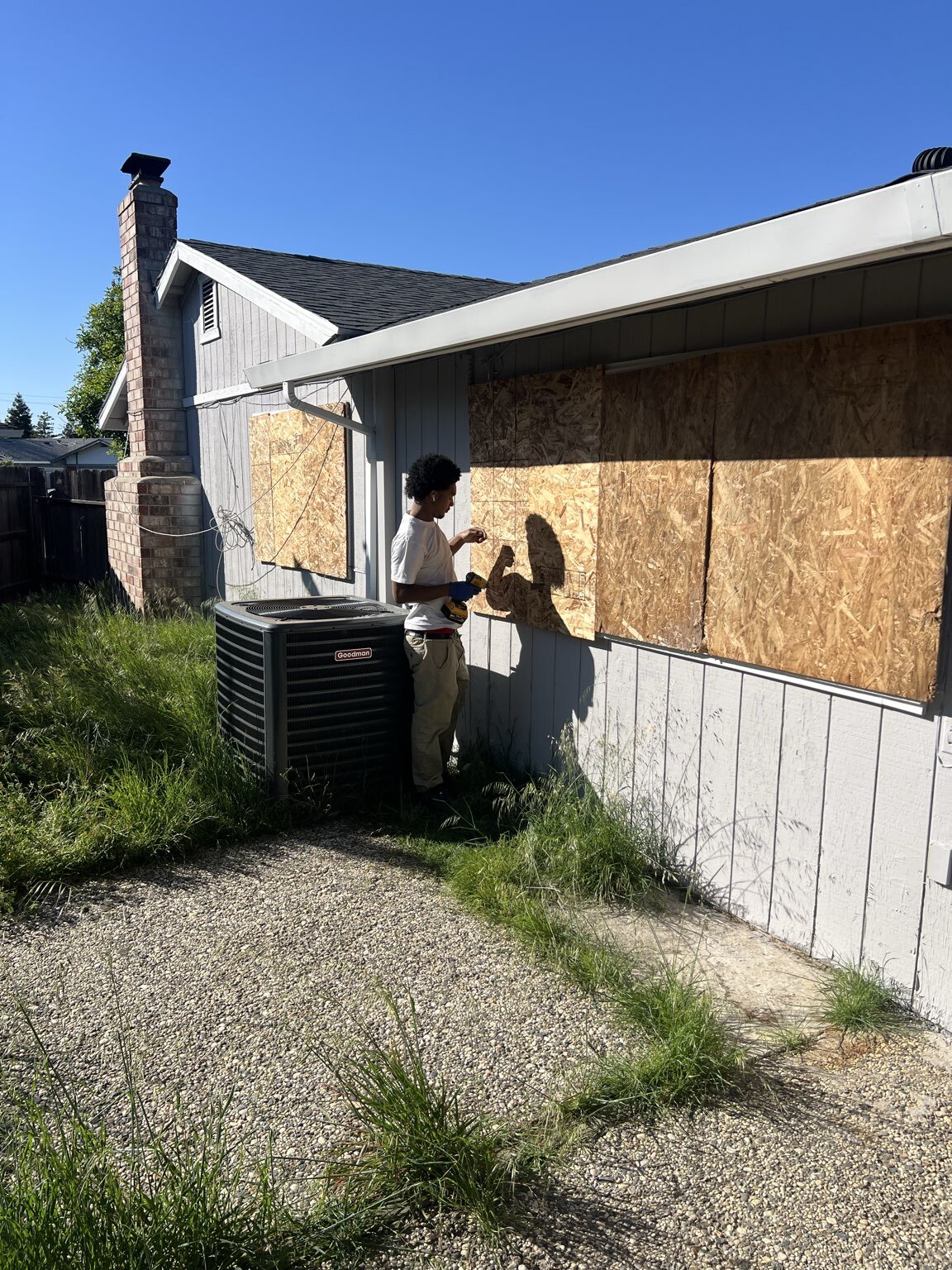
Real transactions often include more than one problem. Occupancy, deferred maintenance, carrying costs, communication, access, and property condition may all affect the owner’s decision at the same time. The value of proof is not that every property is identical. It is that difficult situations have already been handled in the real world.
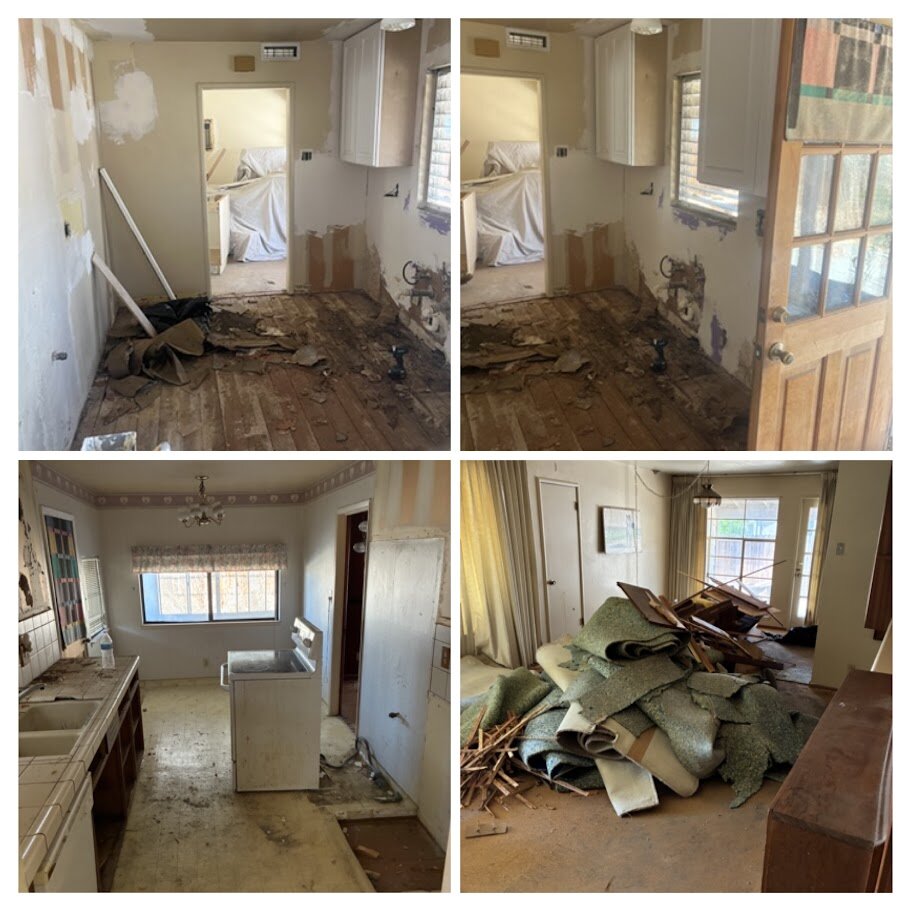
This project required substantial work after acquisition. For an owner already facing property-tax pressure, adding cleanout, repair management, contractor coordination, and additional carrying time may not be the best use of limited cash or energy.
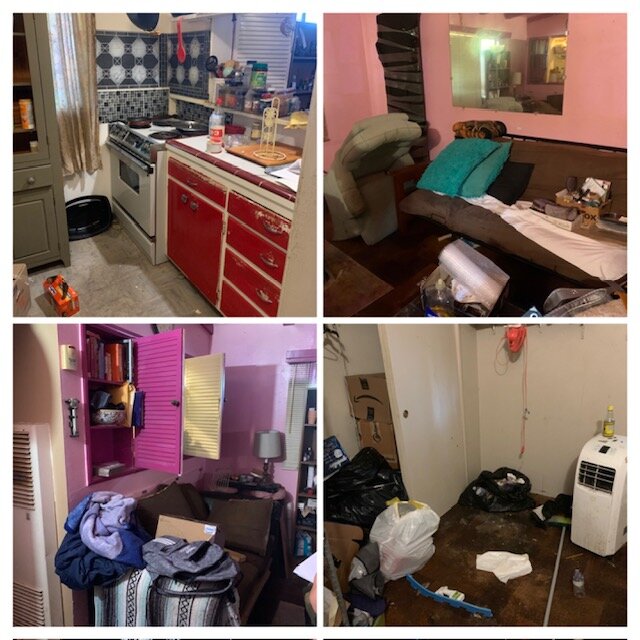
A delinquent tax balance may be visible on paper, but the physical condition of the property can create an even larger future expense. Roof, interior, exterior, safety, cleanup, and mechanical issues should be considered before the owner pays taxes simply to preserve a property that still needs major work.
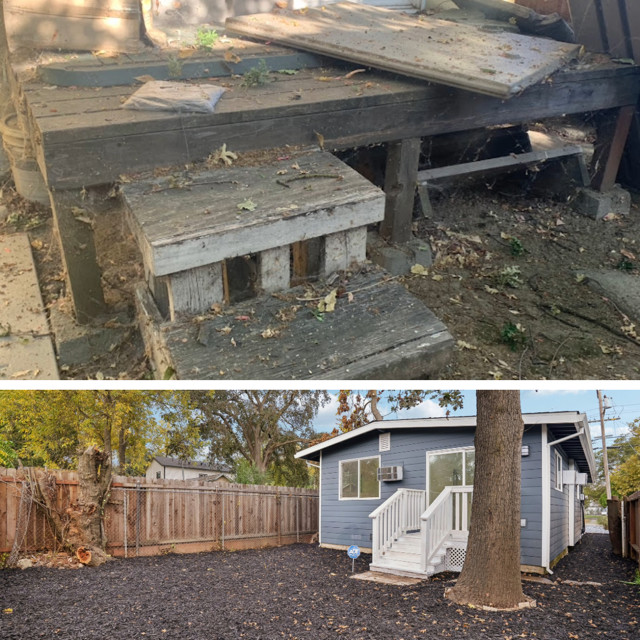
Unsafe steps, railings, electrical concerns, damaged flooring, plumbing leaks, and other hazards can worsen while taxes remain unpaid. A complete decision should account for the risk and cost of continued ownership, not only the amount required to make the tax account current.
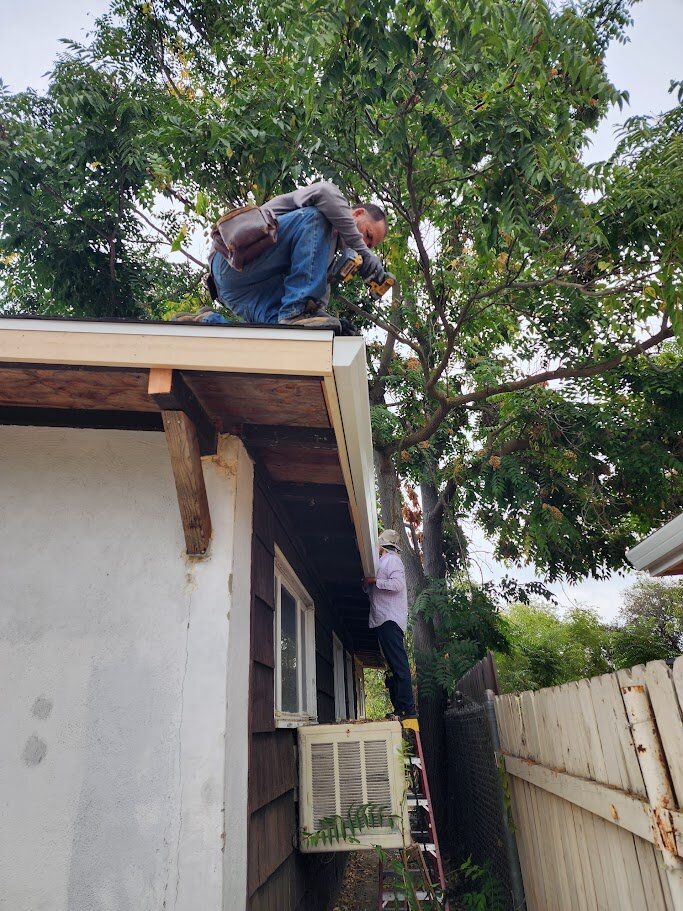
Owners sometimes face a difficult choice: pay the tax balance, repair the roof, maintain insurance, address interior damage, or preserve cash for family needs. When several large obligations arrive together, the property may no longer fit the owner’s financial plan.
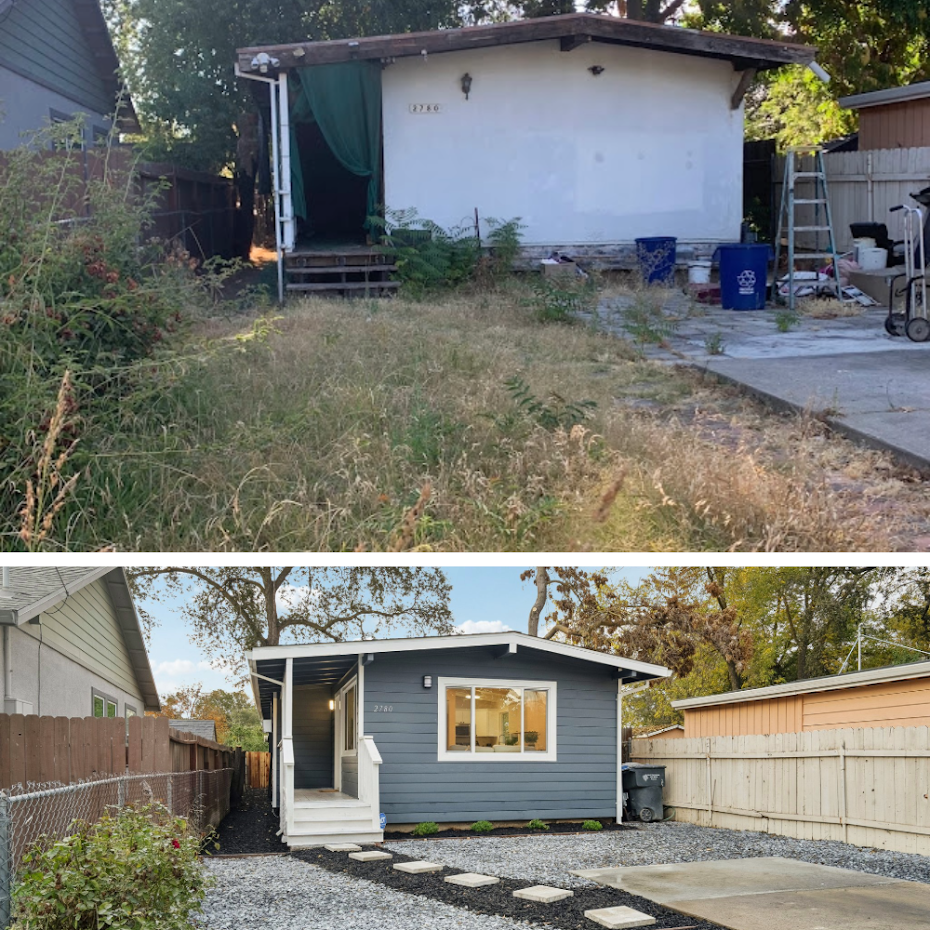
Before-and-after results are useful because they show what happened after the transaction. They should not be mistaken for work the former owner had to finance or complete before discussing a sale. In an as-is transaction, the buyer takes responsibility for the next chapter.
These are not polished stock clips. They are actual work-in-progress and walkthrough videos showing the condition, cleanup, repairs, and post-closing responsibility behind difficult property transactions.
This video shows work that occurred after the owner transferred the property. The seller did not have to complete the improvements, manage the labor, or keep paying ownership expenses while preparing the house for a retail buyer.
The visible condition helps explain why a tax balance should never be evaluated in isolation. Cleanout, flooring, paint, fixtures, kitchens, bathrooms, safety issues, and carrying time can materially change the owner’s real cost of keeping the property.
A second view of the same project provides stronger proof than a single before-and-after image. It shows that the repair responsibility was real, substantial, and transferred to the buyer after closing.
A walkthrough reveals the difference between a tax problem and a total-property problem. Condition, access, roof exposure, interior work, vacancy, security, and marketability all affect the owner’s best path forward.
Multiple videos reduce the gap between marketing and reality. They allow homeowners to see the type of property condition Darren has actually evaluated, purchased, and taken responsibility for.
Not every complication ends when escrow closes. This case file demonstrates why experience matters when a property has occupants, belongings, access problems, or unpredictable post-closing conditions.
A difficult property does not need to be cleaned, staged, repaired, or photographed like a retail listing before an experienced local cash buyer can evaluate it. This walkthrough gives owners a practical reference point for the types of conditions that may be transferred with the property.
That matters when delinquent taxes are only one part of the decision. An owner should know whether the buyer is evaluating the actual property or simply making a generic promise that may change after inspections, contractor estimates, or financing review.
No single option is best for every owner. The right path depends on equity, time, condition, income, tax status, family needs, and whether the property still serves a useful purpose.
| Decision Factor | Keep And Cure | Repair And List | Direct As-Is Sale |
|---|---|---|---|
| Upfront Cash | May require enough cash to address taxes, penalties, insurance, repairs, utilities, and deferred obligations. | May require tax resolution plus cleanout, repairs, staging, inspections, contractor work, and carrying expenses. | The property may be evaluated in its current condition, with approved obligations handled through the closing structure when feasible. |
| Time | The owner continues carrying the property while rebuilding a workable ownership plan. | Preparation, listing, buyer financing, inspections, appraisal, negotiations, and repairs may extend the timeline. | The closing timeline can be defined around the property, title, tax, occupancy, and seller situation. |
| Repairs | The owner remains responsible for present and future repairs. | The owner may complete repairs before listing or negotiate credits and price reductions later. | The buyer takes on the agreed property condition after closing. |
| Showings And Access | No sale showings, but the owner continues managing the property. | Repeated access may be needed for agents, buyers, inspectors, appraisers, and contractors. | A direct evaluation may reduce repeated access, especially when the house is occupied, damaged, cluttered, or difficult to show. |
| Price Versus Net | The owner retains the property and future upside, but also retains all ongoing cost and risk. | A higher retail price may be reduced by commissions, concessions, repairs, taxes, carrying costs, and failed-transaction risk. | The headline offer may be lower, but the owner can compare a more defined net without repair preparation or retail marketing costs. |
| Best Fit | Owners with reserves, a clear purpose for keeping the property, and a realistic cure and maintenance plan. | Owners with time, access, repair capacity, and a property suitable for traditional market exposure. | Owners who value certainty, want to stop carrying the property, or do not want to repair, clean, manage, or market it first. |
An owner should compare what they may receive after all costs—not simply the most attractive headline price.
A property may appear to have substantial equity while still producing a disappointing net once every obligation is included. Delinquent taxes are one component. The full calculation may also include mortgage payoff, liens, commissions, repair credits, closing costs, utilities, insurance, cleanup, yard maintenance, code work, legal expenses, tenant costs, and the price of waiting through another season of ownership.
This illustration is not a property valuation or tax estimate. It demonstrates why owners should compare net proceeds, required cash, and timeline—not only gross price.
“In my experience, delinquent property taxes are usually not the only issue. The owner may also be dealing with an inherited house, tenant problems, vacancy, insurance pressure, code concerns, expensive repairs, probate, family responsibilities, or simply a property that no longer fits their life. The taxes are often the most visible symptom of a larger ownership problem.”Darren Brown — Licensed California Broker, Local Cash Buyer, Retired U.S. Air Force Veteran
A homeowner can spend thousands of dollars bringing taxes current and still own the same leaking roof, vacant house, non-performing rental, probate property, unsafe steps, outdated interior, insurance problem, or family conflict the next day. That does not mean paying the taxes is wrong. It means the payment should be part of a plan rather than an isolated reaction.
If the owner wants the property long term, has adequate reserves, and can address the underlying condition, curing the taxes may protect an asset worth keeping. If the owner no longer wants the house or cannot realistically fund the next stage, paying the balance without evaluating an exit may only postpone the same decision.
A direct offer is only useful when the buyer can explain the property condition, transaction timeline, title process, tax issue, occupancy, access, and post-closing responsibility clearly. Owners should distinguish between an experienced local cash buyer who evaluates difficult properties and a marketer who intends to assign the contract without controlling the closing.
Real videos, real projects, real testimonials, real documentation, and independently verifiable credentials give the owner more information than promises alone.
These questions help separate an emotional reaction to the tax notice from a practical decision about the property.
Clear language improves decision-making and helps owners communicate with escrow, title, legal, tax, and real estate professionals.
Property taxes that were not paid by the applicable due date and may now include additional charges, penalties, interest, or collection procedures.
A property account that has entered a default status under the applicable county process. The exact consequences, deadlines, and remedies depend on the jurisdiction and current records.
A legal claim associated with unpaid property taxes that generally must be addressed before clean ownership can transfer through a normal sale.
A closing process in which verified obligations are shown on the settlement statement and paid according to the transaction instructions from available funds.
A title document identifying recorded ownership, liens, deeds of trust, easements, and other matters that may affect the proposed transfer.
The amount the seller may receive after approved payoffs, taxes, liens, transaction costs, credits, repairs, commissions, and other applicable charges are considered.
A sale in which the property is evaluated and transferred in its current agreed condition, without requiring the seller to complete a retail renovation before closing.
The ongoing expenses of ownership, which may include taxes, mortgage payments, insurance, utilities, maintenance, security, landscaping, HOA charges, vacancy, and repairs.
Selling a Sacramento house with delinquent property taxes requires more than estimating the property’s value. The tax status, title, ownership, condition, occupancy, equity, and expected closing figures should be reviewed together. A responsible cash buyer should not treat the delinquent balance as a minor detail or make assumptions about what the owner will receive.
The objective is to determine whether the property can be transferred, which obligations may need to be addressed through closing, and whether the projected proceeds support the owner’s preferred outcome. The process may be relatively straightforward when ownership is clear and sufficient equity exists. It may require additional coordination when probate, multiple heirs, tenants, recorded liens, code issues, judgments, or incomplete records are involved.
Begin with the Sacramento address, current condition, occupancy, repair needs, known tax notices, mortgage information, title concerns, and the owner’s preferred timing.
The property is evaluated in its present condition. The owner is not required to remodel, stage, empty, repaint, landscape, or make the house attractive for conventional retail buyers.
Escrow and title professionals can identify recorded obligations and prepare closing figures. Applicable taxes and approved title charges must be accounted for before the projected seller proceeds are known.
The owner decides whether to accept an as-is cash offer, repair and list the property, seek financing, pay the taxes and retain the house, or pursue another available solution.
A responsible comparison should include the expected net proceeds, closing obligations, repair costs, ongoing ownership expenses, time, uncertainty, access, and the owner’s ability to manage the property. The highest projected gross price is not always the option that produces the most practical result.
Darren Brown’s role is to explain the direct as-is purchase option clearly enough for the owner to compare it with the available alternatives. The owner remains in control of the decision.
Delinquent property taxes rarely describe the entire ownership problem. Many Sacramento owners are also dealing with property condition, family responsibilities, reduced rental income, probate, vacancy, liens, or the cost of maintaining a house they no longer want to keep.
The following situations do not automatically mean an owner should sell. They are examples of circumstances in which comparing an as-is cash offer may provide useful financial information.
An heir may inherit delinquent taxes, deferred maintenance, personal belongings, title questions, or probate responsibilities. An as-is review can help the family understand the property before investing additional money.
A rental property may fall behind on taxes when rent is unpaid, occupancy changes, repairs increase, or the landlord is covering expenses without dependable monthly income.
Vacancy may create additional costs involving insurance, utilities, cleanup, landscaping, vandalism prevention, code compliance, and ongoing maintenance while the tax balance remains unresolved.
Owners may be unable or unwilling to pay delinquent taxes while also funding a roof, HVAC system, plumbing, electrical work, water-damage repairs, foundation work, or a complete interior renovation.
The property-tax balance may exist alongside a mortgage, judgment, code balance, probate expense, utility claim, or other title item. Each obligation may affect the projected net proceeds.
An owner living outside Sacramento may have difficulty coordinating access, repairs, contractors, cleanup, tenants, documents, and local property management while trying to resolve delinquent taxes.
No single selling method is appropriate for every Sacramento property owner. A traditional listing may be the strongest option when the house is market-ready or the owner has the time and money to complete repairs. Continued ownership may be reasonable when the delinquent balance can be addressed and the property remains affordable to hold. A direct as-is sale may be useful when simplicity, current condition, limited access, uncertain repairs, or carrying costs are important considerations.
| Decision Factor | Direct As-Is Cash Sale | Repair and List | Pay Taxes and Keep Property |
|---|---|---|---|
| Property Condition | The house may be reviewed and purchased in its current condition, subject to the agreed contract and title requirements. | Repairs, cleaning, presentation, photography, inspections, and buyer-requested work may be needed. | The owner remains responsible for repairs, safety concerns, maintenance, and future deterioration. |
| Delinquent Taxes | The verified tax obligation must be considered in the transaction and closing figures. | The tax obligation still must be addressed and may affect the seller’s net proceeds. | The owner must arrange to pay or otherwise resolve the tax balance while continuing to carry the property. |
| Upfront Spending | Major pre-sale repairs and retail preparation are generally not required for the initial as-is review. | The owner may need funds for repairs, cleanup, utilities, landscaping, staging, storage, or contractor work. | The owner continues paying taxes, insurance, utilities, maintenance, mortgage obligations, and repair expenses. |
| Showings and Access | The process may involve fewer property visits and no public retail showing schedule. | Agent access, photography, inspections, appraisals, open houses, and repeated buyer showings may be involved. | No sale-related showings are required, but the ownership and management responsibilities continue. |
| Financing Risk | A legitimate direct cash purchase is not dependent on conventional buyer mortgage approval. | The transaction may depend on buyer financing, appraisal, underwriting, inspection, and lender conditions. | Refinancing or borrowing may depend on credit, income, equity, property condition, and lender approval. |
| Best Fit | Owners prioritizing an as-is sale, reduced preparation, direct communication, and a more controlled closing process. | Owners seeking broader market exposure who have adequate time, access, capital, and tolerance for retail-sale uncertainty. | Owners who want to retain the property and can sustainably manage the tax balance and continuing ownership costs. |
A traditional listing price and a direct cash offer measure different selling paths. The comparison should account for repairs, commissions, concessions, closing costs, holding expenses, utilities, insurance, cleanup, landscaping, taxes, financing risk, and the time required to complete the transaction.
An as-is cash offer may be lower than a possible renovated retail price. The relevant question is whether the reduced preparation, reduced uncertainty, and avoided expenses produce a result that better matches the owner’s circumstances.
Before accepting any offer, a Sacramento owner should understand who is purchasing the house, how the property was evaluated, what obligations may affect closing, and how the proposed sale compares with other available paths.
The following resources provide additional information about direct cash purchases, as-is sales, inherited properties, tenant-occupied homes, difficult property conditions, seller protections, and Darren Brown’s professional background.
Darren Buys Homes Cash also reviews difficult and as-is properties in nearby Sacramento-area communities. Property condition, tax status, title, equity, occupancy, and closing requirements are evaluated individually.
A property may generally be sold while taxes are delinquent, but the tax status, ownership, title, equity, recorded obligations, and projected closing figures must be reviewed. The delinquent amount does not simply disappear because the property is sold.
When sufficient proceeds exist, applicable property-tax obligations and other approved title charges may generally be accounted for through the closing process. The actual payoff and closing figures should be verified by the appropriate county, title, and escrow professionals.
Sacramento County provides an official system for reviewing secured prior-year delinquent property taxes. Owners may need the property’s Assessor’s Parcel Number to locate the applicable account and request current information.
No. An initial property review can begin before the tax balance is paid. The amount due, property value, mortgage balance, other title obligations, and available equity should be considered when the proposed transaction is evaluated.
A direct cash buyer may evaluate the property in its current condition. The owner may not need to complete major repairs, replace outdated systems, clean out the house, stage it, or prepare it for conventional retail showings before requesting an offer.
An inherited property may require review of the deed, trust, probate, ownership authority, heirs, tax obligations, liens, and other title issues. The person signing the sale documents must have the proper authority to transfer the property.
A tenant-occupied property may potentially be sold, but the existing tenancy, lease, access, deposits, notices, property condition, and applicable legal obligations should be reviewed carefully. A sale does not automatically eliminate tenant rights or the owner’s responsibilities.
Mortgages, judgments, code balances, probate expenses, utility claims, and other recorded obligations may affect the title and the seller’s projected proceeds. A title review can help identify items that must be considered before closing.
Repairing and listing may be appropriate when the owner has the necessary capital, time, access, contractor support, and tolerance for market uncertainty. Owners should compare projected net proceeds after repairs, commissions, concessions, holding costs, taxes, and other expenses.
Timing depends on the property, ownership, title, access, required documents, tax information, escrow, and any additional obligations. No closing timeline should be guaranteed before the relevant facts have been reviewed.
No. Requesting or reviewing an offer does not require the owner to sell. The purpose of the offer is to provide a direct as-is option that can be compared with listing, retaining, refinancing, or pursuing another solution.
No. This page provides general educational information about selling a Sacramento property with delinquent taxes. Owners should contact the appropriate county office, attorney, tax professional, financial adviser, title company, or other qualified professional for advice about their specific circumstances.
Delinquent property taxes should be reviewed as part of the complete property decision. The condition of the house, available equity, mortgage balance, recorded obligations, occupancy, repairs, ownership, and ongoing carrying costs may be just as important as the tax balance.
Darren Brown can review the Sacramento property in its present condition and explain how a direct purchase may work. You do not need to remodel the house, empty every room, stage the property, or make it retail-ready before beginning the conversation.
The objective is not to pressure you into selling. It is to give you a clear as-is cash offer that can be compared with your other available options.
This page is for general educational purposes only and is not legal, tax, financial, probate, title, foreclosure, or accounting advice. Property-tax balances, title obligations, ownership authority, closing requirements, and available options vary by property. Verify information with Sacramento County and consult qualified professionals regarding your individual circumstances.