

Unauthorized Does Not Mean Rightless
A person who is not listed on the lease may still assert possession, tenancy, subtenancy, or another legal interest that requires review.
A Roseville property can often be sold even when people are living there who are not named on the lease, were never approved by the owner, remained after the authorized tenant left, or moved in without a clear rental agreement. The sale does not automatically remove them, but the seller may still transfer the property to a buyer prepared to evaluate the occupancy, documentation, access, condition, and legal risk together.
“Unauthorized occupant” can describe several very different situations. The person may be a guest who stayed too long, an unapproved family member, a subtenant, a former tenant, a roommate, a holdover occupant, or someone claiming a right to possession. The correct response depends on the actual facts, documents, communications, payment history, and California law.
Yes, you may be able to sell a Roseville house with unauthorized occupants still living inside. A direct cash buyer or experienced rental-property buyer may purchase the property as-is and accept the occupancy issue as part of the transaction. Before signing, the seller and buyer should identify every known occupant, review the lease and payment history, disclose notices or court filings, document property access and condition, and state clearly whether the buyer is accepting possession at closing or requiring lawful vacancy first.
Look for detailed seller experiences involving tenant-occupied properties, difficult access, uncertain occupancy, property condition, written terms, communication, escrow coordination, and whether the buyer completed the transaction as agreed.
The strongest transaction is not built on calling everyone a tenant or everyone a squatter. It is built on documenting what is known, identifying what remains uncertain, and assigning responsibility in writing.
A person who is not listed on the lease may still assert possession, tenancy, subtenancy, or another legal interest that requires review.
Recording a deed changes ownership. It does not physically remove people or replace the lawful notice and court process when one is required.
Leases, ledgers, notices, messages, photographs, police reports, court records, and access history help the buyer evaluate the real situation.
A local cash buyer may accept the occupants, repairs, cleanup, and possession risk instead of requiring the seller to solve everything first.
Roseville owners often discover an occupancy problem after missed rent, a complaint from a neighbor, an inspection request, a utility issue, or an unsuccessful attempt to enter the property. The named tenant may have moved in a partner, relative, friend, roommate, or subtenant without permission. In other cases, the original tenant may have left while other people remained behind.
Those situations are not automatically identical. The written lease may restrict guests or subletting, but the owner’s conduct also matters. Accepting rent, communicating with an occupant as though that person were a tenant, signing an agreement, or allowing the arrangement to continue can affect how the situation is evaluated.
The seller should avoid making unsupported statements about the occupants’ legal status. Instead, disclose the facts: who is believed to be inside, how long they have been there, whether money has been paid, what the lease says, what notices were served, whether access has been granted, and whether an attorney or court has been involved.
Roseville landlords considering a sale can review how to sell a house with tenants in Roseville without assuming the property must be vacant before a buyer can evaluate it.
The first question is not simply, “Are they authorized?” The better question is, “What facts and documents explain why they are there, and what responsibility will the buyer accept at closing?”
The words used by the owner may not determine the legal result. The surrounding facts and documents matter.
The lease may limit the number of consecutive days or total days a guest may remain. The buyer should review the lease, communications, keys, mail, utilities, personal property, and the length of occupancy.
An additional person may have moved in without screening or written approval. The seller should identify whether rent was increased, payments were accepted, or the owner otherwise acknowledged the arrangement.
The occupant may claim an agreement with the tenant, a sublease, payment history, or permission to remain. The buyer should not assume the absence of the owner’s signature resolves the issue.
When people entered without permission or remained after a break-in, abandonment, foreclosure, or vacancy, the facts may involve trespass, unlawful detainer, law enforcement, property preservation, or civil claims.
The right structure depends on the documentation, access, condition, buyer type, closing deadline, and seller’s willingness to manage the occupancy issue.
| Sale Structure | How It Works | Primary Considerations |
|---|---|---|
| Sell With Occupants Remaining | The buyer purchases the house as-is and accepts responsibility for the known occupancy situation after closing. | Full disclosure, price, access, condition, possession language, legal review, deposits, rent, personal property, and post-closing responsibility. |
| Sell to a Rental Investor | An investor purchases the occupied property and evaluates whether any occupants can be documented, screened, retained, or addressed lawfully. | Payment history, lease terms, household identity, property condition, expected rent, management burden, and legal uncertainty. |
| Sell Directly As-Is for Cash | A direct cash buyer evaluates the occupants, repairs, cleanup, title, access, and possession risk together without requiring retail preparation. | The offer will generally reflect condition, legal cost, delay risk, lost rent, cleanup, security, and uncertainty. |
| Close After Lawful Vacancy | The seller contracts now but must deliver the property vacant under the purchase agreement before closing. | Correct notices, court timing, attorney fees, occupant cooperation, relocation discussions, property protection, and vacancy contingency. |
A complete file helps the buyer separate verified facts from assumptions and price the transaction more accurately.
Payment history can affect the buyer’s evaluation of tenancy claims, credits, deposits, prorations, and post-closing accounting.
| Payment Issue | What Should Be Confirmed | Why It Matters |
|---|---|---|
| Rent From the Named Tenant | Amount due, amount collected, payment dates, ledger balance, and any unpaid rent or charges. | The buyer needs the contractual rent history and current account status. |
| Money From an Unnamed Occupant | Who paid, how often, how the payment was described, who accepted it, and whether receipts were issued. | Accepted payments may become important when the occupant’s claimed status is evaluated. |
| Security Deposit | Original amount, source, deductions, accounting, and transfer or credit through escrow. | The deposit remains tied to the rental relationship and should be addressed at closing. |
| Prorated Rent | How the closing date affects rent collected for the month of transfer. | Escrow needs a clear cutoff between seller and buyer ownership. |
| Unpaid Utilities or Occupancy Charges | Which services are delinquent, whose name is on the account, and whether liens or shutoffs are possible. | Utility conditions can affect habitability, access, security, and property damage. |
| Payment Received After Closing | Which party must forward or account for money received after ownership transfers. | Written instructions reduce accounting disputes and inconsistent communication. |
The buyer should know what has been inspected, what remains unseen, and whether the occupants are cooperating with lawful access.
Provide photographs, repair records, inspection reports, insurance claims, code notices, maintenance requests, and any recent observations of the interior and exterior.
When bedrooms, garages, accessory structures, attics, crawlspaces, or systems cannot be accessed, the buyer must price the uncertainty rather than assume normal condition.
Photographs, move-in records, prior inspections, contractor reports, and communications can help distinguish deferred maintenance from damage attributed to an occupant.
The purchase agreement should address whether access is available, how notice will be given, whether inspection rights are limited, and what happens if an appointment is refused.
The owner should coordinate access lawfully and avoid confrontations, lockouts, utility interference, or self-help removal.
California Civil Code Section 1954 addresses landlord entry, including exhibiting a dwelling to prospective or actual purchasers, subject to applicable notice, timing, and anti-harassment protections.
Notice should identify the date, approximate time, and purpose. The exact approach should reflect the known occupancy, lease, legal advice, and safety conditions.
Keep copies of notices, delivery records, appointment requests, messages, witnesses, and any refusal. A buyer may still evaluate the property with limited or no interior access.
Threats, lockouts, utility shutoffs, property removal, harassment, or physical confrontation can create legal exposure and make the sale harder to complete.
The buyer’s intended use, financing, risk tolerance, experience, and possession deadline will shape the offer.
| Buyer Type | Possible Fit | Likely Concern |
|---|---|---|
| Owner-Occupant Buyer | May pay a stronger retail price for a vacant, repaired, insurable, and market-ready home. | Usually needs reliable possession, full access, appraisal, financing, inspections, and a predictable move-in date. |
| Long-Term Rental Investor | May accept occupants when the lease, payment history, condition, and management plan are understandable. | Will examine legal status, rent, deposits, repairs, access, screening, operating costs, and future management burden. |
| Direct Local Cash Buyer | May purchase as-is with occupants remaining and take responsibility for repairs, cleanup, access, and the post-closing occupancy plan. | Will reduce the offer for legal expense, time, condition uncertainty, vacancy risk, security, and carrying costs. |
| Wholesaler or Assignment Buyer | May sign a contract quickly while seeking another investor to close. | The seller should verify funds, assignment terms, inspection rights, cancellation provisions, and who is actually responsible for closing. |
The objective is not to hide uncertainty. It is to identify it early enough for the buyer, seller, escrow holder, attorney, and insurer to respond.
A buyer may inherit the practical burden of determining whether the person is a tenant, subtenant, holdover, licensee, guest, or trespasser and what process applies.
Water leaks, electrical issues, unauthorized alterations, animals, debris, mold, broken systems, or deferred maintenance may remain undiscovered until possession is obtained.
The seller and buyer should disclose occupancy accurately to their insurance professionals and discuss vacancy, landlord, hazard, vandalism, and post-closing coverage.
A contract that says “vacant at closing” is materially different from one in which the buyer accepts occupants. Ambiguous language creates preventable disputes.
The process should move from facts to documents, then access, written terms, escrow, and responsibility after closing.
List names, relationships, contact information, approximate move-in dates, payment history, vehicles, animals, keys, and the seller’s understanding of each person’s status.
Organize agreements, addenda, ledgers, messages, notices, service records, attorney letters, court papers, photographs, inspections, and repair documentation.
Determine what can be inspected lawfully, what areas remain unavailable, and what assumptions the buyer must make about repairs, cleanup, security, and personal property.
Estimate the time, legal cost, carrying expense, repair work, management effort, and uncertainty involved in creating vacancy before listing versus selling directly as-is.
The contract should state whether occupants may remain, whether vacancy is required, what personal property is included, what access is expected, and who accepts responsibility after closing.
Escrow can coordinate title, payoff, taxes, deposits, rent prorations, disclosures, transfer documents, and written instructions while the parties address legal questions separately.
Real transactions demonstrate why an experienced buyer evaluates the people, property, documents, timing, and post-closing plan together.
The seller did not need to complete a full retail renovation, stage the property, repeatedly show it, or create a perfect vacancy before Darren evaluated the purchase. The transaction required direct communication, realistic expectations, written terms, and a buyer prepared to deal with the property after closing.
The Flaum Court video above reflects the tenant-centered approach used after the acquisition. It does not mean every occupant situation is the same. It shows that an occupied property can be purchased when the buyer is willing to accept responsibility instead of forcing the seller to solve every human and property issue first.
Roseville owners with unpaid rent can also review the option to sell a rental with non-paying tenants in Roseville.
This page provides general educational information and is not legal advice. Occupant status, lease enforcement, notice requirements, unlawful detainer, rent acceptance, subtenancy, local protections, retaliation, discrimination, habitability, abandoned property, lockouts, utility service, and possession can involve fact-specific California law. Sellers and buyers should consult a qualified California landlord-tenant attorney, title professional, escrow holder, insurance professional, or other appropriate adviser regarding their specific transaction.
“When an owner says there are unauthorized occupants, I do not begin by assuming they can be removed overnight. I begin by asking who is there, how they got there, what has been paid, what documents exist, what access is available, and what responsibility I would be accepting as the buyer. A clear offer should reflect the real situation—not wishful thinking.”— Darren Brown, California Real Estate Broker, Local Cash Buyer and Retired U.S. Air Force Veteran
These questions help expose missing information before it becomes a closing dispute.
Identify adults, children, animals, vehicles, guests, former tenants, roommates, relatives, subtenants, and anyone else believed to possess keys or personal property.
Review leases, applications, ledgers, texts, notices, mail, utilities, identification, prior inspections, attorney letters, and court records.
Clarify what notice has been given, whether access was granted, whether appointments were refused, and which areas remain unseen.
The purchase agreement should state whether the seller must provide vacancy or the buyer is accepting the known occupancy at closing.
Use these resources to compare the broader tenant-occupied sale, landlord exit options, buyer verification, and California access rules.
Review the larger framework for selling an occupied Roseville property without assuming the tenant must move before a buyer can evaluate it.
Read the Roseville Tenant Sale Guide →Compare a traditional landlord exit with a direct as-is sale when repairs, tenants, access, or timing make listing more difficult.
Review Roseville Rental Sale Options →Learn why an owner may still be able to sell when the occupant will not voluntarily vacate before the proposed transaction.
Review the Roseville Holdover Guide →Explore property-condition, tenant, landlord, title, trust, buyer-comparison, and as-is selling resources built for Roseville owners.
Visit the Roseville Seller Center →Verify Darren Brown’s local business identity, professional background, California real estate credentials, veteran ownership, and transaction approach.
Review Credentials and Trust Proof →Read California’s statutory language concerning landlord entry for specified purposes, including exhibiting a dwelling to prospective or actual purchasers.
Review California Civil Code § 1954 →Darren Buys Homes Cash can evaluate a Roseville property with unauthorized occupants, limited access, unpaid rent, repairs, debris, uncertain possession, or other landlord complications. The objective is a clear written offer that explains the price, closing timeline, as-is condition, access expectations, and whether Darren is accepting the occupants at closing.
Start with the tenant-rights authority guide, then choose the situation that most closely matches your property. These evergreen Roseville resources cover leases, showings, eviction, non-payment, unauthorized occupants, inherited rentals, property damage, Section 8 tenancies, landlord fatigue and direct as-is sale options.
Start here for the complete framework covering leases, privacy, showings, deposits, possession, notices and buyer responsibilities.
Understand how an active eviction may affect disclosures, possession, buyer selection, escrow and post-closing responsibility.
Explore this Roseville guide →Review practical sale options when vacancy is uncertain and the buyer may need to accept the tenant at closing.
Explore this Roseville guide →Learn how lease terms, housing-assistance documents, inspections, deposits and agency requirements may affect the sale.
Explore this Roseville guide →Understand how unapproved residents can affect access, disclosures, possession, lease enforcement and the buyer’s risk.
Explore this Roseville guide →See how a fixed-term lease can continue through closing and why the right buyer must accept the existing tenancy.
Explore this Roseville guide →Compare continuing the tenancy, serving lawful notice or selling directly with the tenant remaining in possession.
Explore this Roseville guide →Review lawful entry, reasonable notice, showing frequency, privacy and ways to reduce unnecessary tenant disruption.
Explore this Roseville guide →Compare repair costs, documentation, deposits, disclosures and selling the damaged rental directly as-is.
Explore this Roseville guide →Understand inherited landlord duties, leases, deposits, authority to sell and transferring the occupied property as-is.
Explore this Roseville guide →Use the primary occupied-property guide to compare lease, access, possession and direct cash buyer options.
Explore this Roseville guide →Compare keeping the rental, repairing it, listing traditionally or selling directly to a local as-is cash buyer.
Explore this Roseville guide →Review how unpaid rent, notices, possession uncertainty and buyer acceptance affect an as-is rental sale.
Explore this Roseville guide →Explore an evergreen landlord exit strategy when management, repairs, rent collection or tenant conflict has become burdensome.
Explore this Roseville guide →Review a related Roseville resource when occupancy is unauthorized and the situation may fall outside a normal landlord-tenant relationship.
Explore this Roseville guide →A Roseville rental may involve more than one issue at the same time: an inherited property can also have a month-to-month tenant, unpaid rent, damage or uncertain possession. These guides are intentionally connected so owners can compare the full situation before deciding whether to keep the rental, list traditionally or sell directly to a local as-is cash buyer.
Before reviewing another comparison, timeline, or selling option, homeowners can hear directly from sellers and an occupant who experienced Darren’s communication, follow-through, and handling of difficult property situations.
The strongest testimonial is not a scripted summary of services. It is a homeowner explaining what happened, how communication felt, and whether the process matched what was promised.
Roseville properties involving repairs, liens, title concerns, tenants, inherited ownership, vacancy, or deferred maintenance require clear communication. This seller’s account provides another independent point of reference.
Different owners choose different paths. This video helps a homeowner evaluate what mattered to another seller before making their own decision.
Difficult property sales do not always involve only the owner and buyer. Tenants, relatives, occupants, neighbors, attorneys, escrow officers, contractors, and family members may all be affected. This real tenant testimonial shows how Darren communicates with occupants and handles a sensitive situation beyond the closing documents.
For a Roseville owner dealing with an occupied, inherited, damaged, vacant, or financially difficult property, that proof may be especially relevant. The decision is not only about price. It may also involve whether the buyer has practical experience taking responsibility for the property and the people connected to it.
A proof-driven Roseville guide for owners comparing whether to keep, repair, list, or sell a difficult house as-is—especially when the property has deferred maintenance, tenants, title complications, vacancy, inherited ownership, liens, code concerns, or major repair needs.
Yes, a house with delinquent property taxes may often still be sold. In many transactions, the current tax balance is verified during title and escrow and then paid from available seller proceeds at closing. The more important question is whether curing the taxes alone solves the ownership problem. When the property also has deferred maintenance, vacancy, tenant issues, probate complications, insurance pressure, code concerns, or major repairs, the owner should compare the entire cost of keeping, repairing, listing, or selling the house as-is.
A family may inherit a Roseville house without inheriting the cash reserves, time, or desire needed for insurance, repairs, utilities, cleanout, and ongoing maintenance.
When rent stops but ownership expenses continue, a Roseville rental may become a property the owner supports every month through mortgage payments, insurance, legal costs, utilities, repairs, and lost income.
An empty Roseville house can continue consuming money through taxes, utilities, landscaping, security, insurance, and deterioration without producing income.
When roofs, HVAC systems, plumbing, safety hazards, and interior repairs compete for limited funds, needed work may be postponed while the property’s condition and eventual selling cost continue to worsen.
The repair estimate, tenant problem, title issue, inherited ownership, code notice, or rising carrying cost may get the owner’s attention, but the pressure usually began earlier.
A difficult property rarely begins with one dramatic event. More often, life changes faster than the ownership plan. A spouse dies. A parent moves into assisted living. A rental stops producing income. A house sits vacant after an inheritance. Insurance becomes more expensive. A roof fails. A tenant damages the interior. A code issue requires attention. A family member occupies the property without contributing to expenses. One problem becomes several, and the house gradually consumes more time, cash, and attention.
That distinction matters because fixing the most visible issue does not automatically solve the larger ownership problem. An owner who handles one repair, notice, bill, or tenant concern may still face the same vacancy, title complication, insurance pressure, probate delay, deferred maintenance, or monthly carrying burden afterward.
The strongest decision starts with a complete inventory of the Roseville property—not merely the problem that feels most urgent today.
The chart below is not a property valuation. It is a visual decision aid showing how multiple carrying costs can stack around a Roseville house that is no longer working for the owner.
The bar lengths are illustrative. Every property has a different cost profile. The point is to evaluate the combined burden rather than treating one repair, tenant issue, lien, or bill as an isolated line item.
These are actual Northern California projects from Darren’s transaction library. They show the kinds of deferred maintenance, repair exposure, occupancy issues, cleanout needs, safety concerns, and condition problems Roseville sellers may be comparing against a traditional listing.
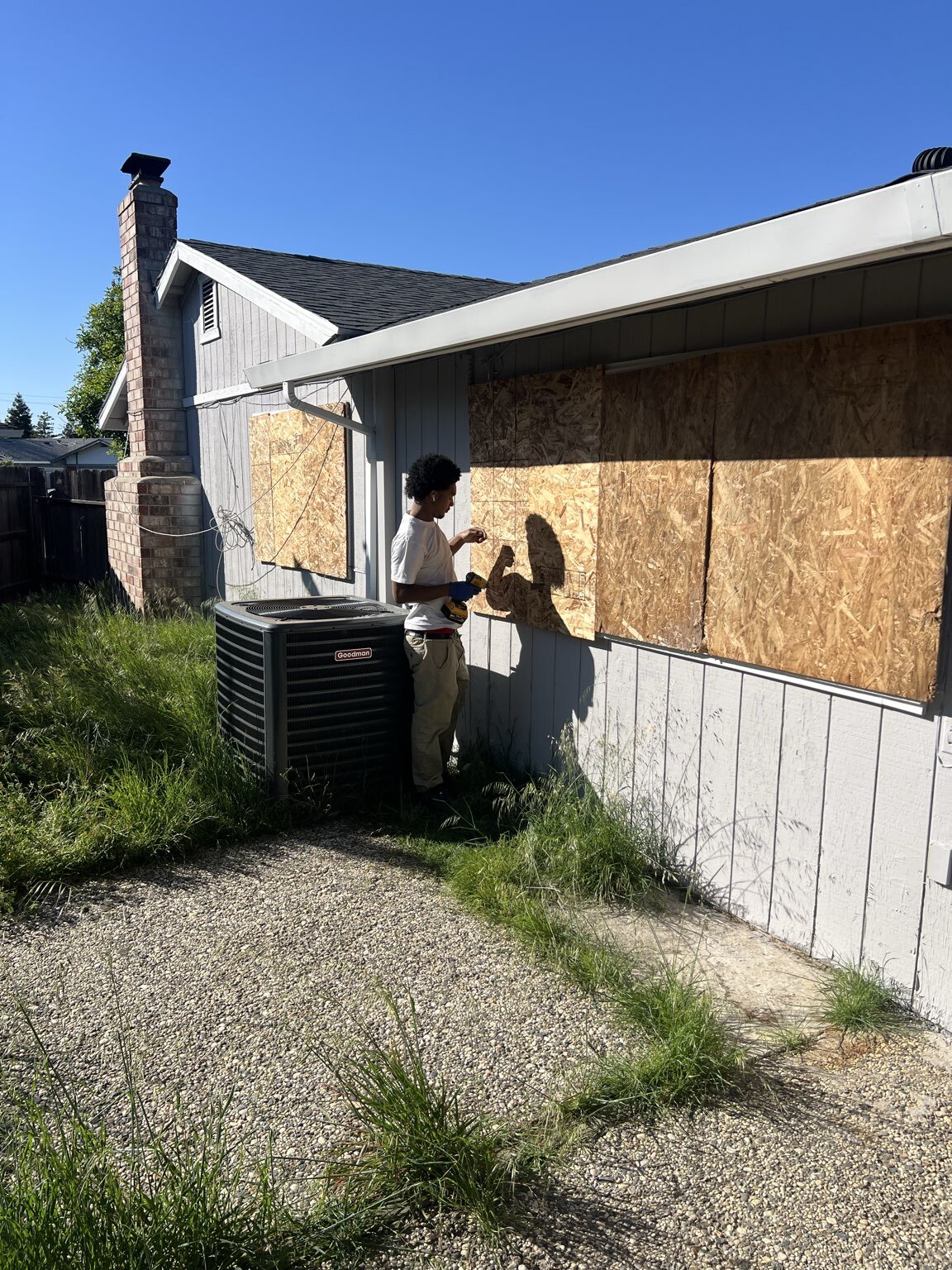
Real transactions often include more than one problem. Occupancy, deferred maintenance, carrying costs, communication, access, and property condition may all affect the owner’s decision at the same time. The value of proof is not that every property is identical. It is that difficult situations have already been handled in the real world.
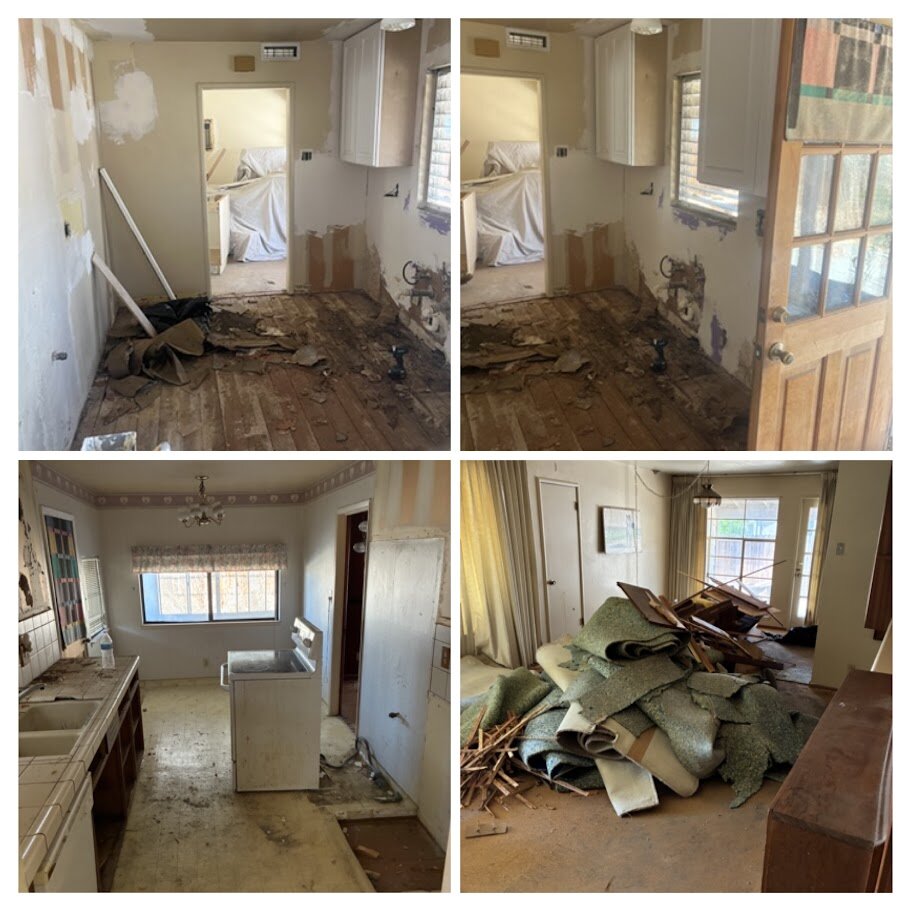
This project required substantial work after acquisition. For a Roseville owner already carrying a difficult house, adding cleanout, repair management, contractor coordination, and additional holding time may not be the best use of limited cash or energy.
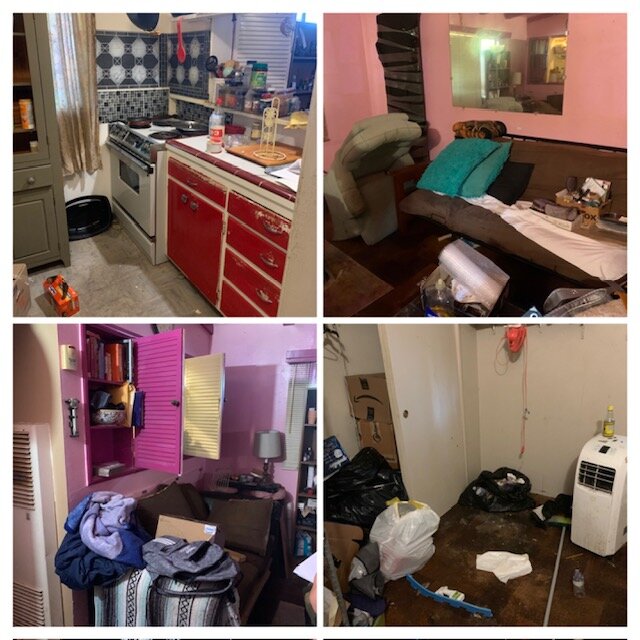
A repair estimate may be visible on paper, but the full physical condition of the property can create an even larger future expense. Roof, interior, exterior, safety, cleanup, and mechanical issues should be considered before the owner commits more money to preserve a property that still needs major work.
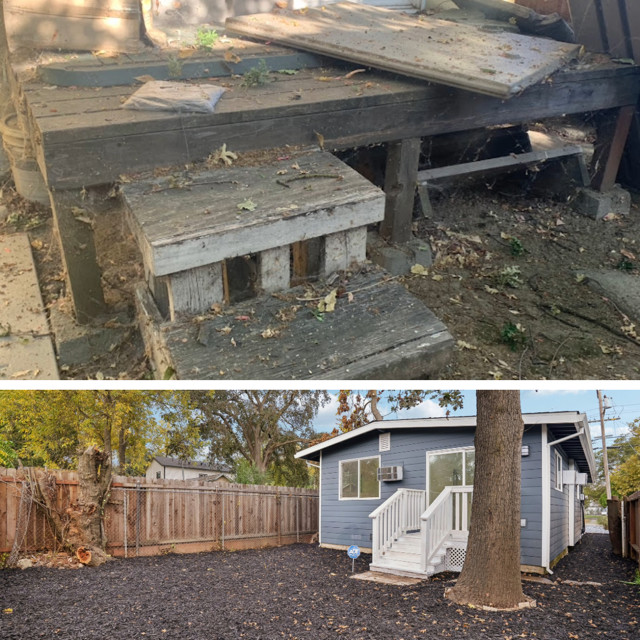
Unsafe steps, railings, electrical concerns, damaged flooring, plumbing leaks, and other hazards can worsen while a sale decision is delayed. A complete decision should account for the risk and cost of continued ownership—not only the repair that seems most urgent.
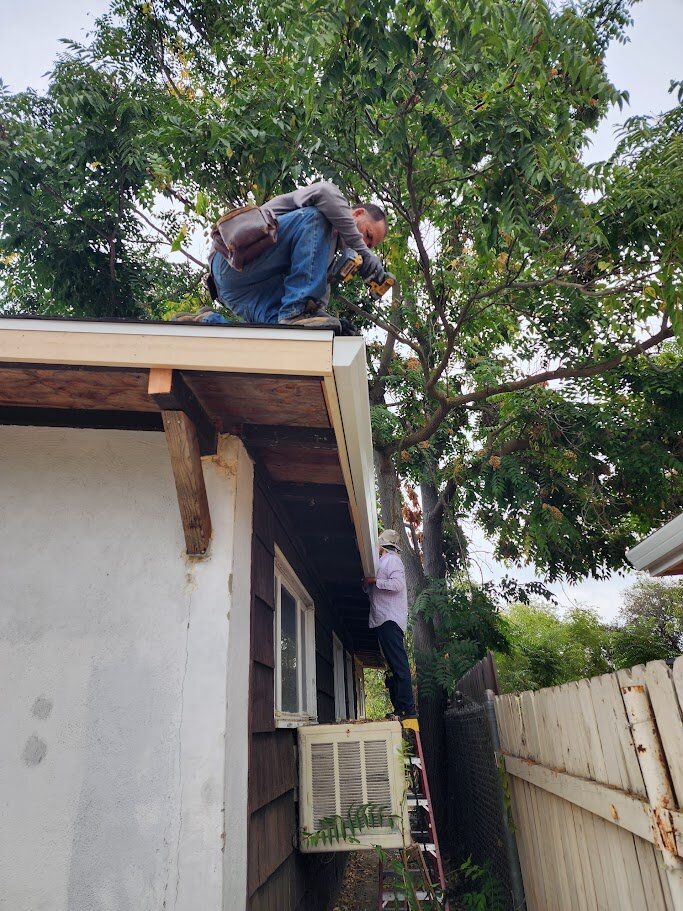
Owners sometimes face a difficult choice: repair the roof, maintain insurance, address interior damage, manage tenants, complete cleanout, or preserve cash for family needs. When several large obligations arrive together, the property may no longer fit the owner’s financial plan.
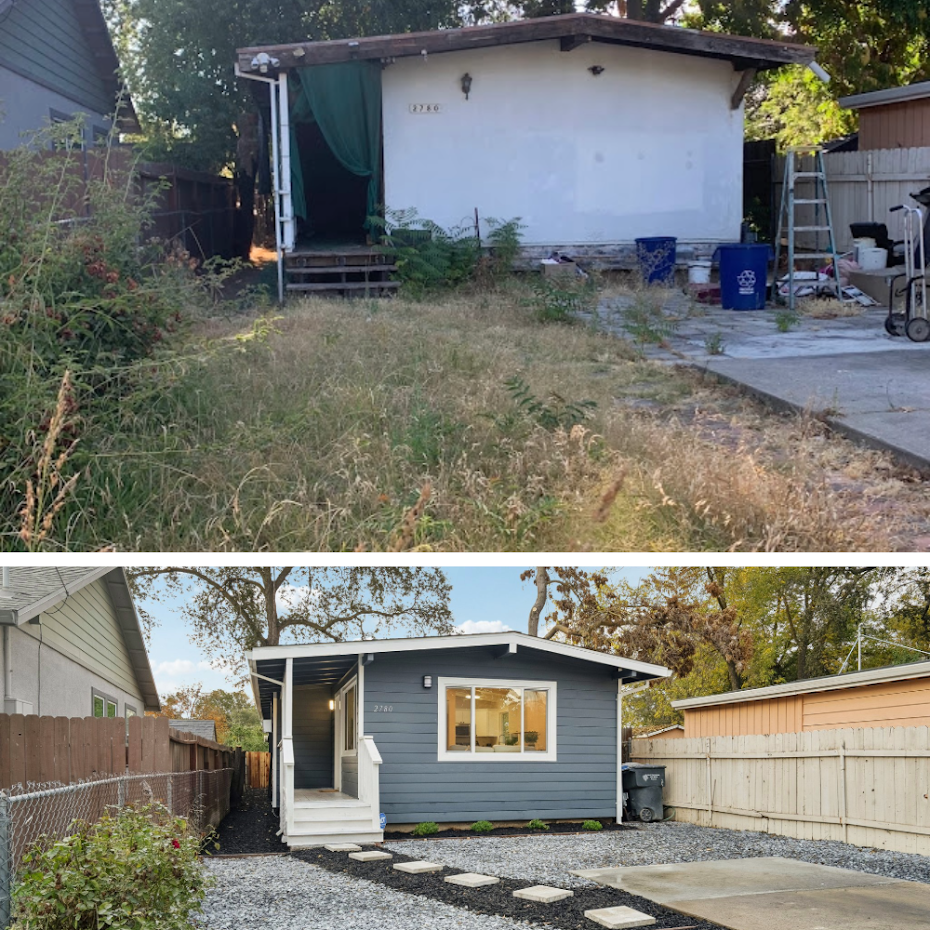
Before-and-after results are useful because they show what happened after the transaction. They should not be mistaken for work the former owner had to finance or complete before discussing a sale. In an as-is transaction, the buyer takes responsibility for the next chapter.
These are not polished stock clips. They are actual work-in-progress and walkthrough videos showing the condition, cleanup, repairs, and post-closing responsibility behind difficult property transactions.
This video shows work that occurred after the owner transferred the property. The seller did not have to complete the improvements, manage the labor, or keep paying ownership expenses while preparing the house for a retail buyer.
The visible condition explains why one repair estimate should never be evaluated in isolation. Cleanout, flooring, paint, fixtures, kitchens, bathrooms, safety issues, and carrying time can materially change a Roseville owner’s real cost of keeping the property.
A second view of the same project provides stronger proof than a single before-and-after image. It shows that the repair responsibility was real, substantial, and transferred to the buyer after closing.
A walkthrough reveals the difference between one visible problem and a total-property problem. Condition, access, roof exposure, interior work, vacancy, security, occupancy, and marketability all affect the owner’s best path forward.
Multiple videos reduce the gap between marketing and reality. They allow homeowners to see the type of property condition Darren has actually evaluated, purchased, and taken responsibility for.
Not every complication ends when escrow closes. This case file demonstrates why experience matters when a property has occupants, belongings, access problems, or unpredictable post-closing conditions.
A difficult property does not need to be cleaned, staged, repaired, or photographed like a retail listing before an experienced local cash buyer can evaluate it. This walkthrough gives owners a practical reference point for the types of conditions that may be transferred with the property.
That matters when a difficult condition is only one part of the decision. A Roseville owner should know whether the buyer is evaluating the actual property or simply making a generic promise that may change after inspections, contractor estimates, assignment, or financing review.
Most difficult property situations develop gradually. Understanding that sequence helps owners decide whether they are solving the underlying problem or only delaying it.
The Roseville house may have been a family residence, rental, inherited asset, future retirement property, or long-term investment. At this stage, normal expenses and maintenance were part of an ownership plan that still made sense.
A tenant stops paying, a relative dies, an owner relocates, a job is lost, a divorce begins, a property becomes vacant, or a major repair appears. The financial assumptions behind ownership change, but the bills continue.
Insurance, utilities, mortgage payments, yard maintenance, tenant concerns, legal costs, cleanout, and repairs begin competing for the same cash. The owner prioritizes the most immediate problem and postpones another.
Repair bids, tenant conflict, title concerns, insurance demands, code notices, family discussions, or repeated carrying costs bring the property problem to the center of attention. Yet the underlying ownership burden remains.
The choice becomes whether to keep the property, create a workable repair and management plan, refinance, repair and list, or transfer the property as-is before more ownership costs accumulate.
The practical sale process is usually less mysterious once repairs, occupancy, liens, title, taxes, and other property concerns are treated as part of one coordinated transaction rather than as separate crises.
| Stage | What Usually Happens | Why It Matters To The Roseville Owner |
|---|---|---|
| Initial Review | The owner identifies the property’s current condition, occupancy, title concerns, liens, repair exposure, access issues, and desired timeline. | This allows the selling strategy to account for the complete property rather than one visible problem. |
| Title Search | A title company or escrow holder reviews recorded ownership, liens, judgments, deeds of trust, and other matters affecting transfer. | Recorded obligations can change estimated net proceeds and may require payoff, documentation, or resolution. |
| Property Evaluation | The house is evaluated in its current condition, including repairs, cleanout, occupancy, access, safety issues, and marketability. | The owner can compare an as-is path with the likely cost and workload of repair preparation or a traditional listing. |
| Payoff And Settlement | Approved mortgages, taxes, liens, fees, and transaction charges are shown on the settlement statement and paid according to escrow instructions. | The owner can see how the obligations affect the final net rather than guessing. |
| Transfer Of Ownership | Once closing conditions are satisfied, the deed records and ownership responsibility transfers. | Future taxes, insurance, repairs, utilities, maintenance, occupancy, and rehabilitation become the new owner’s responsibility after the agreed closing. |
Every Roseville title and property situation is different. This section describes a general transaction framework, not a promise that every lien, deadline, probate matter, tenant issue, repair problem, ownership dispute, or title defect can be handled the same way.
No single option is best for every Roseville owner. The right path depends on equity, time, condition, income, occupancy, title, family needs, repair capacity, and whether the property still serves a useful purpose.
| Decision Factor | Keep And Improve | Repair And List | Direct As-Is Sale |
|---|---|---|---|
| Upfront Cash | May require enough cash to address repairs, insurance, utilities, taxes, liens, cleanout, tenant issues, and deferred obligations. | May require cleanout, repairs, staging, inspections, contractor work, title resolution, and carrying expenses before or during marketing. | The property may be evaluated in its current condition, with approved obligations handled through the closing structure when feasible. |
| Time | The owner continues carrying and managing the property while rebuilding a workable ownership plan. | Preparation, listing, buyer financing, inspections, appraisal, negotiations, concessions, and repairs may extend the timeline. | The closing timeline can be defined around the property, title, occupancy, access, seller needs, and transaction requirements. |
| Repairs | The owner remains responsible for present and future repairs. | The owner may complete repairs before listing or negotiate credits and price reductions later. | The buyer takes on the agreed property condition after closing. |
| Showings And Access | No sale showings, but the owner continues managing the property and its occupants or condition. | Repeated access may be needed for agents, buyers, inspectors, appraisers, photographers, and contractors. | A direct evaluation may reduce repeated access, especially when the house is occupied, damaged, cluttered, vacant, inherited, or difficult to show. |
| Price Versus Net | The owner retains future upside, but also retains all ongoing cost, workload, and risk. | A higher retail price may be reduced by commissions, concessions, repairs, taxes, carrying costs, cleanout, and failed-transaction risk. | The headline offer may be lower, but the owner can compare a more defined net without repair preparation or retail marketing costs. |
| Best Fit | Owners with reserves, a clear purpose for keeping the property, and a realistic repair, occupancy, and maintenance plan. | Owners with time, access, repair capacity, and a property suitable for traditional market exposure. | Owners who value certainty, want to stop carrying the property, or do not want to repair, clean, manage, or market it first. |
An owner should compare what they may receive after all costs—not simply the most attractive headline price.
A Roseville property may appear to have substantial equity while still producing a disappointing net once every obligation is included. The full calculation may include mortgage payoff, taxes, liens, commissions, repair credits, closing costs, utilities, insurance, cleanup, yard maintenance, code work, legal expenses, tenant costs, and the price of waiting through another season of ownership.
This illustration is not a Roseville property valuation or offer estimate. It demonstrates why owners should compare net proceeds, required cash, workload, risk, and timeline—not only gross price.
“In my experience, the first problem a Roseville owner mentions is rarely the only issue. They may also be dealing with an inherited house, tenant problems, vacancy, insurance pressure, code concerns, expensive repairs, probate, title complications, family responsibilities, or simply a property that no longer fits their life. The visible problem is often one symptom of a larger ownership decision.”Darren Brown — Licensed California Broker, Local Cash Buyer, Retired U.S. Air Force Veteran
A homeowner can spend thousands of dollars fixing the first visible issue and still own the same leaking roof, vacant house, non-performing rental, probate property, unsafe steps, outdated interior, insurance problem, title concern, or family conflict the next day. That does not mean making the repair is wrong. It means the expense should be part of a complete property plan rather than an isolated reaction.
If the owner wants the Roseville property long term, has adequate reserves, and can address the underlying condition, investing more money may protect an asset worth keeping. If the owner no longer wants the house or cannot realistically fund the next stage, spending more without evaluating an exit may only postpone the same decision.
A direct offer is only useful when the buyer can explain the Roseville property condition, transaction timeline, title process, occupancy, access, repair exposure, and post-closing responsibility clearly. Owners should distinguish between an experienced local cash buyer who evaluates difficult properties and a marketer who may intend to assign the contract without controlling the closing.
Real videos, real projects, real testimonials, real documentation, and independently verifiable credentials give the owner more information than promises alone.
These questions help separate an emotional reaction to the latest repair, tenant issue, title concern, notice, or bill from a practical decision about the Roseville property.
Start with the main Roseville service-area resource and broader local selling options.
Compare an as-is sale with cleaning, repairs, showings, and traditional preparation.
Understand what owners may be able to skip when the house needs work.
Review the tradeoffs between renovating, listing, and selling a fixer in its current condition.
Explore options when occupants, leases, access, or tenant communication affect the sale.
Compare continued ownership with a direct as-is rental-property sale.
Review carrying costs, security, insurance, maintenance, and vacant-property risks.
Understand as-is options when an inherited property includes repairs, belongings, family decisions, or probate concerns.
Compare correction work, contractor costs, continued ownership, and an as-is transfer.
Review the property, title, occupancy, repair, access, and financing issues that can complicate a traditional sale.
Use real repair estimates to compare renovation cost, time, uncertainty, and potential net proceeds.
Review licensing, identity, proof, business background, transaction experience, and closing process.
Clear language improves decision-making and helps Roseville owners communicate with escrow, title, legal, tax, repair, property-management, and real estate professionals.
Repairs or upkeep that were postponed over time and may now affect safety, insurance, financing, marketability, buyer inspections, or the cost of preparing the property for sale.
A house that may be harder to sell traditionally because of condition, occupancy, title, access, liens, inherited ownership, code concerns, tenant complications, or major repair needs.
A recorded claim or obligation that may affect title, payoff requirements, estimated net proceeds, or the ability to transfer ownership through escrow.
A closing process in which verified mortgages, liens, taxes, fees, and other approved obligations are shown on the settlement statement and paid according to the transaction instructions.
A title document identifying recorded ownership, liens, deeds of trust, easements, and other matters that may affect the proposed transfer.
The amount the seller may receive after approved payoffs, taxes, liens, transaction costs, credits, repairs, commissions, and other applicable charges are considered.
A sale in which the property is evaluated and transferred in its current agreed condition, without requiring the seller to complete a retail renovation before closing.
The ongoing expenses of ownership, which may include taxes, mortgage payments, insurance, utilities, maintenance, security, landscaping, HOA charges, vacancy, and repairs.
Every Roseville property owner begins from a different position. Some have the time and resources to renovate. Others may prefer a traditional listing. A landlord may continue renting, while another owner may decide that selling the property as-is is the more practical financial choice.
This library explains the costs, timelines, responsibilities, and risks that can affect each path. Its purpose is not to tell homeowners what they should do. It is to provide a clearer framework for deciding what makes sense for the property, the owner, and the circumstances surrounding the sale.
Houses with repairs, tenants, deferred maintenance, inspection concerns, title complications, code issues, or outdated systems can often still be sold. The more useful question is whether investing additional time and money is likely to improve the owner’s final result after every cost and responsibility is considered.
Some repairs can increase marketability or reduce buyer objections. Others primarily make the house easier to finance while producing a limited return after labor, materials, permits, inspections, carrying expenses, and transaction costs are deducted.
Repair costs are only part of the calculation. Mortgage payments, property taxes, utilities, insurance, landscaping, security, maintenance, contractor scheduling, and unexpected delays may continue throughout the preparation and marketing period.
A property that once served an important housing or investment purpose may no longer fit the owner’s priorities. A rental may stop performing, an older home may require increasing maintenance, or a vacant property may demand attention without producing income.
The highest advertised or contractual price does not automatically create the strongest financial outcome. The meaningful comparison is what remains after repairs, commissions, concessions, carrying costs, financing risk, closing expenses, and the value of the owner’s time are considered.
A repair estimate, cash offer, listing price, or buyer proposal should not be evaluated in isolation. The stronger analysis compares required cash, likely net proceeds, workload, access, timing, uncertainty, and the owner’s willingness to remain responsible for the property during the process.
The next section compares those paths side by side—not to declare one option universally better, but to show which responsibilities remain with the owner and which may transfer to the buyer.
Each path can make sense under the right circumstances. The important distinction is not merely which option may produce the highest gross price. It is which option fits the owner’s available capital, desired timeline, tolerance for uncertainty, property condition, occupancy, and willingness to remain responsible for the house.
| Decision Factor | Keep the Property | Repair and List | Sell Directly As-Is |
|---|---|---|---|
| Upfront Capital | The owner remains responsible for present repairs, future maintenance, insurance, taxes, utilities, management, and any occupancy-related costs. | Preparation may require cleanout, contractor work, permits, staging, landscaping, inspections, safety corrections, and continued carrying expenses. | The house may be evaluated in its current condition without requiring the seller to complete a retail renovation before closing. |
| Time Commitment | Ownership continues indefinitely, along with management, maintenance, repair, tenant, insurance, and financial responsibilities. | Preparation, marketing, buyer inspections, appraisal, financing, negotiations, concessions, and possible repair requests can extend the timeline. | The proposed closing timeline can be evaluated before the seller commits, subject to title, access, occupancy, and transaction requirements. |
| Property Condition | The owner remains responsible for deterioration, safety conditions, mechanical systems, deferred maintenance, and future capital improvements. | Condition may affect buyer interest, financing, appraisal, insurance, inspections, repair credits, and the final contract price. | The agreed property condition transfers with ownership after closing, reducing the seller’s need to manage repairs or improvements first. |
| Access and Showings | No sale-related access is required, but the owner continues to manage the property, tenants, occupants, maintenance, and security. | Agents, photographers, buyers, inspectors, appraisers, contractors, and service providers may require repeated access. | A direct evaluation may reduce repeated showings and can be useful when the property is occupied, damaged, cluttered, vacant, or difficult to access. |
| Price and Net Proceeds | The owner retains potential future appreciation while also retaining all ongoing costs, risks, responsibilities, and market exposure. | A higher retail price may be reduced by repairs, commissions, concessions, closing expenses, carrying costs, and failed-transaction risk. | The gross offer may be lower than a fully renovated retail price, but the seller can compare a more defined transaction without funding retail preparation. |
| Most Appropriate When | The property still serves a clear investment, housing, family, or long-term financial purpose and the owner has adequate reserves. | The owner has time, capital, access, repair capacity, and a property suitable for conventional market exposure. | The owner values certainty, wants to reduce workload, or prefers not to repair, clean, stage, manage, or market the property before selling. |
This comparison is educational rather than predictive. Actual timelines, costs, financing requirements, commissions, repair exposure, and net proceeds vary by property and transaction.
A property can appear to have substantial equity while still producing a lower final result than expected. The difference is created by the expenses, concessions, delays, and ownership costs that accumulate between the initial decision and the completed sale.
A useful analysis begins with the likely selling price and then accounts for every obligation required to prepare, carry, market, negotiate, and close the transaction.
The chart below is not a valuation, offer estimate, or prediction. It illustrates how available equity can gradually decline when repairs, carrying expenses, and transaction costs are added over time.
The bar lengths are illustrative only. Every Roseville property has a different cost profile. The purpose is to compare total proceeds, required capital, time, risk, and workload rather than focusing only on gross value.
Repairs, occupancy, access, title, liens, taxes, timelines, and closing conditions should not be treated as unrelated problems. A structured transaction brings those issues into one review so the seller can understand what must happen before ownership transfers.
The process begins by identifying the property’s current condition, occupancy, access, known repairs, title concerns, desired timeline, and the seller’s reason for considering a sale.
The house is considered in its present condition, including repair exposure, cleanout, deferred maintenance, tenant or occupant issues, safety concerns, financing limitations, and likely retail-buyer expectations.
A title company or escrow holder reviews recorded ownership, deeds of trust, liens, judgments, taxes, and other matters that may affect the proposed transfer or the seller’s estimated net proceeds.
The contract should clearly identify the price, closing date, deposits, contingencies, property condition, personal property, possession, closing costs, and any obligations that remain before closing.
Approved payoffs, taxes, liens, credits, escrow charges, title expenses, and other transaction items appear on the settlement statement so the seller can review the expected proceeds before authorizing completion.
After the agreed closing conditions are satisfied, the deed records and ownership transfers. Future responsibility for the property, repairs, utilities, maintenance, occupants, and rehabilitation passes according to the completed transaction.
Every transaction is different. Title issues, liens, judgments, tenant matters, ownership disputes, probate requirements, access problems, and property conditions may require additional documentation or professional guidance.
The offer amount matters, but it is only one part of the decision. Roseville sellers should also understand who is signing the agreement, whether that party intends to purchase the property directly, how the buyer expects to fund the transaction, what contingencies remain, and what could cause the price or terms to change.
The contract should clearly identify the buyer’s legal name or business entity. Sellers should understand whether the signer has authority to bind that entity and whether another investor, assignment, financing source, or approval is required.
A professional buyer should be able to explain the purchasing entity, transaction structure, escrow process, and intended closing responsibilities without avoiding reasonable questions.
Proof of funds should be reviewed in context. A bank statement, lender letter, account verification, or other financial evidence should reasonably support the proposed purchase and should correspond with the buyer or authorized funding source.
Sellers should also understand whether the transaction depends on resale, assignment, lender approval, investor approval, or another event outside the signed buyer’s control.
The deposit amount, deposit deadline, inspection rights, title conditions, financing language, access provisions, and cancellation rights influence how firmly the buyer is committed.
A high offer with broad cancellation language may create a different risk profile than a more defined offer with clear terms, meaningful deposits, and limited unresolved contingencies.
Assignment is not automatically improper, but the seller should know whether the person making the offer intends to close or plans to transfer the contract to another party.
The agreement should also explain when inspections, estimates, title findings, or other conditions could lead to a price reduction, delayed closing, or cancellation.
Sellers should read the complete agreement and obtain legal, tax, title, or other professional advice when the transaction involves unfamiliar terms, ownership disputes, substantial liens, tenants, probate, trusts, divorce, judgments, or other legal concerns.
The newest repair estimate, tenant concern, inspection result, title issue, or unexpected bill can dominate the conversation. These questions help owners step back and evaluate whether solving that single problem also solves the reason they are considering a sale.
No single number explains the entire transaction. The most useful comparison combines the owner’s goals with the real financial and operational responsibilities attached to each available path.
Repairs, commissions, concessions, carrying costs, payoffs, title expenses, and closing charges can materially change the amount the seller ultimately receives.
Mortgage payments, insurance, utilities, taxes, maintenance, lost rent, security, and property deterioration continue while a seller prepares or waits.
A repair may be worthwhile when it protects a property the owner intends to keep or produces a realistic return. It is less useful when it merely delays an exit the owner already expects to make.
Keeping, renovating, listing, and selling directly each leave different levels of condition, financing, access, timing, and market risk with the owner.
Deposits, contingencies, inspection rights, assignment language, closing dates, extensions, costs, and cancellation provisions determine how dependable an offer is.
The right path depends on equity, reserves, condition, occupancy, access, timing, family needs, investment goals, repair capacity, and tolerance for uncertainty.
These resources expand on the most common decisions involving repairs, rental properties, tenants, difficult conditions, traditional listings, and direct as-is sales.
Review how an as-is sale differs from cleaning, repairing, staging, showing, and financing a house for the traditional market.
Review the as-is guide →Understand which preparation costs and responsibilities may be avoided when a property is transferred in its current condition.
Explore the repair guide →Review contractor costs, renovation timelines, carrying expenses, marketability, and potential net proceeds before funding improvements.
Compare the available paths →Learn how leases, access, showings, tenant communication, occupancy, deposits, belongings, and possession may affect a sale.
Review tenant-selling options →Compare continued ownership with selling when rent loss, management, repairs, tenants, access, or changing investment goals affect the property.
Read the rental-property guide →Review insurance, security, utilities, landscaping, deterioration, vandalism, maintenance, and the financial cost of continued vacancy.
Explore vacant-property risks →Compare correction work, permits, contractor bids, deadlines, carrying costs, and an as-is transfer when code issues complicate a traditional sale.
Understand code-violation options →Review the property condition, occupancy, title, financing, access, insurance, repair, and marketability issues that can narrow the retail buyer pool.
Review the difficulty factors →Review buyer identity, licensing, business history, funding, deposits, assignment rights, contract terms, title process, and transaction evidence.
Review buyer-verification steps →These answers provide a general framework. The property, contract, title, occupancy, financing, and seller circumstances ultimately determine what is possible in a particular transaction.
A property can often be sold without completing a full retail renovation first. The buyer, price, terms, required disclosures, title condition, occupancy, access, and contract determine how the current condition is handled. An as-is agreement does not eliminate applicable disclosure duties or override the written contract.
Repairs may make sense when the owner has adequate capital, time, reliable contractors, access, and a realistic expectation that the work will improve net proceeds. Sellers should compare the likely increase in price with labor, materials, permits, delays, carrying expenses, commissions, concessions, and risk.
A direct as-is offer is generally based on the property’s current condition, expected repair exposure, holding expenses, resale costs, risk, and the buyer’s required return. A fully renovated retail price reflects a different condition and transaction structure. Sellers should compare estimated net proceeds and responsibilities rather than comparing two gross prices without adjustment.
Buyers may consider comparable sales, current condition, required repairs, cleanout, carrying costs, taxes, insurance, resale expenses, financing, market changes, title concerns, occupancy, access, and transaction risk. There is no single formula that produces an accurate offer for every Roseville property.
Yes. A useful comparison estimates the likely retail price and then subtracts repairs, preparation, commissions, concessions, holding costs, closing expenses, and financing risk. That figure can then be compared with the price, costs, contingencies, workload, and certainty of the direct offer.
That depends on the written agreement. Some direct buyers may accept unwanted personal property, debris, or household contents, while others may require removal. The contract should clearly state what may remain and who becomes responsible for it after closing.
A tenant-occupied property may be sold, but leases, tenant rights, notices, deposits, access, possession, rent records, local requirements, and the purchase agreement must be considered. Sellers should not assume that a sale automatically terminates an existing tenancy.
Closing costs are negotiable and should be allocated in the written agreement. Depending on the transaction, costs may include escrow, title, transfer charges, recording, taxes, liens, payoffs, inspections, credits, and other agreed expenses. The settlement statement should show the final allocation before closing.
Review the buyer’s identity, legal entity, proof of funds, funding source, deposit, contingencies, assignment rights, title and escrow instructions, closing history, business information, and contract. Verification should focus on the specific buyer and transaction rather than relying only on advertising claims.
The answer depends on the contract. Inspection rights, title conditions, contingencies, approval clauses, financing provisions, deadlines, defaults, and cancellation language determine when either party may terminate. Sellers should understand those provisions before accepting the offer.
This resource library provides general real estate and property-sale education. It is not legal, tax, accounting, probate, title, lending, engineering, inspection, or financial advice. Sellers should verify property-specific information with the appropriate attorney, tax professional, title company, escrow holder, contractor, inspector, lender, property manager, or other qualified professional.