
I specialize in buying squatter-occupied, hoarder, tenant-occupied, fixer-upper, and mobile homes — especially for homeowners facing distress, code issues, or overwhelming situations. As a local Sacramento cash buyer and VETERAN real estate broker (CA DRE #01295232), I focus on real solutions with respect, clear communication, and fast closings. Primary service areas include Sacramento, South Sac, Citrus Heights, Natomas, Rio Linda, Oak Park, Florin, Del Paso Heights, North Highlands, Carmichael, and Orangevale. Check the testimonials and see why local sellers trust Darren Buys Homes Cash. You have nothing to lose by calling or texting (916) 300-7962 today — VETERAN-owned, local, and committed to helping you move forward.

Citrus Heights Rental Property Exit Guide

Sell an Out-of-State Rental Property As-Is in Citrus Heights, CA

Owning a Citrus Heights rental house while living in another city or state can make ordinary landlord responsibilities increasingly difficult. Tenant communication, inspections, contractor appointments, cleanup, vacancy, and unexpected repair decisions may all have to be managed without seeing the property personally.

Darren Brown gives remote owners a direct way to sell a rental property in Citrus Heights as-is. The house does not need to be remodeled, emptied, made retail-ready, or vacant before the initial review. Depending on the tenancy and transaction, Darren may also be able to purchase the rental with tenants or unwanted belongings still present.

Meet Darren Brown and see the practical, no-pressure approach behind a direct Citrus Heights as-is sale.

Quick Answer

Can You Sell Your Citrus Heights Rental House While Living Out of State?

Yes. A property owner generally does not need to live near the rental to sell it. Many transaction steps can be coordinated through telephone calls, email, electronic documents, title, and escrow. Property access, tenancy, deposits, notices, repairs, liens, and closing details still need to be reviewed carefully.

A direct as-is sale may be useful when you want to sell your rental house in Citrus Heights without first supervising a remote renovation, coordinating repeated showings, or depending on someone else to make the house retail-ready.

Why Out-of-State Owners Decide to Sell a Citrus Heights Rental

Remote ownership may continue working when rent is dependable, management is responsive, maintenance is controlled, and the property produces a reasonable return. The decision often changes when distance begins magnifying deferred repairs, tenant problems, vacancy, or uncertainty about the condition of the rental.

Repair Decisions From a Distance

It can be difficult to evaluate contractor recommendations, prices, repair priorities, and completed work when the owner cannot inspect the house personally.

Tenant and Access Problems

Late rent, limited access, lease concerns, unauthorized occupants, poor communication, or recurring complaints may require more local attention than the owner can provide.

Uncertain Interior Condition

A remote landlord may not know the extent of deferred maintenance, tenant damage, unwanted belongings, cleanup, or unauthorized alterations inside the property.

Travel and Coordination Costs

Travel, lodging, missed work, inspections, contractor meetings, tenant appointments, and showings can reduce the expected benefit of preparing the rental for a retail sale.

Management Is No Longer Enough

A property manager may handle routine communication, but the owner still bears the financial risk of major repairs, vacancies, tenant disputes, and long-term ownership decisions.

Portfolio Simplification

Some owners want to sell an investment property, convert equity into cash, and stop managing a Citrus Heights house from another region.

Distance Belongs in the Selling Calculation

Compare more than the advertised sale price. Include repairs, commissions, concessions, vacancy, travel, contractor oversight, management expenses, carrying costs, tenant coordination, time, and the risk that a financed transaction may not close as expected.

Independent Seller Feedback

Review What Sacramento-Area Property Owners Say

An out-of-state owner may need to select a buyer and transaction path without repeatedly meeting everyone in person. Independent reviews and professional credentials provide a starting point for verifying the person handling the Citrus Heights property and sale.

Real Tenant Testimonial

A Real Tenant Shares Their Experience

Powerful Tenant Testimonial Hear directly from a tenant involved in a property Darren purchased. This firsthand experience shows how Darren communicates with occupants and handles sensitive tenant situations respectfully—not through a stock video or scripted advertisement.
Trust is earned—not claimed. Verify Darren Brown’s credentials below before deciding who to work with.

Yes, a landlord may be able to sell a rental property while a tenant-occupied rental is still living inside. You do not necessarily have to finish an eviction, repair the property, remove the tenant’s belongings, or prepare the house for retail buyers before considering a sale. Darren Brown is a local cash home buyer and licensed California broker who evaluates tenant-occupied rental properties as-is and can help the owner compare a direct cash offer with the potential time, cost, and uncertainty of continuing to hold the property.

Sell Your Tenant-Occupied Rental As-Is To A Local Cash Home Buyer

A tenant-occupied rental can turn a rental into a property that consumes money instead of producing it. The owner may still be responsible for the mortgage, property taxes, insurance, utilities, maintenance, legal consultations, yard problems, code concerns, and damage that becomes visible only after access is restored.

Every rental situation is different. Some owners have the financial reserves and time to continue managing the property, while others are dealing with inherited rentals, out-of-state ownership, foreclosure pressure, deferred maintenance, code concerns, insurance costs, or months of tenant challenges. The right decision depends on the owner’s goals—not on a one-size-fits-all solution.

Comparing a direct as-is cash offer is simply another option. Some owners ultimately continue renting, some complete the legal tenant-removal process before selling, and others decide that transferring the property to an experienced local cash home buyer provides the greatest certainty. The goal is to compare every realistic path before making a decision.
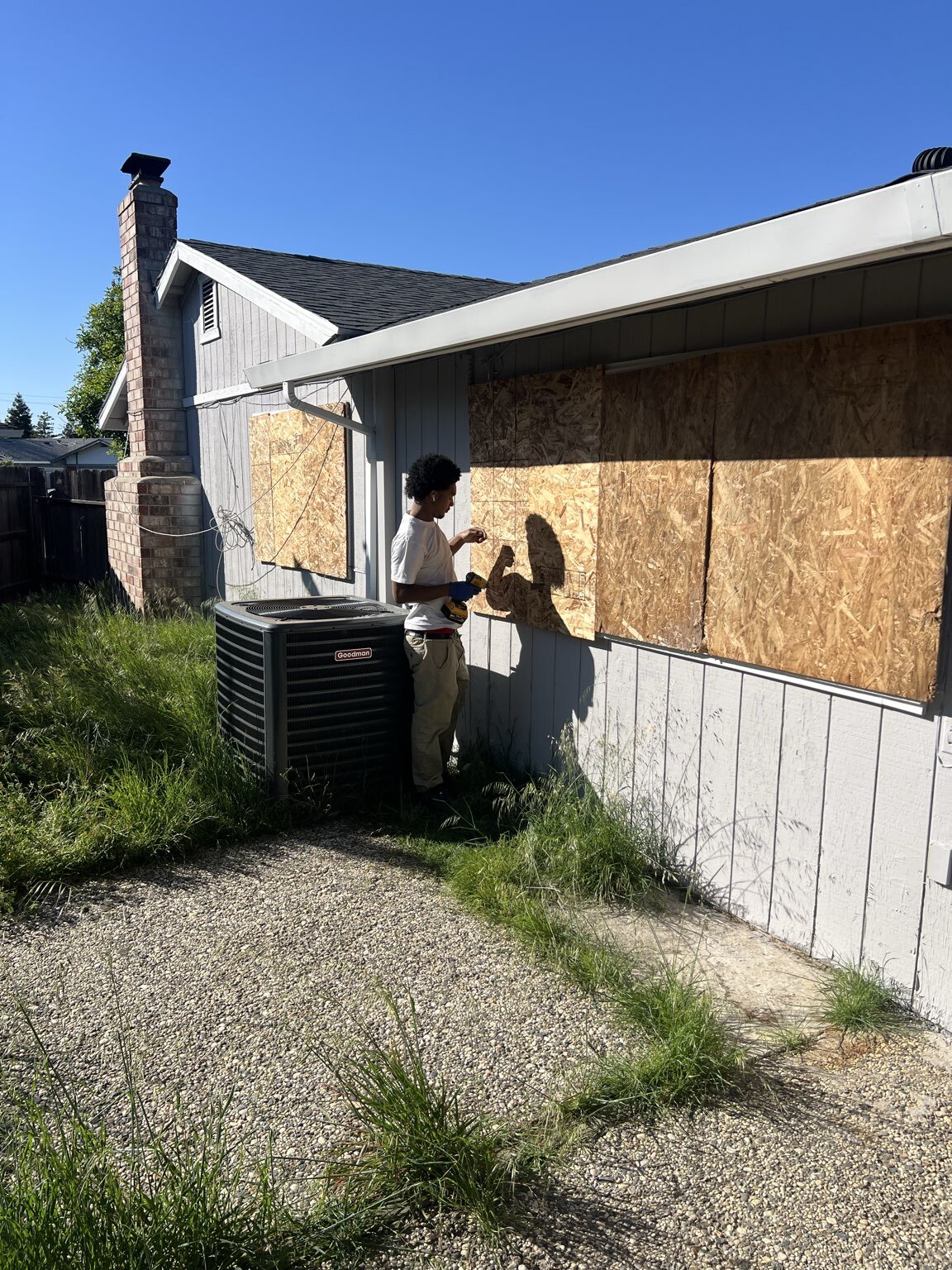
Real tenant occupied Sacramento area property purchased as-is by Darren Brown

Real Tenant-Occupied Property Proof

Darren’s experience is based on actual Sacramento-area transactions involving tenants, deferred maintenance, difficult communication, and properties that were not ready for traditional listing photos or repeated buyer showings.

Real Tenant Case File

When A Tenant Broke Back Into The Property After Closing

Not every tenant-occupied transaction becomes simple the moment escrow closes. In this real Sacramento-area case, a tenant broke back into the property after Darren had already purchased it.

This behind-the-scenes video shows why experience matters when selling a rental with difficult occupants. Unexpected access problems, belongings, deferred repairs, communication issues, and post-closing complications require practical judgment—not polished promises.

The former owner had already completed the sale. Darren took responsibility for handling what happened afterward, illustrating one of the reasons a direct as-is cash home buyer with real tenant experience can be valuable when a landlord wants to transfer the property and move forward.

Watch Real Property Proof

Tenant And Rental Experience You Can See

Sellers should not have to rely only on polished claims. These videos show actual tenant-occupied and difficult rental properties Darren has worked with in the Sacramento region.

Flaum Court Work In Progress

See what can happen after a seller transfers a rental as-is. The owner did not have to complete this work before selling, coordinate contractors, or remodel the house to compete for a retail buyer.

Circle Parkway Tenant Property

This tenant-occupied hoarder property required substantial work. The seller was able to transfer the house without first removing everything, completing renovations, or making it retail-ready.

See The Types Of Properties Darren Buys As-Is

Walk through an actual property with Darren and see the kinds of conditions an as-is cash buyer may take on after closing. The seller does not have to make the property perfect before discussing a sale.

“The most important proof is not a promise that every rental situation will be easy. It is showing that the buyer has already worked through difficult tenant conditions, deferred maintenance, belongings, repairs, and real people who needed a respectful solution.”
Darren Brown — Licensed California Broker and Local Cash Buyer
Real As-Is Transaction Evidence

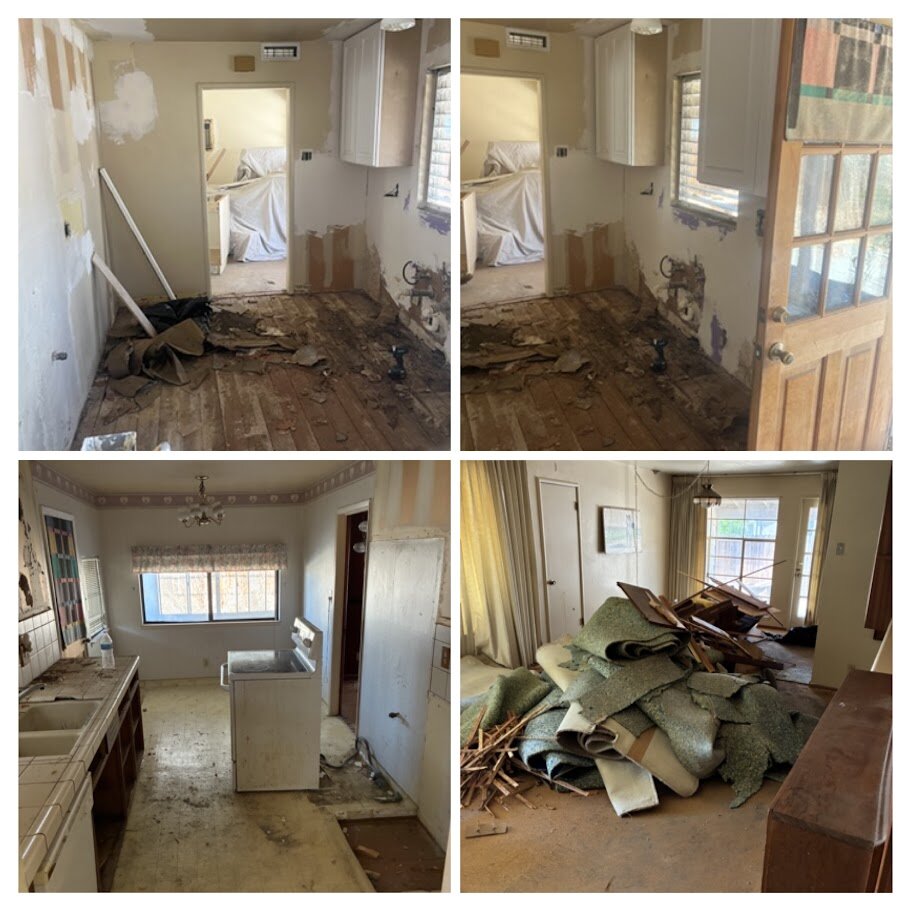
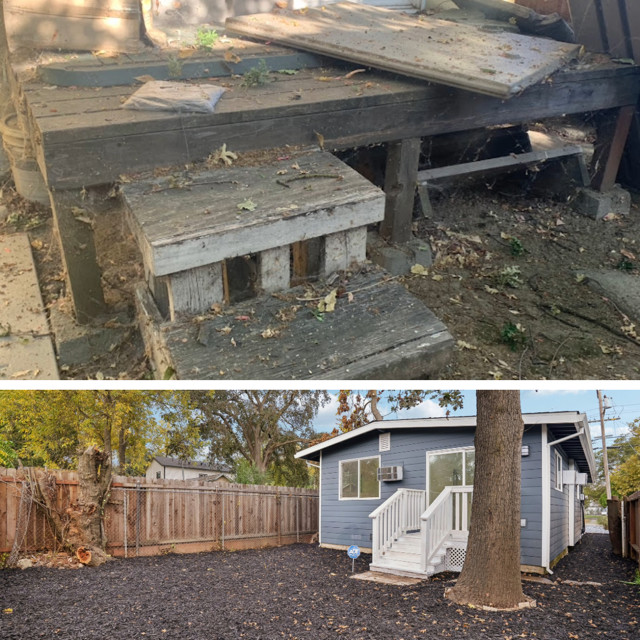
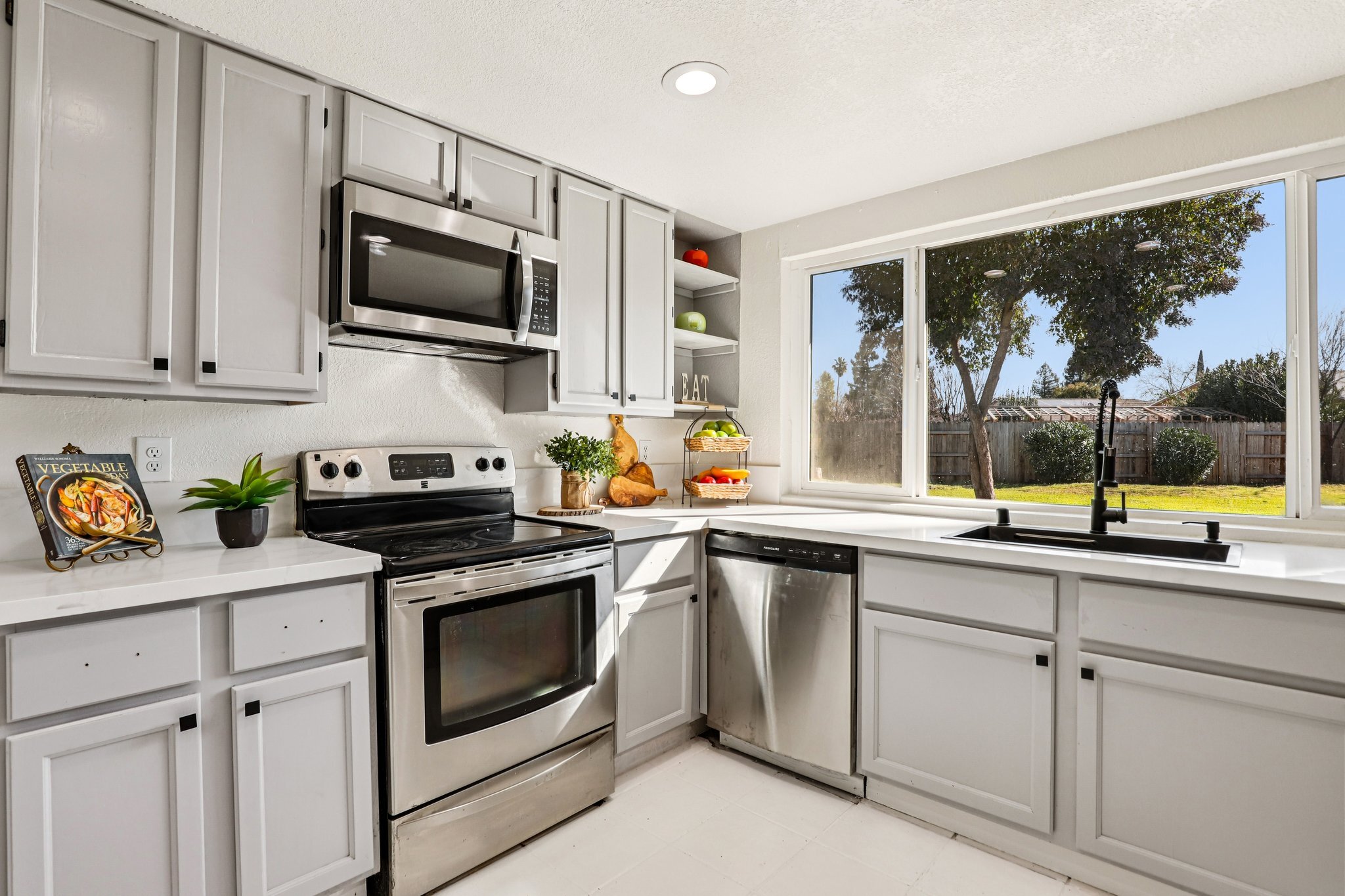
The Seller Did Not Have To Make These Repairs First

These images come from actual Northern California transactions. They demonstrate why many landlords compare an as-is sale with paying for repairs, coordinating contractors, supervising cleanouts, and waiting for a traditional listing.
Real Seller Experiences

Hear From Homeowners Who Worked With Darren

These sellers describe their own experiences working directly with Darren through real property transactions.

Seller Story: A Direct, Straightforward Sale

A homeowner shares firsthand feedback about working with Darren during the sale of a property.

Seller Story: Communication Through Closing

Additional seller proof showing the communication, process, and personal experience behind a direct transaction with Darren.

Do Not Just Trust The Claims—Verify The Buyer

Whether the property is in Sacramento, Elk Grove, Roseville, Citrus Heights, Carmichael, Fair Oaks, Orangevale, Antelope, North Highlands, Rancho Cordova, Lincoln, Galt, Folsom, or another Northern California community, the same decision framework applies: verify the buyer, compare every available selling option, understand the total cost of continuing to hold the property, and make a decision based on facts rather than pressure. Before signing any agreement, independently verify the buyer’s identity, licensing, professional background, business registration, community involvement, and transaction experience.

Licensed California Real Estate Broker

Darren Brown combines cash home buying experience with a professional California real estate brokerage background.

View Broker Documentation →

Retired U.S. Air Force Veteran

Veteran-owned service centered on accountability, direct communication, follow-through, and doing what was agreed upon.

View Military Retirement Proof →

DVBE-Certified Business Owner

Darren’s business has documentation supporting its Disabled Veteran Business Enterprise certification.

View DVBE Certification →

California Business Registration

Sellers can review the California Secretary of State filing associated with Darren’s operating business.

View State Business Filing →

A+ BBB-Rated Business

Review the independent Better Business Bureau profile for Darren Buys Homes Cash before accepting an offer.

View BBB Business Profile →

Sacramento Metro Chamber Member

Darren maintains a public connection to the Sacramento-region professional and business community.

View Chamber Listing →

Real Seller Experiences

Review additional seller feedback, property situations, and experiences involving Darren Buys Homes Cash.

Review Seller Testimonials →

Professional Credentials

Examine Darren’s professional background, business identity, and supporting trust documentation in one place.

Review Professional Credentials →

Sacramento Seller Trust Center

Use the Seller Trust Center to evaluate the company, process, proof, and cash home buying experience before deciding.

Visit The Seller Trust Center →

Seller Story: Why They Chose Darren

Another homeowner explains what it was like to work with Darren. Real seller feedback gives property owners a better basis for evaluating the buyer before making a decision.

Compare The Real Paths Forward

Your Options When Selling a Tenant-Occupied Rental

The right decision depends on the tenant, property condition, legal timeline, monthly carrying costs, available reserves, and how much additional landlord responsibility you are prepared to accept.

1

Continue Holding The Rental

This may make sense when the owner has adequate reserves, wants to remain a landlord, and believes the payment problem can be resolved.

  • Continue paying property expenses
  • Attempt a payment agreement
  • Manage repairs and communication
  • Accept an uncertain recovery timeline
2

Pursue A Legal Tenant Remedy

Some owners consult a qualified California landlord-tenant attorney and pursue the applicable legal process before selling.

  • Obtain situation-specific legal advice
  • Follow California notice requirements
  • Budget for time and legal costs
  • Repair and prepare the property afterward

You Do Not Have To Decide Before You Know The Numbers

Darren can evaluate the rental in its current condition and explain how a direct as-is offer compares with continuing to hold the property, completing a tenant process, repairing the house, or attempting a traditional listing.

California Landlord Decision Guide

What Should A Landlord Compare Before Selling A Rental With A Non-Paying Tenant?

A landlord dealing with tenant challenges should compare the complete financial, legal, property-condition, and timing consequences of each available path—not merely the potential sale price.

A California rental property may be sold while a tenant still occupies it, including when rent is unpaid. The practical choices generally include continuing to hold the rental, pursuing the applicable legal process, preparing the property for a traditional sale, or comparing an as-is sale to a direct cash buyer. The best decision depends on the lease, tenant status, local rules, property condition, monthly carrying costs, available reserves, equity, and the owner’s willingness to remain responsible for the rental.

1

Compare Net Proceeds

Sale price matters, but so do tenant challenges, legal costs, repairs, vacancy, commissions, concessions, and carrying expenses.

2

Measure Time Exposure

Every additional month may create new expenses, property risks, management demands, and uncertainty.

3

Verify Legal Requirements

California notice, eviction, tenant-protection, and local requirements can affect what an owner may do next.

4

Value Certainty

A lower-complexity sale can be valuable when the owner prioritizes timing, reduced management, or a clean exit.

Side-By-Side Comparison

Hold, Complete The Tenant Process, Or Sell The Rental As-Is

This comparison helps rental-property owners evaluate the tradeoffs between continued ownership, completing an applicable tenant-removal process before selling, and requesting an as-is cash offer.

Decision FactorContinue HoldingComplete Tenant Process FirstCompare A Direct As-Is Cash Home Buyer Offer
Tenant occupancyOwner continues managing the existing occupancy and payment problem.Owner follows the applicable legal process before marketing the property vacant.
Repairs and cleaningOwner remains responsible for current and future maintenance.Repairs, cleanout, and preparation may be required after possession is recovered.
Monthly carrying costsContinue until payment resumes or another solution is completed.Continue through notices, court proceedings, possession, repairs, marketing, and closing.
Potential sale priceNot applicable unless sold later.A repaired, vacant retail listing may produce a higher gross price.
Owner workloadOngoing communication, records, maintenance, and risk management.Legal coordination, access, cleanout, repairs, contractors, and listing preparation.
Best fitOwners with reserves who want to remain landlords.Owners able to fund the process and pursue maximum retail exposure later.

This is a general decision framework, not a promise that every transaction or legal process will follow the same timeline or produce the same result.

True Cost Of Waiting

Unpaid Rent Is Only One Part Of A Landlord’s Financial Exposure

The correct comparison is usually the expected net result after all continuing expenses, preparation costs, legal costs, risk, and time are considered.

Frequently Overlooked Rental Carrying Costs

A non-performing rental can continue consuming cash even when no income is being received. Build a property-specific estimate that includes every likely expense before possession, repairs, listing, or closing.

  • Mortgage payments
  • Property taxes
  • Landlord insurance
  • Utilities
  • HOA assessments
  • Yard maintenance
  • Legal consultations
  • Court and service fees
  • Property inspections
  • Trash removal
  • Deferred maintenance
  • Safety repairs
  • Cleaning and turnover
  • Contractor management
  • Vacancy after possession
  • Listing preparation
  • Buyer concessions
  • Closing costs

Relative Exposure By Cost Category

These bars are a visual checklist—not market statistics. Replace them with your own property-specific estimates when comparing options.

Do not represent these bar lengths as measured data. Actual exposure varies by property.

Risk Review

What Can Change While A Non-Paying Tenant Situation Continues?

Waiting may still be the right choice, but owners should evaluate what could become more expensive, complicated, or uncertain during the holding period.

Property Condition

Deferred maintenance, leaks, unsafe conditions, unauthorized alterations, belongings, and access limitations can increase repair exposure.

Insurance And Liability

Policy requirements, claims, vacancy issues, habitability concerns, and access should be reviewed with qualified professionals.

Legal And Local Rules

State law, local ordinances, tenant protections, notices, service requirements, and court procedures may affect the strategy.

Opportunity Cost

Cash tied up in a non-performing rental cannot be used for another investment, debt reduction, retirement, or reserves.

Best-Fit Framework

Which Option May Fit Your Landlord Priorities?

The strongest decision matches the owner’s resources, goals, risk tolerance, property condition, and desired level of continued involvement.

Option One

Continue Holding The Rental

This may fit when the owner still wants the property and has adequate time, reserves, and management capacity.

  • You want to remain a landlord
  • The property remains financially manageable
  • You believe payment can be restored
  • You can absorb additional time and expenses
Option Two

Resolve Occupancy Before Selling

This may fit an owner seeking broader retail exposure who is prepared to complete the tenant, repair, and listing process first.

  • You can fund legal and carrying costs
  • You have reliable professional guidance
  • You are willing to repair and prepare the house
  • You can tolerate an uncertain completion date
Landlord Decision Matrix

Five Questions That Clarify The Next Step

These questions can reveal whether continued ownership, legal resolution, a traditional listing, or an as-is sale deserves closer consideration.

Do you still want to own and manage this rental after the current problem is resolved?
If yes, holding may still fit. If no, compare realistic exit strategies and net proceeds.
Can you comfortably fund several more months of carrying costs, legal work, repairs, and vacancy?
If no, timing and certainty may deserve more weight than the highest theoretical retail price.
Are you prepared to coordinate access, cleanout, contractors, inspections, and showings?
If no, compare an as-is option that does not depend on making the rental retail-ready first.
Would a firm closing plan solve a more important financial, family, estate, or retirement problem?
If yes, include the value of certainty and reduced workload—not only gross price.
Have you compared the estimated net proceeds of all realistic options?
Request written estimates and compare costs, timelines, contingencies, and obligations side by side.
Myth Versus Reality

Common Misunderstandings About Selling A Tenant-Occupied Rental

These general explanations identify questions to ask and are not substitutes for advice from a qualified California landlord-tenant attorney.

Myth: “The tenant must move before I can sell.”
Reality

A rental can potentially be sold with an existing tenant, but the lease, notices, disclosures, buyer expectations, local rules, and transfer of landlord responsibilities must be handled correctly.

Myth: “I must remodel before any buyer will consider it.”
Reality

Traditional buyers may expect a vacant and presentable property, while an experienced as-is buyer may evaluate deferred maintenance, belongings, and repairs in their current condition.

Myth: “The highest offer always produces the highest net.”
Reality

A higher gross offer can be reduced by commissions, concessions, repairs, vacancy, legal costs, carrying costs, financing delays, appraisal problems, and failed transactions.

Myth: “A cash sale means I should skip verification.”
Reality

Owners should verify the buyer’s identity, experience, funding plan, contract terms, closing process, business record, and ability to handle an occupied property.

Verified California Resources

Official Landlord-Tenant And Unlawful Detainer Information

Review current official guidance and obtain situation-specific legal advice before serving notices, filing a case, changing access, handling personal property, or making decisions that affect a tenant’s rights.

California Courts Self-Help: Eviction Cases

Official statewide information explaining the residential unlawful detainer process, including notices, filing, responses, judgments, and possession.

Visit California Courts →

California Department Of Real Estate: Landlord-Tenant Guide

The official California guide to residential tenants’ and landlords’ rights and responsibilities, updated to reflect legislation and case law.

Review The DRE Guide →

Sacramento Superior Court: Unlawful Detainer

Official Sacramento County information covering unlawful detainer filing, self-help resources, mediation, e-filing, forms, and court services. Owners in another county should also review the corresponding superior court resources for the property’s location.

Visit Sacramento Superior Court →
Legal information notice: This module provides general educational information and does not create an attorney-client relationship or provide legal advice. California landlord-tenant law and local ordinances can change. Consult a qualified attorney about the facts of the specific rental, tenant, notice, lease, and proposed sale.

Compare The Numbers Before Spending More Money On The Rental

Darren Brown can evaluate a rental property in its current condition and explain how a direct as-is cash offer compares with continued ownership, completing the applicable tenant process, repairing the property, or preparing it for a traditional listing.

California Landlord Decision Guide

What Should A Landlord Compare Before Selling A Rental With A Non-Paying Tenant?

A landlord dealing with tenant challenges should compare the complete financial, legal, property-condition, and timing consequences of each available path—not merely the potential sale price.

A California rental property may be sold while a tenant still occupies it, including when rent is unpaid. The practical choices generally include continuing to hold the rental, pursuing the applicable legal process, preparing the property for a traditional sale, or comparing an as-is sale to a direct cash buyer. The best decision depends on the lease, tenant status, local rules, property condition, monthly carrying costs, available reserves, equity, and the owner’s willingness to remain responsible for the rental.

1

Compare Net Proceeds

Sale price matters, but so do tenant challenges, legal costs, repairs, vacancy, commissions, concessions, and carrying expenses.

2

Measure Time Exposure

Every additional month may create new expenses, property risks, management demands, and uncertainty.

3

Verify Legal Requirements

California notice, eviction, tenant-protection, and local requirements can affect what an owner may do next.

4

Value Certainty

A lower-complexity sale can be valuable when the owner prioritizes timing, reduced management, or a clean exit.

Side-By-Side Comparison

Hold, Complete The Tenant Process, Or Sell The Rental As-Is

This comparison helps landlords evaluate the tradeoffs between continued ownership, completing a legal tenant-removal process before selling, and requesting an as-is cash offer.

Decision FactorContinue HoldingComplete Tenant Process FirstCompare A Direct As-Is Cash Home Buyer Offer
Tenant occupancyOwner continues managing the existing occupancy and payment problem.Owner follows the applicable legal process before marketing the property vacant.
Repairs and cleaningOwner remains responsible for current and future maintenance.Repairs, cleanout, and preparation may be required after possession is recovered.
Monthly carrying costsContinue until payment resumes or another solution is completed.Continue through notices, court proceedings, possession, repairs, marketing, and closing.
Potential sale priceNot applicable unless sold later.A repaired, vacant retail listing may produce a higher gross price.
Owner workloadOngoing communication, records, maintenance, and risk management.Legal coordination, access, cleanout, repairs, contractors, and listing preparation.
Best fitOwners with reserves who want to remain landlords.Owners able to fund the process and pursue maximum retail exposure later.

This is a general decision framework, not a promise that every transaction or legal process will follow the same timeline or produce the same result.

True Cost Of Waiting

Unpaid Rent Is Only One Part Of A Landlord’s Financial Exposure

The correct comparison is usually the expected net result after all continuing expenses, preparation costs, legal costs, risk, and time are considered.

Frequently Overlooked Rental Carrying Costs

A non-performing rental can continue consuming cash even when no income is being received. Build a property-specific estimate that includes every likely expense before possession, repairs, listing, or closing.

  • Mortgage payments
  • Property taxes
  • Landlord insurance
  • Utilities
  • HOA assessments
  • Yard maintenance
  • Legal consultations
  • Court and service fees
  • Property inspections
  • Trash removal
  • Deferred maintenance
  • Safety repairs
  • Cleaning and turnover
  • Contractor management
  • Vacancy after possession
  • Listing preparation
  • Buyer concessions
  • Closing costs

Relative Exposure By Cost Category

These bars are a visual checklist—not market statistics. Replace them with your own property-specific estimates when comparing options.

Do not represent these bar lengths as measured data. Actual exposure varies by property.

Risk Review

What Can Change While A Non-Paying Tenant Situation Continues?

Waiting may still be the right choice, but owners should evaluate what could become more expensive, complicated, or uncertain during the holding period.

Property Condition

Deferred maintenance, leaks, unsafe conditions, unauthorized alterations, belongings, and access limitations can increase repair exposure.

Insurance And Liability

Policy requirements, claims, vacancy issues, habitability concerns, and access should be reviewed with qualified professionals.

Legal And Local Rules

State law, local ordinances, tenant protections, notices, service requirements, and court procedures may affect the strategy.

Opportunity Cost

Cash tied up in a non-performing rental cannot be used for another investment, debt reduction, retirement, or reserves.

Best-Fit Framework

Which Option May Fit Your Landlord Priorities?

The strongest decision matches the owner’s resources, goals, risk tolerance, property condition, and desired level of continued involvement.

Option One

Continue Holding The Rental

This may fit when the owner still wants the property and has adequate time, reserves, and management capacity.

  • You want to remain a landlord
  • The property remains financially manageable
  • You believe payment can be restored
  • You can absorb additional time and expenses
Option Two

Resolve Occupancy Before Selling

This may fit an owner seeking broader retail exposure who is prepared to complete the tenant, repair, and listing process first.

  • You can fund legal and carrying costs
  • You have reliable professional guidance
  • You are willing to repair and prepare the house
  • You can tolerate an uncertain completion date
Landlord Decision Matrix

Five Questions That Clarify The Next Step

These questions can reveal whether continued ownership, legal resolution, a traditional listing, or an as-is sale deserves closer consideration.

Do you still want to own and manage this rental after the current problem is resolved?
If yes, holding may still fit. If no, compare realistic exit strategies and net proceeds.
Can you comfortably fund several more months of carrying costs, legal work, repairs, and vacancy?
If no, timing and certainty may deserve more weight than the highest theoretical retail price.
Are you prepared to coordinate access, cleanout, contractors, inspections, and showings?
If no, compare an as-is option that does not depend on making the rental retail-ready first.
Would a firm closing plan solve a more important financial, family, estate, or retirement problem?
If yes, include the value of certainty and reduced workload—not only gross price.
Have you compared the estimated net proceeds of all realistic options?
Request written estimates and compare costs, timelines, contingencies, and obligations side by side.
Myth Versus Reality

Common Misunderstandings About Selling A Tenant-Occupied Rental

These general explanations identify questions to ask and are not substitutes for advice from a qualified California landlord-tenant attorney.

Myth: “The tenant must move before I can sell.”
Reality

A rental can potentially be sold with an existing tenant, but the lease, notices, disclosures, buyer expectations, local rules, and transfer of landlord responsibilities must be handled correctly.

Myth: “I must remodel before any buyer will consider it.”
Reality

Traditional buyers may expect a vacant and presentable property, while an experienced as-is buyer may evaluate deferred maintenance, belongings, and repairs in their current condition.

Myth: “The highest offer always produces the highest net.”
Reality

A higher gross offer can be reduced by commissions, concessions, repairs, vacancy, legal costs, carrying costs, financing delays, appraisal problems, and failed transactions.

Myth: “A cash sale means I should skip verification.”
Reality

Owners should verify the buyer’s identity, experience, funding plan, contract terms, closing process, business record, and ability to handle an occupied property.

Verified California Resources

Official Landlord-Tenant And Unlawful Detainer Information

Review current official guidance and obtain situation-specific legal advice before serving notices, filing a case, changing access, handling personal property, or making decisions that affect a tenant’s rights.

California Courts Self-Help: Eviction Cases

Official statewide information explaining the residential unlawful detainer process, including notices, filing, responses, judgments, and possession.

Visit California Courts →

California Department Of Real Estate: Landlord-Tenant Guide

The official California guide to residential tenants’ and landlords’ rights and responsibilities, updated to reflect legislation and case law.

Review The DRE Guide →

Sacramento Superior Court: Unlawful Detainer

Official Sacramento County information covering unlawful detainer filing, self-help resources, mediation, e-filing, forms, and court services. Owners in another county should also review the corresponding superior court resources for the property’s location.

Visit Sacramento Superior Court →
Legal information notice: This module provides general educational information and does not create an attorney-client relationship or provide legal advice. California landlord-tenant law and local ordinances can change. Consult a qualified attorney about the facts of the specific rental, tenant, notice, lease, and proposed sale.

Compare The Numbers Before Spending More Money On The Rental

Darren Brown can evaluate a rental property in its current condition and explain how a direct as-is cash offer compares with continued ownership, completing the applicable tenant process, repairing the property, or preparing it for a traditional listing.

How Selling an Out-of-State Citrus Heights Rental As-Is Works

The process should begin with an accurate understanding of the property, not pressure to make an immediate decision. Darren first reviews the rental’s occupancy, condition, access, known repairs, title considerations, and the owner’s preferred outcome.

1. Explain the Current Situation

Share the address, tenant or vacancy status, known repairs, rent history, lease information, access concerns, management details, and the reason you are considering a sale.

2. Review the Rental As-Is

Darren evaluates the house in its present condition. The purpose is to understand the property—not require the owner to complete cosmetic work or make it retail-ready first.

3. Compare a Real Offer

Compare the direct cash offer with the likely net result of holding, repairing, cleaning, managing a tenant transition, or listing the Citrus Heights rental conventionally.

4. Coordinate Title and Closing

When the offer fits, title, escrow, documents, signatures, access, tenant details, closing costs, and the agreed closing date are coordinated clearly.

The Owner Remains in Control

Requesting a Citrus Heights rental-property offer creates an option. It does not require you to sell. The purpose is to provide a real number that can be compared with continued ownership, repairs, property management, or a traditional listing.

Local Experience

A Real Citrus Heights Rental Sold With a Non-Paying Tenant

Darren has handled a Citrus Heights rental sale for an out-of-state owner dealing with a non-paying tenant. The property was purchased directly and the transaction closed in seven days.

The value of this example is not that every property will have the same timeline. It shows why a seller should speak with a buyer who is familiar with tenant-occupied rentals, remote ownership, as-is property condition, title coordination, and the practical details that can complicate a conventional sale.

Citrus Heights Rental Situations a Remote Owner May Be Managing

The Tenant Still Occupies the House

A tenant-occupied rental can be evaluated without first assuming the owner must complete an eviction or deliver a vacant property. The lease, deposits, notices, access, and possession plan must be reviewed.

Rent Is Late or Has Stopped

A non-paying or unreliable tenant can turn an income property into a recurring expense while the owner remains responsible for financing, taxes, insurance, repairs, and legal compliance.

The Rental Needs Major Work

Roofing, HVAC, plumbing, electrical, flooring, kitchens, bathrooms, fencing, landscaping, water damage, and general deterioration can make a remote renovation difficult to supervise.

The House Is Vacant

A vacant Citrus Heights rental may continue generating expenses while facing dumping, vandalism, unauthorized entry, insurance, utility, landscaping, and security concerns.

The Rental Was Inherited

An heir may inherit tenants, belongings, repairs, title questions, unpaid expenses, or management obligations without ever intending to become a landlord.

Management Is Not Solving the Problem

Management can assist with operations, but it cannot eliminate every repair expense, tenant dispute, vacancy, code concern, or ownership decision.

Information That Can Help Clarify a Remote Rental Sale

You do not need every document before contacting Darren. Available records can help identify tenancy obligations, deposits, access, notices, repair history, title concerns, and the most practical route toward closing.

Questions involving eviction, notices, tenant relocation, rent restrictions, habitability, or legal rights should be discussed with a qualified California attorney or the appropriate housing authority. A sale does not automatically eliminate existing legal obligations.

Should You Repair and List or Sell the Citrus Heights Rental As-Is?

A clean, accessible, financeable rental with dependable occupants and manageable repairs may perform well through a traditional listing. Listing may also be the stronger option when the owner has sufficient capital, local support, and time to supervise preparation.

A direct as-is sale may be more practical when the property has substantial deferred maintenance, limited tenant access, uncertain interior condition, unwanted belongings, vacancy exposure, or an owner who does not want to manage a long-distance renovation.

Repair and List

  • Potentially higher gross selling price
  • Repair and preparation costs may be required
  • Tenant access may need to be coordinated
  • Appraisal and buyer-financing risk may remain
  • Commission and seller concessions may apply
  • The owner may need local project oversight

Sell Directly As-Is

  • No retail renovation required first
  • Fewer traditional showings and inspections
  • Tenant occupancy may be reviewed as it exists
  • A direct buyer does not depend on a buyer loan
  • Known costs and terms are stated in writing
  • Closing can be coordinated from a distance

Compare the Likely Net Result—Not Just the Headline Price

Include repairs, commissions, concessions, carrying expenses, vacancy, tenant coordination, travel, property management, cleanup, time, and closing uncertainty. The strongest option is the one that produces the best realistic result for your property and priorities.

Selling Your Citrus Heights Rental Property From Out of State

You may be able to sell your Citrus Heights rental house without repeatedly returning to California, completing a full renovation, cleaning out every belonging, or preparing the property for a traditional retail showing.

The appropriate selling method depends on the property condition, tenant status, equity, repair budget, likely net proceeds, timing, and the amount of additional remote management you are willing to assume. A traditional listing may produce the best outcome for a prepared and accessible property. A direct as-is sale may be more practical when distance, repairs, occupancy, costs, or uncertainty make preparation difficult.

Darren Brown gives out-of-state rental owners an opportunity to compare a local as-is cash offer with their other options. There is no obligation to accept the offer.

Frequently Asked Questions About Selling a Citrus Heights Rental From Out of State

Compare an As-Is Cash Offer for Your Citrus Heights Rental

You do not need to schedule a full renovation, travel back for every meeting, remove all belongings, or make a final decision before contacting Darren. Start by explaining the property, tenant status, access, known repairs, and what you want the sale to accomplish.

Darren will review the rental in its present condition and provide an option you can compare with repairing, listing, continuing to hold, or completing another tenant process.