

Sacramento Unauthorized Occupants Encyclopedia
Can I Sell A House With Extra Occupants?
Yes. A house can often be sold even when extra occupants are living in the property. However, additional residents can affect buyer confidence, access, financing, inspections, property condition, possession concerns, and overall marketability.
For Sacramento landlords and property owners, the question is usually not whether a sale is possible. The question is how the extra occupants affect value, risk, timeline, and the best strategy for producing the strongest overall outcome.
Quick Answer
Extra occupants do not automatically prevent a property sale. Many Sacramento properties sell while additional people continue living in the home. The challenge is that occupancy uncertainty can create concerns for buyers, lenders, appraisers, insurers, and owner-occupants.
Depending on the circumstances, some owners choose to resolve occupancy issues before listing, while others compare those costs against selling the property as-is.
Who This Resource Is For
Landlords With Extra Residents
Owners who recently discovered additional people living in the property.
Rental Property Owners
Owners evaluating whether occupancy issues will impact a future sale.
Inherited Property Owners
Heirs and executors dealing with family members or occupants who remained in the property.
Out-Of-State Landlords
Owners who are unsure how many people are actually occupying the home.
Key Takeaways
Extra Occupants Create Risk
Additional residents often increase uncertainty around access, possession, maintenance, and condition.
Buyer Confidence Matters
Many buyers become cautious when occupancy details are unclear.
Value May Be Affected
Risk and uncertainty often influence value more than the occupants themselves.
As-Is Sales Remain An Option
Some owners choose to compare occupancy resolution costs against a direct sale.
Why Sacramento Sellers Trust Darren Brown
Veteran-Owned Cash Home Buyer
Sacramento Seller Trust Center
Darren Brown Promise
Licensed California Broker/Realtor®
Retired U.S. Air Force Veteran
DVBE Certified
A+ BBB Rated
Sacramento Metro Chamber Member
Secretary Of State Filing
Encyclopedia Definition: Extra Occupants
Extra occupants are individuals living in a property beyond those originally expected, approved, documented, or disclosed. These occupants may include family members, relatives, roommates, partners, long-term guests, subtenants, or unrelated individuals.
In many situations the extra occupants are not the actual problem. The real concern is uncertainty. Buyers, lenders, insurers, and property owners often have incomplete information about who is living in the property, how long they have been there, and whether they intend to remain after closing.
That uncertainty can influence property value, financing, marketability, and overall transaction risk.
Common Types Of Extra Occupants
Family Members
Parents, children, cousins, grandparents, siblings, and extended relatives may move into the property after the lease begins.
Roommates
Additional roommates sometimes move into the property without formal approval.
Partners
Boyfriends, girlfriends, spouses, and partners frequently become long-term occupants.
Guests
Temporary guests occasionally become permanent residents over time.
Subtenants
Tenants may allow others to occupy part of the property in exchange for money.
Multi-Family Occupancy
Some properties eventually house multiple family groups under one roof.
Why Extra Occupants Matter To Buyers
Most buyers are not necessarily concerned that additional people live in the home. They are concerned about what the extra occupants may mean.
For example, buyers often ask whether the occupants have rights, whether they will cooperate with inspections, whether they will leave after closing, and whether property condition issues are being hidden.
Traditional owner-occupant buyers tend to be more sensitive to occupancy concerns than experienced investors because they frequently plan to move into the property themselves.
The more uncertainty surrounding the occupancy situation, the more cautious many buyers become.
Impact On Property Value
| Factor | Potential Impact | Why It Matters |
|---|---|---|
| Access Restrictions | Moderate | Limited access may reduce buyer interest. |
| Property Condition | Moderate To High | Additional occupants often increase wear and tear. |
| Buyer Confidence | Moderate | Uncertainty can reduce demand. |
| Financing Concerns | Moderate | Some lenders and buyers prefer cleaner occupancy situations. |
| Possession Risk | High | Questions regarding move-out timing can impact value. |
Impact On A Traditional Home Sale
Traditional buyers typically want certainty. They want to know who occupies the property, when possession will occur, whether inspections can be completed, and whether any surprises exist after closing.
Extra occupants can create concerns because buyers may not know whether additional residents intend to leave, whether occupancy agreements exist, or whether the property condition shown during a viewing accurately reflects everyday use.
As uncertainty increases, some buyers choose other properties with fewer complications. Others may submit lower offers to compensate for perceived risk.
This does not mean a traditional sale is impossible. It simply means the occupancy situation becomes part of the buyer’s overall risk calculation.
Impact On Financing
Financing concerns usually arise when occupancy issues affect access, appraisals, property condition, or buyer confidence.
Most lenders focus primarily on the property itself. However, occupancy complications can indirectly affect financing when appraisers cannot properly inspect the home, repairs become necessary, or possession concerns influence buyer willingness to proceed.
Properties with significant occupancy uncertainty sometimes experience longer transaction timelines because buyers and lenders require additional clarification before moving forward.
Impact On Inspections And Appraisals
Inspections and appraisals often become more difficult when multiple occupants live in the property.
Scheduling access may require coordinating with several individuals rather than one tenant. Some occupants may cooperate fully while others may resist inspections, photography, repair estimates, or appraiser visits.
When access becomes limited, buyers may become concerned that important information about the property’s condition is unavailable.
The occupancy issue itself may not be the problem. The inability to properly evaluate the property often becomes the larger concern.
Impact On Insurance And Liability
Additional occupants can sometimes increase perceived liability exposure.
Insurance carriers, buyers, and property owners may have questions regarding who occupies the property, how long they have been there, and whether the property’s use has changed from its original intended occupancy.
Large households may increase wear on systems such as plumbing, HVAC, appliances, flooring, and parking areas. These concerns do not automatically stop a sale, but they can influence how buyers evaluate future maintenance costs.
Possession Risks Buyers Often Consider
| Buyer Concern | Why It Matters | Potential Effect |
|---|---|---|
| Unknown Occupants | Buyers may not know who remains after closing. | Reduced confidence. |
| Move-Out Timing | Occupants may have different expectations. | Closing delays. |
| Access Problems | Property may be difficult to inspect. | Lower offers. |
| Property Condition | Extra occupants can accelerate wear. | Repair concerns. |
| Future Cooperation | Buyers want a predictable transition. | Transaction uncertainty. |
Common Sacramento Scenarios
Adult Children Move Back Home
Economic conditions frequently result in adult children returning to the property.
Parents Move In
Multi-generational living arrangements have become increasingly common.
Additional Roommates
Tenants often add roommates to reduce housing costs.
Extended Family Occupancy
Relatives experiencing housing difficulties may move into the property temporarily.
Multiple Families
Some rental properties eventually house several family units.
Long-Term Guests
Temporary visitors occasionally become permanent occupants.
Comparison Table: Resolve Occupancy First vs Sell As-Is
| Factor | Resolve Occupancy First | Sell As-Is |
|---|---|---|
| Timeline | Often Longer | Potentially Faster |
| Cost | Potential Legal And Holding Costs | May Avoid Some Costs |
| Stress | Often Higher | Often Lower |
| Buyer Pool | Potentially Larger | Typically More Investor Focused |
| Certainty | Varies | Varies |
Comparison Table: Traditional Buyer vs Experienced Cash Buyer
| Category | Traditional Buyer | Experienced Cash Buyer |
|---|---|---|
| Occupancy Concerns | Higher | Often Lower |
| Financing Contingencies | Usually Present | Often Reduced |
| Inspection Sensitivity | Higher | Situation Dependent |
| Timeline | Longer | Potentially Faster |
| Tolerance For Complexity | Lower | Often Higher |
Risk Assessment Matrix
| Risk Area | Low | Moderate | High |
|---|---|---|---|
| Property Condition | Minimal Wear | Noticeable Wear | Significant Damage |
| Access | Cooperative | Limited | Restricted |
| Occupancy Clarity | Documented | Partially Known | Unknown |
| Buyer Confidence | Strong | Mixed | Weak |
Decision Framework
1. Identify All Occupants
Determine who currently lives in the property.
2. Review Existing Agreements
Understand lease and occupancy documentation.
3. Evaluate Property Condition
Assess wear, maintenance, and deferred repairs.
4. Consider Buyer Concerns
View the situation through a buyer’s perspective.
5. Compare Exit Options
Review traditional and as-is sale paths.
6. Focus On Net Outcome
Compare time, stress, cost, and certainty.
Common Mistakes
- Assuming extra occupants automatically prevent a sale.
- Ignoring occupancy concerns until the property is listed.
- Failing to document who actually lives in the property.
- Overlooking buyer perception and risk concerns.
- Focusing solely on sale price rather than overall net proceeds.
- Not comparing multiple exit strategies.
Real Sacramento Deal Proof
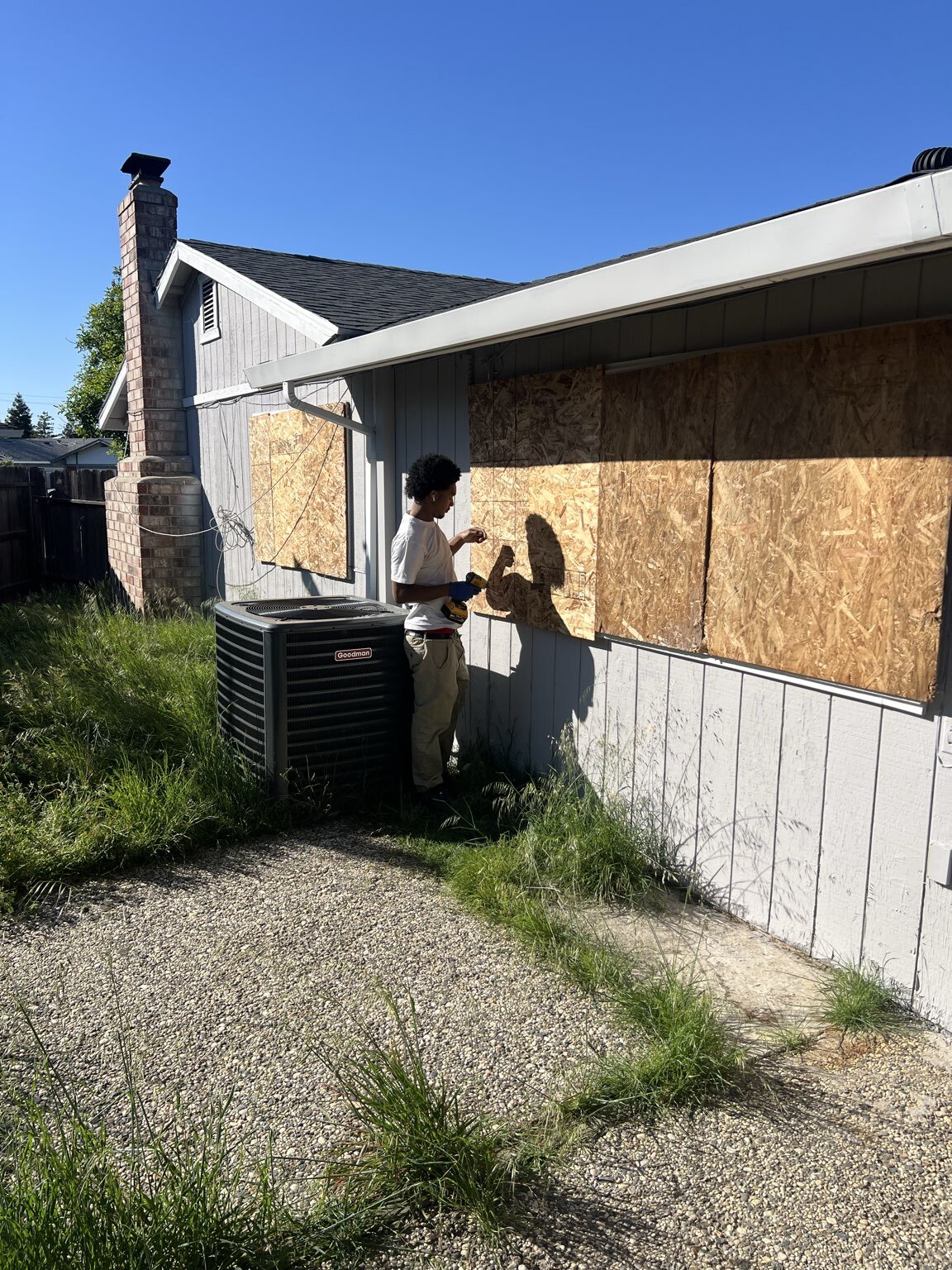
Occupancy complications often overlap with tenant issues, property condition concerns, access limitations, and delayed closing timelines. Sacramento landlords regularly face situations where the actual number of occupants differs from the original expectations.
The key lesson is that uncertainty usually has a greater impact than occupancy itself. Understanding the situation clearly helps owners evaluate the best path forward.
Video Resource
External Authority Resources
Core Sacramento Seller Resources
Serving Sacramento Area Property Owners
This resource applies to property owners throughout Sacramento, Florin, Oak Park, Del Paso Heights, North Highlands, Citrus Heights, and surrounding communities where rental occupancy situations frequently impact sale decisions.
Summary
Extra occupants do not automatically prevent a home sale. However, they can influence value, financing, inspections, buyer confidence, possession concerns, and transaction timelines.
For many Sacramento property owners, the best solution depends on balancing certainty, timing, risk, cost, and overall net proceeds.
Need Help Selling A House With Extra Occupants?
If your Sacramento property has extra occupants, tenant complications, access concerns, or occupancy uncertainty, Darren Brown can review your situation and discuss available options.
Call/Text Darren Brown: (916) 300-7962
Unauthorized Occupants & Rental Exit Resource Center
Use these Sacramento landlord resources to understand unauthorized occupants, extra residents, subletting, multiple-family occupancy, buyer concerns, tenant complications, as-is sale options, and rental property exit strategies.