

Sacramento Unauthorized Occupants Encyclopedia
Can I Sell A House With People Not On The Lease?
Yes, a Sacramento landlord may be able to sell a house even when people are living there who are not listed on the lease. The bigger question is how those occupants affect access, buyer confidence, possession, disclosures, property condition, financing, timing, and final net proceeds.
This guide explains what sellers should understand when a rental has people not on the lease, why buyers may view the situation differently, and how to compare a traditional sale against selling the property as-is with the occupancy problem in place.
Quick Answer
You can often sell a house with people not on the lease, but the sale may be more complicated than selling a vacant or fully compliant rental. People not on the lease can create uncertainty around legal occupancy, cooperation, access, inspection timing, possession after closing, tenant rights, and buyer risk.
For Sacramento landlords, the practical decision is whether to solve the occupancy issue before selling or compare the net result of selling as-is to a buyer who understands tenant and occupant problems.
Who This Resource Is For
Owners With Unapproved Occupants
For landlords who discovered adults, relatives, roommates, partners, or guests living in the home without approval.
Landlords Considering A Sale
For rental owners deciding whether they can sell before removing people who are not on the lease.
Out-Of-Area Or Burned-Out Owners
For landlords who want a practical exit strategy without managing every occupant issue personally.
Key Takeaways
A Sale May Still Be Possible
People not on the lease do not automatically prevent a sale, but they can change the strategy.
Access And Cooperation Matter
Inspections, appraisals, photos, repairs, and buyer walkthroughs may become harder with unknown occupants.
Buyer Type Changes The Outcome
Traditional buyers may hesitate, while experienced as-is cash buyers may be more comfortable with occupancy risk.
Net Proceeds Matter Most
The strongest option is the one that produces the best result after delays, repairs, legal risk, and stress are included.
Why Sacramento Sellers Trust Darren Brown
Veteran-Owned Cash Home Buyer
Sacramento Seller Trust Center
Darren Brown Promise
Licensed California Broker/Realtor®
Retired U.S. Air Force Veteran
DVBE Certified
A+ BBB Rated
Sacramento Metro Chamber Member
Secretary Of State Filing
Encyclopedia Definition: People Not On The Lease
People not on the lease are individuals living in, staying at, or occupying a rental property without being listed as approved tenants in the rental agreement. They may be relatives, partners, adult children, roommates, long-term guests, subtenants, or other occupants introduced after the original lease was signed.
From a sale perspective, the issue is not just paperwork. The issue is whether the occupants affect access, cooperation, property condition, possession, buyer confidence, disclosures, closing timeline, and the buyer’s willingness to accept the property as-is.
Why This Happens
Tenant Adds A Relative
A tenant may move in family members without asking the landlord to update the lease.
Partner Or Spouse Moves In
A boyfriend, girlfriend, spouse, or partner may begin living at the property without written approval.
Roommate Switches
An original tenant may move someone else in after a listed roommate leaves.
Subletting Or Room Rental
The tenant may collect money from another person without the landlord approving a sublease.
Financial Pressure
More people may move in to share rent, utilities, childcare, transportation, or living costs.
Owner Does Not Find Out Quickly
Some landlords do not discover the issue until repairs, inspections, complaints, or missed rent occur.
Cost / Risk / Financial Impact Table
| Issue | Possible Impact | Why It Matters In A Sale |
|---|---|---|
| Unknown Occupants | The seller may not know who is actually living in the property. | Buyers may discount for uncertainty, possession risk, and cooperation concerns. |
| Limited Access | Showings, inspections, appraisals, photos, and repair estimates may be delayed. | Reduced access can shrink the buyer pool and slow a traditional sale. |
| Possession Risk | The buyer may worry about who will remain after closing. | Possession uncertainty can make financed and owner-occupant buyers hesitant. |
| Property Condition | Extra occupants may increase wear, trash, utility use, parking issues, or damage. | Condition issues can reduce price or increase repair credits. |
| Legal And Notice Concerns | Occupancy issues may overlap with tenant rights, notice rules, and eviction procedures. | Sellers should avoid guessing and should understand the risk before choosing a path. |
Decision Framework
1. Identify Who Is Living There
Separate approved tenants from unapproved occupants, guests, subtenants, and unknown people.
2. Review The Lease
Check guest limits, occupancy clauses, subletting language, notice rules, and approval requirements.
3. Evaluate Access
Determine whether inspections, photos, appraisals, repairs, and buyer walkthroughs can happen safely and reliably.
4. Estimate Sale Risk
Consider how the occupants affect buyer confidence, financing, possession timing, disclosures, and price.
5. Compare Sale Options
Compare traditional listing, legal action first, tenant negotiation, and direct as-is cash sale options.
6. Choose The Strongest Net Outcome
Do not judge by sale price alone. Compare net proceeds after time, repairs, stress, legal risk, and closing certainty.
Real Sacramento Deal Proof
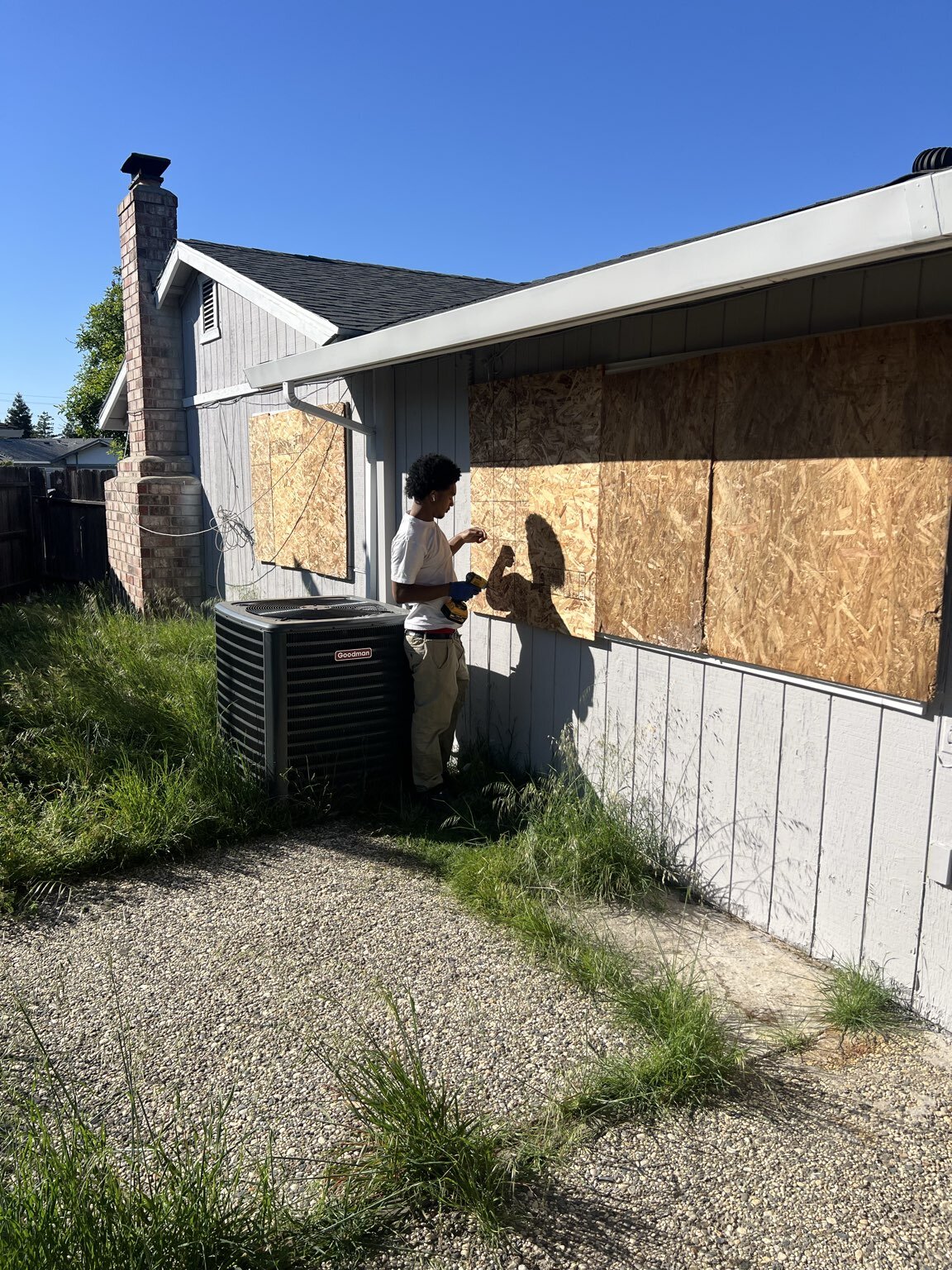
When a rental has people not on the lease, the issue often overlaps with property access, tenant cooperation, damage, trash, deferred maintenance, and uncertainty about who will remain after closing. Darren has helped Sacramento-area sellers review practical as-is options when normal sale conditions were not simple.
Circle Parkway Tenant And Hoarder Property
A real Sacramento-area case involving tenant-occupied property conditions that made a traditional sale difficult.
Tenant Broke Back In Before Closing
A real example showing how tenant-related uncertainty can affect a sale before closing.
Embedded Video
Common Mistakes
- Assuming people not on the lease will automatically leave before closing.
- Listing the property without understanding access, possession, and buyer concerns.
- Ignoring how unknown occupants affect financing, inspections, appraisals, and disclosures.
- Focusing only on gross sale price instead of net proceeds after delays and risk.
- Failing to document lease terms, notices, communication, and known occupancy facts.
- Waiting until the issue becomes damage, missed rent, refusal of access, or a failed sale.
External Authority Resource
California landlords should understand landlord entry, notice, eviction procedures, and tenant-related rules before taking action. This page is educational only and is not legal advice.
California Civil Code Section 1954 →
California Courts — Eviction And Landlord-Tenant Information →
Core Sacramento Seller Resources
Continue Exploring Sacramento Tenant Resources
- Sacramento Tenant Authority Guide →
- Sacramento Rental Tenant Property Resource Hub →
- Tenant Rights When Selling In California →
- California Tenant Rights Explained For Sellers →
- Can I Sell My House With Tenants Without Eviction? →
- Can You Sell A Rental Property Without Evicting Tenants In California? →
Real Sacramento Tenant Case Studies
Core Sacramento Landlord Exit Resources
- Sell A House With Tenants Sacramento →
- Sell Rental Property Sacramento →
- Sell Rental With Non-Paying Tenants →
- Sell Your Rental Property With Tenants →
- Tenant Transition Authority →
- Tenant Relocation Solutions Sacramento →
- Landlord Exit Strategy Sacramento →
- Tenant Vs Vacant Selling Comparison Guide →
Serving Sacramento Area Landlords
Darren works with landlords across Sacramento and nearby communities who are dealing with tenant-occupied properties, people not on the lease, extra occupants, delayed possession, repair problems, and rental exit decisions.
Florin
Oak Park
Del Paso Heights
North Highlands
Citrus Heights
Sacramento
Summary
Selling a house with people not on the lease may be possible, but the situation can affect access, buyer confidence, possession, financing, repairs, disclosures, and closing certainty.
Before deciding what to do, Sacramento landlords should compare the cost of removing or resolving the occupancy issue against selling the property as-is. The best choice depends on the lease, property condition, cooperation level, timeline, and the seller’s desired level of certainty.
Need Help Selling A House With People Not On The Lease?
If you own a Sacramento rental with people not on the lease, unauthorized occupants, extra occupants, tenant damage, or access problems, Darren Brown can review the situation and discuss a direct as-is cash sale option.
Call/Text Darren Brown: (916) 300-7962
Unauthorized Occupants & Rental Exit Resource Center
Use these Sacramento landlord resources to understand unauthorized occupants, extra residents, subletting, multiple-family occupancy, buyer concerns, tenant complications, as-is sale options, and rental property exit strategies.