

Clear ownership, available payoff information, responsive seller, buyer funds ready, agreed property access completed and no material title or possession issue holding up closing.
Citrus Heights Cash Escrow Timeline Guide
How Long Does a Cash Escrow Take for an As-Is Citrus Heights House?
A cash sale can remove mortgage underwriting and lender delays, but the closing date still depends on the actual property and transaction. Clean title, available seller documents and a ready buyer can support a fast escrow. Liens, tenants, ownership issues or missing documents can require more time.
Fast File
Clean + Ready
Property
As-Is Condition
Complications
Title + Tenants + Liens
Final Requirement
Buyer Must Perform
Start With the Real Question
How Fast Can a Cash Sale Actually Close?
Sellers often hear phrases such as “cash closing,” “quick close” or “we can close fast.” Those statements matter only when the timeline fits the actual property and the buyer is prepared to perform.
Quick Answer
A straightforward cash escrow on an as-is Citrus Heights house can sometimes close in roughly 7 to 14 days, and certain well-prepared transactions can close faster. More complicated files may take longer when title problems, recorded liens, tenants, trusts, estate documents, multiple owners, seller paperwork or another closing requirement needs to be resolved. The useful question is not simply “How fast can cash close?” It is “What has to happen for this particular property to be ready to close?”
A Fast-Closing Promise Should Be Supported by Performance
A short closing date on paper means very little if the buyer delays escrow, fails to deposit earnest money, keeps extending its inspection or does not have the purchase funds ready.
Real Seller Proof Before the Timeline Analysis
Tenant-Occupied Property: Real Seller Testimonial From a Six-Day Closing
The strongest evidence that a fast closing can actually happen is not a marketing claim. It is a completed transaction and a seller willing to talk about the experience.
Flaum Court • Real Seller Testimonial • Sacramento Area
Tenant-Occupied Direct As-Is Purchase — Closed in Six Days
Why This Proof Fits This Page
A Closing Date Is More Credible When There Is Evidence Behind It
Flaum Court was tenant occupied and purchased directly as-is. The transaction closed in six days.
That makes this testimonial especially relevant to sellers asking whether a cash escrow can really move quickly when a property is occupied or has complications.
The property did not need to become a perfect vacant house before the buyer could perform.
Local Citrus Heights Evidence
Another Real Transaction: Citrus Heights Property Closed in Seven Days
The Butternut property adds an important local layer of proof. It involved an out-of-area owner, a non-paying occupant and property-condition issues. It was not a simple retail-ready house.
Butternut Property • Citrus Heights • Real Transaction
Occupied As-Is Property — Seven-Day Closing
Actual Closing
7
Days
Why This Local Case Matters
Fast Closing Did Not Require Every Property Problem to Be Solved First
The home was purchased directly as-is with the occupancy and condition issues still present.
The seller did not first have to turn the property into a repaired, vacant, retail-ready listing just to reach escrow.
After ownership transferred, property work and occupant coordination continued under the new ownership.
Additional Seller Evidence
Verified Seller Reviews
There Is No Single Cash-Escrow Number
Think in Terms of Transaction Readiness
Two Citrus Heights houses can both be sold for cash and still have very different escrow timelines. The difference may have little to do with cosmetic condition and much more to do with title, documents, occupancy and whether the buyer and seller are ready.
Practical Closing Framework
FAST FILE → STANDARD FILE → COMPLICATED FILE
Escrow needs time for title review, payoff demands, seller documents, agreed inspections and preparation of the closing package.
Liens, ownership questions, trust or estate documents, complicated occupancy, missing seller information or another title requirement may extend the timeline.
Property Condition and Closing Readiness Are Different Things
A house can need a roof, HVAC, flooring and substantial cleanup while still having a straightforward closing file. Another house can look perfect but have a title or ownership problem that prevents a fast escrow.
What Actually Controls the Timeline?
Six Factors That Can Make a Citrus Heights Cash Escrow Faster—or Slower
Title
Ownership must be clear enough for the agreed transfer. Another owner, an old recorded issue or unresolved title requirement can add time.
Mortgages + Liens
Existing loans are common, but payoff demands and recorded lien information need to be obtained and incorporated into closing.
Tenants + Occupants
Occupancy can affect access, documents, possession and the buyer’s understanding of what will remain after ownership transfers.
Trust, Estate or Ownership Documents
A trust, estate, multiple-owner situation or another ownership structure may require additional documentation before escrow can close.
Seller Readiness
A fast escrow requires timely identification, signatures, payoff information, disclosures and other requested seller documents.
Buyer Performance
The buyer still has to open escrow, deliver the deposit, complete its agreed investigation and have the purchase funds ready.
Evaluate the Closing Promise Properly
Separate What the Buyer Can Control From What the Property Requires
A serious buyer should not pretend every title or ownership problem can be solved overnight. But the buyer should be accountable for the parts of the transaction within its control.
Cash Buyer Performance Test
CONTROLLABLE VS. PROPERTY-SPECIFIC
What a Prepared Cash Buyer Can Control
Opening escrow promptly after acceptance
Delivering the agreed earnest-money deposit
Providing legitimate proof of funds
Completing inspections or due diligence promptly
Communicating immediately when an issue appears
Having purchase funds available when the file is ready
What May Require Additional Time
Obtaining lender payoff demands
Resolving an unexpected title issue
Obtaining missing trust or estate documentation
Addressing a recorded lien or judgment
Clarifying ownership when multiple parties are involved
Working through complicated possession or occupancy facts
Darren Brown Perspective
The Closing Date Is a Promise the Buyer Has to Be Prepared to Keep
Broker + Direct Buyer
Darren Brown
When I evaluate an as-is property, I separate the condition of the house from the condition of the closing file. A property can need a roof, HVAC, flooring, cleanup or substantial repairs and still be capable of closing quickly if title and seller documents are ready.
I also do not think a seller should judge a cash buyer only by the number of days written into the offer.
A seven-day closing means very little if the buyer waits to open escrow, delays the deposit, keeps extending inspections or does not have funds ready.
The better measure is whether the buyer starts performing immediately and keeps the transaction moving toward the date it promised.
Selling With Tenants or Occupants
Does a Tenant-Occupied Citrus Heights House Automatically Take Longer to Close?
Not necessarily.
A tenant can affect access, possession and documentation, but the property does not automatically have to become vacant before a buyer can purchase it. If a direct cash buyer knowingly agrees to acquire the property with the existing occupancy, the closing timeline can be structured around that reality.
“The Tenant Must Leave First.”
Not in every transaction. A buyer may knowingly agree to purchase with the tenant or occupant still in place, subject to the contract and applicable law.
“No Written Lease Means No Sale.”
A missing written lease does not by itself mean the house cannot be sold. The actual occupancy arrangement should be accurately disclosed.
“Nonpayment Must Be Solved First.”
A direct buyer may choose to acquire a property with an existing nonpayment or occupancy problem rather than require the seller to resolve that problem before closing.
Occupancy Can Change the Transaction Without Necessarily Stopping It
The key is for the buyer to understand the occupancy before closing, receive available tenant documentation and agree clearly on possession.
Look Beyond the Days in Escrow
An As-Is Sale Can Shorten the Seller’s Total Timeline
The escrow period is only one part of the total seller timeline. Before a traditional listing reaches escrow, an owner may spend weeks or months repairing, cleaning, preparing, photographing, marketing and showing the property.
A direct as-is sale can change that sequence because the property may not need to be transformed into a retail-ready house before the buyer is willing to contract.
Pre-Sale Repairs
Roof, HVAC, flooring, paint, kitchen, bathroom or deferred-maintenance work may not need to be completed first when the buyer accepts current condition.
Retail Preparation
Staging, repeated cleaning, photography preparation and showing readiness may not be part of a direct purchase.
Solving Every Problem First
Depending on the agreement, a buyer may accept repair, cleanup or occupancy issues the seller otherwise would have handled before listing.
Measure the Entire Seller Timeline—not Just Escrow
A 10-day escrow after two months of repairs is a very different timeline from a direct as-is transaction that moves into escrow immediately.
The Practical Answer
How Long Will Your Citrus Heights Cash Escrow Take?
If ownership is clear, payoff information is available, the seller is responsive, the buyer has completed its agreed due diligence and the purchase funds are ready, a cash transaction can move quickly.
If the file contains liens, title questions, trust or estate documentation, complicated occupancy, multiple owners or missing information, the transaction may need additional time even though there is no mortgage lender.
That does not necessarily make the property a poor candidate for an as-is sale.
It simply means the closing timeline should be based on the real work required to transfer the property—not an arbitrary number chosen for advertising.
Real Transaction • Real Person • Real Property
Difficult Properties Are About More Than the House
Property condition is only one part of a difficult sale. Occupancy, communication, access, repairs, utilities, timing, belongings, and the people affected by the transaction can all matter.
The Citrus Heights Butternut Drive transaction is one example. The property had been occupied by a non-paying tenant for approximately 18 months. When Darren purchased the house, it was without working electricity and air conditioning. After closing, utilities and essential conditions were addressed and a short-term rental arrangement was established with the occupant.
That is a tenant-related transaction, but the larger lesson applies beyond rental property: a difficult sale often requires understanding the entire situation rather than looking only at the physical house.
Butternut Drive, Citrus Heights — real occupant testimonial following
Darren’s purchase of a difficult rental property.
Why This Proof Belongs on Difficult-Property Pages
The value of this transaction is not simply that a tenant was involved. It demonstrates Darren’s willingness to evaluate properties with multiple overlapping complications rather than requiring the seller to solve every issue before a sale can be considered.
- Occupied property
- Long-term nonpayment
- Utility problems
- No working air conditioning at acquisition
- Property-condition concerns
- Post-closing occupant coordination
- Direct as-is purchase
Citrus Heights • Real Transactions • Verified Local Experience
Real Experience With Difficult Citrus Heights Property Situations
Every difficult property has a different story. Some houses need major repairs. Others involve tenants, deferred maintenance, unwanted belongings, title complications, code concerns, vacancy, inherited ownership, or simply an owner who does not want to spend additional time and money preparing the property for a traditional sale.
Darren Brown’s approach is to evaluate the property and the seller’s situation as they actually exist. That means an owner can compare a direct cash offer without first remodeling, cleaning out, making the house retail-ready, or pretending difficult issues are not there.
The transaction proof below is included for one reason: to show the type of real-world property situations Darren has personally worked through. It is not a promise that every transaction will be identical. It is documented experience that sellers can evaluate before deciding who they want to work with.
California Licensed Real Estate Broker
Retired U.S. Air Force Veteran
Veteran-Owned Local Business
Direct As-Is Cash Buyer
Real Sacramento-Area Transactions
A Broader As-Is Selling Option
You Do Not Have To Make a Difficult Property Perfect Before Comparing Your Options
Traditional retail selling often works best when a property can be prepared, photographed, shown repeatedly, inspected, appraised, and financed without significant complications. Many Citrus Heights houses fit that model.
Others do not.
An owner may be dealing with repairs, an occupied house, accumulated belongings, an inherited property, deferred maintenance, title questions, code concerns, vacancy, vandalism, an aging rental, or another circumstance that makes conventional preparation less attractive.
A direct as-is sale provides another number and another strategy to compare. It does not automatically mean a cash offer is the best option. It means the seller can evaluate the property without first paying to transform it into a different property.
Property Condition
Evaluate the house as it sits, including deferred maintenance, damage, cleanup, major repairs, or outdated systems.
Occupancy & Access
Consider tenants, relatives, occupants, belongings, vacancy, limited access, or other practical issues affecting the sale.
Seller Priorities
Compare net proceeds, required investment, timeline, certainty, convenience, and transaction risk—not simply the advertised sale price.
Real Difficult-Property Case File
When An Unexpected Occupancy Problem Happened After The Sale
Difficult-property transactions are not always complicated because of repairs alone. In this real Sacramento-area transaction, a former tenant broke back into the property after Darren had already purchased it.
The former seller had already completed the transaction. Darren was then responsible for dealing with the unexpected access and security issue after ownership transferred.
This case is useful beyond tenant-related pages because it demonstrates what it means for a direct buyer to assume the practical risks that may remain after a difficult property closes.
Sellers evaluating an as-is buyer should consider more than the offer amount. They should also consider whether the buyer understands occupancy, belongings, access, deferred repairs, security, cleanup, title coordination, and unexpected problems.
Watch Real Property Proof
Difficult Properties And As-Is Experience You Can See
Sellers should not have to rely only on polished marketing claims. These videos show actual Sacramento-area properties Darren purchased and worked on after closing.
Flaum Court Work In Progress
See what happened after this property transferred as-is. The former owner did not have to complete this work before selling, coordinate the renovation, or prepare the house to compete for a retail buyer.
Circle Parkway Difficult Property
This tenant-occupied hoarder property required substantial work. The seller transferred the property without first removing everything, completing renovations, or making the house retail-ready.
See The Types Of Properties Darren Buys As-Is
Walk through an actual property with Darren and see the types of physical conditions a direct as-is cash buyer may take on after closing. A seller does not have to make a difficult house perfect before discussing a sale.
“The most important proof is not a promise that every difficult property will be easy. It is showing that the buyer has already worked through real occupancy problems, deferred maintenance, belongings, repairs, property-condition issues, and unexpected situations.”Darren Brown — Licensed California Broker and Local Cash Buyer
Real As-Is Transaction Evidence
The Sellers Did Not Have To Make These Repairs First
These images come from actual Sacramento-area transactions. They demonstrate why property owners may compare an as-is sale with spending additional money on repairs, cleanout, contractor management, and retail preparation.
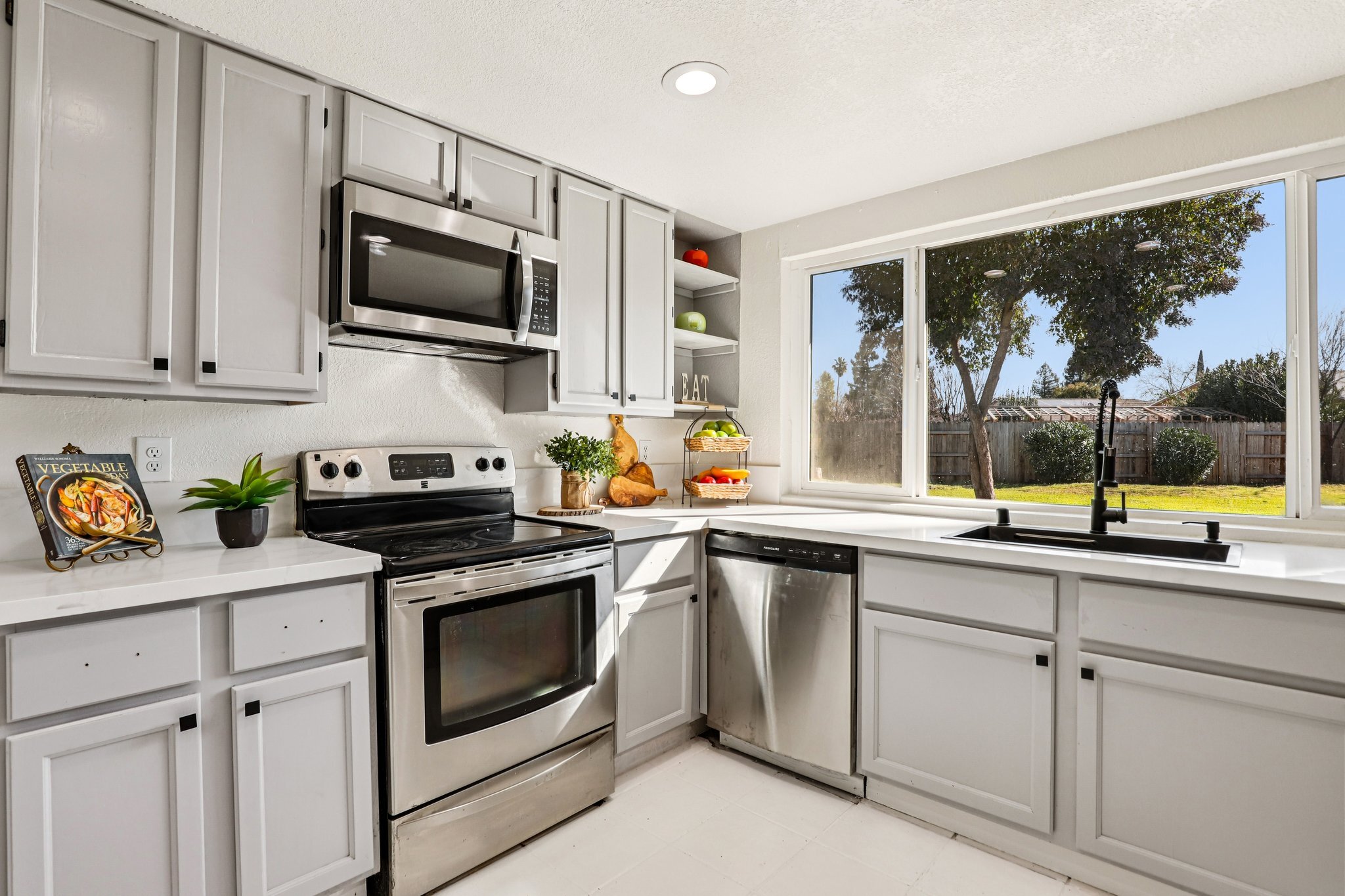
Flaum Court Kitchen
A real transaction showing improvement work that became the buyer’s responsibility after the seller completed the sale.
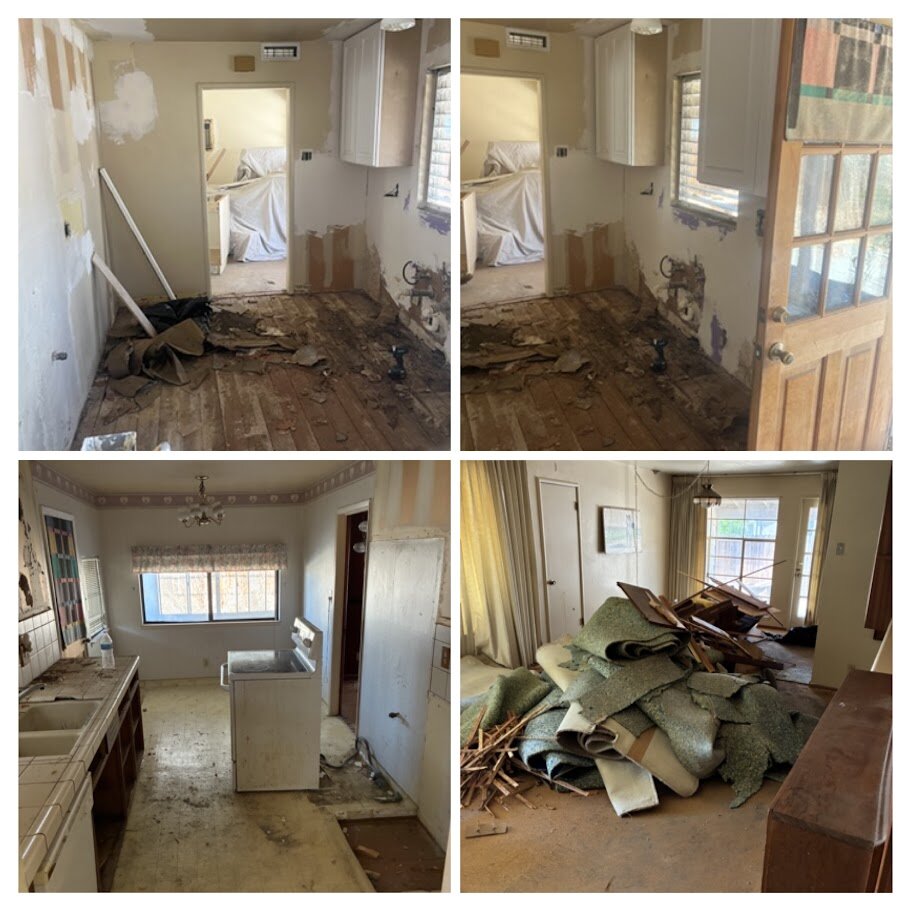
Circle Parkway In Progress
Work completed after the purchase—not a list of projects the former owner had to finish before selling.
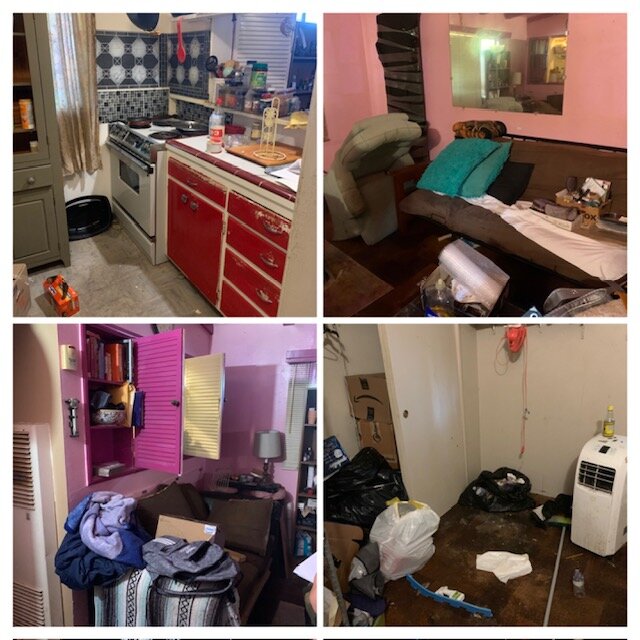
American Avenue Property
A real Sacramento-area property with repairs and deferred maintenance that became a candidate for a direct as-is purchase.
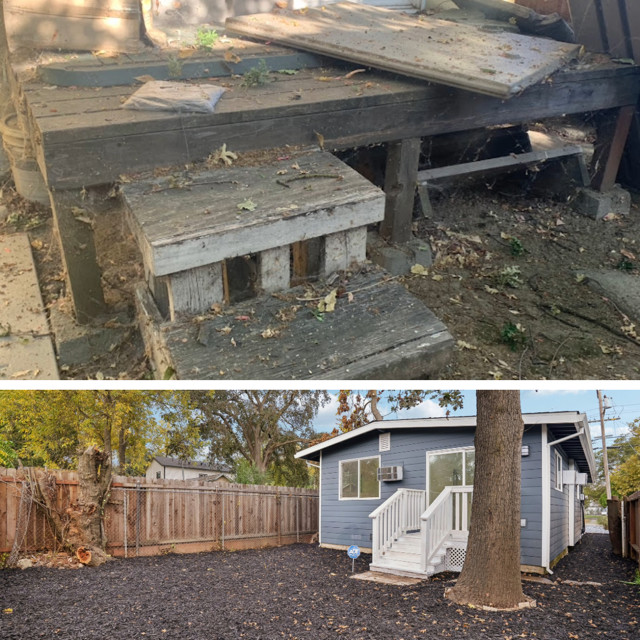
Safety And Repair Issues
Safety problems and deferred maintenance can create another layer of expense when an owner is deciding whether to repair or sell the property in its present condition.
Real Seller Experiences
Hear From Homeowners Who Worked With Darren
These homeowners describe their own experiences working directly with Darren through real property transactions.
Seller Story: A Direct, Straightforward Sale
A homeowner shares firsthand feedback about working with Darren during a real property sale.
Seller Story: Communication Through Closing
Additional seller proof showing the communication, transaction process, and personal experience behind a direct sale with Darren.
Do Not Just Trust The Claims—Verify The Buyer
Whether a property has repairs, tenants, liens, deferred maintenance, code issues, title complications, unwanted belongings, vacancy, inherited ownership, or another difficult condition, the buyer should still be independently evaluated.
Before signing an agreement, sellers can verify Darren’s licensing, professional background, business registration, veteran status, community involvement, seller experiences, and transaction history.
Licensed California Real Estate Broker
Darren Brown combines direct cash home buying experience with a professional California real estate brokerage background.
View Broker Documentation →Retired U.S. Air Force Veteran
Veteran-owned service centered on accountability, direct communication, follow-through, and doing what was agreed upon.
View Military Retirement Proof →DVBE-Certified Business Owner
Darren’s business has documentation supporting its Disabled Veteran Business Enterprise certification.
View DVBE Certification →California Business Registration
Sellers can review the California Secretary of State filing associated with Darren’s operating business.
View State Business Filing →A+ BBB-Rated Business
Review the independent Better Business Bureau profile for Darren Buys Homes Cash before accepting an offer.
View BBB Business Profile →Sacramento Metro Chamber Member
Darren maintains a public connection to the Sacramento region’s professional and business community.
View Chamber Listing →Real Seller Experiences
Review additional seller feedback, property situations, and experiences involving Darren Buys Homes Cash.
Review Seller Testimonials →Professional Credentials
Examine Darren’s professional background, business identity, and supporting trust documentation in one place.
Review Professional Credentials →Sacramento Seller Trust Center
Use the Seller Trust Center to evaluate the company, process, transaction proof, and cash home buying experience before deciding.
Visit The Seller Trust Center →Seller Story: Why They Chose Darren
Another homeowner explains what it was like to work directly with Darren. Real seller feedback gives a property owner a better basis for evaluating the person behind the offer before making a decision.
Compare The Real Paths Forward
Three Ways To Approach A Difficult Citrus Heights Property
The strongest option depends on property condition, available equity, repair costs, occupancy, title issues, timing, available cash, likely net proceeds, and how much additional work the owner wants to take on before selling.
1
Keep The Property And Resolve The Problems
Continued ownership may make sense when the property still fits the owner’s goals and there is enough time, money, and willingness to address the problems before reconsidering a sale.
- Continue paying carrying expenses
- Address repairs or deferred maintenance
- Resolve occupancy or access issues when applicable
- Work through title, code, or documentation concerns
- Reevaluate selling later
2
Prepare The Property For A Traditional Sale
A conventional listing may be appropriate when the owner has the resources and time to prepare the property and wants broad exposure to retail buyers.
- Complete needed repairs or improvements
- Clean out and prepare the property
- Coordinate access and showings
- Navigate inspections and appraisal
- Accept the timeline and financing variables of a retail sale
3
Compare A Direct As-Is Cash Home Buyer Offer
A direct as-is sale may be worth evaluating when the owner wants a defined alternative without first making the property vacant, repaired, remodeled, cleaned out, or retail-ready.
- Evaluate the property in its present condition
- Skip repairs and remodeling by agreement
- Avoid repeated traditional buyer showings
- Account for difficult conditions in the offer
- Choose a closing timeline that fits the transaction
You Do Not Have To Decide Before You Know The Numbers
Darren can evaluate a Citrus Heights property in its current condition and provide a direct as-is option that can be compared with keeping the house, completing repairs, resolving other property issues, or preparing for a traditional listing.
Citrus Heights Seller Resource Center
More Citrus Heights Guides For Difficult Property And Landlord Situations
Use these local resources to compare selling options by property condition, tenant situation, ownership challenge, timing, and the type of sale you are considering.
Built from published Citrus Heights pages already present in the site sitemap.
These resources cover tenant-occupied rentals, non-paying tenants, landlord exits,
out-of-state ownership, squatters, hoarder properties, code violations,
delinquent taxes, foreclosure, repairs, vacant homes, inherited houses,
cash-sale timing, and buyer verification.
Local Seller Overview
Citrus Heights Local Hub
Start with the main Citrus Heights service-area page for local selling options and property situations.
Read Citrus Heights Guide → Landlord & Tenant ProblemsRental Property With Non-Paying Tenants
A focused Citrus Heights guide for landlords dealing with missed rent while considering an as-is sale.
Read Citrus Heights Guide → Local Case StudyReal 7-Day Citrus Heights Rental Case Study
See a real Citrus Heights rental-property case study involving non-paying tenants and a seven-day closing.
Read Citrus Heights Guide → Tenant-Occupied PropertySell A Tenant-Occupied House
Review options for selling a Citrus Heights house while a tenant is still occupying the property.
Read Citrus Heights Guide → Tenant Exit QuestionsWhat If My Tenant Won’t Leave?
Understand the selling questions that arise when a Citrus Heights tenant will not leave before a planned sale.
Read Citrus Heights Guide → Landlord Exit StrategyTired Of Being A Landlord?
A Citrus Heights resource for owners comparing continued management with selling a rental property as-is.
Read Citrus Heights Guide → Remote OwnershipSell An Out-Of-State Rental
For landlords who own a Citrus Heights rental from outside the area and want to compare an as-is exit.
Read Citrus Heights Guide → Rental Property SaleSell A Rental Property Fast
A broader Citrus Heights landlord resource covering a direct cash-buyer option for rental property.
Read Citrus Heights Guide → Unauthorized OccupancySell A Squatter House
Explore a Citrus Heights-specific resource for selling a house with squatters or unauthorized occupants.
Read Citrus Heights Guide → Hoarder & Heavy CleanoutSell A Hoarder House Without Cleaning
For Citrus Heights properties with extensive belongings, debris, or cleanout needs that may be sold as-is.
Read Citrus Heights Guide → Code & Property ConditionSell A House With Code Violations
A Citrus Heights guide for owners facing code issues while evaluating an as-is sale.
Read Citrus Heights Guide → Tax ProblemsSell With Delinquent Property Taxes
Review options when delinquent property taxes are part of a Citrus Heights home sale.
Read Citrus Heights Guide → ForeclosureSell Before Foreclosure
A Citrus Heights resource for owners considering a sale before a foreclosure timeline advances further.
Read Citrus Heights Guide → As-Is / No RepairsSell My House Without Repairs
Compare selling a Citrus Heights property in its present condition without completing repairs first.
Read Citrus Heights Guide → Repair DecisionDo I Need To Fix My House Before Selling?
A decision-focused Citrus Heights resource for weighing repair costs against selling in current condition.
Read Citrus Heights Guide → Fixer-UpperSell A Fixer-Upper House As-Is
For Citrus Heights homes with deferred maintenance, dated systems, or larger repair needs.
Read Citrus Heights Guide → As-Is Seller GuideCan I Sell My House As-Is?
A Citrus Heights-specific explanation of what an as-is sale can mean for repairs, preparation, and buyer expectations.
Read Citrus Heights Guide → Vacant PropertySell A Vacant House
Review a direct as-is option for an empty Citrus Heights property that may be costing money to hold.
Read Citrus Heights Guide → Inherited PropertySell An Inherited House
A Citrus Heights resource for owners evaluating the sale of an inherited house.
Read Citrus Heights Guide → Cash Sale ProcessHow Does Selling A House For Cash Work?
Learn the basic Citrus Heights cash-sale process and what sellers can compare before accepting an offer.
Read Citrus Heights Guide → Closing TimelineHow Fast Can I Sell For Cash?
A Citrus Heights-specific resource focused on timing, process, and what can affect a faster cash closing.
Read Citrus Heights Guide → Buyer VerificationLegit Cash Home Buyers In Citrus Heights
Use this local guide when comparing cash buyers and checking experience, credibility, and the proposed transaction.
Read Citrus Heights Guide → Local As-Is Cash BuyerWe Buy Houses In Citrus Heights
A Citrus Heights overview for owners comparing a direct as-is cash-buyer sale with other selling routes.
Read Citrus Heights Guide → Cash Buyer OverviewCash Buyers In Citrus Heights
Additional Citrus Heights information for sellers researching local cash-buyer options.
Read Citrus Heights Guide →
What Different Closing Timelines Can Mean
7 Days, 10 Days or 14+ Days: What Changes?
A closing timeline should reflect the work required by the actual file. Shorter is not automatically better if the date is unrealistic. Longer is not automatically safer if the buyer is simply moving slowly.
Illustrative Cash-Escrow Timing
7-DAY • 10-DAY • 14+ DAY
Most realistic when ownership is clear, payoff information is available, seller documents move immediately, inspections are limited or completed promptly and the buyer already has funds ready.
Can provide additional room for normal escrow, title, seller signing, inspection and funding work without turning a direct purchase into a long traditional closing.
May be appropriate when liens, title defects, trusts, estates, multiple owners, difficult occupancy or missing documents need additional resolution.
The Contract Date Should Match the File
A serious direct buyer should not promise seven days merely because “seven-day close” sounds good in an advertisement. The buyer should understand what needs to happen and then commit to a date it can support.
Title Can Be More Important Than Repairs
How Title Affects a Fast Citrus Heights Cash Escrow
Cosmetic condition does not determine whether ownership can transfer. Title does.
Ownership Matches
When the seller’s authority to transfer the property is clear and the expected owners appear correctly, the title portion of the file can be relatively straightforward.
Unexpected Owner
Another person on title, a deceased owner, an unresolved marital interest or another ownership issue can require additional documents or signatures.
Trust or Entity
A trust, LLC or other ownership structure may require documentation showing who has authority to sign and transfer the property.
Recorded Issue
An old lien, judgment, unreleased loan or other recorded item may need clarification or resolution before the closing can proceed.
Payoff Timing
Mortgages and Liens Do Not Automatically Prevent a Fast Cash Sale
Many sellers have an existing mortgage. Some properties also have judgments, tax liens or other recorded obligations. The issue is usually not simply that the obligation exists—it is whether the necessary payoff or resolution information can be obtained in time.
Mortgage Payoff
Escrow generally needs an accurate payoff demand so the existing loan can be accounted for through closing.
Judgment or Lien
A recorded lien may need a payoff, release, clarification or another acceptable resolution before title can be transferred as required.
Old Paid Loan
Sometimes a seller believes an obligation was already paid but the recorded release is missing. That can require additional documentation.
Seller Equity
The size of the payoff affects proceeds, while the availability and resolution of the payoff information affects timing.
Fast Escrow Starts With Early Payoff Requests
When a seller provides accurate loan and lien information immediately, escrow can begin requesting what it needs rather than discovering the issue near the scheduled closing date.
Ownership Complexity
Why Trusts, Estates and Multiple Owners Can Change the Closing Timeline
These situations do not automatically prevent a direct as-is sale, but the person signing must have the authority required to complete the transaction.
Multiple Owners
If several people hold title, all required parties may need to participate in the sale or provide appropriate authority.
Trust Ownership
Escrow or title may need the applicable trust documentation and confirmation of the trustee’s authority to sign.
Estate Property
The required authority and documentation depend on how the estate is being administered and who is legally authorized to transfer the property.
Missing Documentation
The timeline can expand when necessary ownership documents are not available until after escrow opens.
Occupied Property Timing
What Can Speed Up a Tenant-Occupied Cash Closing?
When the buyer is willing to purchase with the occupancy in place, the seller may avoid adding a separate vacancy process to the front of the sale.
Occupancy Disclosed Early
The buyer should know before contracting who is living in the house and the basic status of the occupancy.
Documents Organized
Existing leases, deposit records, notices and payment information should be provided when available.
Access Coordinated
Inspection or walkthrough access may require communication with the occupant instead of the seller simply opening a vacant house.
Possession Agreed
Everyone should understand whether the occupant remains after closing or whether another possession arrangement is required.
Vacancy Is a Timeline Issue Only When the Transaction Requires Vacancy
If the direct buyer knowingly agrees to acquire the tenant-occupied property, the seller may not need to wait for a separate vacancy process merely to make the house eligible for sale.
Seller Preparation Can Save Days
What Can a Citrus Heights Seller Do to Help a Cash Escrow Close Faster?
- Provide accurate ownership information immediately.
- Give escrow current mortgage lender and loan information.
- Disclose known liens or judgments early rather than waiting for title to discover them.
- Return escrow identification and seller-information requests promptly.
- Provide trust, estate or entity documents when the property is not held simply in an individual’s name.
- Provide available tenant, lease, deposit and occupancy records when the property is occupied.
- Coordinate access for agreed inspections or walkthroughs.
- Complete seller disclosures and transaction documents promptly.
- Review closing figures before the signing appointment when possible.
- Schedule signing early enough to avoid creating a last-minute bottleneck.
- Tell escrow immediately if travel, identification or signing logistics may affect the scheduled close.
- Do not begin unnecessary repairs if the buyer has already agreed to purchase the house as-is.
Speed Is Usually a Team Result
The buyer can be fully prepared and still lose time if critical seller documents arrive late. The seller can be fully prepared and still lose time if the buyer delays its deposit or funding. Fast closings happen when both sides perform.
Judge the Buyer by Actions
Cash Buyer Fast-Closing Scorecard
Sellers do not have to guess whether a buyer is serious once the transaction begins. Performance creates evidence.
Buyer Execution Review
PROMISE → PERFORMANCE
Escrow Opened Promptly
Did the buyer move the accepted contract into a real closing file immediately?
Check
Deposit Delivered
Did the buyer place the agreed deposit with escrow on time?
Verify
Proof of Funds Credible
Is there reasonable evidence that the buyer has access to the money required to purchase?
Confirm
Due Diligence Completed
Did the buyer complete its agreed inspection or investigation without unnecessary delay?
Track
Issues Communicated
Does the buyer communicate directly when title, access or another issue appears?
Observe
Funds Ready
Is the buyer prepared to fund when escrow and title are ready to close?
Final Test
A Buyer Cannot Close Fast by Waiting Until the Final Day to Start Performing
Speed is created at the beginning of escrow through early action, not manufactured at the end through pressure on the seller.
If the Closing Date Starts Moving
Is the Delay Understandable—or a Buyer Red Flag?
Closing Delay Decision Tree
IDENTIFY WHY THE DATE IS MOVING
A newly discovered lien, ownership question or missing document may create a legitimate need for more time. Ask what specifically is outstanding and who is handling it.
Missing signatures, delayed payoff information or unavailable ownership documents may require the seller to complete an additional step.
Repeated inspection extensions, delayed deposits, changing buyer entities or funding excuses deserve closer scrutiny when the buyer originally promised a fast cash closing.
“We Need More Time” Is Not Enough Information
A seller should understand what is causing the delay, what remains to be completed and whether the buyer is still capable of performing.
Related Citrus Heights Seller Resources
Continue Your Cash Sale and As-Is Research
Can I Sell My House As-Is in Citrus Heights?
Learn how current condition affects repair obligations, buyer expectations and closing preparation.
Sell a Tenant-Occupied House in Citrus Heights
Review how tenants, possession, access and buyer selection can affect an occupied-property sale.
Citrus Heights 7-Day Closing Case Study
See a real local direct purchase involving a non-paying occupant, as-is condition and a seven-day closing.
Seller Trust Center
Review transaction proof, seller experience, professional credentials and buyer-verification resources.
Frequently Asked Questions
Citrus Heights Cash Escrow Timeline Questions
How fast can a cash escrow close in Citrus Heights?
Some straightforward cash transactions can close in roughly 7 to 14 days, and certain prepared files can close faster. Actual timing depends on title, documents, occupancy, inspections and buyer readiness.
Can a Citrus Heights house really close in seven days?
Yes, certain well-prepared transactions can. A seven-day timeline is more realistic when ownership is clear, documents are available and the buyer is already prepared to fund.
Does an as-is house take longer to close?
Not necessarily. Repair condition and closing readiness are different. A heavily damaged house can still have a clean title and straightforward escrow.
Can a tenant-occupied house close quickly?
Potentially. If the buyer knowingly accepts the occupancy structure, the seller may not need to complete a separate vacancy process before closing.
Does a mortgage slow down a cash sale?
Not necessarily. Existing mortgages are common, but escrow needs the applicable payoff information before the loan can be handled through closing.
Can a lien delay closing?
Yes. A lien can require payoff, clarification, release or another resolution before title can transfer as required.
Can a trust-owned property close quickly?
It may, especially when the necessary trust and authority documents are available early in the transaction.
What if there are multiple owners?
Multiple owners can add coordination and documentation requirements. Required parties should be identified as early as possible.
What is the biggest advantage of cash for closing speed?
A direct cash purchase can remove conventional lender underwriting, lender appraisal requirements and mortgage-funding conditions.
Can the buyer still inspect during a fast cash escrow?
Yes, if inspection or investigation rights remain in the contract. The buyer should complete those rights within the agreed timeline.
What should I do if the buyer asks to extend closing?
Ask why the extension is needed, what remains outstanding and whether the issue relates to title, seller documentation or the buyer’s own performance.
How can I help my cash sale close faster?
Provide requested ownership, payoff, tenant and seller documents promptly, coordinate access and complete signing requirements early enough to support the contracted closing date.
Citrus Heights Seller Summary
Fast Cash Escrow Is Not About Choosing the Smallest Number of Days
A seven-day closing can be real. Your Citrus Heights Butternut transaction did it. The Flaum Court tenant-occupied sale closed in six days.
Those transactions demonstrate speed. They do not mean every house should be promised the exact same timeline.
Title matters. Liens matter. Ownership documents matter. Tenant information matters. Seller readiness matters. Buyer funding matters.
The strongest cash buyer is not simply the buyer willing to write the shortest escrow into a contract.
It is the buyer that understands the file, commits to a realistic date and starts performing immediately enough to reach it.
Need a Predictable Citrus Heights Closing?
Start With the Property. Then Build the Closing Date Around the Real File.
Darren Brown buys Citrus Heights houses directly as-is, including properties with deferred repairs, tenants, non-paying occupants or other conditions that may make traditional preparation difficult.
A direct offer can be structured around the actual condition, occupancy, title and timeline rather than requiring the seller to solve every property problem before a sale is possible.
The goal is not to promise the shortest number of days. The goal is to agree on a closing date and be prepared to perform.
Closing timelines shown on this page are general examples and not a promise that every property can close within the same period. Actual timing depends on the purchase agreement, title, liens, ownership, seller documentation, occupancy, inspection rights, escrow requirements, buyer funding and other transaction-specific circumstances.