

Sacramento Vacant House Insurance Encyclopedia
How Much Does Vacant House Insurance Cost?
Vacant house insurance often costs more than standard homeowners insurance because insurance companies generally view empty properties as higher risk. A vacant house may be more vulnerable to break-ins, vandalism, water damage, fire loss, squatter activity, deferred maintenance, and delayed discovery of problems.
For Sacramento property owners, understanding the cost of vacant home insurance can be an important part of deciding whether to keep, repair, rent, insure, or sell a vacant property as-is.
Quick Answer
Vacant house insurance costs vary widely based on the property’s value, location, condition, vacancy duration, prior claims history, security measures, and insurance company guidelines. In many situations, vacant home insurance costs noticeably more than a standard owner-occupied homeowners policy because insurers are accepting additional risk.
The longer a property remains vacant, the more likely an owner may face higher premiums, coverage limitations, inspections, vacancy endorsements, or specialized vacant property insurance requirements.
Who This Resource Is For
Vacant House Owners
Owners paying insurance premiums on a property that is currently sitting empty.
Inherited Property Owners
Heirs trying to manage insurance costs during probate, trust administration, or estate settlement.
Landlords Between Tenants
Property owners evaluating vacancy costs while preparing a rental for future occupancy.
Owners Considering An As-Is Sale
Homeowners comparing insurance expenses against holding costs and sale options.
Key Takeaways
Vacancy Usually Costs More
Vacant homes often cost more to insure than occupied homes because insurers view them as higher risk.
Longer Vacancy Can Increase Costs
Extended vacancy periods may trigger additional coverage requirements or premium increases.
Security Impacts Premiums
Alarms, inspections, maintenance, and property monitoring can influence underwriting decisions.
Holding Costs Add Up
Insurance is only one of several costs owners face while keeping a house vacant.
Verified Sacramento Cash Home Buyer Trust Signals
✅ A+ BBB Rated Business
🇺🇸 DVBE Certified Business
✈️ Retired U.S. Air Force Veteran
🏛 Licensed California Broker
📄 California Secretary Of State Filing
🤝 Sacramento Metro Chamber Member
🏠 Operating Since 1992
🏚 Vacant Property Specialist
⚡ 10-Day Closing Guarantee
Encyclopedia Definition: Vacant House Insurance Cost
Vacant house insurance cost refers to the premium an insurance company charges to insure a property that is unoccupied for an extended period. These costs are influenced by risk exposure, claim probability, property condition, neighborhood factors, vacancy duration, and insurer underwriting standards.
Unlike a typical owner-occupied home, a vacant house may require additional underwriting because insurers know that theft, vandalism, leaks, fire damage, and unauthorized occupancy can become more expensive when no one is present to notice problems immediately.
What Factors Affect Vacant House Insurance Costs?
| Factor | Why It Matters | Potential Cost Impact |
|---|---|---|
| Vacancy Length | Longer vacancy generally increases insurer risk. | Moderate To High |
| Property Condition | Deferred maintenance may increase claim likelihood. | Moderate To High |
| Break-In History | Past theft or vandalism may concern insurers. | Moderate |
| Location | Crime rates, weather, and local risks influence pricing. | Moderate |
| Security Measures | Alarms, inspections, and monitoring may reduce risk. | Potential Savings |
| Claims History | Prior insurance losses affect underwriting decisions. | Moderate To High |
Costs Beyond Insurance Premiums
Many owners focus only on insurance premiums, but insurance is usually just one component of the total cost of holding a vacant property. Even if the insurance premium appears manageable, additional ownership expenses can continue accumulating every month.
Property Taxes
Taxes continue regardless of whether the house is occupied.
Utilities
Water, sewer, electric, gas, and other services may remain active.
Security Costs
Cameras, alarms, inspections, and boarding expenses may be necessary.
Maintenance
Landscaping, pest control, repairs, and inspections often continue.
Buyer Psychology Analysis
Vacant house insurance costs influence buyer psychology because buyers understand that insurance companies spend enormous resources analyzing risk. When a buyer learns that a vacant property requires special insurance or higher premiums, it often reinforces concerns about theft, vandalism, deferred maintenance, water damage, break-ins, or future ownership expenses.
Many buyers interpret higher insurance costs as a signal that the property itself may be riskier to own. Even when the house is structurally sound, the perception of increased risk can affect buyer confidence and negotiation behavior.
As insurance costs rise, buyers often become more focused on discounts, repair credits, inspections, and risk reduction before moving forward with a purchase.
Traditional Buyer Analysis
Traditional owner-occupant buyers generally prefer homes that are easy to insure and finance. When insurance becomes more expensive because of vacancy, buyers may become concerned about ongoing ownership costs and future insurability.
| Buyer Concern | Reason | Potential Impact |
|---|---|---|
| Higher Insurance Costs | Increases monthly ownership expenses. | Lower affordability. |
| Break-In Risk | Vacant homes may attract criminal activity. | Additional caution. |
| Maintenance Questions | Buyers may wonder what happened while vacant. | More inspections. |
| Future Coverage | Concern about insurance availability. | Financing questions. |
| Hidden Damage | Fear of undetected problems. | Stronger negotiations. |
Investor Buyer Analysis
Investors tend to evaluate insurance costs as part of a larger holding-cost equation. Rather than focusing on emotional concerns, investors calculate whether insurance premiums, taxes, utilities, maintenance, financing, and security expenses support the projected return.
When vacant house insurance becomes expensive, investors often adjust their purchase price to compensate for increased carrying costs and risk exposure.
This is why prolonged vacancy can sometimes reduce investor offers even when the house itself remains physically unchanged.
Property Value Analysis
Insurance costs alone rarely determine property value, but they can influence how buyers perceive ownership costs and risk. As insurance costs increase, some buyers may reduce what they are willing to pay.
| Insurance Situation | Buyer Perception | Potential Value Impact |
|---|---|---|
| Standard Coverage Available | Lower risk perception. | Minimal impact. |
| Vacant Property Policy Required | Higher ownership costs. | Moderate impact. |
| Break-In History | Increased security concerns. | Moderate impact. |
| Water Damage Claims History | Concern about future losses. | Moderate to high impact. |
| Insurance Difficult To Obtain | Property viewed as higher risk. | High impact. |
Financing Impact Analysis
Insurance plays an important role in financing because lenders generally require adequate coverage to protect the collateral securing the loan.
If insurance becomes difficult to obtain or unusually expensive, financing can become more complicated. Buyers may face underwriting questions, additional documentation requirements, or delays while securing acceptable coverage.
| Insurance Issue | Financing Concern | Potential Result |
|---|---|---|
| Coverage Restrictions | Lender protection concerns. | Additional review. |
| Vacant Property Policy Needed | Additional underwriting. | Possible delays. |
| Property Condition Problems | Higher risk profile. | Repair requirements. |
| Uninsurable Conditions | Collateral concerns. | Loan difficulty. |
| Major Deferred Maintenance | Habitability issues. | Financing obstacles. |
Insurance Impact Analysis
Insurance companies calculate premiums based on risk. The more risk an insurer believes exists, the higher the premium is likely to be.
| Risk Factor | Why Insurers Care | Potential Cost Impact |
|---|---|---|
| Long-Term Vacancy | Greater chance of unnoticed damage. | Higher premiums. |
| Prior Claims | Loss history affects underwriting. | Higher premiums. |
| Break-Ins | Increased theft and vandalism risk. | Higher premiums. |
| Poor Maintenance | Higher claim probability. | Higher premiums. |
| Security Systems | Risk reduction measure. | Potential premium reduction. |
The California Department of Insurance provides consumer information regarding homeowners insurance and policyholder rights at https://www.insurance.ca.gov/.
Short-Term Vs Long-Term Impact Analysis
| Timeline | Insurance Cost Impact | Owner Risk |
|---|---|---|
| Short-Term Vacancy | Often manageable. | Lower risk. |
| 30–60 Days | Vacancy rules may begin affecting coverage. | Moderate risk. |
| 60–90 Days | Higher underwriting attention. | Moderate to high risk. |
| Several Months Vacant | Premiums may increase. | High risk. |
| Long-Term Vacancy | Coverage may become difficult or expensive. | Very high risk. |
Risk Assessment Matrix
| Risk | Likelihood | Severity | Overall Risk |
|---|---|---|---|
| Break-In | Moderate | High | High |
| Water Damage | Moderate | High | High |
| Insurance Claim Dispute | Moderate | Moderate | Moderate |
| Policy Non-Renewal | Moderate | High | High |
| Squatter Activity | Low To Moderate | High | Moderate To High |
Common Mistakes Owners Make
- Focusing only on insurance premiums while ignoring taxes, utilities, maintenance, and security costs.
- Assuming a standard homeowners policy remains unchanged after a property becomes vacant.
- Failing to notify the insurer about vacancy.
- Delaying repairs that increase insurance risk.
- Ignoring signs of break-ins, vandalism, or unauthorized entry.
- Holding the property longer than originally planned without reviewing overall costs.
- Failing to compare the cost of keeping the property versus selling it.
Decision Framework
| Situation | Key Question | Potential Next Step |
|---|---|---|
| Recently Vacant Property | Is coverage still appropriate? | Review policy immediately. |
| Insurance Costs Rising | Do holding costs still make sense? | Review ownership strategy. |
| Inherited House | How long will the property remain empty? | Evaluate sale timeline. |
| Break-In History | Can risk be reduced economically? | Compare security versus sale. |
| Long-Term Vacancy | Are costs outweighing benefits? | Evaluate selling options. |
Sacramento Vacant House Insurance Cost Analysis
Many Sacramento-area vacant houses remain empty because of probate, inheritance, relocation, landlord burnout, tenant turnover, repairs, family disagreements, foreclosure pressure, or code enforcement issues.
During vacancy, owners may continue paying insurance premiums, property taxes, utilities, landscaping, security costs, maintenance expenses, and repair bills. When insurance costs increase on top of these expenses, some owners begin questioning whether continuing to hold the property makes financial sense.
For some sellers, a faster as-is sale eliminates ongoing insurance costs entirely. Others choose to maintain coverage while preparing the property for future occupancy or sale.
Some Sacramento owners also explore occupancy-transition solutions such as the Sell and Stay Program: https://www.darrenbuyshomescash.com/sell-and-stay-sacramento-sell-your-house-and-rent-it-back/
Real Sacramento Case Studies
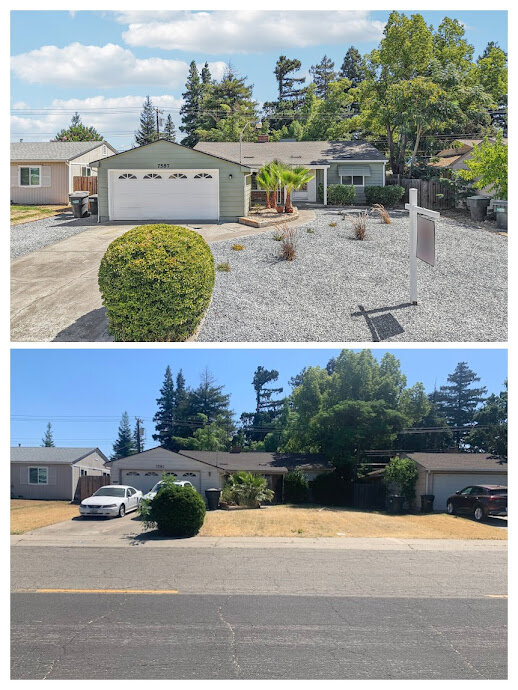
Real-world difficult-property situations often involve many of the same risks that drive vacant house insurance costs higher, including deferred maintenance, tenant complications, security concerns, unauthorized occupancy, and extended holding periods.
Tenant Broke Back In Before Closing
A real Sacramento-area example showing how security and occupancy problems can quickly affect a property.
Cameron Park Squatters And Code Violations
This property involved squatters, tenants, and approximately $28,000 in code violations.
Circle Parkway Florin
A tenant-occupied hoarder property successfully purchased despite significant challenges.
Frequently Asked Questions
🤔 How much does vacant house insurance cost?
Vacant house insurance costs vary based on location, property condition, vacancy length, coverage amount, prior claims, security, and insurer guidelines. It often costs more than standard homeowners insurance.
🤔 Why does vacant house insurance cost more?
Vacant houses usually cost more to insure because damage, theft, vandalism, water leaks, fire, squatters, and maintenance problems may go unnoticed longer.
🤔 Is vacant house insurance required?
It may be required by a lender, and it may be necessary if a standard homeowners policy does not cover the property after vacancy begins.
🤔 Can I keep my regular homeowners policy on a vacant house?
Sometimes, but owners should confirm directly with the insurer because many policies contain vacancy limitations, exclusions, or notification requirements.
🤔 What makes vacant house insurance more expensive?
Long vacancy periods, poor condition, past claims, break-ins, vandalism, unsecured access, water damage risk, and lack of regular inspections can increase cost.
🤔 Can security reduce vacant house insurance costs?
Security systems, inspections, locks, lighting, cameras, and maintenance may help reduce risk, but savings depend on the insurer and policy.
🤔 Should I pay for vacant insurance or sell the house?
It depends on your timeline, repair budget, property condition, total holding costs, and whether keeping the house is likely to produce a better net result.
🤔 Can I sell a vacant house as-is instead of paying ongoing insurance costs?
Yes. Some Sacramento owners sell vacant houses as-is when insurance, taxes, utilities, security, repairs, and holding costs no longer make financial sense.
Vacant House Insurance Resource Center
Vacant houses can create insurance problems quickly. Once a property sits empty, owners may face higher premiums, claim disputes, cancellation risk, break-ins, water damage, vandalism, squatter activity, deferred maintenance, and rising holding costs.
Use the resources below to understand how vacant house insurance works, what risks insurance companies review, and when selling a vacant Sacramento house as-is may make more sense than continuing to carry insurance, repairs, security, taxes, utilities, and liability exposure.
Vacant House Insurance Encyclopedia
Can Homeowners Insurance Be Cancelled On A Vacant House?
Do I Need Vacant Property Insurance?
What Happens If A Vacant House Has Water Damage?
Will Insurance Cover A Vacant House Break-In?
Why Are Vacant Homes Harder To Insure?
How Much Does Vacant House Insurance Cost?
Can Insurance Deny A Claim Because A House Was Vacant?
What Risks Concern Insurance Companies Most With Vacant Houses?
Should I Notify My Insurance Company If The House Is Empty?
Can A Vacant House Become Uninsurable?
Vacant House And Holding Cost Resources
Sell A Vacant House In Sacramento
How Do I Sell A Vacant House?
How Do I Sell An Abandoned Property?
Cost Of Holding A Vacant House
How Much Does An Empty House Cost Per Month?
What Happens If I Wait Too Long To Sell?
Repair, Water Damage, And Deferred Maintenance Resources
Sell Without Repairs
Sell As-Is In Sacramento
Deferred Maintenance And Value Loss
How Fast Do Repairs Get More Expensive?
Sell A House With Mold Problems
Sell A House With Roof Damage
Squatter, Tenant, And Security Risk Resources
Vacant house insurance problems often overlap with security risk, unauthorized entry, non-paying tenants, squatters, break-ins, and delayed owner action. These resources strengthen the connection between insurance exposure and real property problems.
Cash Buyer For Homes With Squatters
How Do I Sell A House With Squatters?
Florin Squatter Resource
Sell A Rental With Non-Paying Tenants
How Do I Sell A House With Non-Paying Tenants?
How Do I Sell A House With An Eviction In Progress?
Real Sacramento Case Studies
Tenant Broke Back In Before Closing
Cameron Park Squatters, Tenants, And Code Violations
Circle Parkway Florin
Real Tenant Case Studies In Sacramento
Core Sacramento Cash Buyer Resources
Darren Buys Homes Cash
Get A Cash Offer Today
Sacramento Seller Trust Center
About Darren Brown
Veteran-Owned Cash Home Buyer
Contact Darren Brown
Need Help With A Vacant House Insurance Problem?
If a vacant Sacramento house is becoming harder to insure, more expensive to hold, vulnerable to break-ins, exposed to squatters, damaged by water, or difficult to manage from a distance, Darren Brown can review the situation and explain what an as-is cash sale may look like.
Call or text (916) 300-7962 or visit Contact Darren Brown.
Vacant House Insurance Cost Resources
Darren Buys Homes Cash
Sacramento Seller Trust Center
Veteran-Owned Cash Home Buyer
About Darren Brown
As-Is, Vacant House, And Cash Offer Resources
Sell A Vacant House In Sacramento
How Do I Sell A Vacant House?
Sell Without Repairs
Sell As-Is In Sacramento
Get A Cash Offer Today
Contact Darren Brown
Sell And Stay Program
Real Sacramento Case Study Resources
Tenant Broke Back In Before Closing
Cameron Park Squatters And Code Violations
Circle Parkway Florin
Nearby Sacramento-Area Resources
Sacramento
Roseville
Lincoln
Citrus Heights
External Authority Resources
California Department Of Insurance
Summary
Vacant house insurance costs vary by property, coverage, vacancy length, location, condition, claims history, security, and insurer rules. In many cases, vacant property insurance costs more than standard homeowners insurance because empty homes carry higher risk.
Owners should compare the insurance premium against the total cost of holding the property, including taxes, utilities, security, repairs, maintenance, and the risk of future claims or break-ins.
Need Help Deciding Whether To Keep Paying Vacant House Insurance?
If insurance costs, repairs, break-ins, security, squatters, taxes, utilities, or holding costs are making a vacant Sacramento house harder to keep, Darren Brown can review the property and explain what an as-is cash sale may look like.
Call or text (916) 300-7962 or visit Contact Darren Brown.