

Sacramento Vacant House Insurance Encyclopedia
What Risks Concern Insurance Companies Most With Vacant Houses?
Insurance companies are most concerned about vacant houses because empty properties can create higher risk of theft, vandalism, water damage, fire, squatters, liability claims, deferred maintenance, and delayed discovery of damage.
For Sacramento property owners, understanding these risks helps explain why vacant house insurance can cost more, why claims may receive closer review, and why some owners choose to sell a vacant house as-is instead of continuing to carry the risk.
Quick Answer
The risks that concern insurance companies most with vacant houses are break-ins, theft, vandalism, water leaks, fire damage, unauthorized occupants, liability injuries, poor maintenance, utilities left on, and damage that becomes worse because no one notices it quickly.
Insurance companies are not only evaluating the house. They are evaluating how likely it is that a loss will happen, how severe the claim could become, whether the owner is protecting the property, and whether the property is being monitored while vacant.
Who This Resource Is For
Vacant House Owners
Owners trying to understand why their vacant property creates more insurance concern than an occupied house.
Inherited Property Owners
Heirs managing a vacant inherited house during probate, trust administration, cleanout, repairs, or family decision delays.
Out-Of-State Owners
Remote owners who cannot easily inspect, secure, or maintain a Sacramento-area vacant property.
Owners Comparing Holding Vs Selling
Homeowners deciding whether to keep paying insurance, security, repairs, taxes, utilities, and maintenance on an empty house.
Key Takeaways
Vacancy Increases Loss Severity
Damage can become more expensive when no one discovers the problem quickly.
Security Risk Matters
Break-ins, theft, vandalism, copper stripping, and squatter entry are major insurer concerns.
Maintenance Records Matter
Insurers may review whether the property was inspected, secured, maintained, and protected.
Insurance Risk Can Affect Sale Strategy
If risks become expensive or difficult to manage, selling as-is may reduce ongoing exposure.
Verified Sacramento Cash Home Buyer Trust Signals
✅ A+ BBB Rated Business
Verify Darren Buys Homes Cash through the Better Business Bureau profile.
🇺🇸 DVBE Certified Business
Darren Brown’s business is DVBE certified and independently verified.
✈️ Retired U.S. Air Force Veteran
Verified retired military veteran and Sacramento real estate professional.
📄 California Secretary Of State Filing
Official California business filing documentation.
🏚 Vacant Property Specialist
Experienced with vacant houses, insurance risk, break-ins, vandalism, squatters, water damage, inherited properties, and as-is sales.
⚡ 10-Day Closing Guarantee
Qualified sellers may be eligible for Darren’s written guarantee.
Encyclopedia Definition: Vacant House Insurance Risk
Vacant house insurance risk means the increased chance that an empty property will experience a loss that is more likely, more severe, harder to verify, or more expensive to repair because no one is living in the house.
Insurance companies often view occupied houses as easier to protect because occupants can notice smoke, leaks, broken windows, suspicious activity, pests, maintenance problems, and system failures quickly.
A vacant house may not receive daily attention. That delay can turn a small problem into a large claim, which is why insurers evaluate vacant homes differently.
Top Risks Insurance Companies Watch In Vacant Houses
| Risk | Why It Concerns Insurers | Possible Result |
|---|---|---|
| Break-Ins And Theft | Empty homes can attract theft of appliances, copper, HVAC parts, fixtures, and personal property. | Higher premiums, exclusions, or claim scrutiny. |
| Vandalism | Broken windows, graffiti, forced doors, and interior damage may occur when no one is present. | Coverage limits or claim disputes. |
| Water Damage | Leaks may continue for days or weeks before discovery. | Larger repair claims and mold concerns. |
| Fire Damage | Electrical problems, arson, or delayed reporting may increase loss severity. | Higher underwriting concern. |
| Unauthorized Occupancy | Squatters or trespassers can create damage, liability, legal, and cleanup problems. | Greater insurer risk exposure. |
| Liability Injuries | Visitors, workers, trespassers, or unauthorized occupants may be injured on the property. | Potential liability claim concerns. |
Why Delayed Discovery Is The Core Insurance Problem
Delayed discovery is one of the biggest reasons insurance companies worry about vacant houses. Many losses become more expensive because nobody is inside the house to notice the problem early.
Small Leak Becomes Major Damage
A slow leak under a sink, behind a wall, or from a roof can damage floors, drywall, cabinets, and framing before anyone notices.
Broken Window Becomes Repeat Entry
A single broken window can lead to additional break-ins, vandalism, theft, or unauthorized occupancy.
Utility Problem Becomes Fire Risk
Electrical problems, heating issues, or unattended systems may create greater damage when no one is present.
Maintenance Issue Becomes Claim Dispute
If the property appears neglected, the insurer may question whether the owner protected the house properly.
Buyer Psychology Analysis
Insurance risk changes buyer psychology because buyers often assume insurance companies know how to price danger. When insurers are concerned about a vacant house, buyers may interpret that concern as a warning sign about the property’s condition, neighborhood exposure, security history, maintenance, or future ownership costs.
A buyer may not understand every insurance rule, but they understand uncertainty. If a vacant house has break-in risk, water damage risk, fire risk, vandalism risk, or squatter risk, buyers often become more cautious and more price-sensitive.
That caution can lead to lower offers, more inspections, repair credits, stronger contingencies, or fewer traditional buyers willing to move forward.
Traditional Buyer Analysis
Traditional buyers usually want a home that is easy to insure, easy to finance, and safe to occupy. Vacant-house risks can create uncertainty because the buyer may not know how long the house has been empty, who has entered, whether systems are functional, or whether hidden damage exists.
| Traditional Buyer Concern | Insurance Risk Behind It | Likely Buyer Reaction |
|---|---|---|
| Safety | Break-ins, vandalism, unauthorized entry, unsecured doors or windows. | More hesitation and inspection requests. |
| Hidden Damage | Water leaks, pests, roof intrusion, mold concerns, system failures. | Repair credits or lower offer. |
| Future Insurance | Concern that the property may be harder or more expensive to insure. | Insurance quotes before closing. |
| Financing | Missing systems, damage, utilities off, habitability concerns. | Loan delays or lender-required repairs. |
| Neighborhood Confidence | Vacant houses can appear neglected or targeted. | Reduced emotional attachment. |
Investor Buyer Analysis
Investor buyers usually evaluate vacant-house insurance risks through cost, probability, and exit strategy. They ask what could go wrong before closing, what damage already exists, what insurance will cost, how much security is needed, and how quickly the property can be repaired, rented, resold, or stabilized.
An investor may still be willing to buy a vacant house with insurance concerns, but the offer will usually reflect risk. Break-in history, copper theft, vandalism, water damage, squatter activity, and major deferred maintenance can all reduce the amount an investor is willing to pay.
For some sellers, that tradeoff is acceptable because the investor is taking on the repairs, security risk, insurance uncertainty, and future holding costs.
Property Value Analysis
Insurance risks affect property value when they reduce buyer confidence, increase ownership costs, create repair exposure, limit financing options, or shrink the pool of qualified buyers.
| Insurance Risk | Value Impact | Reason |
|---|---|---|
| Minor Vacancy Risk | Low | Short-term vacancy with maintenance and security may have limited effect. |
| Break-In Or Theft Risk | Moderate | Buyers may price in repairs, security, and uncertainty. |
| Water Damage Risk | High | Leaks, mold concerns, flooring, drywall, and hidden damage can be expensive. |
| Squatter Risk | High | Unauthorized occupancy can create legal, cleanup, repair, and liability concerns. |
| Insurance Availability Risk | High | If insurance is hard to obtain, financing and buyer demand may be affected. |
Financing Impact Analysis
Insurance risks can affect financing because lenders usually want the property to be protected by adequate insurance and meet basic condition standards. If a vacant house has active damage, missing systems, broken windows, fire damage, severe water damage, or unresolved safety issues, financing may become more difficult.
| Risk Condition | Lender Concern | Potential Financing Impact |
|---|---|---|
| Missing Copper Or Wiring | Electrical, plumbing, and habitability concerns. | Repair requirement or loan issue. |
| Broken Windows Or Doors | Safety and security concern. | Repair may be required before closing. |
| Water Damage | Mold, structural, flooring, and drywall concerns. | Additional inspection or repair condition. |
| Fire Damage | Safety, structural, and code concerns. | Major financing obstacle. |
| Uninsurable Condition | Lender collateral protection concern. | Loan denial or delayed closing. |
Insurance Impact Analysis
Insurance companies focus on vacant-house risks because empty properties can create both higher probability of loss and higher severity of loss. The claim is not always larger because the original problem was bigger. It is often larger because the problem went unnoticed longer.
| Insurance Concern | Why Insurers Care | Possible Insurance Result |
|---|---|---|
| Theft And Vandalism | Vacant homes can be targeted repeatedly. | Higher premium, limitation, exclusion, or claim review. |
| Water Damage | Leaks can continue for extended periods without discovery. | Claim dispute or higher underwriting concern. |
| Fire | Vacant homes may have delayed emergency response or arson risk. | Stricter underwriting or coverage limits. |
| Squatters Or Trespassers | Unauthorized occupancy can create damage and liability issues. | Coverage complication. |
| Neglect Or Poor Maintenance | Insurers may argue the owner failed to protect the property. | Claim denial or non-renewal risk. |
The California Department of Insurance provides consumer information regarding insurance, claims, and policyholder resources at https://www.insurance.ca.gov/.
Short-Term Vs Long-Term Impact Analysis
| Timeline | Insurance Risk Impact | Owner Exposure |
|---|---|---|
| Short-Term Vacancy | Risk may remain manageable if the property is secured and monitored. | Lower |
| 30–60 Days Vacant | Insurer vacancy rules and monitoring expectations may become more important. | Moderate |
| 60–90 Days Vacant | Break-in, water damage, and claim concerns may increase. | Moderate To High |
| Long-Term Vacancy | Insurance availability, premiums, and coverage restrictions may become bigger issues. | High |
| Vacancy With Prior Damage | Insurers and buyers may see the property as elevated risk. | Very High |
Risk Assessment Matrix
| Risk | Likelihood | Severity | Overall Risk |
|---|---|---|---|
| Break-In Or Theft | Moderate | High | High |
| Vandalism | Moderate | Moderate To High | High |
| Undetected Water Leak | Moderate | High | High |
| Fire Damage | Low To Moderate | Very High | High |
| Squatter Activity | Low To Moderate | High | Moderate To High |
| Liability Injury | Low To Moderate | High | Moderate To High |
| Claim Dispute | Moderate | Moderate To High | Moderate To High |
Common Mistakes Owners Make With Vacant House Risk
- Assuming the property is safe because it is locked.
- Failing to inspect the house regularly after it becomes vacant.
- Not notifying the insurance company that the house is empty.
- Leaving utilities on without monitoring plumbing, electrical, or HVAC systems.
- Ignoring broken windows, damaged fencing, unsecured doors, or signs of entry.
- Waiting too long after a break-in, theft, leak, or vandalism event.
- Failing to document photos, police reports, maintenance, repairs, and inspections.
- Holding the house longer than planned while risks and costs continue to grow.
Decision Framework
| Owner Situation | Main Question | Possible Next Step |
|---|---|---|
| House Recently Became Vacant | Is coverage still appropriate? | Confirm insurance and secure the property. |
| Break-In Risk Is Rising | Can the property be protected reliably? | Improve security or compare sale options. |
| Water Damage Risk Exists | Can leaks be monitored and repaired quickly? | Inspect systems and review coverage. |
| Squatter Concerns Exist | Can access be controlled? | Act quickly before occupancy issues grow. |
| Insurance Is Expensive Or Limited | Do holding costs still make sense? | Compare keeping versus selling as-is. |
| Owner Lives Out Of Area | Can the property be monitored consistently? | Arrange local inspections or consider sale. |
Sacramento Vacant House Insurance Risk Analysis
Sacramento-area vacant houses often become empty because of inheritance, probate, relocation, tenant turnover, landlord burnout, repairs, divorce, family disputes, code problems, or foreclosure pressure. When the house sits, the owner may still be responsible for insurance, taxes, utilities, security, yard care, repairs, and monitoring.
Insurance companies may be especially concerned when a vacant Sacramento property has signs of break-ins, theft, vandalism, squatters, water damage, neglected landscaping, deferred maintenance, or repeated unauthorized entry.
Some owners continue maintaining and insuring the property until they are ready to sell. Others decide that the combined risk of vacancy, insurance problems, repairs, and holding costs makes an as-is sale a more practical option.
If occupancy timing is part of the seller’s challenge, Darren Brown’s Sell and Stay option may also be relevant: https://www.darrenbuyshomescash.com/sell-and-stay-sacramento-sell-your-house-and-rent-it-back/
Real Sacramento Case Studies
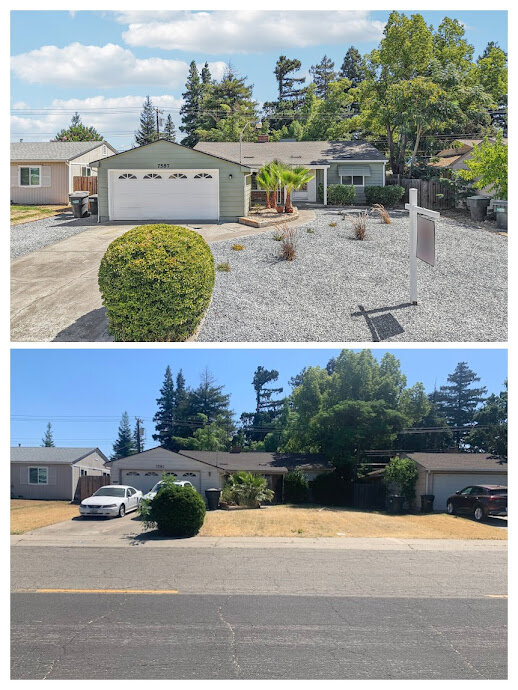
Vacant-house insurance risks often overlap with real-world difficult-property problems such as unauthorized entry, tenant complications, hoarder conditions, code issues, squatters, and urgent sale timelines.
Tenant Broke Back In Before Closing
A real Sacramento-area case involving serious security and occupancy complications shortly before closing.
Cameron Park Squatters And $28,000 Code Violations
This property involved squatters, tenants, code violations, and a successful difficult-property sale.
Circle Parkway Florin
This tenant-occupied hoarder property was purchased in 7 days despite difficult condition and occupancy challenges.
Frequently Asked Questions
🤔 What risks concern insurance companies most with vacant houses?
Insurance companies are often most concerned about break-ins, theft, vandalism, water damage, fire, squatters, liability injuries, poor maintenance, and delayed discovery of damage.
🤔 Why do insurers worry about vacant homes?
Insurers worry because no one is living inside the property to notice leaks, smoke, forced entry, vandalism, broken windows, pests, or maintenance issues quickly.
🤔 Do vacant homes have higher insurance risk?
Yes. Vacant homes often carry higher insurance risk because damage can spread, theft can occur, and unauthorized entry may happen before the owner discovers the problem.
🤔 Can break-ins affect vacant house insurance?
Yes. Break-ins, theft, vandalism, copper stripping, damaged doors, and broken windows can affect premiums, claim review, coverage availability, and future insurability.
🤔 Why is water damage a major vacant house insurance concern?
Water damage is a major concern because leaks can continue for days or weeks in an empty house, increasing repair costs and possible mold concerns.
🤔 Can squatters create insurance problems?
Yes. Squatters or unauthorized occupants can create damage, cleanup costs, liability exposure, legal complications, security concerns, and possible claim disputes.
🤔 Can vacant house risks make a property harder to sell?
Yes. Insurance risks can reduce buyer confidence, increase inspection concerns, affect financing, and make traditional buyers more cautious.
🤔 Can I sell a vacant house as-is if insurance risks are becoming a problem?
Yes. Some Sacramento owners sell vacant houses as-is when insurance, security, repairs, taxes, utilities, break-ins, or holding costs become too much to manage.
Vacant House Insurance Resource Center
Vacant houses can create insurance problems quickly. Once a property sits empty, owners may face higher premiums, claim disputes, cancellation risk, break-ins, water damage, vandalism, squatter activity, deferred maintenance, and rising holding costs.
Use the resources below to understand how vacant house insurance works, what risks insurance companies review, and when selling a vacant Sacramento house as-is may make more sense than continuing to carry insurance, repairs, security, taxes, utilities, and liability exposure.
Vacant House Insurance Encyclopedia
Can Homeowners Insurance Be Cancelled On A Vacant House?
Do I Need Vacant Property Insurance?
What Happens If A Vacant House Has Water Damage?
Will Insurance Cover A Vacant House Break-In?
Why Are Vacant Homes Harder To Insure?
How Much Does Vacant House Insurance Cost?
Can Insurance Deny A Claim Because A House Was Vacant?
What Risks Concern Insurance Companies Most With Vacant Houses?
Should I Notify My Insurance Company If The House Is Empty?
Can A Vacant House Become Uninsurable?
Vacant House And Holding Cost Resources
Sell A Vacant House In Sacramento
How Do I Sell A Vacant House?
How Do I Sell An Abandoned Property?
Cost Of Holding A Vacant House
How Much Does An Empty House Cost Per Month?
What Happens If I Wait Too Long To Sell?
Repair, Water Damage, And Deferred Maintenance Resources
Sell Without Repairs
Sell As-Is In Sacramento
Deferred Maintenance And Value Loss
How Fast Do Repairs Get More Expensive?
Sell A House With Mold Problems
Sell A House With Roof Damage
Squatter, Tenant, And Security Risk Resources
Vacant house insurance problems often overlap with security risk, unauthorized entry, non-paying tenants, squatters, break-ins, and delayed owner action. These resources strengthen the connection between insurance exposure and real property problems.
Cash Buyer For Homes With Squatters
How Do I Sell A House With Squatters?
Florin Squatter Resource
Sell A Rental With Non-Paying Tenants
How Do I Sell A House With Non-Paying Tenants?
How Do I Sell A House With An Eviction In Progress?
Real Sacramento Case Studies
Tenant Broke Back In Before Closing
Cameron Park Squatters, Tenants, And Code Violations
Circle Parkway Florin
Real Tenant Case Studies In Sacramento
Core Sacramento Cash Buyer Resources
Darren Buys Homes Cash
Get A Cash Offer Today
Sacramento Seller Trust Center
About Darren Brown
Veteran-Owned Cash Home Buyer
Contact Darren Brown
Need Help With A Vacant House Insurance Problem?
If a vacant Sacramento house is becoming harder to insure, more expensive to hold, vulnerable to break-ins, exposed to squatters, damaged by water, or difficult to manage from a distance, Darren Brown can review the situation and explain what an as-is cash sale may look like.
Call or text (916) 300-7962 or visit Contact Darren Brown.
Vacant House Insurance Risk Resources
Darren Buys Homes Cash
Sacramento Seller Trust Center
Veteran-Owned Cash Home Buyer
About Darren Brown
As-Is, Vacant House, And Insurance Risk Resources
Sell A Vacant House In Sacramento
How Do I Sell A Vacant House?
Sell Without Repairs
Sell As-Is In Sacramento
Squatter House Cash Buyer
Get A Cash Offer Today
Contact Darren Brown
Sell And Stay Program
Real Sacramento Case Study Resources
Tenant Broke Back In Before Closing
Cameron Park Squatters And Code Violations
Circle Parkway Florin
Nearby Sacramento-Area Resources
Sacramento
Roseville
Lincoln
Citrus Heights
External Authority Resources
California Department Of Insurance
Summary
Insurance companies are most concerned about vacant house risks such as theft, vandalism, water damage, fire, squatters, liability injuries, poor maintenance, delayed discovery, and claim disputes.
Owners should secure the property, confirm insurance coverage, document inspections, maintain the house, respond quickly to damage, and compare whether holding the property or selling as-is makes more sense.
Need Help With A Vacant Sacramento House Carrying Insurance Risk?
If insurance risk, security concerns, break-ins, vandalism, squatters, water damage, repairs, or holding costs are making a vacant Sacramento house harder to keep, Darren Brown can review the situation and explain what an as-is cash sale may look like.
Call or text (916) 300-7962 or visit Contact Darren Brown.