

Flaum Court Work In Progress
See what can happen after a seller transfers a rental as-is. The owner did not have to complete this work before selling, coordinate contractors, or remodel the house to compete for a retail buyer.
When two buyers make offers on the same Rocklin house, the highest purchase price is not automatically the strongest offer. Compare the seller net, proof of funds, earnest-money deposit, contingencies, cancellation rights, assignment language, closing costs, timeline and buyer credibility. The best offer is the one whose combination of price and terms produces the strongest overall outcome for your situation.
Put both offers side by side and compare more than purchase price. Start with what you expect to net at closing, then examine proof of funds, deposit, inspection and due-diligence periods, cancellation rights, assignment provisions, seller-paid costs, possession terms and the proposed closing date. A $500,000 offer with broad cancellation rights and uncertain funding can represent a different opportunity than a $490,000 offer with verified funds and materially stronger terms. The contract—not the headline number—defines what each buyer is actually offering.
Sellers often focus first on price. The transaction itself reveals why communication, credibility and performance should be part of the comparison too.
Reviews cannot guarantee a future closing, but they can provide useful context about communication, professionalism and prior seller experiences.
A useful comparison moves from the visible number to the economic and contractual reality underneath it.
The numbers below are illustrative—not a recommendation or prediction. Their purpose is to show why two offers should be compared line by line rather than by purchase price alone.
| Comparison Point | Illustrative Offer A | Illustrative Offer B | Why It Matters |
|---|---|---|---|
| Purchase Price | $500,000 | $490,000 | Offer A begins $10,000 higher, but purchase price alone does not determine the seller’s outcome. |
| Proof of Funds | Not yet provided | Provided and reviewed | A cash claim is more meaningful when the buyer can demonstrate available funds or a credible funding source. |
| Earnest Money | $1,000 | $10,000 | Deposit size is one indicator of commitment, although the contract determines when and whether funds are refundable. |
| Inspection / Due Diligence | 15 days | Shorter defined period | Longer or broader due diligence may give a buyer more time or opportunity to reconsider the transaction. |
| Financing Contingency | Review required | None stated in example | Confirm whether either buyer actually depends on obtaining financing despite presenting the offer as cash. |
| Assignment | Assignment permitted | Buyer intends direct purchase | Assignment language can indicate that the person signing may not be the ultimate purchaser. |
| Seller Closing Costs | Seller pays specified costs | Buyer pays specified costs | Cost allocation can narrow or eliminate the difference between headline prices. |
| Closing Date | 30 days | 10 days | Timing can affect mortgage payments, taxes, insurance, utilities and the seller’s plans. |
| Possession | At closing | Terms negotiated to seller’s needs | Possession can matter when the seller needs additional time or a coordinated move. |
| Expected Seller Net | Must be calculated | Must be calculated | This is the comparison sellers should complete before choosing between the contracts. |
| Overall Certainty | Depends on complete contract | Depends on complete contract | No single term proves an offer will close. Evaluate the agreement as a whole. |
The contract determines what comes out of the headline number.
Suppose one buyer offers more but asks the seller to pay certain closing expenses, credits or other negotiated costs. Another buyer offers less but assumes more of those expenses. The difference in what the seller actually receives may be much smaller than the difference between the two purchase prices.
Time can also have economic consequences. If one transaction requires the seller to carry the property longer, continuing mortgage payments, insurance, taxes, utilities and maintenance may matter to the comparison.
This does not automatically make the lower offer better. It means both offers should be converted into comparable economic outcomes before deciding.
A cash offer generally means the purchase is not contingent on the buyer obtaining a traditional mortgage. Sellers should still understand how the buyer intends to fund the acquisition.
These provisions help define how committed the buyer is and how much flexibility the buyer retains after the seller signs.
Compare the amount, deposit deadline, escrow instructions and circumstances under which the deposit is refundable or potentially at risk. A larger deposit can show greater financial commitment, but the surrounding contract language matters.
Inspection, financing, appraisal, partner approval, property review or other contingencies can affect transaction certainty. Identify each condition and when it expires or must be removed under the agreement.
Read the provisions governing cancellation and due diligence. A high offer can be less attractive when the buyer retains unusually broad discretion to terminate after the seller has taken the property off the market.
These provisions are not automatically “bad.” They are areas sellers should understand because they can materially change the strength, economics or certainty of an offer.
Purchase price measures only one dimension. These factors help translate contract terms into practical seller value.
| Offer Factor | What To Compare | Potential Seller Impact | Question To Ask |
|---|---|---|---|
| Purchase Price | The stated amount in each agreement. | Establishes the starting point but not necessarily the seller’s final proceeds. | “What expenses come out of this number?” |
| Proof of Funds | Funding evidence, source and relevant conditions. | Helps evaluate whether the buyer appears financially capable of the proposed purchase. | “Can you provide current proof of funds?” |
| Earnest Money | Amount, timing and refundability. | Can indicate buyer commitment, but only when evaluated with cancellation rights. | “When is the deposit due and when can it be returned?” |
| Contingencies | Inspection, financing, appraisal and other conditions. | More unresolved conditions can create additional paths between contract and closing. | “What must happen before this offer becomes more certain?” |
| Assignment | Whether contractual rights can be transferred. | May affect whether the party signing intends to be the ultimate purchaser. | “Do you intend to purchase the property yourself?” |
| Closing Costs | Which party pays each negotiated transaction expense. | Directly affects expected seller net. | “Approximately what should I expect to receive at closing?” |
| Closing Date | Timing, extensions and conditions. | Can affect carrying costs, moving plans and transaction certainty. | “What could cause the closing date to move?” |
Contract terms influence not only the initial decision but what can happen during escrow and whether the original economics survive to closing.
| Offer Difference | Short-Term Impact | Longer-Term Impact |
|---|---|---|
| Higher Headline Price | Immediately appears financially stronger. | Advantage may shrink if seller costs, credits or later renegotiation reduce the net. |
| Longer Due Diligence | Buyer retains additional time to investigate. | Seller may spend more time off market before knowing whether the transaction will proceed. |
| Stronger Deposit | Shows a larger financial commitment to the transaction. | Its practical importance depends on cancellation rights and when the deposit becomes at risk. |
| Faster Closing | Can shorten the period between contract and proceeds. | May reduce carrying expenses and allow the seller to move to the next objective sooner. |
| Verified Buyer | Provides more information about who is making the offer. | Buyer history and financial capability can help the seller evaluate performance risk. |
| Broad Cancellation Rights | Gives the buyer greater flexibility after signing. | Can increase the seller’s risk of losing time if the buyer later exits the transaction. |
“If you have two offers, I would not tell you to choose one just because the number is higher. Put the contracts next to each other. Look at what you actually net, how much money the buyer is putting down, whether the funds can be verified, what contingencies remain, whether the contract can be assigned, when you are supposed to close and what lets the buyer cancel. Then compare the buyers themselves. The strongest offer is the combination of price, terms and ability to perform that best fits what you need from the sale.”
If you are considering another option, compare an as-is cash offer from a local direct cash buyer using the same scorecard: purchase price, seller net, proof of funds, deposit, contingencies, assignment rights, costs and closing timeline. The objective is not simply to collect the highest number. It is to understand what each proposal actually requires and what you are likely to receive if the transaction reaches closing.

A Rocklin property can become difficult to keep for many reasons: deferred maintenance, tenant problems, an inherited house, vacancy, liens, code concerns, major repairs, rising carrying costs, or simply a change in the owner’s plans. The mortgage, property taxes, insurance, utilities, maintenance, and repair exposure can continue even when the property is no longer serving the owner well.
Some Rocklin owners have the time, reserves, and desire to repair the house and pursue a traditional listing. Others live out of the area, inherited the property, are managing tenants or family occupants, are facing major repair estimates, or simply no longer want to invest more time and money before selling.
A direct as-is sale offers another path. Instead of first trying to create a perfect vacant property, the owner can compare the likely net outcome of continuing to hold the rental against an offer from a buyer who understands tenant-occupied and problem-property transactions.
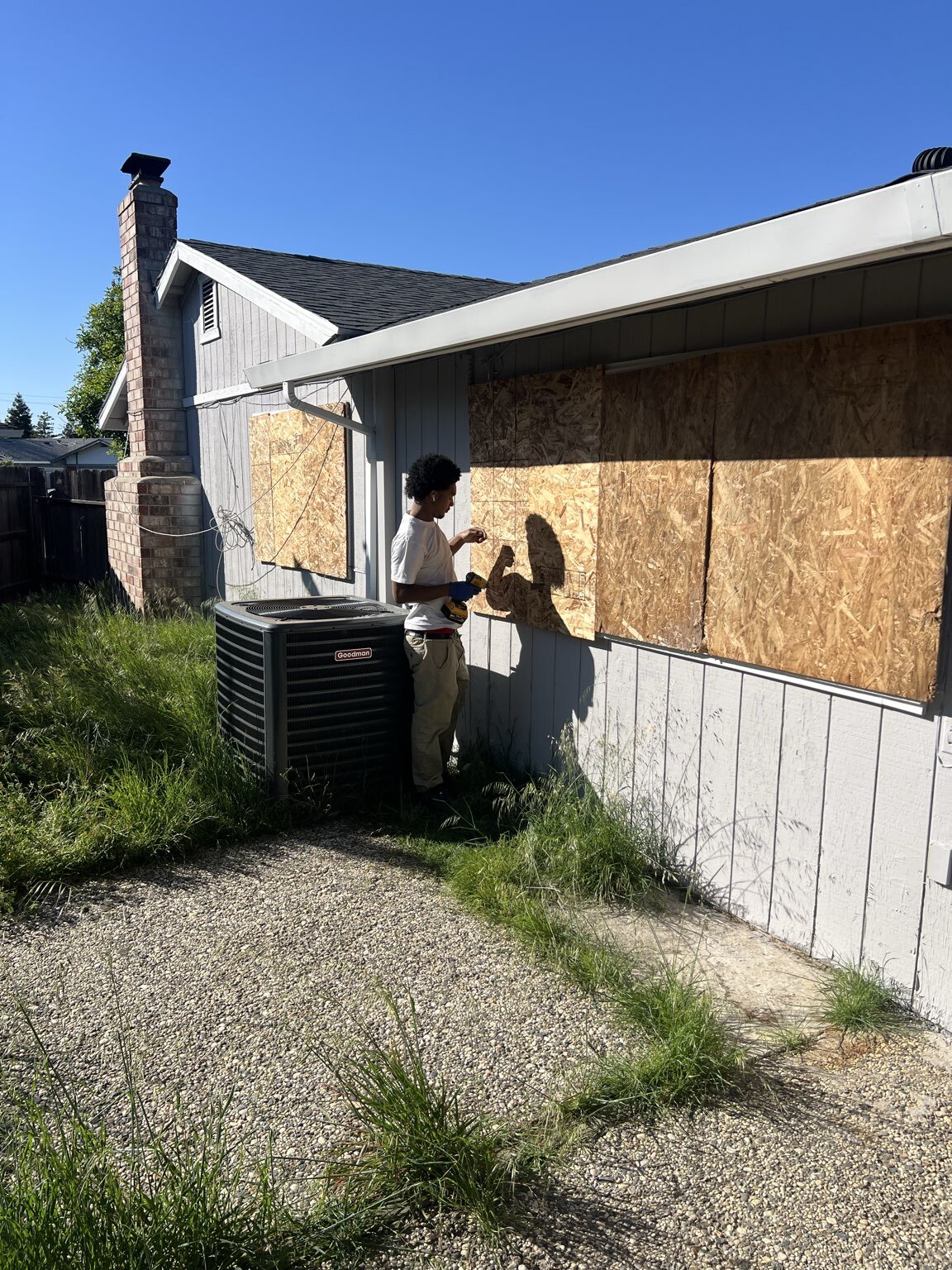
Darren’s experience is based on actual Northern California transactions involving tenants, deferred maintenance, inherited ownership, vacancy, difficult communication, and properties that were not ready for traditional listing photos or repeated buyer showings.
A traditional listing may make sense when the owner has time, repair money, easy access, and a property that can compete well with retail inventory. A local cash buyer may be worth comparing when the priority is certainty, speed, fewer contingencies, or a no-repairs as-is sale.
That comparison can be especially useful when an owner wants to sell a rental property as-is, sell a house with tenants, sell a tenant-occupied house, sell a rental property with tenants, sell a house with a non-paying tenant, sell a rental with a non-paying tenant, or simply sell a house fast without first renovating it for the market.
The practical question is not whether every seller should choose a direct cash buyer. It is whether the net, timeline, workload, and certainty of an as-is cash buyer or local as-is home buyer compare favorably with repairing and listing the Rocklin property.
Not every tenant-occupied transaction becomes simple the moment escrow closes. In this real Sacramento-area case, a tenant broke back into the property after Darren had already purchased it.
This behind-the-scenes video shows why experience matters when selling a difficult property as-is. Unexpected access problems, belongings, deferred repairs, communication issues, tenant concerns, and post-closing complications require practical judgment—not polished promises.
The former owner had already completed the sale. Darren took responsibility for what happened afterward, illustrating one reason a direct cash buyer with real difficult-property experience can be valuable when a Rocklin owner wants to transfer the property as-is and move forward.
Rocklin sellers should not have to rely only on polished claims. These videos show actual tenant-occupied, repair-heavy, and difficult properties Darren has worked with throughout the greater Sacramento region.
See what can happen after a seller transfers a rental as-is. The owner did not have to complete this work before selling, coordinate contractors, or remodel the house to compete for a retail buyer.
This occupied property required substantial work. The seller was able to transfer the house without first removing everything, completing renovations, or making it retail-ready.
Walk through an actual property with Darren and see the kinds of conditions an as-is cash buyer may take on after closing. A Rocklin seller does not have to make the property perfect before comparing a no-repairs as-is sale with a traditional listing.
“The most important proof is not a promise that every property situation will be easy. It is showing that the buyer has already worked through difficult occupants, deferred maintenance, belongings, repairs, and real people who needed a respectful solution.”Darren Brown — Licensed California Broker and Local Cash Buyer
These images come from actual Northern California properties. They demonstrate why some Rocklin owners compare a no-repairs as-is sale with financing repairs, managing contractors, supervising a cleanout, preparing for showings, and waiting for a conventional sale.
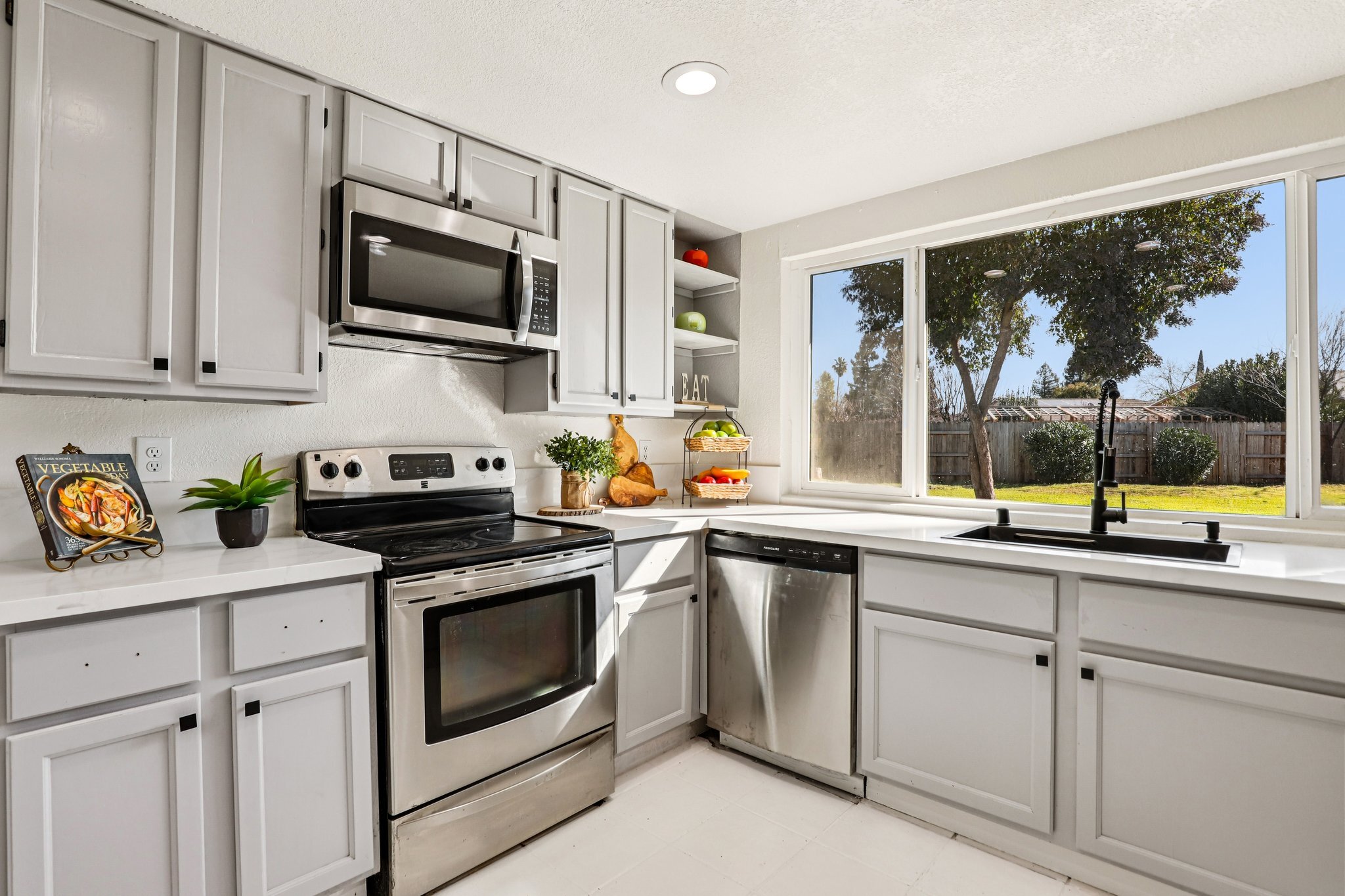
A real occupied-property transaction demonstrating the condition and improvement work a buyer may inherit after the seller closes.
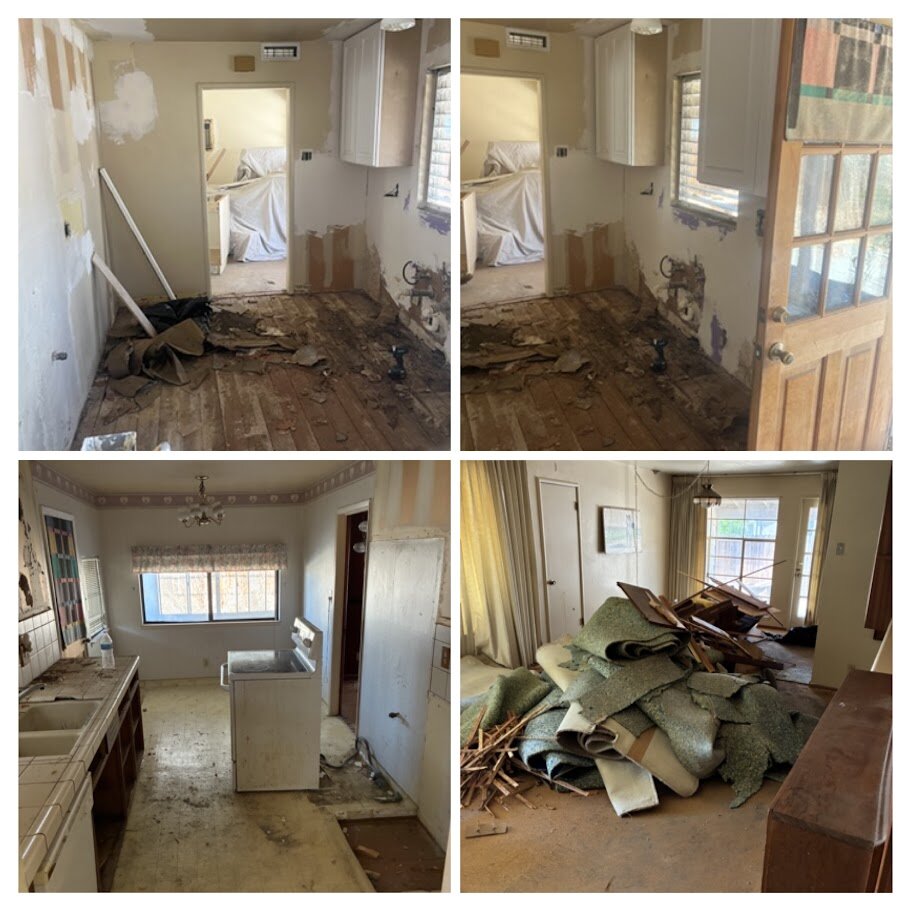
Work that occurred after the purchase—not a list of projects the former owner had to complete before selling.

A property with repairs and deferred maintenance that became a candidate for a direct as-is purchase.
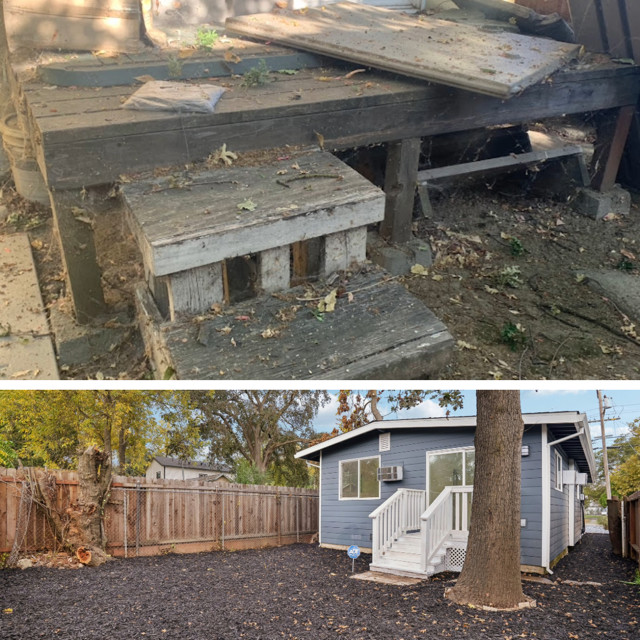
Deferred repairs can become another financial burden when a property no longer fits the owner’s plans or budget.
These sellers describe their own experiences working directly with Darren through real property transactions—useful proof for Rocklin owners comparing a local cash buyer with a traditional listing.
A homeowner shares firsthand feedback about working with Darren during the sale of a property.
Additional seller proof showing the communication, process, and personal experience behind a direct transaction with Darren.
A Rocklin homeowner may be handing over a valuable property, access details, tenant information, repair issues, and years of equity. Before signing an agreement, independently verify the cash buyer’s identity, licensing, professional background, business registration, community involvement, and transaction experience.
Darren Brown combines direct cash-buying experience with a professional California real estate brokerage background.
View Broker Documentation →Veteran-owned service centered on accountability, direct communication, follow-through, and doing what was agreed upon.
View Military Retirement Proof →Darren’s business has documentation supporting its Disabled Veteran Business Enterprise certification.
View DVBE Certification →Sellers can review the California Secretary of State filing associated with Darren’s operating business.
View State Business Filing →Review the independent Better Business Bureau profile for Darren Buys Homes Cash before accepting an offer.
View BBB Business Profile →Darren maintains a public connection to the Sacramento-region professional and business community.
View Chamber Listing →Review additional seller feedback, difficult property situations, and direct as-is sale experiences involving Darren Buys Homes Cash.
Review Seller Testimonials →Examine Darren’s professional background, business identity, and supporting trust documentation in one place.
Review Professional Credentials →Use the Seller Trust Center to evaluate the company, process, proof, and direct cash-buying experience before deciding who to work with.
Visit The Seller Trust Center →Another homeowner explains what it was like to work with Darren. Real seller feedback gives Rocklin property owners a better basis for evaluating a direct cash buyer before making a decision.
The right decision depends on property condition, occupancy, repair costs, title issues, carrying costs, available reserves, timing, and how much additional work the owner is prepared to accept.
This may make sense when the Rocklin owner has adequate reserves, still wants the property, and has a realistic plan for repairs, tenants, maintenance, and future carrying costs.
Some owners invest in repairs, cleanout, staging, and preparation so the property can compete for a traditional retail buyer.
A direct sale may be worth evaluating when the Rocklin owner values certainty, wants to reduce seller workload, or does not want to complete repairs, cleaning, or remodeling before selling.
A Rocklin owner can compare the likely net from a direct as-is cash offer with continuing to hold the property, completing repairs, preparing for showings, paying commissions and concessions, or attempting a traditional listing. The goal is to understand the difference between a cash buyer vs. listing—not to assume one option is automatically better.
Selling a Rocklin house as-is involves more than deciding whether an offer sounds high or low. These six seller resources walk through the complete decision—from understanding current-condition value and cash-offer math to evaluating the buyer, contract certainty and the amount you may actually keep at closing.
Understand what current-condition value means when the house may need repairs, updates, cleanup or other work the next owner will have to absorb.
See how current-condition value, repairs, resale costs, holding expenses, transaction costs and buyer risk can influence an as-is cash offer.
Put two offers side by side and compare expected seller net, proof of funds, earnest money, contingencies, assignment rights, timing and closing certainty.
Understand the difference between a buyer who intends to acquire the property and a transaction model that may involve assigning contractual rights to another investor.
Learn why a signed cash contract may still contain inspection rights, contingencies, due-diligence periods, cancellation provisions or other conditions before closing.
Finish the comparison by accounting for seller-paid costs, repairs, commissions or fees, credits, carrying costs, mortgage payoff, liens and other amounts that can affect final proceeds.
A consistent scorecard makes it easier to compare two proposals without being distracted by one attractive number or one weak term.
Assignment language is not automatically a problem. It is simply something the seller should understand because it can reveal whether the party signing intends to become the owner or may transfer the opportunity to another buyer.
A direct buyer generally signs with the intention of acquiring the property and becoming the owner at closing. The seller can evaluate that buyer’s funds, contract, experience and ability to perform directly.
Some agreements permit assignment. The significance depends on the contract and buyer model. Sellers should understand whether the original buyer remains obligated and what happens if another purchaser ultimately closes.
The useful question is not whether one label is automatically good or bad. It is whether the structure, obligations and transaction certainty match what you want from the sale.
A signed price can still sit inside a contract containing review and cancellation rights.
A buyer may legitimately discover something during due diligence that was not known when the offer was made. That is different from a buyer intentionally offering high with the expectation of reopening obvious property economics later.
The seller cannot eliminate every transaction risk, but the contract can reveal how much discretion the buyer retains after signing and how long that discretion lasts.
When comparing two offers, ask whether either buyer has already evaluated the major condition issues and whether the proposed price assumes the property will be purchased substantially in its current condition.
Two offers can produce similar financial outcomes but fit the seller very differently because of timing, occupancy or possession requirements.
The strongest comparison combines purchase price, transaction expenses, carrying time and contract certainty rather than measuring any one factor alone.
| Comparison | Offer A | Offer B | Seller Decision |
|---|---|---|---|
| Headline Price | Enter contract price | Enter contract price | Establish the starting point. |
| Seller-Paid Costs | Subtract applicable costs | Subtract applicable costs | Compare cost allocation under the actual agreements. |
| Expected Carrying Costs | Estimate through closing | Estimate through closing | Longer timelines can change the economic difference. |
| Expected Net | Calculate approximate proceeds | Calculate approximate proceeds | Compare the amount expected to remain at closing. |
| Buyer Conditions | List unresolved contingencies | List unresolved contingencies | Determine what must still happen before closing. |
| Closing Confidence | Evaluate buyer + contract | Evaluate buyer + contract | Combine funding, deposit, contingencies, experience and cancellation rights. |
| Best Fit | Money + terms + timing | Money + terms + timing | Choose the agreement that best matches the seller’s actual objectives. |
Price deserves serious weight, but sellers should avoid treating it as the only measure of value. A slightly lower offer can sometimes deliver a stronger net, better timing or greater certainty. A higher offer can also be clearly superior when its terms are equally strong. The point is not to prefer lower offers. It is to compare the entire transaction before deciding what “better” actually means.
Seller decisions involving proof of funds, contingencies, assignment and net proceeds are not unique to Rocklin. These nearby resources cover closely related cash-offer decisions.
Review the matching nearby offer-comparison resource covering terms, funding and seller net.
Compare buyer credibility, experience and transaction structure before accepting an offer.
Review price and contract terms as negotiable components of the overall transaction.
Explore another nearby direct-sale resource when comparing local cash-buyer options.
Put the offers side by side. Compare purchase price, expected net, funding, deposit, contingencies, assignment language, closing costs, possession and timing. If you want another proposal to benchmark against an existing offer, compare an as-is cash offer from a local direct cash buyer using the exact same scorecard. The goal is not simply to find the biggest number—it is to choose the transaction that best combines money, terms and the probability of closing.