

Flaum Court Work In Progress
See what can happen after a seller transfers a rental as-is. The owner did not have to complete this work before selling, coordinate contractors, or remodel the house to compete for a retail buyer.
Discovering that an addition, conversion, electrical upgrade, plumbing change or remodel may have been completed without required permits can make a Rocklin sale more complicated—but it does not automatically make the house unsellable. The first step is understanding what work exists, what records are available and how the issue may affect disclosures, inspections, financing and buyer expectations. Then you can compare correcting the issue with selling the house as-is.
A house with unpermitted or uncertain-permit work can still potentially be sold, but the issue should be investigated rather than ignored. Determine what work was performed, review available permit records, disclose known material facts as required, and understand how the condition may affect the buyer’s inspections, appraisal, insurance or financing. Depending on the situation, a seller may choose to investigate corrective permits or repairs, price the property to reflect the uncertainty, or sell directly to an as-is cash buyer willing to evaluate the property in its current condition.
This real Sacramento-region transaction involved approximately $28,000 in code violations along with serious occupancy complications. The property was ultimately sold with those problems still part of the situation.
When permits, prior alterations or property-condition questions exist, experience evaluating difficult as-is properties matters.
But uncertainty should be identified before choosing a sale strategy.
Sellers sometimes discover a permit concern only when preparing to sell. A room may have been added years earlier. A garage may have been converted. Electrical, plumbing or HVAC work may have been completed before the current owner purchased the house.
The fact that a seller cannot immediately locate a permit does not, by itself, establish every fact about the work. The useful first step is to identify what physically exists and compare that with available records.
From there, the seller can better understand whether the issue is documentation, workmanship, safety, valuation, financing—or some combination of those concerns.
That distinction matters because different problems require different solutions.
The significance of any alteration depends on what was done, when it was done, applicable requirements and the actual condition of the work.
Added bedrooms, expanded living areas or other additions may raise questions about approvals, construction and reported square footage.
A garage converted into living space can create questions about use, construction, heating, electrical work and valuation.
Enclosed patios or converted exterior areas may look like interior living space even when their history is unclear.
Panels, circuits, added outlets, rewiring or other electrical alterations can create both documentation and safety questions.
Added bathrooms, relocated fixtures, water lines or drain modifications may deserve closer investigation.
Replacement equipment, added ductwork or heating and cooling changes may have a permit or inspection history worth checking.
Cosmetic work is different from alterations involving walls, electrical systems, plumbing or other regulated components.
Removed walls, altered openings, framing changes and other structural work can deserve particular attention before a sale.
A seller can waste significant money trying to solve the wrong problem. First determine what work exists and what can actually be documented.
Many owners did not personally perform the alteration that later becomes a concern.
A current owner may have purchased a house with an existing converted garage, addition, remodeled bathroom, electrical change or other alteration and assumed the work had been handled correctly.
Years later, a permit question may surface during a resale, inspection, appraisal or review of property records.
Not having performed the work yourself does not mean you should invent its history. Work from what you actually know, gather available documentation and disclose known material information as required for your transaction.
Different buyers, lenders, insurers, appraisers and inspectors may evaluate a questionable alteration differently. That is why the specific facts matter.
There is no single answer for every Rocklin property with questionable or undocumented work. Compare the cost, time, uncertainty and expected seller outcome.
When the economics support it, a seller may investigate what is required to address the work before marketing the property. The scope can depend on the actual alteration and applicable local requirements.
A seller may choose a traditional sale while accounting for known condition and documentation issues in pricing, disclosures and buyer expectations.
When the seller does not want to manage permitting, demolition, reconstruction or another repair project, compare an offer from a local as-is home buyer prepared to evaluate the property in its current condition.
“When someone tells me a house has unpermitted work, I don’t automatically assume the seller needs to tear something out or start spending money. First I want to understand what was actually changed, what records exist and whether the real problem is documentation, condition, financing or safety. Once we know that, we can compare the cost and time of correcting it with simply selling the property as-is. The seller should make that decision with facts—not fear.”
If your Rocklin house has an addition, conversion, remodel or other work with an uncertain permit history, you do not have to automatically begin an expensive correction project before understanding your options. Compare the likely cost, timeline and sale outcome with an as-is cash offer. A local cash buyer can evaluate the property in its existing condition so you can decide whether correcting the work or selling as-is makes more sense for you.
A Rocklin property can become difficult to keep for many reasons: deferred maintenance, tenant problems, an inherited house, vacancy, liens, code concerns, major repairs, rising carrying costs, or simply a change in the owner’s plans. The mortgage, property taxes, insurance, utilities, maintenance, and repair exposure can continue even when the property is no longer serving the owner well.
Some Rocklin owners have the time, reserves, and desire to repair the house and pursue a traditional listing. Others live out of the area, inherited the property, are managing tenants or family occupants, are facing major repair estimates, or simply no longer want to invest more time and money before selling.
A direct as-is sale offers another path. Instead of first trying to create a perfect vacant property, the owner can compare the likely net outcome of continuing to hold the rental against an offer from a buyer who understands tenant-occupied and problem-property transactions.
Darren’s experience is based on actual Northern California transactions involving tenants, deferred maintenance, inherited ownership, vacancy, difficult communication, and properties that were not ready for traditional listing photos or repeated buyer showings.
A traditional listing may make sense when the owner has time, repair money, easy access, and a property that can compete well with retail inventory. A local cash buyer may be worth comparing when the priority is certainty, speed, fewer contingencies, or a no-repairs as-is sale.
That comparison can be especially useful when an owner wants to sell a rental property as-is, sell a house with tenants, sell a tenant-occupied house, sell a rental property with tenants, sell a house with a non-paying tenant, sell a rental with a non-paying tenant, or simply sell a house fast without first renovating it for the market.
The practical question is not whether every seller should choose a direct cash buyer. It is whether the net, timeline, workload, and certainty of an as-is cash buyer or local as-is home buyer compare favorably with repairing and listing the Rocklin property.
Not every tenant-occupied transaction becomes simple the moment escrow closes. In this real Sacramento-area case, a tenant broke back into the property after Darren had already purchased it.
This behind-the-scenes video shows why experience matters when selling a difficult property as-is. Unexpected access problems, belongings, deferred repairs, communication issues, tenant concerns, and post-closing complications require practical judgment—not polished promises.
The former owner had already completed the sale. Darren took responsibility for what happened afterward, illustrating one reason a direct cash buyer with real difficult-property experience can be valuable when a Rocklin owner wants to transfer the property as-is and move forward.
Rocklin sellers should not have to rely only on polished claims. These videos show actual tenant-occupied, repair-heavy, and difficult properties Darren has worked with throughout the greater Sacramento region.
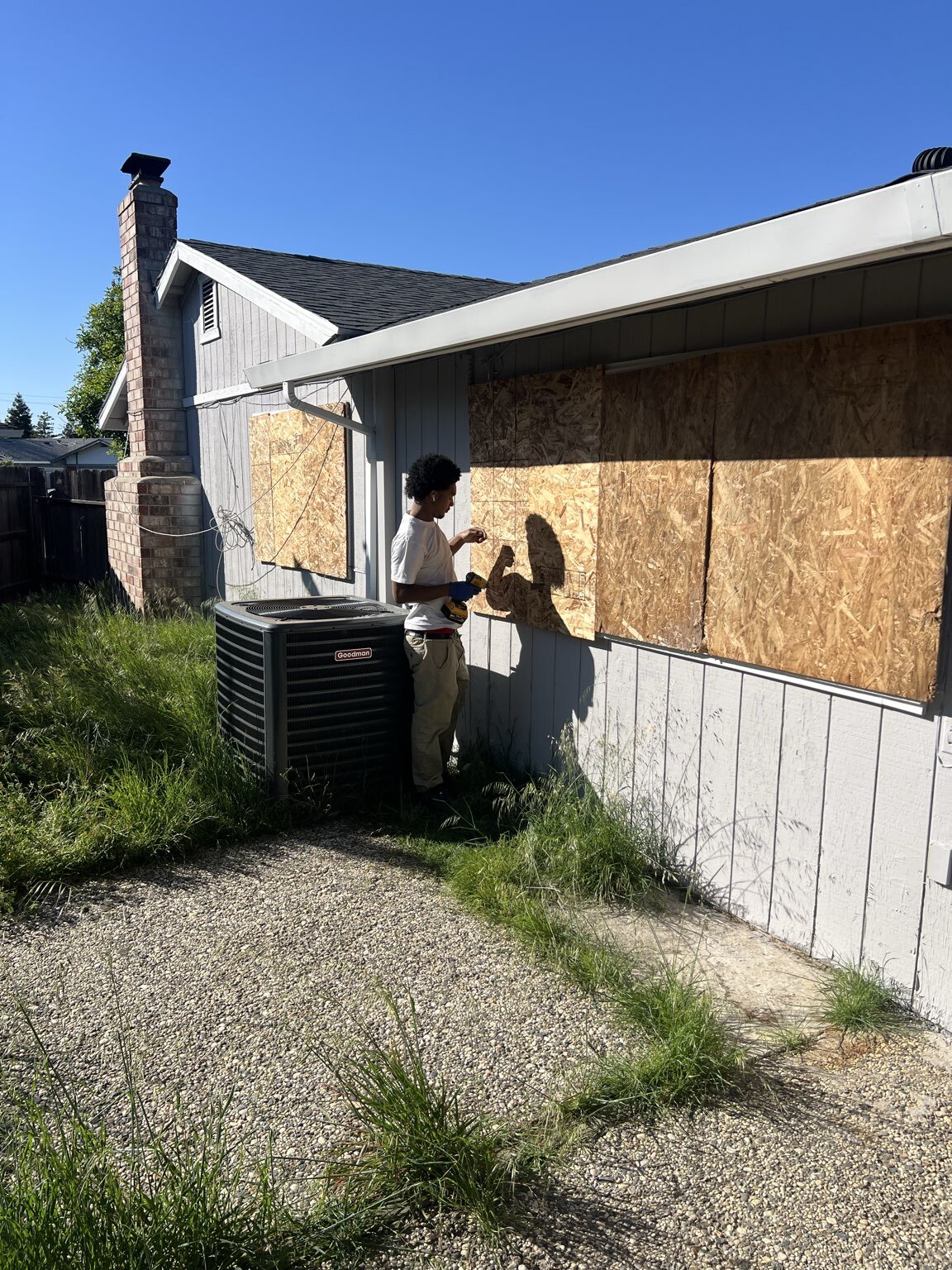
See what can happen after a seller transfers a rental as-is. The owner did not have to complete this work before selling, coordinate contractors, or remodel the house to compete for a retail buyer.
This occupied property required substantial work. The seller was able to transfer the house without first removing everything, completing renovations, or making it retail-ready.
Walk through an actual property with Darren and see the kinds of conditions an as-is cash buyer may take on after closing. A Rocklin seller does not have to make the property perfect before comparing a no-repairs as-is sale with a traditional listing.
“The most important proof is not a promise that every property situation will be easy. It is showing that the buyer has already worked through difficult occupants, deferred maintenance, belongings, repairs, and real people who needed a respectful solution.”Darren Brown — Licensed California Broker and Local Cash Buyer
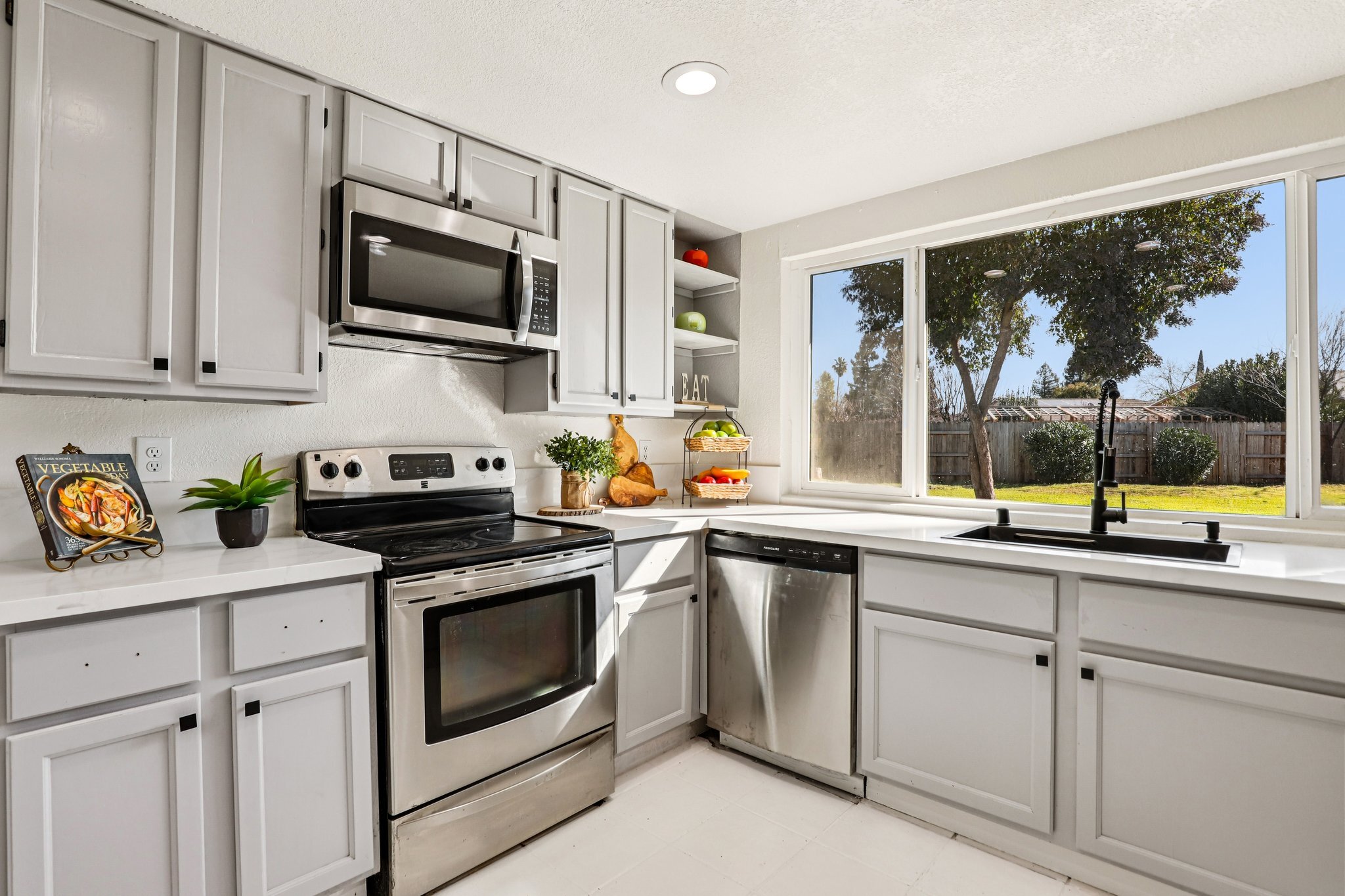
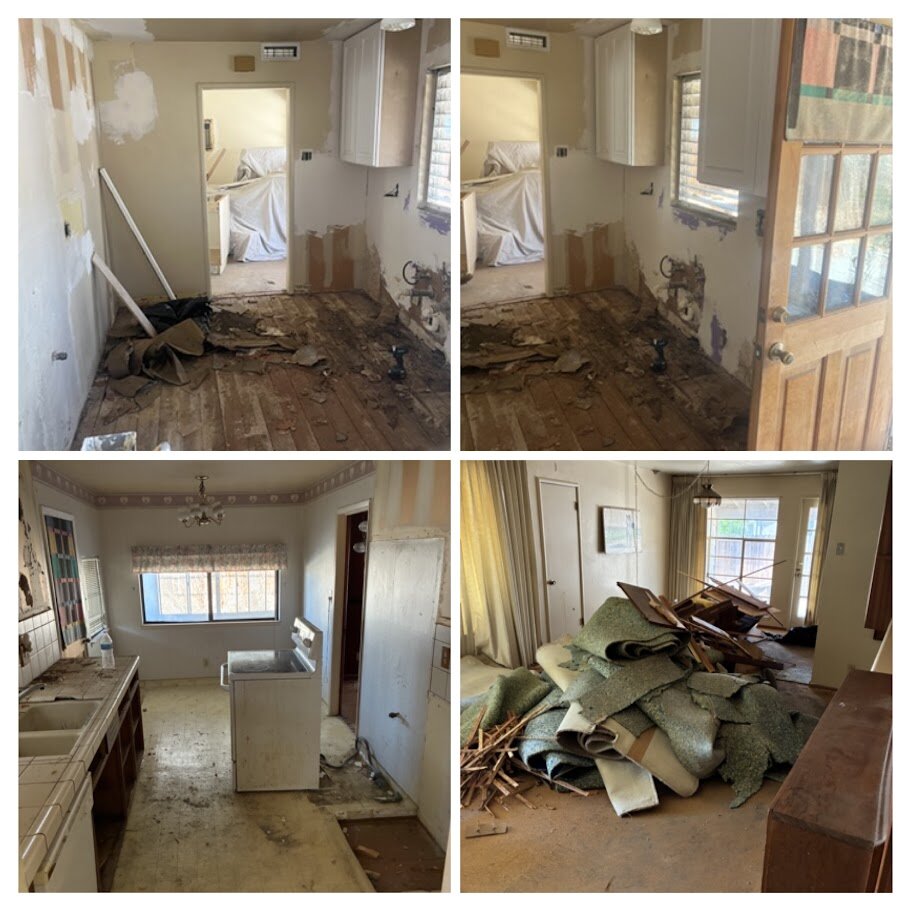
These images come from actual Northern California properties. They demonstrate why some Rocklin owners compare a no-repairs as-is sale with financing repairs, managing contractors, supervising a cleanout, preparing for showings, and waiting for a conventional sale.
A real occupied-property transaction demonstrating the condition and improvement work a buyer may inherit after the seller closes.
Work that occurred after the purchase—not a list of projects the former owner had to complete before selling.
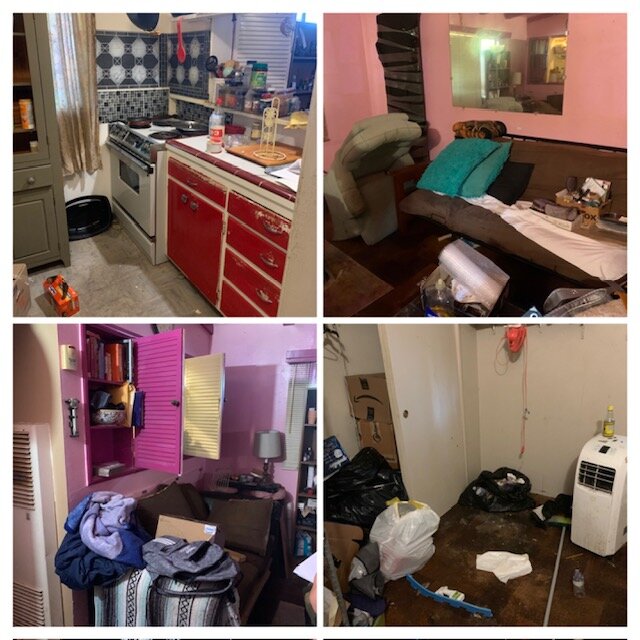
A property with repairs and deferred maintenance that became a candidate for a direct as-is purchase.
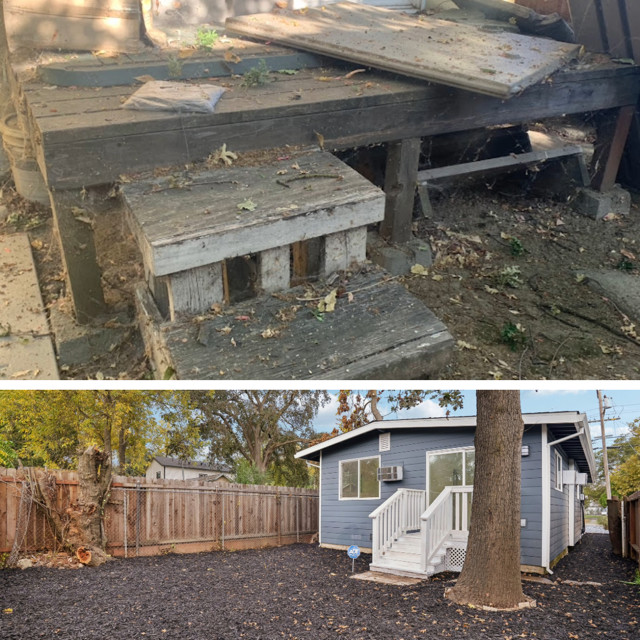
Deferred repairs can become another financial burden when a property no longer fits the owner’s plans or budget.
These sellers describe their own experiences working directly with Darren through real property transactions—useful proof for Rocklin owners comparing a local cash buyer with a traditional listing.
A homeowner shares firsthand feedback about working with Darren during the sale of a property.
Additional seller proof showing the communication, process, and personal experience behind a direct transaction with Darren.
A Rocklin homeowner may be handing over a valuable property, access details, tenant information, repair issues, and years of equity. Before signing an agreement, independently verify the cash buyer’s identity, licensing, professional background, business registration, community involvement, and transaction experience.
Darren Brown combines direct cash-buying experience with a professional California real estate brokerage background.
View Broker Documentation →Veteran-owned service centered on accountability, direct communication, follow-through, and doing what was agreed upon.
View Military Retirement Proof →Darren’s business has documentation supporting its Disabled Veteran Business Enterprise certification.
View DVBE Certification →Sellers can review the California Secretary of State filing associated with Darren’s operating business.
View State Business Filing →Review the independent Better Business Bureau profile for Darren Buys Homes Cash before accepting an offer.
View BBB Business Profile →Darren maintains a public connection to the Sacramento-region professional and business community.
View Chamber Listing →Review additional seller feedback, difficult property situations, and direct as-is sale experiences involving Darren Buys Homes Cash.
Review Seller Testimonials →Examine Darren’s professional background, business identity, and supporting trust documentation in one place.
Review Professional Credentials →Use the Seller Trust Center to evaluate the company, process, proof, and direct cash-buying experience before deciding who to work with.
Visit The Seller Trust Center →Another homeowner explains what it was like to work with Darren. Real seller feedback gives Rocklin property owners a better basis for evaluating a direct cash buyer before making a decision.
The right decision depends on property condition, occupancy, repair costs, title issues, carrying costs, available reserves, timing, and how much additional work the owner is prepared to accept.
This may make sense when the Rocklin owner has adequate reserves, still wants the property, and has a realistic plan for repairs, tenants, maintenance, and future carrying costs.
Some owners invest in repairs, cleanout, staging, and preparation so the property can compete for a traditional retail buyer.
A direct sale may be worth evaluating when the Rocklin owner values certainty, wants to reduce seller workload, or does not want to complete repairs, cleaning, or remodeling before selling.
A Rocklin owner can compare the likely net from a direct as-is cash offer with continuing to hold the property, completing repairs, preparing for showings, paying commissions and concessions, or attempting a traditional listing. The goal is to understand the difference between a cash buyer vs. listing—not to assume one option is automatically better.
A vacant house, major repairs, a difficult inspection, financing problems, a failed listing and unpermitted work can all change the best way to sell. Use these six Rocklin seller guides to understand the problem first—then compare repairing, listing or selling the property as-is to a local cash buyer.
Learn how to evaluate an empty Rocklin property when carrying costs, maintenance, security, insurance or deferred repairs make continued ownership less attractive.
Compare repair costs, carrying time and potential resale value before deciding whether improvements are worth completing—or whether a no-repairs as-is sale makes more financial sense.
Understand what can happen when an inspection uncovers roof, electrical, plumbing, structural, HVAC, moisture or other significant condition problems before closing.
See why certain property-condition issues can create problems for financed buyers—and how selling directly to a cash buyer changes the financing dependency.
If the first attempt did not produce a closing, identify whether price, condition, buyer financing, repairs or marketability prevented the property from selling—and evaluate the next strategy.
Learn how to approach additions, conversions, remodels or other alterations when permit history is uncertain—and compare correction costs with selling the house in its existing condition.
These problems often overlap. A vacant property may need repairs. Repairs may appear during inspection. Inspection issues can interfere with financing. Financing failures can cause a listing to fall apart. And sometimes the underlying problem involves older or unpermitted work. The goal is to understand the complete obstacle before deciding how much additional time and money to put into the property.
Before deciding to repair, legalize, remove or sell as-is, determine what type of problem actually exists.
The physical alteration exists, but the seller cannot locate documentation showing its permit or inspection history.
The work itself may have visible defects, unsafe installation, deterioration or workmanship concerns independent of permit status.
The alteration may create questions for buyers, inspectors, appraisers, insurers or lenders during a traditional sale.
Buyers may discount the property because they are assuming future investigation, correction or reconstruction costs.
Do not assume the only cost is an application fee.
Depending on the work and applicable requirements, addressing an older alteration may involve more than locating paperwork. Plans, professional evaluations, inspections, access to concealed work, corrections or reconstruction may become part of the process.
That does not mean every permit question becomes an expensive project. It means sellers should avoid committing money until they understand the likely scope.
If the seller is considering corrective work specifically to make the house easier to sell, the financial test is the same one used for other major repairs: what is the expected improvement in seller net after the complete cost, time and uncertainty are included?
Sellers sometimes hear broad statements about old work being automatically accepted because it has existed for years. The safer approach is to verify the actual property and applicable local requirements.
Good information reduces uncertainty. The goal is not to create a story about old work; it is to accurately organize the facts and documents that actually exist.
The alteration still matters regardless of how the buyer pays. The difference is how many additional transaction dependencies exist between contract and closing.
| Consideration | Traditional Financed Buyer | Direct As-Is Cash Buyer |
|---|---|---|
| Property Condition | Buyer evaluates the work and may also need the property to satisfy the requirements of the planned financing. | Buyer evaluates repair, documentation and resale risk directly in the purchase decision. |
| Appraisal | The appraisal may raise questions involving condition, use, value or reported living area. | A direct cash purchase is not dependent on a lender’s mortgage appraisal for loan approval. |
| Insurance | Buyer may need acceptable insurance as part of the financing process. | Mortgage-related insurance approval is not a buyer financing dependency, although property risk still matters. |
| Repair Requests | Buyer may request investigation, corrections or other negotiated changes depending on the transaction. | An experienced as-is buyer may price the future work into the offer and handle it after closing. |
| Seller Work Before Closing | May become necessary depending on the buyer, financing and findings. | Can potentially be minimized when the buyer knowingly purchases the property in its existing condition. |
| Disclosure | Known material facts still matter. | Known material facts still matter. Cash does not eliminate seller disclosure obligations. |
Buyers often react strongly to unpermitted work because they do not yet know the eventual cost. The best seller response is not to minimize the issue or panic over it. Reduce uncertainty where practical. Identify the work, verify available records, understand the condition and then decide whether correcting the problem creates enough value to justify the project.
Permit questions often overlap with repairs, financing and as-is sale decisions. These live nearby resources provide additional options for owners facing similar problems.
Review the nearby Roseville resource specifically addressing unpermitted additions, conversions and other prior alterations.
Compare a direct-sale path when property condition, documentation or repair uncertainty makes a conventional sale more complicated.
Review nearby Lincoln options when the seller wants to avoid taking on another repair or correction project before selling.
Compare correcting major property problems with selling directly in the home’s existing condition.
Identify what work exists, check available records and understand the likely cost of correcting the issue before committing to a major project. If the time, expense or uncertainty does not fit your plans, compare selling the Rocklin house directly to a local cash buyer. An as-is cash offer gives you another path to evaluate without automatically making every alteration perfect before the sale.