

Flaum Court Work In Progress
See what can happen after a seller transfers a rental as-is. The owner did not have to complete this work before selling, coordinate contractors, or remodel the house to compete for a retail buyer.
An empty house may look easier to sell because there are no tenants to coordinate, but vacancy creates its own decisions. Repairs, cleanup, insurance, utilities, landscaping, security and monthly carrying costs continue while the property sits. If you own a vacant house in Rocklin, you can compare preparing it for a traditional listing with selling the house as-is to a local cash buyer without completing the repairs first.
You do not automatically have to renovate, repaint, replace flooring, update the kitchen or correct every deferred-maintenance item before selling a vacant house. One option is to estimate what repairs could add to the property’s eventual net proceeds. Another is to compare that result with an as-is cash offer based on the house in its current condition. The better choice depends on the cost of the work, time required, expected resale improvement and what the vacant property costs you while you wait.
This real Sacramento-area property walkthrough shows the condition of a vacant former rental and the work involved in changing that condition. For a seller, the important question is not whether a house can be improved. It is whether taking on that work before selling makes financial sense.
Before accepting an as-is cash offer, verify the buyer’s identity, licensing where applicable, business history, seller reviews and evidence of completed transactions. Speed matters much less if the buyer cannot close.
Vacancy removes tenant coordination, but it does not stop ownership. The property still has to be protected, maintained and paid for while the seller decides what to do next.
Mortgage payments, property taxes, insurance, utilities and other ownership expenses do not stop simply because nobody is living in the house.
A leak, plumbing problem, HVAC issue or electrical failure may sit longer in an unoccupied property before someone notices it.
An obviously vacant property may require additional attention to doors, windows, access, mail, exterior appearance and general security.
Landscaping, weeds, leaves and exterior maintenance can quickly make an empty property look neglected.
Vacancy does not improve an aging roof, worn flooring, damaged drywall, old fixtures or a kitchen that needs substantial work.
Property owners should tell their insurance professional when occupancy changes and confirm that the coverage still fits the property’s current use and vacancy status.
Every additional month should be measured against what waiting is expected to accomplish.
In many cases, improving a vacant house can increase the eventual sale price. But an increased sale price is not automatically the same as increased profit.
The owner may first have to pay contractors, materials, utilities, insurance, taxes, landscaping and other carrying expenses. There is also the time required to manage the work and the possibility that additional problems are discovered once repairs begin.
The better question is: After paying for the work and carrying the property until it sells, how much additional money is likely to remain in your pocket?
Neither path is automatically better. The right choice depends on the condition of the house, your available capital, your timeline and the difference between the projected net proceeds.
Preparing the house for the retail market may be worthwhile when the likely improvement in net proceeds substantially exceeds the cost and inconvenience of doing the work.
A direct sale to an as-is cash buyer can be considered when the seller would rather transfer the property than manage another repair project.
A seller comparing an as-is cash offer with a traditional listing should put both options on the same sheet of paper.
Start with what you expect to receive, then subtract what each path requires you to spend or risk before the money reaches you.
Depending on the buyer and the property, a direct as-is sale can be evaluated even when the house has significant deferred maintenance or needs substantial cosmetic work.
Worn flooring, old paint, dated kitchens, damaged drywall and cosmetic deterioration.
HVAC, plumbing, electrical, water heater or other systems that need further evaluation or work.
Landscaping, fencing, exterior surfaces, roof concerns and general neglect from prolonged vacancy.
Furniture, debris or unwanted belongings may be something to discuss with the buyer rather than automatically removing everything first.
“When I look at a vacant house that needs work, I don’t assume the seller should repair it and I don’t assume they should sell it as-is. I want to know what the work will cost, how long it will take and what the house should realistically be worth afterward. If spending the money clearly puts substantially more money in the seller’s pocket, that matters. If it mostly creates another project and several months of carrying costs, an as-is sale deserves a serious comparison.”
You do not have to commit to selling just because you request an offer. Knowing what a verified local as-is cash buyer would pay for the house today gives you another number to compare with the cost, time and projected net proceeds of repairing and traditionally listing the property.
A Rocklin property can become difficult to keep for many reasons: deferred maintenance, tenant problems, an inherited house, vacancy, liens, code concerns, major repairs, rising carrying costs, or simply a change in the owner’s plans. The mortgage, property taxes, insurance, utilities, maintenance, and repair exposure can continue even when the property is no longer serving the owner well.
Some Rocklin owners have the time, reserves, and desire to repair the house and pursue a traditional listing. Others live out of the area, inherited the property, are managing tenants or family occupants, are facing major repair estimates, or simply no longer want to invest more time and money before selling.
A direct as-is sale offers another path. Instead of first trying to create a perfect vacant property, the owner can compare the likely net outcome of continuing to hold the rental against an offer from a buyer who understands tenant-occupied and problem-property transactions.
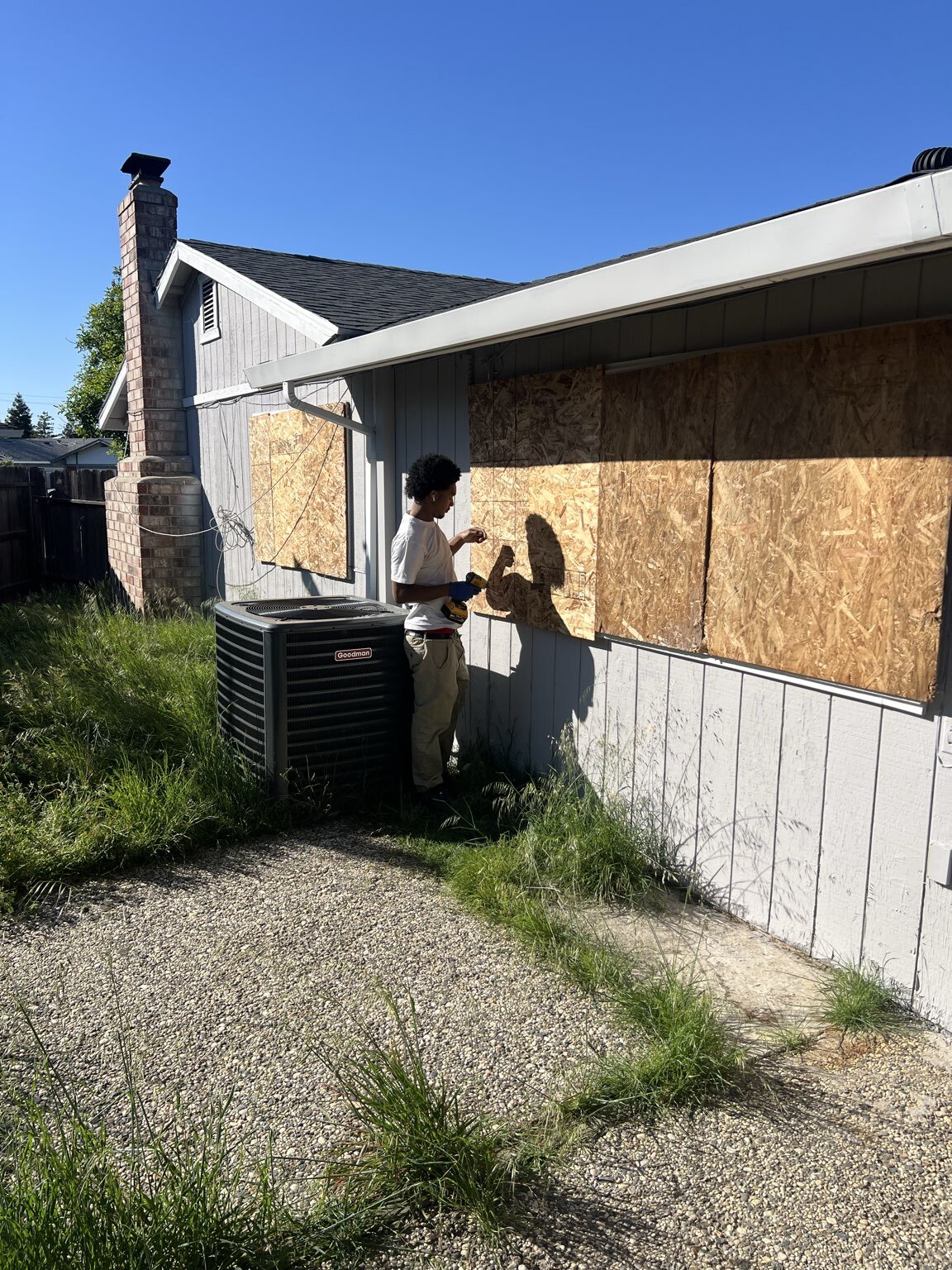
Darren’s experience is based on actual Northern California transactions involving tenants, deferred maintenance, inherited ownership, vacancy, difficult communication, and properties that were not ready for traditional listing photos or repeated buyer showings.
A traditional listing may make sense when the owner has time, repair money, easy access, and a property that can compete well with retail inventory. A local cash buyer may be worth comparing when the priority is certainty, speed, fewer contingencies, or a no-repairs as-is sale.
That comparison can be especially useful when an owner wants to sell a rental property as-is, sell a house with tenants, sell a tenant-occupied house, sell a rental property with tenants, sell a house with a non-paying tenant, sell a rental with a non-paying tenant, or simply sell a house fast without first renovating it for the market.
The practical question is not whether every seller should choose a direct cash buyer. It is whether the net, timeline, workload, and certainty of an as-is cash buyer or local as-is home buyer compare favorably with repairing and listing the Rocklin property.
Not every tenant-occupied transaction becomes simple the moment escrow closes. In this real Sacramento-area case, a tenant broke back into the property after Darren had already purchased it.
This behind-the-scenes video shows why experience matters when selling a difficult property as-is. Unexpected access problems, belongings, deferred repairs, communication issues, tenant concerns, and post-closing complications require practical judgment—not polished promises.
The former owner had already completed the sale. Darren took responsibility for what happened afterward, illustrating one reason a direct cash buyer with real difficult-property experience can be valuable when a Rocklin owner wants to transfer the property as-is and move forward.
Rocklin sellers should not have to rely only on polished claims. These videos show actual tenant-occupied, repair-heavy, and difficult properties Darren has worked with throughout the greater Sacramento region.
See what can happen after a seller transfers a rental as-is. The owner did not have to complete this work before selling, coordinate contractors, or remodel the house to compete for a retail buyer.
This occupied property required substantial work. The seller was able to transfer the house without first removing everything, completing renovations, or making it retail-ready.
Walk through an actual property with Darren and see the kinds of conditions an as-is cash buyer may take on after closing. A Rocklin seller does not have to make the property perfect before comparing a no-repairs as-is sale with a traditional listing.
“The most important proof is not a promise that every property situation will be easy. It is showing that the buyer has already worked through difficult occupants, deferred maintenance, belongings, repairs, and real people who needed a respectful solution.”Darren Brown — Licensed California Broker and Local Cash Buyer
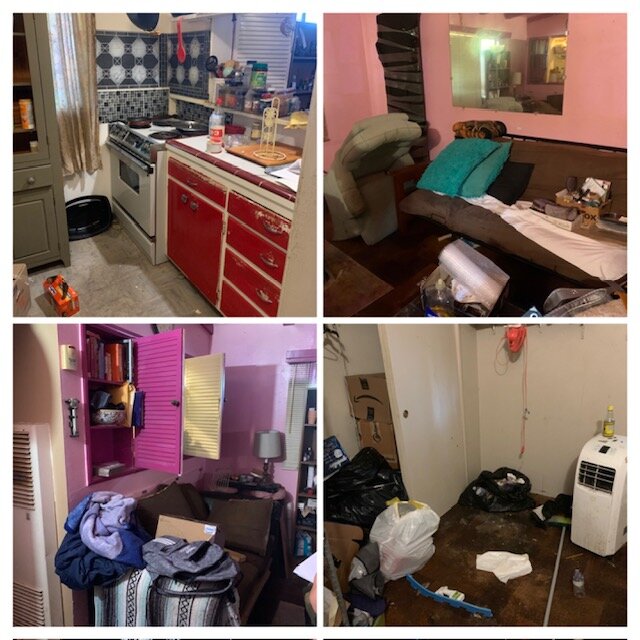
These images come from actual Northern California properties. They demonstrate why some Rocklin owners compare a no-repairs as-is sale with financing repairs, managing contractors, supervising a cleanout, preparing for showings, and waiting for a conventional sale.
A real occupied-property transaction demonstrating the condition and improvement work a buyer may inherit after the seller closes.
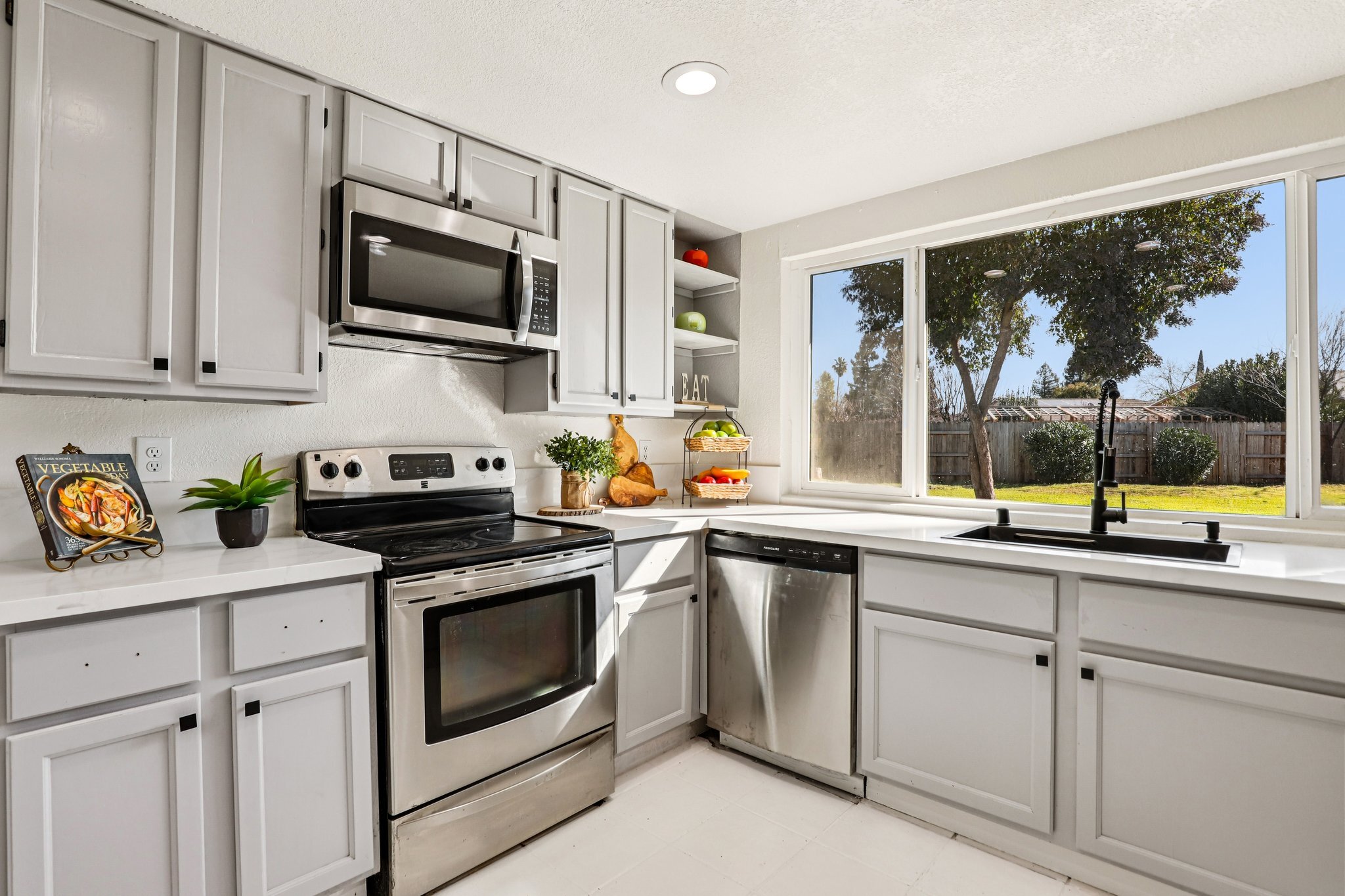
Work that occurred after the purchase—not a list of projects the former owner had to complete before selling.
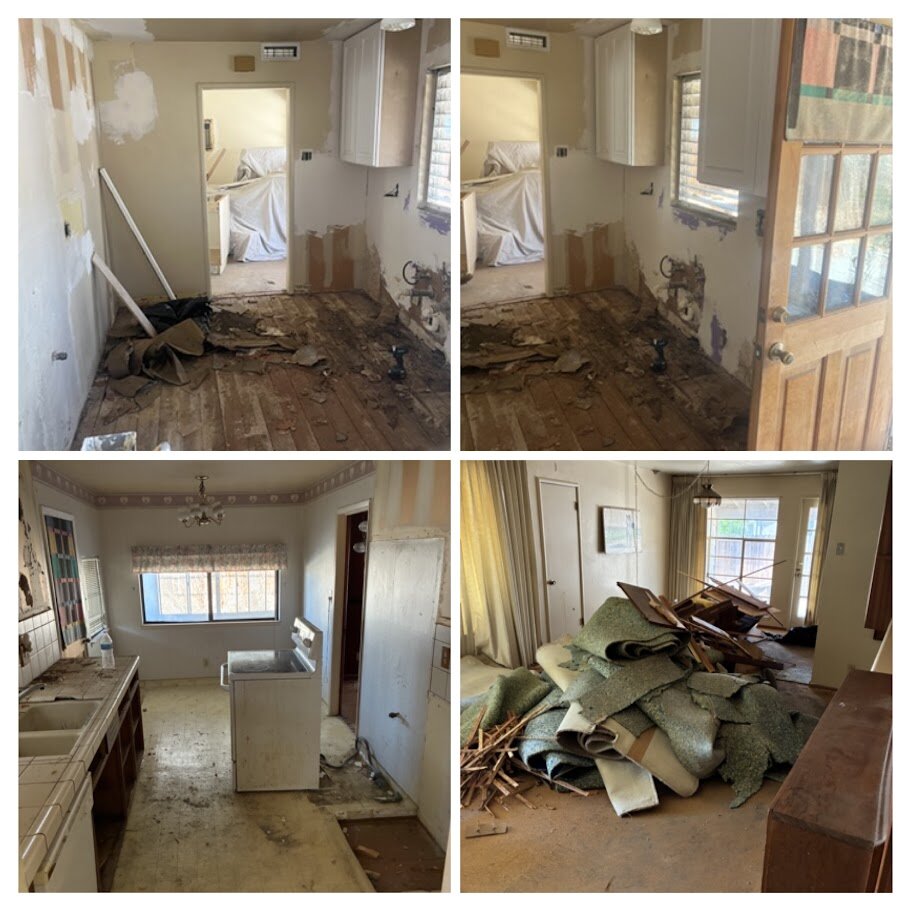
A property with repairs and deferred maintenance that became a candidate for a direct as-is purchase.
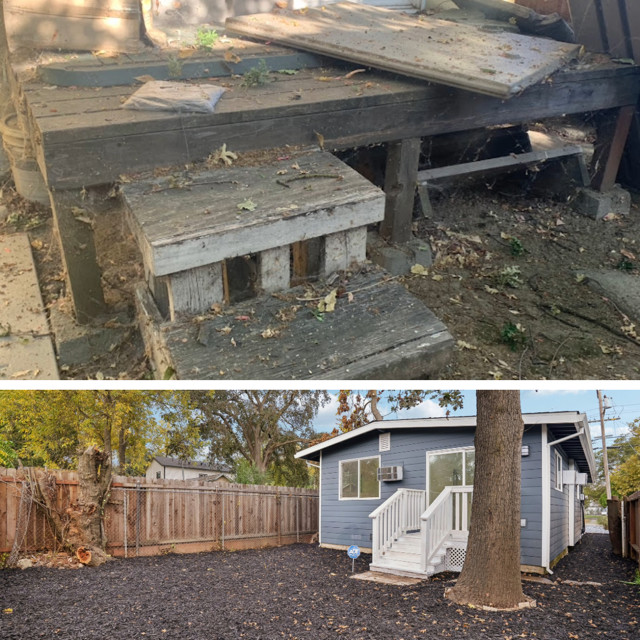
Deferred repairs can become another financial burden when a property no longer fits the owner’s plans or budget.
These sellers describe their own experiences working directly with Darren through real property transactions—useful proof for Rocklin owners comparing a local cash buyer with a traditional listing.
A homeowner shares firsthand feedback about working with Darren during the sale of a property.
Additional seller proof showing the communication, process, and personal experience behind a direct transaction with Darren.
A Rocklin homeowner may be handing over a valuable property, access details, tenant information, repair issues, and years of equity. Before signing an agreement, independently verify the cash buyer’s identity, licensing, professional background, business registration, community involvement, and transaction experience.
Darren Brown combines direct cash-buying experience with a professional California real estate brokerage background.
View Broker Documentation →Veteran-owned service centered on accountability, direct communication, follow-through, and doing what was agreed upon.
View Military Retirement Proof →Darren’s business has documentation supporting its Disabled Veteran Business Enterprise certification.
View DVBE Certification →Sellers can review the California Secretary of State filing associated with Darren’s operating business.
View State Business Filing →Review the independent Better Business Bureau profile for Darren Buys Homes Cash before accepting an offer.
View BBB Business Profile →Darren maintains a public connection to the Sacramento-region professional and business community.
View Chamber Listing →Review additional seller feedback, difficult property situations, and direct as-is sale experiences involving Darren Buys Homes Cash.
Review Seller Testimonials →Examine Darren’s professional background, business identity, and supporting trust documentation in one place.
Review Professional Credentials →Use the Seller Trust Center to evaluate the company, process, proof, and direct cash-buying experience before deciding who to work with.
Visit The Seller Trust Center →Another homeowner explains what it was like to work with Darren. Real seller feedback gives Rocklin property owners a better basis for evaluating a direct cash buyer before making a decision.
The right decision depends on property condition, occupancy, repair costs, title issues, carrying costs, available reserves, timing, and how much additional work the owner is prepared to accept.
This may make sense when the Rocklin owner has adequate reserves, still wants the property, and has a realistic plan for repairs, tenants, maintenance, and future carrying costs.
Some owners invest in repairs, cleanout, staging, and preparation so the property can compete for a traditional retail buyer.
A direct sale may be worth evaluating when the Rocklin owner values certainty, wants to reduce seller workload, or does not want to complete repairs, cleaning, or remodeling before selling.
A Rocklin owner can compare the likely net from a direct as-is cash offer with continuing to hold the property, completing repairs, preparing for showings, paying commissions and concessions, or attempting a traditional listing. The goal is to understand the difference between a cash buyer vs. listing—not to assume one option is automatically better.
A vacant house, major repairs, a difficult inspection, financing problems, a failed listing and unpermitted work can all change the best way to sell. Use these six Rocklin seller guides to understand the problem first—then compare repairing, listing or selling the property as-is to a local cash buyer.
Learn how to evaluate an empty Rocklin property when carrying costs, maintenance, security, insurance or deferred repairs make continued ownership less attractive.
Compare repair costs, carrying time and potential resale value before deciding whether improvements are worth completing—or whether a no-repairs as-is sale makes more financial sense.
Understand what can happen when an inspection uncovers roof, electrical, plumbing, structural, HVAC, moisture or other significant condition problems before closing.
See why certain property-condition issues can create problems for financed buyers—and how selling directly to a cash buyer changes the financing dependency.
If the first attempt did not produce a closing, identify whether price, condition, buyer financing, repairs or marketability prevented the property from selling—and evaluate the next strategy.
Learn how to approach additions, conversions, remodels or other alterations when permit history is uncertain—and compare correction costs with selling the house in its existing condition.
These problems often overlap. A vacant property may need repairs. Repairs may appear during inspection. Inspection issues can interfere with financing. Financing failures can cause a listing to fall apart. And sometimes the underlying problem involves older or unpermitted work. The goal is to understand the complete obstacle before deciding how much additional time and money to put into the property.
Once a Rocklin house is empty, the seller has more control over access, repairs and timing. That does not mean every vacant property should be renovated. The goal is to choose the path that produces the best combination of net proceeds, certainty and effort for your situation.
Invest in the property before putting it in front of traditional owner-occupant buyers.
Expose the property to the market without completing all of the improvements first.
Compare a direct purchase from a local cash buyer willing to evaluate the current condition.
An empty property can be easy to access and still have condition issues that affect which buyers are willing—or able—to purchase it.
This becomes increasingly important when deferred maintenance goes beyond cosmetics.
A dated kitchen is different from an active roof leak. Old carpet is different from significant structural deterioration. Sellers should distinguish cosmetic work from issues that may affect inspections, lender requirements, insurance or buyer confidence.
A vacant house may attract buyers and still encounter problems later in the transaction.
Traditional transactions can involve inspections, appraisal, insurance and lender requirements. A buyer may become uncomfortable after learning the true extent of the repairs, or financing may become more difficult depending on the property’s condition and loan program.
That does not mean every imperfect property is unfinanceable. It means sellers should understand that serious condition issues can affect the pool of buyers and the certainty of reaching closing.
When the house needs substantial work, comparing a direct cash buyer can provide another path because the purchase is not dependent on that buyer obtaining a traditional mortgage for the property.
A seller does not need a perfect renovation budget to make a better decision. A realistic range for the major costs is often enough to compare the available paths.
A vacant house often creates an immediate urge to “fix everything before we sell.” Sometimes that is exactly the right decision. But repairs should be an investment, not an automatic ritual. If $50,000 of work, several months of carrying costs and substantial seller effort are expected to produce only a modest improvement in net proceeds, the renovation may not be buying the seller very much. Run the numbers before hiring the contractors.
Vacant Rocklin homes can range from clean, move-in-ready properties to houses that have been empty for an extended period and need significant work. The sale strategy should reflect the actual condition and the seller’s priorities.
If the house is fundamentally sound and needs only modest cosmetic preparation, broad retail exposure may be worth considering.
As the repair budget and project timeline grow, the difference between gross sale price and actual seller net becomes increasingly important.
Inspection, financing, insurance, code or permit concerns may require a different buyer profile than a typical move-in-ready Rocklin home.
Owners in nearby communities face the same basic decision: repair the house first, list it in its current condition or compare a direct as-is cash sale.
Explore vacant-property options for nearby Roseville homeowners who do not want to complete repairs before selling.
Compare repair, listing and direct-sale options for an empty Auburn property.
Review nearby Lincoln options when an empty house needs repairs, cleanup or a simpler sale.
Continue into the broader Sacramento vacant-property resource for owners comparing a traditional sale with an as-is exit.
Your vacant Rocklin house does not have to be renovated, staged or made perfect before you can explore a sale. Compare the cost of repairs, the months required to complete them and the likely traditional-sale net with an as-is cash offer. If selling directly to a local cash buyer makes more sense, the buyer can take responsibility for the property and its future repairs after closing. If repairing and listing clearly leaves you with more, you will know that too.