

Flaum Court Work In Progress
See what can happen after a seller transfers a rental as-is. The owner did not have to complete this work before selling, coordinate contractors, or remodel the house to compete for a retail buyer.
A Rocklin house with squatters or unauthorized occupants can become difficult to manage long before the owner is ready to sell. Access may be uncertain. Property condition can deteriorate. Utilities, insurance, code issues, security and carrying costs may continue while the occupancy problem remains unresolved. Depending on the facts, an owner may be able to compare selling the house as-is with the occupants still there instead of assuming every problem must be solved before a sale can even be considered.
A squatter or unauthorized-occupant problem does not necessarily mean the owner must complete every possession, cleanout and repair step before exploring a sale. A buyer experienced with difficult occupied properties may evaluate the occupancy, access, condition and property risk together and make an as-is offer based on the situation that exists today. The sale itself does not automatically remove occupants or replace any legal process that may apply, so the exact occupancy facts still matter.
This Sacramento-area property involved squatters, another occupant who would not leave, unlawful-detainer complications and major code-enforcement pressure. It is a real example of how an occupancy problem can become a property-condition and financial problem at the same time.
Squatter situations can involve uncertain access, possession questions, repairs and significant financial risk. Verify the buyer’s identity, licensing, business credentials and real seller history before transferring responsibility for a complicated property.
Owners often focus on getting the occupants out. But while possession remains unresolved, other risks can continue growing around the property.
The owner may have difficulty seeing the interior condition or coordinating normal property access.
Broken fixtures, debris, neglected maintenance or other physical problems may worsen over time.
Doors, windows, utilities and unauthorized entry can become continuing concerns.
Property-condition complaints, municipal issues or insurance questions can add another layer of pressure.
Taxes, insurance, financing and other ownership expenses continue while the problem remains unresolved.
An owner can have clear title to the real estate while still dealing with someone physically occupying the property.
A traditional retail buyer may expect vacant possession, predictable access, inspections and a property that can be safely shown. That can make a squatter-occupied house difficult to sell through an ordinary retail process.
A specialized as-is cash buyer may evaluate the situation differently. Instead of assuming the owner will first deliver a cleaned, repaired and vacant house, the buyer can consider the occupancy and physical condition as part of the acquisition risk.
That does not eliminate whatever legal rights or procedures apply to the occupants. It changes the question from “How do I make this property retail-ready?” to “What is this property worth in the condition and occupancy situation it is in today?”
“Squatter” is often used broadly. The actual facts may involve a former tenant, unauthorized roommate, family member, holdover occupant, unknown person or someone claiming permission to be there.
Those distinctions can matter. A seller does not need to diagnose the legal status alone, but should gather the occupancy history before deciding what to do next.
The correct strategy depends on the occupancy facts, property condition, seller’s financial position and how much additional responsibility the owner wants to carry.
If the owner still wants the property, resolving possession and returning it to productive use may be the right long-term decision.
The owner may choose to obtain possession, secure the property, remove debris, complete repairs and then expose the house to the traditional market.
A direct buyer experienced with difficult occupancy may consider the property before the seller completes every cleanout, repair and possession step.
The value of an as-is sale is not that the underlying problems magically vanish. It is that the seller may be able to transfer a difficult property without first turning it into a normal retail listing.
“With a squatter property, I don’t assume the owner has to spend months solving every problem before we can even talk about buying it. First I want to understand who is there, what the owner knows about the occupancy, whether we can see the property, what condition it may be in and what has already happened. Then we can put a number on the property as it sits and let the seller compare that with the time, money and uncertainty of handling everything first.”
If squatters, unauthorized occupants, property damage or uncertain access are making the house difficult to manage, you can compare the projected cost of resolving and preparing everything yourself with a direct as-is cash offer. A local as-is home buyer can evaluate the property based on its current condition rather than requiring you to make it retail-ready first.
A Rocklin property can become difficult to keep for many reasons: deferred maintenance, tenant problems, an inherited house, vacancy, liens, code concerns, major repairs, rising carrying costs, or simply a change in the owner’s plans. The mortgage, property taxes, insurance, utilities, maintenance, and repair exposure can continue even when the property is no longer serving the owner well.
Some Rocklin owners have the time, reserves, and desire to repair the house and pursue a traditional listing. Others live out of the area, inherited the property, are managing tenants or family occupants, are facing major repair estimates, or simply no longer want to invest more time and money before selling.
A direct as-is sale offers another path. Instead of first trying to create a perfect vacant property, the owner can compare the likely net outcome of continuing to hold the rental against an offer from a buyer who understands tenant-occupied and problem-property transactions.
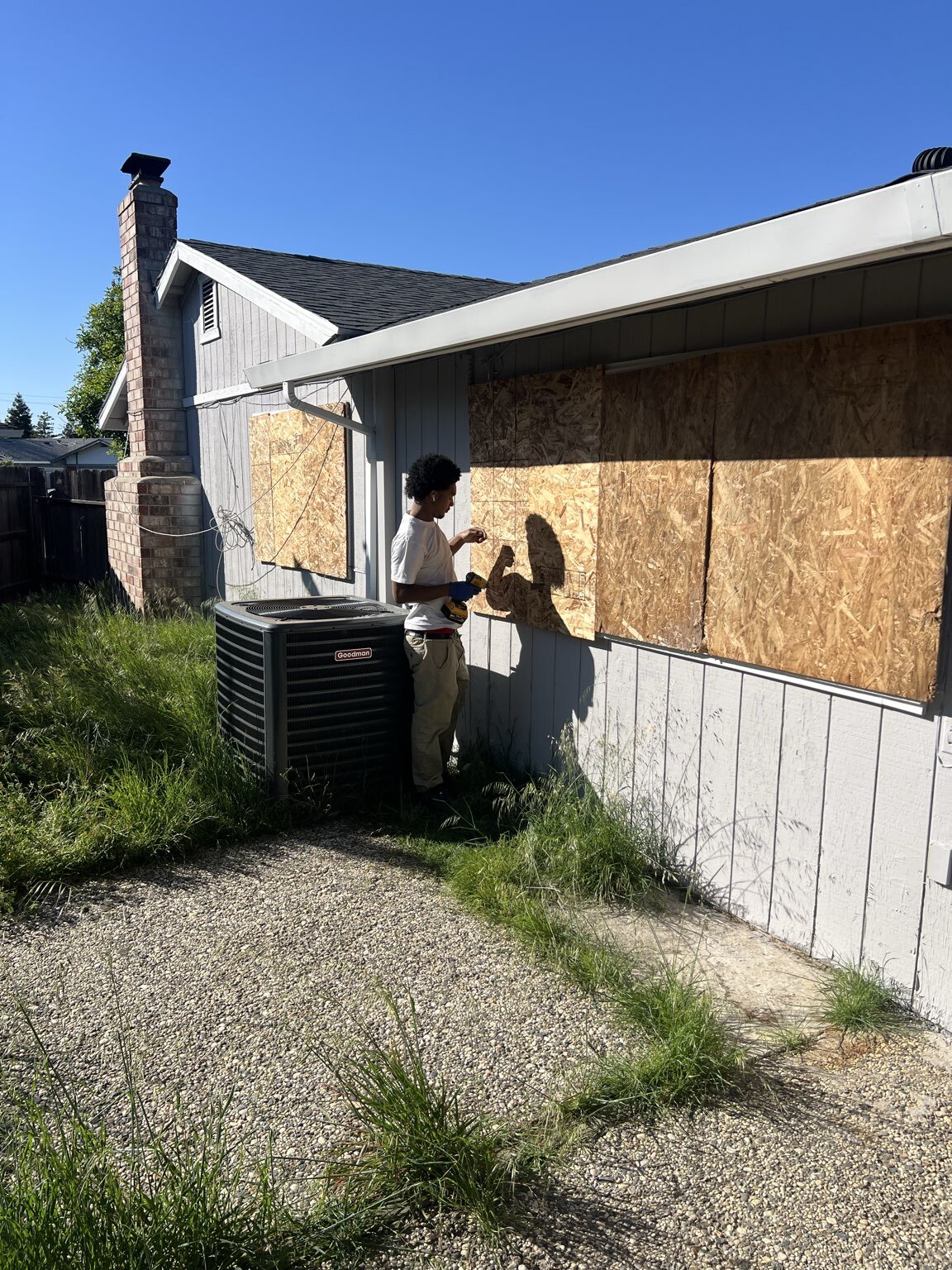
Darren’s experience is based on actual Northern California transactions involving tenants, deferred maintenance, inherited ownership, vacancy, difficult communication, and properties that were not ready for traditional listing photos or repeated buyer showings.
A traditional listing may make sense when the owner has time, repair money, easy access, and a property that can compete well with retail inventory. A local cash buyer may be worth comparing when the priority is certainty, speed, fewer contingencies, or a no-repairs as-is sale.
That comparison can be especially useful when an owner wants to sell a rental property as-is, sell a house with tenants, sell a tenant-occupied house, sell a rental property with tenants, sell a house with a non-paying tenant, sell a rental with a non-paying tenant, or simply sell a house fast without first renovating it for the market.
The practical question is not whether every seller should choose a direct cash buyer. It is whether the net, timeline, workload, and certainty of an as-is cash buyer or local as-is home buyer compare favorably with repairing and listing the Rocklin property.
Not every tenant-occupied transaction becomes simple the moment escrow closes. In this real Sacramento-area case, a tenant broke back into the property after Darren had already purchased it.
This behind-the-scenes video shows why experience matters when selling a difficult property as-is. Unexpected access problems, belongings, deferred repairs, communication issues, tenant concerns, and post-closing complications require practical judgment—not polished promises.
The former owner had already completed the sale. Darren took responsibility for what happened afterward, illustrating one reason a direct cash buyer with real difficult-property experience can be valuable when a Rocklin owner wants to transfer the property as-is and move forward.
Rocklin sellers should not have to rely only on polished claims. These videos show actual tenant-occupied, repair-heavy, and difficult properties Darren has worked with throughout the greater Sacramento region.
See what can happen after a seller transfers a rental as-is. The owner did not have to complete this work before selling, coordinate contractors, or remodel the house to compete for a retail buyer.
This occupied property required substantial work. The seller was able to transfer the house without first removing everything, completing renovations, or making it retail-ready.
Walk through an actual property with Darren and see the kinds of conditions an as-is cash buyer may take on after closing. A Rocklin seller does not have to make the property perfect before comparing a no-repairs as-is sale with a traditional listing.
“The most important proof is not a promise that every property situation will be easy. It is showing that the buyer has already worked through difficult occupants, deferred maintenance, belongings, repairs, and real people who needed a respectful solution.”Darren Brown — Licensed California Broker and Local Cash Buyer
These images come from actual Northern California properties. They demonstrate why some Rocklin owners compare a no-repairs as-is sale with financing repairs, managing contractors, supervising a cleanout, preparing for showings, and waiting for a conventional sale.
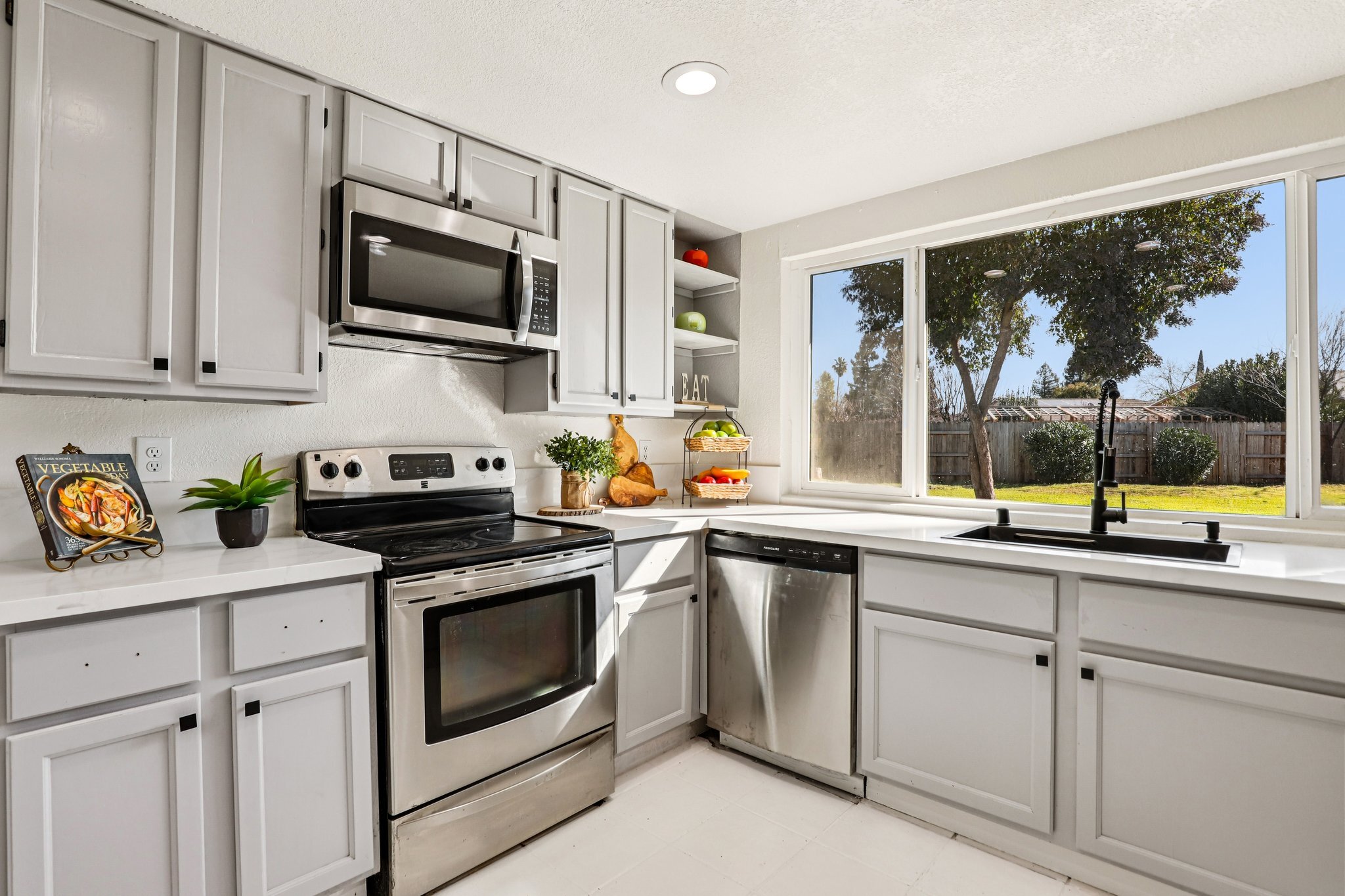
A real occupied-property transaction demonstrating the condition and improvement work a buyer may inherit after the seller closes.
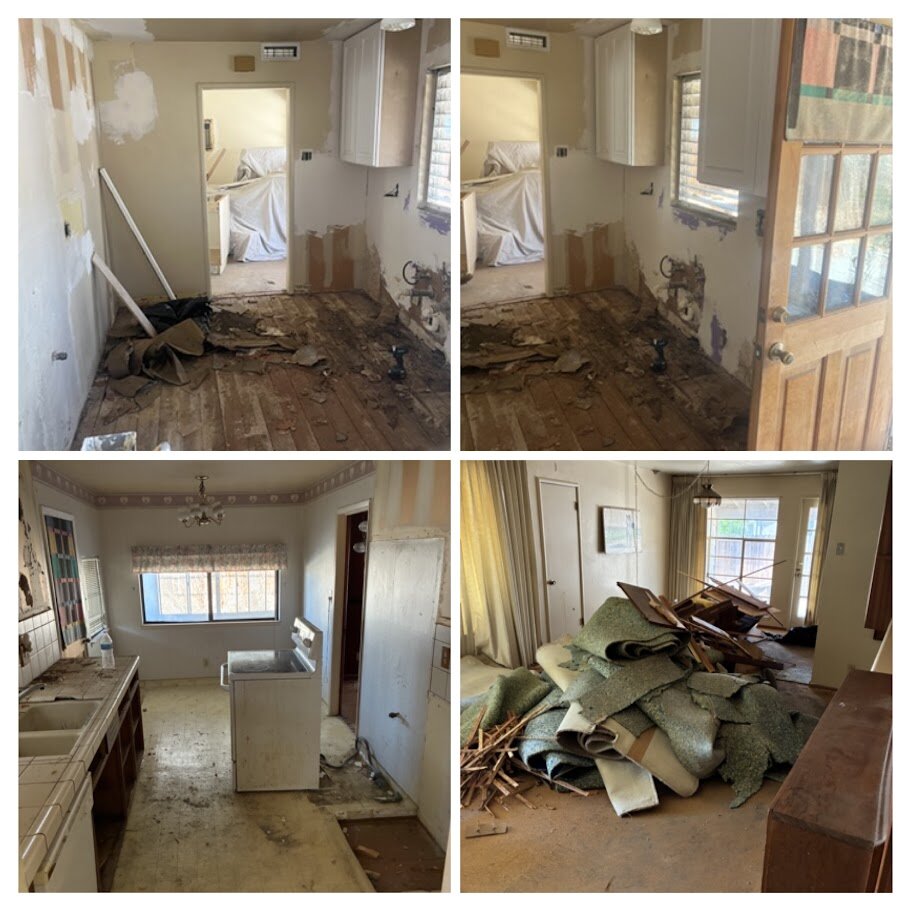
Work that occurred after the purchase—not a list of projects the former owner had to complete before selling.
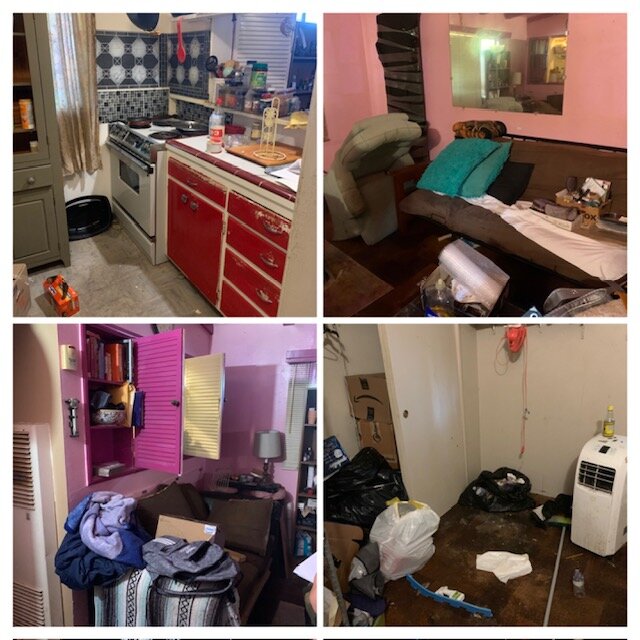
A property with repairs and deferred maintenance that became a candidate for a direct as-is purchase.
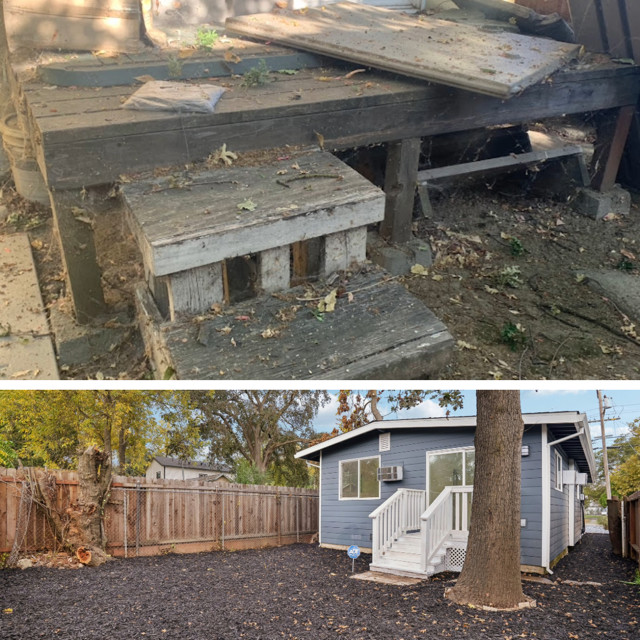
Deferred repairs can become another financial burden when a property no longer fits the owner’s plans or budget.
These sellers describe their own experiences working directly with Darren through real property transactions—useful proof for Rocklin owners comparing a local cash buyer with a traditional listing.
A homeowner shares firsthand feedback about working with Darren during the sale of a property.
Additional seller proof showing the communication, process, and personal experience behind a direct transaction with Darren.
A Rocklin homeowner may be handing over a valuable property, access details, tenant information, repair issues, and years of equity. Before signing an agreement, independently verify the cash buyer’s identity, licensing, professional background, business registration, community involvement, and transaction experience.
Darren Brown combines direct cash-buying experience with a professional California real estate brokerage background.
View Broker Documentation →Veteran-owned service centered on accountability, direct communication, follow-through, and doing what was agreed upon.
View Military Retirement Proof →Darren’s business has documentation supporting its Disabled Veteran Business Enterprise certification.
View DVBE Certification →Sellers can review the California Secretary of State filing associated with Darren’s operating business.
View State Business Filing →Review the independent Better Business Bureau profile for Darren Buys Homes Cash before accepting an offer.
View BBB Business Profile →Darren maintains a public connection to the Sacramento-region professional and business community.
View Chamber Listing →Review additional seller feedback, difficult property situations, and direct as-is sale experiences involving Darren Buys Homes Cash.
Review Seller Testimonials →Examine Darren’s professional background, business identity, and supporting trust documentation in one place.
Review Professional Credentials →Use the Seller Trust Center to evaluate the company, process, proof, and direct cash-buying experience before deciding who to work with.
Visit The Seller Trust Center →Another homeowner explains what it was like to work with Darren. Real seller feedback gives Rocklin property owners a better basis for evaluating a direct cash buyer before making a decision.
The right decision depends on property condition, occupancy, repair costs, title issues, carrying costs, available reserves, timing, and how much additional work the owner is prepared to accept.
This may make sense when the Rocklin owner has adequate reserves, still wants the property, and has a realistic plan for repairs, tenants, maintenance, and future carrying costs.
Some owners invest in repairs, cleanout, staging, and preparation so the property can compete for a traditional retail buyer.
A direct sale may be worth evaluating when the Rocklin owner values certainty, wants to reduce seller workload, or does not want to complete repairs, cleaning, or remodeling before selling.
A Rocklin owner can compare the likely net from a direct as-is cash offer with continuing to hold the property, completing repairs, preparing for showings, paying commissions and concessions, or attempting a traditional listing. The goal is to understand the difference between a cash buyer vs. listing—not to assume one option is automatically better.
Tenant problems rarely stay neatly separated. Property damage can lead to difficult access. Access problems can make an owner consider waiting for vacancy. Non-payment can turn waiting into an expensive decision. Unauthorized occupants can increase uncertainty even further. These Rocklin landlord guides are designed to help property owners move from the immediate problem toward a practical as-is sale, local cash buyer or continued-ownership decision.
Compare repairing tenant damage yourself with selling the rental in its current as-is condition. Learn how cleanup, repairs, carrying costs and the expected net sale result affect the decision.
Explore the difference between lawful property access and actual tenant cooperation, and why a sale strategy requiring fewer visits may reduce friction in an occupied rental.
Vacancy can simplify showings and repairs, but waiting also has a cost. Compare move-out timing, carrying expenses, turnover work and the expected vacant-sale net.
When rent stops but ownership expenses continue, compare past-due rent with the money the property may continue costing from today forward.
Unauthorized occupants can create overlapping access, possession, security, condition and carrying-cost problems. Learn why ownership and possession should be evaluated separately.
You do not need a crisis to decide you are finished being a landlord. Compare continued ownership, property management, waiting for vacancy and selling the rental as-is to a local cash buyer.
There is no automatic answer. The purpose of this resource center is to make the tradeoffs visible before you choose the next step.
A traditional sale may make sense when the property can become vacant, repairs are manageable and the expected retail net justifies the additional work.
A direct as-is sale may make more sense when the owner values a simpler exit, wants to avoid repairs or is dealing with difficult occupancy, non-payment, damage or landlord burnout.
Compare the net result of both paths—not just the advertised sale price or cash offer.
Rocklin landlords are not dealing with these situations in isolation. Related tenant-occupied, landlord-exit and as-is property resources are available throughout nearby Placer County and Sacramento-area markets.
Compare keeping a nearby Roseville rental with selling the property as-is when ownership no longer fits your goals.
Review direct-sale options for an Auburn landlord dealing with tenants, difficult occupancy or an as-is rental property.
Explore nearby Lincoln rental-sale options when timing, repairs or landlord responsibility make continued ownership less attractive.
Continue into the broader Sacramento landlord-exit authority resource for owners comparing continued management with an as-is sale.
For broader landlord research, continue into the Sacramento Rental + Tenant Property Resource Hub. If you are already comparing an exit, you can also review the main Darren Buys Homes Cash site or request an as-is offer without committing to sell.
A squatter-occupied house can be difficult to evaluate because the owner may not have normal access or reliable information about what is happening inside.
That uncertainty is itself part of the property’s current risk and should be included when comparing an as-is sale with waiting for full possession.
A seller does not need a perfect inspection before discussing an as-is sale. But the buyer should understand where information is complete and where uncertainty still exists.
Occupancy, condition and carrying costs can all keep changing.
Waiting may absolutely be the right strategy if the owner expects to recover possession, repair the property and capture enough additional value to justify the work.
But a squatter property can continue creating uncertainty while that happens. Damage may increase. Access can remain limited. Code or maintenance problems can continue. Taxes, insurance and financing costs still exist.
A landlord or owner should therefore ask: What am I likely to gain by waiting—and what am I continuing to risk?
Even after possession changes, a seller may still be facing the physical and financial consequences of the property itself.
Time, filing costs, professional help and other expenses may arise depending on the actual occupancy facts.
Locks, board-up work, debris removal, abandoned belongings and property securing may be needed after possession changes.
Plumbing, electrical, flooring, drywall, windows, fixtures and deferred maintenance may require capital before listing.
Mortgage, taxes, insurance, utilities and property maintenance can continue through every stage.
The highest possible future sale price is not automatically the highest net result if reaching it requires months of additional cost, repair work and uncertainty.
| Seller Consideration | Resolve + Repair + Sell Later | Sell Occupied As-Is |
|---|---|---|
| Occupancy | Seller works through the applicable process before marketing the house normally. | Buyer may evaluate the property with the current occupancy disclosed. |
| Access | Seller may wait until possession improves before fully inspecting the property. | Buyer can account for limited or uncertain access when evaluating the property. |
| Cleanup | Seller handles debris, abandoned belongings and turnover preparation as legally appropriate. | Current property condition can be considered in an as-is offer. |
| Repairs | Seller funds the work needed to create a more marketable retail property. | Repair burden can transfer to the buyer after closing. |
| Carrying Cost | Continues through possession, cleanup, repair, marketing and escrow. | An earlier direct sale may shorten the seller’s remaining ownership period. |
| Buyer Pool | Potentially broader once the property is vacant and repaired. | More specialized buyer pool willing to accept occupancy and condition risk. |
| Best Fit | Seller has time, capital and confidence that resolving everything will materially improve net proceeds. | Seller prioritizes a simpler exit and wants to compare current as-is value before taking on more work. |
Gather the facts before deciding whether to resolve, repair and list—or sell the property in its current condition.
“A squatter property can feel like five problems stacked on top of each other: occupancy, access, condition, cleanup and money. I try to separate those problems. The seller should know what it may cost to solve everything first, but they should also know what the property is worth if they sell it as-is before taking on all that additional work.”
Difficult occupancy, unauthorized occupants and squatter situations occur throughout Placer County and the Sacramento region.
Review nearby Roseville selling options for a property with squatters or difficult occupancy.
Explore occupied and difficult-property sale options for nearby Auburn owners.
Review nearby tenant-occupied and as-is selling options for Lincoln properties.
Explore the broader Sacramento resource for selling a property with squatters or unauthorized occupants.
Return to the main local cash-buyer and as-is property resource.
Visit the Home Page →Review the broader Rocklin guide for selling a property with occupants still in place.
Sell With Occupants →Explore options when possession itself is uncertain or the occupant will not voluntarily leave.
Review the Guide →Explore tenant, squatter, non-payment and landlord-exit resources across the Sacramento area.
Visit Resource Center →If your Rocklin property has squatters, unauthorized occupants, uncertain access, damage, code problems or heavy cleanup needs, compare the cost of solving every issue yourself with selling the house as-is. A local direct cash buyer experienced with difficult occupied properties can evaluate the current situation so you can decide whether transferring the property now makes more sense than carrying the entire problem longer.