

Flaum Court Work In Progress
See what can happen after a seller transfers a rental as-is. The owner did not have to complete this work before selling, coordinate contractors, or remodel the house to compete for a retail buyer.
Waiting for a tenant to move out can make a Rocklin rental easier to clean, repair, photograph and show—but vacancy is not automatically the most profitable path. Before waiting weeks or months, compare the real cost of continued ownership with selling the rental tenant-occupied and as-is to a buyer comfortable taking on the property in its current condition.
Waiting can make sense when the tenant is leaving soon, the property is in good condition and vacancy will materially improve the seller’s net proceeds. But waiting can also mean additional mortgage payments, taxes, insurance, lost rent, cleanup, repairs and uncertainty about the property’s condition after move-out. A landlord should compare that entire vacancy path with selling the property as-is with the tenant still in place.
This real Florin-area seller experience involved a tenant still in place and a six-day closing—an example of why vacancy is not always a prerequisite for a successful property sale.
An occupied sale involves the property owner, buyer and tenant. Independent reviews and verifiable credentials matter when choosing who will step into that situation.
The strongest reason to wait is not simply that vacant houses are easier to show. It is that vacancy may allow the owner to improve the property’s marketability enough to justify the additional time, expense and risk.
If the tenant is scheduled to leave soon and the property needs only manageable preparation, waiting may allow the landlord to clean, repair and present the house to a broader pool of traditional buyers.
If the move-out date is uncertain, rent is not being paid, the property needs substantial work or the landlord simply wants out, waiting for an empty house may solve one problem while creating several others.
A landlord may picture vacancy as the finish line. In reality, vacancy can be the moment the next set of expenses becomes visible.
Furniture, trash, personal belongings, appliances or debris may need to be removed before the house can be marketed.
Flooring, paint, doors, fixtures, walls and deferred maintenance can become much easier to see once the tenant’s belongings are gone.
Mortgage, taxes, insurance, utilities and maintenance continue while the property is vacant and being prepared for sale.
After preparation, the owner may still face marketing time, buyer inspections, repair negotiations, appraisal and closing.
Vacancy improves access. It does not automatically improve condition.
Furniture, rugs, boxes and normal day-to-day occupancy can hide flooring damage, wall damage, odors, leaks, deferred maintenance and other problems. A landlord who waits for vacancy may discover that the expected “quick cleanup” is actually a larger turnover project.
That does not mean waiting is a mistake. It means the decision should include a realistic allowance for what may happen after the keys are returned.
An alternative is to compare an as-is cash offer before committing to vacancy, cleanup and repairs. Then the owner can make the decision with both paths visible.
Waiting is worthwhile when the expected financial benefit is greater than the cost and risk of continued ownership. These are the numbers a Rocklin landlord should put on paper.
Mortgage, property taxes, insurance, utilities, landscaping and ongoing maintenance.
Determine whether rent will continue during the waiting period—or whether non-payment is increasing the loss.
Estimate cleanup, repairs, paint, flooring, hauling and other work needed after possession is returned.
Compare the projected net from waiting and preparing the house with what an as-is buyer would pay today.
“I don’t think a landlord should automatically wait for vacancy, and I don’t think every occupied rental should automatically be sold as-is. I want to know what waiting actually gets the owner. If the tenant is leaving in two weeks and the house needs very little work, waiting may make perfect sense. If nobody knows when the tenant will leave and the owner is losing money every month, that is a completely different decision.”
You do not have to commit to a sale simply to compare the numbers. If you are deciding whether to wait for your Rocklin tenant to move out, compare the expected vacant-sale net with an as-is cash offer based on the property’s current condition and occupancy.
Yes, a landlord may be able to sell a rental property while a tenant-occupied rental is still living inside. You do not necessarily have to finish an eviction, repair the property, remove the tenant’s belongings, or prepare the house for retail buyers before considering a sale. Darren Brown is a local cash home buyer and licensed California broker who evaluates tenant-occupied rental properties as-is and can help the owner compare a direct cash offer with the potential time, cost, and uncertainty of continuing to hold the property.
A tenant-occupied rental can turn a rental into a property that consumes money instead of producing it. The owner may still be responsible for the mortgage, property taxes, insurance, utilities, maintenance, legal consultations, yard problems, code concerns, and damage that becomes visible only after access is restored.
Every rental situation is different. Some owners have the financial reserves and time to continue managing the property, while others are dealing with inherited rentals, out-of-state ownership, foreclosure pressure, deferred maintenance, code concerns, insurance costs, or months of tenant challenges. The right decision depends on the owner’s goals—not on a one-size-fits-all solution.
Comparing a direct as-is cash offer is simply another option. Some owners ultimately continue renting, some complete the legal tenant-removal process before selling, and others decide that transferring the property to an experienced local cash home buyer provides the greatest certainty. The goal is to compare every realistic path before making a decision.
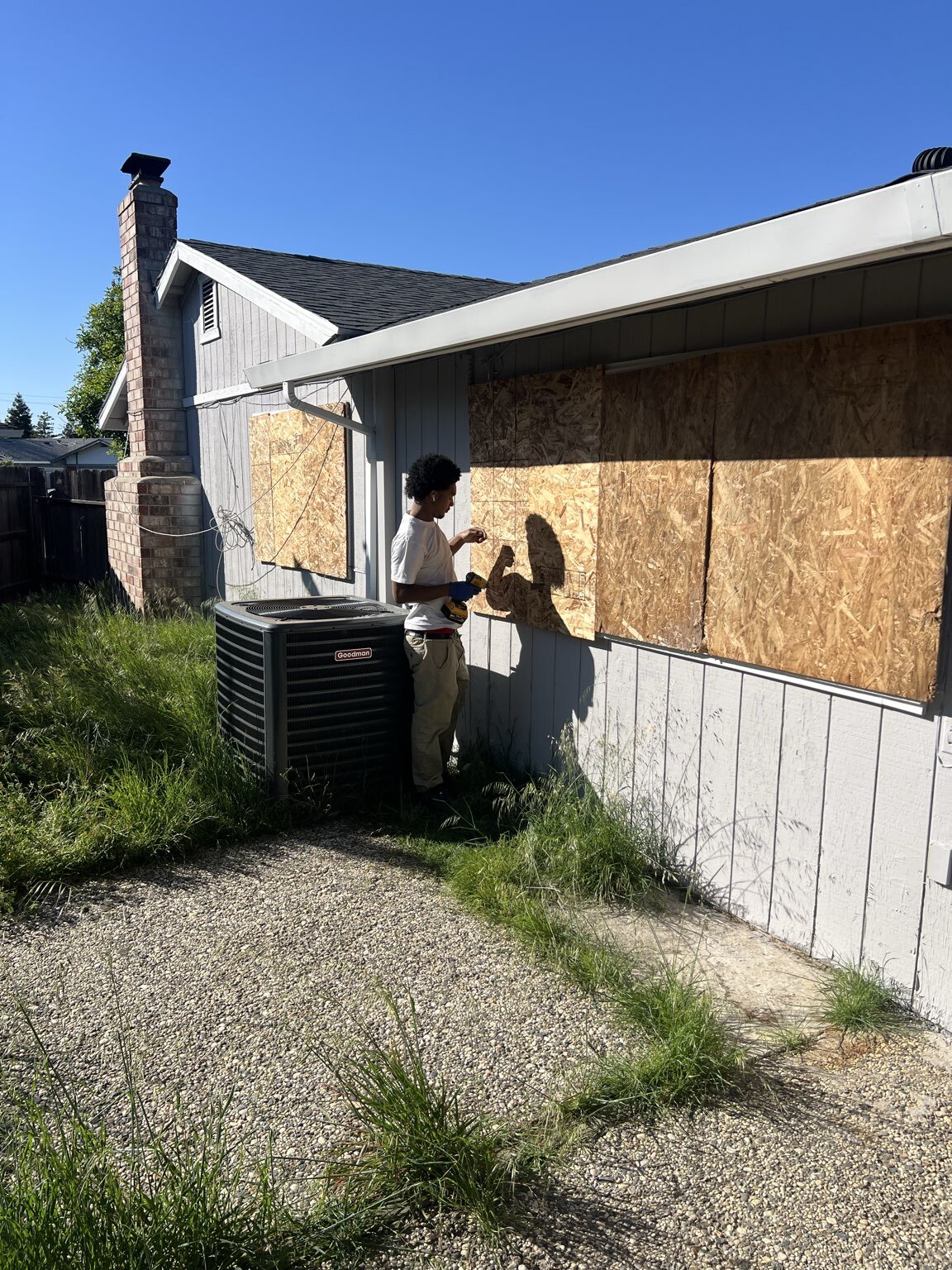
Darren’s experience is based on actual Sacramento-area transactions involving tenants, deferred maintenance, difficult communication, and properties that were not ready for traditional listing photos or repeated buyer showings.
Not every tenant-occupied transaction becomes simple the moment escrow closes. In this real Sacramento-area case, a tenant broke back into the property after Darren had already purchased it.
This behind-the-scenes video shows why experience matters when selling a rental with difficult occupants. Unexpected access problems, belongings, deferred repairs, communication issues, and post-closing complications require practical judgment—not polished promises.
The former owner had already completed the sale. Darren took responsibility for handling what happened afterward, illustrating one of the reasons a direct as-is cash home buyer with real tenant experience can be valuable when a landlord wants to transfer the property and move forward.
Sellers should not have to rely only on polished claims. These videos show actual tenant-occupied and difficult rental properties Darren has worked with in the Sacramento region.
See what can happen after a seller transfers a rental as-is. The owner did not have to complete this work before selling, coordinate contractors, or remodel the house to compete for a retail buyer.
This tenant-occupied hoarder property required substantial work. The seller was able to transfer the house without first removing everything, completing renovations, or making it retail-ready.
Walk through an actual property with Darren and see the kinds of conditions an as-is cash buyer may take on after closing. The seller does not have to make the property perfect before discussing a sale.
“The most important proof is not a promise that every rental situation will be easy. It is showing that the buyer has already worked through difficult tenant conditions, deferred maintenance, belongings, repairs, and real people who needed a respectful solution.”Darren Brown — Licensed California Broker and Local Cash Buyer
These images come from actual Northern California transactions. They demonstrate why many landlords compare an as-is sale with paying for repairs, coordinating contractors, supervising cleanouts, and waiting for a traditional listing.
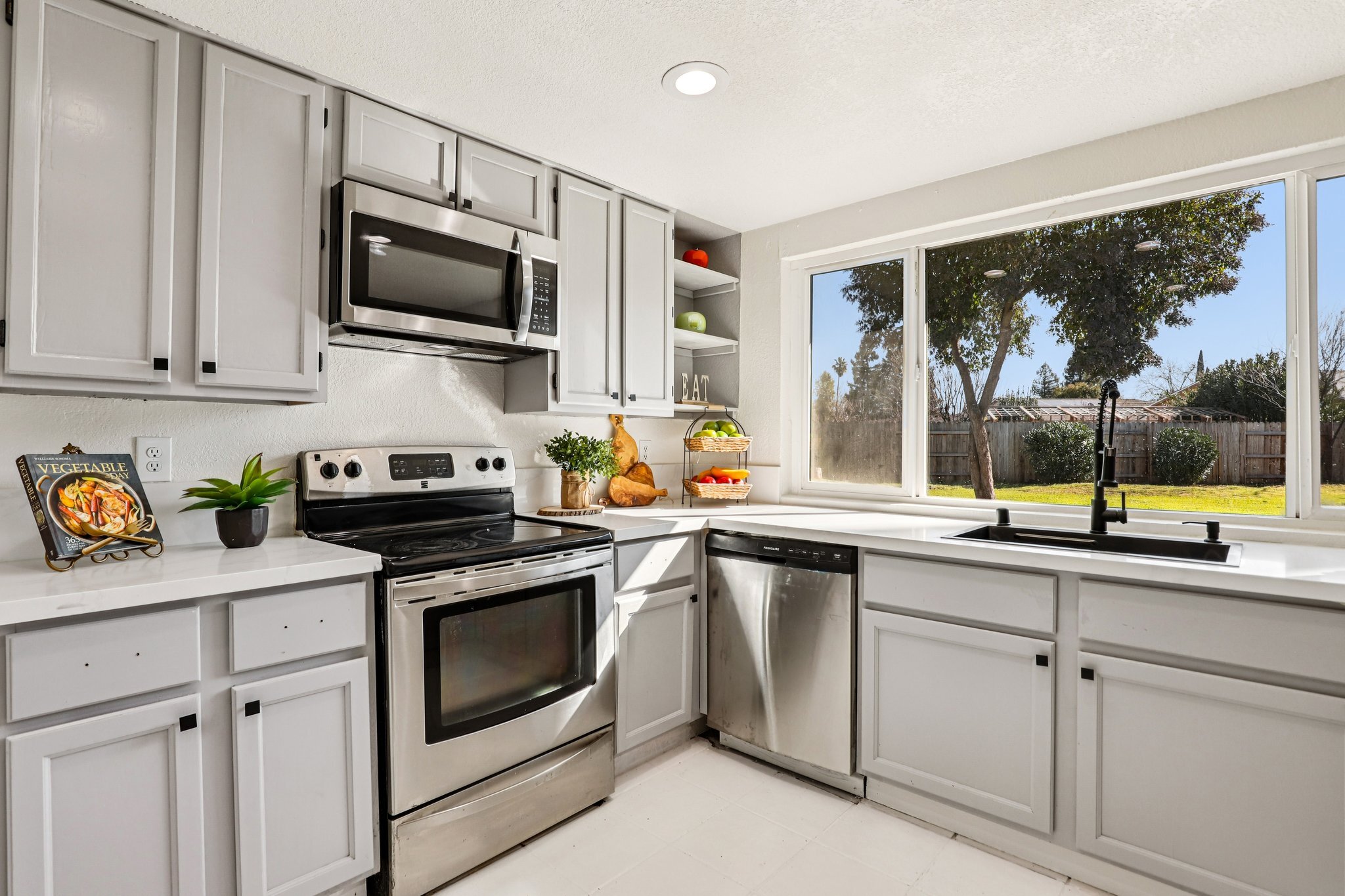
A real tenant-occupied transaction demonstrating the condition and improvement work a buyer may inherit after the seller closes.
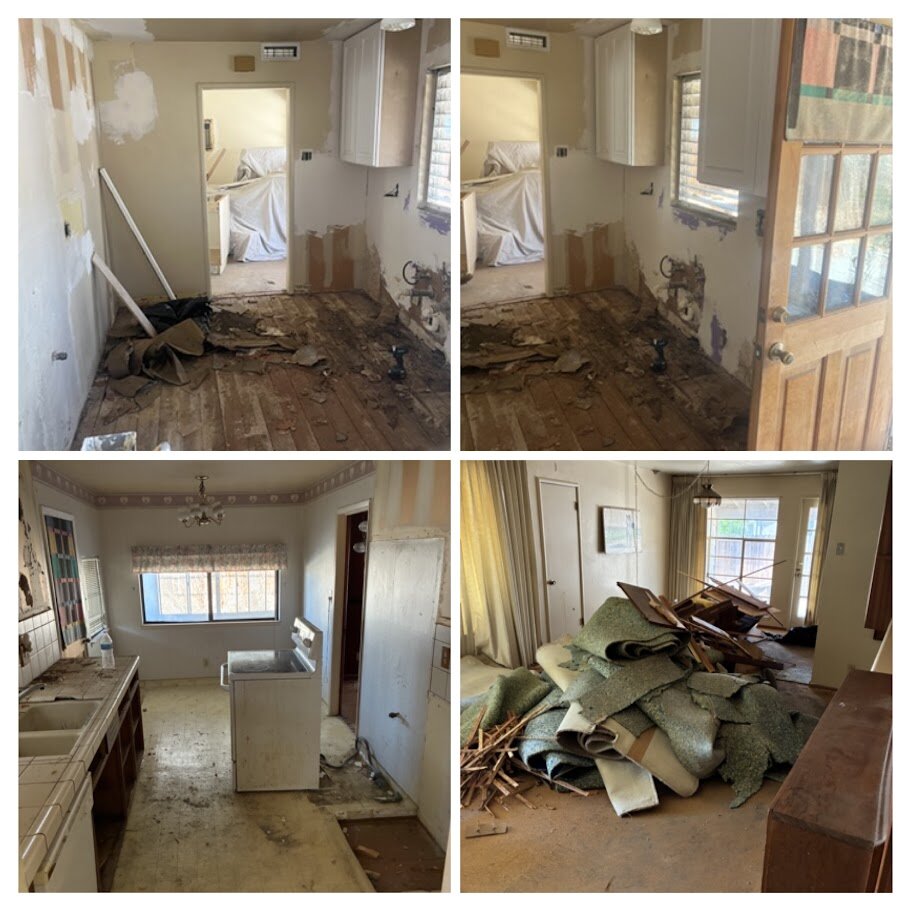
Work that occurred after the purchase—not a list of projects the former landlord had to complete before selling.
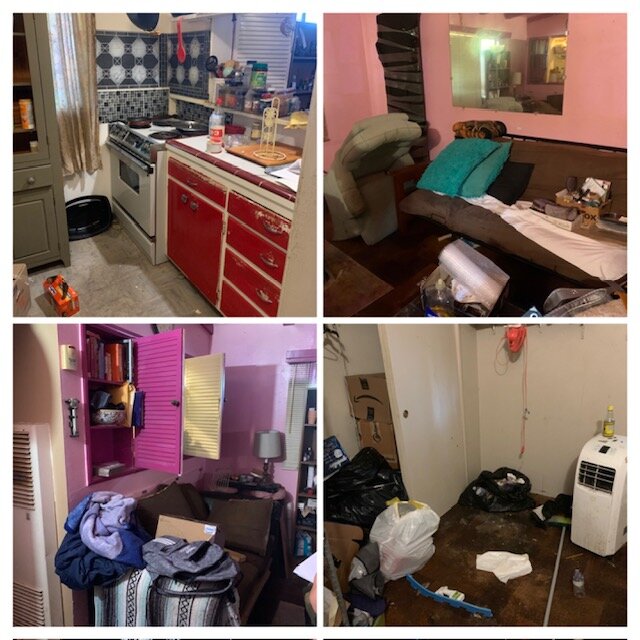
A rental property with repairs and deferred maintenance that became a candidate for a direct as-is cash home buyer purchase.
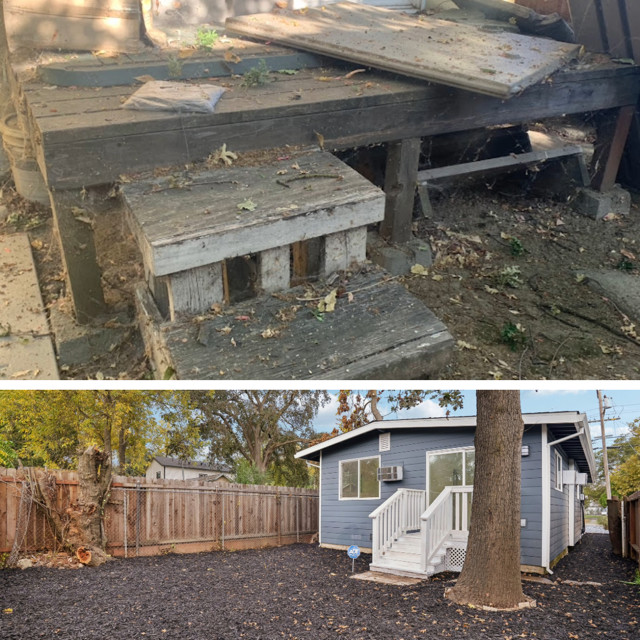
Deferred repairs can become another financial burden when a rental is no longer producing reliable income.
These sellers describe their own experiences working directly with Darren through real property transactions.
A homeowner shares firsthand feedback about working with Darren during the sale of a property.
Additional seller proof showing the communication, process, and personal experience behind a direct transaction with Darren.
Whether the property is in Sacramento, Elk Grove, Roseville, Citrus Heights, Carmichael, Fair Oaks, Orangevale, Antelope, North Highlands, Rancho Cordova, Lincoln, Galt, Folsom, or another Northern California community, the same decision framework applies: verify the buyer, compare every available selling option, understand the total cost of continuing to hold the property, and make a decision based on facts rather than pressure. Before signing any agreement, independently verify the buyer’s identity, licensing, professional background, business registration, community involvement, and transaction experience.
Darren Brown combines cash home buying experience with a professional California real estate brokerage background.
View Broker Documentation →Veteran-owned service centered on accountability, direct communication, follow-through, and doing what was agreed upon.
View Military Retirement Proof →Darren’s business has documentation supporting its Disabled Veteran Business Enterprise certification.
View DVBE Certification →Sellers can review the California Secretary of State filing associated with Darren’s operating business.
View State Business Filing →Review the independent Better Business Bureau profile for Darren Buys Homes Cash before accepting an offer.
View BBB Business Profile →Darren maintains a public connection to the Sacramento-region professional and business community.
View Chamber Listing →Review additional seller feedback, property situations, and experiences involving Darren Buys Homes Cash.
Review Seller Testimonials →Examine Darren’s professional background, business identity, and supporting trust documentation in one place.
Review Professional Credentials →Use the Seller Trust Center to evaluate the company, process, proof, and cash home buying experience before deciding.
Visit The Seller Trust Center →Another homeowner explains what it was like to work with Darren. Real seller feedback gives property owners a better basis for evaluating the buyer before making a decision.
The right decision depends on the tenant, property condition, legal timeline, monthly carrying costs, available reserves, and how much additional landlord responsibility you are prepared to accept.
This may make sense when the owner has adequate reserves, wants to remain a landlord, and believes the payment problem can be resolved.
Some owners consult a qualified California landlord-tenant attorney and pursue the applicable legal process before selling.
A direct sale may be worth evaluating when the owner values certainty, wants to stop managing the property, or does not want to complete repairs before selling.
Darren can evaluate the rental in its current condition and explain how a direct as-is offer compares with continuing to hold the property, completing a tenant process, repairing the house, or attempting a traditional listing.
Helping California landlords and property owners compare the real cost, risk, timeline, and certainty of keeping, listing, repairing, or selling a house directly to a local cash buyer.
Complex property sales are rarely about only price. The tenant, title, repairs, legal timeline, carrying costs, family goals, and desired closing date all matter.
The best option depends on your equity, property condition, available time, legal obligations, risk tolerance, and desired net proceeds.
| Situation | Keep The Property | Traditional Listing | Direct As-Is Sale |
|---|---|---|---|
| Non-paying tenant | Continue carrying costs and management | May limit showings and buyer financing | Often evaluated with the tenant still in place |
| Major repairs | Owner funds and manages the work | Repairs or buyer credits may be expected | Property may be purchased as-is |
| Inherited house | Family retains responsibility and expenses | Can work after authority and preparation are resolved | Often coordinated around probate or trust timing |
| Hoarder property | Owner handles cleanup and safety concerns | Usually requires substantial preparation | Belongings may be left behind by agreement |
| Code violations | Owner continues exposure and correction costs | May create financing or disclosure complications | Frequently reviewed on a case-by-case basis |
| Need a certain date | No sale occurs | Closing depends on buyer, lender, appraisal, and contingencies | Seller may choose an agreed closing date |
Monthly carrying costs can quietly reduce the benefit of waiting for a higher sale price.
These issues often overlap. A single house may involve tenants, inherited ownership, deferred repairs, liens, code problems, and a limited timeline.
Each resource addresses a different seller decision, from tenant-occupied rentals and inherited houses to repairs, foreclosure, buyer verification, and as-is sales.
Compare holding costs, repairs, tenant issues, and a direct cash buyer sale.
Read The Guide → Tenant-OccupiedUnderstand the options when a tenant remains inside the property.
Read The Guide → As-Is SaleSee what an as-is sale can eliminate before closing.
Read The Guide → Major RepairsCompare renovation risk with selling directly in current condition.
Read The Guide → Inherited PropertyReview inherited property responsibilities, timing, and sale options.
Read The Guide → ForeclosureUnderstand timing and possible paths before a scheduled sale date.
Read The Guide → Resource HubExplore tenant, squatter, non-paying renter, and landlord exit resources.
Explore The Hub → Buyer EvaluationReview buyer identity, proof, contract terms, closing ability, and net proceeds.
Compare Buyers → VerificationVerify Darren’s credentials, public records, professional background, and transaction proof.
Verify Darren →Real situations provide stronger evidence than generic promises.
“The best decision is not always selling. Sometimes keeping the property makes sense. Sometimes listing with a Realtor is the better choice. Sometimes a direct as-is sale provides the certainty a family or landlord needs. My responsibility is to help property owners understand every realistic option before they make a major financial decision.”— Darren Brown, Licensed California Real Estate Broker • Retired U.S. Air Force Veteran • Local Cash Buyer
Darren can review the property in its current condition and explain how a direct as-is cash offer compares with continuing to hold it, completing repairs, resolving tenant issues, or listing traditionally.
Tenant problems rarely stay neatly separated. Property damage can lead to difficult access. Access problems can make an owner consider waiting for vacancy. Non-payment can turn waiting into an expensive decision. Unauthorized occupants can increase uncertainty even further. These Rocklin landlord guides are designed to help property owners move from the immediate problem toward a practical as-is sale, local cash buyer or continued-ownership decision.
Compare repairing tenant damage yourself with selling the rental in its current as-is condition. Learn how cleanup, repairs, carrying costs and the expected net sale result affect the decision.
Explore the difference between lawful property access and actual tenant cooperation, and why a sale strategy requiring fewer visits may reduce friction in an occupied rental.
Vacancy can simplify showings and repairs, but waiting also has a cost. Compare move-out timing, carrying expenses, turnover work and the expected vacant-sale net.
When rent stops but ownership expenses continue, compare past-due rent with the money the property may continue costing from today forward.
Unauthorized occupants can create overlapping access, possession, security, condition and carrying-cost problems. Learn why ownership and possession should be evaluated separately.
You do not need a crisis to decide you are finished being a landlord. Compare continued ownership, property management, waiting for vacancy and selling the rental as-is to a local cash buyer.
There is no automatic answer. The purpose of this resource center is to make the tradeoffs visible before you choose the next step.
A traditional sale may make sense when the property can become vacant, repairs are manageable and the expected retail net justifies the additional work.
A direct as-is sale may make more sense when the owner values a simpler exit, wants to avoid repairs or is dealing with difficult occupancy, non-payment, damage or landlord burnout.
Compare the net result of both paths—not just the advertised sale price or cash offer.
Rocklin landlords are not dealing with these situations in isolation. Related tenant-occupied, landlord-exit and as-is property resources are available throughout nearby Placer County and Sacramento-area markets.
Compare keeping a nearby Roseville rental with selling the property as-is when ownership no longer fits your goals.
Review direct-sale options for an Auburn landlord dealing with tenants, difficult occupancy or an as-is rental property.
Explore nearby Lincoln rental-sale options when timing, repairs or landlord responsibility make continued ownership less attractive.
Continue into the broader Sacramento landlord-exit authority resource for owners comparing continued management with an as-is sale.
For broader landlord research, continue into the Sacramento Rental + Tenant Property Resource Hub. If you are already comparing an exit, you can also review the main Darren Buys Homes Cash site or request an as-is offer without committing to sell.
Waiting for an empty house is valuable when vacancy creates a meaningful financial advantage. If it only postpones the same repair and condition problems, waiting may simply add more carrying costs.
The decision should be based on the expected net result, not on the assumption that every rental must be vacant before it can be sold.
No single factor decides the answer. Look at the tenant, property, timeline and expected financial improvement together.
“I’ll sell after the tenant moves” sounds simple. But the actual path can contain several separate stages before the landlord reaches closing.
Continue carrying the property until possession is actually returned.
Determine the true condition after furniture and personal belongings are removed.
Coordinate hauling, cleaning, contractors, paint, flooring and deferred maintenance.
Photograph, list, show the house and negotiate with prospective buyers.
Work through inspections, appraisal, contingencies and closing.
Occupancy can hide both minor wear and significant repair needs.
Some tenants return a property clean and in excellent condition. Others leave behind damaged flooring, wall repairs, abandoned belongings, odors, broken fixtures, neglected landscaping or maintenance problems the landlord could not fully see while the property was occupied.
That uncertainty matters because a landlord may wait months for vacancy and then discover another round of time and money is required before the house is ready for a traditional buyer.
Comparing an as-is cash offer before move-out gives the owner a second number to evaluate before accepting all of that future condition risk.
A higher future asking price does not automatically produce a higher net result. Compare what remains after time, repairs, carrying costs and selling expenses.
| Seller Consideration | Wait for Vacancy + Traditional Sale | Sell Tenant-Occupied As-Is |
|---|---|---|
| Move-Out | Seller waits until possession is returned before beginning the next phase. | Sale may be evaluated with the existing occupancy still in place. |
| Cleanup | Seller may need to remove debris, belongings and complete turnover cleaning. | Existing condition can be considered in the buyer’s as-is evaluation. |
| Repairs | Seller decides which repairs to complete before exposing the property to retail buyers. | Buyer can take responsibility for repairs after closing. |
| Holding Costs | Continue during the move-out, preparation, marketing and escrow periods. | A direct sale may reduce the length of continued ownership. |
| Buyer Pool | Vacancy and preparation may appeal to a broader retail market. | Buyer pool is more specialized because the property remains occupied. |
| Condition Risk | Seller assumes the risk of what is discovered after move-out. | Current condition and uncertainty can be incorporated into the transaction. |
| Best Fit | Vacancy is near, condition is manageable and the expected net improvement justifies waiting. | Seller values certainty, wants to avoid turnover work or does not want to keep carrying the rental. |
Put the assumptions on paper before deciding that vacancy is automatically the better selling strategy.
“The question I would ask a landlord is simple: what do you expect to gain by waiting? If waiting 30 days gives you a clean vacant house that is clearly worth more, that can be a smart decision. But if you’re waiting several months, losing rent and then expecting to spend money fixing the house, we should put a number on all of that before deciding vacancy is the better option.”
The same vacancy-versus-occupied-sale decision comes up throughout Placer County and the Sacramento area.
Explore tenant-occupied selling options in neighboring Roseville without automatically waiting for vacancy.
Review direct-sale considerations for an Auburn rental with occupants still in place.
Compare nearby Lincoln selling options when timing, occupancy or property condition complicates the sale.
Explore broader tenant-occupied and as-is selling options for Sacramento landlords.
Review local direct-sale and as-is property selling options in Rocklin.
Explore Rocklin Options →Learn how a sale can work without requiring the tenant to move before the transaction.
Sell With Tenants →Review selling considerations when possession itself is uncertain.
Review the Guide →Explore tenant, squatter, non-payment and landlord-exit resources across the Sacramento area.
Visit Resource Center →If you are deciding whether to wait for your Rocklin tenant to move out, compare both paths before committing to months of additional ownership. Calculate the likely vacant-sale net after cleanup, repairs, carrying costs and selling expenses, then compare it with selling the rental tenant-occupied and as-is to a local cash buyer.