

Flaum Court Work In Progress
See what can happen after a seller transfers a rental as-is. The owner did not have to complete this work before selling, coordinate contractors, or remodel the house to compete for a retail buyer.
The roof may be old. The kitchen may be dated. The carpet may have seen better days. Maybe there is a much bigger repair list waiting behind all of that. None of it automatically means you need to become the general contractor before you can sell your Auburn house.
Yes. You can sell an Auburn house without first renovating the kitchen, replacing worn flooring, repainting every room or automatically correcting every item on a repair list. A buyer willing to purchase the property as-is can evaluate its present condition and account for future work in the offer. The important decision is not whether the house needs work. It is whether you should be the person paying for and managing that work before the sale.
Read independent Google feedback from homeowners who have already worked with Darren Buys Homes Cash.
If someone wants to buy your house directly, you should be able to independently verify who they are. These links go to the supporting records and profiles.
One of the easiest ways to waste money before selling is to begin repairing a house before deciding how you intend to sell it.
A homeowner preparing for a traditional retail buyer may make very different decisions from a homeowner considering a direct cash buyer. One buyer may expect a clean, financeable, presentation-ready house. Another may be willing to accept deferred maintenance and take over the renovation after closing.
That means the order matters.
Choose the likely selling path first. Then decide which repairs, if any, are worth making.
Sellers often hear the word “repairs” as though replacing carpet and replacing a roof are versions of the same decision. They are not. Separate the work into three categories before deciding what deserves your money.
Paint, flooring, fixtures, cabinet finishes, landscaping and presentation. These may improve appearance, but appearance alone does not tell you whether the investment will improve your final net.
Appliances, plumbing fixtures, doors, windows and other items that affect everyday use. The question is whether your intended buyer expects them corrected before closing.
Roof, HVAC, electrical, plumbing, foundation, septic or well issues can involve significantly more money and uncertainty. These deserve analysis before a seller automatically takes responsibility for them.
This does not mean these items should never be repaired. It means you should understand whether the repair is necessary for your chosen sale before paying for it.
New flooring is partly a taste decision. A future owner may replace what you install anyway.
A cosmetic refresh and a full kitchen remodel are very different investments. Do not confuse “dated” with “must replace.”
Age alone does not tell you whether replacement before sale is economically justified.
Roof work can become expensive quickly. Understand the intended buyer and transaction before automatically replacing it.
If a direct buyer will accept agreed-upon contents, paying for dumpsters and hauling first may solve a problem you did not have.
Curb appeal matters in a retail sale, but extensive cosmetic work may have much less importance to an as-is buyer.
Anyone who has renovated an older property knows how quickly the scope can change. One visible problem can expose another. Then the new work makes the room next to it look unfinished. Soon the seller is managing a much larger project than originally planned.
Several areas of the property need attention and deciding where to start has become a project by itself.
Roof, HVAC, plumbing, electrical or other large-ticket items make pre-sale preparation financially uncomfortable.
The property has private-system questions and the seller would rather understand the as-is option before committing to significant work.
Managing contractors and property preparation from another city or state creates a second job the owner does not want.
The house is costing money every month while the owner considers whether to renovate it.
The owner could probably repair the property but values time, simplicity and a defined exit more than taking on another project.
“One of the first things I tell a seller with a repair-heavy house is not to assume they need to fix everything before I see it. Let me look at the property the way it is. Once we know what the as-is option looks like, the seller can decide whether spending money on repairs actually makes sense.”

Although Auburn is the primary focus of this page, difficult-property situations are not limited by city boundaries. Darren works with homeowners and property owners across the greater Sacramento and Placer County region, including Sacramento, Lincoln, Roseville, and Rocklin. The transaction evidence, seller experiences, tenant situations, repair-heavy properties, and as-is examples shown throughout this page are intended to demonstrate real regional experience that remains relevant to Auburn sellers over time.
Whether the property is in Auburn, Sacramento, Lincoln, Roseville, Rocklin, or another nearby Northern California community, the same practical questions often apply: what will repairs cost, how much additional carrying time is acceptable, what happens with occupants or belongings, and how does a direct as-is cash offer compare with preparing the property for a traditional listing?
An Auburn property can become difficult to keep for many reasons: deferred maintenance, tenant problems, an inherited house, vacancy, liens, code concerns, major repairs, rising carrying costs, or simply a change in the owner’s plans. The mortgage, property taxes, insurance, utilities, maintenance, and repair exposure can continue even when the property is no longer serving the owner well.
Some Auburn owners have the time, reserves, and desire to repair the house and pursue a traditional listing. Others live out of the area, inherited the property, are managing tenants or family occupants, are facing major repair estimates, or simply no longer want to invest more time and money before selling.
A direct as-is sale offers another path. Instead of first trying to create a perfect vacant property, the owner can compare the likely net outcome of continuing to hold the rental against an offer from a buyer who understands tenant-occupied and problem-property transactions.
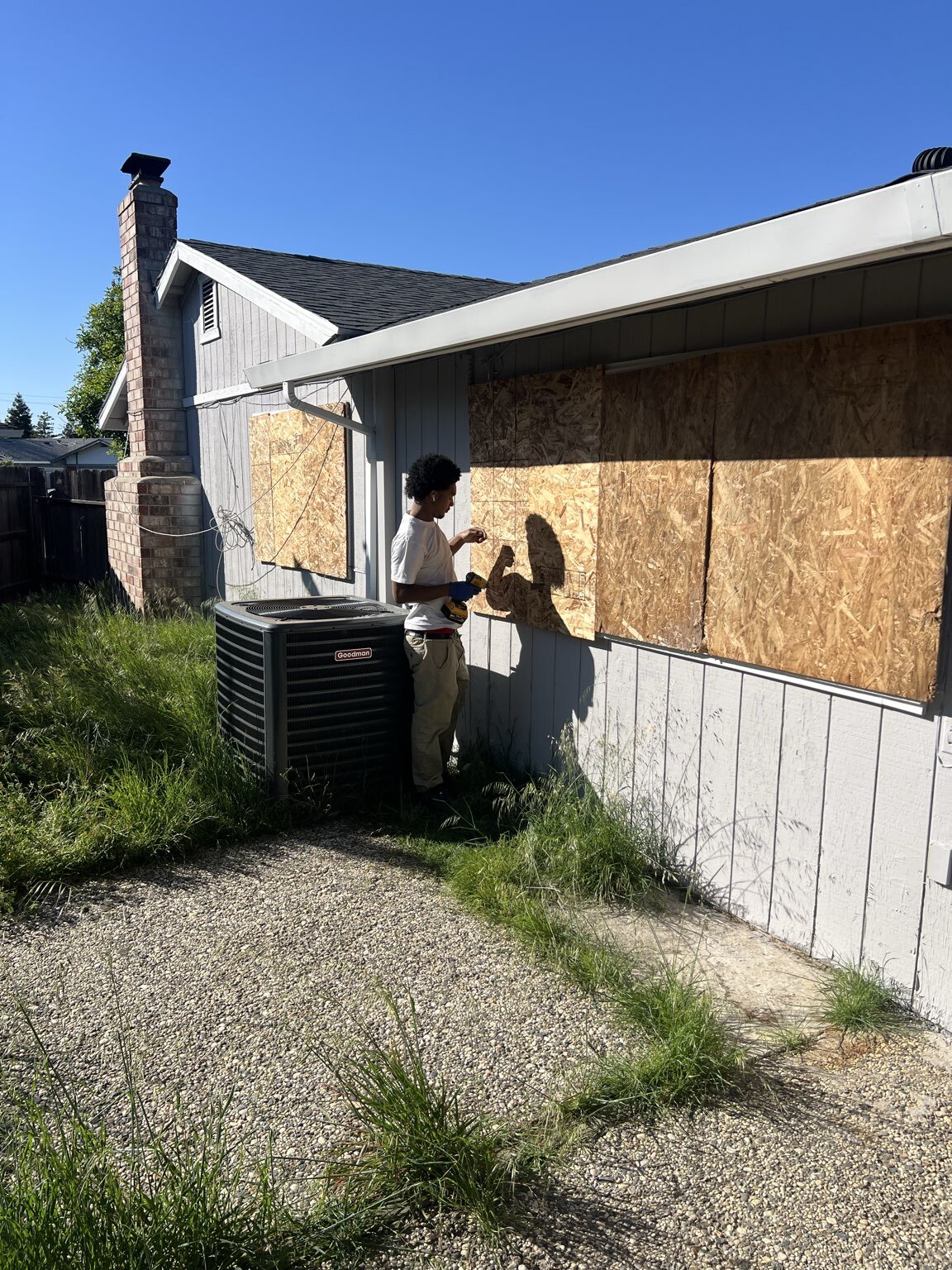
Darren’s experience is based on actual Northern California transactions involving tenants, deferred maintenance, inherited ownership, vacancy, difficult communication, and properties that were not ready for traditional listing photos or repeated buyer showings.
A traditional listing may make sense when the owner has time, repair money, easy access, and a property that can compete well with retail inventory. A local cash buyer may be worth comparing when the priority is certainty, speed, fewer contingencies, or a no-repairs as-is sale.
That comparison can be especially useful when an owner wants to sell a rental property as-is, sell a house with tenants, sell a tenant-occupied house, sell a rental property with tenants, sell a house with a non-paying tenant, sell a rental with a non-paying tenant, or simply sell a house fast without first renovating it for the market.
The practical question is not whether every seller should choose a direct cash buyer. It is whether the net, timeline, workload, and certainty of an as-is cash buyer or local as-is home buyer compare favorably with repairing and listing the Auburn property.
Not every tenant-occupied transaction becomes simple the moment escrow closes. In this real Sacramento-area case, a tenant broke back into the property after Darren had already purchased it.
This behind-the-scenes video shows why experience matters when selling a difficult property as-is. Unexpected access problems, belongings, deferred repairs, communication issues, tenant concerns, and post-closing complications require practical judgment—not polished promises.
The former owner had already completed the sale. Darren took responsibility for what happened afterward, illustrating one reason a direct cash buyer with real difficult-property experience can be valuable when an Auburn owner wants to transfer the property as-is and move forward.
Auburn sellers should not have to rely only on polished claims. These videos show actual tenant-occupied, repair-heavy, and difficult properties Darren has worked with throughout the greater Sacramento and Placer County region. That broader regional experience includes sellers and property situations relevant to Auburn, Sacramento, Lincoln, Roseville, and Rocklin.
See what can happen after a seller transfers a rental as-is. The owner did not have to complete this work before selling, coordinate contractors, or remodel the house to compete for a retail buyer.
This occupied property required substantial work. The seller was able to transfer the house without first removing everything, completing renovations, or making it retail-ready.
Walk through an actual property with Darren and see the kinds of conditions an as-is cash buyer may take on after closing. An Auburn seller does not have to make the property perfect before comparing a no-repairs as-is sale with a traditional listing.
“The most important proof is not a promise that every property situation will be easy. It is showing that the buyer has already worked through difficult occupants, deferred maintenance, belongings, repairs, and real people who needed a respectful solution.”Darren Brown — Licensed California Broker and Local Cash Buyer
These images come from actual Northern California properties and provide evergreen regional proof for property owners in Auburn, Sacramento, Lincoln, Roseville, and Rocklin. They demonstrate why some Auburn owners compare a no-repairs as-is sale with financing repairs, managing contractors, supervising a cleanout, preparing for showings, and waiting for a conventional sale.

A real occupied-property transaction demonstrating the condition and improvement work a buyer may inherit after the seller closes.
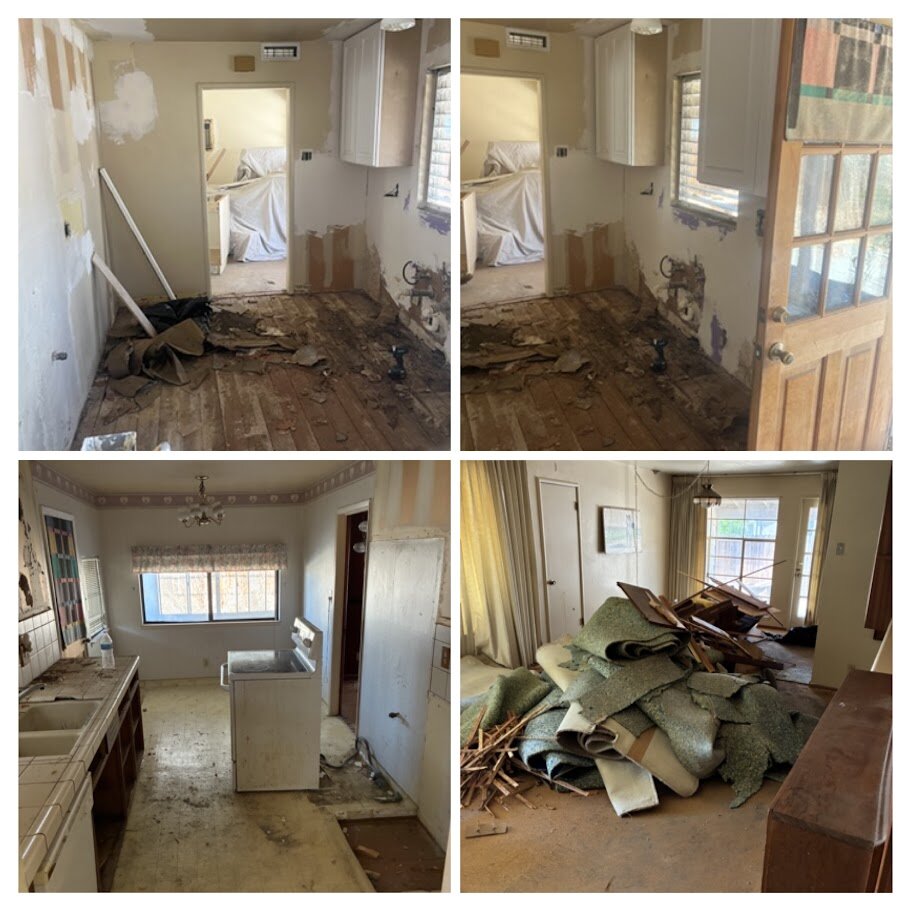
Work that occurred after the purchase—not a list of projects the former owner had to complete before selling.

A property with repairs and deferred maintenance that became a candidate for a direct as-is purchase.
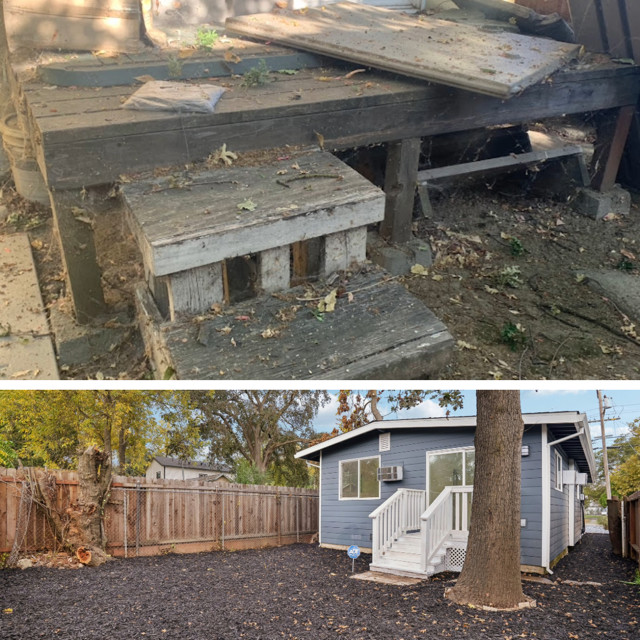
Deferred repairs can become another financial burden when a property no longer fits the owner’s plans or budget.
These sellers describe their own experiences working directly with Darren through real property transactions—useful proof for Auburn owners comparing a local cash buyer with a traditional listing.
A homeowner shares firsthand feedback about working with Darren during the sale of a property.
Additional seller proof showing the communication, process, and personal experience behind a direct transaction with Darren.
An Auburn homeowner may be handing over a valuable property, access details, tenant information, repair issues, and years of equity. Before signing an agreement, independently verify the cash buyer’s identity, licensing, professional background, business registration, community involvement, and transaction experience.
Darren Brown combines direct cash-buying experience with a professional California real estate brokerage background.
View Broker Documentation →Veteran-owned service centered on accountability, direct communication, follow-through, and doing what was agreed upon.
View Military Retirement Proof →Darren’s business has documentation supporting its Disabled Veteran Business Enterprise certification.
View DVBE Certification →Sellers can review the California Secretary of State filing associated with Darren’s operating business.
View State Business Filing →Review the independent Better Business Bureau profile for Darren Buys Homes Cash before accepting an offer.
View BBB Business Profile →Darren maintains a public connection to the Sacramento-region professional and business community while serving property owners across Auburn, Sacramento, Lincoln, Roseville, Rocklin, and surrounding Northern California communities.
View Chamber Listing →Review additional seller feedback, difficult property situations, and direct as-is sale experiences involving Darren Buys Homes Cash.
Review Seller Testimonials →Examine Darren’s professional background, business identity, and supporting trust documentation in one place.
Review Professional Credentials →Use the Seller Trust Center to evaluate the company, process, proof, and direct cash-buying experience before deciding who to work with.
Visit The Seller Trust Center →Another homeowner explains what it was like to work with Darren. Real seller feedback gives Auburn property owners a better basis for evaluating a direct cash buyer before making a decision.
The right decision depends on property condition, occupancy, repair costs, title issues, carrying costs, available reserves, timing, and how much additional work the owner is prepared to accept.
This may make sense when the Auburn owner has adequate reserves, still wants the property, and has a realistic plan for repairs, tenants, maintenance, and future carrying costs.
Some owners invest in repairs, cleanout, staging, and preparation so the property can compete for a traditional retail buyer.
A direct sale may be worth evaluating when the Auburn owner values certainty, wants to reduce seller workload, or does not want to complete repairs, cleaning, or remodeling before selling.
An Auburn owner can compare the likely net from a direct as-is cash offer with continuing to hold the property, completing repairs, preparing for showings, paying commissions and concessions, or attempting a traditional listing. The goal is to understand the difference between a cash buyer vs. listing—not to assume one option is automatically better.
An Auburn house can be dated, vacant, difficult to finance, full of deferred maintenance or facing inspection problems and still have viable sale options. These seven guides are designed to be used together—from the broad as-is decision through repairs, inspection and financing.
The foundation guide for Auburn homeowners comparing a direct as-is sale with repairing, preparing or traditionally marketing the house. Start here when several property problems overlap.
Explore Auburn As-Is Selling →Understand when you may be able to skip repairs, what condition still does to value and how a local as-is cash buyer evaluates a property that needs work.
Explore Selling Without Repairs →For houses where deferred maintenance has become a larger renovation project involving several systems, significant updates or buyer financing concerns.
Explore the Auburn Fixer Guide →Compare repairs and market preparation with the ongoing security, insurance, maintenance and carrying costs associated with an empty Auburn house.
Explore the Auburn Vacant House Guide →Compare contractor costs, renovation risk, carrying time and expected seller net before putting money into a house you already intend to sell.
Compare Repair vs. Sell As-Is →Learn what can happen when roof, electrical, plumbing, structural or other defects create inspection requests, financing questions or transaction risk.
Explore the Auburn Inspection Guide →Understand how condition, appraisal, insurance and lender requirements can shrink the financed buyer pool—and when changing the buyer may make more sense than changing the entire house.
Explore the Auburn Financing Guide →If your situation also involves tenants, inherited property, cleanup, speed or choosing a local buyer, continue with the most relevant Auburn resource below.
Return to the main site for information about selling houses as-is, local cash-buying options, tenant-occupied properties and difficult property situations throughout the Sacramento and Placer region.
Almost anything can be repaired with enough money and time. The more useful question for an Auburn homeowner is whether completing those repairs before selling is actually the best use of your money.
Sellers sometimes treat every repair dollar as though it automatically becomes another dollar of equity. Real estate rarely works that neatly. A repair can create value, preserve value—or simply cost money.
The improvement meaningfully expands the buyer pool or increases what buyers are willing to pay by more than the total cost of the work.
The repair may prevent buyers from discounting the property heavily, but it does not necessarily increase the house’s value dollar-for-dollar.
The seller spends more on the project, carrying costs and management than the work ultimately contributes to the seller’s net proceeds.
If a contractor quotes $20,000, the financial decision is not simply “Do I have $20,000?” The real project may include additional work, ownership time and the possibility that something else is discovered once repairs begin.
| Decision | Short-Term Effect | Potential Longer-Term Effect |
|---|---|---|
| Replace Cosmetic Finishes | House may photograph and show better. | Buyer may still prefer different finishes, and the improvement may not return its full cost. |
| Replace a Major System | Removes one known property concern. | Large cash outlay occurs before you know whether that investment was required for the eventual buyer. |
| Start a Full Renovation | Creates the possibility of a more market-ready house. | Adds project-management time, carrying costs and risk that scope expands. |
| Sell Without Repairs | Current condition is reflected in the buyer’s evaluation. | Future repair responsibility transfers with the property under the terms of the purchase. |
Ask how much you are likely to keep after getting the property into the condition required for that sale.
Then calculate the same number for an as-is cash offer. You may still decide that repairing first produces the better outcome. The difference is that you are making that decision with both numbers in front of you rather than assuming repairs are automatically required.
A predictable cosmetic project is very different from opening up a property where the full condition is not yet known.
If your decision depends on optimistic estimates rather than firm bids and realistic carrying costs, build more margin into the analysis.
Spending $30,000 to potentially improve your seller net by only a small amount may not justify the risk or time involved.
Financial return matters, but so does the time and attention required. Selling without repairs is partly a decision about transferring responsibility.
This longtime rental had difficult condition and significant renovation needs. It had already experienced approximately 250 days of market exposure before the eventual direct transaction.
The direct sale closed in nine days.
The lesson is not that every fixer should bypass the market. It is that time on the market does not eliminate repair obstacles. Sometimes the more important decision is whether the seller wants to fix the property or sell to a buyer prepared to take on the work.
See the 250-Day-to-9-Day Case Study →Different buyers require different property conditions.
A low initial bid leaves little room for additional work or scope changes.
The next buyer may value improvements differently than you do.
Repair time is still ownership time.
A conventional retail buyer and an as-is cash buyer may evaluate the exact same condition very differently.
Understand the as-is option before committing capital to the property.
These are existing published Auburn resources for sellers whose property situation overlaps with cash-buyer, tenant or estate-sale questions.
The house may be different, but the seller’s question is often the same: should I put more money into this property—or compare what selling it without repairs looks like first?
Sellers do not need to investigate every minor defect. But when an expensive decision involves permits, improvements or property records, official information can help clarify what you are dealing with before committing money.
Those are two different statements.
A property can clearly need work while the smartest seller decision is still to leave that work for the next owner.
The determining factor should be the economics: what the repairs cost, how long they take, how much risk they add, what they realistically contribute to the sale, and whether you want to manage the project.
Before committing thousands of dollars to an Auburn house you are already planning to sell, compare what the property looks like in its current condition. Then decide whether repairing it—or transferring the project—produces the better outcome for you.
Yes. A buyer may agree to purchase a property in its existing condition. The property’s condition will still affect value and buyer interest, but the seller does not necessarily have to complete renovations before a sale can occur.
Not automatically. Flooring is partly a presentation and preference issue. Before replacing it, consider your intended buyer and whether the expected improvement in sale proceeds is likely to justify the cost.
Not necessarily. Roof condition can affect value, insurance, inspections and financing, but the appropriate decision depends on the property’s condition and intended buyer. An as-is buyer may evaluate the existing roof and account for future work in the offer.
HVAC condition is one of the factors a buyer can evaluate when determining an as-is purchase price. Sellers should understand the cost of replacement and compare that expense against the expected benefit before automatically installing a new system.
It depends on what the buyer agrees to accept. If avoiding a major cleanout is important, discuss which belongings or contents may remain before paying for hauling or dumpsters. The purchase agreement should reflect what the parties actually agree to.
When multiple repairs overlap, evaluate the property as one project rather than making isolated decisions. Roof, HVAC, plumbing, electrical, cleanup and cosmetic work can collectively create a very different financial picture than any single repair estimate.
An as-is buyer generally considers existing condition when evaluating the property. The meaningful comparison, however, is seller net—not simply gross price. Compare what remains after repairs, carrying costs and the expenses associated with each sale path.
You can, but you do not necessarily need to spend money or begin work first. A direct cash buyer can evaluate the property in its current condition. You can then compare that option with any repair estimates you obtain.
The ideas overlap. “Without repairs” focuses specifically on avoiding pre-sale repair work, while “as-is” more broadly describes selling the property in its present condition. In either case, sellers should still address applicable disclosure and transaction requirements.
You can always decide to repair the property later. Before writing the first check, compare an as-is cash offer based on the house in its current condition. Then you can decide whether completing the work yourself actually improves your outcome.
Compare a No-Repairs Cash OfferNo obligation to accept an offer. Compare the numbers before deciding where to spend your money.