I specialize in buying squatter-occupied, hoarder, tenant-occupied, fixer-upper, and mobile homes — especially for homeowners facing distress, code issues, or overwhelming situations. As a local Sacramento cash buyer and VETERAN real estate broker (CA DRE #01295232), I focus on real solutions with respect, clear communication, and fast closings. Primary service areas include Sacramento, South Sac, Citrus Heights, Natomas, Rio Linda, Oak Park, Florin, Del Paso Heights, North Highlands, Carmichael, and Orangevale. Check the testimonials and see why local sellers trust Darren Buys Homes Cash. You have nothing to lose by calling or texting (916) 300-7962 today — VETERAN-owned, local, and committed to helping you move forward.

Citrus Heights Seller Guide • Repairs vs. As-Is • Local Cash Buyer

Should I Repair My Citrus Heights House or Sell It As-Is?

A house that needs work creates a deceptively simple question: Will spending money on repairs actually leave you with more money when the sale is finished? Sometimes the answer is yes. Sometimes repairs consume cash, time and energy without producing enough additional net proceeds to justify the project.

The right comparison is not “fixed-up price versus cash offer.” It is the likely net result of repairing and listing compared with selling the Citrus Heights property in its present condition to an as-is buyer.

Darren Buys Homes Cash purchases Sacramento-area properties with deferred maintenance, outdated interiors, damaged systems and larger repair needs. That gives a homeowner another number to compare before committing thousands of dollars to a renovation.

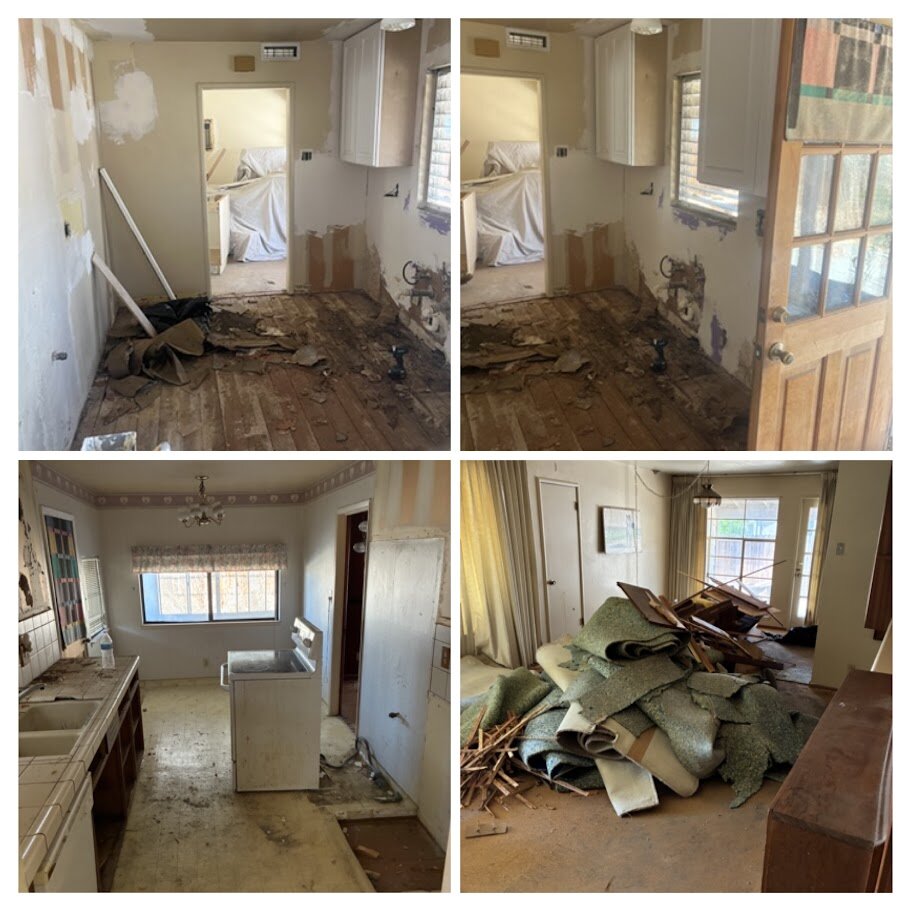
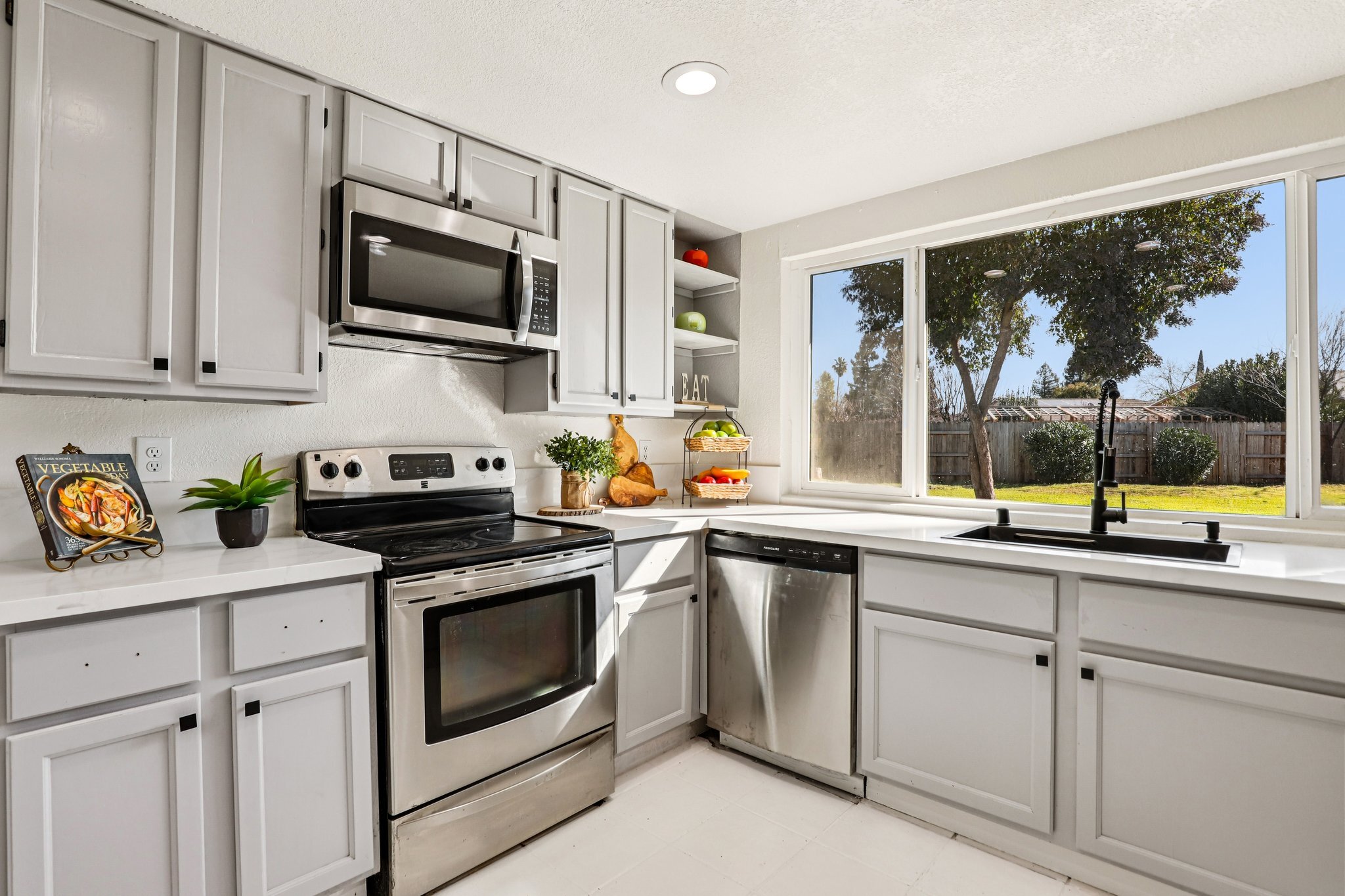
Real work in progress after Darren purchased a Sacramento-area property. Repairs that may make sense for an experienced buyer after closing do not automatically make sense for every homeowner before selling.
Licensed Broker Real estate experience behind the property evaluation
Direct Buyer Compare an actual as-is purchase option
Real Fixer Deals Documented Sacramento-area renovation experience
No Retail Prep Required Evaluate the property in its current condition
Quick Answer

Repair First Only If the Expected Net Gain Justifies the Cost and Risk

If relatively modest repairs are likely to materially improve the property’s marketability and you have the money, time and willingness to manage the work, repairing before selling may make sense.

If the house needs substantial work—or you simply do not want to fund and supervise another project—selling as-is may be the more practical option. An as-is sale generally trades some potential retail upside for less preparation, fewer upfront expenses and a simpler path to closing.

The key is to compare realistic numbers. A future renovated sale price is not the same thing as money in your pocket. Repair costs, overruns, holding expenses, commissions, concessions, financing-related demands and the time required to reach closing all affect the final result.

Start With Net Proceeds

Do Not Compare a Cash Offer With an Unfinished Retail Price

One of the easiest mistakes a seller can make is comparing an as-is offer directly with the price of a nearby remodeled home. Those are two different products and two different transactions.

The remodeled house already has the work completed. Your property may still require materials, contractors, cleanup, permits where applicable, landscaping, system repairs, inspections, staging or other preparation before it can compete for the same buyer.

A useful comparison starts with what each route is likely to leave you with after the costs required to complete that route.

A Better Seller Comparison
Repair-and-list path: expected sale proceeds minus repairs, preparation, holding costs, selling expenses and transaction concessions.

As-is path: direct purchase price minus the actual costs and obligations required under that specific purchase agreement.

The question is not whether repairs can increase a home’s sale price. The question is whether they increase your final net proceeds enough to compensate you for the money, time and risk required to complete them.

Not All Repairs Are Equal

Separate Small Marketability Improvements From Major Capital Repairs

“The house needs work” can mean anything from worn paint and dated carpet to a roof, HVAC system, electrical problems, plumbing issues or extensive deferred maintenance. Treating every repair the same can lead to poor spending decisions.

Cosmetic Improvements

Paint, flooring, landscaping, fixtures and minor cleanup can sometimes improve presentation without turning the sale into a major construction project.

These are the repairs most worth pricing carefully when a seller is considering a conventional listing.

Functional Repairs

Plumbing, electrical, heating and cooling, windows, appliances and other systems may affect usability, inspections and buyer confidence.

The decision becomes more complicated when several systems need work at the same time.

Major Capital Work

Roofing, structural repairs, extensive water damage, major rehabilitation or broad deferred maintenance can require substantially more money and project management.

This is where comparing a no-repairs as-is sale can become particularly useful.

Real Property • Real Renovation Work

What “Needs Repairs” Can Look Like After a Direct Purchase

Darren’s transaction library includes properties where the work did not end at closing—it began there. That distinction matters. A direct buyer can make a repair plan based on its own investment model after acquisition rather than requiring the homeowner to complete the same project before selling.

Real Sacramento-area fixer property purchased for renovation
Real fixer-property documentation from Darren’s Sacramento-area transaction library.
Circle Parkway property renovation work in progress
Circle Parkway work in progress—an example of repairs undertaken after acquisition.
Look Beyond the Contractor Bid

Seven Costs Sellers Often Miss When Calculating Whether Repairs Are Worth It

1. Scope Creep

One repair can expose another. Flooring removal may reveal subfloor damage. Opening a wall may uncover plumbing or electrical work. A project budget should leave room for conditions that were not visible at the start.

2. Holding Costs

Mortgage payments, property taxes, insurance, utilities, landscaping and basic maintenance continue while repairs and marketing are underway.

3. Seller Time

Contractor calls, bids, access, scheduling, materials and quality control require management. Your time has value even when it does not appear on a contractor invoice.

4. Market Risk

A renovation is completed for a future buyer in a future market. The eventual sale price is not guaranteed when the work begins.

5. Inspection Negotiations

Completing visible improvements does not guarantee a buyer will accept everything else. A later inspection can still generate additional repair requests, credits or negotiations.

6. Financing & Appraisal Exposure

A retail buyer’s financing introduces another layer to the transaction. The seller should distinguish a hoped-for sale price from a transaction that has actually reached closing.

7. Selling Expenses

When estimating the retail route, include the selling expenses associated with the listing strategy you choose rather than treating the expected contract price as the seller’s final proceeds.

The Opportunity Cost

Money placed into an unwanted house is money unavailable for another purpose. That does not make repairs wrong; it means the expected return should justify tying up the additional capital.

When Repairing First Can Be Rational

Selling As-Is Is an Option— Not an Automatic Recommendation

A credible as-is buyer should be willing to acknowledge when another route deserves consideration. If the house needs limited work and the seller has the resources to complete it efficiently, repairing before listing can make financial sense.

  • The repairs are relatively limited and easy to define.
  • Reliable contractors are available at reasonable cost.
  • The seller has sufficient cash reserves without creating financial strain.
  • The improvements are likely to materially expand the buyer pool.
  • The seller has enough time to complete the work without needing an immediate exit.
  • The expected increase in net proceeds meaningfully exceeds the cost and risk of the project.

A homeowner with a sound house that needs modest cosmetic work is making a very different decision from an owner facing a roof, HVAC replacement, extensive deferred maintenance and a full interior renovation.

When an As-Is Sale Becomes More Relevant

The Larger the Repair Burden, the More Important the Comparison Becomes

Selling directly can become more attractive when preparing the property for retail buyers would require substantial money, management or uncertainty. The seller is not necessarily “giving up” by declining to renovate. The owner may simply be choosing not to become the project’s financier and construction manager.

Multiple Major Repairs

A roof plus HVAC plus flooring plus kitchen work is not one repair—it is a capital project. The combined cost and coordination can materially change the seller’s decision.

Limited Cash Available

A seller should not assume they must borrow money or deplete reserves simply to make a house acceptable to a future buyer.

Inherited or Unwanted Property

Owners who never intended to renovate the house may place more value on transferring the property in its existing condition than maximizing a theoretical post-renovation price.

Tenant or Occupancy Complications

Repairs can become substantially harder when access is limited or the property remains occupied. In those situations, the condition and occupancy decisions may need to be evaluated together.

Long-Deferred Maintenance

When years of maintenance have accumulated, solving one visible issue may not make the property retail-ready. A broader rehabilitation plan may be required.

The Seller Is Simply Done

Convenience has economic value. Some owners have the ability to repair the house but no longer want to spend another several months managing it. That preference belongs in the comparison.

Darren Brown’s Perspective Do not spend $1 just because someone says it will add $1 to the sale price.

When I evaluate a property that needs work, I separate the question of what I might repair after buying it from what the homeowner should repair before selling it.

Those are not automatically the same decision.

An experienced buyer may have contractors, established renovation systems, the ability to absorb unexpected costs and a business reason for improving the property after acquisition. A homeowner preparing for one sale may be starting from a completely different position.

If a seller can spend a reasonable amount, manage the work efficiently and materially improve the final net result, repairing first deserves serious consideration.

But if the project requires substantial capital, months of work or exposes the owner to additional uncertainty, I would rather give the seller an as-is cash number to compare before they spend the money. Then the owner can decide which route actually fits the property and their priorities.

Side-By-Side Decision

Repair and List vs. Sell Your Citrus Heights House As-Is

Neither option wins every time. The better strategy depends on the repair scope, seller resources, timing and the difference between the expected net proceeds under each route.

Decision Factor Repair & List Direct As-Is Sale
Upfront repair money Seller generally funds the work before receiving sale proceeds. Property can be evaluated without completing retail repairs first.
Project management Seller coordinates contractors, scheduling and preparation. Buyer assumes its own post-closing repair plan.
Time before marketing Larger repair scopes can delay the listing. Evaluation can begin in the property’s current condition.
Potential buyer pool A repaired property may appeal to more conventional retail buyers. Buyer pool is narrower because the buyer accepts the repair burden.
Potential sale price May be higher after successful improvements and market exposure. Offer generally accounts for condition, repairs and buyer investment risk.
Cost certainty Final repair cost may change as work progresses. Seller can evaluate the written offer before committing money to renovations.
Best fit Sellers with time, capital and a repair plan that appears financially justified. Sellers prioritizing simplicity, reduced upfront spending and an as-is exit.
Independent Seller Feedback

Before You Spend Money on the House, Verify Who Is Giving You the Alternative

An as-is offer is only useful if the buyer and proposed transaction are credible. Review independent feedback, transaction experience and professional credentials before deciding whether to repair, list or sell directly.

Real Transaction • Real Person • Real Property

Difficult Properties Are About More Than the House

Property condition is only one part of a difficult sale. Occupancy, communication, access, repairs, utilities, timing, belongings, and the people affected by the transaction can all matter.

The Citrus Heights Butternut Drive transaction is one example. The property had been occupied by a non-paying tenant for approximately 18 months. When Darren purchased the house, it was without working electricity and air conditioning. After closing, utilities and essential conditions were addressed and a short-term rental arrangement was established with the occupant.

That is a tenant-related transaction, but the larger lesson applies beyond rental property: a difficult sale often requires understanding the entire situation rather than looking only at the physical house.

Butternut Drive, Citrus Heights — real occupant testimonial following Darren’s purchase of a difficult rental property.

Why This Proof Belongs on Difficult-Property Pages

The value of this transaction is not simply that a tenant was involved. It demonstrates Darren’s willingness to evaluate properties with multiple overlapping complications rather than requiring the seller to solve every issue before a sale can be considered.

  • Occupied property
  • Long-term nonpayment
  • Utility problems
  • No working air conditioning at acquisition
  • Property-condition concerns
  • Post-closing occupant coordination
  • Direct as-is purchase
Citrus Heights • Real Transactions • Verified Local Experience

Real Experience With Difficult Citrus Heights Property Situations

Every difficult property has a different story. Some houses need major repairs. Others involve tenants, deferred maintenance, unwanted belongings, title complications, code concerns, vacancy, inherited ownership, or simply an owner who does not want to spend additional time and money preparing the property for a traditional sale.

Darren Brown’s approach is to evaluate the property and the seller’s situation as they actually exist. That means an owner can compare a direct cash offer without first remodeling, cleaning out, making the house retail-ready, or pretending difficult issues are not there.

The transaction proof below is included for one reason: to show the type of real-world property situations Darren has personally worked through. It is not a promise that every transaction will be identical. It is documented experience that sellers can evaluate before deciding who they want to work with.

California Licensed Real Estate Broker
Retired U.S. Air Force Veteran
Veteran-Owned Local Business
Direct As-Is Cash Buyer
Real Sacramento-Area Transactions
A Broader As-Is Selling Option

You Do Not Have To Make a Difficult Property Perfect Before Comparing Your Options

Traditional retail selling often works best when a property can be prepared, photographed, shown repeatedly, inspected, appraised, and financed without significant complications. Many Citrus Heights houses fit that model.

Others do not.

An owner may be dealing with repairs, an occupied house, accumulated belongings, an inherited property, deferred maintenance, title questions, code concerns, vacancy, vandalism, an aging rental, or another circumstance that makes conventional preparation less attractive.

A direct as-is sale provides another number and another strategy to compare. It does not automatically mean a cash offer is the best option. It means the seller can evaluate the property without first paying to transform it into a different property.

Property Condition

Evaluate the house as it sits, including deferred maintenance, damage, cleanup, major repairs, or outdated systems.

Occupancy & Access

Consider tenants, relatives, occupants, belongings, vacancy, limited access, or other practical issues affecting the sale.

Seller Priorities

Compare net proceeds, required investment, timeline, certainty, convenience, and transaction risk—not simply the advertised sale price.

Real Difficult-Property Case File

When An Unexpected Occupancy Problem Happened After The Sale

Difficult-property transactions are not always complicated because of repairs alone. In this real Sacramento-area transaction, a former tenant broke back into the property after Darren had already purchased it.

The former seller had already completed the transaction. Darren was then responsible for dealing with the unexpected access and security issue after ownership transferred.

This case is useful beyond tenant-related pages because it demonstrates what it means for a direct buyer to assume the practical risks that may remain after a difficult property closes.

Sellers evaluating an as-is buyer should consider more than the offer amount. They should also consider whether the buyer understands occupancy, belongings, access, deferred repairs, security, cleanup, title coordination, and unexpected problems.

Watch Real Property Proof

Difficult Properties And As-Is Experience You Can See

Sellers should not have to rely only on polished marketing claims. These videos show actual Sacramento-area properties Darren purchased and worked on after closing.

Flaum Court Work In Progress

See what happened after this property transferred as-is. The former owner did not have to complete this work before selling, coordinate the renovation, or prepare the house to compete for a retail buyer.

Circle Parkway Difficult Property

This tenant-occupied hoarder property required substantial work. The seller transferred the property without first removing everything, completing renovations, or making the house retail-ready.

See The Types Of Properties Darren Buys As-Is

Walk through an actual property with Darren and see the types of physical conditions a direct as-is cash buyer may take on after closing. A seller does not have to make a difficult house perfect before discussing a sale.

“The most important proof is not a promise that every difficult property will be easy. It is showing that the buyer has already worked through real occupancy problems, deferred maintenance, belongings, repairs, property-condition issues, and unexpected situations.”
Darren Brown — Licensed California Broker and Local Cash Buyer
Real As-Is Transaction Evidence

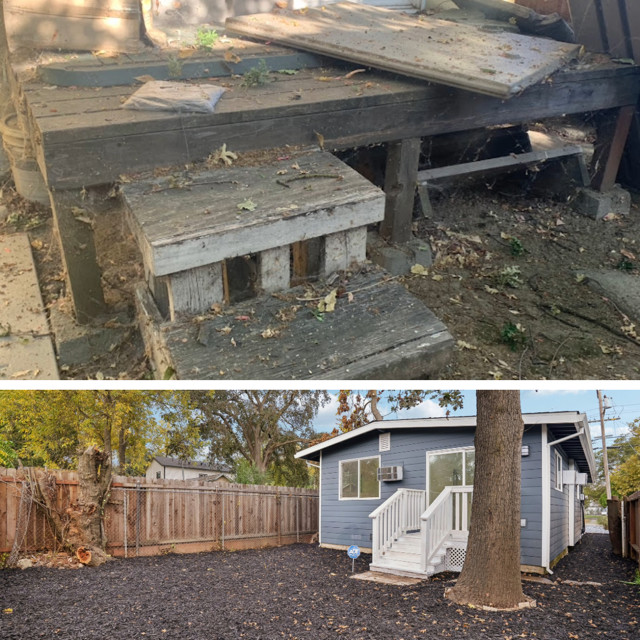
The Sellers Did Not Have To Make These Repairs First

These images come from actual Sacramento-area transactions. They demonstrate why property owners may compare an as-is sale with spending additional money on repairs, cleanout, contractor management, and retail preparation.

Real Seller Experiences

Hear From Homeowners Who Worked With Darren

These homeowners describe their own experiences working directly with Darren through real property transactions.

Seller Story: A Direct, Straightforward Sale

A homeowner shares firsthand feedback about working with Darren during a real property sale.

Seller Story: Communication Through Closing

Additional seller proof showing the communication, transaction process, and personal experience behind a direct sale with Darren.

Do Not Just Trust The Claims—Verify The Buyer

Whether a property has repairs, tenants, liens, deferred maintenance, code issues, title complications, unwanted belongings, vacancy, inherited ownership, or another difficult condition, the buyer should still be independently evaluated.

Before signing an agreement, sellers can verify Darren’s licensing, professional background, business registration, veteran status, community involvement, seller experiences, and transaction history.

Licensed California Real Estate Broker

Darren Brown combines direct cash home buying experience with a professional California real estate brokerage background.

View Broker Documentation →

Retired U.S. Air Force Veteran

Veteran-owned service centered on accountability, direct communication, follow-through, and doing what was agreed upon.

View Military Retirement Proof →

DVBE-Certified Business Owner

Darren’s business has documentation supporting its Disabled Veteran Business Enterprise certification.

View DVBE Certification →

California Business Registration

Sellers can review the California Secretary of State filing associated with Darren’s operating business.

View State Business Filing →

A+ BBB-Rated Business

Review the independent Better Business Bureau profile for Darren Buys Homes Cash before accepting an offer.

View BBB Business Profile →

Sacramento Metro Chamber Member

Darren maintains a public connection to the Sacramento region’s professional and business community.

View Chamber Listing →

Real Seller Experiences

Review additional seller feedback, property situations, and experiences involving Darren Buys Homes Cash.

Review Seller Testimonials →

Professional Credentials

Examine Darren’s professional background, business identity, and supporting trust documentation in one place.

Review Professional Credentials →

Sacramento Seller Trust Center

Use the Seller Trust Center to evaluate the company, process, transaction proof, and cash home buying experience before deciding.

Visit The Seller Trust Center →

Seller Story: Why They Chose Darren

Another homeowner explains what it was like to work directly with Darren. Real seller feedback gives a property owner a better basis for evaluating the person behind the offer before making a decision.

Compare The Real Paths Forward

Three Ways To Approach A Difficult Citrus Heights Property

The strongest option depends on property condition, available equity, repair costs, occupancy, title issues, timing, available cash, likely net proceeds, and how much additional work the owner wants to take on before selling.

1

Keep The Property And Resolve The Problems

Continued ownership may make sense when the property still fits the owner’s goals and there is enough time, money, and willingness to address the problems before reconsidering a sale.

  • Continue paying carrying expenses
  • Address repairs or deferred maintenance
  • Resolve occupancy or access issues when applicable
  • Work through title, code, or documentation concerns
  • Reevaluate selling later
2

Prepare The Property For A Traditional Sale

A conventional listing may be appropriate when the owner has the resources and time to prepare the property and wants broad exposure to retail buyers.

  • Complete needed repairs or improvements
  • Clean out and prepare the property
  • Coordinate access and showings
  • Navigate inspections and appraisal
  • Accept the timeline and financing variables of a retail sale

You Do Not Have To Decide Before You Know The Numbers

Darren can evaluate a Citrus Heights property in its current condition and provide a direct as-is option that can be compared with keeping the house, completing repairs, resolving other property issues, or preparing for a traditional listing.

Citrus Heights Seller Resource Center

More Citrus Heights Guides For Difficult Property And Landlord Situations

Use these local resources to compare selling options by property condition, tenant situation, ownership challenge, timing, and the type of sale you are considering.

Built from published Citrus Heights pages already present in the site sitemap. These resources cover tenant-occupied rentals, non-paying tenants, landlord exits, out-of-state ownership, squatters, hoarder properties, code violations, delinquent taxes, foreclosure, repairs, vacant homes, inherited houses, cash-sale timing, and buyer verification.
Local Seller Overview

Citrus Heights Local Hub

Start with the main Citrus Heights service-area page for local selling options and property situations.

Read Citrus Heights Guide →
Landlord & Tenant Problems

Rental Property With Non-Paying Tenants

A focused Citrus Heights guide for landlords dealing with missed rent while considering an as-is sale.

Read Citrus Heights Guide →
Local Case Study

Real 7-Day Citrus Heights Rental Case Study

See a real Citrus Heights rental-property case study involving non-paying tenants and a seven-day closing.

Read Citrus Heights Guide →
Tenant-Occupied Property

Sell A Tenant-Occupied House

Review options for selling a Citrus Heights house while a tenant is still occupying the property.

Read Citrus Heights Guide →
Tenant Exit Questions

What If My Tenant Won’t Leave?

Understand the selling questions that arise when a Citrus Heights tenant will not leave before a planned sale.

Read Citrus Heights Guide →
Landlord Exit Strategy

Tired Of Being A Landlord?

A Citrus Heights resource for owners comparing continued management with selling a rental property as-is.

Read Citrus Heights Guide →
Remote Ownership

Sell An Out-Of-State Rental

For landlords who own a Citrus Heights rental from outside the area and want to compare an as-is exit.

Read Citrus Heights Guide →
Rental Property Sale

Sell A Rental Property Fast

A broader Citrus Heights landlord resource covering a direct cash-buyer option for rental property.

Read Citrus Heights Guide →
Unauthorized Occupancy

Sell A Squatter House

Explore a Citrus Heights-specific resource for selling a house with squatters or unauthorized occupants.

Read Citrus Heights Guide →
Hoarder & Heavy Cleanout

Sell A Hoarder House Without Cleaning

For Citrus Heights properties with extensive belongings, debris, or cleanout needs that may be sold as-is.

Read Citrus Heights Guide →
Code & Property Condition

Sell A House With Code Violations

A Citrus Heights guide for owners facing code issues while evaluating an as-is sale.

Read Citrus Heights Guide →
Tax Problems

Sell With Delinquent Property Taxes

Review options when delinquent property taxes are part of a Citrus Heights home sale.

Read Citrus Heights Guide →
Foreclosure

Sell Before Foreclosure

A Citrus Heights resource for owners considering a sale before a foreclosure timeline advances further.

Read Citrus Heights Guide →
As-Is / No Repairs

Sell My House Without Repairs

Compare selling a Citrus Heights property in its present condition without completing repairs first.

Read Citrus Heights Guide →
Repair Decision

Do I Need To Fix My House Before Selling?

A decision-focused Citrus Heights resource for weighing repair costs against selling in current condition.

Read Citrus Heights Guide →
Fixer-Upper

Sell A Fixer-Upper House As-Is

For Citrus Heights homes with deferred maintenance, dated systems, or larger repair needs.

Read Citrus Heights Guide →
As-Is Seller Guide

Can I Sell My House As-Is?

A Citrus Heights-specific explanation of what an as-is sale can mean for repairs, preparation, and buyer expectations.

Read Citrus Heights Guide →
Vacant Property

Sell A Vacant House

Review a direct as-is option for an empty Citrus Heights property that may be costing money to hold.

Read Citrus Heights Guide →
Inherited Property

Sell An Inherited House

A Citrus Heights resource for owners evaluating the sale of an inherited house.

Read Citrus Heights Guide →
Cash Sale Process

How Does Selling A House For Cash Work?

Learn the basic Citrus Heights cash-sale process and what sellers can compare before accepting an offer.

Read Citrus Heights Guide →
Closing Timeline

How Fast Can I Sell For Cash?

A Citrus Heights-specific resource focused on timing, process, and what can affect a faster cash closing.

Read Citrus Heights Guide →
Buyer Verification

Legit Cash Home Buyers In Citrus Heights

Use this local guide when comparing cash buyers and checking experience, credibility, and the proposed transaction.

Read Citrus Heights Guide →
Local As-Is Cash Buyer

We Buy Houses In Citrus Heights

A Citrus Heights overview for owners comparing a direct as-is cash-buyer sale with other selling routes.

Read Citrus Heights Guide →
Cash Buyer Overview

Cash Buyers In Citrus Heights

Additional Citrus Heights information for sellers researching local cash-buyer options.

Read Citrus Heights Guide →
Before You Hire the Contractor

Get Real Numbers Before Turning the House Into a Renovation Project

A seller does not need a perfect construction budget before deciding whether repairs deserve further consideration. But the decision should be based on more than a guess.

Start by identifying the major work the house appears to need and obtain enough information to understand the likely scope. Then compare that expense with the expected financial benefit of completing the project before sale.

Get More Than a Headline Bid

A low preliminary estimate can look attractive until demolition, materials, permits where applicable, additional damage, scheduling or change orders expand the project. Understand what the estimate includes and what it does not.

Estimate the Time Cost

A repair plan has a calendar attached to it. Consider how long the work may take, whether contractors are available, and how long you may continue paying holding expenses before the house is actually sold.

Estimate the Retail Upside Conservatively

A renovated comparable can help frame the market, but it should not be treated as a guaranteed future price. Condition, location, buyer demand, appraisal and the quality of the finished work all matter.

Get an As-Is Number Before Spending

A direct as-is offer gives the seller a second data point. If the difference between repairing and selling as-is is smaller than expected, the project may not justify the additional capital and work.

A Practical Repair Filter

Which Repairs Are Most Important Before a Traditional Sale?

If a Citrus Heights owner chooses the repair-and-list path, the goal should not automatically be to remodel everything. The stronger question is which work materially improves marketability, financing, safety or buyer confidence.

  • Address known conditions that may materially affect safety or property function.
  • Prioritize major systems when their condition could interfere with the intended buyer pool.
  • Separate necessary maintenance from purely cosmetic upgrades.
  • Be cautious about highly personalized improvements that may not produce equivalent resale value.
  • Consider whether repair money is being spent to solve an actual buyer objection or simply to make the house look newer.
  • Compare the expected improvement in net proceeds with the total money and time required.

You Do Not Need To Win a Remodeling Contest

If the repair-first strategy is selected, the objective is to improve the transaction—not to create the most expensive version of the house.

The Risk Is Not Only the Repair Cost

Contractor Risk Can Change the Economics of Repairing Before Selling

A repair estimate is only one part of a project. Execution matters. A contractor who is delayed, unavailable or unable to complete the planned scope can extend the holding period and create new uncertainty.

Schedule Risk

A project that was expected to take a short period can expand when trades, materials, inspections or unexpected repair conditions slow the work.

Change-Order Risk

The initial estimate may change when hidden damage or additional work is discovered. Sellers should understand how much uncertainty exists before committing funds.

Quality Risk

Spending money does not guarantee the finished work will support the hoped-for retail value. Poor workmanship can create another round of corrections or buyer objections.

Management Risk

Even a competent contractor still requires decisions, access, payments, scheduling and oversight. Sellers should include that burden in the repair-versus-as-is comparison.

The Final Decision Test

Four Questions To Ask Before Putting More Money Into the House

1. What Will the Entire Project Cost?

Include repairs, cleanup, materials, contractor management, holding expenses and the possibility of additional work—not just the first bid.

2. What Is the Realistic Net Improvement?

Estimate the additional amount you may keep after completing the work, not simply the increase in the expected sale price.

3. How Much Risk Am I Accepting?

Consider cost overruns, delays, buyer inspection requests, appraisal, financing and the possibility that the future sale does not perform as expected.

4. Do I Actually Want To Manage This Project?

A strategy can make sense mathematically and still be a poor fit for the seller’s priorities. Time, stress and convenience have value too.

If the projected extra net proceeds are substantial and the project is manageable, repairing may be worth it. If the difference is modest after realistic costs and risk, selling the house as-is may deserve greater weight.

Frequently Asked Questions

Repairing vs. Selling As-Is in Citrus Heights

Do I have to repair my house before selling it?

Not necessarily. A seller may choose to repair and pursue a traditional sale or compare selling the property in its current condition. The better route depends on condition, costs, timing and expected net proceeds.

Will repairs always increase my profit?

No. Repairs may increase the sale price without increasing the seller’s net proceeds by the same amount. Project cost, holding expenses and transaction costs should be included in the comparison.

Should I renovate the kitchen and bathrooms before selling?

Major cosmetic renovations should be evaluated carefully. They may improve appeal, but the seller should compare their total cost with the likely additional net proceeds rather than assuming every upgrade pays for itself.

What if the house needs a new roof or HVAC system?

High-cost system repairs can materially change the economics of preparing for a traditional sale. Get enough information to understand the likely expense and compare it with an as-is sale before committing the capital.

Can I sell a house with several repairs needed at once?

Potentially, yes. A direct buyer can evaluate the combined condition of the property. The resulting offer will generally reflect the repair burden and investment risk.

Does selling as-is mean I do not disclose known problems?

No. “As-is” and disclosure are different concepts. Sellers should still address applicable disclosure obligations and seek appropriate professional guidance when unsure.

Can I get an as-is offer before deciding whether to repair?

Yes. That is often the most useful time to get one. A direct offer gives the owner another concrete number to compare before spending money on the house.

Is repairing and listing always the best way to get the highest price?

It may produce a higher gross sale price in some situations, but the strongest decision should be based on realistic net proceeds after repair, holding and selling expenses—not gross price alone.

Citrus Heights Seller Summary

Repair First or Sell As-Is? Compare the Net Result Before Deciding

A Citrus Heights homeowner should not automatically repair everything before selling—and should not automatically accept an as-is offer either. Both strategies can make sense depending on the property and the seller’s priorities.

Repairing first deserves consideration when the scope is manageable, the owner has reliable contractors and capital, the timeline is acceptable, and the expected increase in net proceeds clearly justifies the work.

Selling as-is becomes more relevant when the property has major deferred maintenance, several expensive systems need attention, the owner does not want to finance a renovation, access or occupancy complicates the work, or the expected financial benefit of repairing is uncertain.

The useful comparison is therefore not simply “How much could the house sell for after repairs?” It is: “What am I likely to keep under each realistic strategy?”

Know the Alternative Before You Spend

Compare an As-Is Offer Before Repairing Your Citrus Heights House

You do not need to renovate the house simply to learn what a direct buyer would pay for it in its present condition.

Darren can evaluate the property as-is so you can compare that option with your repair estimates, expected retail sale and preferred timeline before making the investment decision.