

Flaum Court Work In Progress
See what can happen after a seller transfers a rental as-is. The owner did not have to complete this work before selling, coordinate contractors, or remodel the house to compete for a retail buyer.
Tenant damage can turn what looked like a straightforward Auburn rental sale into a repair decision. Flooring may need replacement. Walls, doors, cabinets or fixtures may be damaged. Belongings and debris may remain. Deferred maintenance may also become visible once the property can finally be inspected.
The important question is not simply, “How much will it cost to fix everything?” It is whether completing those repairs before selling is likely to produce enough additional seller net to justify the expense, time and additional ownership risk.
An Auburn landlord can compare repairing the rental, completing only essential work, listing in its current condition or selling directly to an as-is cash buyer willing to take on the post-closing repair project.
Yes. An Auburn rental does not necessarily have to be completely repaired before it can be sold. A landlord can compare the cost of restoring the property for a traditional sale with the amount the house may be worth in its current condition. For significant tenant damage, deferred maintenance or cleanup, an as-is cash buyer may be willing to evaluate the repair work as part of the purchase rather than requiring the landlord to complete the entire project first. The better choice depends on repair cost, holding time, buyer financing, expected sale price and realistic seller net.
Circle Parkway is a useful example because tenant-related property problems are not always limited to one broken door or damaged room. Cleanup, belongings, deferred maintenance and repair-heavy condition can overlap. When that happens, the landlord should evaluate the entire property rather than assume every item must be repaired before a sale can occur.
Read independent Google feedback from Sacramento-area property owners who have worked with Darren Buys Homes Cash on direct, tenant-occupied and difficult-condition property sales.
If a buyer is asking you to transfer an Auburn rental in damaged or unrepaired condition, verify the person, business and professional background behind the offer before entering a direct-sale agreement.
A damaged rental can still be evaluated and sold in its current condition.
Photos, video, invoices and estimates can help create a clearer record of what the property looked like before repairs begin.
Tenant damage may exist alongside age, deferred maintenance and systems that already needed work.
Contractor time, vacancy and additional carrying expenses also affect the eventual seller net.
Financing, inspections and condition expectations can narrow the conventional buyer pool.
A higher future price is useful only when the additional costs and time required to reach it still leave the seller ahead.
A landlord who plans to keep the Auburn property has a reason to restore it. Repairs may be necessary to make the home rentable again and protect the property’s long-term income potential.
But a landlord who has already decided to sell has a different objective. In that case, the question is whether putting additional money into the house creates a better financial outcome than transferring the repair project to the next owner.
This is where many sellers accidentally turn a landlord exit into a construction project.
The better approach is to determine what the property is worth now, estimate what it could realistically net after repairs and compare the difference with the time and capital required to get there.
A landlord may walk into the property and immediately focus on the most visible problem. But the sale decision should be based on the complete condition of the house, not only what appears to have happened during the tenancy.
Flooring, drywall, doors, cabinets, fixtures and appliances can create substantial turnover expense.
Plumbing, electrical, HVAC, roofing and moisture issues may have existed independently of tenant-caused damage.
Debris, furniture and remaining contents can add labor, disposal and scheduling costs.
Landscaping, fencing, drainage and deferred exterior work can increase the total project beyond the interior repair list.
Before repairs or cleanup materially change the condition of the rental, create an organized factual record. Documentation can help the landlord, contractors, advisors and potential buyers understand what was actually present.
Photograph rooms, surfaces, fixtures, appliances and visible damage from multiple angles.
A continuous walkthrough can provide context that isolated photos may not capture.
Obtain realistic contractor pricing before assuming a repair budget.
Retain available prior photos, inspection records or condition documentation for comparison.
Keep records for cleanup, repairs, disposal and other property work.
Organize maintenance, prior repair and major-system records that help separate the property’s broader condition from the recent damage.
Important: Questions involving a security deposit, claims against a tenant or responsibility for specific damage can involve California landlord-tenant law. This page focuses on the real estate sale decision. Obtain appropriate legal guidance for tenant-accounting or damage-claim questions.
Electrical hazards, active plumbing leaks, structural concerns and other significant system problems can materially affect marketability, inspections, financing and repair cost.
Flooring, drywall, cabinets, fixtures, doors and other damaged components may improve the property’s presentation, but the expected return should still justify the expense.
A landlord preparing to exit does not automatically need to remodel the property to a personal retail standard. Compare the likely return before expanding repair work into renovation.
Complete the cleanup and renovation necessary to compete for a broader retail buyer pool.
Address selected condition issues without turning the landlord exit into a complete renovation.
Expose the property to the market while making clear that the current condition is part of the sale decision.
A direct buyer can evaluate the rental in its existing condition and price the repair project into the offer.
A repaired Auburn rental may sell for more than a damaged one. That alone does not answer whether repairing first produces the stronger financial result.
Use realistic contractor pricing rather than an optimistic rough estimate.
Add mortgage, taxes, insurance, utilities and other expenses while work and marketing continue.
Include commissions when applicable, concessions, inspections and transaction expenses.
Determine whether the expected increase in sale proceeds exceeds the additional investment required to obtain it.
Compare that figure with the amount you could realistically receive by selling the Auburn rental in its present condition. The best decision is the one that produces the stronger overall outcome—not automatically the one with the highest future sale price.

Although Auburn is the primary focus of this page, difficult-property situations are not limited by city boundaries. Darren works with homeowners and property owners across the greater Sacramento and Placer County region, including Sacramento, Lincoln, Roseville, and Rocklin. The transaction evidence, seller experiences, tenant situations, repair-heavy properties, and as-is examples shown throughout this page are intended to demonstrate real regional experience that remains relevant to Auburn sellers over time.
Whether the property is in Auburn, Sacramento, Lincoln, Roseville, Rocklin, or another nearby Northern California community, the same practical questions often apply: what will repairs cost, how much additional carrying time is acceptable, what happens with occupants or belongings, and how does a direct as-is cash offer compare with preparing the property for a traditional listing?
An Auburn property can become difficult to keep for many reasons: deferred maintenance, tenant problems, an inherited house, vacancy, liens, code concerns, major repairs, rising carrying costs, or simply a change in the owner’s plans. The mortgage, property taxes, insurance, utilities, maintenance, and repair exposure can continue even when the property is no longer serving the owner well.
Some Auburn owners have the time, reserves, and desire to repair the house and pursue a traditional listing. Others live out of the area, inherited the property, are managing tenants or family occupants, are facing major repair estimates, or simply no longer want to invest more time and money before selling.
A direct as-is sale offers another path. Instead of first trying to create a perfect vacant property, the owner can compare the likely net outcome of continuing to hold the rental against an offer from a buyer who understands tenant-occupied and problem-property transactions.
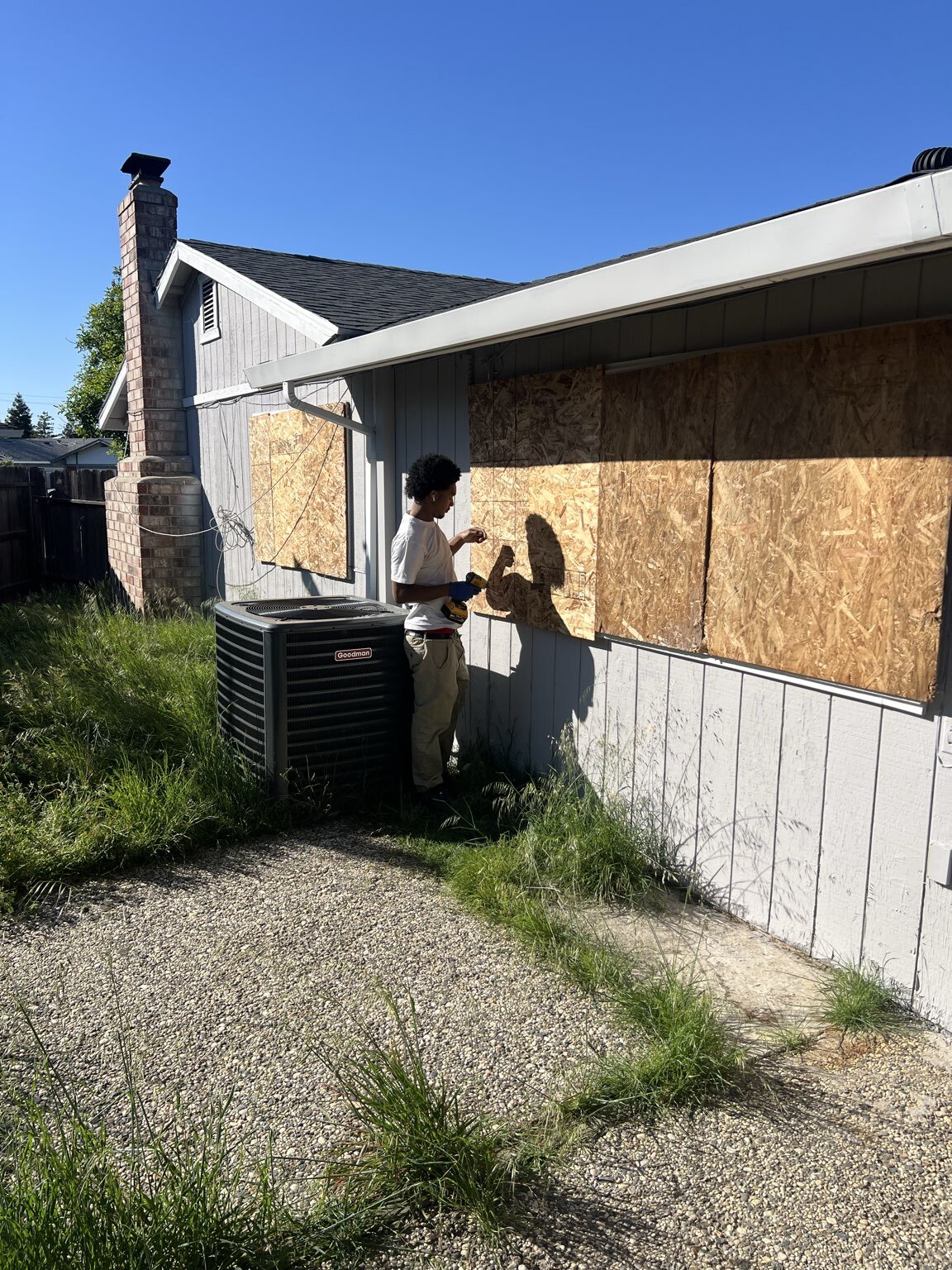
Darren’s experience is based on actual Northern California transactions involving tenants, deferred maintenance, inherited ownership, vacancy, difficult communication, and properties that were not ready for traditional listing photos or repeated buyer showings.
A traditional listing may make sense when the owner has time, repair money, easy access, and a property that can compete well with retail inventory. A local cash buyer may be worth comparing when the priority is certainty, speed, fewer contingencies, or a no-repairs as-is sale.
That comparison can be especially useful when an owner wants to sell a rental property as-is, sell a house with tenants, sell a tenant-occupied house, sell a rental property with tenants, sell a house with a non-paying tenant, sell a rental with a non-paying tenant, or simply sell a house fast without first renovating it for the market.
The practical question is not whether every seller should choose a direct cash buyer. It is whether the net, timeline, workload, and certainty of an as-is cash buyer or local as-is home buyer compare favorably with repairing and listing the Auburn property.
Not every tenant-occupied transaction becomes simple the moment escrow closes. In this real Sacramento-area case, a tenant broke back into the property after Darren had already purchased it.
This behind-the-scenes video shows why experience matters when selling a difficult property as-is. Unexpected access problems, belongings, deferred repairs, communication issues, tenant concerns, and post-closing complications require practical judgment—not polished promises.
The former owner had already completed the sale. Darren took responsibility for what happened afterward, illustrating one reason a direct cash buyer with real difficult-property experience can be valuable when an Auburn owner wants to transfer the property as-is and move forward.
Auburn sellers should not have to rely only on polished claims. These videos show actual tenant-occupied, repair-heavy, and difficult properties Darren has worked with throughout the greater Sacramento and Placer County region. That broader regional experience includes sellers and property situations relevant to Auburn, Sacramento, Lincoln, Roseville, and Rocklin.
See what can happen after a seller transfers a rental as-is. The owner did not have to complete this work before selling, coordinate contractors, or remodel the house to compete for a retail buyer.
This occupied property required substantial work. The seller was able to transfer the house without first removing everything, completing renovations, or making it retail-ready.
Walk through an actual property with Darren and see the kinds of conditions an as-is cash buyer may take on after closing. An Auburn seller does not have to make the property perfect before comparing a no-repairs as-is sale with a traditional listing.
“The most important proof is not a promise that every property situation will be easy. It is showing that the buyer has already worked through difficult occupants, deferred maintenance, belongings, repairs, and real people who needed a respectful solution.”Darren Brown — Licensed California Broker and Local Cash Buyer
These images come from actual Northern California properties and provide evergreen regional proof for property owners in Auburn, Sacramento, Lincoln, Roseville, and Rocklin. They demonstrate why some Auburn owners compare a no-repairs as-is sale with financing repairs, managing contractors, supervising a cleanout, preparing for showings, and waiting for a conventional sale.
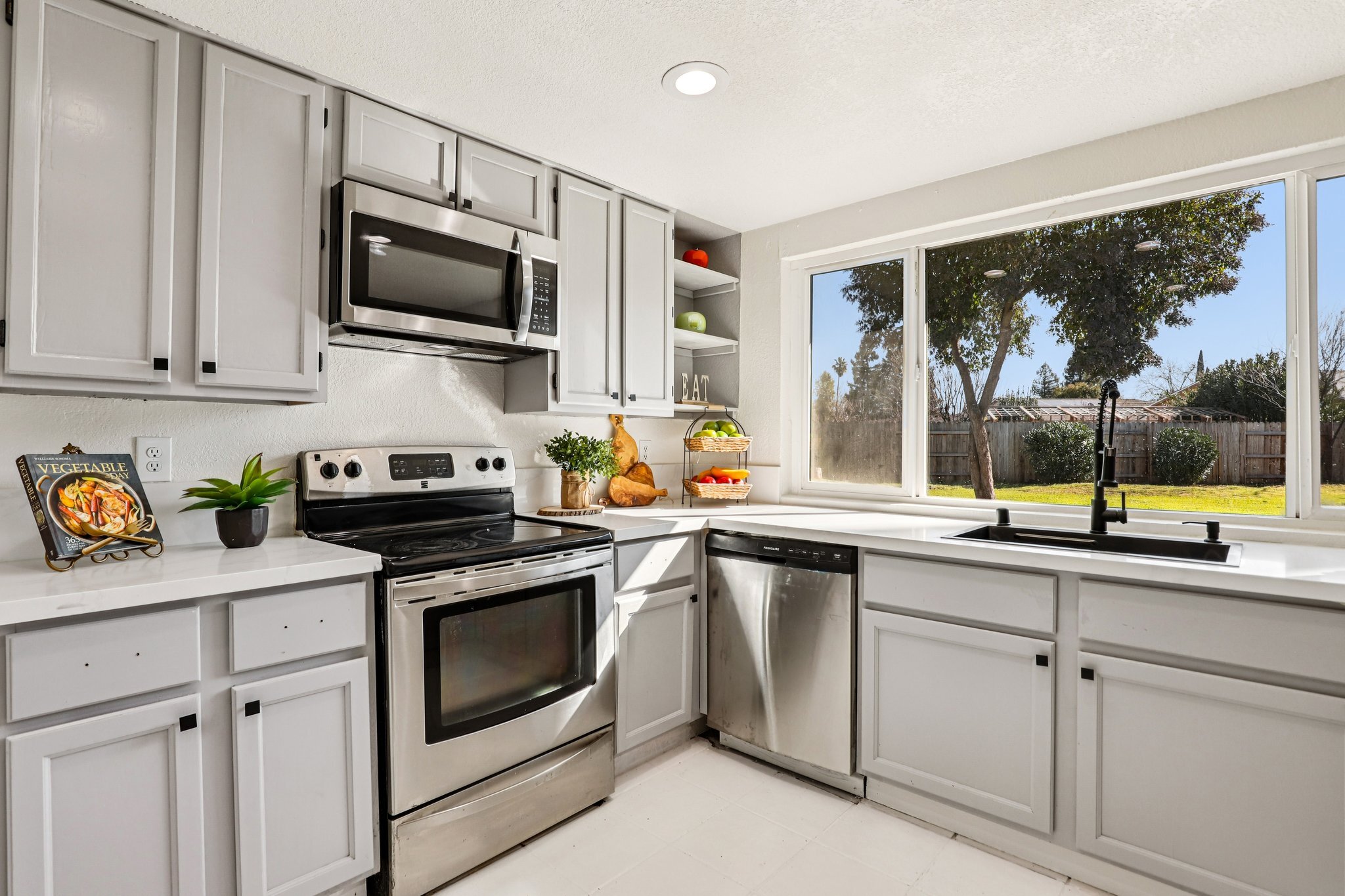
A real occupied-property transaction demonstrating the condition and improvement work a buyer may inherit after the seller closes.
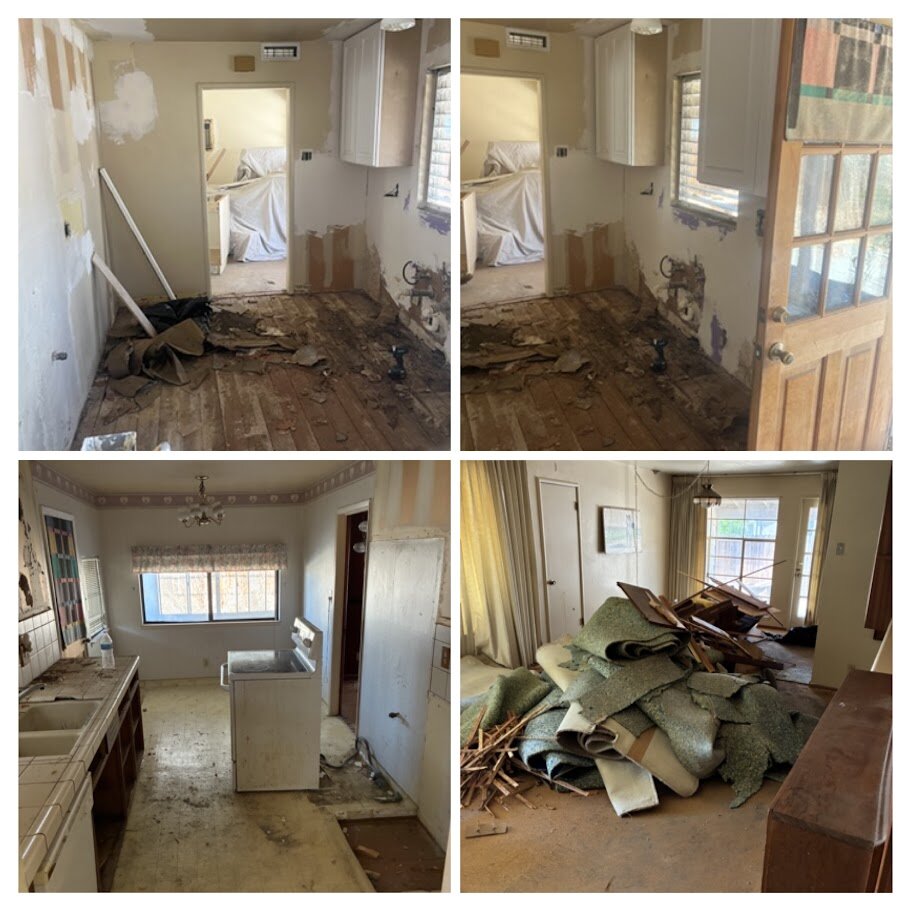
Work that occurred after the purchase—not a list of projects the former owner had to complete before selling.

A property with repairs and deferred maintenance that became a candidate for a direct as-is purchase.
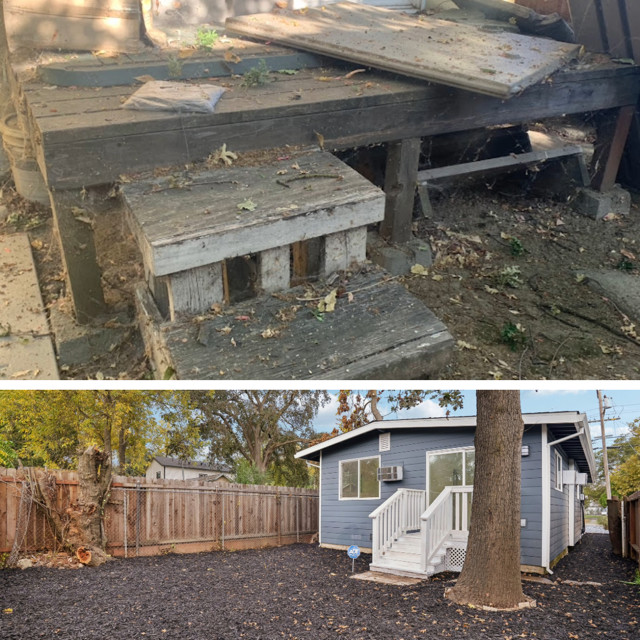
Deferred repairs can become another financial burden when a property no longer fits the owner’s plans or budget.
These sellers describe their own experiences working directly with Darren through real property transactions—useful proof for Auburn owners comparing a local cash buyer with a traditional listing.
A homeowner shares firsthand feedback about working with Darren during the sale of a property.
Additional seller proof showing the communication, process, and personal experience behind a direct transaction with Darren.
An Auburn homeowner may be handing over a valuable property, access details, tenant information, repair issues, and years of equity. Before signing an agreement, independently verify the cash buyer’s identity, licensing, professional background, business registration, community involvement, and transaction experience.
Darren Brown combines direct cash-buying experience with a professional California real estate brokerage background.
View Broker Documentation →Veteran-owned service centered on accountability, direct communication, follow-through, and doing what was agreed upon.
View Military Retirement Proof →Darren’s business has documentation supporting its Disabled Veteran Business Enterprise certification.
View DVBE Certification →Sellers can review the California Secretary of State filing associated with Darren’s operating business.
View State Business Filing →Review the independent Better Business Bureau profile for Darren Buys Homes Cash before accepting an offer.
View BBB Business Profile →Darren maintains a public connection to the Sacramento-region professional and business community while serving property owners across Auburn, Sacramento, Lincoln, Roseville, Rocklin, and surrounding Northern California communities.
View Chamber Listing →Review additional seller feedback, difficult property situations, and direct as-is sale experiences involving Darren Buys Homes Cash.
Review Seller Testimonials →Examine Darren’s professional background, business identity, and supporting trust documentation in one place.
Review Professional Credentials →Use the Seller Trust Center to evaluate the company, process, proof, and direct cash-buying experience before deciding who to work with.
Visit The Seller Trust Center →Another homeowner explains what it was like to work with Darren. Real seller feedback gives Auburn property owners a better basis for evaluating a direct cash buyer before making a decision.
The right decision depends on property condition, occupancy, repair costs, title issues, carrying costs, available reserves, timing, and how much additional work the owner is prepared to accept.
This may make sense when the Auburn owner has adequate reserves, still wants the property, and has a realistic plan for repairs, tenants, maintenance, and future carrying costs.
Some owners invest in repairs, cleanout, staging, and preparation so the property can compete for a traditional retail buyer.
A direct sale may be worth evaluating when the Auburn owner values certainty, wants to reduce seller workload, or does not want to complete repairs, cleaning, or remodeling before selling.
An Auburn owner can compare the likely net from a direct as-is cash offer with continuing to hold the property, completing repairs, preparing for showings, paying commissions and concessions, or attempting a traditional listing. The goal is to understand the difference between a cash buyer vs. listing—not to assume one option is automatically better.
Many repairs make a property easier to sell. That does not mean every repair produces a positive financial return for the landlord. The useful comparison is the additional seller net created by the work after labor, materials, carrying time and selling costs are included.
Paint touchups, a damaged door, minor flooring work or straightforward cleaning may be inexpensive enough that completing the work improves presentation without creating a major project.
Extensive flooring, drywall, cabinetry, fixtures or appliance damage can turn normal turnover into a substantial renovation. At that point, the landlord should compare the project with an as-is sale before committing capital.
When an older rental also needs roof, HVAC, electrical, plumbing or exterior work, the complete property condition matters more than assigning every individual repair to one cause.
If the owner has already decided to leave the rental business, a major renovation may increase value while also extending ownership, contractor management and financial exposure for months.
| Decision | Short-Term Effect | Long-Term / Sale Effect |
|---|---|---|
| Full Renovation | Requires the most capital, contractor coordination and additional holding time. | May create the broadest retail appeal and potentially higher sale price if the market supports the investment. |
| Essential Repairs Only | Reduces immediate spending while addressing selected major issues. | Property may remain visibly dated or damaged, but seller avoids turning the project into a full remodel. |
| List As-Is | Avoids major upfront repair spending. | Condition can narrow buyer interest, affect financing and create inspection or concession negotiations. |
| Direct As-Is Sale | Seller can compare an offer without first completing the repair project. | Buyer prices the condition into the purchase and assumes the post-closing renovation risk. |
Create a factual photo and video record before the property is materially changed.
Age, normal wear, deferred maintenance and tenant damage may overlap. Keep the sale analysis focused on total condition.
A project can grow quickly once walls, flooring, plumbing or other systems are opened up.
Repairs can take weeks or months while mortgage, taxes, insurance, utilities and maintenance continue.
A repaired property may sell for more while still leaving less additional profit than expected after all project costs.
Before taking on a large repair project, compare what the property is worth today to buyers prepared to handle repairs themselves.
When a landlord first sees a damaged rental, the emotional reaction is often to start fixing everything immediately. I would first look at the entire house and determine what is tenant-related, what is ordinary deferred maintenance and what the property already needed before the tenancy ended.
Then I would price the complete project—not just the obvious damage. If flooring needs replacement but the HVAC, electrical, roof or plumbing also need attention, the landlord should know that before committing to a retail-sale renovation.
I would also compare what the work is expected to add to the seller’s net after contractor cost and holding time. A $40,000 repair project that increases the eventual net by only a similar amount may not be a very compelling use of the owner’s time, capital and risk.
Repair because the economics support it—not because damage makes you feel the property must be fixed before anyone will buy it.
Security deposits, deductions, documentation and responsibility for damage can involve California landlord-tenant requirements. Those legal questions are separate from deciding whether repairing the property before a sale makes financial sense.
California Department of Real Estate — 2026 Landlord/Tenant GuideReview California’s current official residential landlord and tenant guide for information about deposits, rental-property responsibilities and other landlord-tenant issues.
Review the California DRE Guide →Explore additional information for landlords and property owners dealing with tenant issues, deferred maintenance, repairs and difficult-condition homes throughout Auburn and the greater Sacramento region.
Some Auburn rentals need only minor turnover work. Others require enough cleanup, repairs and deferred maintenance that preparing for a retail sale becomes a substantial project.
Before committing to that project, document the condition, estimate the full repair scope and calculate the carrying and selling costs that will accumulate while the work is being completed.
Then compare the realistic future seller net with the amount the property could sell for today in its current condition.
A local as-is cash buyer may provide a useful comparison because the buyer can evaluate tenant damage, deferred maintenance and repair risk as part of the purchase rather than requiring the landlord to complete the entire project first.
The question is not “Can this house be repaired?” Almost any house can. The better question is whether repairing it before the sale is the best use of your money, time and risk.
Yes. A damaged rental can be sold in its current condition. The condition will affect value and buyer interest, but the owner does not automatically have to complete every repair before considering a sale.
It depends on the repair cost, additional holding time, likely increase in sale proceeds and the seller’s objectives. Compare the realistic post-repair net with the current as-is value.
Consider documenting the property with photos, video, available move-in records, repair estimates and records of cleanup or contractor work.
Limited access or incomplete information creates repair uncertainty. A buyer may still evaluate the property, but unknown condition can affect the offer because the buyer is assuming additional risk.
Evaluate the total property condition. Tenant damage may overlap with older plumbing, electrical, HVAC, roofing, exterior or other maintenance issues that were not caused by the tenancy.
Some direct as-is buyers may accept cleanup or remaining contents as part of the transaction, depending on the written sale terms. Confirm exactly what can remain before closing.
Usually the property’s condition affects what buyers are willing to pay because repair cost, uncertainty and post-closing work become part of the buyer’s calculation.
Significant condition problems can create concerns for inspections, appraisal, insurance or lender property requirements. The specific effect depends on the property and financing program.
Not automatically. Repairing tenant damage and completing a full renovation are different financial decisions. Compare the additional renovation cost with the realistic increase in seller net.
Some direct cash buyers specialize in properties requiring substantial repairs and may evaluate the repair project as part of the purchase.
Include contractor costs, materials, cleanup, utilities, mortgage, taxes, insurance, additional ownership time and selling costs—not just the repair estimate itself.
Potentially. A traditional listing does not require every property to be renovated first, but condition can affect buyer interest, inspections, financing and negotiation.
No. Minor repairs on an otherwise marketable property may produce a better conventional-sale net. A direct as-is sale is especially worth comparing when repairs are substantial, holding costs matter or the landlord does not want to manage another renovation project.
If your Auburn rental was damaged by a tenant, I can evaluate the property in its current condition and provide a written cash offer for you to compare with repairing, renovating or listing it first.
Get My Auburn As-Is Cash Offer