

Flaum Court Work In Progress
See what can happen after a seller transfers a rental as-is. The owner did not have to complete this work before selling, coordinate contractors, or remodel the house to compete for a retail buyer.
A cash buyer walks through your Auburn property and gives you an offer. But where did that number actually come from?
The answer should be more sophisticated than “your house needs work.” A serious direct cash buyer is evaluating the property’s likely resale value, present condition, repair scope, major systems, holding and resale costs, and the uncertainty they are accepting when they purchase the house as-is.
Auburn adds another layer. Two houses with similar square footage can present very different projects when acreage, access, slope, drainage, wells, septic systems, outbuildings, vegetation or deferred maintenance enter the picture.
Understanding the math helps you evaluate the offer instead of judging it only by the number at the bottom of the page.
A professional cash buyer generally begins by estimating what the property could reasonably be worth after the necessary work is completed, then works backward through the expected repairs, major-system costs, holding expenses, resale costs and project risk. In Auburn, the analysis may also include acreage, access, slope, drainage, wells, septic systems, outbuildings and other property-specific conditions. The remaining number must leave enough room for the buyer to complete the project and accept the risk of purchasing the house in its current as-is condition. There is no single legitimate percentage that automatically determines every cash offer.
The offer is only the beginning of the buyer’s math. After closing, the buyer still owns the repair scope, unknown conditions, carrying costs and eventual resale risk. That is why experienced buyers look beyond cosmetic items and evaluate the whole project before making an as-is cash offer.
Read Google feedback from Sacramento and Placer-area property owners who have worked with Darren Buys Homes Cash on direct and as-is transactions.
A high number from an unverified buyer is not automatically a better transaction. Before comparing cash offers, verify who is making the offer, whether the business is identifiable and whether the person explaining the transaction has a real professional history.
Imagine two buyers offer different amounts for the same Auburn house. The natural reaction is to focus on which number is higher.
But the numbers may be based on completely different assumptions.
One buyer may believe the roof has five useful years remaining. Another may budget for immediate replacement. One may believe the kitchen can be refreshed. Another may plan a full renovation. One may have identified drainage or access work the other buyer missed.
That is why the first question should be: “What did you assume when you calculated this offer?”
A buyer who can explain the major assumptions gives you something far more useful than a mysterious number generated by a formula.
Different buyers use different underwriting methods, but the economic question is similar: after purchasing the property and completing the project, does enough value remain to cover the buyer’s costs and compensate for the capital, work and risk involved?
This is a framework—not a universal investor formula. Different buyers have different costs, strategies, required margins and views of the same property’s risk.
After-repair value—often shortened to ARV—is an estimate of what the property could reasonably sell for after the appropriate renovation or correction work is completed.
The buyer may study nearby sales, location, square footage, lot characteristics, functionality, finish level and other features when estimating this number.
Current as-is value reflects the house the seller actually owns today: its existing condition, deferred maintenance, major systems, layout, occupancy and other property-specific factors.
A house that might support a strong retail price after renovation can still require substantial capital and time before reaching that value.
Experienced buyers break the project into categories. That matters because several medium-sized repairs can collectively affect the offer as much as one obvious major defect.
Roofing, siding, windows, paint, decks, fencing, drainage and exterior deterioration.
Flooring, drywall, paint, kitchens, bathrooms, fixtures, doors and general deferred maintenance.
HVAC, electrical, plumbing, foundation and other systems where a single issue can materially change the project budget.
Cleanout, vegetation, outbuildings, access, grading, acreage or other conditions unique to the property.
Sellers naturally notice worn carpet, old cabinets and paint. A buyer may be more concerned about systems that are less visually dramatic but much more expensive to address.
| System | Buyer May Evaluate | Why It Matters to Offer Math |
|---|---|---|
| Roof | Age, leaks, visible deterioration and remaining useful life. | Replacement can be a major project cost and may affect future insurability or marketability. |
| HVAC | Age, functionality, ductwork and overall system condition. | An older or failed system can add a substantial mechanical cost. |
| Electrical | Panel, wiring, visible modifications and safety concerns. | Electrical work can expand beyond what is visible during an initial walkthrough. |
| Plumbing | Supply lines, drains, leaks, fixtures and water-related damage. | Concealed plumbing problems can create both repair and restoration costs. |
| Foundation / Structure | Movement, cracking, floors, framing and other visible indicators. | Structural uncertainty can materially increase both cost and risk. |
| Well / Septic | Where present, functionality, condition and available information. | Rural systems can add property-specific cost and uncertainty that does not exist on every Auburn home. |
A larger Auburn parcel can be highly desirable, but acreage does not automatically translate into a simple dollar-per-acre premium. A buyer looks at how usable the land is and what responsibilities come with it.
Flat, functional acreage may be evaluated differently from steep, difficult or heavily constrained terrain.
Driveways, private roads, steep approaches and difficult equipment access can affect future work and ownership costs.
Water movement, erosion and grading concerns may create work beyond the structure itself.
Large lots can require substantial clearing, trimming, cleanup and ongoing vegetation management.
Garages, barns, sheds and other structures may add utility, deferred maintenance—or both.
Where present, wells and septic systems add another layer of condition and future-cost analysis.
A repair that is clearly visible can often be estimated. Uncertainty is harder to price. The more unanswered questions a property contains, the more risk the buyer may have to account for.
Paint, flooring, fixtures and dated finishes with relatively clear project scope.
Multiple worn components requiring a broader renovation budget.
Roof, HVAC, plumbing, electrical or other expensive systems are near the center of the project.
Limited access, concealed damage, uncertain additions or conditions that cannot be fully evaluated before purchase.
Major repairs combined with occupancy, code, title, acreage or other transaction complications.
The buyer may incur title, escrow, due-diligence and other transaction costs associated with purchasing the property.
Cash tied up in a property has a cost, whether the buyer uses personal capital, partners or financing.
Ownership expenses continue while the property is repaired and held.
Electricity, water, landscaping, cleanup and security may continue throughout the project.
The eventual sale may involve commissions, closing costs, concessions, staging or additional preparation.
The buyer does not know with certainty what the market will look like when the project is finally ready to sell.
This buyer may use conservative resale comparables, expect a larger renovation and budget more heavily for unknown conditions.
Another buyer may have lower construction costs, a different resale strategy or greater confidence in the property’s condition.
This is also why the highest written offer is not automatically the strongest offer. Price matters, but sellers should also compare inspection or cancellation rights, closing timeline, proof of funds, assignment language, fees and whether the buyer is actually positioned to close.
You know the house needs substantial work and want to understand how repair costs affect an as-is cash offer.
The property has accumulated deferred maintenance and several systems may need attention at the same time.
The land, access, outbuildings or private systems make the property harder to compare with a typical subdivision home.
You did not maintain the property personally and may not know the age or condition of every major system.
You have more than one cash offer and want to understand why the numbers differ before choosing a buyer.
You want to compare the likely benefit of repairing first with the simplicity and net result of selling directly as-is.
“When I look at an Auburn property, I don’t start with a percentage and force the house into a formula. I look at the property itself. What can it realistically be worth? What does the roof look like? The HVAC, electrical, plumbing and foundation? Is there acreage, difficult access, drainage, a well, septic system or an outbuilding that changes the project? Then I work backward through the costs and risk. A seller deserves to understand that reasoning because a cash offer should be explainable—not a mystery number.”

Although Auburn is the primary focus of this page, difficult-property situations are not limited by city boundaries. Darren works with homeowners and property owners across the greater Sacramento and Placer County region, including Sacramento, Lincoln, Roseville, and Rocklin. The transaction evidence, seller experiences, tenant situations, repair-heavy properties, and as-is examples shown throughout this page are intended to demonstrate real regional experience that remains relevant to Auburn sellers over time.
Whether the property is in Auburn, Sacramento, Lincoln, Roseville, Rocklin, or another nearby Northern California community, the same practical questions often apply: what will repairs cost, how much additional carrying time is acceptable, what happens with occupants or belongings, and how does a direct as-is cash offer compare with preparing the property for a traditional listing?
An Auburn property can become difficult to keep for many reasons: deferred maintenance, tenant problems, an inherited house, vacancy, liens, code concerns, major repairs, rising carrying costs, or simply a change in the owner’s plans. The mortgage, property taxes, insurance, utilities, maintenance, and repair exposure can continue even when the property is no longer serving the owner well.
Some Auburn owners have the time, reserves, and desire to repair the house and pursue a traditional listing. Others live out of the area, inherited the property, are managing tenants or family occupants, are facing major repair estimates, or simply no longer want to invest more time and money before selling.
A direct as-is sale offers another path. Instead of first trying to create a perfect vacant property, the owner can compare the likely net outcome of continuing to hold the rental against an offer from a buyer who understands tenant-occupied and problem-property transactions.
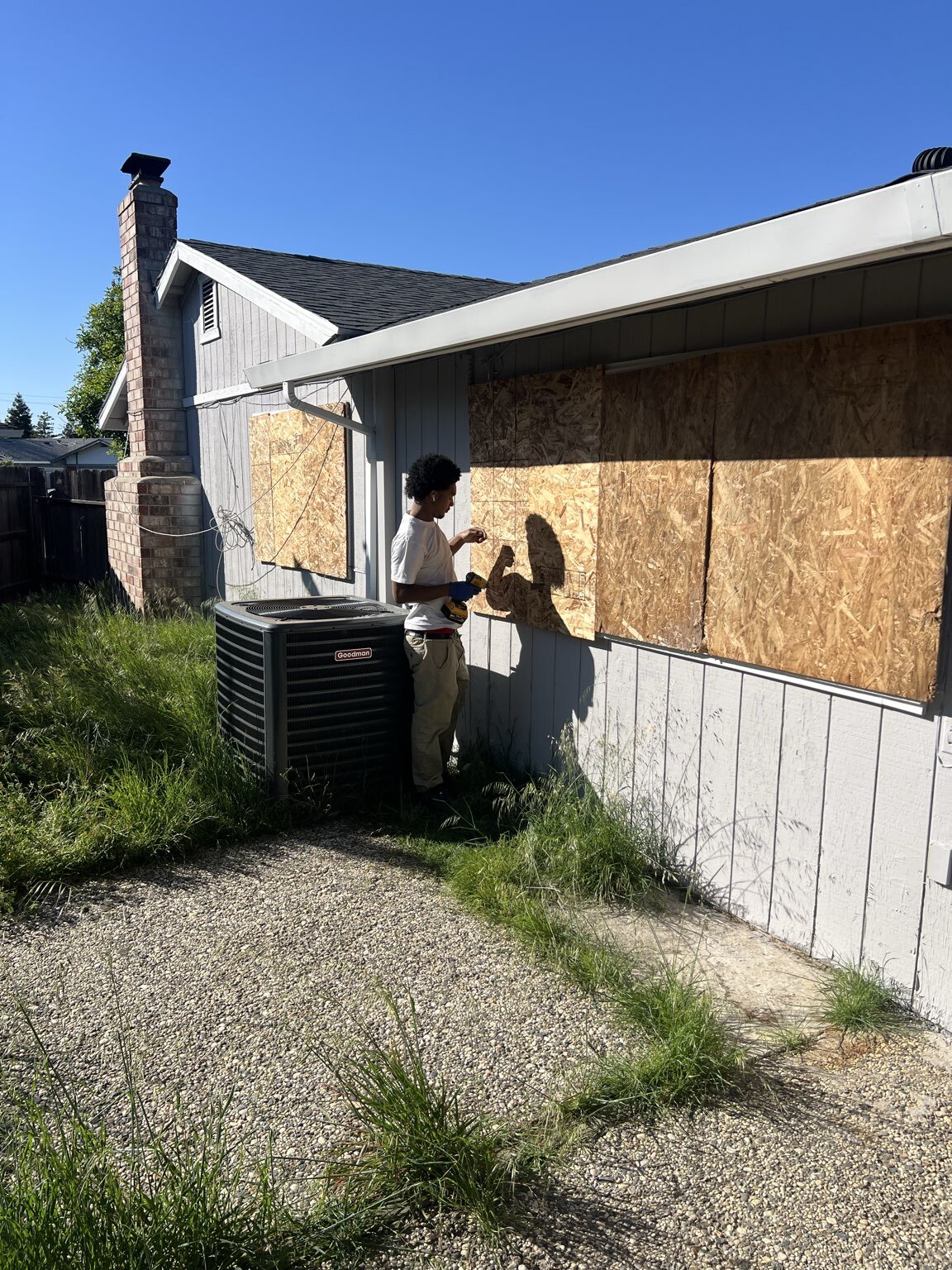
Darren’s experience is based on actual Northern California transactions involving tenants, deferred maintenance, inherited ownership, vacancy, difficult communication, and properties that were not ready for traditional listing photos or repeated buyer showings.
A traditional listing may make sense when the owner has time, repair money, easy access, and a property that can compete well with retail inventory. A local cash buyer may be worth comparing when the priority is certainty, speed, fewer contingencies, or a no-repairs as-is sale.
That comparison can be especially useful when an owner wants to sell a rental property as-is, sell a house with tenants, sell a tenant-occupied house, sell a rental property with tenants, sell a house with a non-paying tenant, sell a rental with a non-paying tenant, or simply sell a house fast without first renovating it for the market.
The practical question is not whether every seller should choose a direct cash buyer. It is whether the net, timeline, workload, and certainty of an as-is cash buyer or local as-is home buyer compare favorably with repairing and listing the Auburn property.
Not every tenant-occupied transaction becomes simple the moment escrow closes. In this real Sacramento-area case, a tenant broke back into the property after Darren had already purchased it.
This behind-the-scenes video shows why experience matters when selling a difficult property as-is. Unexpected access problems, belongings, deferred repairs, communication issues, tenant concerns, and post-closing complications require practical judgment—not polished promises.
The former owner had already completed the sale. Darren took responsibility for what happened afterward, illustrating one reason a direct cash buyer with real difficult-property experience can be valuable when an Auburn owner wants to transfer the property as-is and move forward.
Auburn sellers should not have to rely only on polished claims. These videos show actual tenant-occupied, repair-heavy, and difficult properties Darren has worked with throughout the greater Sacramento and Placer County region. That broader regional experience includes sellers and property situations relevant to Auburn, Sacramento, Lincoln, Roseville, and Rocklin.
See what can happen after a seller transfers a rental as-is. The owner did not have to complete this work before selling, coordinate contractors, or remodel the house to compete for a retail buyer.
This occupied property required substantial work. The seller was able to transfer the house without first removing everything, completing renovations, or making it retail-ready.
Walk through an actual property with Darren and see the kinds of conditions an as-is cash buyer may take on after closing. An Auburn seller does not have to make the property perfect before comparing a no-repairs as-is sale with a traditional listing.
“The most important proof is not a promise that every property situation will be easy. It is showing that the buyer has already worked through difficult occupants, deferred maintenance, belongings, repairs, and real people who needed a respectful solution.”Darren Brown — Licensed California Broker and Local Cash Buyer
These images come from actual Northern California properties and provide evergreen regional proof for property owners in Auburn, Sacramento, Lincoln, Roseville, and Rocklin. They demonstrate why some Auburn owners compare a no-repairs as-is sale with financing repairs, managing contractors, supervising a cleanout, preparing for showings, and waiting for a conventional sale.
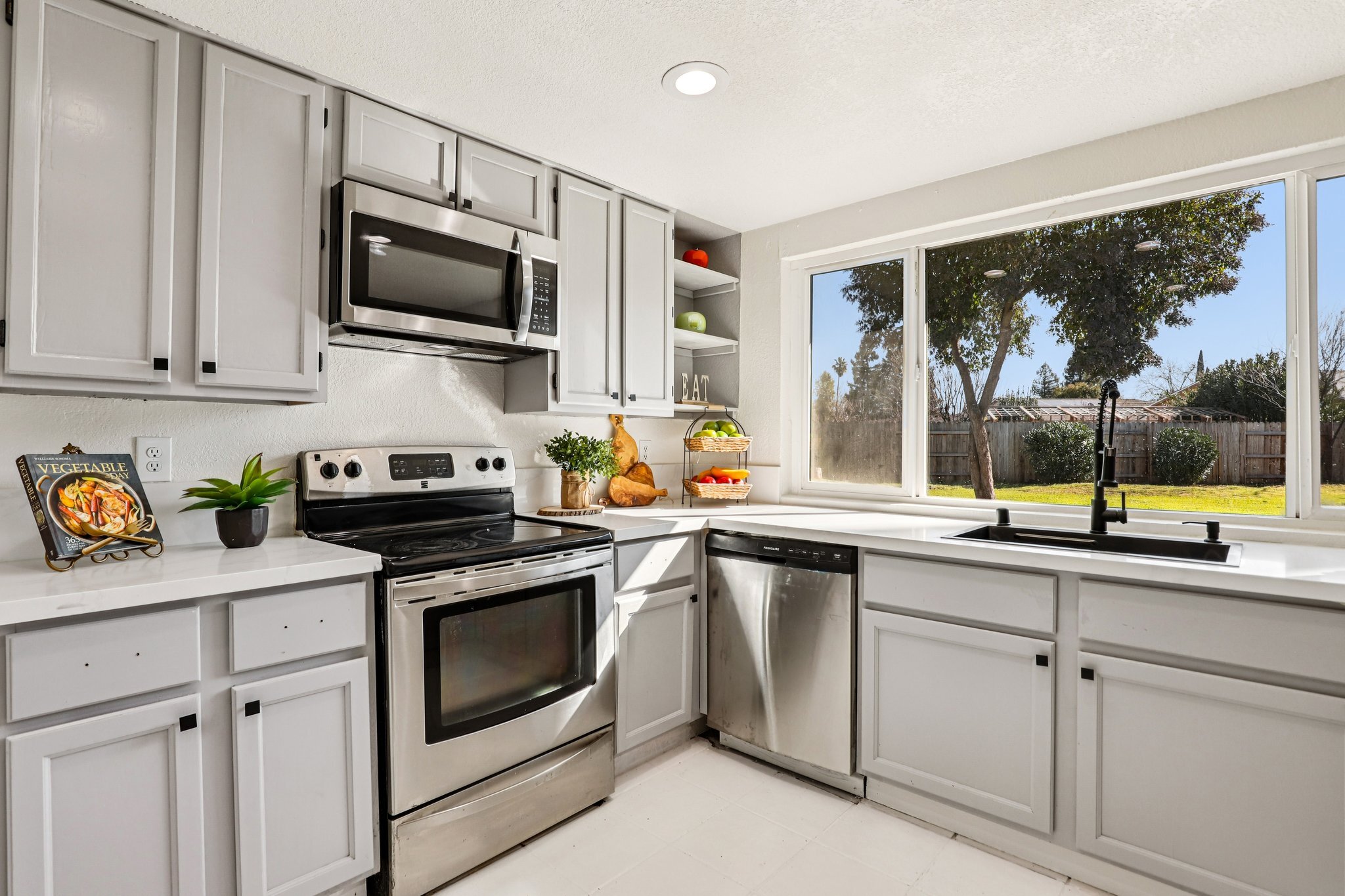
A real occupied-property transaction demonstrating the condition and improvement work a buyer may inherit after the seller closes.
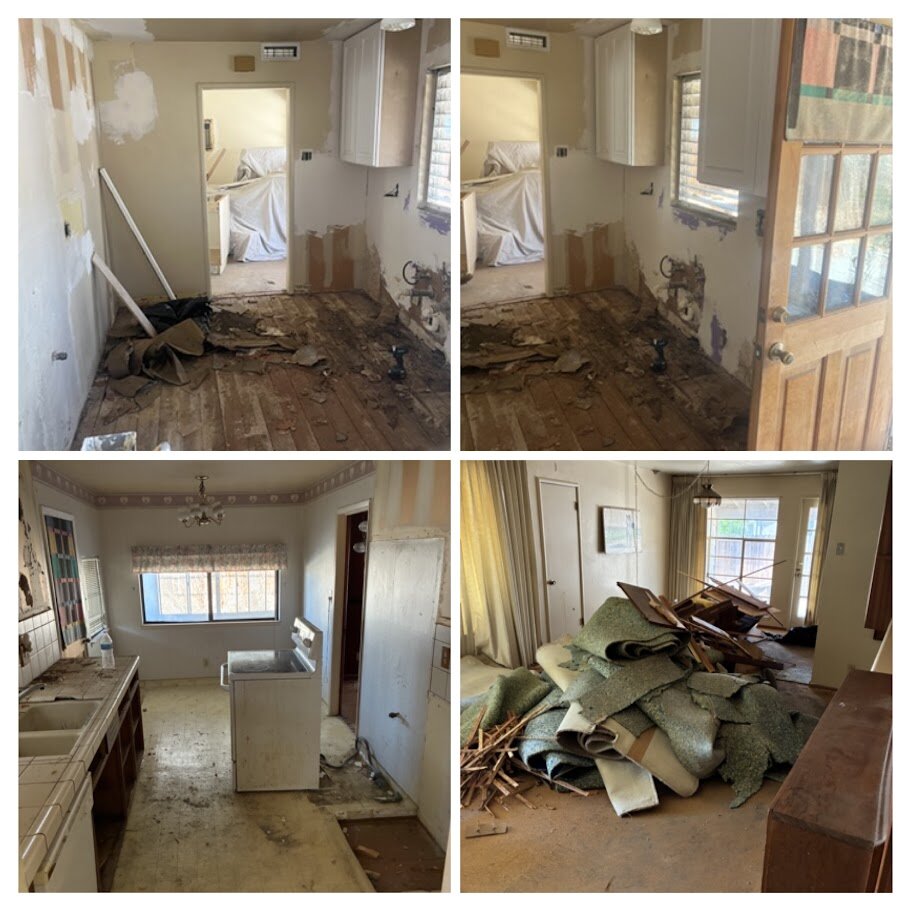
Work that occurred after the purchase—not a list of projects the former owner had to complete before selling.

A property with repairs and deferred maintenance that became a candidate for a direct as-is purchase.
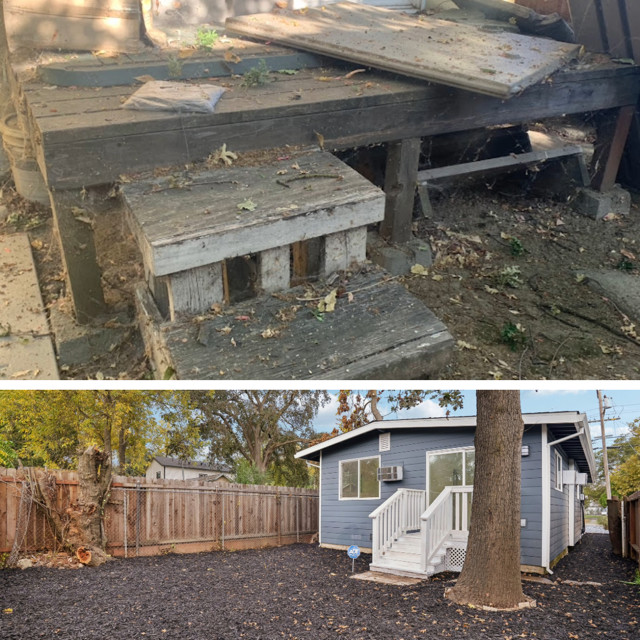
Deferred repairs can become another financial burden when a property no longer fits the owner’s plans or budget.
These sellers describe their own experiences working directly with Darren through real property transactions—useful proof for Auburn owners comparing a local cash buyer with a traditional listing.
A homeowner shares firsthand feedback about working with Darren during the sale of a property.
Additional seller proof showing the communication, process, and personal experience behind a direct transaction with Darren.
An Auburn homeowner may be handing over a valuable property, access details, tenant information, repair issues, and years of equity. Before signing an agreement, independently verify the cash buyer’s identity, licensing, professional background, business registration, community involvement, and transaction experience.
Darren Brown combines direct cash-buying experience with a professional California real estate brokerage background.
View Broker Documentation →Veteran-owned service centered on accountability, direct communication, follow-through, and doing what was agreed upon.
View Military Retirement Proof →Darren’s business has documentation supporting its Disabled Veteran Business Enterprise certification.
View DVBE Certification →Sellers can review the California Secretary of State filing associated with Darren’s operating business.
View State Business Filing →Review the independent Better Business Bureau profile for Darren Buys Homes Cash before accepting an offer.
View BBB Business Profile →Darren maintains a public connection to the Sacramento-region professional and business community while serving property owners across Auburn, Sacramento, Lincoln, Roseville, Rocklin, and surrounding Northern California communities.
View Chamber Listing →Review additional seller feedback, difficult property situations, and direct as-is sale experiences involving Darren Buys Homes Cash.
Review Seller Testimonials →Examine Darren’s professional background, business identity, and supporting trust documentation in one place.
Review Professional Credentials →Use the Seller Trust Center to evaluate the company, process, proof, and direct cash-buying experience before deciding who to work with.
Visit The Seller Trust Center →Another homeowner explains what it was like to work with Darren. Real seller feedback gives Auburn property owners a better basis for evaluating a direct cash buyer before making a decision.
The right decision depends on property condition, occupancy, repair costs, title issues, carrying costs, available reserves, timing, and how much additional work the owner is prepared to accept.
This may make sense when the Auburn owner has adequate reserves, still wants the property, and has a realistic plan for repairs, tenants, maintenance, and future carrying costs.
Some owners invest in repairs, cleanout, staging, and preparation so the property can compete for a traditional retail buyer.
A direct sale may be worth evaluating when the Auburn owner values certainty, wants to reduce seller workload, or does not want to complete repairs, cleaning, or remodeling before selling.
An Auburn owner can compare the likely net from a direct as-is cash offer with continuing to hold the property, completing repairs, preparing for showings, paying commissions and concessions, or attempting a traditional listing. The goal is to understand the difference between a cash buyer vs. listing—not to assume one option is automatically better.
An Auburn house may begin with a repair problem, inspection issue, financing obstacle or unpermitted work—but those issues eventually lead to the same questions: What is the property worth in its current condition? What will a buyer have to spend? And does repairing, listing or selling directly to a local cash buyer produce the better outcome? Use these Auburn guides in whatever order matches your situation.
Compare renovation cost, time, likely resale benefit and the option of selling your Auburn house in its current condition before committing money to repairs.
Compare Repair vs. Selling As-Is →Understand what happens when roofing, electrical, plumbing, structure or other condition problems make a traditional inspection difficult.
Explore Inspection Problems →See how property condition, appraisal, insurance and lender requirements can narrow the financed-buyer pool—and what other sale paths may remain.
Understand Financing Obstacles →If the first sale strategy did not produce a closing, examine price, condition, buyer financing and marketability before simply putting the house back on the market unchanged.
Reevaluate the Sale Strategy →Additions, conversions, electrical or plumbing work can create documentation, condition and buyer-risk questions. Learn what to evaluate before deciding whether to correct the work or sell as-is.
Understand Unpermitted-Work Risk →See how resale value, repairs, major systems, acreage, access, condition risk, holding expenses and resale costs can influence an Auburn as-is cash offer.
See the Auburn Offer Math →Put the final decision on one page. Compare realistic sale price, brokerage expenses, repairs, buyer concessions, holding costs, inspections and transaction certainty to determine which path may produce the stronger actual seller outcome.
Compare Cash Sale vs. Listing Net →Return to Darren Buys Homes Cash for the broader as-is cash-buyer, difficult-property and Sacramento / Placer County seller resources.
A cash buyer is not purchasing the finished version of your Auburn house. The buyer is purchasing the property today and accepting whatever work, carrying time and uncertainty exists between today’s condition and the eventual outcome.
The purpose of this example is not to tell you what your Auburn house is worth. It is to show why a buyer cannot responsibly start with one retail comparable and simply subtract a repair estimate.
One buyer may plan a basic refresh. Another may believe the property needs a more extensive renovation to compete with the intended resale market.
Buyers may have different crews, material costs, contractor pricing and project-management expenses.
One buyer may believe a system has remaining useful life while another may budget for replacement.
A buyer planning to renovate and resell may underwrite differently from a buyer planning to hold the property as a rental.
This is one reason as-is buyers care about uncertainty. A visible roof problem can be estimated. A hidden plumbing leak, inaccessible crawlspace, undocumented addition or unknown septic condition may be harder to price with confidence.
The buyer evaluates what can reasonably be observed before making the offer.
After closing, the buyer becomes responsible for the property and the costs associated with it.
Opening walls, removing finishes or beginning system work can expose conditions that were not obvious beforehand.
The buyer still has to complete the project and face whatever market conditions exist when the house is ready.
Auburn properties can differ substantially in land, utilities, access and terrain. These features may add desirability, expense or both.
| Property Factor | Potential Value Side | Potential Cost / Risk Side |
|---|---|---|
| Acreage | Privacy, usable land, additional space and lifestyle appeal. | Cleanup, vegetation, grading, fencing and larger maintenance area. |
| Slope | Views, privacy or unique setting. | Drainage, erosion, access and construction difficulty. |
| Private Road / Access | Privacy and lower traffic. | Road condition, shared maintenance or difficult equipment access. |
| Well | Independent water source where present. | Pump, production, water quality and future system costs. |
| Septic | Common solution for properties outside public sewer service. | System condition and future repair or replacement exposure. |
| Outbuildings | Storage, shop, garage or other useful space. | Deferred maintenance, roof, electrical or structural work. |
| Vegetation / Exterior | Privacy and natural setting. | Cleanup, trimming, maintenance and defensible-space work. |
Once you understand how the buyer reached the price, read the contract. Two offers for the same amount can produce very different seller outcomes.
How long can the buyer investigate the property, and what cancellation rights remain?
How much is being deposited, when is it due and under what conditions is it refundable?
Does the buyer appear capable of funding the transaction they are promising?
Is the person signing the agreement planning to purchase the property or potentially transfer the contract?
Determine what expenses remain the seller’s responsibility and what the buyer has agreed to pay.
A strong price is less useful if the buyer cannot perform on the timeline the seller actually needs.
American Avenue was a longtime rental with substantial deferred maintenance and renovation needs. It had approximately 250 days of prior market exposure before the eventual direct transaction.
The property later closed directly in nine days.
The useful offer-math lesson is simple: a buyer cannot pay today as though all of tomorrow’s work has already been completed.
The eventual potential of a fixer matters—but so do the dollars, time and risk required to move the property from its current condition to that finished outcome.
See the American Avenue Case Study →One high sale can be useful information without representing the most realistic future value of the subject property.
Construction is only one part of the buyer’s total cost of acquiring, holding and eventually reselling the property.
A dated kitchen may be obvious, but a roof, HVAC or structural issue can move the project budget faster.
More land can add value while also adding vegetation, access, cleanup, drainage and maintenance expenses.
Price should be evaluated alongside contingencies, deposit, funding, assignment provisions and buyer performance.
Those numbers represent different property conditions and different responsibilities.
A homeowner ultimately receives net proceeds—not an internet estimate, comparable sale or headline list price.
You do not need to agree with every assumption, but you should be able to understand the reasoning behind the offer.
Ask what comparable sales or market assumptions support the buyer’s projected value.
Find out whether the buyer is budgeting cosmetic work, major systems or a full renovation.
Acreage, access, wells, septic, slope, outbuildings or unknown conditions may influence the calculation.
Review escrow, title, cleanup, repairs, commissions, fees and any seller obligations written into the agreement.
A strong headline price may be less meaningful if the buyer can easily renegotiate or cancel late in the process.
Compare the realistic amount reaching you at closing with the realistic net from your other sale options.
Darren Buys Homes Cash purchases properties directly throughout Sacramento and Placer County, including Auburn houses with major repairs, acreage, deferred maintenance, tenant issues and other conditions that need to be evaluated before a realistic as-is offer can be made.
Property values and repair profiles change by location, but the basic discipline remains the same: understand the condition, the realistic future value, the cost of getting there and the terms behind the offer.
Public property records and professional verification do not determine a cash offer by themselves, but they can help sellers confirm important facts before relying on assumptions about value, improvements or repair work.
There is no universal percentage that tells you what every cash buyer should offer for an Auburn house.
The starting value matters. Repairs matter. Roof, HVAC, electrical, plumbing and structural systems matter. Acreage, access, drainage, wells, septic systems, outbuildings and unknown conditions can matter.
So do the costs that continue after the repair estimate: capital, insurance, property taxes, utilities, project time, future resale expenses and market risk.
But none of that means a seller should simply accept whatever number a buyer provides.
Ask what assumptions created the offer. Review the contract. Verify the buyer. Compare what you will actually net and what responsibilities you are transferring.
A good decision is not based only on whether the number feels high or low. It is based on whether you understand what the number represents.
Buyers may consider probable repaired value, current condition, renovation costs, major systems, holding expenses, resale costs, acreage and property-specific risks, transaction complications and the return required to justify the project.
No. Buyers can have different repair costs, financing costs, resale strategies, timelines, risk tolerances and required returns.
ARV generally means after-repair value—the estimated future value of the property after an appropriate renovation or correction project has been completed.
Not necessarily. ARV represents a possible finished condition. Current as-is value reflects the property in the condition and circumstances that exist today.
A buyer may estimate the work needed to reach the intended future condition and account for that project cost in the offer. Major systems can sometimes influence the budget more than cosmetic items.
It can support value when the land is desirable and usable, but the buyer may also consider access, slope, drainage, vegetation, outbuildings, cleanup and ongoing maintenance. Acreage should be evaluated as part of the whole property.
Where present, their known condition and available information can affect the buyer’s assessment because they can represent significant property-specific systems and future costs.
Buyers may use different comparable sales, repair scopes, contractor pricing, timelines, capital costs, resale strategies and risk assumptions.
A buyer may account for the eventual costs of reselling the property when evaluating the overall project. Sellers should separately review the written purchase agreement to determine what costs they themselves will or will not pay in the direct transaction.
A buyer is committing capital, managing the property and project, paying ownership and resale costs, and accepting the risk that repair costs or future market conditions may differ from expectations.
Not automatically. Compare proof of funds, contingencies, inspection rights, earnest money, assignment language, seller-paid costs, closing timeline and the buyer’s ability to perform in addition to price.
Yes. A seller can ask which value assumptions, major repairs, property risks and transaction terms influenced the proposed purchase price.
You do not necessarily need to repair the property first. Receiving an as-is offer can give you another number to compare with the projected cost, time and seller net of repairing and listing.
Compare realistic seller net rather than gross prices alone. Estimate repairs, preparation, commissions, concessions, carrying costs, closing expenses and transaction risk for the listing path, then compare that result with the written direct-sale offer.
If your Auburn property needs repairs, has acreage, older systems, deferred maintenance or another condition that makes the value difficult to estimate, I can evaluate the house in its current condition and provide a direct cash offer for you to compare with repairing or listing.
Compare My Auburn Cash OfferNo obligation to accept an offer. Understand the assumptions, the property condition and the likely seller net before deciding.