

Flaum Court Work In Progress
See what can happen after a seller transfers a rental as-is. The owner did not have to complete this work before selling, coordinate contractors, or remodel the house to compete for a retail buyer.
A house filled with belongings, debris or years of accumulated possessions does not necessarily have to be emptied before it can be sold. The real decision is whether cleaning, hauling and repairing the property will create enough additional value to justify the money, time and work required—or whether selling directly to a local as-is cash buyer makes more sense.
Not necessarily. A seller can compare the economics of cleaning and preparing the property with an as-is buyer willing to evaluate the house in its current condition.
You may be able to sell a hoarder house in Rocklin as-is without completely emptying, cleaning or repairing it first.
Before hiring a cleanout crew, identify anything you or your family want to keep. Then compare the expected cost and benefit of hauling, cleaning and repairs against an offer from a buyer willing to purchase the property in its present condition.
If a local cash buyer agrees in writing to accept remaining contents, debris and the property’s current physical condition, the seller may be able to take what matters and leave much of the remaining property behind.
This real seller experience is relevant to owners dealing with heavy contents, difficult property condition, repair burden and the decision to sell as-is.
Read what property owners have said about working with Darren Buys Homes Cash.
A heavily cluttered house can look like one overwhelming project. Financially, it is more useful to separate what is inside the house from the condition of the house itself.
A seller can spend days or weeks sorting belongings, renting dumpsters, hiring hauling crews and cleaning rooms only to discover that the property still needs flooring, drywall, paint, plumbing, electrical work, roofing, HVAC work or other repairs.
That is why the first financial question should not simply be, “How much will the cleanout cost?” It should be, “What happens after the cleanout?”
If the plan is to prepare the house for a traditional retail buyer, cleanup may only be the first stage of a larger property-preparation project. The seller should estimate the entire path—not just the cost of the first dumpster.
A no-repairs as-is sale provides another benchmark. The buyer evaluates the property with the contents and physical condition taken into account, and the seller can compare that outcome against cleaning, repairing and marketing the house.
The objective is not to ignore the contents. It is to avoid spending money and energy on work that may not improve the seller’s final outcome.
Identify documents, medications, photographs, jewelry, family items, financial records and anything else that should not be discarded or transferred with the property.
Before inviting multiple contractors or buyers inside, determine whether walkways, rooms and major systems can be accessed safely enough for an evaluation.
Look beyond clutter. Roof, foundation, electrical, plumbing, HVAC, moisture, flooring and deferred maintenance can have a greater financial impact than the cleanout itself.
Estimate hauling, dumpsters, labor, cleaning and any property repairs that would follow. Do not evaluate the cleanout cost in isolation.
Ask what the buyer will accept in the property, what condition is being purchased, what seller costs apply and what your estimated net would be.
If contents are being left behind, the purchase agreement should clearly establish the parties’ expectations rather than relying on a verbal promise.
This depends entirely on the buyer and the written purchase agreement. The point is not that everything should be abandoned—it is that a full cleanout should not be assumed before the seller knows what the buyer is willing to accept.
Beds, couches, tables, cabinets and other bulky items can be expensive and time-consuming to move. Ask whether they can remain before paying a hauling company.
Boxes, clothing, kitchenware and general household contents can represent hundreds of individual sorting decisions. A direct buyer may evaluate them as part of the cleanout burden.
Garages can contain years of stored property. Separate anything important before deciding whether the remaining contents should be removed.
Outdoor furniture, discarded materials and miscellaneous debris can add substantially to hauling volume and should be included in the cleanup estimate.
Refrigerators, washers, dryers and other appliances may require special handling. Confirm whether the buyer expects them removed.
The buyer may be willing to assume ordinary post-closing cleanout work, but the exact condition being accepted should be documented before closing.
The correct comparison is not “clean house price versus dirty house price.” It is the seller’s expected net after completing each entire path.
| Seller Decision | Clean / Repair / List | Direct No-Cleanout As-Is Sale |
|---|---|---|
| Sorting | Seller or family may sort most or all contents before property preparation. | Seller can focus primarily on retrieving the belongings that matter. |
| Hauling | Seller typically coordinates dumpsters, hauling crews or donation removal. | Buyer may agree to assume some or most remaining cleanout after closing. |
| Cleaning | Deep cleaning may follow the physical removal of belongings. | Property may be evaluated without retail-level cleaning. |
| Repairs | Once rooms are cleared, additional repair needs may become visible. | Known and anticipated repairs can be reflected in the as-is offer. |
| Time | Cleanout and repairs occur before normal marketing and closing time. | Property-preparation time can potentially be reduced substantially. |
| Best Financial Comparison | Expected retail net minus cleanup, repairs, commissions, carrying costs and other selling expenses. | Expected direct-sale net after agreed transaction expenses and payoffs. |
Heavy contents can conceal physical conditions that deserve caution before buyers, family members or cleanout crews begin moving through the property.
Blocked walkways, unstable piles, broken flooring, exposed electrical conditions, moisture, pests, damaged stairs or other hazards can make access more complicated than an ordinary occupied home.
The seller does not need to diagnose every condition personally. The practical goal is to recognize when the house should be approached as a distressed property rather than treating it like a normal weekend decluttering project.
If the house cannot be fully inspected because contents block certain areas, an as-is buyer should understand that uncertainty when evaluating the property rather than expecting the seller to dismantle the house merely to produce a perfect inspection.
With a heavily cluttered or hoarder property, I do not think the first conversation should automatically be about dumpsters. I want to understand the seller’s situation, the amount of property inside the house, the condition underneath it and what the owner actually wants to take.
Sometimes a seller has already spent weeks sorting through belongings. Sometimes the house came through an inheritance. Sometimes a tenant left the property in difficult condition. And sometimes the owner is simply exhausted by a property that has become a much larger project than expected.
In those situations, spending thousands of dollars cleaning a house only to discover another layer of repairs may not be the best use of the seller’s money. That does not mean cleanup has no value. It means the value of the cleanup should be measured before the seller commits to it.
As a local direct cash buyer, I can look at the house in its existing condition and account for the cleanout and repair work after closing. That gives the owner a real number to compare against the cost, time and potential upside of preparing the property themselves.
For many Rocklin sellers, the most useful question is not, “How do I clean all of this out?” It is, “Do I actually need to?”

A Rocklin property can become difficult to keep for many reasons: deferred maintenance, tenant problems, an inherited house, vacancy, liens, code concerns, major repairs, rising carrying costs, or simply a change in the owner’s plans. The mortgage, property taxes, insurance, utilities, maintenance, and repair exposure can continue even when the property is no longer serving the owner well.
Some Rocklin owners have the time, reserves, and desire to repair the house and pursue a traditional listing. Others live out of the area, inherited the property, are managing tenants or family occupants, are facing major repair estimates, or simply no longer want to invest more time and money before selling.
A direct as-is sale offers another path. Instead of first trying to create a perfect vacant property, the owner can compare the likely net outcome of continuing to hold the rental against an offer from a buyer who understands tenant-occupied and problem-property transactions.
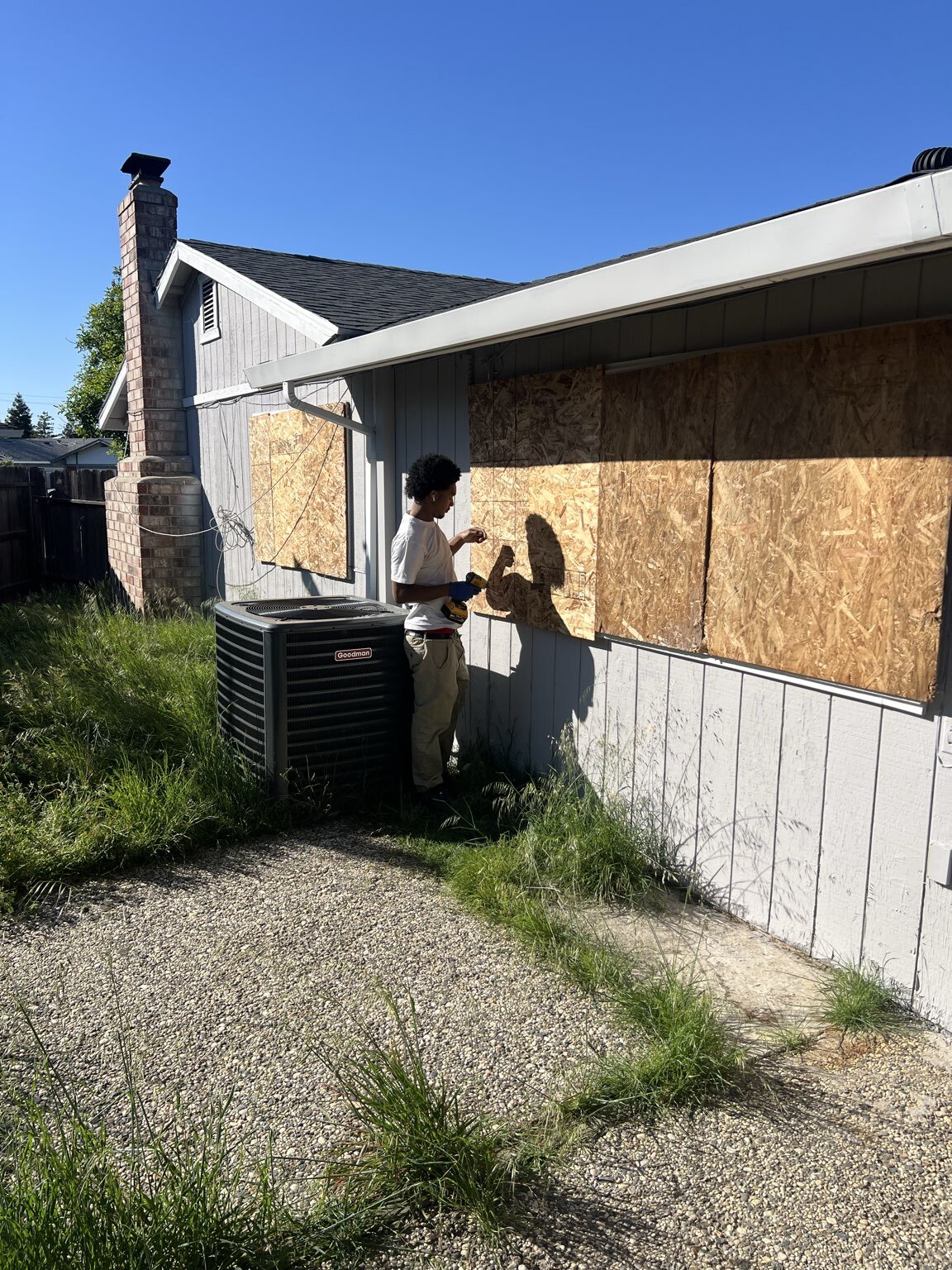
Darren’s experience is based on actual Northern California transactions involving tenants, deferred maintenance, inherited ownership, vacancy, difficult communication, and properties that were not ready for traditional listing photos or repeated buyer showings.
A traditional listing may make sense when the owner has time, repair money, easy access, and a property that can compete well with retail inventory. A local cash buyer may be worth comparing when the priority is certainty, speed, fewer contingencies, or a no-repairs as-is sale.
That comparison can be especially useful when an owner wants to sell a rental property as-is, sell a house with tenants, sell a tenant-occupied house, sell a rental property with tenants, sell a house with a non-paying tenant, sell a rental with a non-paying tenant, or simply sell a house fast without first renovating it for the market.
The practical question is not whether every seller should choose a direct cash buyer. It is whether the net, timeline, workload, and certainty of an as-is cash buyer or local as-is home buyer compare favorably with repairing and listing the Rocklin property.
Not every tenant-occupied transaction becomes simple the moment escrow closes. In this real Sacramento-area case, a tenant broke back into the property after Darren had already purchased it.
This behind-the-scenes video shows why experience matters when selling a difficult property as-is. Unexpected access problems, belongings, deferred repairs, communication issues, tenant concerns, and post-closing complications require practical judgment—not polished promises.
The former owner had already completed the sale. Darren took responsibility for what happened afterward, illustrating one reason a direct cash buyer with real difficult-property experience can be valuable when a Rocklin owner wants to transfer the property as-is and move forward.
Rocklin sellers should not have to rely only on polished claims. These videos show actual tenant-occupied, repair-heavy, and difficult properties Darren has worked with throughout the greater Sacramento region.
See what can happen after a seller transfers a rental as-is. The owner did not have to complete this work before selling, coordinate contractors, or remodel the house to compete for a retail buyer.
This occupied property required substantial work. The seller was able to transfer the house without first removing everything, completing renovations, or making it retail-ready.
Walk through an actual property with Darren and see the kinds of conditions an as-is cash buyer may take on after closing. A Rocklin seller does not have to make the property perfect before comparing a no-repairs as-is sale with a traditional listing.
“The most important proof is not a promise that every property situation will be easy. It is showing that the buyer has already worked through difficult occupants, deferred maintenance, belongings, repairs, and real people who needed a respectful solution.”Darren Brown — Licensed California Broker and Local Cash Buyer
These images come from actual Northern California properties. They demonstrate why some Rocklin owners compare a no-repairs as-is sale with financing repairs, managing contractors, supervising a cleanout, preparing for showings, and waiting for a conventional sale.
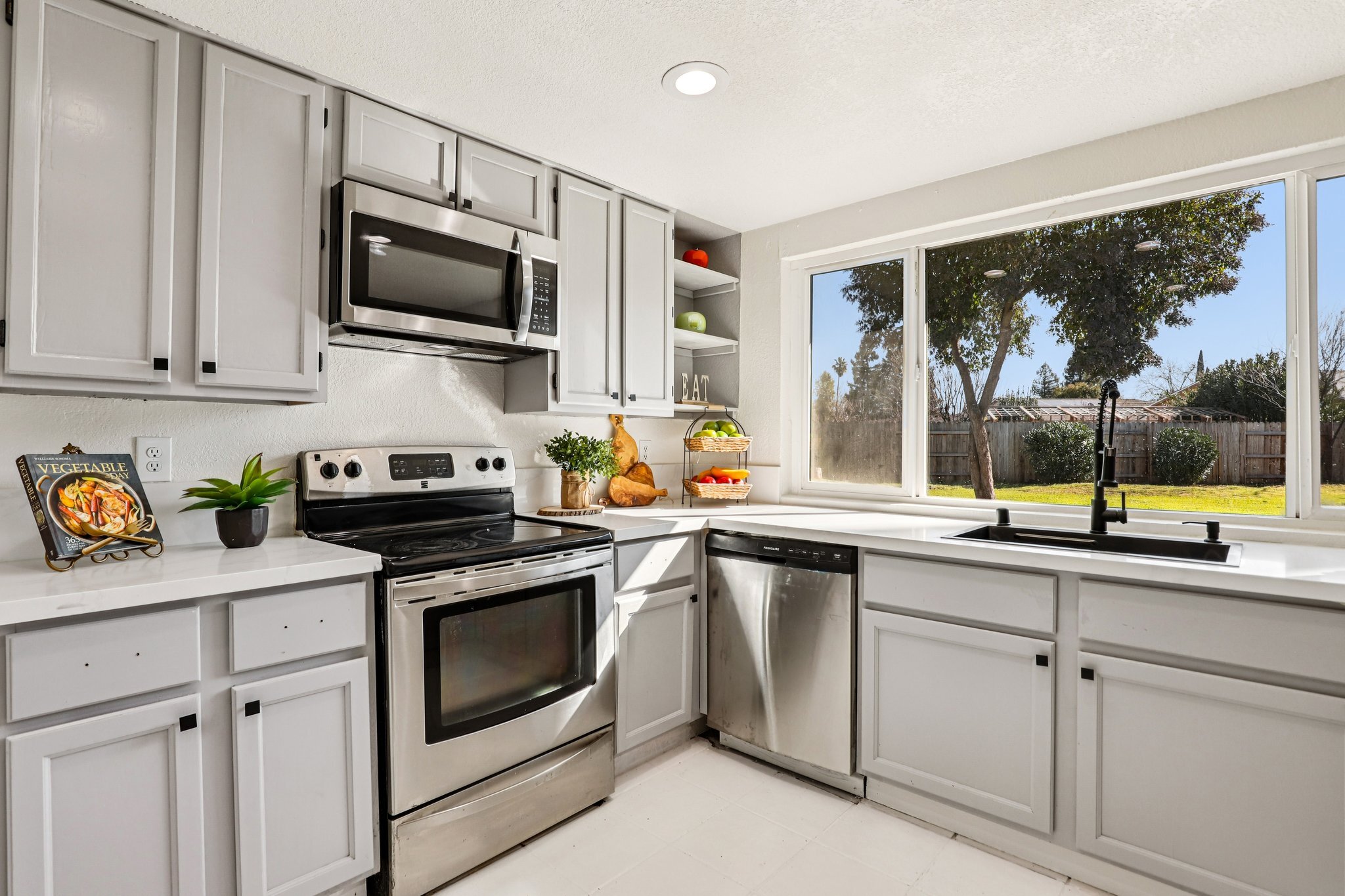
A real occupied-property transaction demonstrating the condition and improvement work a buyer may inherit after the seller closes.
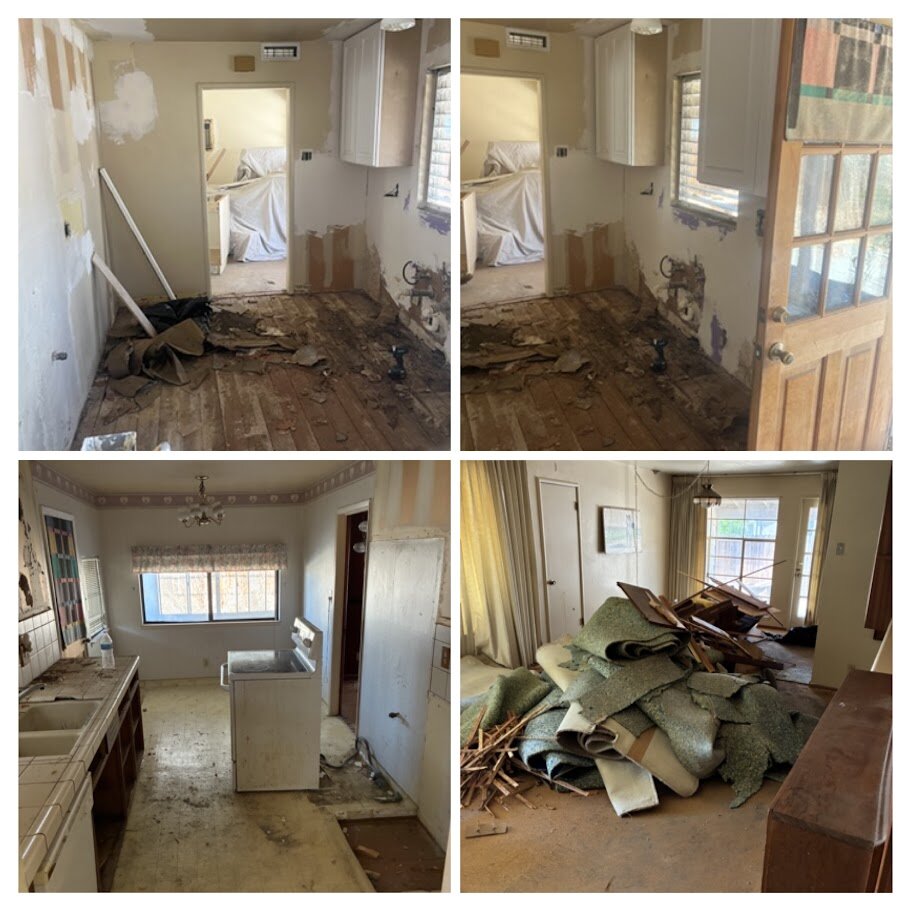
Work that occurred after the purchase—not a list of projects the former owner had to complete before selling.
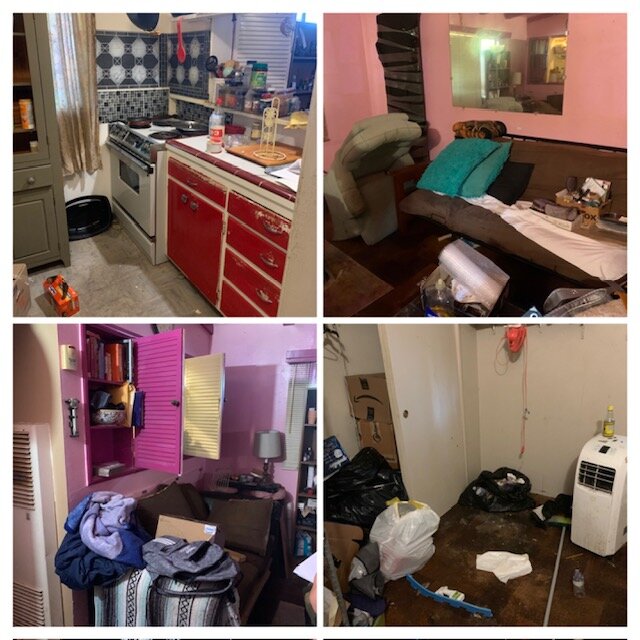
A property with repairs and deferred maintenance that became a candidate for a direct as-is purchase.
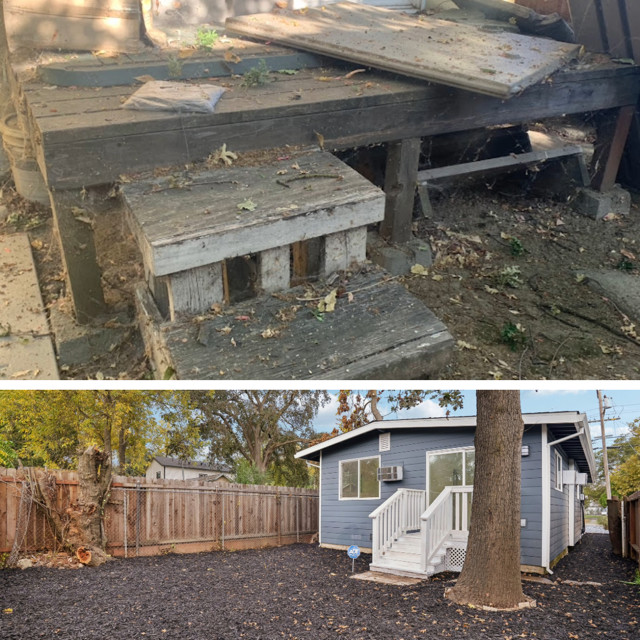
Deferred repairs can become another financial burden when a property no longer fits the owner’s plans or budget.
These sellers describe their own experiences working directly with Darren through real property transactions—useful proof for Rocklin owners comparing a local cash buyer with a traditional listing.
A homeowner shares firsthand feedback about working with Darren during the sale of a property.
Additional seller proof showing the communication, process, and personal experience behind a direct transaction with Darren.
A Rocklin homeowner may be handing over a valuable property, access details, tenant information, repair issues, and years of equity. Before signing an agreement, independently verify the cash buyer’s identity, licensing, professional background, business registration, community involvement, and transaction experience.
Darren Brown combines direct cash-buying experience with a professional California real estate brokerage background.
View Broker Documentation →Veteran-owned service centered on accountability, direct communication, follow-through, and doing what was agreed upon.
View Military Retirement Proof →Darren’s business has documentation supporting its Disabled Veteran Business Enterprise certification.
View DVBE Certification →Sellers can review the California Secretary of State filing associated with Darren’s operating business.
View State Business Filing →Review the independent Better Business Bureau profile for Darren Buys Homes Cash before accepting an offer.
View BBB Business Profile →Darren maintains a public connection to the Sacramento-region professional and business community.
View Chamber Listing →Review additional seller feedback, difficult property situations, and direct as-is sale experiences involving Darren Buys Homes Cash.
Review Seller Testimonials →Examine Darren’s professional background, business identity, and supporting trust documentation in one place.
Review Professional Credentials →Use the Seller Trust Center to evaluate the company, process, proof, and direct cash-buying experience before deciding who to work with.
Visit The Seller Trust Center →Another homeowner explains what it was like to work with Darren. Real seller feedback gives Rocklin property owners a better basis for evaluating a direct cash buyer before making a decision.
The right decision depends on property condition, occupancy, repair costs, title issues, carrying costs, available reserves, timing, and how much additional work the owner is prepared to accept.
This may make sense when the Rocklin owner has adequate reserves, still wants the property, and has a realistic plan for repairs, tenants, maintenance, and future carrying costs.
Some owners invest in repairs, cleanout, staging, and preparation so the property can compete for a traditional retail buyer.
A direct sale may be worth evaluating when the Rocklin owner values certainty, wants to reduce seller workload, or does not want to complete repairs, cleaning, or remodeling before selling.
A Rocklin owner can compare the likely net from a direct as-is cash offer with continuing to hold the property, completing repairs, preparing for showings, paying commissions and concessions, or attempting a traditional listing. The goal is to understand the difference between a cash buyer vs. listing—not to assume one option is automatically better.
Some Rocklin properties are difficult to sell for reasons that have little to do with ordinary cosmetic repairs. Liens, title defects, remote ownership, severe property condition and complicated occupancy can each change what must happen before a seller reaches closing. This resource center organizes five focused guides around those specialized situations.
A seller can easily spend money fixing the wrong problem. Repairs do not release a lien. Cleaning a house does not correct a title defect. Traveling back to California does not automatically solve a tenant problem. And removing belongings does not establish who has the right to possess a property.
The five guides below separate those issues so a Rocklin owner can identify what is actually preventing a straightforward sale, understand what may require outside professional help, and determine which physical-property burdens could potentially be transferred to an as-is cash buyer.
Each guide addresses a different transaction obstacle while reinforcing the same underlying principle: understand the problem first, then compare the cost and risk of solving it yourself against selling the property in its current condition.
Start here when judgments, tax liens, HOA obligations or other recorded claims may affect the seller’s equity or the title requirements necessary to close.
Use this guide when ownership records, deeds, deceased owners, trusts, missing signatures or another title issue may prevent a clean transfer.
Start here when distance makes tenant coordination, property access, repairs, contractor management or closing logistics harder than they would be for a local owner.
Compare sorting, hauling, deep cleaning and repair costs against a no-cleanout sale when the property contains large amounts of belongings or debris.
Use this guide when people not named on the lease, unauthorized subletting, additional occupants or unexpected re-entry complicate access, possession and closing.
Difficult houses often contain more than one issue.
Repairs, cleanup and deferred maintenance primarily affect the physical property. Liens and title defects can affect the ability to transfer ownership. Tenant and unauthorized-occupant issues can affect possession and access. Distance can make every one of those problems harder to coordinate.
A seller should determine which issue can actually stop the transaction and which burdens a buyer may be willing to assume after closing.
That is where a direct as-is cash buyer can provide a useful comparison. The seller can evaluate an offer for the property as it exists today against the expected cost, time and risk required to create a cleaner conventional sale.
Related seller resources are also available for nearby Placer County and Sacramento-area markets.
A Rocklin house can have a lien and need repairs. A remote rental can also have unauthorized occupants. A hoarder property may have title problems. These situations do not always fit neatly into one category. A local direct cash buyer can evaluate the property, occupancy and physical condition together so you can compare one as-is cash offer against the time and expense of solving each problem separately before selling.
Contents matter because somebody eventually has to remove them. But the larger financial question is usually the condition of the house underneath the contents and the amount of uncertainty the buyer must assume.
| Value Factor | What the Seller Sees | What the Buyer Evaluates | Financial Question |
|---|---|---|---|
| Volume of Contents | Furniture, boxes, clothing, stored goods and debris. | Labor, hauling, disposal, sorting and access difficulty. | What will the complete cleanout realistically cost? |
| Blocked Areas | Rooms or surfaces may be difficult to inspect. | Greater uncertainty about flooring, walls, plumbing, moisture and other hidden conditions. | How much repair uncertainty is the buyer assuming? |
| Deferred Maintenance | Repairs may have been postponed because areas were difficult to reach. | Buyer considers systems and structural conditions in addition to cleanup. | What remains after the contents are removed? |
| Odor / Moisture / Pests | Surface cleanup may appear to be the primary problem. | Buyer considers whether remediation or replacement may be necessary. | Is this cleaning—or a larger rehabilitation project? |
| Time To Prepare | Seller sees days or weeks of sorting and hauling. | Buyer evaluates carrying time, labor scheduling and resale delay. | What is the total cost from today until the property is ready? |
| Current As-Is Value | Seller may focus on what the property could be worth after cleanup. | Buyer evaluates what it is worth before completing that work. | What is the property worth today in its actual condition? |
There is no universal right answer. The seller should compare what each path requires financially and practically before beginning a major cleanout.
| Decision | Short-Term Effect | Possible Longer-Term Effect | What To Compare |
|---|---|---|---|
| Do Nothing Yet | No immediate cleanup expense. | Carrying costs continue and some property conditions may worsen. | What is waiting costing each month? |
| Partial Sorting | Important belongings can be recovered without committing to the full project. | Seller retains flexibility while deciding how to sell. | Can I retrieve what matters before deciding whether everything else must go? |
| Full Cleanout | Seller pays for labor, dumpsters, hauling and cleaning. | Additional repair needs may become visible after the house is emptied. | What work comes after the cleanup? |
| Clean + Repair + List | Largest preparation commitment before marketing. | May produce a higher retail price if the additional value exceeds the work and expenses. | What is the expected net after every cost and delay? |
| Sell Directly As-Is | Seller can potentially avoid most cleanup and repair work. | Buyer assumes the post-closing rehabilitation burden but reflects it in the offer. | Is the lower-work option competitive after comparing net proceeds? |
The appropriate sale strategy depends on why the contents accumulated, who owns them, whether the property is occupied and how much work exists underneath.
The first priority may be identifying what the owner wants to take rather than rushing into a whole-house cleanout. The sale timeline should reflect the person’s actual moving and possession needs.
Family members may need to review photographs, documents, valuables and sentimental belongings before deciding what can be discarded. A no-cleanout sale can reduce the need to sort every remaining household item after those priorities are addressed.
The landlord may suddenly face hauling, repairs, lost rent and carrying costs at the same time. Before beginning a rehabilitation project, compare the current-condition sale against the expected net after cleanup and repairs.
The owner may be paying taxes, insurance, utilities and maintenance on a property that is not generating income. In that situation, the time required to sort and prepare the house becomes part of the financial decision.
Cleanup can add value. The question is how much value remains after the complete cost of getting from today’s condition to the higher-price sale.
Suppose clearing and repairing the property might allow it to sell for more. That can absolutely justify the work when the increase in seller net is substantial.
But the seller should subtract every cost required to reach that result: sorting, dumpsters, hauling, deep cleaning, contractor work, inspections, additional carrying time and normal transaction expenses.
Then compare that expected net with the amount the seller could reasonably receive from a direct no-cleanout as-is sale.
This is why a full cleanout does not automatically mean the property is ready for a conventional retail sale.
Flooring may require replacement because of wear, moisture, staining or long-term obstruction.
Walls hidden behind accumulated property can reveal holes, stains, moisture or deferred repairs.
Plumbing problems may remain unnoticed when sinks, bathrooms or utility areas are difficult to access.
Electrical conditions can matter more financially than removing the household contents.
Heavy storage can make it harder to notice stains, leaks or other moisture-related conditions.
Major systems still determine a significant portion of the rehabilitation cost after the house is empty.
When contents, property deterioration or exterior conditions create health, safety, maintenance or municipal-code concerns, sellers should understand whether an existing issue needs attention in addition to the sale itself.
A cluttered interior by itself does not tell you whether a Rocklin property has an active municipal issue. The condition, location of materials, property maintenance, accessibility and other facts matter.
If the property already has a notice, citation or substandard-housing concern, obtain the actual documents and understand what the City is asking the owner to address.
That information can then become part of the as-is sale analysis. A serious direct buyer should evaluate the property based on its real condition and known obligations instead of requiring the seller to make the house look like a normal retail listing first.
A hoarder-house decision usually overlaps with repair economics, current-condition value, vacancy, inspection issues and the seller’s final proceeds.
Review the broader option of selling directly without first preparing the property for retail buyers.
Explore the As-Is Sale → No RepairsUnderstand how a buyer can evaluate deferred maintenance and physical defects in the current-condition offer.
Review the No-Repair Option → Fixer-UpperEvaluate a property where cleanup is only one part of a larger rehabilitation project.
Review Fixer-Upper Options → Current ValueEstimate current-condition value before assuming cleanup and repair work will produce enough additional value.
Understand As-Is Value → Repair DecisionCompare contractor expense, delay and expected net against transferring the property in current condition.
Compare Repair vs. As-Is → Inspection ProblemsReview sale options when cleanup exposes roof, HVAC, electrical, plumbing or other inspection concerns.
Review Inspection Obstacles → Vacant PropertyCompare continued carrying costs with selling a vacant property that still needs cleanup or repairs.
Review Vacant-House Options → Tenant DamageUseful when a rental becomes cluttered, damaged or repair-heavy because of a difficult tenancy.
Review Tenant-Damage Options → Seller NetFinish the decision by comparing cleanup, repair and selling expenses against expected proceeds.
Calculate the Seller-Net Decision →These related resources use the same as-is, no-cleanout decision framework for sellers in nearby Sacramento and Placer County communities.
Real property • difficult condition • tenant occupied • direct purchase.
Circle Parkway is directly relevant because it combined two expensive seller problems: difficult occupancy and hoarder-level property condition.
Instead of treating the property as a normal listing that first needed to be emptied, repaired and prepared for showings, the transaction was evaluated based on the house as it actually existed.
That is the practical purpose of a no-cleanout as-is option: give the seller a real financial benchmark before they commit themselves to dumpsters, contractors, carrying time and a major rehabilitation project.
Read the Circle Parkway Case Study →If you own a hoarder house in Rocklin, start by protecting the things that actually matter: documents, valuables, photographs, family belongings and anything you want to keep.
Then evaluate the property financially. Determine what a complete cleanout would cost, what repairs are likely to follow, how long the process may take and what the prepared house could realistically net after selling expenses.
Finally, compare that result with a no-cleanout as-is cash offer. If a local direct cash buyer agrees to accept the remaining contents and physical condition in writing, you may be able to take what matters and leave much of the cleanup and repair work for after closing.
The exact property condition and purchase agreement control what a buyer will accept. These answers provide general seller education.
Before paying for dumpsters, hauling crews, deep cleaning and repairs, compare what the Rocklin property could sell for in its current condition. A local as-is cash buyer can evaluate the house with the cleanup and rehabilitation work taken into account, giving you a real number to compare against cleaning, repairing and listing the property yourself.