

Flaum Court Work In Progress
See what can happen after a seller transfers a rental as-is. The owner did not have to complete this work before selling, coordinate contractors, or remodel the house to compete for a retail buyer.
Discovering that people are living in your Rocklin property who are not named on the lease—or who you did not expect to be there—can complicate access, property condition, possession and the sale itself. The first step is not automatically eviction. It is understanding who is actually occupying the property, what documents and facts exist, and whether selling the house in its current occupied condition is a practical option.
“Unauthorized occupant” describes the owner’s concern, but it does not by itself establish the person’s legal status or determine the correct possession procedure.
A Rocklin house may potentially be sold even when people are occupying the property who are not named on the lease or were not authorized by the owner.
The important distinction is between the owner’s ability to sell title to the property and the separate question of who has possession of the property at closing. Those issues should not be treated as though they are automatically the same.
Before deciding whether to wait, pursue possession or sell directly to a local cash buyer, identify the occupants, gather the available documents and determine what occupied condition a prospective buyer is actually willing to accept.
This real transaction illustrates why possession and access should be treated as transaction issues—not simply as showing inconveniences.
Real Google reviews from homeowners who worked directly with Darren Buys Homes Cash.
Someone living in the property without appearing on the original lease may create a problem for the owner, but the correct sale and possession strategy depends on how that person got there, what agreements exist and what has happened since.
A named tenant may have allowed a partner, relative, roommate or other person to move into the property. Someone may claim permission was given. There may have been an informal arrangement, payments, communications or changes in occupancy that the owner did not fully document.
In other situations, the owner may discover people at a vacant property who were never expected to be there at all. That is a materially different fact pattern.
The practical seller mistake is jumping directly from “I did not authorize this person” to a legal conclusion about that person’s status or the exact procedure required to regain possession.
For sale planning, begin with the facts. Identify the people, locate the paperwork, preserve communications and determine whether a buyer is willing to evaluate the property with the occupancy problem still unresolved.
A complicated occupancy situation becomes easier to evaluate when the seller separates identification, documentation, property condition and sale strategy into individual decisions.
Determine who appears to live there, who is named on existing agreements and whether additional people have moved into the property.
Collect leases, amendments, payment history, messages, prior notices and records showing what the owner and occupants previously agreed to or communicated.
If the person’s right to possession is disputed or unclear, obtain appropriate California landlord-tenant legal guidance rather than relying only on labels such as guest, unauthorized tenant or squatter.
Determine what parts of the house can reasonably be seen, whether showings are practical and how much repair uncertainty exists because of limited access.
Estimate the time, carrying costs, legal expense, cleanup and repair burden associated with resolving possession before selling. Compare that with an occupied as-is offer.
The purchase agreement should clearly reflect the parties’ expectations regarding possession, occupancy and property condition rather than leaving those issues to assumption.
These are practical fact patterns—not legal classifications. The seller’s job is to understand what actually happened before deciding how the property should be sold.
A partner, family member or roommate may be living in the property even though only the original tenant appears on the lease. Determine how long the person has been there and what the owner or property manager knew about the arrangement.
The named tenant may have allowed someone else to occupy all or part of the property. The seller should review the lease and actual communications before assuming how that arrangement affects possession.
A property the owner believed was vacant can become occupied again. That can affect access, security, property condition and closing expectations even when the transaction was already moving forward.
This may present a substantially different possession and security problem. Sellers should avoid assuming the same procedure applies to every person found inside a property.
Vacant possession can make a property easier to market. But obtaining it can also require additional time, carrying costs and uncertainty. Compare the complete financial outcome rather than assuming one route is automatically better.
| Decision Factor | Resolve Occupancy Before Sale | Sell Occupied As-Is |
|---|---|---|
| Possession | Seller attempts to resolve the occupancy situation before transferring the property. | Buyer evaluates the transaction based on the occupancy condition expected at closing. |
| Timeline | Sale preparation may depend on how quickly the possession issue can lawfully be resolved. | Sale preparation may potentially begin without waiting for every occupancy issue to be resolved first. |
| Showings | Vacant possession may make conventional marketing and inspections easier. | A direct buyer may evaluate the property with limited access or occupied-condition constraints. |
| Property Condition | Seller may gain better access to assess cleanup and repairs before listing. | Buyer accounts for visible condition and additional uncertainty in the as-is offer. |
| Carrying Costs | Mortgage, taxes, insurance, utilities and other costs may continue while the issue is resolved. | A shorter preparation period may reduce some carrying exposure if the transaction can proceed. |
| Best Comparison | Expected vacant-property net after time, legal expense, cleanup, repairs and normal selling costs. | Expected occupied as-is net after agreed transaction costs and property-related payoffs. |
When an owner cannot freely inspect a property, uncertainty about the house itself can grow alongside the occupancy issue.
Unauthorized or unexpected occupants may refuse showings, restrict access to rooms or make it difficult for the owner to determine the property’s current physical condition.
That matters because the seller may not know whether there is deferred maintenance, tenant damage, unauthorized alterations, excessive contents, plumbing problems or other conditions that developed during the occupancy.
A conventional retail strategy often works best when buyers can inspect the property normally. A direct as-is cash buyer may be more willing to evaluate a difficult-access property while accounting for the additional uncertainty.
When an owner tells me there are unauthorized people in a house, I do not assume I already know what the legal situation is. I want to understand who the original tenant was, who is there now, what the owner knows, what documents exist and whether we can reasonably see the property.
That matters because an extra person living with a tenant, an unauthorized sublet, a former occupant who comes back and unknown people inside a vacant house are not necessarily the same problem.
From the purchase side, my job is to determine whether I can evaluate the house and transaction based on the facts that actually exist rather than requiring the seller to first turn a difficult occupied property into a perfect vacant listing.
I have purchased Sacramento-area properties with serious occupancy complications. Those transactions taught me that access, possession, property condition and closing expectations need to be addressed early—not discovered at the last minute.
For a Rocklin owner, the useful question is often not simply, “How do I get these people out?” It is, “What are my lawful options, what will each path cost me, and can I sell the property as-is without solving every problem myself first?”

A Rocklin property can become difficult to keep for many reasons: deferred maintenance, tenant problems, an inherited house, vacancy, liens, code concerns, major repairs, rising carrying costs, or simply a change in the owner’s plans. The mortgage, property taxes, insurance, utilities, maintenance, and repair exposure can continue even when the property is no longer serving the owner well.
Some Rocklin owners have the time, reserves, and desire to repair the house and pursue a traditional listing. Others live out of the area, inherited the property, are managing tenants or family occupants, are facing major repair estimates, or simply no longer want to invest more time and money before selling.
A direct as-is sale offers another path. Instead of first trying to create a perfect vacant property, the owner can compare the likely net outcome of continuing to hold the rental against an offer from a buyer who understands tenant-occupied and problem-property transactions.
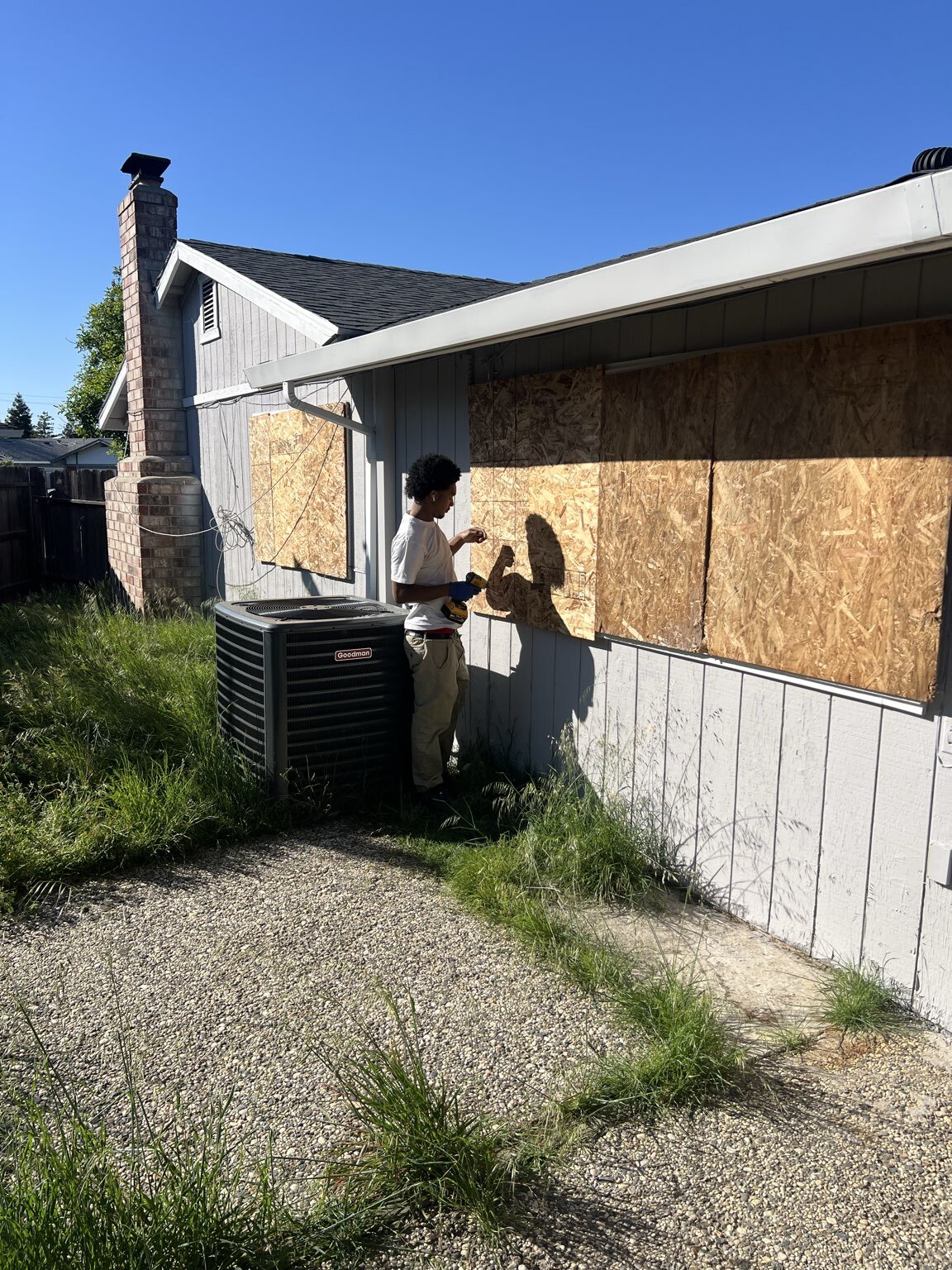
Darren’s experience is based on actual Northern California transactions involving tenants, deferred maintenance, inherited ownership, vacancy, difficult communication, and properties that were not ready for traditional listing photos or repeated buyer showings.
A traditional listing may make sense when the owner has time, repair money, easy access, and a property that can compete well with retail inventory. A local cash buyer may be worth comparing when the priority is certainty, speed, fewer contingencies, or a no-repairs as-is sale.
That comparison can be especially useful when an owner wants to sell a rental property as-is, sell a house with tenants, sell a tenant-occupied house, sell a rental property with tenants, sell a house with a non-paying tenant, sell a rental with a non-paying tenant, or simply sell a house fast without first renovating it for the market.
The practical question is not whether every seller should choose a direct cash buyer. It is whether the net, timeline, workload, and certainty of an as-is cash buyer or local as-is home buyer compare favorably with repairing and listing the Rocklin property.
Not every tenant-occupied transaction becomes simple the moment escrow closes. In this real Sacramento-area case, a tenant broke back into the property after Darren had already purchased it.
This behind-the-scenes video shows why experience matters when selling a difficult property as-is. Unexpected access problems, belongings, deferred repairs, communication issues, tenant concerns, and post-closing complications require practical judgment—not polished promises.
The former owner had already completed the sale. Darren took responsibility for what happened afterward, illustrating one reason a direct cash buyer with real difficult-property experience can be valuable when a Rocklin owner wants to transfer the property as-is and move forward.
Rocklin sellers should not have to rely only on polished claims. These videos show actual tenant-occupied, repair-heavy, and difficult properties Darren has worked with throughout the greater Sacramento region.
See what can happen after a seller transfers a rental as-is. The owner did not have to complete this work before selling, coordinate contractors, or remodel the house to compete for a retail buyer.
This occupied property required substantial work. The seller was able to transfer the house without first removing everything, completing renovations, or making it retail-ready.
Walk through an actual property with Darren and see the kinds of conditions an as-is cash buyer may take on after closing. A Rocklin seller does not have to make the property perfect before comparing a no-repairs as-is sale with a traditional listing.
“The most important proof is not a promise that every property situation will be easy. It is showing that the buyer has already worked through difficult occupants, deferred maintenance, belongings, repairs, and real people who needed a respectful solution.”Darren Brown — Licensed California Broker and Local Cash Buyer
These images come from actual Northern California properties. They demonstrate why some Rocklin owners compare a no-repairs as-is sale with financing repairs, managing contractors, supervising a cleanout, preparing for showings, and waiting for a conventional sale.
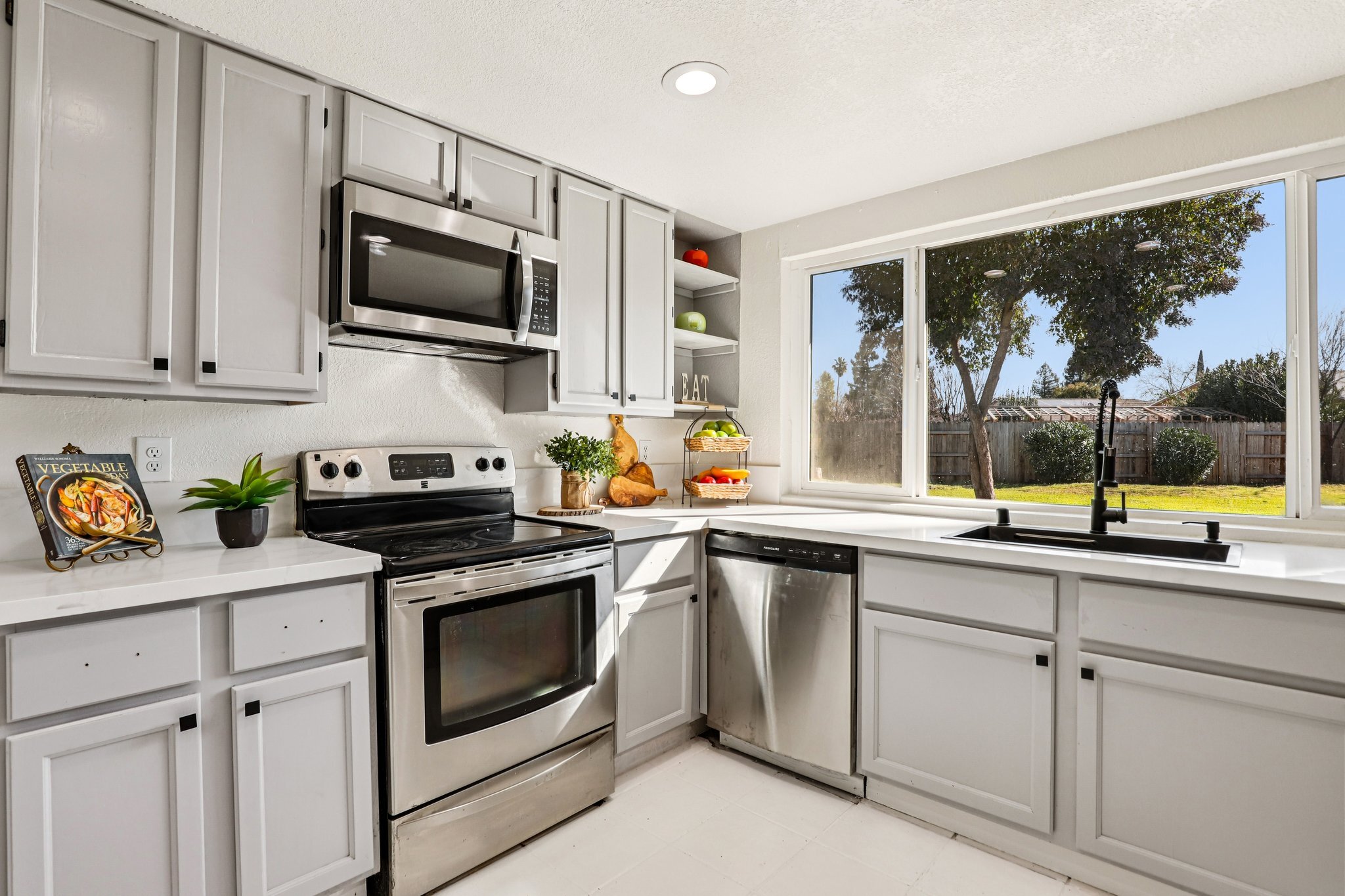
A real occupied-property transaction demonstrating the condition and improvement work a buyer may inherit after the seller closes.
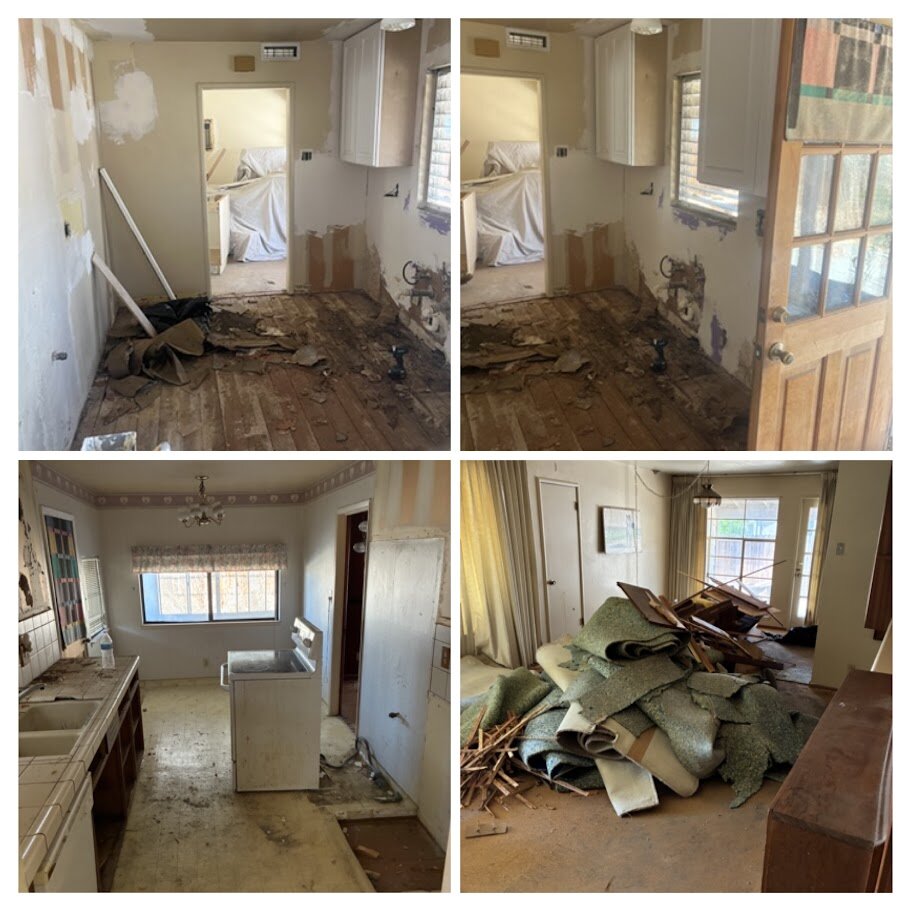
Work that occurred after the purchase—not a list of projects the former owner had to complete before selling.
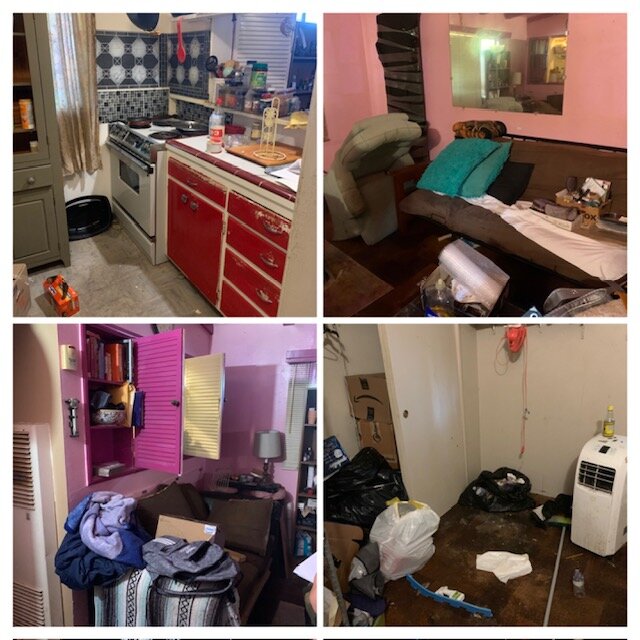
A property with repairs and deferred maintenance that became a candidate for a direct as-is purchase.
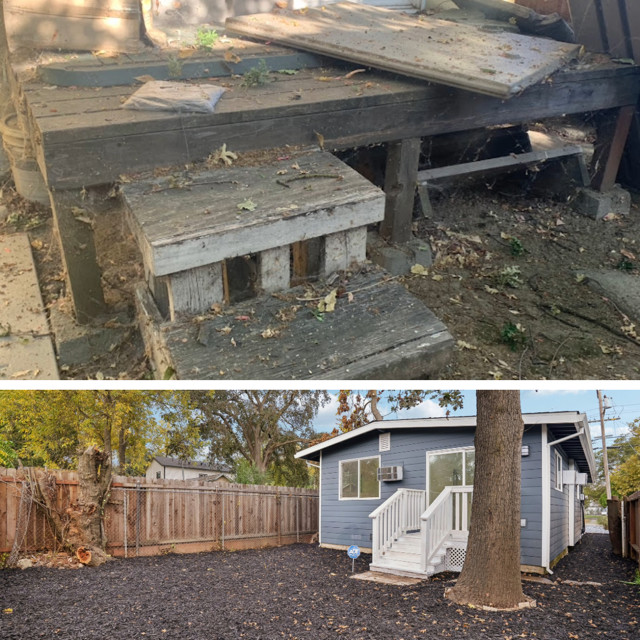
Deferred repairs can become another financial burden when a property no longer fits the owner’s plans or budget.
These sellers describe their own experiences working directly with Darren through real property transactions—useful proof for Rocklin owners comparing a local cash buyer with a traditional listing.
A homeowner shares firsthand feedback about working with Darren during the sale of a property.
Additional seller proof showing the communication, process, and personal experience behind a direct transaction with Darren.
A Rocklin homeowner may be handing over a valuable property, access details, tenant information, repair issues, and years of equity. Before signing an agreement, independently verify the cash buyer’s identity, licensing, professional background, business registration, community involvement, and transaction experience.
Darren Brown combines direct cash-buying experience with a professional California real estate brokerage background.
View Broker Documentation →Veteran-owned service centered on accountability, direct communication, follow-through, and doing what was agreed upon.
View Military Retirement Proof →Darren’s business has documentation supporting its Disabled Veteran Business Enterprise certification.
View DVBE Certification →Sellers can review the California Secretary of State filing associated with Darren’s operating business.
View State Business Filing →Review the independent Better Business Bureau profile for Darren Buys Homes Cash before accepting an offer.
View BBB Business Profile →Darren maintains a public connection to the Sacramento-region professional and business community.
View Chamber Listing →Review additional seller feedback, difficult property situations, and direct as-is sale experiences involving Darren Buys Homes Cash.
Review Seller Testimonials →Examine Darren’s professional background, business identity, and supporting trust documentation in one place.
Review Professional Credentials →Use the Seller Trust Center to evaluate the company, process, proof, and direct cash-buying experience before deciding who to work with.
Visit The Seller Trust Center →Another homeowner explains what it was like to work with Darren. Real seller feedback gives Rocklin property owners a better basis for evaluating a direct cash buyer before making a decision.
The right decision depends on property condition, occupancy, repair costs, title issues, carrying costs, available reserves, timing, and how much additional work the owner is prepared to accept.
This may make sense when the Rocklin owner has adequate reserves, still wants the property, and has a realistic plan for repairs, tenants, maintenance, and future carrying costs.
Some owners invest in repairs, cleanout, staging, and preparation so the property can compete for a traditional retail buyer.
A direct sale may be worth evaluating when the Rocklin owner values certainty, wants to reduce seller workload, or does not want to complete repairs, cleaning, or remodeling before selling.
A Rocklin owner can compare the likely net from a direct as-is cash offer with continuing to hold the property, completing repairs, preparing for showings, paying commissions and concessions, or attempting a traditional listing. The goal is to understand the difference between a cash buyer vs. listing—not to assume one option is automatically better.
Some Rocklin properties are difficult to sell for reasons that have little to do with ordinary cosmetic repairs. Liens, title defects, remote ownership, severe property condition and complicated occupancy can each change what must happen before a seller reaches closing. This resource center organizes five focused guides around those specialized situations.
A seller can easily spend money fixing the wrong problem. Repairs do not release a lien. Cleaning a house does not correct a title defect. Traveling back to California does not automatically solve a tenant problem. And removing belongings does not establish who has the right to possess a property.
The five guides below separate those issues so a Rocklin owner can identify what is actually preventing a straightforward sale, understand what may require outside professional help, and determine which physical-property burdens could potentially be transferred to an as-is cash buyer.
Each guide addresses a different transaction obstacle while reinforcing the same underlying principle: understand the problem first, then compare the cost and risk of solving it yourself against selling the property in its current condition.
Start here when judgments, tax liens, HOA obligations or other recorded claims may affect the seller’s equity or the title requirements necessary to close.
Use this guide when ownership records, deeds, deceased owners, trusts, missing signatures or another title issue may prevent a clean transfer.
Start here when distance makes tenant coordination, property access, repairs, contractor management or closing logistics harder than they would be for a local owner.
Compare sorting, hauling, deep cleaning and repair costs against a no-cleanout sale when the property contains large amounts of belongings or debris.
Use this guide when people not named on the lease, unauthorized subletting, additional occupants or unexpected re-entry complicate access, possession and closing.
Difficult houses often contain more than one issue.
Repairs, cleanup and deferred maintenance primarily affect the physical property. Liens and title defects can affect the ability to transfer ownership. Tenant and unauthorized-occupant issues can affect possession and access. Distance can make every one of those problems harder to coordinate.
A seller should determine which issue can actually stop the transaction and which burdens a buyer may be willing to assume after closing.
That is where a direct as-is cash buyer can provide a useful comparison. The seller can evaluate an offer for the property as it exists today against the expected cost, time and risk required to create a cleaner conventional sale.
Related seller resources are also available for nearby Placer County and Sacramento-area markets.
A Rocklin house can have a lien and need repairs. A remote rental can also have unauthorized occupants. A hoarder property may have title problems. These situations do not always fit neatly into one category. A local direct cash buyer can evaluate the property, occupancy and physical condition together so you can compare one as-is cash offer against the time and expense of solving each problem separately before selling.
The occupants may not change the ownership of the house, but they can affect access, property condition, possession at closing, buyer risk, timing and the seller’s expected net.
| Issue | Seller Impact | Buyer Impact | Question To Resolve |
|---|---|---|---|
| Unknown Occupants | Seller may not know exactly who lives in the property. | Buyer has uncertainty regarding possession and post-closing management. | Who is actually occupying the house? |
| Limited Access | Seller may struggle to inspect, photograph or prepare the house. | Buyer may have incomplete information about condition. | What can reasonably be inspected before closing? |
| Possession at Closing | Seller may not be able to promise vacancy without first resolving occupancy. | Buyer must decide what possession condition is acceptable. | Is vacant possession required—or is the buyer accepting current occupancy? |
| Property Condition | Damage or unauthorized alterations may remain unknown. | Buyer prices visible repairs plus uncertainty. | How much condition risk is being transferred? |
| Timeline | Resolving possession first may extend the seller’s holding period. | An occupied purchase can involve additional operational risk. | What does each path realistically require before closing? |
| Seller Net | Legal expense, repairs, carrying time and lost income can affect proceeds. | Buyer may account for occupancy risk in the offer. | Which option produces the better realistic net—not merely the higher price? |
Sometimes time helps clarify an occupancy situation. In other cases, additional delay can increase carrying costs, access problems and property uncertainty.
| Issue | Short-Term Effect | Possible Longer-Term Effect | Seller Decision |
|---|---|---|---|
| Extra Occupants Remain | Access and communication may become more difficult. | Possession can become a larger part of the eventual sale. | Clarify the facts before assuming the problem will disappear. |
| Property Cannot Be Fully Inspected | Seller has incomplete condition information. | Deferred maintenance or damage may continue unnoticed. | Compare the value of waiting for access with selling under current uncertainty. |
| Vacancy Is Required by Buyer | Seller may need to delay closing until possession is resolved. | Carrying costs continue while the seller pursues that strategy. | Determine whether vacancy is actually necessary for the chosen buyer. |
| Buyer Accepts Occupied Condition | Seller may avoid waiting for complete possession resolution before sale. | Buyer assumes additional post-closing responsibility and risk. | Compare the occupied offer with the expected vacant-sale net. |
| Occupancy Changes Again | New people may enter or prior occupants may return. | Closing expectations can change unexpectedly. | Keep possession and access status current throughout escrow. |
This page deliberately avoids treating every additional occupant as a squatter or every lease violation as an eviction case. The facts should determine the next step.
The lease may name one person while several others now live at the property. Review the lease, communications and history before deciding what the occupancy means for possession or the sale.
The owner may have an agreement with the original tenant but little direct history with the people now occupying the property. That can complicate communication, access and closing expectations.
Discovering people inside a supposedly vacant house creates a different set of facts from an ordinary tenant household. The owner should obtain appropriate legal guidance rather than assuming an instant-removal procedure applies.
An occupancy issue can reappear after the owner or buyer believes possession has been resolved. This is why possession should continue to be monitored through closing rather than treated as a one-time checkbox.
Separating these issues helps the seller understand what is actually blocking the transaction.
This affects inspections, showings and how accurately the house can be evaluated. California law regulates landlord entry into rented property, so access should be handled based on the actual tenancy and circumstances rather than improvised.
A purchase agreement should establish what the buyer is expecting. A buyer requiring vacancy is evaluating a different transaction from one knowingly acquiring a property with unresolved occupants.
The seller should verify that the buyer understands the actual occupancy rather than discovering late in escrow that the buyer assumed a vacant property would be delivered.
Selling with unresolved occupancy is not automatically better—but it can remove several pre-sale burdens from the seller’s side of the transaction.
Vacant possession can make a property easier to inspect, repair and market. That may produce the better outcome when the possession issue can be resolved efficiently and the seller has the time and resources to continue.
But a seller dealing with difficult occupants may also be paying mortgage, taxes, insurance, utilities, legal expenses and repair costs while waiting for that cleaner sale condition.
A direct as-is cash buyer willing to evaluate the house with the existing occupancy gives the seller another number to compare. The buyer’s offer may reflect additional risk, but the seller may avoid some of the time and expense involved in creating a vacant retail property first.
Rocklin owners should avoid treating the decision to sell as though it automatically answers what notice, court process or possession remedy may apply.
California Courts describes unlawful detainer as the court process landlords use to legally evict tenants after the applicable notice requirements are addressed.
But an owner first needs to understand who is in the property and what relationship exists. A named tenant, additional household member, alleged subtenant, former tenant and unknown person in a vacant house can present different questions.
Placer County Superior Court’s Self-Help Center provides assistance with unlawful detainer matters, while California Courts provides statewide landlord and eviction information. These are better starting points for procedure than relying on assumptions about whether someone is a “guest,” “tenant” or “squatter.”
From the sale side, the seller can separately evaluate whether resolving possession first is financially worthwhile or whether a buyer is willing to purchase the Rocklin property as-is under the current occupancy conditions.
Unauthorized occupancy can overlap with difficult tenants, showing access, eviction, squatters and the question of whether the property should be sold occupied.
Start with the broader question of selling a Rocklin property while people still occupy it.
Review Occupied Sale Options → Won’t LeaveCompare waiting for vacancy with selling to a buyer willing to evaluate the existing occupancy.
Review the Won’t-Leave Guide → AccessReview how difficult property access can affect traditional marketing and direct-sale alternatives.
Review Showing-Access Options → Eviction in ProgressUnderstand why the sale decision and the possession process should be evaluated separately.
Review Sale-During-Eviction Options → Squatter SituationUse this separate resource when the fact pattern is more specifically an alleged squatter situation.
Review the Squatter-House Guide → Buyer VerificationVerify proof of funds, identity, transaction structure and closing ability before transferring a difficult occupied property.
Verify the Buyer → Seller NetCompare the occupied offer with the expected net after possession, repairs, time and other selling costs.
Compare Seller Net →Real Sacramento-area transaction • possession changed unexpectedly • closing risk.
In this real transaction, the property was moving toward closing when a former tenant re-entered the house approximately one week before the scheduled closing.
That did not mean every future seller should handle an occupant the same way. It demonstrated something more important: a property that appears to be vacant today may not remain vacant automatically, and possession can become a closing issue very quickly.
For Rocklin sellers dealing with unknown or unauthorized occupants, the lesson is to define the expected possession condition, keep access information current and avoid assuming the occupancy problem has disappeared simply because the sale is under contract.
Read the Tenant Re-Entry Case Study →If people are living in your Rocklin property who are not named on the lease or who you did not expect to be there, begin with the facts. Identify who is occupying the house, gather the available agreements and communications, and determine what access and property-condition information you actually have.
Then separate the possession question from the sale question. Resolving occupancy before selling may create a cleaner retail transaction, but it can also require time, expense and additional carrying costs.
A local direct cash buyer willing to evaluate the house in its current occupied condition gives the seller another option to compare. The goal is not to ignore occupant rights—it is to determine whether the seller must personally solve every occupancy and property problem before a sale can occur.
Occupancy and possession rights depend on the facts. These answers provide general seller education and are not a substitute for California landlord-tenant legal advice.
Before assuming you must resolve every occupancy, repair and access problem before selling, compare what the Rocklin property looks like as it exists today. A local direct cash buyer can evaluate the house, current occupancy and property condition together, giving you an as-is cash offer to compare against waiting for vacancy, pursuing possession and preparing the house for a traditional sale.