

Roof Leak
Failed roofing, flashing or another roof-related issue can allow water into ceilings, walls and adjoining materials.
A ceiling stain, musty odor or damaged wall can look like one repair. The difficult part is determining what may be happening behind it.
Water damage can begin with a roof leak, plumbing failure, drainage issue or another source of moisture—and the visible damage may not reveal the full repair scope.
A homeowner does not necessarily need to complete every water-damage repair or remediation project simply to explore selling the property. The buyer needs to evaluate the known condition, the suspected source of moisture, available reports and the uncertainty surrounding areas that have not been opened or investigated. Known material conditions should be handled through the applicable seller disclosure process. An as-is sale is not permission to conceal a known leak, mold condition or prior water damage.
Circle Parkway is useful proof of a larger principle: when a property has significant condition problems, the owner is not merely deciding whether to repair one visible defect.
Cleanup, access, deferred maintenance, damaged components and unknown conditions can stack together. That is why an experienced as-is buyer evaluates the whole property rather than expecting the seller to make it retail-ready first.
A seller should be able to learn what a difficult property may be worth today before deciding to personally take on cleanup, demolition, remediation and repairs.
Review feedback from homeowners who have worked with Darren Buys Homes Cash on real Sacramento-area properties involving repairs, occupancy, condition problems and difficult sale decisions.
Citrus Heights tells residents that mold is associated with excessive moisture and that addressing the moisture source is the proper focus. The City’s code-enforcement materials also specifically identify water intrusion as an interior housing issue.
That makes the source of the moisture more important than simply covering a stain or replacing one visible piece of drywall.
Cosmetic work may improve what a seller sees without resolving the underlying source. Before spending money on appearance, understand what problem the repair is actually supposed to solve.
Water or moisture is entering an area where it should not be. The source might involve roofing, plumbing, drainage or another building condition.
Building materials or finishes have been affected by water. The scope can range from visible staining to damaged drywall, flooring, cabinets or other components.
Mold is associated with moisture conditions, but a real-estate buyer should not pretend to diagnose the type, extent or significance of a suspected condition without appropriate evaluation.
If you know there was a roof leak, say there was a roof leak. If you have a mold report, preserve the report. If you only see discoloration and do not know what it is, avoid turning an assumption into a diagnosis.
Water-related repair decisions become difficult because the visible symptom may represent only a portion of the eventual project.
A direct cash buyer evaluating a damaged house should account for uncertainty. The seller does not necessarily have to open every wall merely to learn whether an as-is sale is financially worth considering.
Failed roofing, flashing or another roof-related issue can allow water into ceilings, walls and adjoining materials.
Supply lines, drains, fixtures or concealed plumbing can create damage beyond the immediately visible area.
Repeated moisture around tubs, showers and adjoining walls can create a larger repair project than damaged surface finishes suggest.
Windows, doors, siding, drainage or other exterior conditions can contribute to moisture entering the structure.
Water heaters, washing machines, refrigerators and other equipment can cause localized or widespread water damage.
A leak in a vacant house can continue unnoticed long enough to make a relatively simple failure much more expensive.
Small unresolved leaks or exterior problems can compound when repairs are postponed over time.
Sometimes the seller knows there is damage but has not determined exactly where the moisture originated.
The City of Citrus Heights identifies mold as a moisture-related housing issue and directs the focus toward eliminating the moisture source. The City’s code-violation process also lists water intrusion among the interior housing issues that can come to Code Enforcement’s attention.
For a seller, that reinforces an important distinction: covering visible damage is not the same as understanding the underlying condition.
The seller can compare investigation and repair costs against an as-is sale without assuming that cosmetic restoration is automatically the best financial decision.
The seller should separately confirm the current City requirements, notices and deadlines instead of assuming that a sale automatically ends an active enforcement matter.
Determine whether the moisture is coming from roofing, plumbing, exterior intrusion or another condition.
The underlying source generally needs to be addressed before rebuilding damaged finishes makes practical sense.
Establish what materials and areas have actually been affected rather than pricing only what is visible.
The project may involve damaged drywall, flooring, cabinets, insulation or other affected materials.
Once the underlying condition and affected areas are addressed, finishes may still need to be rebuilt or replaced.
Mortgage, taxes, insurance, utilities and ownership costs continue while the investigation and repair process moves forward.
The uncertainty behind the visible damage can matter as much as the damaged surface itself. Sellers should compare the whole repair path—not just the first contractor task—against the as-is alternative.
| Decision Factor | Investigate / Repair First | Direct As-Is Sale |
|---|---|---|
| Moisture Source | Seller investigates and coordinates the work necessary to identify and address the source. | Buyer evaluates known information and prices remaining uncertainty into the purchase. |
| Opening Walls / Materials | Seller may discover additional conditions once work begins. | Seller may be able to compare an offer without first completing a full reconstruction project. |
| Mold / Remediation | Seller coordinates appropriate evaluation and any work the seller elects or is required to complete. | Buyer evaluates the known condition, reports and remaining risk before committing to the purchase. |
| Repair Capital | Seller advances money before receiving sale proceeds. | Anticipated post-closing work is reflected in the buyer’s pricing. |
| Time | Investigation, drying, removal, repair and reconstruction can extend the ownership timeline. | Timeline depends on buyer diligence, title and agreed closing terms. |
| Uncertainty | Seller carries the risk that the project expands after work begins. | Buyer prices expected investigation and repair uncertainty into the offer. |
| Potential Buyer Pool | A properly repaired property may appeal to a broader retail market. | Buyer pool is narrower but may include investors and direct cash buyers accustomed to damaged property. |
| Best Comparison | Future net proceeds after all investigation, repair, holding and sale costs. | Current net proceeds under the actual as-is purchase terms. |
The objective is not to convince every Citrus Heights homeowner to sell as-is. It is to compare the two strategies before committing thousands of dollars to a project.
The seller knows damage exists but does not yet know what is causing it or how far the moisture has traveled.
Water-related problems appear in more than one room or building component.
The condition may have existed for an unknown period, increasing uncertainty about concealed damage.
The seller does not want to manage investigation, removal and reconstruction before putting the property on the market.
Water damage is only one item in a larger list of roof, HVAC, plumbing, electrical or general-condition problems.
The owner would rather price the known and unknown repair burden into a sale than personally manage a restoration project.
When I evaluate a Citrus Heights house with water damage, I do not expect the homeowner to diagnose the property for me or turn it into a finished retail house first.
I want to understand what the seller actually knows: where water has been seen, whether the source is known, whether repairs were previously made, whether there are reports, and what other property-condition issues exist.
If there are unknowns, those unknowns become part of my evaluation. That is different from requiring the seller to resolve every unknown before I will look at the property.
Once you know what a local cash buyer would consider paying for the Citrus Heights house in its present condition, you have a real number to compare with inspection, remediation, reconstruction, carrying costs and a later retail sale.
Property condition is only one part of a difficult sale. Occupancy, communication, access, repairs, utilities, timing, belongings, and the people affected by the transaction can all matter.
The Citrus Heights Butternut Drive transaction is one example. The property had been occupied by a non-paying tenant for approximately 18 months. When Darren purchased the house, it was without working electricity and air conditioning. After closing, utilities and essential conditions were addressed and a short-term rental arrangement was established with the occupant.
That is a tenant-related transaction, but the larger lesson applies beyond rental property: a difficult sale often requires understanding the entire situation rather than looking only at the physical house.
The value of this transaction is not simply that a tenant was involved. It demonstrates Darren’s willingness to evaluate properties with multiple overlapping complications rather than requiring the seller to solve every issue before a sale can be considered.
Every difficult property has a different story. Some houses need major repairs. Others involve tenants, deferred maintenance, unwanted belongings, title complications, code concerns, vacancy, inherited ownership, or simply an owner who does not want to spend additional time and money preparing the property for a traditional sale.
Darren Brown’s approach is to evaluate the property and the seller’s situation as they actually exist. That means an owner can compare a direct cash offer without first remodeling, cleaning out, making the house retail-ready, or pretending difficult issues are not there.
The transaction proof below is included for one reason: to show the type of real-world property situations Darren has personally worked through. It is not a promise that every transaction will be identical. It is documented experience that sellers can evaluate before deciding who they want to work with.
Traditional retail selling often works best when a property can be prepared, photographed, shown repeatedly, inspected, appraised, and financed without significant complications. Many Citrus Heights houses fit that model.
Others do not.
An owner may be dealing with repairs, an occupied house, accumulated belongings, an inherited property, deferred maintenance, title questions, code concerns, vacancy, vandalism, an aging rental, or another circumstance that makes conventional preparation less attractive.
A direct as-is sale provides another number and another strategy to compare. It does not automatically mean a cash offer is the best option. It means the seller can evaluate the property without first paying to transform it into a different property.
Evaluate the house as it sits, including deferred maintenance, damage, cleanup, major repairs, or outdated systems.
Consider tenants, relatives, occupants, belongings, vacancy, limited access, or other practical issues affecting the sale.
Compare net proceeds, required investment, timeline, certainty, convenience, and transaction risk—not simply the advertised sale price.
Difficult-property transactions are not always complicated because of repairs alone. In this real Sacramento-area transaction, a former tenant broke back into the property after Darren had already purchased it.
The former seller had already completed the transaction. Darren was then responsible for dealing with the unexpected access and security issue after ownership transferred.
This case is useful beyond tenant-related pages because it demonstrates what it means for a direct buyer to assume the practical risks that may remain after a difficult property closes.
Sellers evaluating an as-is buyer should consider more than the offer amount. They should also consider whether the buyer understands occupancy, belongings, access, deferred repairs, security, cleanup, title coordination, and unexpected problems.
Sellers should not have to rely only on polished marketing claims. These videos show actual Sacramento-area properties Darren purchased and worked on after closing.
See what happened after this property transferred as-is. The former owner did not have to complete this work before selling, coordinate the renovation, or prepare the house to compete for a retail buyer.
This tenant-occupied hoarder property required substantial work. The seller transferred the property without first removing everything, completing renovations, or making the house retail-ready.
Walk through an actual property with Darren and see the types of physical conditions a direct as-is cash buyer may take on after closing. A seller does not have to make a difficult house perfect before discussing a sale.
“The most important proof is not a promise that every difficult property will be easy. It is showing that the buyer has already worked through real occupancy problems, deferred maintenance, belongings, repairs, property-condition issues, and unexpected situations.”Darren Brown — Licensed California Broker and Local Cash Buyer
These images come from actual Sacramento-area transactions. They demonstrate why property owners may compare an as-is sale with spending additional money on repairs, cleanout, contractor management, and retail preparation.
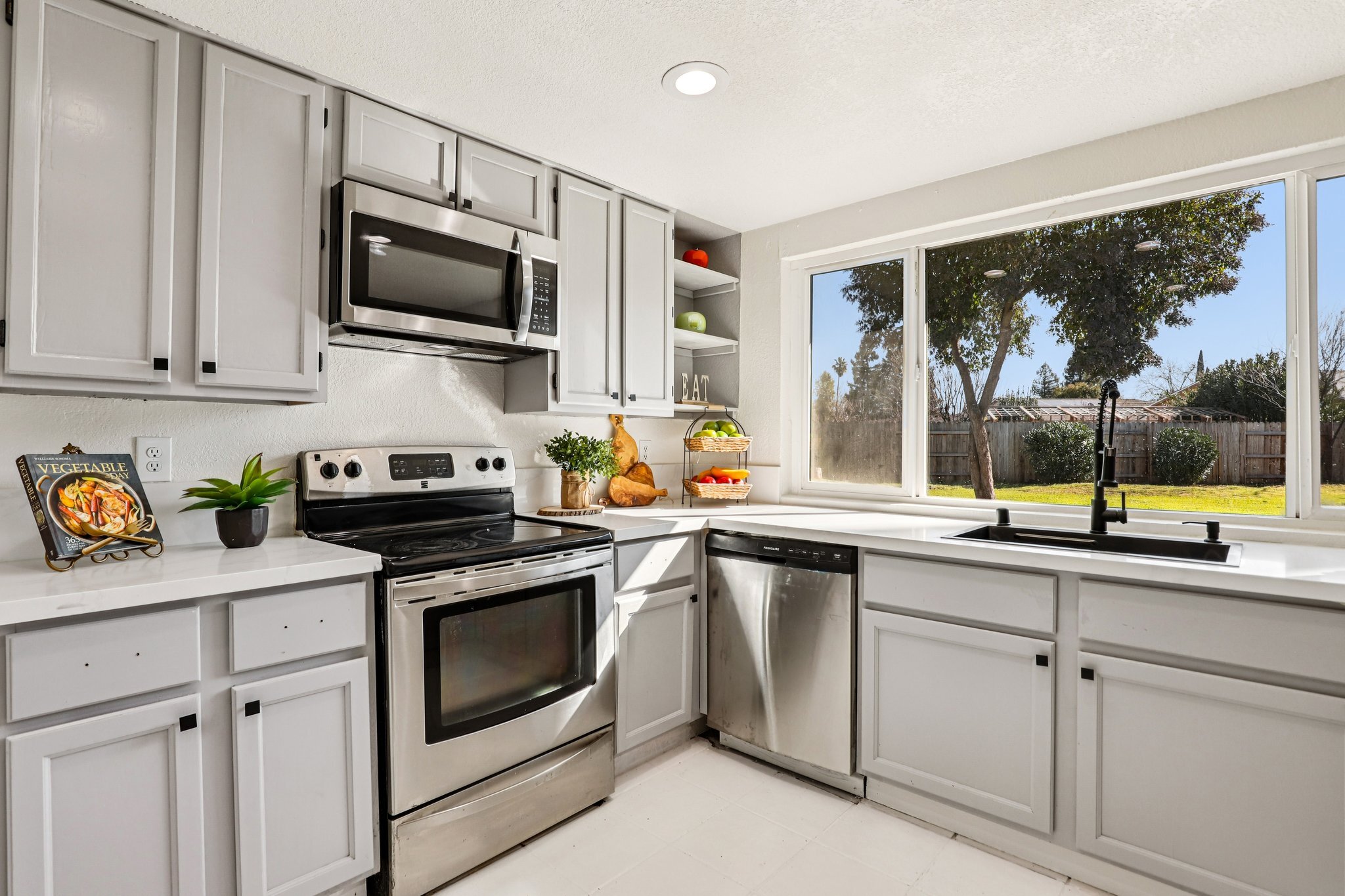
A real transaction showing improvement work that became the buyer’s responsibility after the seller completed the sale.
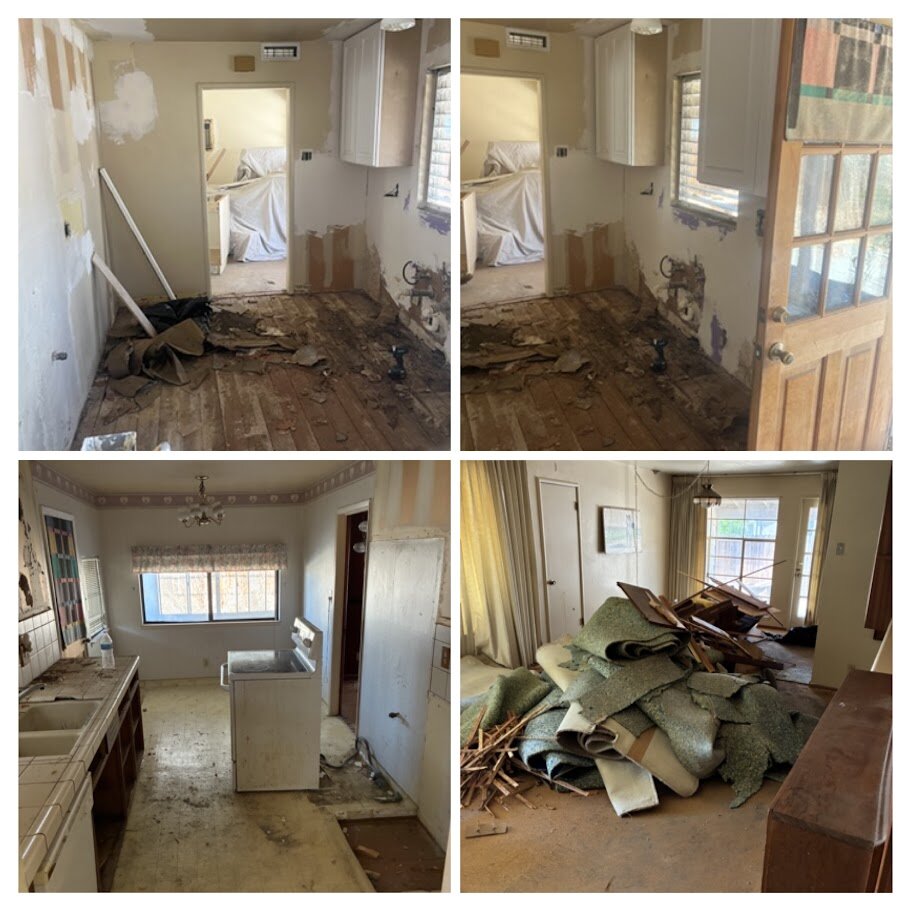
Work completed after the purchase—not a list of projects the former owner had to finish before selling.
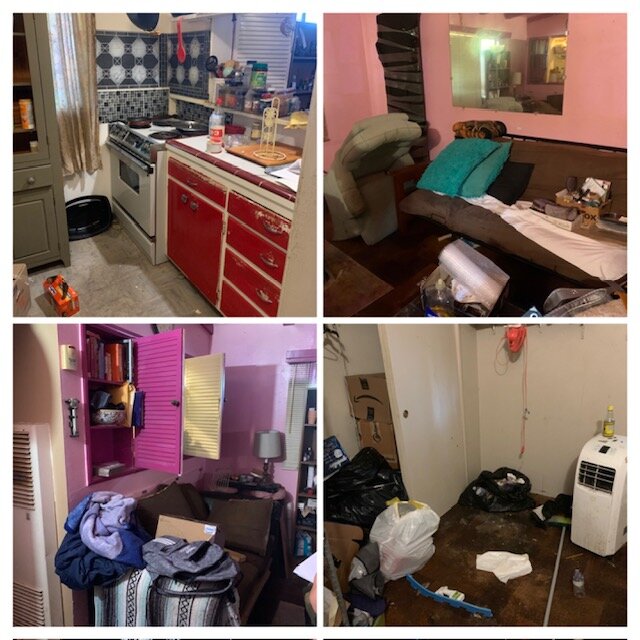
A real Sacramento-area property with repairs and deferred maintenance that became a candidate for a direct as-is purchase.
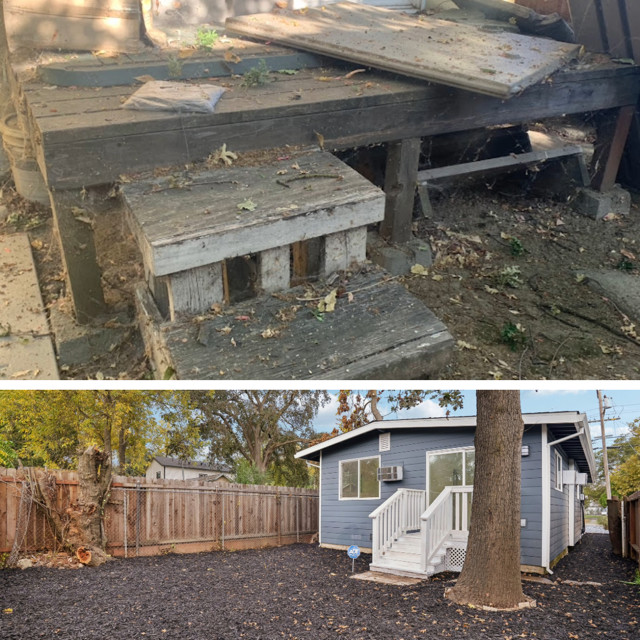
Safety problems and deferred maintenance can create another layer of expense when an owner is deciding whether to repair or sell the property in its present condition.
These homeowners describe their own experiences working directly with Darren through real property transactions.
A homeowner shares firsthand feedback about working with Darren during a real property sale.
Additional seller proof showing the communication, transaction process, and personal experience behind a direct sale with Darren.
Whether a property has repairs, tenants, liens, deferred maintenance, code issues, title complications, unwanted belongings, vacancy, inherited ownership, or another difficult condition, the buyer should still be independently evaluated.
Before signing an agreement, sellers can verify Darren’s licensing, professional background, business registration, veteran status, community involvement, seller experiences, and transaction history.
Darren Brown combines direct cash home buying experience with a professional California real estate brokerage background.
View Broker Documentation →Veteran-owned service centered on accountability, direct communication, follow-through, and doing what was agreed upon.
View Military Retirement Proof →Darren’s business has documentation supporting its Disabled Veteran Business Enterprise certification.
View DVBE Certification →Sellers can review the California Secretary of State filing associated with Darren’s operating business.
View State Business Filing →Review the independent Better Business Bureau profile for Darren Buys Homes Cash before accepting an offer.
View BBB Business Profile →Darren maintains a public connection to the Sacramento region’s professional and business community.
View Chamber Listing →Review additional seller feedback, property situations, and experiences involving Darren Buys Homes Cash.
Review Seller Testimonials →Examine Darren’s professional background, business identity, and supporting trust documentation in one place.
Review Professional Credentials →Use the Seller Trust Center to evaluate the company, process, transaction proof, and cash home buying experience before deciding.
Visit The Seller Trust Center →Another homeowner explains what it was like to work directly with Darren. Real seller feedback gives a property owner a better basis for evaluating the person behind the offer before making a decision.
The strongest option depends on property condition, available equity, repair costs, occupancy, title issues, timing, available cash, likely net proceeds, and how much additional work the owner wants to take on before selling.
Continued ownership may make sense when the property still fits the owner’s goals and there is enough time, money, and willingness to address the problems before reconsidering a sale.
A conventional listing may be appropriate when the owner has the resources and time to prepare the property and wants broad exposure to retail buyers.
A direct as-is sale may be worth evaluating when the owner wants a defined alternative without first making the property vacant, repaired, remodeled, cleaned out, or retail-ready.
Darren can evaluate a Citrus Heights property in its current condition and provide a direct as-is option that can be compared with keeping the house, completing repairs, resolving other property issues, or preparing for a traditional listing.
Use these local resources to compare selling options by property condition, tenant situation, ownership challenge, timing, and the type of sale you are considering.
Start with the main Citrus Heights service-area page for local selling options and property situations.
Read Citrus Heights Guide → Landlord & Tenant ProblemsA focused Citrus Heights guide for landlords dealing with missed rent while considering an as-is sale.
Read Citrus Heights Guide → Local Case StudySee a real Citrus Heights rental-property case study involving non-paying tenants and a seven-day closing.
Read Citrus Heights Guide → Tenant-Occupied PropertyReview options for selling a Citrus Heights house while a tenant is still occupying the property.
Read Citrus Heights Guide → Tenant Exit QuestionsUnderstand the selling questions that arise when a Citrus Heights tenant will not leave before a planned sale.
Read Citrus Heights Guide → Landlord Exit StrategyA Citrus Heights resource for owners comparing continued management with selling a rental property as-is.
Read Citrus Heights Guide → Remote OwnershipFor landlords who own a Citrus Heights rental from outside the area and want to compare an as-is exit.
Read Citrus Heights Guide → Rental Property SaleA broader Citrus Heights landlord resource covering a direct cash-buyer option for rental property.
Read Citrus Heights Guide → Unauthorized OccupancyExplore a Citrus Heights-specific resource for selling a house with squatters or unauthorized occupants.
Read Citrus Heights Guide → Hoarder & Heavy CleanoutFor Citrus Heights properties with extensive belongings, debris, or cleanout needs that may be sold as-is.
Read Citrus Heights Guide → Code & Property ConditionA Citrus Heights guide for owners facing code issues while evaluating an as-is sale.
Read Citrus Heights Guide → Tax ProblemsReview options when delinquent property taxes are part of a Citrus Heights home sale.
Read Citrus Heights Guide → ForeclosureA Citrus Heights resource for owners considering a sale before a foreclosure timeline advances further.
Read Citrus Heights Guide → As-Is / No RepairsCompare selling a Citrus Heights property in its present condition without completing repairs first.
Read Citrus Heights Guide → Repair DecisionA decision-focused Citrus Heights resource for weighing repair costs against selling in current condition.
Read Citrus Heights Guide → Fixer-UpperFor Citrus Heights homes with deferred maintenance, dated systems, or larger repair needs.
Read Citrus Heights Guide → As-Is Seller GuideA Citrus Heights-specific explanation of what an as-is sale can mean for repairs, preparation, and buyer expectations.
Read Citrus Heights Guide → Vacant PropertyReview a direct as-is option for an empty Citrus Heights property that may be costing money to hold.
Read Citrus Heights Guide → Inherited PropertyA Citrus Heights resource for owners evaluating the sale of an inherited house.
Read Citrus Heights Guide → Cash Sale ProcessLearn the basic Citrus Heights cash-sale process and what sellers can compare before accepting an offer.
Read Citrus Heights Guide → Closing TimelineA Citrus Heights-specific resource focused on timing, process, and what can affect a faster cash closing.
Read Citrus Heights Guide → Buyer VerificationUse this local guide when comparing cash buyers and checking experience, credibility, and the proposed transaction.
Read Citrus Heights Guide → Local As-Is Cash BuyerA Citrus Heights overview for owners comparing a direct as-is cash-buyer sale with other selling routes.
Read Citrus Heights Guide → Cash Buyer OverviewAdditional Citrus Heights information for sellers researching local cash-buyer options.
Read Citrus Heights Guide →This is where water-damage decisions become expensive. A homeowner may know there is staining, prior leakage or a suspicious area without knowing exactly what exists behind the finished surface.
Opening finished areas may provide more information, but it can also expose additional damage and create a reconstruction obligation the seller did not have before demolition began.
If the owner is considering an as-is sale anyway, it can make sense to compare a buyer’s current-condition evaluation before committing to invasive investigation solely for marketing purposes.
Sometimes investigation clearly improves the seller’s decision. Other times it starts demolition and reconstruction without materially improving the eventual net sale result.
A repaired roof or plumbing leak is important information, but fixing the source and repairing all resulting damage are not necessarily the same event.
Preserve invoices, receipts or other documentation showing what was repaired and when.
Identify whether staining, damaged drywall, flooring or other visible effects remain.
Do not claim that every concealed area is problem-free simply because the original moisture source was repaired.
Tell the buyer what was repaired, what documentation exists and what condition remains visible today.
Prior professional work can provide useful context. The strongest approach is to preserve the actual records rather than relying on a broad statement that the house is “mold free.”
A buyer can review actual reports and invoices and decide what additional due diligence is appropriate for the current transaction.
Preserve the actual document and allow the buyer to review what the professional reported, including the scope and limitations of that work.
Identify the visible discoloration, odor, leak history or moisture condition without presenting your own assumption as a professional diagnosis.
A seller does not need to minimize a known condition, but also should not label an unidentified substance or condition more definitively than the available information supports.
An occupied Citrus Heights rental can add another layer to the repair decision because inspection, drying, demolition and reconstruction may require repeated access to occupied rooms.
Contractors and other professionals may require more than one visit.
Furniture and belongings can make affected areas harder to inspect or repair.
Opening walls, removing materials and rebuilding can be much more disruptive in an occupied house.
Waiting through repairs can extend the landlord’s ownership while the tenancy and carrying costs continue.
A landlord deciding whether to repair first should count the practical cost of tenant coordination—not only the contractor’s invoice.
Prior insurance documents can help explain when a loss occurred, what was reported and what work may have followed.
But an old claim should not be stretched into a statement about the property’s current condition beyond what the records and present facts support.
Preserve correspondence, estimates or settlement records already in your files.
Pair insurance information with invoices or documentation showing work actually completed.
The buyer still needs to evaluate what exists at the property today.
Give the buyer the information that actually exists. Missing information can be identified as unknown rather than filled in with assumptions.
| Financial Item | Investigate / Repair / Sell Later | Sell As-Is |
|---|---|---|
| Future Sale Price | Estimate the realistic price after the moisture source, damaged materials and sale preparation are addressed. | Use the actual current offer being considered. |
| Investigation | Include inspections, testing or professional evaluation the seller elects or is required to obtain. | Buyer evaluates available information and remaining uncertainty. |
| Source Repair | Include roof, plumbing, drainage or other work necessary to address the moisture source. | Anticipated post-closing work is reflected in buyer underwriting. |
| Removal / Remediation | Include affected-material removal and appropriate remediation costs. | Buyer prices known and reasonably anticipated work into the offer. |
| Reconstruction | Add drywall, flooring, cabinets, paint and other rebuilding required after damaged materials are removed. | Seller may avoid completing the reconstruction before closing. |
| Holding Costs | Mortgage, taxes, insurance, utilities and maintenance continue through investigation, repair and later sale. | Potentially reduced if a qualified buyer closes sooner. |
| Scope Creep | Seller bears the risk that opening damaged areas reveals additional work. | Buyer accounts for remaining post-closing uncertainty in the purchase. |
| Net Result | Future proceeds minus every investigation, repair, holding and sale expense. | Current proceeds under the actual as-is purchase terms. |
A repaired house may sell for substantially more. The relevant question is how much of that higher price remains after the entire water-damage project and additional ownership time are paid for.
Citrus Heights identifies excessive moisture as the underlying focus in mold situations and directs residents with mold concerns to Code Enforcement. The City’s violation-reporting guidance also identifies water intrusion among interior housing issues.
A direct buyer can evaluate purchase economics, repair uncertainty and current property condition. Mold diagnosis, environmental conclusions, medical questions and property-specific City requirements belong with the appropriate professionals or public agencies.
A high offer made before the buyer understands the leak history, visible damage or potential concealed scope may be less dependable than an offer written after those issues are already part of the buyer’s underwriting.
You can explore an as-is sale without automatically completing a full remediation project first. The buyer should understand the known condition, available reports and remaining uncertainty before relying on the offer.
A direct buyer may be willing to evaluate the property in its current condition and price the anticipated repair burden into the transaction.
A seller should avoid self-diagnosing. Provide professional reports if they exist and otherwise describe the facts and conditions actually known.
Describe what you know and identify the cause as unknown if it has not been established. A buyer can determine what additional investigation is needed.
Provide available repair documentation and identify any remaining visible damage or areas that were not fully investigated.
Not automatically. Consider why invasive investigation is necessary, what additional work it may create and whether comparing an as-is offer first would help the seller make a better financial decision.
Preserve the reports, invoices and repair documentation you actually possess and allow the buyer to evaluate what additional due diligence may be appropriate.
Significant underlying property-condition issues can create inspection, appraisal or lender concerns depending on the property and transaction.
Occupancy can make investigation and repair access more complicated. A direct buyer can evaluate whether the tenancy and property condition can remain part of the transaction.
Relevant records you already possess can help explain the loss history and repairs. Do not extend those documents beyond what they actually show.
Darren evaluates the property as a potential real-estate purchase. Mold identification, environmental analysis and medical questions should be handled by the appropriate qualified professionals.
Identify the known moisture history, gather existing reports and repair records, estimate the repair-first path and compare it with a real as-is offer before authorizing a large project.
Start with what is actually known: the leak history, visible damage, available reports and whether the moisture source has been identified.
Then estimate what investigation, source repair, removal, remediation, reconstruction and additional carrying time could realistically cost.
At the same time, determine what a local direct cash buyer would consider paying for the Citrus Heights property as-is with the water damage, mold concerns and remaining uncertainty understood.
Once both paths are visible, the homeowner can decide whether completing the project first creates enough additional net value to justify the work.
You do not have to begin demolition, remediation or reconstruction simply to learn whether selling the property as-is is a realistic option.
Share the property address, what you know about the leak or water damage, available reports and current condition. Darren can evaluate the house as a local direct cash buyer and provide an as-is option to compare against completing the project first.
General real-estate information only. This page is not legal advice, medical advice, environmental advice, mold testing or remediation advice. Property conditions, disclosure obligations, insurance issues and City requirements depend on the specific facts. Sellers should use appropriate qualified professionals and confirm any active Citrus Heights code or housing matter directly with the City.