I specialize in buying squatter-occupied, hoarder, tenant-occupied, fixer-upper, and mobile homes — especially for homeowners facing distress, code issues, or overwhelming situations. As a local Sacramento cash buyer and VETERAN real estate broker (CA DRE #01295232), I focus on real solutions with respect, clear communication, and fast closings. Primary service areas include Sacramento, South Sac, Citrus Heights, Natomas, Rio Linda, Oak Park, Florin, Del Paso Heights, North Highlands, Carmichael, and Orangevale. Check the testimonials and see why local sellers trust Darren Buys Homes Cash. You have nothing to lose by calling or texting (916) 300-7962 today — VETERAN-owned, local, and committed to helping you move forward.

Citrus Heights Roof Replacement • Pre-Sale Decision Guide

Should I Replace the Roof Before Selling My Citrus Heights House?

A roof can be one of the largest checks a homeowner considers writing immediately before selling—and one of the easiest repairs to evaluate incorrectly if the analysis stops at the future listing price.

The real decision is whether replacing the roof creates enough additional seller value to justify the contract price, related work, project risk and time—or whether a buyer credit or an as-is sale produces the better net result.

Before signing a reroof contract, answer a different question: How much additional money will the new roof actually put in the seller’s pocket after the entire project and sale are finished?
Quick Answer

No—An Older or Damaged Roof Does Not Automatically Mean You Should Replace It Before Selling

The better decision depends on the roof’s actual condition, whether it is actively leaking, the complete cost and timeline of replacement, how the existing roof may affect a traditional buyer, and how much additional net value a new roof is likely to create. A Citrus Heights homeowner can compare three basic paths: replace the roof before marketing, negotiate the condition within a traditional sale where appropriate, or sell the house as-is to a direct cash buyer who evaluates the roof in its current condition.

Real Property • Real Rehabilitation Experience

The Seller Does Not Always Need to Complete the Buyer’s Future Rehab

Circle Parkway demonstrates the larger principle behind an as-is fixer transaction. A property can require substantial post-closing work without requiring the seller to personally manage every renovation before the sale.

Roof Work Is Different From Cosmetic Updating

Buyers may scrutinize roof condition because it can involve active water intrusion, future replacement cost, insurance considerations and financing questions. That makes the roof important—but it still does not answer who should undertake the project before ownership changes.

Verified Seller Reviews

Proof Before the Roof Decision

Review feedback from homeowners who have worked with Darren Buys Homes Cash on Sacramento-area properties involving repairs, deferred maintenance, tenants and difficult sale conditions.

First-Party Evidence • Roof Work After Acquisition

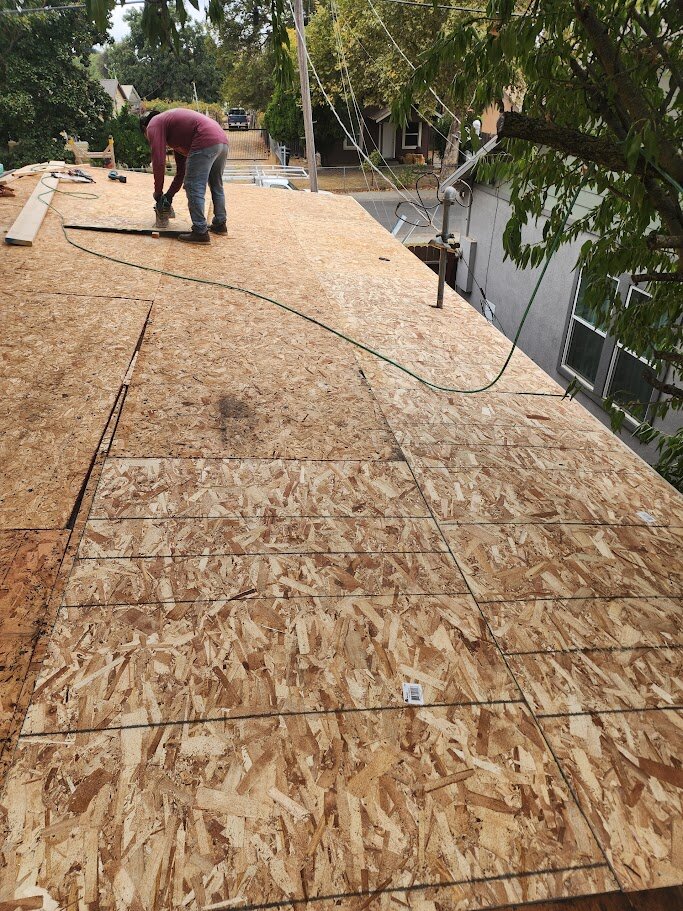
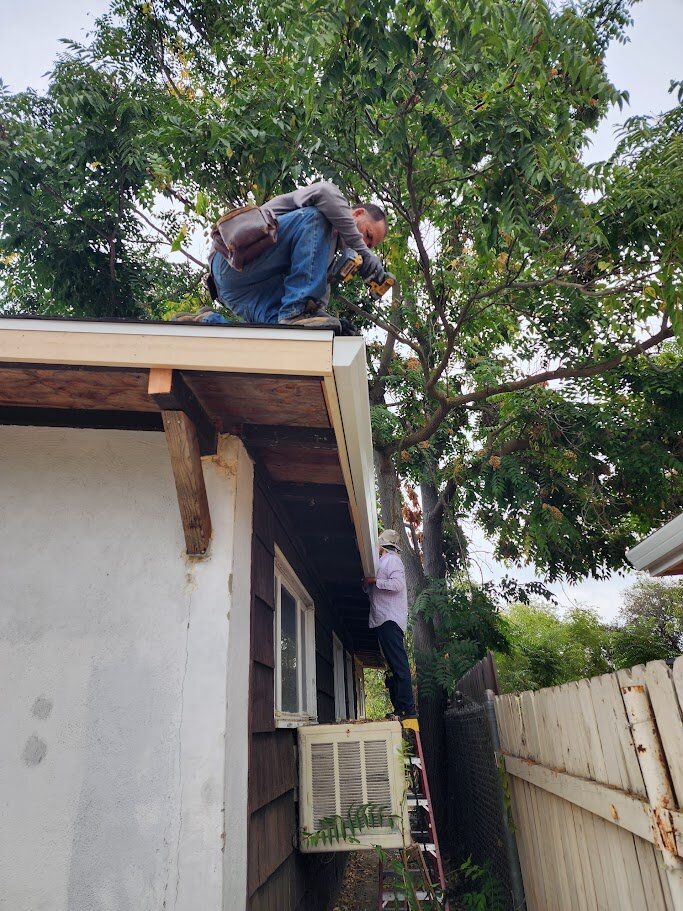
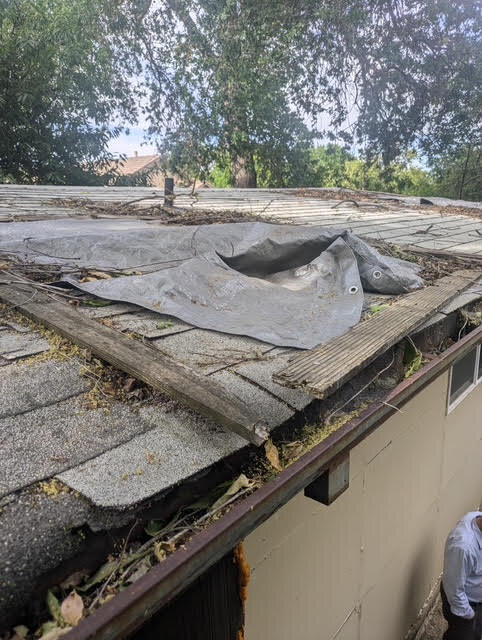
These Are Not Stock Roof Photos. These Are My Investment Projects.

I have purchased investment properties where roof work became part of the rehabilitation after acquisition. That experience matters when evaluating an as-is house because I understand that a roof project can involve more than simply comparing the price of shingles.

The seller’s decision is different from mine as the buyer. If I purchase a property as-is, I can evaluate the roof condition as part of the acquisition and determine how the project fits into the larger rehabilitation after closing.

Roof condition and repair project on a Darren Brown investment property
Roof Condition Becomes Part of the Acquisition A real investment property—not generic contractor imagery.
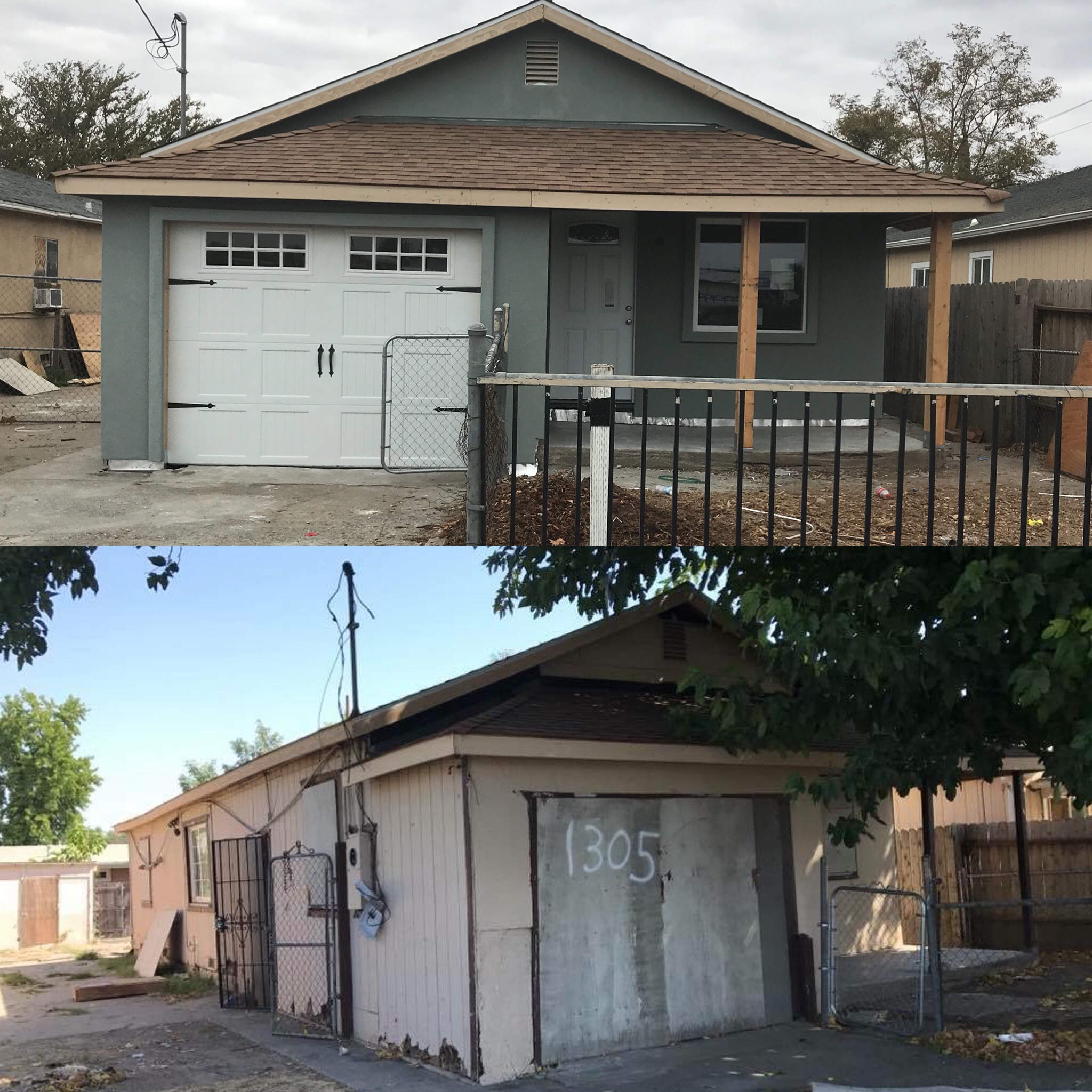
Before and after rehabilitation of a Darren Brown investment property
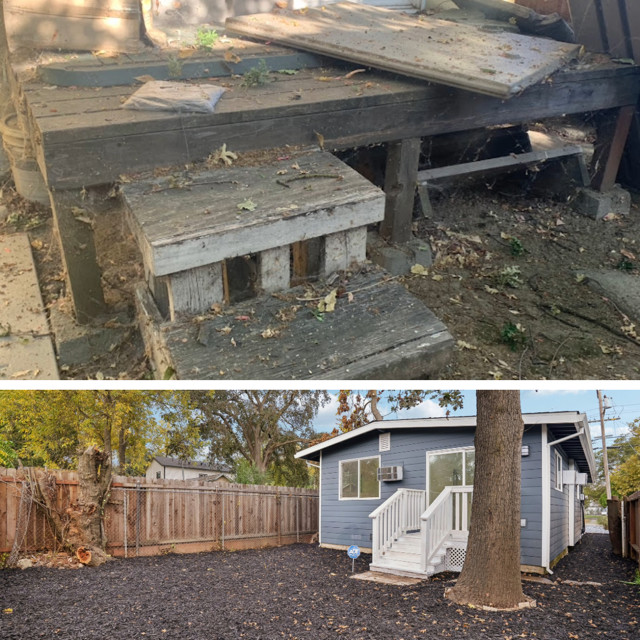
From Acquisition to Rehabilitation Property improvement after purchase can be the buyer’s project rather than the seller’s.

This Is the Difference Between Talking About Fixers and Actually Owning Them

When I evaluate a roof as a direct buyer, I am not expecting the seller to hand me a newly renovated investment. The roof condition, remaining property repairs and rehabilitation risk can be considered together when determining what I can pay for the house as-is.

Start With the Actual Condition

An Old Roof, a Failed Roof and a Leaking Roof Are Not the Same Fact

Sellers sometimes hear that a roof is “old” and immediately assume they must purchase an entire replacement before anyone can buy the house.

Age matters, but the sale decision becomes more useful when age is separated from observed condition and active water intrusion.

Three Different Property Facts OLD FAILED LEAKING
OLD

Roof age may raise questions about remaining useful life and future replacement, even when there is no known active leak.

FAILED / DETERIORATED

Inspection findings or visible deterioration may indicate that repair or replacement should be evaluated even if the seller has not observed active leakage.

LEAKING

Active water intrusion adds urgency because the analysis can extend beyond the roof covering to sheathing, ceilings, insulation, walls and other affected materials.

Do Not Turn “The Roof Is Old” Into a Replacement Contract Without Doing the Math

Determine what is actually known about the roof, what work is being recommended, what the complete project may cost and how the house could be sold with the existing roof before deciding.

The Seller’s Real Question

Run the Roof Equity Test

A new roof can improve a property. That does not automatically mean the homeowner receives every dollar of the project cost back when the house is sold.

The seller needs to calculate the incremental financial benefit created by doing the project personally.

Don’t Measure the Roof by Appearance Alone THE ROOF EQUITY TEST
AS-IS VALUE What could the house sell for today?
REPAIRED VALUE What is realistically achievable after replacement?
ROOF COST What is the actual contract amount?
RELATED WORK What else could the project require?
TIME / CARRY What does waiting cost?
SELLER NET How much additional money remains?
Before Writing the Check

Ask the $20,000 Roof Question

Illustrative Example — Not a Roof Estimate If You Put $20,000 Into the Roof, Does the House Put More Than $20,000 Back Into Your Pocket?

The exact project cost will vary by property. The $20,000 figure is used only to demonstrate the financial decision a seller should make before funding a large pre-sale improvement.

Example A: Strong Return

Assume replacement meaningfully expands the buyer pool, resolves a major transaction obstacle and creates additional net proceeds that comfortably exceed the seller’s complete project cost.

Repair-first deserves serious consideration.

Example B: Marginal Return

Assume the roof costs $20,000 but the seller expects only a modest increase in eventual net proceeds after carrying and sale expenses.

The seller is taking substantial project risk for a relatively small gain.

Example C: Negative Return

Assume the project expands after tear-off, additional repairs are discovered and the eventual price improvement does not recover the total outlay.

The new roof improved the house—but reduced the seller’s net.

A Better House and a Better Seller Outcome Are Not Always the Same Thing

Sellers often focus on what the house will be worth after renovation. The more important financial question is what remains after the homeowner pays to create that improved property.

The Roof Cost Has to Land Somewhere

Three Ways to Handle a Roof During a Citrus Heights Sale

Path 01 REPLACE IT

Seller contracts for the work, funds the project, coordinates applicable permits and inspections, absorbs project risk and markets the house with the replacement completed.

Path 02 NEGOTIATE IT

Seller markets the existing condition and the parties may negotiate price, credits, repairs or another structure where the buyer, lender, insurer and transaction terms permit.

Path 03 SELL IT AS-IS

A direct cash buyer evaluates the existing roof and other property conditions, prices anticipated post-closing work into the offer and the seller does not undertake the reroof project first.

A Buyer Credit Is Not Automatically the Same as an As-Is Cash Sale

A credit can still exist inside a financed transaction with appraisal, lender, insurance, inspection and closing requirements. A direct as-is cash purchase is a different transaction structure and should be compared separately.

The Quote Is the Beginning of the Analysis

The Roof Replacement Cascade

Roof projects can become more expensive when removing the existing roof exposes conditions that were not visible when the original estimate was prepared.

One Contract Can Lead to a Larger Project QUOTE → TEAR-OFF → WHAT’S UNDERNEATH?
01 QUOTE Initial scope and contract.
02 TEAR-OFF Existing roofing is removed where applicable.
03 DECKING Underlying roof deck condition becomes visible.
04 DAMAGE Moisture or deteriorated materials may expand scope.
05 FLASHING Roof penetrations and transition areas require proper detailing.
06 PERMIT Applicable Citrus Heights requirements become part of the project.
07 INSPECTION Required stages must be coordinated.
08 TIME Ownership expenses continue until the project and sale are completed.

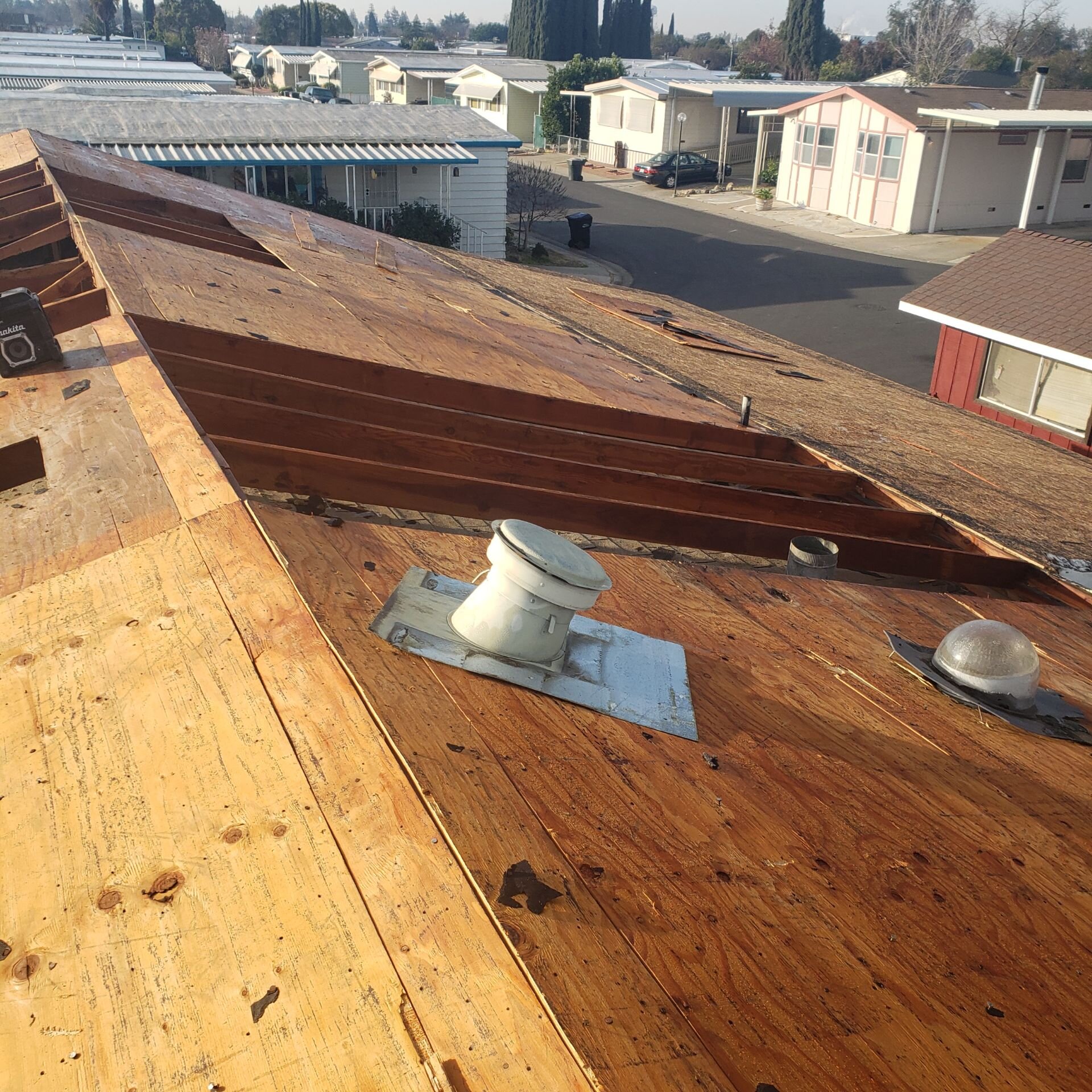
This Is Visible in the American Avenue Roof Project

Once the roof covering is removed, the project is no longer theoretical. The exposed decking and underlying condition become part of the actual rehabilitation. That is precisely why a seller should understand both the potential upside and the scope risk before undertaking a major reroof immediately before selling.

Citrus Heights-Specific Roof Context

Replacing a Roof Is More Than Hiring a Roofer and Picking Shingles

A seller who chooses to reroof before selling should account for applicable Citrus Heights permit and inspection requirements as part of the project rather than treating the contractor’s initial price as the entire decision.

The specific requirements depend on the property and proposed work. Current requirements should be confirmed with Citrus Heights Building & Safety and the appropriate licensed professionals before work begins.

Permit

Determine what permit requirements apply to the proposed roof work before construction begins.

Inspection

Account for required inspection stages and contractor scheduling when estimating the real project timeline.

Scope Changes

If removal exposes damaged decking or other conditions, the project can become larger than the original visible roof problem.

The Permit Is Not the Problem—the Financial Assumption Is

If replacement is economically worthwhile, permitting and completing the project properly can be part of a sensible repair-first strategy. The mistake is assuming the project must be completed before the seller has compared the alternatives.

Compare the Three Sale Paths

Replace the Roof, Negotiate the Roof, or Sell the House As-Is?

Decision Factor Replace Before Sale Negotiate / Credit Direct As-Is Sale
Seller Cash Before Closing Seller generally funds the roof project before receiving sale proceeds. Structure depends on the negotiated transaction and applicable limitations. Seller may avoid funding the future roof replacement before closing.
Project Management Seller coordinates contractor, permit, inspections and completion. Depends on whether repair occurs before or after closing and what the parties agree. Future rehabilitation can become the buyer’s project after closing.
Hidden Scope Risk Seller bears the risk that tear-off reveals additional work. Allocation depends on contract structure and timing. Buyer underwrites remaining roof uncertainty into the offer.
Financing / Insurance Completing the roof may reduce some property-condition concerns. Proposed credits or repairs must still work within the actual financed transaction. Cash removes the purchase lender from the transaction structure.
Marketing Position New roof may broaden appeal and reduce a major buyer objection. Existing roof remains part of buyer evaluation and negotiation. Property is evaluated in current condition rather than marketed as renovated.
Seller’s Core Calculation Does the additional future net exceed the complete roof project cost and delay? Does the negotiated concession preserve enough of the retail-sale benefit? Is the current as-is net preferable to undertaking the project personally?
Darren Brown’s Perspective

I Have Replaced Roofs on My Investments. That Does Not Mean Every Seller Should.

There is an important difference between the work I may choose to complete after buying a fixer and the work a homeowner should finance immediately before selling one.

My investment decision can include the roof, interior repairs, deferred maintenance and the rest of the rehabilitation together. I can purchase the property based on that anticipated work and then manage the project after closing.

The seller should make a different calculation: Will paying for this roof personally create enough additional net proceeds to justify the expense, time and construction risk?

Get the As-Is Number Before You Sign the Roof Contract

Once you know what a local cash buyer would consider paying for the Citrus Heights house with the existing roof still in place, you have a real number to compare against replacement or a traditional-sale negotiation.

Real Transaction • Real Person • Real Property

Difficult Properties Are About More Than the House

Property condition is only one part of a difficult sale. Occupancy, communication, access, repairs, utilities, timing, belongings, and the people affected by the transaction can all matter.

The Citrus Heights Butternut Drive transaction is one example. The property had been occupied by a non-paying tenant for approximately 18 months. When Darren purchased the house, it was without working electricity and air conditioning. After closing, utilities and essential conditions were addressed and a short-term rental arrangement was established with the occupant.

That is a tenant-related transaction, but the larger lesson applies beyond rental property: a difficult sale often requires understanding the entire situation rather than looking only at the physical house.

Butternut Drive, Citrus Heights — real occupant testimonial following Darren’s purchase of a difficult rental property.

Why This Proof Belongs on Difficult-Property Pages

The value of this transaction is not simply that a tenant was involved. It demonstrates Darren’s willingness to evaluate properties with multiple overlapping complications rather than requiring the seller to solve every issue before a sale can be considered.

  • Occupied property
  • Long-term nonpayment
  • Utility problems
  • No working air conditioning at acquisition
  • Property-condition concerns
  • Post-closing occupant coordination
  • Direct as-is purchase
Citrus Heights • Real Transactions • Verified Local Experience

Real Experience With Difficult Citrus Heights Property Situations

Every difficult property has a different story. Some houses need major repairs. Others involve tenants, deferred maintenance, unwanted belongings, title complications, code concerns, vacancy, inherited ownership, or simply an owner who does not want to spend additional time and money preparing the property for a traditional sale.

Darren Brown’s approach is to evaluate the property and the seller’s situation as they actually exist. That means an owner can compare a direct cash offer without first remodeling, cleaning out, making the house retail-ready, or pretending difficult issues are not there.

The transaction proof below is included for one reason: to show the type of real-world property situations Darren has personally worked through. It is not a promise that every transaction will be identical. It is documented experience that sellers can evaluate before deciding who they want to work with.

California Licensed Real Estate Broker
Retired U.S. Air Force Veteran
Veteran-Owned Local Business
Direct As-Is Cash Buyer
Real Sacramento-Area Transactions
A Broader As-Is Selling Option

You Do Not Have To Make a Difficult Property Perfect Before Comparing Your Options

Traditional retail selling often works best when a property can be prepared, photographed, shown repeatedly, inspected, appraised, and financed without significant complications. Many Citrus Heights houses fit that model.

Others do not.

An owner may be dealing with repairs, an occupied house, accumulated belongings, an inherited property, deferred maintenance, title questions, code concerns, vacancy, vandalism, an aging rental, or another circumstance that makes conventional preparation less attractive.

A direct as-is sale provides another number and another strategy to compare. It does not automatically mean a cash offer is the best option. It means the seller can evaluate the property without first paying to transform it into a different property.

Property Condition

Evaluate the house as it sits, including deferred maintenance, damage, cleanup, major repairs, or outdated systems.

Occupancy & Access

Consider tenants, relatives, occupants, belongings, vacancy, limited access, or other practical issues affecting the sale.

Seller Priorities

Compare net proceeds, required investment, timeline, certainty, convenience, and transaction risk—not simply the advertised sale price.

Real Difficult-Property Case File

When An Unexpected Occupancy Problem Happened After The Sale

Difficult-property transactions are not always complicated because of repairs alone. In this real Sacramento-area transaction, a former tenant broke back into the property after Darren had already purchased it.

The former seller had already completed the transaction. Darren was then responsible for dealing with the unexpected access and security issue after ownership transferred.

This case is useful beyond tenant-related pages because it demonstrates what it means for a direct buyer to assume the practical risks that may remain after a difficult property closes.

Sellers evaluating an as-is buyer should consider more than the offer amount. They should also consider whether the buyer understands occupancy, belongings, access, deferred repairs, security, cleanup, title coordination, and unexpected problems.

Watch Real Property Proof

Difficult Properties And As-Is Experience You Can See

Sellers should not have to rely only on polished marketing claims. These videos show actual Sacramento-area properties Darren purchased and worked on after closing.

Flaum Court Work In Progress

See what happened after this property transferred as-is. The former owner did not have to complete this work before selling, coordinate the renovation, or prepare the house to compete for a retail buyer.

Circle Parkway Difficult Property

This tenant-occupied hoarder property required substantial work. The seller transferred the property without first removing everything, completing renovations, or making the house retail-ready.

See The Types Of Properties Darren Buys As-Is

Walk through an actual property with Darren and see the types of physical conditions a direct as-is cash buyer may take on after closing. A seller does not have to make a difficult house perfect before discussing a sale.

“The most important proof is not a promise that every difficult property will be easy. It is showing that the buyer has already worked through real occupancy problems, deferred maintenance, belongings, repairs, property-condition issues, and unexpected situations.”
Darren Brown — Licensed California Broker and Local Cash Buyer
Real As-Is Transaction Evidence

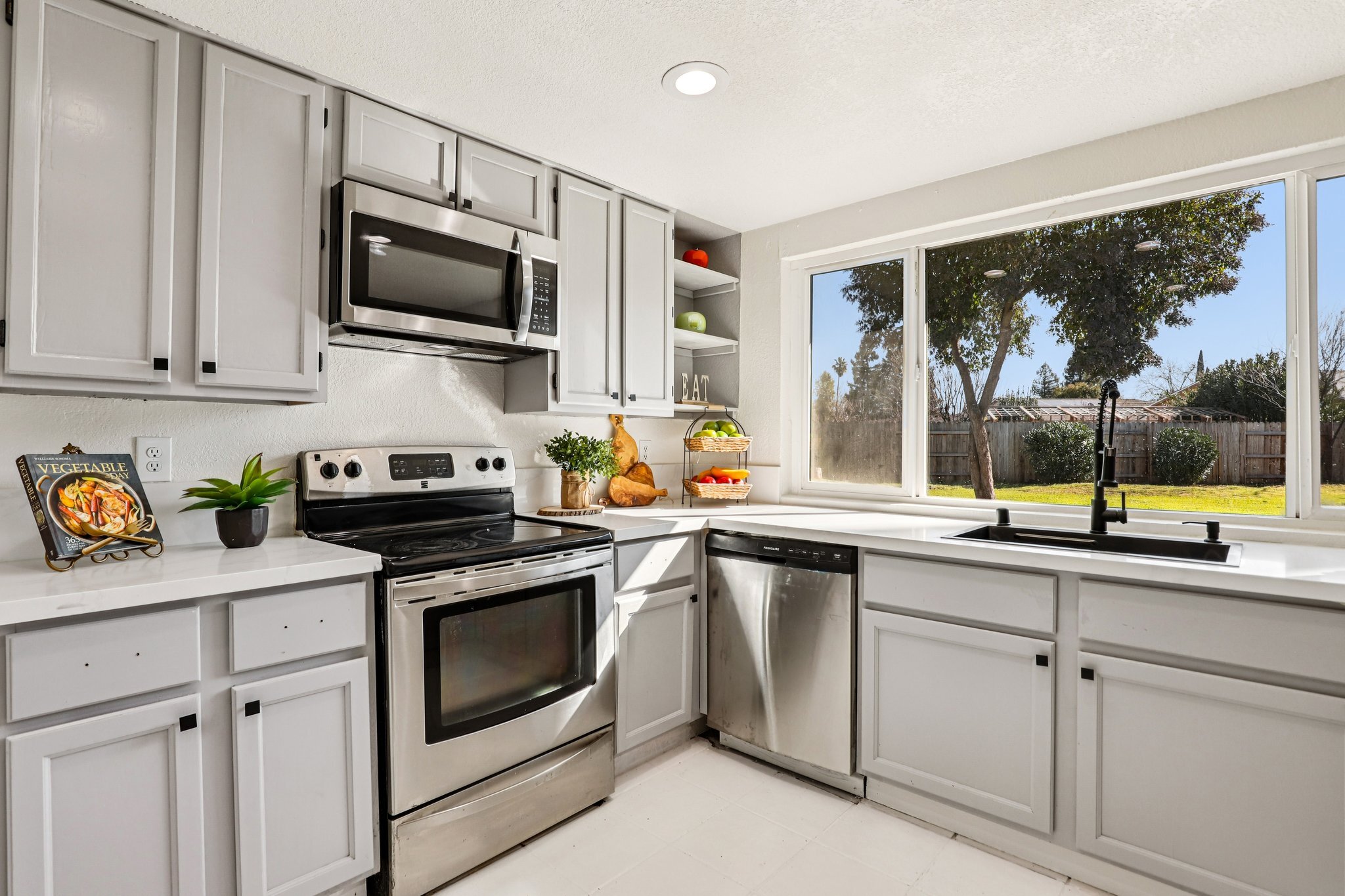
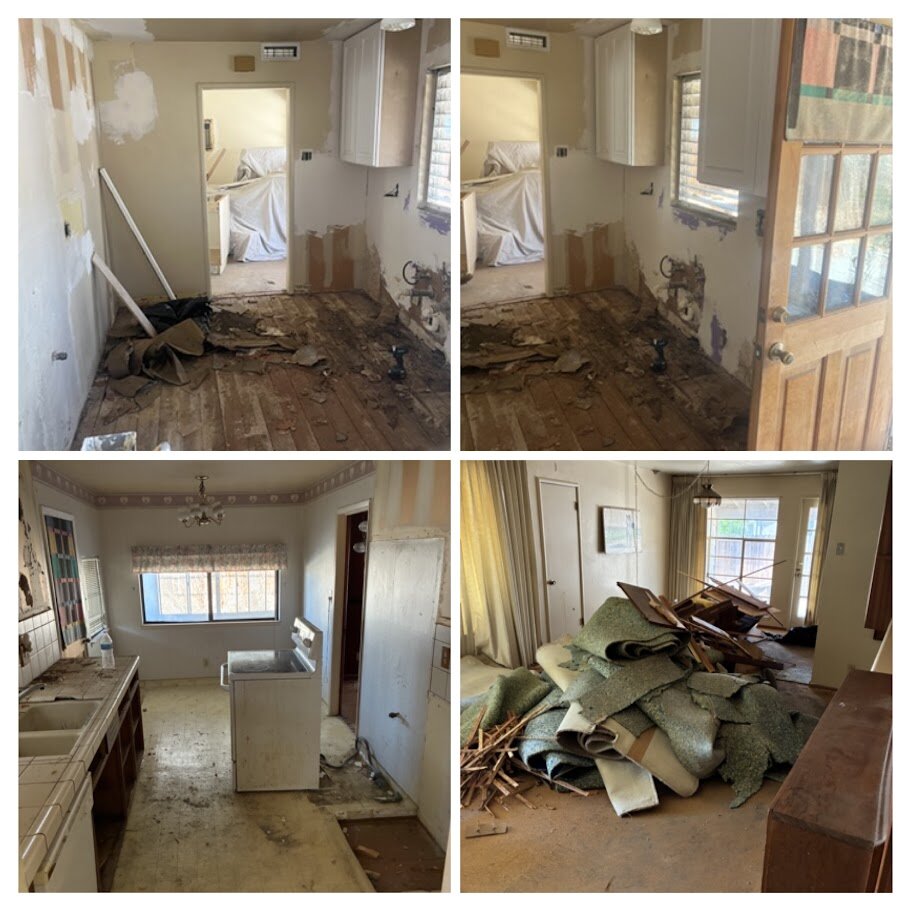
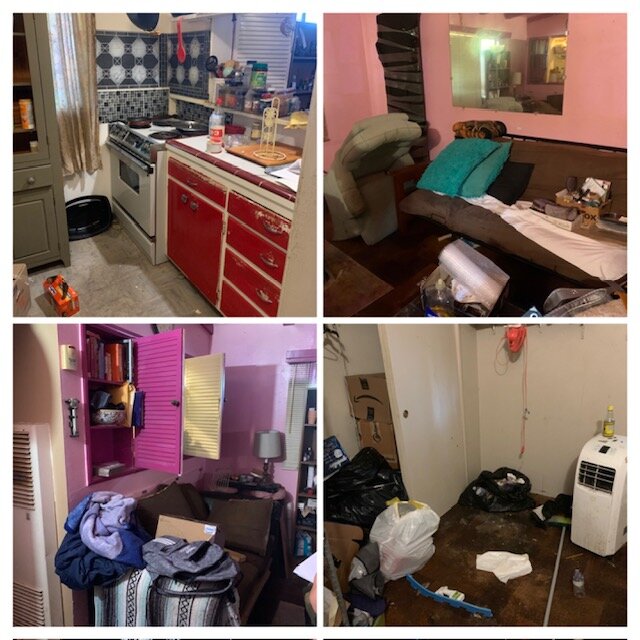
The Sellers Did Not Have To Make These Repairs First

These images come from actual Sacramento-area transactions. They demonstrate why property owners may compare an as-is sale with spending additional money on repairs, cleanout, contractor management, and retail preparation.

Real Seller Experiences

Hear From Homeowners Who Worked With Darren

These homeowners describe their own experiences working directly with Darren through real property transactions.

Seller Story: A Direct, Straightforward Sale

A homeowner shares firsthand feedback about working with Darren during a real property sale.

Seller Story: Communication Through Closing

Additional seller proof showing the communication, transaction process, and personal experience behind a direct sale with Darren.

Do Not Just Trust The Claims—Verify The Buyer

Whether a property has repairs, tenants, liens, deferred maintenance, code issues, title complications, unwanted belongings, vacancy, inherited ownership, or another difficult condition, the buyer should still be independently evaluated.

Before signing an agreement, sellers can verify Darren’s licensing, professional background, business registration, veteran status, community involvement, seller experiences, and transaction history.

Licensed California Real Estate Broker

Darren Brown combines direct cash home buying experience with a professional California real estate brokerage background.

View Broker Documentation →

Retired U.S. Air Force Veteran

Veteran-owned service centered on accountability, direct communication, follow-through, and doing what was agreed upon.

View Military Retirement Proof →

DVBE-Certified Business Owner

Darren’s business has documentation supporting its Disabled Veteran Business Enterprise certification.

View DVBE Certification →

California Business Registration

Sellers can review the California Secretary of State filing associated with Darren’s operating business.

View State Business Filing →

A+ BBB-Rated Business

Review the independent Better Business Bureau profile for Darren Buys Homes Cash before accepting an offer.

View BBB Business Profile →

Sacramento Metro Chamber Member

Darren maintains a public connection to the Sacramento region’s professional and business community.

View Chamber Listing →

Real Seller Experiences

Review additional seller feedback, property situations, and experiences involving Darren Buys Homes Cash.

Review Seller Testimonials →

Professional Credentials

Examine Darren’s professional background, business identity, and supporting trust documentation in one place.

Review Professional Credentials →

Sacramento Seller Trust Center

Use the Seller Trust Center to evaluate the company, process, transaction proof, and cash home buying experience before deciding.

Visit The Seller Trust Center →

Seller Story: Why They Chose Darren

Another homeowner explains what it was like to work directly with Darren. Real seller feedback gives a property owner a better basis for evaluating the person behind the offer before making a decision.

Compare The Real Paths Forward

Three Ways To Approach A Difficult Citrus Heights Property

The strongest option depends on property condition, available equity, repair costs, occupancy, title issues, timing, available cash, likely net proceeds, and how much additional work the owner wants to take on before selling.

1

Keep The Property And Resolve The Problems

Continued ownership may make sense when the property still fits the owner’s goals and there is enough time, money, and willingness to address the problems before reconsidering a sale.

  • Continue paying carrying expenses
  • Address repairs or deferred maintenance
  • Resolve occupancy or access issues when applicable
  • Work through title, code, or documentation concerns
  • Reevaluate selling later
2

Prepare The Property For A Traditional Sale

A conventional listing may be appropriate when the owner has the resources and time to prepare the property and wants broad exposure to retail buyers.

  • Complete needed repairs or improvements
  • Clean out and prepare the property
  • Coordinate access and showings
  • Navigate inspections and appraisal
  • Accept the timeline and financing variables of a retail sale

You Do Not Have To Decide Before You Know The Numbers

Darren can evaluate a Citrus Heights property in its current condition and provide a direct as-is option that can be compared with keeping the house, completing repairs, resolving other property issues, or preparing for a traditional listing.

Citrus Heights Seller Resource Center

More Citrus Heights Guides For Difficult Property And Landlord Situations

Use these local resources to compare selling options by property condition, tenant situation, ownership challenge, timing, and the type of sale you are considering.

Built from published Citrus Heights pages already present in the site sitemap. These resources cover tenant-occupied rentals, non-paying tenants, landlord exits, out-of-state ownership, squatters, hoarder properties, code violations, delinquent taxes, foreclosure, repairs, vacant homes, inherited houses, cash-sale timing, and buyer verification.
Local Seller Overview

Citrus Heights Local Hub

Start with the main Citrus Heights service-area page for local selling options and property situations.

Read Citrus Heights Guide →
Landlord & Tenant Problems

Rental Property With Non-Paying Tenants

A focused Citrus Heights guide for landlords dealing with missed rent while considering an as-is sale.

Read Citrus Heights Guide →
Local Case Study

Real 7-Day Citrus Heights Rental Case Study

See a real Citrus Heights rental-property case study involving non-paying tenants and a seven-day closing.

Read Citrus Heights Guide →
Tenant-Occupied Property

Sell A Tenant-Occupied House

Review options for selling a Citrus Heights house while a tenant is still occupying the property.

Read Citrus Heights Guide →
Tenant Exit Questions

What If My Tenant Won’t Leave?

Understand the selling questions that arise when a Citrus Heights tenant will not leave before a planned sale.

Read Citrus Heights Guide →
Landlord Exit Strategy

Tired Of Being A Landlord?

A Citrus Heights resource for owners comparing continued management with selling a rental property as-is.

Read Citrus Heights Guide →
Remote Ownership

Sell An Out-Of-State Rental

For landlords who own a Citrus Heights rental from outside the area and want to compare an as-is exit.

Read Citrus Heights Guide →
Rental Property Sale

Sell A Rental Property Fast

A broader Citrus Heights landlord resource covering a direct cash-buyer option for rental property.

Read Citrus Heights Guide →
Unauthorized Occupancy

Sell A Squatter House

Explore a Citrus Heights-specific resource for selling a house with squatters or unauthorized occupants.

Read Citrus Heights Guide →
Hoarder & Heavy Cleanout

Sell A Hoarder House Without Cleaning

For Citrus Heights properties with extensive belongings, debris, or cleanout needs that may be sold as-is.

Read Citrus Heights Guide →
Code & Property Condition

Sell A House With Code Violations

A Citrus Heights guide for owners facing code issues while evaluating an as-is sale.

Read Citrus Heights Guide →
Tax Problems

Sell With Delinquent Property Taxes

Review options when delinquent property taxes are part of a Citrus Heights home sale.

Read Citrus Heights Guide →
Foreclosure

Sell Before Foreclosure

A Citrus Heights resource for owners considering a sale before a foreclosure timeline advances further.

Read Citrus Heights Guide →
As-Is / No Repairs

Sell My House Without Repairs

Compare selling a Citrus Heights property in its present condition without completing repairs first.

Read Citrus Heights Guide →
Repair Decision

Do I Need To Fix My House Before Selling?

A decision-focused Citrus Heights resource for weighing repair costs against selling in current condition.

Read Citrus Heights Guide →
Fixer-Upper

Sell A Fixer-Upper House As-Is

For Citrus Heights homes with deferred maintenance, dated systems, or larger repair needs.

Read Citrus Heights Guide →
As-Is Seller Guide

Can I Sell My House As-Is?

A Citrus Heights-specific explanation of what an as-is sale can mean for repairs, preparation, and buyer expectations.

Read Citrus Heights Guide →
Vacant Property

Sell A Vacant House

Review a direct as-is option for an empty Citrus Heights property that may be costing money to hold.

Read Citrus Heights Guide →
Inherited Property

Sell An Inherited House

A Citrus Heights resource for owners evaluating the sale of an inherited house.

Read Citrus Heights Guide →
Cash Sale Process

How Does Selling A House For Cash Work?

Learn the basic Citrus Heights cash-sale process and what sellers can compare before accepting an offer.

Read Citrus Heights Guide →
Closing Timeline

How Fast Can I Sell For Cash?

A Citrus Heights-specific resource focused on timing, process, and what can affect a faster cash closing.

Read Citrus Heights Guide →
Buyer Verification

Legit Cash Home Buyers In Citrus Heights

Use this local guide when comparing cash buyers and checking experience, credibility, and the proposed transaction.

Read Citrus Heights Guide →
Local As-Is Cash Buyer

We Buy Houses In Citrus Heights

A Citrus Heights overview for owners comparing a direct as-is cash-buyer sale with other selling routes.

Read Citrus Heights Guide →
Cash Buyer Overview

Cash Buyers In Citrus Heights

Additional Citrus Heights information for sellers researching local cash-buyer options.

Read Citrus Heights Guide →
Replacement Can Be the Right Decision

When Replacing the Roof Before Selling May Make Financial Sense

Replacement Deserves Consideration When The Roof Is the Main Obstacle

The rest of the property is near retail condition, the roof scope is reasonably predictable, financing or insurance concerns are materially narrowing the buyer pool, and a completed reroof is likely to improve seller net proceeds enough to justify the project.

Selling As-Is Deserves Consideration When The Roof Is Only One Part of a Larger Fixer

The house also needs HVAC, electrical, plumbing, interior updates, cleanup or other deferred maintenance—or the seller does not want to fund and manage a major construction project immediately before selling.

The Roof Should Be Evaluated in the Context of the Whole Property

Spending heavily on one system may not materially change the final sale strategy if the buyer still sees a substantial fixer after the roof is complete.

Urgency Depends on the Actual Condition

Active Leak vs. End-of-Life Roof: Different Problems, Different Decisions

Separate Roof Age From Active Damage AGE → CONDITION → URGENCY
Older / Near End of Life

A roof may be old enough to concern buyers even without a known current leak. The seller can compare replacement, negotiated treatment or an as-is transaction.

Deteriorated / Failed Areas

Inspection findings or visible deterioration can create a stronger repair question even when interior water damage has not yet appeared.

Active Leak

Active water intrusion can continue damaging sheathing, insulation, ceilings, walls and finishes. The seller should treat immediate protection of the property separately from the eventual sale strategy.

“I Plan to Sell” Is Not a Reason to Let Active Water Intrusion Continue

A seller can still choose an as-is exit while taking reasonable steps to prevent an active condition from causing avoidable additional damage.

Better Information Before a Big Check

Should You Get a Roof Inspection or Estimate Before Deciding?

Better information can make a high-cost decision easier. A seller may benefit from understanding the likely roof scope before choosing between replacement, negotiation and an as-is sale.

Condition Information

Inspection findings can help separate roof age from actual visible deterioration, leakage or other identified concerns.

Contractor Estimate

An estimate provides a starting number, but sellers should understand what is included, what may be excluded and how changes are handled if hidden damage appears.

As-Is Offer

A direct cash offer gives the homeowner the second number needed to evaluate whether funding the reroof is financially worthwhile.

An Estimate Does Not Obligate You to Become the Contractor’s Customer

Information can help define the project while still allowing the seller to choose a different exit strategy.

The Middle Path

What About Giving the Buyer a Roof Credit Instead?

A negotiated credit can sometimes preserve a traditional sale without the seller personally completing the roof first. But the credit has to work inside the actual transaction.

A Credit Is Still Part of the Deal Structure CREDIT ≠ AUTOMATIC SOLUTION
ROOF CONDITION Buyer understands the existing issue.
NEGOTIATION Parties discuss price, credit or repair structure.
LENDER Financed transactions may still have property-condition requirements.
INSURANCE Buyer must still obtain acceptable coverage where required.
NET Seller compares the negotiated result against replacement and as-is sale.

A $15,000 Credit Is Not Necessarily Better Than a $15,000 Roof

It depends on whether the transaction can close with the existing roof, whether the buyer’s lender and insurer accept the structure, and what the seller nets after all concessions and sale costs.

Traditional Buyer Friction

Roof Condition Can Affect More Than the Buyer’s Offer

Inspection

Roof age, deterioration or leakage can lead to additional evaluation and repair or credit discussions.

Financing / Appraisal

Material property-condition issues can create lender or appraisal questions depending on the loan program and actual roof condition.

Insurance

The buyer’s ability to obtain acceptable insurance may become part of the transaction depending on roof age, condition and insurer requirements.

Cash Removes the Purchase Lender—not the Roof

A direct cash buyer can underwrite the existing roof without relying on purchase financing, but the buyer should still understand the condition and price the anticipated post-closing work appropriately.

The Roof May Be Only the Source

What If the Roof Has Already Caused Interior Water Damage?

Once water has entered the structure, the seller may be dealing with two projects instead of one: the roof itself and whatever materials were affected underneath.

Roof Covering

Repair or replace the source condition as appropriate.

Decking

Tear-off may reveal deterioration not visible from the interior.

Interior Materials

Ceilings, insulation, drywall, paint or other finishes may require separate work.

Moisture History

Known prior leakage and repair information should be handled accurately in the sale.

Replacing the Roof Does Not Automatically Repair the Damage Under It

Sellers should include the secondary interior project when comparing a roof-first strategy with a direct as-is sale.

Roof Projects Can Touch Other Systems

What Else Is Sitting on or Through the Roof?

A reroof project can become more complicated when other equipment or penetrations have to be coordinated.

Solar

Existing solar equipment may require separate coordination depending on the system and reroof scope.

HVAC Equipment

Roof-mounted equipment and penetrations can affect project sequencing.

Vents / Flashing

Roof penetrations and transition areas require proper detailing as part of the work.

Gutters / Drainage

Related exterior drainage components may also become part of the project decision.

The Roof Contract Should Not Be Evaluated in Isolation

Ask what other contractors, removals, reinstallations or related work may be necessary before treating the roofer’s base price as the entire seller cost.

Time Is Part of the Roof Cost

The Roof Clock

A seller does not pay only for roofing materials and labor. The ownership continues while the project is bid, permitted, scheduled, completed, inspected and then marketed.

Project Time Becomes Holding Cost QUOTE → PERMIT → SCHEDULE → ROOF → INSPECT → THEN SELL
BIDS Compare contractor scope and pricing.
PERMIT Handle applicable City requirements.
SCHEDULE Wait for contractor availability.
BUILD Complete tear-off, reroof and related repairs.
INSPECT Complete required inspection stages.
MARKET Only then begin or continue the retail sale strategy.

Every Extra Month Has a Number

Mortgage, taxes, insurance, utilities, maintenance and opportunity cost can materially narrow the apparent benefit of replacing the roof first.

Organize What You Know

Build a Simple Roof Condition File

  • Roof inspection reports already in your possession.
  • Roofing contractor estimates.
  • Invoices for prior repairs or reroof work.
  • Approximate roof age when actually known.
  • Photos showing active leaks, deterioration or prior repair areas.
  • Insurance claim records related to roof or water damage, if any.
  • Interior repair records related to roof leakage.
  • Permit records already available.
  • Solar or roof-mounted equipment information when relevant.
  • Home inspection reports mentioning roof condition.
  • City notices or Building & Safety correspondence, if applicable.
  • Any warranties or transferable contractor documentation you actually possess.

Give the Buyer the Real Roof Story Before Depending on the Offer

A buyer who understands the age, visible condition, reports and known leakage history before writing the offer is less likely to treat those facts as a surprise later.

The Final Financial Test

Calculate the Roof Decision Net to Net

Financial Item Replace Before Sale Negotiate / Credit Sell As-Is
Expected Sale Price Estimate realistic value after the reroof and sale preparation. Estimate likely negotiated price under the actual roof condition. Use the current written as-is offer.
Roof Contract Subtract full seller-paid roof project cost. No replacement cost unless the negotiated structure requires work. Buyer prices anticipated post-closing work into the offer.
Hidden Damage Seller bears tear-off and change-order risk. Allocation depends on negotiation and timing. Buyer underwrites remaining uncertainty.
Credit / Concession Usually not applicable to the roof if completed before sale. Subtract negotiated seller credit, price reduction or related concession. Condition is reflected in the direct purchase price rather than a separate roof credit.
Interior Damage Include repair of any water-damaged materials needed for the intended market condition. Negotiation may still include unresolved interior damage. Buyer evaluates roof and related damage together.
Holding Costs Continue through the roof project and later sale. Continue through the traditional transaction. Potentially reduced if a qualified buyer closes sooner.
Sale Expenses Include the actual costs of the contemplated traditional sale. Include the same applicable sale expenses plus negotiated roof treatment. Use the actual costs stated in the direct purchase terms.
Seller Net Repaired sale proceeds minus roof, related work, holding and sale costs. Negotiated sale proceeds minus credits, holding and sale costs. Current proceeds under the actual as-is transaction.

The Correct Comparison Is Not “New Roof House” vs. “As-Is House”

It is seller net after all costs under each realistic path. That is the number that determines whether the roof project was an investment or simply a transfer of seller equity into construction.

Official Citrus Heights Resources

If You Decide to Replace the Roof, Verify the Current City Requirements

City of Citrus Heights

Building & Safety

Start with the City’s Building & Safety Division for current permit, inspection and construction-related information.

Building & Safety Division →
City of Citrus Heights

Reroofing Policy

Review the City’s current reroofing policy and confirm project-specific inspection and permit requirements before work begins.

Citrus Heights Reroofing Policy →
City of Citrus Heights

Code Compliance

Review City guidance if prior roof or structural work may have been completed without required permits.

Code Compliance & Violations →

Roofing Advice and Real-Estate Strategy Are Different Jobs

Darren can evaluate whether purchasing the Citrus Heights house as-is makes financial sense. Roof condition, structural issues, repair design, permit requirements and construction recommendations should come from the appropriate qualified roofing, building and City professionals.

Verify the Direct Buyer

Make Sure the Buyer Prices the Roof Before You Depend on the Offer

  • Tell the buyer the known or approximate roof age if actually known.
  • Provide roof inspection reports you possess.
  • Provide roofing estimates already obtained.
  • Identify known active or prior leaks.
  • Provide photos of visible roof or interior water damage.
  • Provide prior repair invoices and permit information when available.
  • Identify solar or roof-mounted equipment that may affect the project.
  • Confirm what additional roof inspection the buyer requires.
  • Confirm whether the seller must complete any roof work before closing.
  • Review due-diligence and cancellation periods.
  • Review earnest-money terms.
  • Confirm the proposed closing timeline and appropriate evidence of closing ability.

A High Offer Written Before the Buyer Understands the Roof Is Not the Same as a High Offer After Roof Due Diligence

The more dependable number is the one produced after the buyer has already accounted for the roof age, visible condition, leakage history and expected post-closing project.

Frequently Asked Questions

Citrus Heights Roof Replacement Seller Questions

Should I replace my Citrus Heights roof before selling?

Not automatically. Compare the roof’s actual condition, full replacement cost, expected effect on marketability and seller net against negotiating the roof or selling the house as-is.

Can I sell a house with an old roof?

Yes, a sale can be explored. Roof age may affect buyer, lender or insurance decisions, but age should be separated from actual failure or active leakage.

Can I sell a house with a leaking roof as-is?

A direct buyer may evaluate the property with known roof leakage and related damage. Active water intrusion should still receive reasonable attention to prevent avoidable additional damage before closing.

Is giving a buyer a roof credit better than replacing it?

Sometimes, but the credit must work within the actual transaction, including lender, appraisal, insurance and contract requirements.

Does a new roof increase the sale price dollar for dollar?

Do not assume that it does. The relevant calculation is the seller’s additional net proceeds after the complete roof project, carrying costs and later sale expenses.

What if tear-off reveals damaged decking?

That is part of the scope risk of replacing before sale. Additional underlying damage can increase project cost beyond the original visible roof condition.

Does Citrus Heights require a permit for reroofing?

Citrus Heights has permit and inspection requirements for reroofing. Confirm the current requirements for the specific project with Building & Safety before work begins.

What if the roof has solar panels?

Solar can add coordination and cost depending on the system and reroof scope. Include those related steps in the pre-sale financial comparison.

Can roof condition affect a financed buyer?

Material roof issues can create inspection, appraisal, lender or insurance questions depending on the property and transaction.

What if roof leaks already damaged the ceiling?

Separate the roof source from the interior damage. The seller should include both projects when comparing replacement with an as-is sale.

Can Darren evaluate the house without a new roof?

Darren can evaluate the property in its present condition as a potential direct purchase and account for the roof and other anticipated rehabilitation work.

What should I do before signing a roofing contract?

Understand the roof condition, obtain the information you need about project scope, calculate the likely repaired-sale net and compare it with a real as-is offer before committing to the work.

Citrus Heights Roof Decision Summary

Don’t Ask Only Whether the Roof Needs Work. Ask Who Should Fund the Work.

Start with the actual roof condition: age, inspection findings, leakage, visible deterioration and known secondary damage.

Then calculate the full seller-funded replacement path, including contractor cost, hidden-scope risk, permit and inspection steps, related equipment, interior repairs and holding time.

Compare that with a negotiated retail transaction and with what a local direct cash buyer would consider paying for the Citrus Heights house as-is with the existing roof condition understood.

The best strategy is the one that produces the strongest realistic seller net—not simply the newest roof.

Compare Before You Replace

See What Your Citrus Heights House Could Sell for With the Existing Roof Still in Place

You do not have to sign a reroof contract simply to learn whether an as-is sale is financially worth considering.

Share the property address, known roof age or condition, available inspection reports, estimates and any known leakage. Darren can evaluate the property as a local direct cash buyer and provide an as-is option to compare against replacement or a traditional-sale negotiation.

General real-estate information only. This page is not roofing, structural, legal, insurance, appraisal or lending advice. Roof condition, permit requirements, disclosure obligations, financing, insurance and City requirements depend on the specific property and transaction. Use appropriate qualified professionals and confirm current Citrus Heights building and reroof requirements directly with the City.