

Flaum Court Work In Progress
See what happened after this property transferred as-is. The former owner did not have to complete this work before selling, coordinate the renovation, or prepare the house to compete for a retail buyer.
A retail market value and an as-is direct-purchase price answer two different questions. Understanding the difference requires looking beyond the headline price to the work, costs, time and risk attached to each method of selling.
One of the most common questions Citrus Heights homeowners ask is why a direct cash offer may be lower than what the house could potentially sell for after being exposed to the retail market.
The answer is not simply that a cash buyer wants a discount. A direct buyer is usually evaluating a different transaction: the property in its current condition, the work that may remain after closing, the capital required to own and improve it, and the uncertainty associated with the buyer’s eventual outcome.
A traditional retail sale can often produce a higher gross price. That is precisely why homeowners should compare both paths when the property is suitable for the open market.
The useful question is therefore not: “Why doesn’t the cash buyer pay full retail?” It is: “What would I need to do, spend, wait for and remain responsible for to pursue the retail price instead?”
Retail market value generally reflects what qualified buyers may pay when a property is properly exposed to the market under the conditions buyers expect. A direct as-is buyer evaluates what it makes sense to pay today while taking responsibility for the property’s existing condition and the buyer’s future ownership costs and risk.
That does not mean a cash offer is automatically better. It means the two numbers represent different transaction structures.
This transaction involved a tenant-occupied property. The relevance to offer comparison is not that every seller should choose a direct sale; it is that price should be considered together with the property condition, occupancy requirements and buyer’s ability to perform.
A property’s potential retail sale price and a direct buyer’s current purchase price do not have to be identical because the seller is not offering the same package in both transactions.
The seller seeks maximum market exposure and attempts to capture the price available from competing retail buyers.
Depending on the property and chosen strategy, that can involve preparation, cleaning, repairs, photography, showings, inspections, appraisal, buyer financing, negotiations and time on market.
The potential advantage is important: a successful retail sale can produce a materially higher gross purchase price.
The seller transfers the property directly in its existing condition under the negotiated contract rather than first positioning it for the retail market.
The direct buyer may take responsibility for repairs, cleanout, rehabilitation, future holding costs and the uncertainty of the property’s eventual resale or other use.
The tradeoff is equally important: the direct purchase price may be lower because the buyer is acquiring the property earlier in the value-creation process.
This is where many cash-offer comparisons become misleading. A homeowner sees a possible future retail price and compares it directly with a current as-is offer while ignoring everything that must happen between those two points.
Existing condition, existing occupancy, deferred maintenance and whatever issues are present at the time of sale.
Repairs, cleanup, contractors, permits where applicable, utilities, taxes, insurance, carrying time and project execution.
A future buyer, future market conditions, future inspections and a future sale that has not occurred yet.
If the seller completes that middle section successfully, the seller may capture more of the retail upside. If a direct buyer takes over at the beginning, the buyer assumes the work, capital commitment and uncertainty that remain between the current property and the future outcome.
A property’s potential market value is useful, but a homeowner making a sale decision ultimately receives net proceeds—not a theoretical gross value.
An opinion or analysis of what the property may command under a particular market-sale strategy.
The amount an actual buyer agrees to pay under the terms of an accepted purchase agreement.
What remains after the seller’s actual transaction expenses, concessions, agreed costs and other applicable deductions.
A useful comparison estimates what the seller may actually keep from a retail transaction and places that figure next to the expected net from a direct sale. Even then, the seller should separately consider timing, work and transaction risk rather than pretending every difference can be reduced to dollars.
In a true as-is direct purchase, the difference between a potential retail price and a current purchase price may reflect more than physical repairs. The buyer may be taking responsibility for an entire future ownership period.
Existing defects and future rehabilitation become the buyer’s responsibility after closing.
Scheduling, bids, workmanship, delays and project coordination shift away from the seller.
Depending on the agreement, remaining personal property or debris may be handled after acquisition.
When purchased with a tenancy in place, future ownership responsibilities transfer with the property.
The buyer owns the property while work, stabilization or preparation is completed.
The buyer commits purchase and project funds before knowing the ultimate future outcome.
The future selling price and future buyer demand belong to a later market—not today’s seller.
Unexpected costs, delays and project complications become part of the buyer’s ownership risk.
How much those responsibilities are worth depends on the individual property and transaction. There is no universal percentage that accurately converts retail value into an as-is purchase price.
If the seller wants to pursue the higher potential retail price, the seller may choose to retain responsibility for preparing and carrying the property until a retail buyer closes.
If the seller chooses a direct as-is transaction, some of those responsibilities may move to the buyer at closing.
Preparation, marketing decisions, showing access, repair strategy, buyer negotiations and the time required to reach the retail closing remain largely on the seller’s side of the transaction.
Under the negotiated agreement, the buyer may acquire the property before repair, cleanup or stabilization and take responsibility for those future steps.
A seller with the time, resources and desire to prepare a property for the market may reasonably prefer the retail path. A seller who values transferring the remaining work may reasonably prefer a direct sale. The correct decision depends on the seller’s circumstances.
Compare the likely retail net, the work required to pursue it, the time involved and the responsibilities the seller retains against the price, terms and responsibilities transferred in a direct as-is sale.
The next section applies this framework to an illustrative Citrus Heights sale so the difference between gross retail price, seller net and direct as-is purchase price can be seen side by side—without pretending one example is a formula for every house.
Property condition is only one part of a difficult sale. Occupancy, communication, access, repairs, utilities, timing, belongings, and the people affected by the transaction can all matter.
The Citrus Heights Butternut Drive transaction is one example. The property had been occupied by a non-paying tenant for approximately 18 months. When Darren purchased the house, it was without working electricity and air conditioning. After closing, utilities and essential conditions were addressed and a short-term rental arrangement was established with the occupant.
That is a tenant-related transaction, but the larger lesson applies beyond rental property: a difficult sale often requires understanding the entire situation rather than looking only at the physical house.
The value of this transaction is not simply that a tenant was involved. It demonstrates Darren’s willingness to evaluate properties with multiple overlapping complications rather than requiring the seller to solve every issue before a sale can be considered.
Every difficult property has a different story. Some houses need major repairs. Others involve tenants, deferred maintenance, unwanted belongings, title complications, code concerns, vacancy, inherited ownership, or simply an owner who does not want to spend additional time and money preparing the property for a traditional sale.
Darren Brown’s approach is to evaluate the property and the seller’s situation as they actually exist. That means an owner can compare a direct cash offer without first remodeling, cleaning out, making the house retail-ready, or pretending difficult issues are not there.
The transaction proof below is included for one reason: to show the type of real-world property situations Darren has personally worked through. It is not a promise that every transaction will be identical. It is documented experience that sellers can evaluate before deciding who they want to work with.
Traditional retail selling often works best when a property can be prepared, photographed, shown repeatedly, inspected, appraised, and financed without significant complications. Many Citrus Heights houses fit that model.
Others do not.
An owner may be dealing with repairs, an occupied house, accumulated belongings, an inherited property, deferred maintenance, title questions, code concerns, vacancy, vandalism, an aging rental, or another circumstance that makes conventional preparation less attractive.
A direct as-is sale provides another number and another strategy to compare. It does not automatically mean a cash offer is the best option. It means the seller can evaluate the property without first paying to transform it into a different property.
Evaluate the house as it sits, including deferred maintenance, damage, cleanup, major repairs, or outdated systems.
Consider tenants, relatives, occupants, belongings, vacancy, limited access, or other practical issues affecting the sale.
Compare net proceeds, required investment, timeline, certainty, convenience, and transaction risk—not simply the advertised sale price.
Difficult-property transactions are not always complicated because of repairs alone. In this real Sacramento-area transaction, a former tenant broke back into the property after Darren had already purchased it.
The former seller had already completed the transaction. Darren was then responsible for dealing with the unexpected access and security issue after ownership transferred.
This case is useful beyond tenant-related pages because it demonstrates what it means for a direct buyer to assume the practical risks that may remain after a difficult property closes.
Sellers evaluating an as-is buyer should consider more than the offer amount. They should also consider whether the buyer understands occupancy, belongings, access, deferred repairs, security, cleanup, title coordination, and unexpected problems.
Sellers should not have to rely only on polished marketing claims. These videos show actual Sacramento-area properties Darren purchased and worked on after closing.
See what happened after this property transferred as-is. The former owner did not have to complete this work before selling, coordinate the renovation, or prepare the house to compete for a retail buyer.
This tenant-occupied hoarder property required substantial work. The seller transferred the property without first removing everything, completing renovations, or making the house retail-ready.
Walk through an actual property with Darren and see the types of physical conditions a direct as-is cash buyer may take on after closing. A seller does not have to make a difficult house perfect before discussing a sale.
“The most important proof is not a promise that every difficult property will be easy. It is showing that the buyer has already worked through real occupancy problems, deferred maintenance, belongings, repairs, property-condition issues, and unexpected situations.”Darren Brown — Licensed California Broker and Local Cash Buyer
These images come from actual Sacramento-area transactions. They demonstrate why property owners may compare an as-is sale with spending additional money on repairs, cleanout, contractor management, and retail preparation.
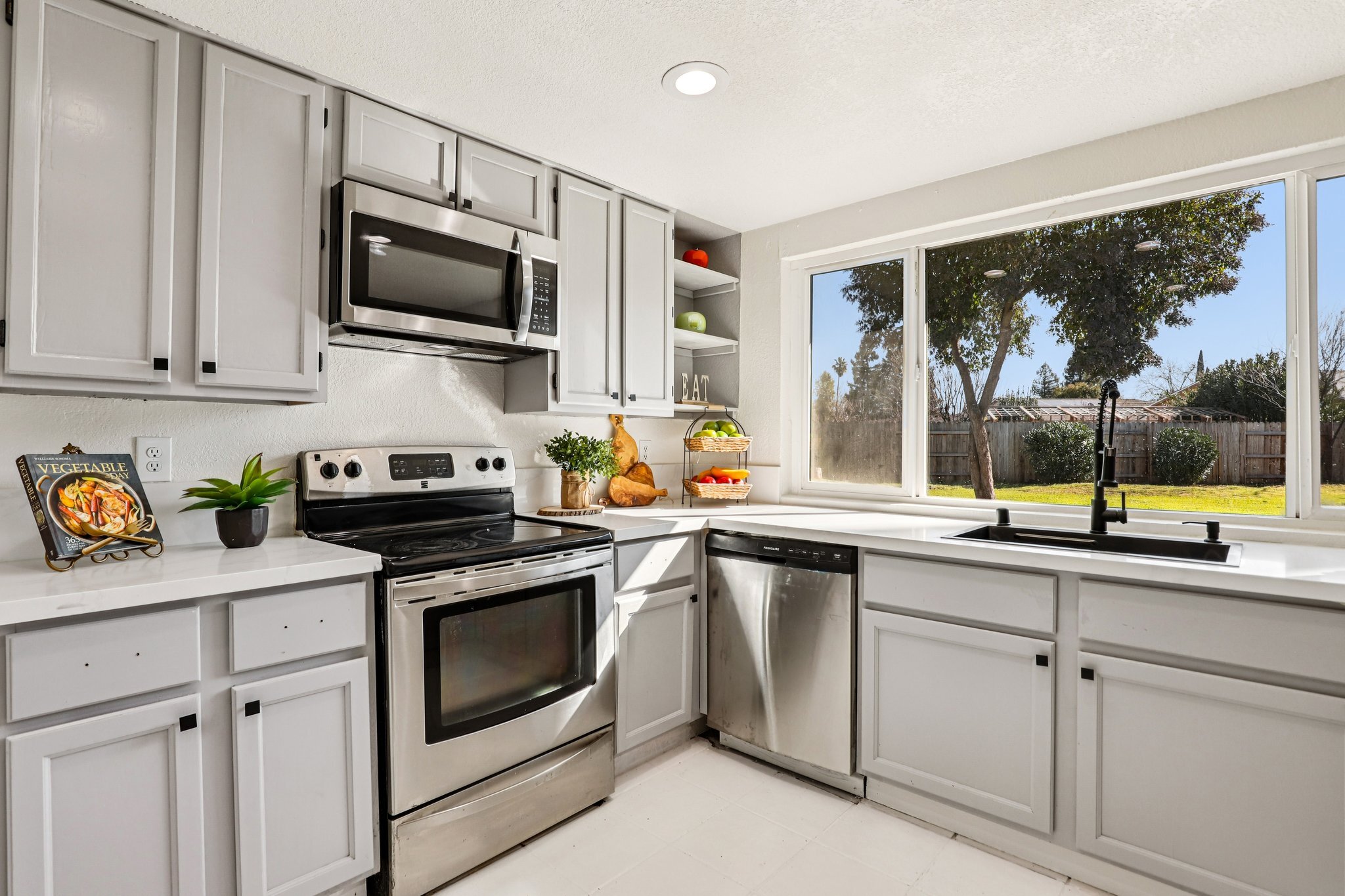
A real transaction showing improvement work that became the buyer’s responsibility after the seller completed the sale.
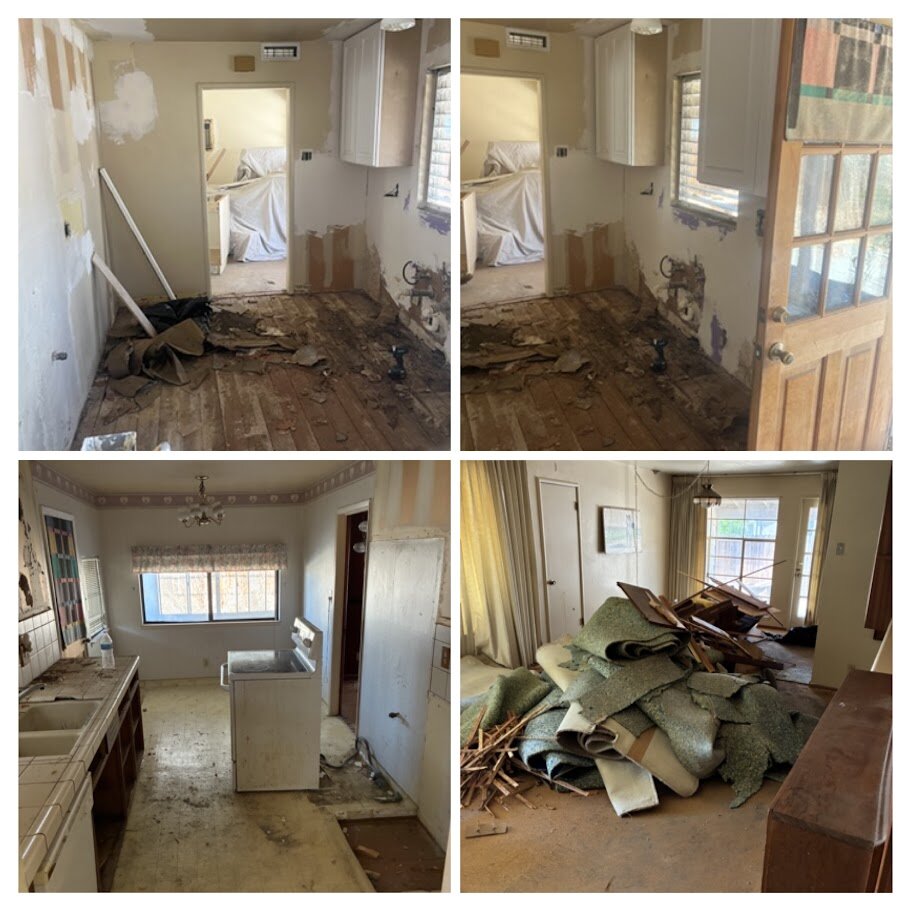
Work completed after the purchase—not a list of projects the former owner had to finish before selling.

A real Sacramento-area property with repairs and deferred maintenance that became a candidate for a direct as-is purchase.
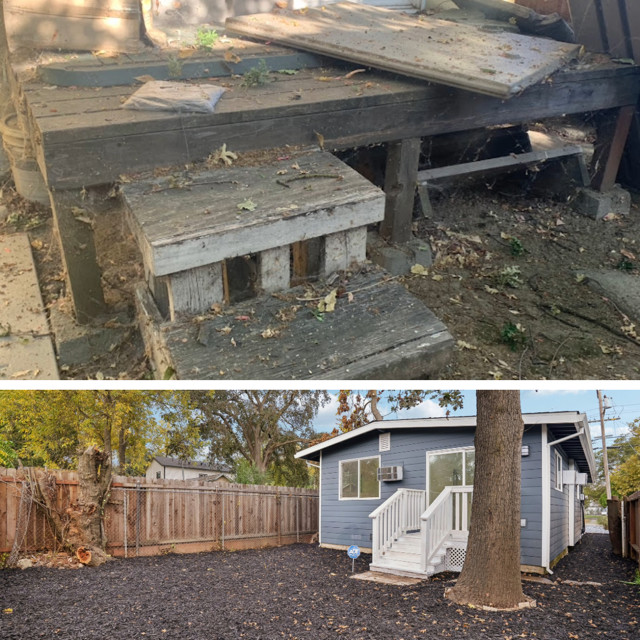
Safety problems and deferred maintenance can create another layer of expense when an owner is deciding whether to repair or sell the property in its present condition.
These homeowners describe their own experiences working directly with Darren through real property transactions.
A homeowner shares firsthand feedback about working with Darren during a real property sale.
Additional seller proof showing the communication, transaction process, and personal experience behind a direct sale with Darren.
Whether a property has repairs, tenants, liens, deferred maintenance, code issues, title complications, unwanted belongings, vacancy, inherited ownership, or another difficult condition, the buyer should still be independently evaluated.
Before signing an agreement, sellers can verify Darren’s licensing, professional background, business registration, veteran status, community involvement, seller experiences, and transaction history.
Darren Brown combines direct cash home buying experience with a professional California real estate brokerage background.
View Broker Documentation →Veteran-owned service centered on accountability, direct communication, follow-through, and doing what was agreed upon.
View Military Retirement Proof →Darren’s business has documentation supporting its Disabled Veteran Business Enterprise certification.
View DVBE Certification →Sellers can review the California Secretary of State filing associated with Darren’s operating business.
View State Business Filing →Review the independent Better Business Bureau profile for Darren Buys Homes Cash before accepting an offer.
View BBB Business Profile →Darren maintains a public connection to the Sacramento region’s professional and business community.
View Chamber Listing →Review additional seller feedback, property situations, and experiences involving Darren Buys Homes Cash.
Review Seller Testimonials →Examine Darren’s professional background, business identity, and supporting trust documentation in one place.
Review Professional Credentials →Use the Seller Trust Center to evaluate the company, process, transaction proof, and cash home buying experience before deciding.
Visit The Seller Trust Center →Another homeowner explains what it was like to work directly with Darren. Real seller feedback gives a property owner a better basis for evaluating the person behind the offer before making a decision.
The strongest option depends on property condition, available equity, repair costs, occupancy, title issues, timing, available cash, likely net proceeds, and how much additional work the owner wants to take on before selling.
Continued ownership may make sense when the property still fits the owner’s goals and there is enough time, money, and willingness to address the problems before reconsidering a sale.
A conventional listing may be appropriate when the owner has the resources and time to prepare the property and wants broad exposure to retail buyers.
A direct as-is sale may be worth evaluating when the owner wants a defined alternative without first making the property vacant, repaired, remodeled, cleaned out, or retail-ready.
Darren can evaluate a Citrus Heights property in its current condition and provide a direct as-is option that can be compared with keeping the house, completing repairs, resolving other property issues, or preparing for a traditional listing.
Use these local resources to compare selling options by property condition, tenant situation, ownership challenge, timing, and the type of sale you are considering.
Start with the main Citrus Heights service-area page for local selling options and property situations.
Read Citrus Heights Guide → Landlord & Tenant ProblemsA focused Citrus Heights guide for landlords dealing with missed rent while considering an as-is sale.
Read Citrus Heights Guide → Local Case StudySee a real Citrus Heights rental-property case study involving non-paying tenants and a seven-day closing.
Read Citrus Heights Guide → Tenant-Occupied PropertyReview options for selling a Citrus Heights house while a tenant is still occupying the property.
Read Citrus Heights Guide → Tenant Exit QuestionsUnderstand the selling questions that arise when a Citrus Heights tenant will not leave before a planned sale.
Read Citrus Heights Guide → Landlord Exit StrategyA Citrus Heights resource for owners comparing continued management with selling a rental property as-is.
Read Citrus Heights Guide → Remote OwnershipFor landlords who own a Citrus Heights rental from outside the area and want to compare an as-is exit.
Read Citrus Heights Guide → Rental Property SaleA broader Citrus Heights landlord resource covering a direct cash-buyer option for rental property.
Read Citrus Heights Guide → Unauthorized OccupancyExplore a Citrus Heights-specific resource for selling a house with squatters or unauthorized occupants.
Read Citrus Heights Guide → Hoarder & Heavy CleanoutFor Citrus Heights properties with extensive belongings, debris, or cleanout needs that may be sold as-is.
Read Citrus Heights Guide → Code & Property ConditionA Citrus Heights guide for owners facing code issues while evaluating an as-is sale.
Read Citrus Heights Guide → Tax ProblemsReview options when delinquent property taxes are part of a Citrus Heights home sale.
Read Citrus Heights Guide → ForeclosureA Citrus Heights resource for owners considering a sale before a foreclosure timeline advances further.
Read Citrus Heights Guide → As-Is / No RepairsCompare selling a Citrus Heights property in its present condition without completing repairs first.
Read Citrus Heights Guide → Repair DecisionA decision-focused Citrus Heights resource for weighing repair costs against selling in current condition.
Read Citrus Heights Guide → Fixer-UpperFor Citrus Heights homes with deferred maintenance, dated systems, or larger repair needs.
Read Citrus Heights Guide → As-Is Seller GuideA Citrus Heights-specific explanation of what an as-is sale can mean for repairs, preparation, and buyer expectations.
Read Citrus Heights Guide → Vacant PropertyReview a direct as-is option for an empty Citrus Heights property that may be costing money to hold.
Read Citrus Heights Guide → Inherited PropertyA Citrus Heights resource for owners evaluating the sale of an inherited house.
Read Citrus Heights Guide → Cash Sale ProcessLearn the basic Citrus Heights cash-sale process and what sellers can compare before accepting an offer.
Read Citrus Heights Guide → Closing TimelineA Citrus Heights-specific resource focused on timing, process, and what can affect a faster cash closing.
Read Citrus Heights Guide → Buyer VerificationUse this local guide when comparing cash buyers and checking experience, credibility, and the proposed transaction.
Read Citrus Heights Guide → Local As-Is Cash BuyerA Citrus Heights overview for owners comparing a direct as-is cash-buyer sale with other selling routes.
Read Citrus Heights Guide → Cash Buyer OverviewAdditional Citrus Heights information for sellers researching local cash-buyer options.
Read Citrus Heights Guide →To understand why a direct as-is purchase price may be lower than a potential retail price, start by separating gross sale price from actual seller net.
The example below is intentionally hypothetical. It does not represent a specific Citrus Heights property, a quoted commission, a guaranteed repair budget or a prediction of what any seller will pay.
These numbers simply demonstrate the categories a homeowner may need to evaluate when comparing a traditional retail sale with an as-is direct purchase.
The retail example still provides something important: the opportunity for the seller to capture additional upside if the assumptions hold. A direct offer must be evaluated independently based on its actual price, terms, costs and responsibilities. The purpose of this example is to compare net economics—not manufacture a reason to accept a lower offer.
What the property may command from the market under a particular condition and marketing strategy.
What remains after actual seller expenses, concessions, preparation, carrying costs and applicable transaction deductions.
What a specific buyer agrees to pay now for the property under the current-condition terms of that direct purchase.
Retail value should be supported by relevant market evidence. Retail net should use realistic transaction costs. A direct offer should come from an actual buyer evaluating the actual property.
| Decision Factor | Traditional Retail Sale | Direct As-Is Purchase |
|---|---|---|
| Potential Gross Price | Often higher when the property is successfully exposed to competing retail buyers. | Commonly lower because the buyer is acquiring the property before some future work, carrying period and resale exposure occur. |
| Repairs / Preparation | Seller decides what work is economically appropriate and may fund preparation before or during the sale. | Under a genuine as-is agreement, future rehabilitation can shift to the buyer after closing. |
| Marketing Exposure | Property is exposed to the market with the goal of generating buyer competition. | Property is sold directly without first seeking competitive retail-market exposure. |
| Brokerage / Marketing Cost | Depends on the seller’s actual listing agreement and transaction. | A direct purchase may not involve a seller-side listing commission, depending on the transaction structure. |
| Inspection / Appraisal | Depends on buyer, financing and contract terms. | A cash transaction removes purchase-lender underwriting when truly cash, but buyer due diligence may still exist. |
| Holding Time | Seller remains responsible until the retail transaction closes. | Seller’s ownership ends at the agreed direct closing; future project holding belongs to the buyer. |
| Future Property Risk | Seller retains property risk while preparing, marketing and waiting to close. | Buyer takes post-closing property and project risk. |
| Best Comparison | Likely seller net + time + work + probability of closing. | Actual offer net + terms + buyer capability + responsibilities transferred. |
It could ultimately be more, less or approximately the same depending on the costs and terms attached to each transaction. That is why the seller needs actual numbers rather than general assumptions.
The difference between current condition and future retail condition often requires capital before the future value can be pursued.
The seller is paid at the direct closing. The buyer then funds and manages whatever future ownership period remains. That timing difference is part of why today’s direct purchase price and tomorrow’s potential retail price are not identical.
Sometimes convenience is part of the value proposition—but that phrase is incomplete. The seller may also be transferring repair expense, project management, holding costs, tenant complications, resale exposure and uncertainty. Those are real economic responsibilities, not simply conveniences.
A homeowner should not accept a poor offer merely because it can close quickly. The offer still needs to be evaluated against realistic alternatives. Speed is one transaction feature—not a substitute for fair analysis.
If a Citrus Heights house is clean, updated, vacant, easy to show and likely to attract strong retail competition, a traditional market sale may produce the superior seller outcome. A direct purchase is an alternative, not automatically the correct answer.
Once negotiated and documented, the seller can analyze an actual purchase price, actual terms, actual buyer and actual proposed closing.
Market exposure can produce more money, but the final buyer, final price, final concessions and final closing outcome do not exist until the process actually occurs.
The homeowner decides how much each matters. A seller with no urgency may reasonably pursue maximum exposure. Another seller may prefer an acceptable current net over taking responsibility for a longer process.
Property facts still matter. Known conditions still matter. Contract terms still matter. The difference is that the buyer agrees to evaluate those conditions as part of the purchase rather than requiring the seller to transform the property into a different house before closing.
If I am evaluating a Citrus Heights house as a direct buyer, I want the homeowner to understand both sides of the decision. If the property could realistically produce substantially more money through a traditional sale after reasonable costs, and the homeowner has the time and desire to pursue that strategy, that should be part of the decision.
My job as a buyer is different. I am determining what I can pay for the property in its current condition while taking responsibility for whatever future work, holding period and resale uncertainty comes with it.
That number may be lower than retail market value because I am buying before the future retail outcome exists.
The homeowner can then decide whether keeping the additional work and potential upside makes sense—or whether transferring those responsibilities produces the better outcome for their situation.
A lower direct price should not automatically be accepted simply because the buyer uses cash. The seller should understand what transaction benefits actually accompany the price difference.
Is the buyer genuinely purchasing as-is, or can inspection findings later become a basis for extensive renegotiation?
Which expenses are actually being paid by the buyer and which remain seller responsibilities under the contract?
Can the buyer purchase with the existing tenant or occupancy situation, or must the seller deliver a vacant house?
What contingencies remain, what funds support the purchase and what evidence exists that the buyer can perform?
The tradeoff only makes sense when the buyer is actually taking on the responsibilities being used to explain the lower price.
“What do I receive, what do I give up, and what responsibilities change under each sale strategy?”
This resource center intentionally links only to pages already present in the current Citrus Heights sitemap rather than guessing future Tier 2.5 URLs.
A direct buyer may be purchasing the property before repairs, preparation, market exposure and the future ownership period occur. The offer can reflect the work, capital, holding costs and uncertainty the buyer expects to assume after closing.
Not necessarily, but a seller should evaluate the actual number. Compare the buyer’s assumptions, transaction terms and expected seller net against realistic alternatives rather than accepting any explanation automatically.
No. Gross sale price and seller net are different numbers. Actual transaction expenses, concessions, preparation and holding costs can reduce what remains after closing.
A successful retail-market strategy can produce a higher gross price, particularly when the property is marketable and attracts buyer competition. The seller should compare expected net proceeds rather than gross price alone.
When the buyer is purchasing the house in current condition, future repair costs may become the buyer’s responsibility after closing and therefore part of the acquisition economics.
No. Holding costs, insurance, taxes, utilities, capital, project time, occupancy, resale expenses and future market uncertainty may also affect a buyer’s analysis.
Convenience can be part of the tradeoff, but a direct purchase may also transfer real financial responsibilities such as repairs, project management, future carrying costs and resale risk.
No. Speed is only one consideration. Compare price, expected net, condition requirements, closing costs, contingencies, buyer capability and your realistic alternatives.
Listing deserves strong consideration when the property is marketable, preparation is manageable, the seller has time for the process and estimated retail net materially exceeds the direct-sale alternative.
It may deserve consideration when repairs, cleanup, occupancy, preparation expense or timing make the retail process less attractive and the direct offer produces an acceptable net.
Some direct buyers may be willing to purchase with an existing tenancy in place. The buyer should review the occupancy and tenancy records and the contract should clearly address possession expectations.
Compare realistic retail net with the actual direct-sale net, then separately compare repairs, work, holding time, occupancy requirements, contingencies and closing certainty.
Retail market value describes the potential value available through a market transaction under a particular set of property and market conditions.
A direct as-is offer describes what a specific buyer is willing to pay now while accepting the property under the negotiated current-condition terms.
The difference between those numbers may contain repairs, preparation, transaction costs, holding time, capital requirements, future resale costs and risk.
But the homeowner should never assume every dollar of difference is justified. The offer still has to compete with the seller’s realistic alternatives.
The strongest decision comes from comparing net proceeds, responsibilities, time and transaction terms together.
You do not have to decide between listing and selling directly based on general assumptions.
Share the property address, current condition, occupancy and anything you already know about repairs. Darren can evaluate the house as a local direct cash buyer and provide a current-condition offer you can compare with the potential economics of a traditional retail sale.
Illustrative examples are for general educational purposes only and are not appraisals, closing statements, repair estimates, commission quotes, guarantees or representations of a specific property’s value. Real-estate commissions and transaction terms are negotiable. Actual repair costs, holding costs, concessions, title and escrow charges, taxes, liens, payoffs, closing costs and seller proceeds vary by property and transaction. Review actual offers and settlement figures before making a sale decision.