

Sacramento Vacant House Encyclopedia
Can A Vacant House Deteriorate Faster Than An Occupied Home?
Yes. A vacant house can deteriorate faster than an occupied home because nobody is living there to notice leaks, pests, odors, utility problems, HVAC failures, broken windows, roof damage, vandalism, moisture, or security issues early.
For Sacramento owners, vacancy can accelerate deferred maintenance, reduce buyer confidence, increase insurance concerns, raise holding costs, and make an as-is sale more practical than continuing to manage repairs.
Quick Answer
Vacant houses often deteriorate faster because small problems go unnoticed longer. In an occupied home, someone may quickly notice a leak, smell, pest issue, broken fixture, HVAC problem, or security concern. In a vacant home, those same issues may continue for weeks or months.
The main risk is not vacancy alone. The risk is vacancy combined with no inspection plan, deferred maintenance, active utilities, moisture, pests, outdated systems, weak security, or long holding periods.
Who This Resource Is For
Vacant House Owners
Owners worried that an empty house may lose condition, value, security, or buyer appeal while it sits.
Inherited Property Owners
Families managing inherited homes that may sit vacant during probate, cleanout, repairs, or family decision-making.
Out-Of-State Owners
Remote owners who cannot regularly check for leaks, pests, vandalism, utilities, HVAC issues, or maintenance problems.
Owners Considering An As-Is Sale
Property owners comparing repair costs, maintenance costs, holding costs, insurance concerns, and selling as-is.
Key Takeaways
Vacancy Delays Detection
Problems can grow because nobody is there daily to notice early warning signs.
Moisture Drives Damage
Leaks, humidity, poor ventilation, and HVAC issues can lead to mold and material deterioration.
Security Risk Increases
Vacant homes may attract trespassers, theft, vandalism, or squatters if not monitored.
Value Can Drop Over Time
Deferred maintenance, inspection issues, buyer fear, and repair uncertainty can reduce value.
Verified Sacramento Cash Home Buyer Trust Signals
✅ A+ BBB Rated Business
🇺🇸 DVBE Certified Business
✈️ Retired U.S. Air Force Veteran
🏛 Licensed California Broker
📄 California Secretary Of State Filing
🤝 Sacramento Metro Chamber Member
🏠 Operating Since 1992
🏚 Vacant Property Specialist
⚡ 10-Day Closing Guarantee
Encyclopedia Definition: Vacant House Deterioration
Vacant house deterioration is the decline in property condition that occurs while a home is unoccupied. It may involve water damage, mold, pest activity, HVAC problems, roof deterioration, broken access points, vandalism, utility failures, structural concerns, overgrown landscaping, and deferred maintenance.
A vacant house does not automatically deteriorate faster, but deterioration becomes more likely when the property is not inspected, maintained, secured, ventilated, or repaired consistently.
Why Vacant Houses Can Deteriorate Faster
| Condition | Why It Gets Worse In Vacancy | Possible Result |
|---|---|---|
| Leaks | No one notices water stains, dripping, or moisture quickly. | Mold, drywall damage, flooring damage. |
| Pests | Quiet, unmonitored spaces attract rodents, insects, and nesting. | Odors, contamination, chewed wiring. |
| HVAC Inactivity | Less air movement can contribute to stale air and moisture concerns. | Odors, inspection issues, system concerns. |
| Security Problems | Vacant properties may invite trespassing or break-ins. | Vandalism, theft, squatter risk. |
| Yard Neglect | Overgrowth makes the property look abandoned. | Code complaints and lower curb appeal. |
| Deferred Repairs | Small maintenance issues compound over time. | Higher repair costs and lower value. |
Warning Signs A Vacant House Is Deteriorating
Musty Odors
Odors may indicate moisture, mold, stale air, pests, or poor ventilation.
Water Stains
Stains on ceilings, walls, cabinets, or floors may point to leaks or roof problems.
Overgrown Yard
Visible exterior neglect can signal vacancy and attract attention.
Broken Access Points
Damaged doors, windows, vents, fences, or crawlspace covers increase risk.
Pest Evidence
Droppings, nests, odors, or chewed materials can indicate active infestation.
System Failure
HVAC, electrical, plumbing, or utility failures can reduce buyer confidence.
Buyer Psychology Analysis
Buyers often judge vacant houses differently than occupied homes because vacancy creates uncertainty. In an occupied property, buyers assume someone has been using the plumbing, noticing leaks, operating the HVAC, watching for pests, and reporting problems. In a vacant property, buyers often assume problems may have gone unnoticed.
That perception matters. Even if the actual damage is limited, buyers may discount for hidden risk. A musty smell, stale air, overgrown yard, shut-off utilities, water stain, broken screen, or pest evidence can cause buyers to wonder what else has been missed.
The longer a property looks vacant or neglected, the more buyers tend to view it as a repair-risk property instead of a normal resale home.
Traditional Buyer Analysis
Traditional buyers usually want a house that feels cared for, safe, financeable, and predictable. Vacancy can make buyers cautious when the property shows signs of delayed maintenance, weak security, odors, utility issues, or untested systems.
| Buyer Concern | Why It Matters | Potential Impact |
|---|---|---|
| Untested Systems | Plumbing, HVAC, electrical, and appliances may not have been used recently. | More inspections and repair requests. |
| Moisture Or Odor | May suggest leaks, mold, pests, or poor ventilation. | Lower buyer confidence. |
| Security Concerns | Vacant homes may attract break-ins, vandalism, or squatters. | More hesitation and negotiation pressure. |
| Deferred Maintenance | Visible neglect suggests hidden repairs. | Lower offers. |
| Financing Risk | Condition issues may affect appraisal or lender requirements. | Closing delays. |
Investor Buyer Analysis
Investor buyers evaluate vacant house deterioration as a risk stack. They look at how long the home has been vacant, whether utilities were on, whether the property was inspected, whether pests entered, whether water damage occurred, whether the HVAC still works, and whether the house has been secured.
An investor may still buy the house as-is, but the offer typically reflects the total uncertainty. Vacancy can turn a simple repair issue into a broader evaluation of water, mold, pests, security, utilities, insurance, code risk, and holding costs.
For sellers, this means vacancy does not automatically make a property unsellable, but it can change which buyers are realistic and how the property is priced.
Property Value Analysis
Vacant house deterioration can reduce property value because it affects condition, buyer confidence, inspection outcomes, repair cost expectations, and the number of buyers willing to take on the property.
| Vacant House Condition | Buyer Reaction | Potential Value Impact |
|---|---|---|
| Clean And Maintained | Buyer sees lower risk. | Low negative impact. |
| Minor Stale-Air Or Yard Issues | Buyer notices vacancy but remains interested. | Low to moderate impact. |
| Leaks, Pests, Or Odors | Buyer suspects hidden damage. | Moderate to high impact. |
| Broken Access Points Or Vandalism | Buyer worries about security and unauthorized entry. | High impact. |
| Layered Vacancy Damage | Buyer sees major repair uncertainty. | Very high impact. |
Financing Impact Analysis
Financing can become more difficult when vacant house deterioration creates safety, habitability, appraisal, or repair concerns. Lenders generally want the property to be acceptable collateral, and visible deterioration can create questions.
Issues such as water damage, mold, broken windows, missing systems, HVAC failure, pest damage, unsafe electrical conditions, roof problems, or structural concerns may require repairs before closing.
| Condition Issue | Financing Concern | Possible Result |
|---|---|---|
| Water Damage | Habitability, mold, and collateral risk. | Inspection or repair request. |
| HVAC Failure | System functionality and habitability concern. | Repair condition possible. |
| Pest Damage | Wood, wiring, insulation, or contamination concerns. | Pest report or repair demand. |
| Broken Windows Or Doors | Safety and security concern. | Repair before closing. |
| Structural Deterioration | Collateral and safety concern. | Loan delay or cash buyer pool. |
Insurance Impact Analysis
Insurance companies may view vacant homes as higher risk because damage can go undiscovered, security risks can increase, and maintenance issues may worsen over time. Deterioration connected to delayed maintenance may create more complicated insurance questions than sudden, accidental damage.
| Vacancy Factor | Insurance Concern | Potential Impact |
|---|---|---|
| Delayed Discovery | Leaks, vandalism, or damage may continue longer. | Claim scrutiny. |
| No Inspection Plan | Owner may not be able to show ongoing maintenance. | Coverage questions. |
| Open Access Points | Break-in, vandalism, and squatter risk increases. | Higher risk profile. |
| Deferred Maintenance | Damage may be viewed as preventable deterioration. | Coverage limitations possible. |
| Utilities Left On | Leaks, electrical issues, or HVAC failures may occur unseen. | Additional review. |
The California Department of Insurance provides consumer information about insurance, claims, and policyholder resources at: https://www.insurance.ca.gov/
Short-Term Vs Long-Term Impact Analysis
| Vacancy Timeline | Likely Deterioration Risk | Risk Level |
|---|---|---|
| First Few Weeks | Property may remain stable if secured and checked. | Low |
| One To Three Months | Leaks, pests, utilities, and yard issues can begin compounding. | Moderate |
| Several Months | Odors, mold concerns, deferred maintenance, and buyer fear increase. | High |
| Long-Term Vacancy | Layered deterioration, security risks, and repair uncertainty become more likely. | Very High |
| No Maintenance Or Security Plan | Damage, value loss, insurance issues, and squatter exposure can accelerate. | Severe |
Risk Assessment Matrix
| Risk | Likelihood | Severity | Overall Risk |
|---|---|---|---|
| Undetected Water Damage | Moderate | High | High |
| Pest Infestation | Moderate | Moderate | Moderate |
| HVAC Or Utility Failure | Moderate | Moderate To High | Moderate To High |
| Break-In Or Vandalism | Moderate | High | High |
| Buyer Confidence Loss | High | Moderate | High |
| Lower Net Proceeds | High | High | High |
Common Mistakes Owners Make
- Assuming the house will stay in the same condition while vacant.
- Waiting months between inspections.
- Leaving utilities on without monitoring for leaks or system failures.
- Ignoring musty odors, pest evidence, water stains, or broken access points.
- Letting landscaping signal that the property is abandoned.
- Failing to document maintenance, repairs, and inspections.
- Spending money on cosmetic repairs before identifying water, pest, or structural issues.
- Not comparing ongoing holding costs against selling the property as-is.
Decision Framework
| Situation | Key Question | Possible Direction |
|---|---|---|
| Short-Term Vacancy | Is the property secure and checked regularly? | Maintain and monitor. |
| Longer Vacancy | Are repair, utility, and security risks increasing? | Create a maintenance plan or review sale options. |
| Visible Deterioration | Are problems spreading across multiple repair categories? | Get estimates before spending heavily. |
| Out-Of-State Owner | Can someone reliably inspect the house? | Use local help or consider selling. |
| Vacant Inherited House | Will family delays make property condition worse? | Compare timing, repairs, and holding costs. |
| Major Repair Burden | Will repairs improve net proceeds enough? | Evaluate as-is sale option. |
Sacramento Vacant House Deterioration Analysis
In Sacramento, vacant houses often deteriorate during probate delays, inheritance decisions, tenant transitions, foreclosure pressure, failed listings, major repairs, out-of-state ownership, and landlord fatigue.
The most common deterioration patterns involve water damage, mold, pest activity, HVAC uncertainty, utility decisions, roof problems, overgrown yards, break-ins, squatters, and deferred maintenance.
Owners should compare repair costs, utility bills, insurance requirements, taxes, security, yard care, code exposure, and time before deciding whether continued ownership still makes sense.
Owners who want flexibility after selling may also benefit from Darren Brown’s Sell & Stay Program: https://www.darrenbuyshomescash.com/sell-and-stay-sacramento-sell-your-house-and-rent-it-back/
Real Sacramento Case Studies
Vacant house deterioration often overlaps with occupancy issues, deferred repairs, hoarding conditions, squatter activity, code violations, security failures, and long periods without regular oversight.
Circle Parkway
Tenant-occupied hoarder property involving significant maintenance, occupancy, and property-condition challenges.
Sudbury
Cameron Park property involving squatters, multiple unlawful detainers, and approximately $28,000 in code violations.
Tenant Broke Back In Before Closing
Unexpected occupancy and security issues created additional risk before closing.
Buyer Psychology Analysis
Buyers often judge vacant houses differently than occupied homes because vacancy creates uncertainty. In an occupied property, buyers assume someone has been using the plumbing, noticing leaks, operating the HVAC, watching for pests, and reporting problems. In a vacant property, buyers often assume problems may have gone unnoticed.
That perception matters. Even if the actual damage is limited, buyers may discount for hidden risk. A musty smell, stale air, overgrown yard, shut-off utilities, water stain, broken screen, or pest evidence can cause buyers to wonder what else has been missed.
The longer a property looks vacant or neglected, the more buyers tend to view it as a repair-risk property instead of a normal resale home.
Traditional Buyer Analysis
Traditional buyers usually want a house that feels cared for, safe, financeable, and predictable. Vacancy can make buyers cautious when the property shows signs of delayed maintenance, weak security, odors, utility issues, or untested systems.
| Buyer Concern | Why It Matters | Potential Impact |
|---|---|---|
| Untested Systems | Plumbing, HVAC, electrical, and appliances may not have been used recently. | More inspections and repair requests. |
| Moisture Or Odor | May suggest leaks, mold, pests, or poor ventilation. | Lower buyer confidence. |
| Security Concerns | Vacant homes may attract break-ins, vandalism, or squatters. | More hesitation and negotiation pressure. |
| Deferred Maintenance | Visible neglect suggests hidden repairs. | Lower offers. |
| Financing Risk | Condition issues may affect appraisal or lender requirements. | Closing delays. |
Investor Buyer Analysis
Investor buyers evaluate vacant house deterioration as a risk stack. They look at how long the home has been vacant, whether utilities were on, whether the property was inspected, whether pests entered, whether water damage occurred, whether the HVAC still works, and whether the house has been secured.
An investor may still buy the house as-is, but the offer typically reflects the total uncertainty. Vacancy can turn a simple repair issue into a broader evaluation of water, mold, pests, security, utilities, insurance, code risk, and holding costs.
For sellers, this means vacancy does not automatically make a property unsellable, but it can change which buyers are realistic and how the property is priced.
Property Value Analysis
Vacant house deterioration can reduce property value because it affects condition, buyer confidence, inspection outcomes, repair cost expectations, and the number of buyers willing to take on the property.
| Vacant House Condition | Buyer Reaction | Potential Value Impact |
|---|---|---|
| Clean And Maintained | Buyer sees lower risk. | Low negative impact. |
| Minor Stale-Air Or Yard Issues | Buyer notices vacancy but remains interested. | Low to moderate impact. |
| Leaks, Pests, Or Odors | Buyer suspects hidden damage. | Moderate to high impact. |
| Broken Access Points Or Vandalism | Buyer worries about security and unauthorized entry. | High impact. |
| Layered Vacancy Damage | Buyer sees major repair uncertainty. | Very high impact. |
Financing Impact Analysis
Financing can become more difficult when vacant house deterioration creates safety, habitability, appraisal, or repair concerns. Lenders generally want the property to be acceptable collateral, and visible deterioration can create questions.
Issues such as water damage, mold, broken windows, missing systems, HVAC failure, pest damage, unsafe electrical conditions, roof problems, or structural concerns may require repairs before closing.
| Condition Issue | Financing Concern | Possible Result |
|---|---|---|
| Water Damage | Habitability, mold, and collateral risk. | Inspection or repair request. |
| HVAC Failure | System functionality and habitability concern. | Repair condition possible. |
| Pest Damage | Wood, wiring, insulation, or contamination concerns. | Pest report or repair demand. |
| Broken Windows Or Doors | Safety and security concern. | Repair before closing. |
| Structural Deterioration | Collateral and safety concern. | Loan delay or cash buyer pool. |
Insurance Impact Analysis
Insurance companies may view vacant homes as higher risk because damage can go undiscovered, security risks can increase, and maintenance issues may worsen over time. Deterioration connected to delayed maintenance may create more complicated insurance questions than sudden, accidental damage.
| Vacancy Factor | Insurance Concern | Potential Impact |
|---|---|---|
| Delayed Discovery | Leaks, vandalism, or damage may continue longer. | Claim scrutiny. |
| No Inspection Plan | Owner may not be able to show ongoing maintenance. | Coverage questions. |
| Open Access Points | Break-in, vandalism, and squatter risk increases. | Higher risk profile. |
| Deferred Maintenance | Damage may be viewed as preventable deterioration. | Coverage limitations possible. |
| Utilities Left On | Leaks, electrical issues, or HVAC failures may occur unseen. | Additional review. |
The California Department of Insurance provides consumer information about insurance, claims, and policyholder resources at: https://www.insurance.ca.gov/
Short-Term Vs Long-Term Impact Analysis
| Vacancy Timeline | Likely Deterioration Risk | Risk Level |
|---|---|---|
| First Few Weeks | Property may remain stable if secured and checked. | Low |
| One To Three Months | Leaks, pests, utilities, and yard issues can begin compounding. | Moderate |
| Several Months | Odors, mold concerns, deferred maintenance, and buyer fear increase. | High |
| Long-Term Vacancy | Layered deterioration, security risks, and repair uncertainty become more likely. | Very High |
| No Maintenance Or Security Plan | Damage, value loss, insurance issues, and squatter exposure can accelerate. | Severe |
Risk Assessment Matrix
| Risk | Likelihood | Severity | Overall Risk |
|---|---|---|---|
| Undetected Water Damage | Moderate | High | High |
| Pest Infestation | Moderate | Moderate | Moderate |
| HVAC Or Utility Failure | Moderate | Moderate To High | Moderate To High |
| Break-In Or Vandalism | Moderate | High | High |
| Buyer Confidence Loss | High | Moderate | High |
| Lower Net Proceeds | High | High | High |
Common Mistakes Owners Make
- Assuming the house will stay in the same condition while vacant.
- Waiting months between inspections.
- Leaving utilities on without monitoring for leaks or system failures.
- Ignoring musty odors, pest evidence, water stains, or broken access points.
- Letting landscaping signal that the property is abandoned.
- Failing to document maintenance, repairs, and inspections.
- Spending money on cosmetic repairs before identifying water, pest, or structural issues.
- Not comparing ongoing holding costs against selling the property as-is.
Decision Framework
| Situation | Key Question | Possible Direction |
|---|---|---|
| Short-Term Vacancy | Is the property secure and checked regularly? | Maintain and monitor. |
| Longer Vacancy | Are repair, utility, and security risks increasing? | Create a maintenance plan or review sale options. |
| Visible Deterioration | Are problems spreading across multiple repair categories? | Get estimates before spending heavily. |
| Out-Of-State Owner | Can someone reliably inspect the house? | Use local help or consider selling. |
| Vacant Inherited House | Will family delays make property condition worse? | Compare timing, repairs, and holding costs. |
| Major Repair Burden | Will repairs improve net proceeds enough? | Evaluate as-is sale option. |
Sacramento Vacant House Deterioration Analysis
In Sacramento, vacant houses often deteriorate during probate delays, inheritance decisions, tenant transitions, foreclosure pressure, failed listings, major repairs, out-of-state ownership, and landlord fatigue.
The most common deterioration patterns involve water damage, mold, pest activity, HVAC uncertainty, utility decisions, roof problems, overgrown yards, break-ins, squatters, and deferred maintenance.
Owners should compare repair costs, utility bills, insurance requirements, taxes, security, yard care, code exposure, and time before deciding whether continued ownership still makes sense.
Owners who want flexibility after selling may also benefit from Darren Brown’s Sell & Stay Program: https://www.darrenbuyshomescash.com/sell-and-stay-sacramento-sell-your-house-and-rent-it-back/
Real Sacramento Case Studies
Vacant house deterioration often overlaps with occupancy issues, deferred repairs, hoarding conditions, squatter activity, code violations, security failures, and long periods without regular oversight.
Circle Parkway
Tenant-occupied hoarder property involving significant maintenance, occupancy, and property-condition challenges.
Sudbury
Cameron Park property involving squatters, multiple unlawful detainers, and approximately $28,000 in code violations.
Tenant Broke Back In Before Closing
Unexpected occupancy and security issues created additional risk before closing.
Vacant House Maintenance & Property Condition Resource Hub
Vacant houses can lose value when small maintenance problems are not found early. Mold, leaks, pests, utilities, structural concerns, HVAC problems, deferred maintenance, and long periods without inspections can all affect buyer confidence, insurance, financing, repair costs, and selling options.
Use these resources to understand what can happen while a property sits empty and when selling as-is may make more sense than continuing to repair, secure, insure, and maintain the house.
Core Vacant House Maintenance Resources
Can Mold Develop In A Vacant House?
Understand how moisture, leaks, poor ventilation, and vacancy can create mold concerns.
What Happens If A Vacant House Has A Leak?
Learn how small leaks can turn into water damage, mold, flooring damage, and repair issues.
Do Vacant Homes Attract Pests?
See why empty houses may attract rodents, insects, termites, nesting, odor, and contamination.
How Fast Does Deferred Maintenance Add Up?
Review how delayed repairs can stack into larger costs and lower buyer confidence.
Should Utilities Stay On In A Vacant House?
Compare electricity, water, gas, HVAC, irrigation, security, leak risk, and holding costs.
Can A Vacant House Develop Structural Problems?
Learn how moisture, roof leaks, pests, foundation movement, and neglect can affect structure.
How Often Should A Vacant Property Be Maintained?
Review inspection, security, utility, landscaping, pest, and documentation best practices.
What Happens If HVAC Systems Sit Unused?
See how unused HVAC systems can affect air movement, moisture, odors, inspections, and value.
Can A Vacant House Deteriorate Faster Than An Occupied Home?
Understand why vacancy can accelerate hidden damage, security risks, pests, leaks, and repairs.
Can A Vacant House Deteriorate Faster Than An Occupied Home? →
What Maintenance Issues Hurt Value The Most?
Compare water damage, mold, roof problems, structural issues, pests, HVAC, plumbing, and electrical concerns.
Related Vacant House, Insurance & Holding Cost Resources
Sell A Vacant House In Sacramento
How Do I Sell A Vacant House In Sacramento?
What Happens If A Vacant House Has Water Damage?
Can Homeowners Insurance Be Cancelled On A Vacant House?
Can Insurance Deny A Claim Because A House Was Vacant?
Cost Of Holding A Vacant House In Sacramento
Can Deferred Maintenance Lower My House Value?
How Fast Do Repairs Get More Expensive?
Squatter, Security & Occupancy Resources
Vacant house maintenance often overlaps with squatter risk, unauthorized occupancy, break-ins, vandalism, tenant damage, non-paying tenants, and security problems.
Cash Home Buyer For Homes With Squatters In Sacramento
How Do I Sell A House With Squatters In Sacramento?
What If My Inherited House Has Squatters In Sacramento?
Squatters In Florin
Sell A Rental With Non-Paying Tenants In Sacramento
How Do I Sell A House With Non-Paying Tenants In Sacramento?
How Do I Sell A House With Non-Paying Tenants In Sacramento? →
Sacramento Rental, Tenant, Squatter & Non-Paying Renter Resource Hub
Sacramento Rental, Tenant, Squatter & Non-Paying Renter Resource Hub →
Real Sacramento Property Condition Case Studies
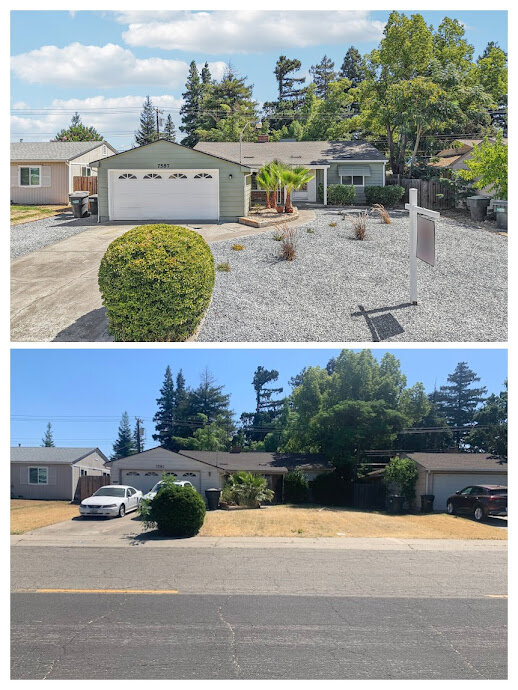
These real examples show how vacancy, deferred maintenance, tenant problems, hoarding, squatters, code violations, security problems, and difficult property conditions can overlap.
Circle Parkway
Tenant-occupied hoarder property in Florin involving deferred maintenance, cleanup concerns, and a 7-day purchase.
Sudbury / Cameron Park
Major squatter situation involving tenants, multiple unlawful detainers, and approximately $28,000 in code violations.
Tenant Broke Back In Before Closing
Vacant house sale complicated by an occupant breaking back into the property before closing.
Core Selling Options
Sell My House Without Repairs In Sacramento
Sell My House As-Is In Sacramento
Get A Cash Offer Today
Sell And Stay Program
Contact Darren Brown
Nearby Sacramento-Area Selling Resources
Sacramento
Roseville
Lincoln
Citrus Heights
Vacant House Deterioration Resources
Darren Buys Homes Cash
Sacramento Seller Trust Center
Veteran-Owned Cash Home Buyer
About Darren Brown
Vacant House, Maintenance, And Property Condition Resources
Sell A Vacant House In Sacramento
How Do I Sell A Vacant House?
Can Mold Develop In A Vacant House?
Vacant House Leak Problems
Do Vacant Homes Attract Pests?
Deferred Maintenance Adds Up
Should Utilities Stay On?
Structural Problems In A Vacant House
Vacant Property Maintenance
Unused HVAC Systems
Deferred Maintenance And Value Loss
Cost Of Holding A Vacant House
Sell Without Repairs
Sell As-Is In Sacramento
Get A Cash Offer Today
Contact Darren Brown
Sell And Stay Program
Real Sacramento Case Study Resources
Circle Parkway
Sudbury
Tenant Broke Back In Before Closing
Nearby Sacramento-Area Resources
Sacramento
Roseville
Lincoln
Citrus Heights
External Authority Resources
California Department Of Insurance
Summary
A vacant house can deteriorate faster than an occupied home because problems often go unnoticed longer. Leaks, mold, pests, HVAC failures, utility issues, vandalism, broken access points, and deferred maintenance can all grow when nobody is living in the property.
Owners should inspect regularly, secure the property, monitor utilities, control moisture, maintain the yard, watch for pests, document conditions, and compare whether continued maintenance or selling as-is makes more financial sense.
Need Help With A Deteriorating Vacant Sacramento House?
If vacancy, repairs, mold, leaks, pests, HVAC issues, insurance questions, squatters, or holding costs are making a Sacramento property harder to manage, Darren Brown can review the situation and explain what an as-is cash sale may look like.
Call or text (916) 300-7962 or visit Contact Darren Brown.