

Sacramento Vacant House Encyclopedia
What Maintenance Issues Hurt Value The Most?
The maintenance issues that usually hurt value the most are the ones that create uncertainty, safety concerns, financing problems, hidden damage, or major repair costs. Water damage, mold, roof problems, structural issues, pest damage, HVAC failure, plumbing leaks, electrical problems, and security damage can all reduce buyer confidence quickly.
For Sacramento owners, the biggest value losses often happen when multiple maintenance issues stack together inside a vacant, inherited, tenant-damaged, or long-neglected property.
Quick Answer
The maintenance issues that hurt value the most are usually water intrusion, mold, roof damage, structural problems, foundation concerns, pest damage, electrical safety issues, plumbing leaks, HVAC failure, code violations, and visible neglect. These issues matter because they can affect financing, insurance, inspections, buyer confidence, repair costs, and resale timing.
A single minor repair may not dramatically reduce value. The larger problem is when maintenance issues appear connected, hidden, long-term, or unresolved.
Who This Resource Is For
Vacant House Owners
Owners trying to understand which repairs matter most before selling a vacant house.
Inherited Property Owners
Families managing older inherited homes with deferred maintenance, water damage, pests, leaks, or repairs.
Landlords With Damaged Rentals
Owners dealing with tenant damage, neglect, deferred repairs, occupancy issues, or costly turnover repairs.
Owners Considering Selling As-Is
Property owners deciding whether to repair, clean, renovate, or sell the house as-is.
Key Takeaways
Water Damage Often Hurts Most
Water damage can create mold, flooring damage, drywall issues, framing concerns, and buyer fear.
Structural Issues Create Major Uncertainty
Foundation, framing, roof, and floor problems can reduce financing options and buyer confidence.
Visible Neglect Lowers Confidence
Overgrown yards, broken access points, odors, and deferred repairs can make buyers assume hidden damage.
Stacked Repairs Reduce Net Proceeds
Multiple repair categories usually hurt value more than one isolated maintenance issue.
Verified Sacramento Cash Home Buyer Trust Signals
✅ A+ BBB Rated Business
🇺🇸 DVBE Certified Business
✈️ Retired U.S. Air Force Veteran
🏛 Licensed California Broker
📄 California Secretary Of State Filing
🤝 Sacramento Metro Chamber Member
🏠 Operating Since 1992
🛠 Property Condition Specialist
⚡ 10-Day Closing Guarantee
Encyclopedia Definition: Maintenance Issues That Hurt Value
Maintenance issues that hurt value are property-condition problems that reduce buyer confidence, increase repair cost expectations, create financing concerns, affect insurance review, trigger inspection objections, or suggest hidden damage.
These issues are especially important in vacant properties because buyers may assume the problem has existed longer than reported and may discount the property for unknown risk.
Maintenance Issues With The Highest Value Impact
| Maintenance Issue | Why It Hurts Value | Typical Buyer Reaction |
|---|---|---|
| Water Damage | Can affect drywall, flooring, framing, mold risk, and insurance questions. | High concern and repair discount. |
| Mold | Creates health, moisture, disclosure, and hidden-damage concerns. | Strong hesitation. |
| Roof Damage | Signals water intrusion risk and major repair cost. | Inspection and financing concern. |
| Structural Problems | Raises questions about foundation, framing, floors, and safety. | Major price pressure. |
| Pest Or Termite Damage | May involve hidden wood, wiring, insulation, or crawlspace damage. | Pest report and repair demand. |
| Electrical Or Plumbing Issues | Can create safety, habitability, and lender concerns. | Repair requests or lower offers. |
Why Some Repairs Hurt Value More Than Others
They Suggest Hidden Damage
Water, mold, pests, and structural issues often make buyers wonder what is behind walls, under floors, or in crawlspaces.
They Affect Financing
Safety, habitability, roof, structural, plumbing, electrical, and system problems may complicate loan approval.
They Create Insurance Questions
Long-term damage or deferred maintenance may raise insurance concerns before or after a sale.
They Are Expensive To Price
Buyers often discount heavily when the full repair scope is unknown.
They Reduce Buyer Pool
Some repairs push owner-occupant buyers away and leave mostly investor or cash buyers.
They Stack Together
Multiple repair categories can make the house feel like a major project instead of a normal resale.
Sacramento Vacant House Encyclopedia
What Maintenance Issues Hurt Value The Most?
The maintenance issues that usually hurt value the most are the ones that create uncertainty, safety concerns, financing problems, hidden damage, or major repair costs. Water damage, mold, roof problems, structural issues, pest damage, HVAC failure, plumbing leaks, electrical problems, and security damage can all reduce buyer confidence quickly.
For Sacramento owners, the biggest value losses often happen when multiple maintenance issues stack together inside a vacant, inherited, tenant-damaged, or long-neglected property.
Quick Answer
The maintenance issues that hurt value the most are usually water intrusion, mold, roof damage, structural problems, foundation concerns, pest damage, electrical safety issues, plumbing leaks, HVAC failure, code violations, and visible neglect. These issues matter because they can affect financing, insurance, inspections, buyer confidence, repair costs, and resale timing.
A single minor repair may not dramatically reduce value. The larger problem is when maintenance issues appear connected, hidden, long-term, or unresolved.
Who This Resource Is For
Vacant House Owners
Owners trying to understand which repairs matter most before selling a vacant house.
Inherited Property Owners
Families managing older inherited homes with deferred maintenance, water damage, pests, leaks, or repairs.
Landlords With Damaged Rentals
Owners dealing with tenant damage, neglect, deferred repairs, occupancy issues, or costly turnover repairs.
Owners Considering Selling As-Is
Property owners deciding whether to repair, clean, renovate, or sell the house as-is.
Key Takeaways
Water Damage Often Hurts Most
Water damage can create mold, flooring damage, drywall issues, framing concerns, and buyer fear.
Structural Issues Create Major Uncertainty
Foundation, framing, roof, and floor problems can reduce financing options and buyer confidence.
Visible Neglect Lowers Confidence
Overgrown yards, broken access points, odors, and deferred repairs can make buyers assume hidden damage.
Stacked Repairs Reduce Net Proceeds
Multiple repair categories usually hurt value more than one isolated maintenance issue.
Verified Sacramento Cash Home Buyer Trust Signals
✅ A+ BBB Rated Business
🇺🇸 DVBE Certified Business
✈️ Retired U.S. Air Force Veteran
🏛 Licensed California Broker
📄 California Secretary Of State Filing
🤝 Sacramento Metro Chamber Member
🏠 Operating Since 1992
🛠 Property Condition Specialist
⚡ 10-Day Closing Guarantee
Encyclopedia Definition: Maintenance Issues That Hurt Value
Maintenance issues that hurt value are property-condition problems that reduce buyer confidence, increase repair cost expectations, create financing concerns, affect insurance review, trigger inspection objections, or suggest hidden damage.
These issues are especially important in vacant properties because buyers may assume the problem has existed longer than reported and may discount the property for unknown risk.
Maintenance Issues With The Highest Value Impact
| Maintenance Issue | Why It Hurts Value | Typical Buyer Reaction |
|---|---|---|
| Water Damage | Can affect drywall, flooring, framing, mold risk, and insurance questions. | High concern and repair discount. |
| Mold | Creates health, moisture, disclosure, and hidden-damage concerns. | Strong hesitation. |
| Roof Damage | Signals water intrusion risk and major repair cost. | Inspection and financing concern. |
| Structural Problems | Raises questions about foundation, framing, floors, and safety. | Major price pressure. |
| Pest Or Termite Damage | May involve hidden wood, wiring, insulation, or crawlspace damage. | Pest report and repair demand. |
| Electrical Or Plumbing Issues | Can create safety, habitability, and lender concerns. | Repair requests or lower offers. |
Why Some Repairs Hurt Value More Than Others
They Suggest Hidden Damage
Water, mold, pests, and structural issues often make buyers wonder what is behind walls, under floors, or in crawlspaces.
They Affect Financing
Safety, habitability, roof, structural, plumbing, electrical, and system problems may complicate loan approval.
They Create Insurance Questions
Long-term damage or deferred maintenance may raise insurance concerns before or after a sale.
They Are Expensive To Price
Buyers often discount heavily when the full repair scope is unknown.
They Reduce Buyer Pool
Some repairs push owner-occupant buyers away and leave mostly investor or cash buyers.
They Stack Together
Multiple repair categories can make the house feel like a major project instead of a normal resale.
Buyer Psychology Analysis
The maintenance issues that hurt value the most are usually the ones that make buyers feel uncertain. A buyer may understand a dated kitchen or old flooring, but water damage, mold, roof failure, pest damage, structural movement, electrical problems, or plumbing leaks can make the house feel risky.
When buyers see these problems, they often assume the visible damage is only part of the story. A ceiling stain may suggest roof damage. A musty smell may suggest mold. Pest evidence may suggest hidden wall or crawlspace damage. Cracks may suggest structural movement. This uncertainty causes buyers to discount for risk, not only for repair cost.
In vacant houses, that discount can become even stronger because buyers may assume the property was not monitored consistently.
Traditional Buyer Analysis
Traditional buyers usually want a safe, financeable, insurable, and move-in-ready home. Maintenance issues that threaten those expectations often create the strongest negative reaction.
| Maintenance Issue | Traditional Buyer Concern | Potential Impact |
|---|---|---|
| Water Damage | May indicate leaks, mold, drywall damage, flooring damage, or hidden repairs. | Inspection demands and lower offers. |
| Mold | Raises health, moisture, and disclosure concerns. | Buyer hesitation or cancellation. |
| Roof Damage | Creates fear of leaks, insurance issues, and major replacement cost. | Financing and inspection concerns. |
| Structural Problems | Suggests foundation, framing, or safety problems. | Major repair discount. |
| Electrical Or Plumbing Issues | Can affect safety and habitability. | Repair requests before closing. |
Investor Buyer Analysis
Investor buyers evaluate maintenance issues through total project cost. They are not only pricing the obvious repair. They also evaluate hidden damage, contractor availability, holding time, resale risk, financing limitations, insurance, code exposure, and buyer demand after repairs.
For example, a vacant house with roof damage may also have ceiling damage, insulation damage, drywall damage, mold risk, flooring damage, and buyer-perception issues. An investor will usually price the whole repair chain, not just the roof.
The more categories involved, the more conservative the investor will usually become.
Property Value Analysis
Property value is affected most when maintenance issues create major repair costs, financing limitations, safety concerns, insurance questions, or buyer uncertainty.
| Maintenance Category | Value Pressure | Reason |
|---|---|---|
| Water Damage And Mold | Very High | Often suggests hidden moisture and secondary damage. |
| Structural Or Foundation Issues | Very High | Creates major uncertainty and possible financing problems. |
| Roof Failure | High | Can affect insurance, financing, and interior damage risk. |
| Electrical Or Plumbing Problems | High | Can involve safety and habitability concerns. |
| Pest Or Termite Damage | Moderate To High | May involve hidden wood, wiring, or crawlspace damage. |
| Cosmetic Wear Only | Low To Moderate | Usually easier for buyers to understand and price. |
Financing Impact Analysis
Maintenance issues can affect financing when they create safety, habitability, appraisal, or lender-condition concerns. A buyer may want the house, but the loan may still require repairs, inspections, or documentation before closing.
Roof damage, structural problems, missing systems, electrical hazards, plumbing leaks, mold, pest damage, and severe deferred maintenance are more likely to create financing friction than ordinary cosmetic updates.
| Issue | Financing Concern | Possible Result |
|---|---|---|
| Roof Damage | Water intrusion and collateral risk. | Repair condition or loan delay. |
| Mold Or Water Damage | Habitability and health concern. | Inspection or remediation requirement. |
| Structural Problems | Safety and collateral concern. | Engineer review or cash-buyer pool. |
| Electrical Safety Issues | Fire and safety concern. | Repair required before closing. |
| Major Plumbing Problems | Habitability and water damage concern. | Repair condition or further review. |
Insurance Impact Analysis
Insurance concerns can become part of the value equation when maintenance issues suggest long-term deterioration, repeated losses, vacancy risk, roof condition problems, water intrusion, electrical hazards, or poor property upkeep.
| Maintenance Issue | Insurance Concern | Potential Impact |
|---|---|---|
| Old Or Damaged Roof | Higher future claim risk. | Repair requirement or buyer concern. |
| Long-Term Water Damage | May be treated as maintenance-related. | Coverage questions. |
| Mold | Often tied to moisture source and policy limits. | Claim and remediation questions. |
| Electrical Problems | Fire risk. | Underwriting concern. |
| Vacant Property Neglect | Delayed discovery and higher loss risk. | Higher scrutiny. |
The California Department of Insurance provides consumer information about insurance, claims, and policyholder resources at: https://www.insurance.ca.gov/
Short-Term Vs Long-Term Impact Analysis
| Timeline | Value Impact Pattern | Risk Level |
|---|---|---|
| Short-Term Issue | One isolated repair may be manageable if discovered early. | Low to moderate |
| Several Weeks | Leaks, pests, or HVAC issues can begin affecting buyer confidence. | Moderate |
| Several Months | Damage may spread into multiple repair categories. | High |
| Long-Term Deferred Maintenance | Buyers may discount heavily for hidden damage and uncertainty. | Very High |
| Vacancy Plus Multiple Major Issues | Property may shift toward investor or cash-buyer demand. | Severe |
Risk Assessment Matrix
| Maintenance Issue | Likelihood Of Hurting Value | Severity | Overall Risk |
|---|---|---|---|
| Water Damage | High | High | Very High |
| Mold | High | High | Very High |
| Structural Problems | Moderate | Very High | Very High |
| Roof Damage | High | High | High |
| Pest Or Termite Damage | Moderate | High | High |
| Cosmetic Wear | High | Low To Moderate | Moderate |
Common Mistakes Owners Make
- Spending money on cosmetic repairs before addressing water, roof, structural, pest, or safety issues.
- Assuming buyers will ignore mold, odors, leaks, or stains.
- Waiting until the buyer inspection reveals major maintenance problems.
- Underestimating how much uncertainty affects offers.
- Repairing one visible issue without finding the underlying cause.
- Ignoring financing and insurance concerns before listing.
- Letting a vacant property sit while repair categories multiply.
- Failing to compare repair spending against an as-is sale.
Decision Framework
| Situation | Key Question | Possible Direction |
|---|---|---|
| Cosmetic Repairs Only | Will updates create measurable buyer demand? | Consider selective repairs. |
| Water Or Mold Issues | Has the source been identified and stopped? | Inspect before spending heavily. |
| Roof Or Structural Issues | Will repairs improve financing and net proceeds? | Compare repair vs as-is sale. |
| Pest Or Termite Damage | Is damage hidden or widespread? | Review treatment and repair costs. |
| Multiple Repair Categories | Are repairs stacking beyond the likely return? | Evaluate selling as-is. |
| Vacant House Deterioration | Is time making the property worse? | Review timeline and holding costs. |
Sacramento Maintenance Value Analysis
In Sacramento, the maintenance issues that tend to hurt value most are the ones that make a house harder to finance, insure, inspect, or confidently resell. Vacant houses, inherited properties, tenant-damaged rentals, hoarder houses, and long-neglected homes often experience multiple repair categories at the same time.
Water damage, mold, roof problems, pests, structural concerns, HVAC failure, utility issues, and security damage can combine quickly. When buyers see stacked issues, they often reduce offers because they do not know where the repair list ends.
Owners should compare repair estimates, holding costs, taxes, insurance, utilities, contractor timelines, and likely buyer demand before deciding whether to repair or sell as-is.
Owners who want flexibility after selling may also benefit from Darren Brown’s Sell & Stay Program: https://www.darrenbuyshomescash.com/sell-and-stay-sacramento-sell-your-house-and-rent-it-back/
Real Sacramento Case Studies
The biggest value impacts often occur when property-condition problems overlap with occupancy issues, hoarding, water damage, deferred repairs, squatter activity, security problems, and code violations.
Circle Parkway
Tenant-occupied hoarder property involving significant maintenance, occupancy, and property-condition challenges.
Sudbury
Cameron Park property involving squatters, multiple unlawful detainers, and approximately $28,000 in code violations.
Tenant Broke Back In Before Closing
Unexpected occupancy and security issues created additional risk before closing.
Vacant House Maintenance & Property Condition Resource Hub
Vacant houses can lose value when small maintenance problems are not found early. Mold, leaks, pests, utilities, structural concerns, HVAC problems, deferred maintenance, and long periods without inspections can all affect buyer confidence, insurance, financing, repair costs, and selling options.
Use these resources to understand what can happen while a property sits empty and when selling as-is may make more sense than continuing to repair, secure, insure, and maintain the house.
Core Vacant House Maintenance Resources
Can Mold Develop In A Vacant House?
Understand how moisture, leaks, poor ventilation, and vacancy can create mold concerns.
What Happens If A Vacant House Has A Leak?
Learn how small leaks can turn into water damage, mold, flooring damage, and repair issues.
Do Vacant Homes Attract Pests?
See why empty houses may attract rodents, insects, termites, nesting, odor, and contamination.
How Fast Does Deferred Maintenance Add Up?
Review how delayed repairs can stack into larger costs and lower buyer confidence.
Should Utilities Stay On In A Vacant House?
Compare electricity, water, gas, HVAC, irrigation, security, leak risk, and holding costs.
Can A Vacant House Develop Structural Problems?
Learn how moisture, roof leaks, pests, foundation movement, and neglect can affect structure.
How Often Should A Vacant Property Be Maintained?
Review inspection, security, utility, landscaping, pest, and documentation best practices.
What Happens If HVAC Systems Sit Unused?
See how unused HVAC systems can affect air movement, moisture, odors, inspections, and value.
Can A Vacant House Deteriorate Faster Than An Occupied Home?
Understand why vacancy can accelerate hidden damage, security risks, pests, leaks, and repairs.
Can A Vacant House Deteriorate Faster Than An Occupied Home? →
What Maintenance Issues Hurt Value The Most?
Compare water damage, mold, roof problems, structural issues, pests, HVAC, plumbing, and electrical concerns.
Related Vacant House, Insurance & Holding Cost Resources
Sell A Vacant House In Sacramento
How Do I Sell A Vacant House In Sacramento?
What Happens If A Vacant House Has Water Damage?
Can Homeowners Insurance Be Cancelled On A Vacant House?
Can Insurance Deny A Claim Because A House Was Vacant?
Cost Of Holding A Vacant House In Sacramento
Can Deferred Maintenance Lower My House Value?
How Fast Do Repairs Get More Expensive?
Squatter, Security & Occupancy Resources
Vacant house maintenance often overlaps with squatter risk, unauthorized occupancy, break-ins, vandalism, tenant damage, non-paying tenants, and security problems.
Cash Home Buyer For Homes With Squatters In Sacramento
How Do I Sell A House With Squatters In Sacramento?
What If My Inherited House Has Squatters In Sacramento?
Squatters In Florin
Sell A Rental With Non-Paying Tenants In Sacramento
How Do I Sell A House With Non-Paying Tenants In Sacramento?
How Do I Sell A House With Non-Paying Tenants In Sacramento? →
Sacramento Rental, Tenant, Squatter & Non-Paying Renter Resource Hub
Sacramento Rental, Tenant, Squatter & Non-Paying Renter Resource Hub →
Real Sacramento Property Condition Case Studies
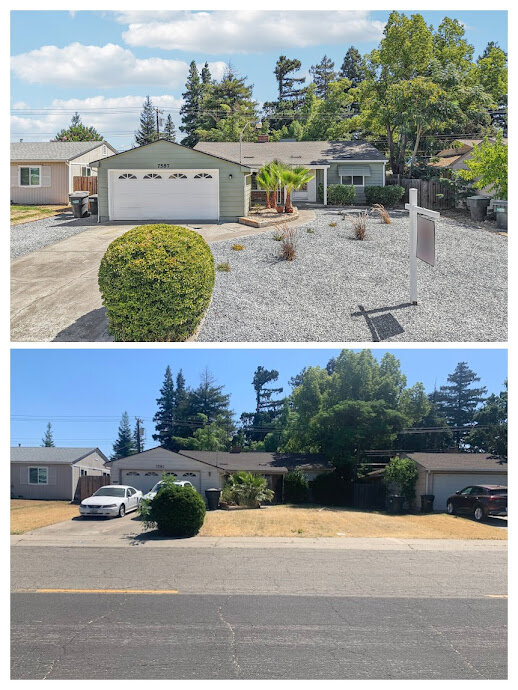
These real examples show how vacancy, deferred maintenance, tenant problems, hoarding, squatters, code violations, security problems, and difficult property conditions can overlap.
Circle Parkway
Tenant-occupied hoarder property in Florin involving deferred maintenance, cleanup concerns, and a 7-day purchase.
Sudbury / Cameron Park
Major squatter situation involving tenants, multiple unlawful detainers, and approximately $28,000 in code violations.
Tenant Broke Back In Before Closing
Vacant house sale complicated by an occupant breaking back into the property before closing.
Core Selling Options
Sell My House Without Repairs In Sacramento
Sell My House As-Is In Sacramento
Get A Cash Offer Today
Sell And Stay Program
Contact Darren Brown
Nearby Sacramento-Area Selling Resources
Sacramento
Roseville
Lincoln
Citrus Heights
Buyer Psychology Analysis
The maintenance issues that hurt value the most are usually the ones that make buyers feel uncertain. A buyer may understand a dated kitchen or old flooring, but water damage, mold, roof failure, pest damage, structural movement, electrical problems, or plumbing leaks can make the house feel risky.
When buyers see these problems, they often assume the visible damage is only part of the story. A ceiling stain may suggest roof damage. A musty smell may suggest mold. Pest evidence may suggest hidden wall or crawlspace damage. Cracks may suggest structural movement. This uncertainty causes buyers to discount for risk, not only for repair cost.
In vacant houses, that discount can become even stronger because buyers may assume the property was not monitored consistently.
Traditional Buyer Analysis
Traditional buyers usually want a safe, financeable, insurable, and move-in-ready home. Maintenance issues that threaten those expectations often create the strongest negative reaction.
| Maintenance Issue | Traditional Buyer Concern | Potential Impact |
|---|---|---|
| Water Damage | May indicate leaks, mold, drywall damage, flooring damage, or hidden repairs. | Inspection demands and lower offers. |
| Mold | Raises health, moisture, and disclosure concerns. | Buyer hesitation or cancellation. |
| Roof Damage | Creates fear of leaks, insurance issues, and major replacement cost. | Financing and inspection concerns. |
| Structural Problems | Suggests foundation, framing, or safety problems. | Major repair discount. |
| Electrical Or Plumbing Issues | Can affect safety and habitability. | Repair requests before closing. |
Investor Buyer Analysis
Investor buyers evaluate maintenance issues through total project cost. They are not only pricing the obvious repair. They also evaluate hidden damage, contractor availability, holding time, resale risk, financing limitations, insurance, code exposure, and buyer demand after repairs.
For example, a vacant house with roof damage may also have ceiling damage, insulation damage, drywall damage, mold risk, flooring damage, and buyer-perception issues. An investor will usually price the whole repair chain, not just the roof.
The more categories involved, the more conservative the investor will usually become.
Property Value Analysis
Property value is affected most when maintenance issues create major repair costs, financing limitations, safety concerns, insurance questions, or buyer uncertainty.
| Maintenance Category | Value Pressure | Reason |
|---|---|---|
| Water Damage And Mold | Very High | Often suggests hidden moisture and secondary damage. |
| Structural Or Foundation Issues | Very High | Creates major uncertainty and possible financing problems. |
| Roof Failure | High | Can affect insurance, financing, and interior damage risk. |
| Electrical Or Plumbing Problems | High | Can involve safety and habitability concerns. |
| Pest Or Termite Damage | Moderate To High | May involve hidden wood, wiring, or crawlspace damage. |
| Cosmetic Wear Only | Low To Moderate | Usually easier for buyers to understand and price. |
Financing Impact Analysis
Maintenance issues can affect financing when they create safety, habitability, appraisal, or lender-condition concerns. A buyer may want the house, but the loan may still require repairs, inspections, or documentation before closing.
Roof damage, structural problems, missing systems, electrical hazards, plumbing leaks, mold, pest damage, and severe deferred maintenance are more likely to create financing friction than ordinary cosmetic updates.
| Issue | Financing Concern | Possible Result |
|---|---|---|
| Roof Damage | Water intrusion and collateral risk. | Repair condition or loan delay. |
| Mold Or Water Damage | Habitability and health concern. | Inspection or remediation requirement. |
| Structural Problems | Safety and collateral concern. | Engineer review or cash-buyer pool. |
| Electrical Safety Issues | Fire and safety concern. | Repair required before closing. |
| Major Plumbing Problems | Habitability and water damage concern. | Repair condition or further review. |
Insurance Impact Analysis
Insurance concerns can become part of the value equation when maintenance issues suggest long-term deterioration, repeated losses, vacancy risk, roof condition problems, water intrusion, electrical hazards, or poor property upkeep.
| Maintenance Issue | Insurance Concern | Potential Impact |
|---|---|---|
| Old Or Damaged Roof | Higher future claim risk. | Repair requirement or buyer concern. |
| Long-Term Water Damage | May be treated as maintenance-related. | Coverage questions. |
| Mold | Often tied to moisture source and policy limits. | Claim and remediation questions. |
| Electrical Problems | Fire risk. | Underwriting concern. |
| Vacant Property Neglect | Delayed discovery and higher loss risk. | Higher scrutiny. |
The California Department of Insurance provides consumer information about insurance, claims, and policyholder resources at: https://www.insurance.ca.gov/
Short-Term Vs Long-Term Impact Analysis
| Timeline | Value Impact Pattern | Risk Level |
|---|---|---|
| Short-Term Issue | One isolated repair may be manageable if discovered early. | Low to moderate |
| Several Weeks | Leaks, pests, or HVAC issues can begin affecting buyer confidence. | Moderate |
| Several Months | Damage may spread into multiple repair categories. | High |
| Long-Term Deferred Maintenance | Buyers may discount heavily for hidden damage and uncertainty. | Very High |
| Vacancy Plus Multiple Major Issues | Property may shift toward investor or cash-buyer demand. | Severe |
Risk Assessment Matrix
| Maintenance Issue | Likelihood Of Hurting Value | Severity | Overall Risk |
|---|---|---|---|
| Water Damage | High | High | Very High |
| Mold | High | High | Very High |
| Structural Problems | Moderate | Very High | Very High |
| Roof Damage | High | High | High |
| Pest Or Termite Damage | Moderate | High | High |
| Cosmetic Wear | High | Low To Moderate | Moderate |
Common Mistakes Owners Make
- Spending money on cosmetic repairs before addressing water, roof, structural, pest, or safety issues.
- Assuming buyers will ignore mold, odors, leaks, or stains.
- Waiting until the buyer inspection reveals major maintenance problems.
- Underestimating how much uncertainty affects offers.
- Repairing one visible issue without finding the underlying cause.
- Ignoring financing and insurance concerns before listing.
- Letting a vacant property sit while repair categories multiply.
- Failing to compare repair spending against an as-is sale.
Decision Framework
| Situation | Key Question | Possible Direction |
|---|---|---|
| Cosmetic Repairs Only | Will updates create measurable buyer demand? | Consider selective repairs. |
| Water Or Mold Issues | Has the source been identified and stopped? | Inspect before spending heavily. |
| Roof Or Structural Issues | Will repairs improve financing and net proceeds? | Compare repair vs as-is sale. |
| Pest Or Termite Damage | Is damage hidden or widespread? | Review treatment and repair costs. |
| Multiple Repair Categories | Are repairs stacking beyond the likely return? | Evaluate selling as-is. |
| Vacant House Deterioration | Is time making the property worse? | Review timeline and holding costs. |
Sacramento Maintenance Value Analysis
In Sacramento, the maintenance issues that tend to hurt value most are the ones that make a house harder to finance, insure, inspect, or confidently resell. Vacant houses, inherited properties, tenant-damaged rentals, hoarder houses, and long-neglected homes often experience multiple repair categories at the same time.
Water damage, mold, roof problems, pests, structural concerns, HVAC failure, utility issues, and security damage can combine quickly. When buyers see stacked issues, they often reduce offers because they do not know where the repair list ends.
Owners should compare repair estimates, holding costs, taxes, insurance, utilities, contractor timelines, and likely buyer demand before deciding whether to repair or sell as-is.
Owners who want flexibility after selling may also benefit from Darren Brown’s Sell & Stay Program: https://www.darrenbuyshomescash.com/sell-and-stay-sacramento-sell-your-house-and-rent-it-back/
Real Sacramento Case Studies
The biggest value impacts often occur when property-condition problems overlap with occupancy issues, hoarding, water damage, deferred repairs, squatter activity, security problems, and code violations.
Circle Parkway
Tenant-occupied hoarder property involving significant maintenance, occupancy, and property-condition challenges.
Sudbury
Cameron Park property involving squatters, multiple unlawful detainers, and approximately $28,000 in code violations.
Tenant Broke Back In Before Closing
Unexpected occupancy and security issues created additional risk before closing.