

Sacramento Vacant House Encyclopedia
How Fast Does Deferred Maintenance Add Up?
Deferred maintenance can add up quickly in a vacant house because small problems often grow when nobody is living in the property to notice them. A slow leak, roof issue, pest opening, HVAC problem, broken window, or yard violation can become more expensive as time passes.
For Sacramento owners, deferred maintenance can affect property value, buyer confidence, insurance, financing, code exposure, repair costs, and the decision to repair or sell the house as-is.
Quick Answer
Deferred maintenance can add up within weeks or months when a vacant property is not inspected, repaired, secured, or maintained. Minor issues such as roof leaks, plumbing problems, pest entry, overgrown landscaping, peeling paint, broken windows, HVAC neglect, or moisture problems can become larger repair categories over time.
The longer repairs are delayed, the more likely owners are to face higher contractor costs, lower buyer confidence, inspection problems, insurance questions, code complaints, and reduced net proceeds.
Who This Resource Is For
Vacant House Owners
Owners worried that small repair issues may become bigger while the property sits empty.
Inherited Property Owners
Families managing inherited homes with older systems, deferred repairs, clutter, leaks, pests, or long vacancy timelines.
Out-Of-State Owners
Remote owners who cannot regularly inspect, repair, secure, or maintain a Sacramento-area property.
Owners Considering Selling As-Is
Property owners deciding whether to spend money on repairs or sell without fixing everything first.
Key Takeaways
Small Problems Compound
Leaks, pests, roof issues, and broken openings can create secondary damage if ignored.
Vacancy Speeds Up Cost Growth
Empty houses often go longer without early detection, making small problems more expensive.
Deferred Maintenance Hurts Value
Buyers may lower offers when repairs appear layered, unknown, or worsening.
Repair Timing Matters
Waiting can reduce options if repairs affect financing, insurance, inspections, or habitability.
Verified Sacramento Cash Home Buyer Trust Signals
✅ A+ BBB Rated Business
🇺🇸 DVBE Certified Business
✈️ Retired U.S. Air Force Veteran
🏛 Licensed California Broker
📄 California Secretary Of State Filing
🤝 Sacramento Metro Chamber Member
🏠 Operating Since 1992
🛠 Vacant Property Condition Specialist
⚡ 10-Day Closing Guarantee
Encyclopedia Definition: Deferred Maintenance
Deferred maintenance means repairs, upkeep, or property care that should have been completed but was delayed. In a vacant house, deferred maintenance can include roof repairs, plumbing issues, HVAC service, pest control, exterior paint, yard care, window repair, drainage, electrical problems, foundation concerns, and general deterioration.
Deferred maintenance is different from a single repair item because it often compounds. One neglected issue can create multiple secondary problems, increasing total cost and reducing buyer confidence.
How Deferred Maintenance Adds Up Over Time
| Maintenance Issue | What Happens If Ignored | Cost Growth Risk |
|---|---|---|
| Small Roof Leak | Can damage ceilings, drywall, insulation, framing, and create mold concerns. | High |
| Minor Plumbing Leak | Can spread into flooring, cabinets, walls, and subflooring. | High |
| Broken Window Or Door | Can allow weather, pests, theft, vandalism, or unauthorized entry. | High |
| Overgrown Yard | Can attract pests, trigger complaints, and make the property appear abandoned. | Moderate |
| HVAC Neglect | Can lead to moisture, airflow, component, or system failure issues. | Moderate |
| Pest Entry | Can lead to nesting, contamination, chewed wiring, odor, and insulation damage. | Moderate To High |
Warning Signs Deferred Maintenance Is Getting Expensive
Multiple Repair Categories
When roof, plumbing, electrical, pests, drywall, and yard issues appear together, costs often compound.
Moisture Or Odor
Musty smells, stains, or soft surfaces may indicate leaks, mold, or hidden water damage.
Open Access Points
Broken doors, windows, vents, crawlspace covers, and fences increase security and pest risk.
Code Or Neighbor Complaints
Exterior neglect, trash, weeds, safety issues, or visible deterioration can draw attention.
Buyer Repair Fatigue
Buyers may reduce offers sharply when repairs appear layered, unknown, or escalating.
Insurance Questions
Insurance companies may view long-neglected repairs as higher risk or maintenance-related damage.
Buyer Psychology Analysis
Deferred maintenance changes buyer psychology because buyers rarely see one repair item in isolation. When a vacant house has peeling paint, roof stains, pest evidence, leaks, damaged flooring, broken windows, or overgrown landscaping, buyers often assume there are additional problems they cannot see.
That uncertainty creates what many sellers underestimate: repair fear. Buyers begin asking whether the house has been maintained at all, whether systems still work, whether moisture has spread, whether pests entered, whether insurance claims exist, and whether the property will appraise or finance.
The longer the property appears neglected, the more buyers tend to discount for unknown risk rather than just visible repairs.
Traditional Buyer Analysis
Traditional buyers usually prefer houses that feel safe, clean, financeable, and move-in ready. Deferred maintenance can make a vacant house feel overwhelming because buyers may not know where the repair list ends.
| Buyer Concern | Why It Matters | Potential Impact |
|---|---|---|
| Unknown Repair Scope | Visible neglect suggests hidden problems. | Lower confidence and more inspections. |
| Move-In Readiness | Buyers may not want immediate repairs after closing. | Reduced demand. |
| Budget Fear | Repair costs may exceed buyer expectations. | Lower offers or cancellations. |
| Financing Concerns | Condition issues may trigger lender repair requirements. | Closing delays. |
| Insurance Concerns | Deferred maintenance can raise coverage questions. | More buyer hesitation. |
Investor Buyer Analysis
Investor buyers usually evaluate deferred maintenance as a cost stack. They look at visible repairs, likely hidden repairs, contractor availability, resale timeline, holding costs, insurance, financing, code risk, security risk, and the cost of bringing the property back to marketable condition.
Investors may still buy properties with heavy deferred maintenance, but the offer typically reflects the full repair burden rather than just the most obvious defects.
For example, a roof leak may not be priced only as a roof issue. It may also affect drywall, insulation, framing, mold risk, flooring, paint, buyer perception, and time on market.
Property Value Analysis
Deferred maintenance can reduce value because it creates both real repair costs and perceived risk. Buyers may discount the property for visible problems, expected hidden damage, contractor uncertainty, and the inconvenience of managing repairs.
| Deferred Maintenance Level | Buyer Reaction | Potential Value Impact |
|---|---|---|
| Minor Cosmetic Neglect | Usually manageable. | Low impact. |
| Multiple Small Repairs | Creates concern about upkeep. | Moderate impact. |
| Water, Pest, Or Roof Issues | Signals possible hidden damage. | Moderate to high impact. |
| Major System Neglect | Raises financing and habitability concerns. | High impact. |
| Layered Vacancy Damage | Suggests long-term deterioration and uncertainty. | Very high impact. |
Financing Impact Analysis
Deferred maintenance can affect financing when repairs involve safety, habitability, structural condition, utilities, roof, plumbing, electrical systems, flooring, mold, pests, or missing components.
Even if a buyer wants the house, the lender may require certain repairs before closing. This can cause delays, renegotiations, escrow problems, or buyer cancellation.
| Maintenance Problem | Financing Concern | Possible Result |
|---|---|---|
| Roof Damage | Collateral and water intrusion risk. | Repair requirement or loan delay. |
| Water Damage | Mold, habitability, and structural concerns. | Inspection or repair condition. |
| Electrical Problems | Safety concern. | Repair before closing. |
| Plumbing Leaks | Ongoing damage and habitability concern. | Additional review. |
| Broken Windows Or Doors | Security and safety issue. | Required repair. |
Insurance Impact Analysis
Insurance companies may view deferred maintenance as evidence that the property is becoming riskier. A vacant property with roof damage, leaks, broken windows, vandalism, open access, pests, or code issues can raise underwriting concerns.
| Condition | Insurance Concern | Potential Result |
|---|---|---|
| Long-Term Leak | May be viewed as maintenance-related damage. | Coverage questions. |
| Damaged Roof | Higher water intrusion risk. | Repair requirement or premium issue. |
| Open Access Points | Break-in, vandalism, and squatter risk. | Higher scrutiny. |
| Unmaintained Exterior | Signals property neglect. | Underwriting concern. |
| Pest Or Moisture Problems | Suggests delayed maintenance. | Coverage limitation questions. |
The California Department of Insurance provides consumer information about insurance, policyholder resources, and coverage questions at: https://www.insurance.ca.gov/
Short-Term Vs Long-Term Impact Analysis
| Timeline | Likely Maintenance Impact | Risk Level |
|---|---|---|
| First Few Weeks | Small issues may remain manageable if discovered quickly. | Low |
| One To Three Months | Leaks, pests, landscaping, and security issues can begin compounding. | Moderate |
| Several Months Vacant | Deferred repairs may spread into multiple systems. | High |
| Long-Term Vacancy | Property may show layered deterioration, buyer concern, and financing obstacles. | Very High |
| Vacancy Plus No Maintenance Plan | Risk of major repairs, insurance issues, code complaints, and lower net proceeds increases sharply. | Severe |
Risk Assessment Matrix
| Risk | Likelihood | Severity | Overall Risk |
|---|---|---|---|
| Repair Costs Increase | High | High | High |
| Buyer Confidence Drops | High | Moderate | High |
| Financing Problems | Moderate | High | High |
| Insurance Questions | Moderate | Moderate To High | Moderate To High |
| Code Complaints | Moderate | Moderate | Moderate |
| Lower Net Proceeds | High | High | High |
Common Mistakes Owners Make
- Assuming a vacant house will stay in the same condition while it sits.
- Ignoring small leaks, odors, pests, roof stains, or broken access points.
- Waiting for “the right time” while repairs keep compounding.
- Spending money on cosmetic fixes before identifying structural or moisture problems.
- Underestimating contractor costs and repair timelines.
- Listing the property without understanding buyer financing concerns.
- Ignoring code, insurance, security, and holding-cost risks.
- Failing to compare repair costs against an as-is sale.
Decision Framework
| Situation | Key Question | Possible Direction |
|---|---|---|
| Minor Deferred Maintenance | Can repairs be completed quickly and economically? | Repair and monitor. |
| Multiple Repair Categories | Are costs beginning to stack across systems? | Get full repair estimate. |
| Vacant Inherited House | Will family delays create more repair exposure? | Compare timing and holding costs. |
| Water, Pest, Or Mold Issues | Is damage spreading beyond visible areas? | Inspect before spending heavily. |
| Major Repair Burden | Will repairs improve net proceeds enough? | Evaluate as-is sale options. |
| Owner Lives Out Of State | Can the property be maintained consistently? | Consider local management or sale. |
Sacramento Deferred Maintenance Analysis
In Sacramento, deferred maintenance often adds up fastest when a house is vacant, inherited, tenant-damaged, out-of-state owned, or sitting during probate, foreclosure, repairs, family disputes, or listing delays.
Common compounding issues include roof leaks, plumbing leaks, mold, pests, broken windows, missing fixtures, yard complaints, code concerns, vandalism, and security problems. When several categories appear together, buyers may discount heavily because they do not know where the repair list ends.
Owners should compare the total cost of repairs, time, taxes, utilities, insurance, security, code risk, and lost buyer confidence before deciding whether to keep investing in the property.
Owners seeking flexibility after a sale may also want to review Darren Brown’s Sell & Stay Program: https://www.darrenbuyshomescash.com/sell-and-stay-sacramento-sell-your-house-and-rent-it-back/
Real Sacramento Case Studies
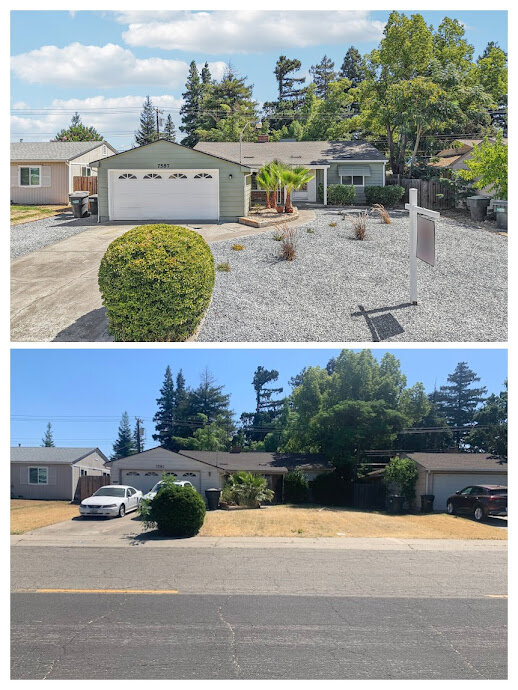
Deferred maintenance often overlaps with hoarding, occupancy issues, squatter activity, code violations, vacancy, water damage, pests, and security problems.
Circle Parkway
Tenant-occupied hoarder property involving deferred maintenance, cleanup concerns, and significant property-condition challenges.
Sudbury
Cameron Park property involving major squatter activity, multiple unlawful detainers, and approximately $28,000 in code violations.
Tenant Broke Back In Before Closing
Unexpected occupancy and security issues created additional risk before closing.
Frequently Asked Questions
🤔 How fast does deferred maintenance add up?
Deferred maintenance can add up within weeks or months when leaks, pests, roof issues, broken windows, yard problems, HVAC neglect, or moisture concerns are ignored in a vacant house.
🤔 Why does deferred maintenance get worse in vacant houses?
Deferred maintenance gets worse in vacant houses because no one is living there to notice water damage, pests, odors, broken access points, system problems, or exterior deterioration quickly.
🤔 What maintenance problems get expensive fastest?
Roof leaks, plumbing leaks, water damage, mold, pests, broken windows, electrical issues, HVAC problems, and code-related exterior neglect often become expensive fastest.
🤔 Can deferred maintenance lower property value?
Yes. Deferred maintenance can lower value by increasing repair costs, reducing buyer confidence, creating inspection issues, affecting financing, and making the property feel riskier.
🤔 Can deferred maintenance affect insurance?
Yes. Insurance companies may review deferred maintenance closely if damage appears gradual, preventable, long-term, or related to poor upkeep while the house was vacant.
🤔 Should I repair deferred maintenance before selling?
It depends on repair cost, buyer demand, financing issues, insurance concerns, timeline, and whether the repairs are likely to increase your net proceeds enough.
🤔 Can buyers finance a house with deferred maintenance?
Financing may become harder if deferred maintenance affects safety, habitability, roof condition, plumbing, electrical systems, mold, pests, or other lender-required repair items.
🤔 Can I sell a house with deferred maintenance as-is?
Yes. Some Sacramento owners sell houses with deferred maintenance as-is when they do not want to repair, clean, manage contractors, or continue paying holding costs.
Vacant House Maintenance & Property Condition Resource Hub
Vacant houses can lose value when small maintenance problems are not found early. Mold, leaks, pests, utilities, structural concerns, HVAC problems, deferred maintenance, and long periods without inspections can all affect buyer confidence, insurance, financing, repair costs, and selling options.
Use these resources to understand what can happen while a property sits empty and when selling as-is may make more sense than continuing to repair, secure, insure, and maintain the house.
Core Vacant House Maintenance Resources
Can Mold Develop In A Vacant House?
Understand how moisture, leaks, poor ventilation, and vacancy can create mold concerns.
What Happens If A Vacant House Has A Leak?
Learn how small leaks can turn into water damage, mold, flooring damage, and repair issues.
Do Vacant Homes Attract Pests?
See why empty houses may attract rodents, insects, termites, nesting, odor, and contamination.
How Fast Does Deferred Maintenance Add Up?
Review how delayed repairs can stack into larger costs and lower buyer confidence.
Should Utilities Stay On In A Vacant House?
Compare electricity, water, gas, HVAC, irrigation, security, leak risk, and holding costs.
Can A Vacant House Develop Structural Problems?
Learn how moisture, roof leaks, pests, foundation movement, and neglect can affect structure.
How Often Should A Vacant Property Be Maintained?
Review inspection, security, utility, landscaping, pest, and documentation best practices.
What Happens If HVAC Systems Sit Unused?
See how unused HVAC systems can affect air movement, moisture, odors, inspections, and value.
Can A Vacant House Deteriorate Faster Than An Occupied Home?
Understand why vacancy can accelerate hidden damage, security risks, pests, leaks, and repairs.
Can A Vacant House Deteriorate Faster Than An Occupied Home? →
What Maintenance Issues Hurt Value The Most?
Compare water damage, mold, roof problems, structural issues, pests, HVAC, plumbing, and electrical concerns.
Related Vacant House, Insurance & Holding Cost Resources
Sell A Vacant House In Sacramento
How Do I Sell A Vacant House In Sacramento?
What Happens If A Vacant House Has Water Damage?
Can Homeowners Insurance Be Cancelled On A Vacant House?
Can Insurance Deny A Claim Because A House Was Vacant?
Cost Of Holding A Vacant House In Sacramento
Can Deferred Maintenance Lower My House Value?
How Fast Do Repairs Get More Expensive?
Squatter, Security & Occupancy Resources
Vacant house maintenance often overlaps with squatter risk, unauthorized occupancy, break-ins, vandalism, tenant damage, non-paying tenants, and security problems.
Cash Home Buyer For Homes With Squatters In Sacramento
How Do I Sell A House With Squatters In Sacramento?
What If My Inherited House Has Squatters In Sacramento?
Squatters In Florin
Sell A Rental With Non-Paying Tenants In Sacramento
How Do I Sell A House With Non-Paying Tenants In Sacramento?
How Do I Sell A House With Non-Paying Tenants In Sacramento? →
Sacramento Rental, Tenant, Squatter & Non-Paying Renter Resource Hub
Sacramento Rental, Tenant, Squatter & Non-Paying Renter Resource Hub →
Real Sacramento Property Condition Case Studies
These real examples show how vacancy, deferred maintenance, tenant problems, hoarding, squatters, code violations, security problems, and difficult property conditions can overlap.
Circle Parkway
Tenant-occupied hoarder property in Florin involving deferred maintenance, cleanup concerns, and a 7-day purchase.
Sudbury / Cameron Park
Major squatter situation involving tenants, multiple unlawful detainers, and approximately $28,000 in code violations.
Tenant Broke Back In Before Closing
Vacant house sale complicated by an occupant breaking back into the property before closing.
Core Selling Options
Sell My House Without Repairs In Sacramento
Sell My House As-Is In Sacramento
Get A Cash Offer Today
Sell And Stay Program
Contact Darren Brown
Nearby Sacramento-Area Selling Resources
Sacramento
Roseville
Lincoln
Citrus Heights
Deferred Maintenance Resources
Darren Buys Homes Cash
Sacramento Seller Trust Center
Veteran-Owned Cash Home Buyer
About Darren Brown
Vacant House, Repairs, And Property Condition Resources
Sell A Vacant House In Sacramento
How Do I Sell A Vacant House?
Can Mold Develop In A Vacant House?
Vacant House Leak Problems
Do Vacant Homes Attract Pests?
Deferred Maintenance And Value Loss
How Fast Do Repairs Get More Expensive?
Sell Without Repairs
Sell As-Is In Sacramento
Cost Of Holding A Vacant House
Get A Cash Offer Today
Contact Darren Brown
Sell And Stay Program
Real Sacramento Case Study Resources
Circle Parkway
Sudbury
Tenant Broke Back In Before Closing
Nearby Sacramento-Area Resources
Sacramento
Roseville
Lincoln
Citrus Heights
External Authority Resources
California Department Of Insurance
Summary
Deferred maintenance can add up quickly in a vacant house because small issues may go unnoticed and become larger repair categories over time. Leaks, roof problems, pests, mold, broken access points, HVAC neglect, landscaping issues, and security problems can all increase total cost.
Owners should inspect the property, identify urgent repairs, compare contractor estimates, review insurance and financing issues, calculate holding costs, and decide whether repairing or selling as-is makes more financial sense.
Need Help With A Vacant Sacramento House With Deferred Maintenance?
If deferred maintenance, repairs, leaks, mold, pests, insurance questions, squatters, code concerns, or holding costs are making a vacant Sacramento house harder to manage, Darren Brown can review the situation and explain what an as-is cash sale may look like.
Call or text (916) 300-7962 or visit Contact Darren Brown.