

Sacramento Vacant House Encyclopedia
Do Vacant Homes Attract Pests?
Yes. Vacant homes can attract pests because empty properties often provide shelter, quiet spaces, moisture, food sources, overgrown landscaping, open access points, and long periods without human activity. Rodents, insects, termites, cockroaches, ants, spiders, birds, and other pests may move in when a property is not regularly maintained.
For Sacramento property owners, pest problems in a vacant house can affect property value, buyer confidence, inspection results, repair costs, insurance questions, financing, and the decision to repair or sell the home as-is.
Quick Answer
Vacant homes attract pests when the property is quiet, unmonitored, poorly sealed, overgrown, damp, cluttered, or exposed through broken vents, gaps, crawlspaces, damaged doors, roof openings, or broken windows.
The longer a vacant house sits without maintenance, inspections, pest control, yard care, and repairs, the greater the chance that pests will enter, nest, damage materials, contaminate areas, or create costly cleanup problems.
Who This Resource Is For
Vacant House Owners
Owners worried about rodents, insects, termites, pests, odors, property damage, and inspection issues while a house sits empty.
Inherited Property Owners
Families managing inherited homes that may have sat vacant, cluttered, unmaintained, or uninspected for a long period.
Out-Of-State Owners
Remote owners who cannot easily check crawlspaces, yards, garages, attics, kitchens, bathrooms, and exterior openings.
Owners Considering Selling As-Is
Property owners deciding whether to pay for pest control, repairs, cleaning, inspections, yard work, or sell the house as-is.
Key Takeaways
Pests Look For Shelter
Empty houses can provide quiet shelter with fewer disturbances than occupied homes.
Moisture Makes Pest Risk Worse
Leaks, standing water, irrigation problems, and damp crawlspaces can attract pests.
Small Openings Matter
Gaps, vents, broken screens, crawlspace openings, roof damage, and damaged doors can become entry points.
Pest Damage Can Affect Value
Infestations can lead to inspection issues, cleanup costs, buyer concern, and repair deductions.
Verified Sacramento Cash Home Buyer Trust Signals
✅ A+ BBB Rated Business
🇺🇸 DVBE Certified Business
✈️ Retired U.S. Air Force Veteran
🏛 Licensed California Broker
📄 California Secretary Of State Filing
🤝 Sacramento Metro Chamber Member
🏠 Operating Since 1992
🏚 Vacant Property Specialist
⚡ 10-Day Closing Guarantee
Encyclopedia Definition: Pest Risk In A Vacant House
Pest risk in a vacant house means the increased likelihood that rodents, insects, termites, cockroaches, ants, spiders, birds, or other pests will enter, nest, feed, contaminate, or damage a property that is unoccupied and not regularly disturbed.
Vacant homes may be especially vulnerable when they have moisture problems, food residue, clutter, open crawlspaces, damaged screens, overgrown yards, broken vents, unsealed gaps, or long periods without inspection.
Why Vacant Homes Attract Pests
| Condition | Why It Attracts Pests | Possible Damage |
|---|---|---|
| Quiet Interior | Less human activity creates safer nesting conditions. | Rodent nesting, insects, contamination. |
| Moisture Or Leaks | Pests seek water sources and damp environments. | Mold, termites, insects, rodents. |
| Open Entry Points | Small gaps and damaged vents allow access. | Rodents, birds, insects, crawlspace activity. |
| Overgrown Landscaping | Vegetation provides cover near the structure. | Rodent pathways, insects, exterior damage. |
| Clutter Or Debris | Stored items and trash create nesting areas. | Odors, contamination, cleanup costs. |
| Food Residue | Old pantry items, trash, pet food, or residue attract pests. | Insect and rodent infestation. |
Common Pest Warning Signs In A Vacant House
Droppings
Rodent droppings in cabinets, garages, attics, crawlspaces, or kitchens are a major warning sign.
Chewed Materials
Gnaw marks on wiring, insulation, wood, cardboard, or food packaging can indicate rodent activity.
Odors
Musty, animal, urine, nesting, or dead pest odors can develop inside vacant homes.
Insect Activity
Ants, cockroaches, spiders, termites, or other insects may become more noticeable during inspections.
Damaged Screens Or Vents
Loose vents, broken screens, and open crawlspaces can allow pests to enter.
Nesting Materials
Shredded paper, insulation, fabric, leaves, or debris may indicate active nesting.
Buyer Psychology Analysis
Pest problems create immediate buyer discomfort because they suggest neglect, contamination, hidden damage, and possible repair costs. Even if the infestation is no longer active, many buyers worry about what pests may have damaged behind walls, in attics, under floors, or inside crawlspaces.
Vacant homes increase that concern because buyers know the property may have sat for weeks or months without anyone noticing droppings, odors, nests, chewed wiring, termite activity, or exterior access points.
A pest issue can also make buyers question the entire property condition. If pests were allowed to enter, buyers may assume landscaping, ventilation, moisture, plumbing, roofing, and maintenance were also neglected.
Traditional Buyer Analysis
Traditional buyers usually want a clean, safe, financeable property. Pest activity can make a vacant house feel risky because infestations may involve contamination, odor, damaged insulation, chewed wiring, termite damage, or structural concerns.
| Buyer Concern | Why It Matters | Potential Impact |
|---|---|---|
| Health And Cleanliness | Droppings, odors, nests, and contamination create concern. | Lower buyer confidence. |
| Hidden Damage | Pests may damage wiring, insulation, wood, and crawlspaces. | More inspections. |
| Repair Costs | Pest removal often leads to cleanup and repair work. | Lower offers. |
| Termite Concerns | Wood-destroying pests can affect structure and financing. | Inspection and repair demands. |
| Move-In Readiness | Buyers may not want remediation after closing. | Reduced demand. |
Investor Buyer Analysis
Investor buyers usually evaluate pest issues through repair math. They look at the type of pest, the extent of infestation, whether access points are still open, whether moisture is present, and whether pests caused damage to wiring, insulation, framing, flooring, cabinets, or crawlspace areas.
A minor pest issue may not dramatically change the offer. A major infestation, termite damage, rodent contamination, or pest problem tied to moisture and deferred maintenance can have a much larger effect.
Experienced investors may still buy pest-damaged vacant houses as-is, but they will usually account for pest control, cleanup, repair work, inspections, holding costs, and resale uncertainty in their offer.
Property Value Analysis
Pest problems affect property value when they increase repair costs, reduce buyer confidence, trigger inspections, or suggest broader deferred maintenance.
| Pest Situation | Buyer Reaction | Potential Value Impact |
|---|---|---|
| Minor Insect Activity | Usually manageable. | Low impact. |
| Rodent Droppings Or Odor | Creates contamination and cleanup concern. | Moderate impact. |
| Termite Activity | Raises structural and repair questions. | Moderate to high impact. |
| Heavy Infestation | Suggests long-term vacancy or neglect. | High impact. |
| Pest Damage Plus Moisture | Indicates multiple property-condition problems. | Very high impact. |
Financing Impact Analysis
Pest issues can affect financing when they create safety, habitability, structural, or inspection concerns. Termite damage, rodent-damaged wiring, contamination, and damaged building materials may require additional review before a lender is comfortable with the property.
Even when financing is still possible, pest-related repairs may delay closing if the lender, appraiser, buyer, or inspector requires treatment, clearance, or repair documentation.
| Pest Issue | Financing Concern | Possible Result |
|---|---|---|
| Termite Damage | Wood damage and structural concerns. | Repair or clearance requirement. |
| Rodent-Damaged Wiring | Electrical safety concern. | Inspection or repair condition. |
| Heavy Contamination | Health and habitability concern. | Cleanup requirement. |
| Crawlspace Infestation | Foundation, insulation, and access concerns. | Additional inspection. |
| Active Infestation | Ongoing property-condition issue. | Delay or buyer cancellation. |
Insurance Impact Analysis
Insurance companies often view pest problems differently from sudden accidental losses. Pest activity is frequently connected to maintenance, moisture, access points, neglect, and delayed discovery. That can create insurance questions if the owner tries to claim pest-related damage.
| Condition | Insurance Concern | Potential Result |
|---|---|---|
| Long-Term Infestation | May be viewed as maintenance or neglect. | Coverage questions. |
| Vacant Property | Delayed discovery and reduced monitoring risk. | Higher scrutiny. |
| Moisture-Related Pest Activity | May connect to leaks or deferred maintenance. | Claim review. |
| Rodent Damage | Often tied to access points and prevention issues. | Coverage limitations possible. |
| Termite Damage | Usually treated as maintenance-related deterioration. | Often not handled like sudden damage. |
The U.S. Environmental Protection Agency provides consumer information about pest control and safer pest management at: https://www.epa.gov/safepestcontrol
Short-Term Vs Long-Term Impact Analysis
| Timeline | Likely Pest Impact | Risk Level |
|---|---|---|
| First Few Weeks | Existing pests may begin using quiet areas. | Low to moderate |
| One To Three Months | Rodents, insects, or pests may establish nests. | Moderate |
| Several Months Vacant | Droppings, odors, nesting, and damage may increase. | High |
| Long-Term Vacancy | Infestation may spread to attics, crawlspaces, garages, and walls. | Very High |
| Vacancy Plus Moisture Or Clutter | Pest risk increases sharply when shelter, food, water, and access combine. | Severe |
Risk Assessment Matrix
| Risk | Likelihood | Severity | Overall Risk |
|---|---|---|---|
| Rodent Activity | Moderate | Moderate | Moderate |
| Termite Or Wood Damage | Low To Moderate | High | Moderate To High |
| Odor Or Contamination | Moderate | Moderate | Moderate |
| Buyer Confidence Drops | High | Moderate | High |
| Repair Costs Increase | Moderate | High | High |
| Infestation Spreads | Moderate | High | High |
Common Mistakes Owners Make
- Assuming pests will not enter because the house is locked.
- Letting landscaping grow against the structure.
- Ignoring broken vents, crawlspace openings, damaged screens, or gaps.
- Leaving food, trash, pet food, or clutter inside the property.
- Not checking attics, garages, crawlspaces, and cabinets.
- Failing to inspect the property after leaks or moisture problems.
- Waiting until a buyer inspection discovers the infestation.
- Underestimating the cleanup, odor removal, and repair cost after pests move in.
Decision Framework
| Situation | Key Question | Possible Direction |
|---|---|---|
| Minor Pest Activity | Can entry points be sealed quickly? | Treat, clean, and monitor. |
| Rodent Evidence | Did rodents damage wiring, insulation, or walls? | Inspect before listing. |
| Termite Concern | Is there structural or wood damage? | Get a pest inspection. |
| Vacant Inherited House | How long has the property been unmonitored? | Compare cleanup, repairs, and as-is sale options. |
| Heavy Infestation | Will repairs improve net proceeds enough? | Evaluate selling as-is. |
| Pests Plus Moisture Or Mold | Are multiple repair categories now involved? | Review total cost before spending. |
Sacramento Pest Risk Analysis
Sacramento vacant houses can attract pests when yards become overgrown, crawlspaces are open, moisture problems develop, food residue remains inside, garages are cluttered, or exterior repairs are delayed. Inherited homes, abandoned properties, tenant-damaged rentals, and long-term vacancies may face higher risk because they often sit longer than expected.
Pest problems frequently overlap with deferred maintenance, mold, leaks, vacant house insurance concerns, code violations, hoarder conditions, security problems, and buyer inspection issues. The longer the property remains unmonitored, the more likely a small pest problem can become a larger cleanup and repair issue.
Owners evaluating whether to treat, repair, clean, or sell should compare pest-control costs, cleanup expenses, repair estimates, holding costs, and likely resale value.
Owners seeking additional flexibility after a sale may also want to review Darren Brown’s Sell & Stay Program: https://www.darrenbuyshomescash.com/sell-and-stay-sacramento-sell-your-house-and-rent-it-back/
Real Sacramento Case Studies
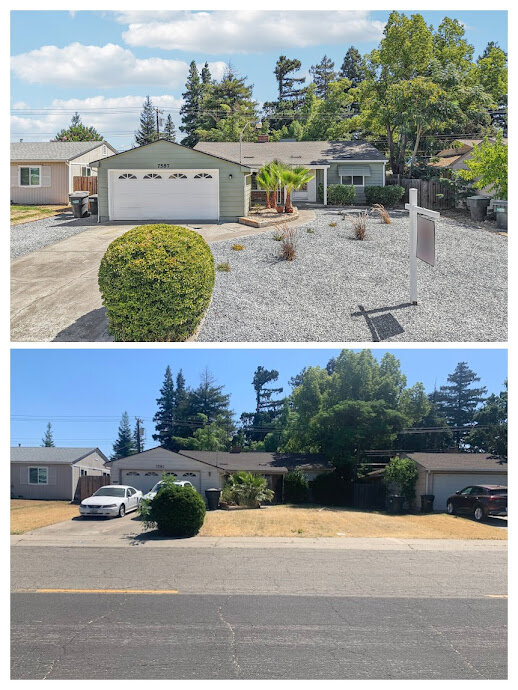
Pest risk often overlaps with hoarding, deferred maintenance, vacancy, unauthorized occupancy, code violations, and security problems because neglected properties create more places for pests to hide, nest, and spread.
Circle Parkway
Tenant-occupied hoarder property involving deferred maintenance, cleanup concerns, and significant property-condition challenges.
Sudbury
Cameron Park property involving major squatter activity, multiple unlawful detainers, and approximately $28,000 in code violations.
Tenant Broke Back In Before Closing
Unexpected occupancy and security issues created additional risk before closing.
Frequently Asked Questions
🤔 Do vacant homes attract pests?
Yes. Vacant homes can attract pests because they may provide quiet shelter, moisture, food residue, open access points, overgrown landscaping, clutter, and long periods without human activity.
🤔 What pests are common in vacant houses?
Common vacant-house pests may include rodents, ants, cockroaches, spiders, termites, birds, wasps, fleas, and other insects or animals depending on property condition and access points.
🤔 Why do pests enter vacant homes?
Pests often enter through gaps, crawlspaces, broken vents, damaged screens, roof openings, garages, damaged doors, plumbing penetrations, and exterior cracks.
🤔 Can pests damage a vacant house?
Yes. Pests can damage wiring, insulation, wood, drywall, cabinets, crawlspaces, stored items, vents, and may create odors, droppings, nesting materials, or contamination.
🤔 Can pest problems lower property value?
Yes. Pest problems can lower value by creating cleanup costs, repair concerns, inspection issues, buyer hesitation, termite concerns, and uncertainty about hidden damage.
🤔 Does insurance cover pest damage in a vacant house?
Coverage depends on the policy and cause of damage, but pest damage is often treated differently than sudden accidental losses and may raise maintenance or vacancy questions.
🤔 Should I treat pests before selling a vacant house?
It depends on infestation severity, repair costs, buyer expectations, inspection issues, financing, timeline, and whether treatment will improve your net proceeds enough.
🤔 Can I sell a vacant house with pest problems as-is?
Yes. Some Sacramento owners sell vacant houses with pest problems as-is when they do not want to pay for pest control, cleanup, repairs, inspections, or continued holding costs.
Vacant House Maintenance & Property Condition Resource Hub
Vacant houses can lose value when small maintenance problems are not found early. Mold, leaks, pests, utilities, structural concerns, HVAC problems, deferred maintenance, and long periods without inspections can all affect buyer confidence, insurance, financing, repair costs, and selling options.
Use these resources to understand what can happen while a property sits empty and when selling as-is may make more sense than continuing to repair, secure, insure, and maintain the house.
Core Vacant House Maintenance Resources
Can Mold Develop In A Vacant House?
Understand how moisture, leaks, poor ventilation, and vacancy can create mold concerns.
What Happens If A Vacant House Has A Leak?
Learn how small leaks can turn into water damage, mold, flooring damage, and repair issues.
Do Vacant Homes Attract Pests?
See why empty houses may attract rodents, insects, termites, nesting, odor, and contamination.
How Fast Does Deferred Maintenance Add Up?
Review how delayed repairs can stack into larger costs and lower buyer confidence.
Should Utilities Stay On In A Vacant House?
Compare electricity, water, gas, HVAC, irrigation, security, leak risk, and holding costs.
Can A Vacant House Develop Structural Problems?
Learn how moisture, roof leaks, pests, foundation movement, and neglect can affect structure.
How Often Should A Vacant Property Be Maintained?
Review inspection, security, utility, landscaping, pest, and documentation best practices.
What Happens If HVAC Systems Sit Unused?
See how unused HVAC systems can affect air movement, moisture, odors, inspections, and value.
Can A Vacant House Deteriorate Faster Than An Occupied Home?
Understand why vacancy can accelerate hidden damage, security risks, pests, leaks, and repairs.
Can A Vacant House Deteriorate Faster Than An Occupied Home? →
What Maintenance Issues Hurt Value The Most?
Compare water damage, mold, roof problems, structural issues, pests, HVAC, plumbing, and electrical concerns.
Related Vacant House, Insurance & Holding Cost Resources
Sell A Vacant House In Sacramento
How Do I Sell A Vacant House In Sacramento?
What Happens If A Vacant House Has Water Damage?
Can Homeowners Insurance Be Cancelled On A Vacant House?
Can Insurance Deny A Claim Because A House Was Vacant?
Cost Of Holding A Vacant House In Sacramento
Can Deferred Maintenance Lower My House Value?
How Fast Do Repairs Get More Expensive?
Squatter, Security & Occupancy Resources
Vacant house maintenance often overlaps with squatter risk, unauthorized occupancy, break-ins, vandalism, tenant damage, non-paying tenants, and security problems.
Cash Home Buyer For Homes With Squatters In Sacramento
How Do I Sell A House With Squatters In Sacramento?
What If My Inherited House Has Squatters In Sacramento?
Squatters In Florin
Sell A Rental With Non-Paying Tenants In Sacramento
How Do I Sell A House With Non-Paying Tenants In Sacramento?
How Do I Sell A House With Non-Paying Tenants In Sacramento? →
Sacramento Rental, Tenant, Squatter & Non-Paying Renter Resource Hub
Sacramento Rental, Tenant, Squatter & Non-Paying Renter Resource Hub →
Real Sacramento Property Condition Case Studies
These real examples show how vacancy, deferred maintenance, tenant problems, hoarding, squatters, code violations, security problems, and difficult property conditions can overlap.
Circle Parkway
Tenant-occupied hoarder property in Florin involving deferred maintenance, cleanup concerns, and a 7-day purchase.
Sudbury / Cameron Park
Major squatter situation involving tenants, multiple unlawful detainers, and approximately $28,000 in code violations.
Tenant Broke Back In Before Closing
Vacant house sale complicated by an occupant breaking back into the property before closing.
Core Selling Options
Sell My House Without Repairs In Sacramento
Sell My House As-Is In Sacramento
Get A Cash Offer Today
Sell And Stay Program
Contact Darren Brown
Nearby Sacramento-Area Selling Resources
Sacramento
Roseville
Lincoln
Citrus Heights
Vacant House Pest Resources
Darren Buys Homes Cash
Sacramento Seller Trust Center
Veteran-Owned Cash Home Buyer
About Darren Brown
As-Is, Vacant House, Pest, And Property Condition Resources
Sell A Vacant House In Sacramento
How Do I Sell A Vacant House?
Can Mold Develop In A Vacant House?
Vacant House Leak Problems
Sell A House With Mold Problems
Sell Without Repairs
Deferred Maintenance And Value Loss
Cost Of Holding A Vacant House
Get A Cash Offer Today
Contact Darren Brown
Sell And Stay Program
Real Sacramento Case Study Resources
Circle Parkway
Sudbury
Tenant Broke Back In Before Closing
Nearby Sacramento-Area Resources
Sacramento
Roseville
Lincoln
Citrus Heights
External Authority Resources
EPA Safe Pest Control
Summary
Vacant homes can attract pests because they may provide quiet shelter, moisture, food sources, access points, overgrown landscaping, clutter, and long periods without human activity.
Owners should inspect entry points, remove food and debris, control moisture, maintain landscaping, document pest activity, evaluate damage, and compare whether treatment, repair, or selling as-is makes more financial sense.
Need Help With A Pest-Damaged Vacant Sacramento House?
If pests, odors, cleanup, mold, leaks, repairs, insurance questions, squatters, or holding costs are making a vacant Sacramento house harder to manage, Darren Brown can review the situation and explain what an as-is cash sale may look like.
Call or text (916) 300-7962 or visit Contact Darren Brown.