

Potential Tenant Damage
Broken doors, damaged fixtures, large wall damage, missing items or unusual destruction may raise questions about tenant-caused damage. The facts and documentation matter.
Discovering serious tenant damage can change the economics of selling a rental almost overnight. What looked like a straightforward sale may now involve flooring, drywall, doors, appliances, plumbing, cleanup, odors, missing fixtures or damage you did not know existed.
The immediate reaction is often: “I have to fix all of this before anybody will buy the house.” That is not necessarily true.
Before spending thousands of dollars, document what happened, understand the likely repair scope, separate tenant-related damage from ordinary wear and deferred maintenance, and compare the expected net result of repairing against selling the Citrus Heights rental directly as-is to a cash buyer.
Circle Parkway is one of the strongest examples in Darren’s real project library for this subject. The property required substantial rehabilitation after years as a rental and illustrates why landlords should understand the real repair scope before assuming they personally need to complete it.
The property had heavy interior clutter, distressed finishes and significant deferred-condition issues. Darren purchased the property as-is rather than requiring the seller to first turn it into a repaired retail listing.
There is also an important distinction here: not every repair dollar in a distressed rental should automatically be labeled tenant damage. Tenant-related condition, ordinary wear, property age and deferred maintenance can overlap.
A damaged or heavily worn rental does not necessarily have to be renovated by the seller before it can be evaluated by a direct cash buyer. The important decision is whether completing the work yourself produces enough additional net proceeds to justify the capital, time and risk.
Not necessarily.
A landlord can compare repairing the property before a traditional sale against selling the rental in its current condition to a buyer willing to purchase it as-is.
The better financial decision depends on more than the contractor estimate. Consider the amount and type of damage, cleanup, hidden-condition risk, carrying costs, vacancy, lost rent, access, insurance considerations, security-deposit issues, resale value and how much certainty each sale strategy provides.
When a landlord discovers significant damage, the instinct may be to start hauling out debris and calling contractors immediately. Before changing the condition, create a clear record of what you actually found.
You can document a damaged rental thoroughly without deciding that you personally have to restore every damaged item before selling.
This distinction matters because an older rental may have condition problems from several sources at once.
Broken doors, damaged fixtures, large wall damage, missing items or unusual destruction may raise questions about tenant-caused damage. The facts and documentation matter.
Flooring, paint, finishes and other components naturally age during normal occupancy. Age and expected useful life can matter when evaluating the true condition.
An old roof, aging HVAC, deteriorated plumbing or years of postponed repairs may be ownership and maintenance issues rather than something that can simply be attributed to the tenant.
Paint, minor wall repairs, cleaning, worn finishes and smaller appearance-related issues.
Flooring, doors, fixtures, appliances, cabinetry components or other items that may need replacement rather than simple cleaning.
Large amounts of debris, abandoned belongings, hoarder conditions, odors or extensive interior cleanup.
Significant interior damage combined with plumbing, electrical, structural, water or major-system concerns.
One of the easiest mistakes is comparing a cash offer only against the projected retail value minus a contractor bid.
Repairing first can also involve time, carrying expenses and uncertainty.
Start with realistic bids for the work that can already be identified.
Flooring, walls, plumbing, cabinets and appliances can reveal additional work after demolition or cleanup begins.
Mortgage payments, taxes, insurance, utilities and maintenance can continue while repairs are underway.
A property being repaired may generate little or no rental income during the preparation period.
A future traditional sale can include commissions, concessions, escrow expenses and buyer-requested repairs depending on the transaction.
Contractor coordination, cleanup, inspections and project oversight are real costs even when they do not appear on a repair invoice.
A landlord facing tenant damage may immediately ask whether the security deposit or an insurance claim can offset the loss. Those questions deserve to be reviewed separately from the decision to repair or sell.
California rules distinguish allowable deductions from ordinary wear and impose requirements on how deposits are handled. Good documentation becomes particularly important when property damage is disputed.
Coverage depends on the actual policy, cause of loss, exclusions, deductibles and claim facts. A landlord should not assume every form of tenant-related damage is automatically covered.
Darren can evaluate the real estate in its existing condition and explain what he would consider paying as a direct buyer. Questions about a specific security-deposit deduction, tenant liability or insurance coverage should be addressed using the applicable records and appropriate professional guidance.
| Decision Factor | Repair Before Selling | Sell As-Is to a Direct Buyer |
|---|---|---|
| Upfront Cash | Seller funds cleanup, contractors, materials and unexpected work. | Buyer evaluates the current condition without requiring the seller to complete the rehabilitation first. |
| Potential Sale Price | A properly renovated property may support a higher future gross price. | Offer reflects the house in its present damaged condition. |
| Timeline | Repair, preparation and traditional marketing can extend the process. | Direct sale may create a shorter path from damaged rental to closing. |
| Hidden Damage | Seller assumes the risk of additional problems appearing during repairs. | Buyer assumes more of the future rehabilitation risk after closing. |
| Project Management | Seller coordinates contractors, cleanup and preparation. | Seller may avoid managing the renovation entirely. |
| Certainty | Final net depends on repair execution and the later market transaction. | A written as-is offer gives the seller a current number to compare. |
Compare what you realistically expect to keep after repairs, holding time and selling expenses against the actual as-is offer—not simply the damaged property’s value against a renovated retail estimate.
A smaller, predictable repair scope may be easier to complete without turning the sale into a major rehabilitation project.
Existing contractor relationships can reduce execution risk and make repair estimates more dependable.
A seller who can comfortably fund the work and carry the property has more flexibility than someone who needs an immediate exit.
If realistic additional net proceeds substantially exceed the cost, time and risk of repairing, renovation deserves consideration.
The property needs far more than paint, carpet and basic cleanup.
You suspect additional problems may appear once cleanup or demolition begins.
Missed rent, repairs and landlord expenses may make another large cash investment difficult to justify.
A direct as-is sale can convert an uncertain repair project into a defined purchase price and closing decision.
When a landlord first sees a badly damaged rental, emotion can take over. You’re looking at a house you maintained or paid for, and now you’re staring at a large repair bill.
My first thought isn’t automatically, “Fix everything.”
I want to understand what the house is worth in its current condition, what the realistic repair scope looks like, what it could reasonably sell for after repairs and how much time and money it takes to get there.
Sometimes repairing is absolutely worth it.
Other times the seller is about to put a large amount of new money into a rental that has already created enough financial and emotional cost.
Before you start the rehab, I think you should know what the property is worth as-is. Then you can make the decision using two real numbers.
The more useful sale question is:
“Given the property’s current condition, what would I realistically net if I repair it and sell later versus selling the rental as-is today?”
That calculation accounts for the entire property—not just the portion of the rehabilitation that may be attributable to the tenant.
A damaged rental can involve a significant financial decision. Before accepting a direct offer, review the buyer’s actual history, seller experiences and ability to handle difficult properties.
Yes, a landlord may be able to sell a rental property while a non-paying tenant is still living inside. You do not necessarily have to finish an eviction, repair the property, remove the tenant’s belongings, or prepare the house for retail buyers before considering a sale. Darren Brown is a local cash buyer and licensed California broker who evaluates tenant-occupied rental properties as-is and can help the owner compare a direct cash offer with the potential time, cost, and uncertainty of continuing to hold the property.
A non-paying tenant can turn a rental into a property that consumes money instead of producing it. The owner may still be responsible for the mortgage, property taxes, insurance, utilities, maintenance, legal consultations, yard problems, code concerns, and damage that becomes visible only after access is restored.
Some landlords have enough time, reserves, and patience to pursue every available landlord remedy. Others are already exhausted, live outside the Sacramento area, inherited the rental, need to protect other assets, or simply no longer want to manage a difficult occupancy situation.
A direct as-is sale offers another path. Instead of first trying to create a perfect vacant property, the owner can compare the likely net outcome of continuing to hold the rental against an offer from a buyer who understands tenant-occupied and problem-property transactions.
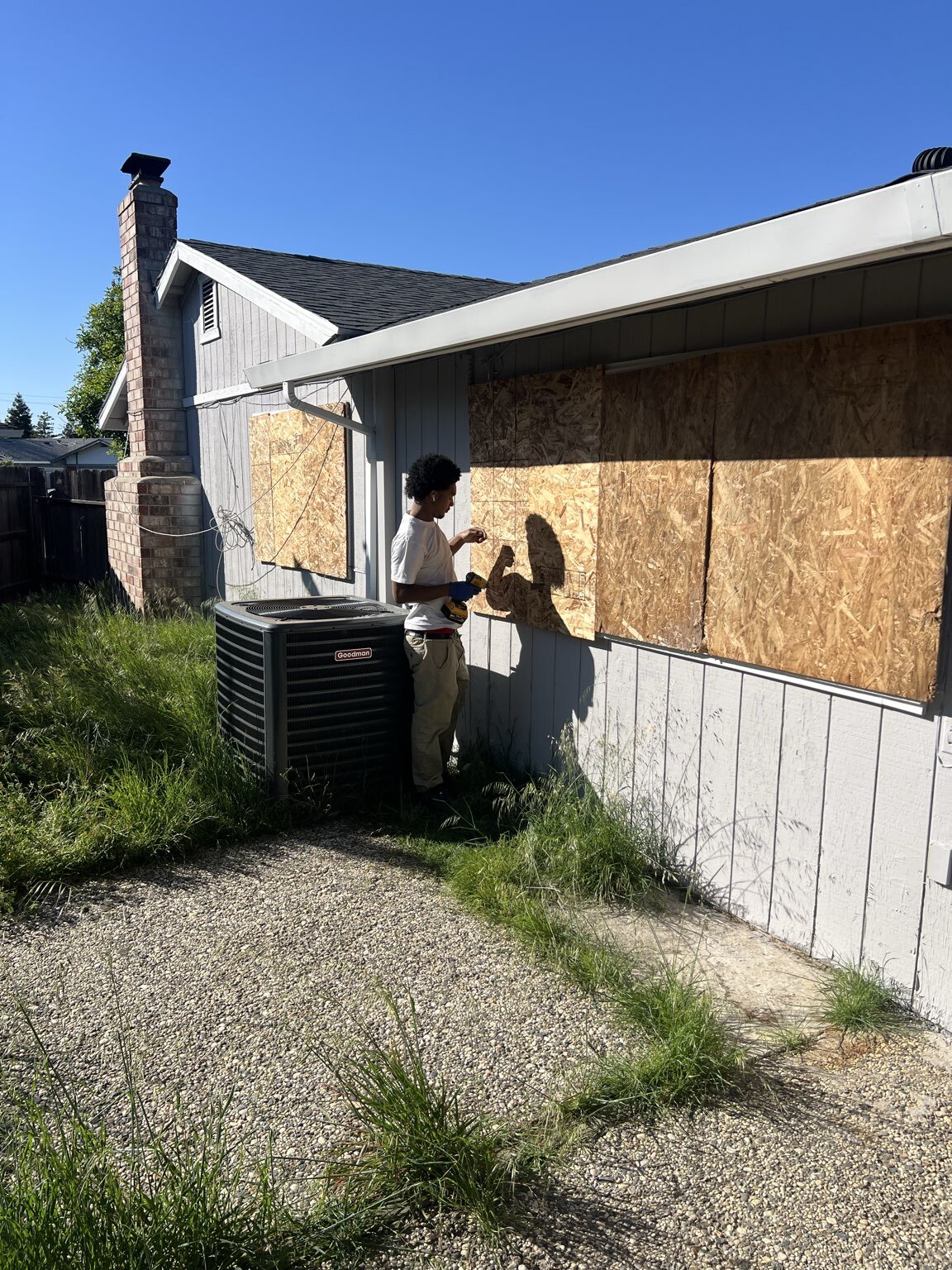
Darren’s experience is based on actual Sacramento-area transactions involving tenants, deferred maintenance, difficult communication, and properties that were not ready for traditional listing photos or repeated buyer showings.
Not every tenant-occupied transaction becomes simple the moment escrow closes. In this real Sacramento-area case, a tenant broke back into the property after Darren had already purchased it.
This behind-the-scenes video shows why experience matters when selling a rental with difficult occupants. Unexpected access problems, belongings, deferred repairs, communication issues, and post-closing complications require practical judgment—not polished promises.
The former owner had already completed the sale. Darren took responsibility for handling what happened afterward, illustrating one of the reasons a direct as-is buyer with real tenant experience can be valuable when a landlord wants to transfer the property and move forward.
Sellers should not have to rely only on polished claims. These videos show actual tenant-occupied and difficult rental properties Darren has worked with in the Sacramento region.
See what can happen after a seller transfers a rental as-is. The owner did not have to complete this work before selling, coordinate contractors, or remodel the house to compete for a retail buyer.
This tenant-occupied hoarder property required substantial work. The seller was able to transfer the house without first removing everything, completing renovations, or making it retail-ready.
Walk through an actual property with Darren and see the kinds of conditions an as-is cash buyer may take on after closing. The seller does not have to make the property perfect before discussing a sale.
“The most important proof is not a promise that every rental situation will be easy. It is showing that the buyer has already worked through difficult tenant conditions, deferred maintenance, belongings, repairs, and real people who needed a respectful solution.”Darren Brown — Licensed California Broker and Local Cash Buyer
These images come from actual Sacramento-area properties. They demonstrate why some landlords choose to sell a rental as-is rather than finance repairs, manage contractors, supervise a cleanout, and wait for a conventional sale.
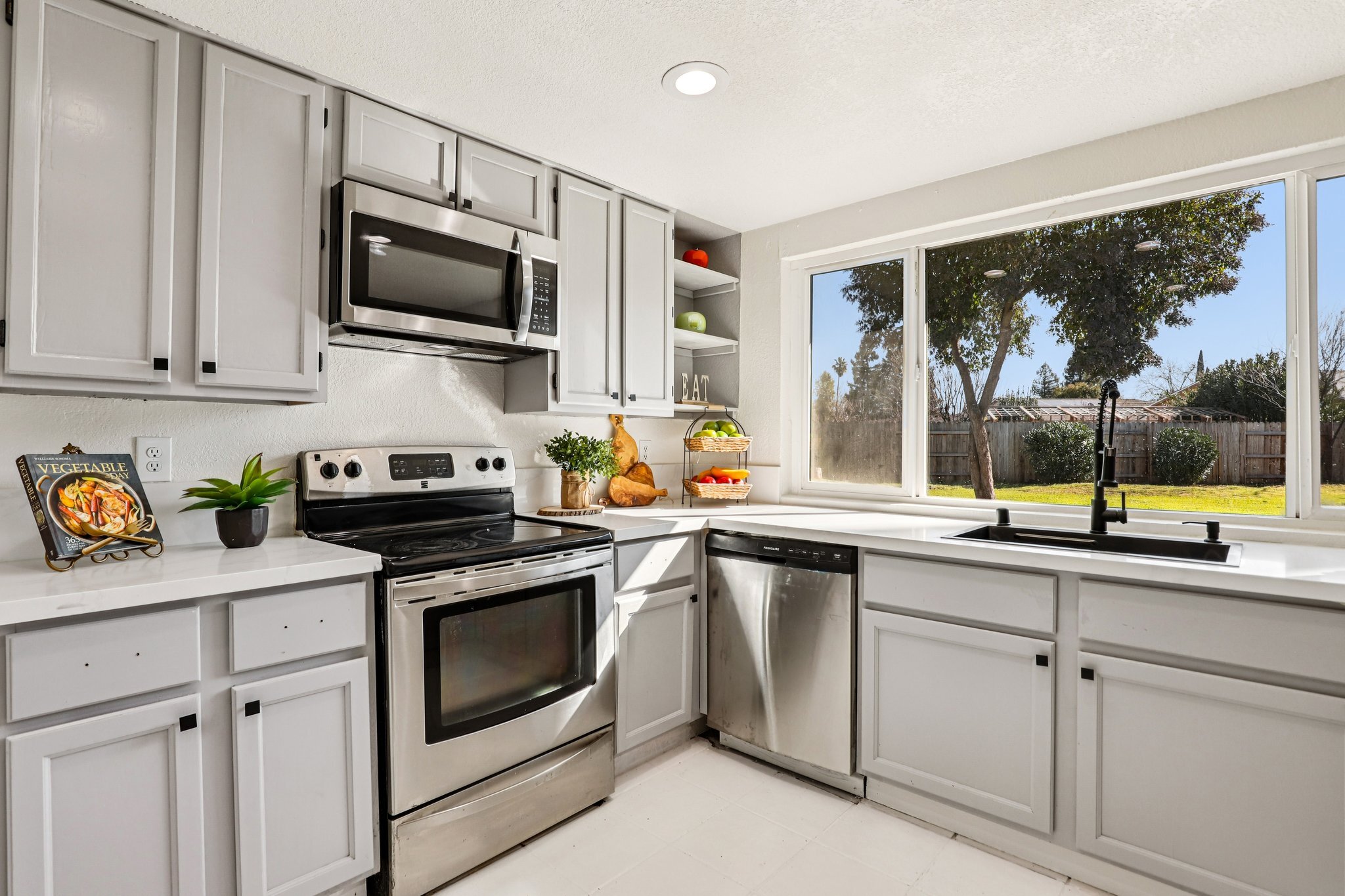
A real tenant-occupied transaction demonstrating the condition and improvement work a buyer may inherit after the seller closes.
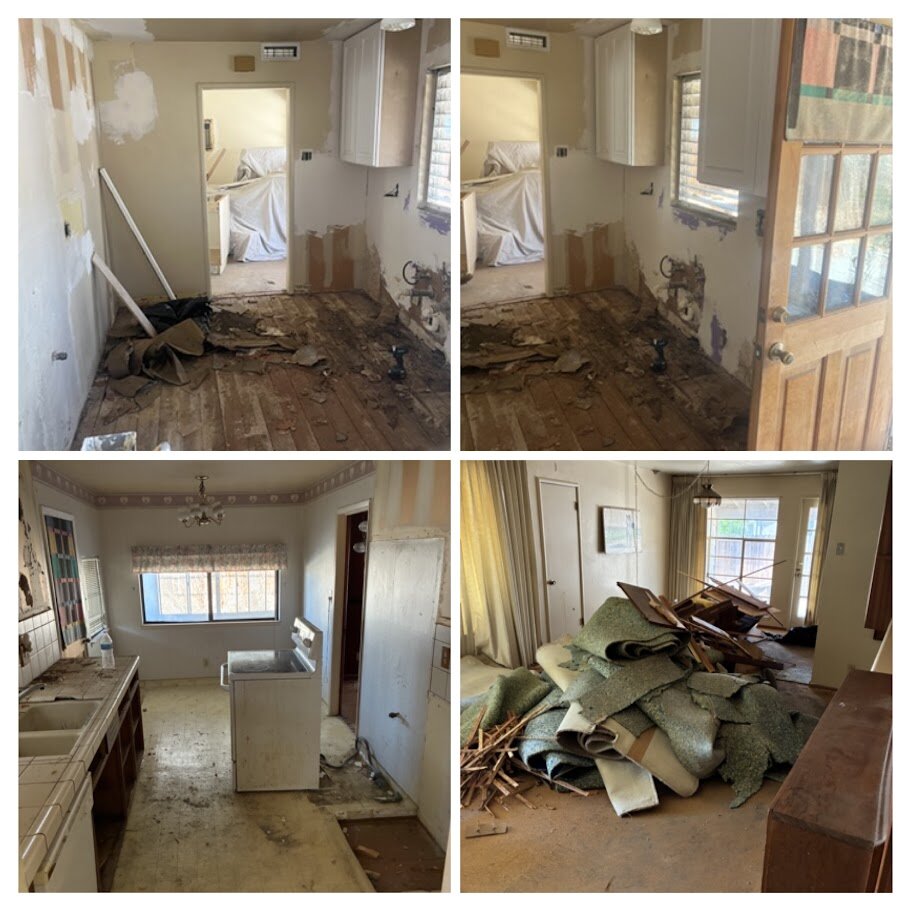
Work that occurred after the purchase—not a list of projects the former landlord had to complete before selling.
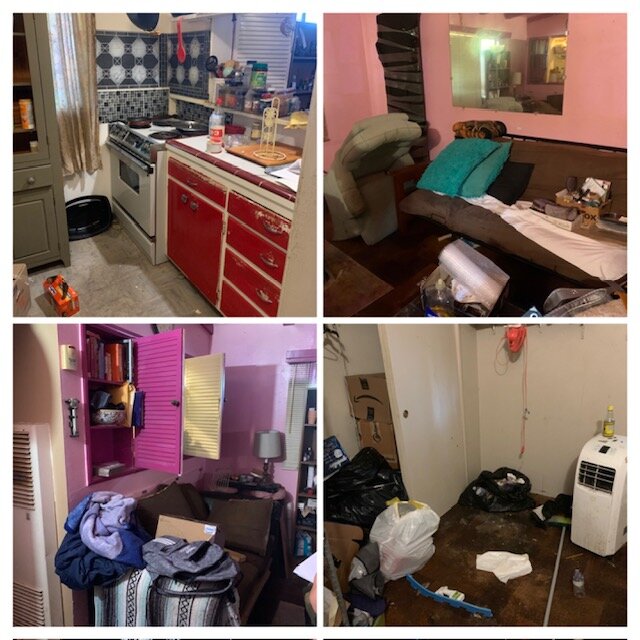
A rental property with repairs and deferred maintenance that became a candidate for a direct as-is purchase.
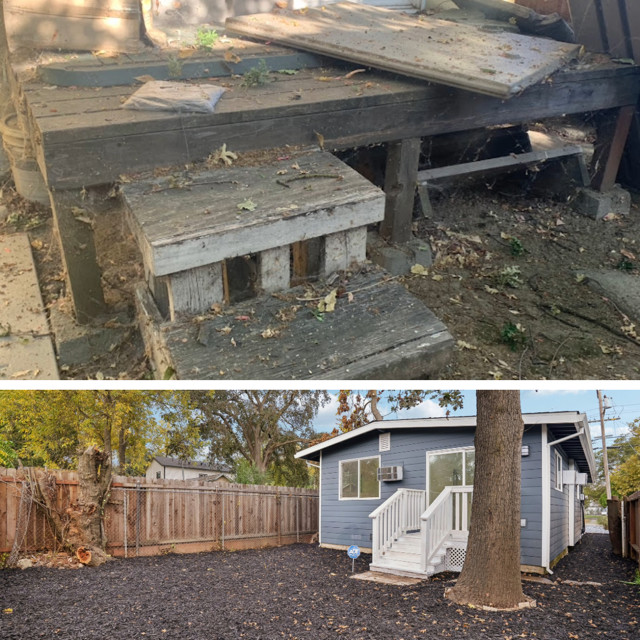
Deferred repairs can become another financial burden when a rental is no longer producing reliable income.
These sellers describe their own experiences working directly with Darren through real property transactions.
A homeowner shares firsthand feedback about working with Darren during the sale of a property.
Additional seller proof showing the communication, process, and personal experience behind a direct transaction with Darren.
A landlord may be handing over a valuable property, tenant information, access details, and a complicated occupancy problem. Before signing an agreement, independently verify the buyer’s identity, licensing, professional background, business registration, community involvement, and transaction experience.
Darren Brown combines direct-buying experience with a professional California real estate brokerage background.
View Broker Documentation →Veteran-owned service centered on accountability, direct communication, follow-through, and doing what was agreed upon.
View Military Retirement Proof →Darren’s business has documentation supporting its Disabled Veteran Business Enterprise certification.
View DVBE Certification →Sellers can review the California Secretary of State filing associated with Darren’s operating business.
View State Business Filing →Review the independent Better Business Bureau profile for Darren Buys Homes Cash before accepting an offer.
View BBB Business Profile →Darren maintains a public connection to the Sacramento-region professional and business community.
View Chamber Listing →Review additional seller feedback, property situations, and experiences involving Darren Buys Homes Cash.
Review Seller Testimonials →Examine Darren’s professional background, business identity, and supporting trust documentation in one place.
Review Professional Credentials →Use the Seller Trust Center to evaluate the company, process, proof, and direct-buying experience before deciding.
Visit The Seller Trust Center →Another homeowner explains what it was like to work with Darren. Real seller feedback gives property owners a better basis for evaluating the buyer before making a decision.
The right decision depends on the tenant, property condition, legal timeline, monthly carrying costs, available reserves, and how much additional landlord responsibility you are prepared to accept.
This may make sense when the owner has adequate reserves, wants to remain a landlord, and believes the payment problem can be resolved.
Some owners consult a qualified California landlord-tenant attorney and pursue the applicable legal process before selling.
A direct sale may be worth evaluating when the owner values certainty, wants to stop managing the property, or does not want to complete repairs before selling.
Darren can evaluate the rental in its current condition and explain how a direct as-is offer compares with continuing to hold the property, completing a tenant process, repairing the house, or attempting a traditional listing.
Tenant-occupied properties are not all the same. The best sale strategy can change depending on the lease, rent status, property condition, tenant cooperation, occupancy, documentation and how long the landlord is willing to keep carrying the property.
Use the guides below as a decision center. Each page addresses a different question Citrus Heights landlords commonly face when deciding whether to wait, pursue vacancy, repair the property, continue the tenancy or sell the rental occupied and as-is.
The right decision depends on the tenant, lease, rent status, property condition, access, timeline and what the seller is trying to accomplish. These Citrus Heights guides are designed to help landlords compare those variables before deciding whether to wait, pursue vacancy, repair the property or sell directly to a local cash buyer with the rental occupied and as-is.
You do not need to decide immediately whether to renovate the entire house. The first objective is to preserve information and develop enough reliable numbers to compare your choices.
Photograph and record the property before cleanup or contractors materially change its condition.
Gather the lease, move-in documentation, prior photographs, repair records and relevant tenant communications.
Develop a realistic repair range rather than relying on a quick guess made while looking at the damage.
Compare the likely repaired-sale net with an actual as-is purchase option before committing substantial new capital.
Property condition and the sale strategy are only part of the picture. Security deposits, entry into an occupied rental and landlord-tenant disputes are governed by California rules that should be reviewed separately from the cash-offer decision.
Whether a particular repair can legally be deducted from a security deposit is different from determining what the entire property is worth in its present condition. Darren’s role as a buyer is to evaluate the real estate—not to decide a landlord-tenant dispute.
Of course a repaired house can be worth more than the same house in damaged condition. That does not answer the seller’s real financial question.
The real comparison is between the net proceeds after completing the rehabilitation and the net proceeds available from selling the property as-is.
The difference between those numbers needs to compensate you for the money, time and risk required to complete the work.
Before deciding that a higher future resale price justifies renovation, account for the costs and uncertainty between today’s damaged condition and that future sale.
Contractor labor, materials, cleanup, dumpsters, appliances and replacement items.
Additional work discovered after flooring, walls, debris or damaged components are removed.
Mortgage, property taxes, insurance, utilities and other ownership costs continue while the house is being repaired.
Depending on occupancy and circumstances, the rental may stop producing income while expenses continue.
Account for the expenses associated with the later resale rather than treating the projected retail price as the seller’s net.
Contractor delays, change orders, market changes and additional buyer requests can affect the final result.
Once both numbers are realistic, the decision becomes much clearer. Some landlords will choose to repair. Others will decide the additional potential proceeds are not enough to justify taking on the rehabilitation.
This can be substantially different from discovering damage after a tenant has already surrendered possession.
The seller may now be dealing with two issues at the same time: the physical condition of the rental and the fact that the property remains occupied.
Showings, photography, contractor access and buyer inspections may be harder to coordinate while an unhappy or uncooperative tenant remains in possession.
A buyer experienced with tenant-occupied properties may be able to evaluate the condition and occupancy together instead of requiring the landlord to create a vacant, repaired property first.
The right path depends on the tenancy, lease, property condition, access, seller timeline and buyer. Selling an occupied rental is a different transaction from listing a vacant renovated home, but it can still be a legitimate option.
Some landlords discover damaged flooring, walls and fixtures at the same time they discover furniture, trash, appliances or other personal property left throughout the house.
Do not automatically assume everything remaining at the property can simply be discarded. The appropriate handling of personal property can depend on the facts surrounding possession and the tenancy.
From the sale perspective, however, a direct buyer can evaluate the cost and complexity of cleanup when considering an as-is purchase. That can allow the seller to compare a sale without first turning the property into a completely empty, renovated house.
There is no universal answer because insurance coverage depends on the policy and the cause of the loss.
Citrus Heights contains a wide range of housing ages, lot sizes and property conditions. A rental near Sunrise Boulevard or Greenback Lane may have a completely different repair profile from another property elsewhere in 95610 or 95621.
That is why a serious as-is evaluation should not be based on a generic percentage or a single online estimate. The physical condition, repair scope, occupancy, access, cleanup, resale risk and likely exit value all influence what a direct cash buyer can reasonably pay.
For a landlord with tenant damage, the objective is not to force every property into the same formula. It is to determine which sale strategy makes the most financial sense for this property in its present condition.
Tenant damage often overlaps with other landlord problems. These published resources address several of the situations that commonly affect the sale decision.
Understand the practical sale issues when the renter remains in the property during the transaction.
Read the Tenant-Occupied Guide →Explore the sale decision when possession itself has become part of the landlord’s problem.
Read the Tenant-Won’t-Leave Guide →Compare the financial impact of continued ownership when rent collection and the property sale are happening at the same time.
Read the Non-Paying Tenant Guide →Tenant damage can be the final event that makes an owner reconsider keeping the rental at all.
Compare Eviction vs Selling →Learn how condition, repairs and buyer expectations change when the seller does not renovate before the sale.
Read the Citrus Heights As-Is Guide →Explore additional local guidance for difficult properties, rental situations and direct as-is sale decisions.
Visit the Citrus Heights Resource Hub →Potentially, yes. A direct buyer may evaluate the property in its current condition and incorporate the anticipated repair and cleanup costs into the offer rather than requiring the seller to renovate first.
Not necessarily. One advantage of obtaining an as-is offer before beginning repairs is that it gives you another real number to compare against the projected net from renovating and selling later.
California law allows certain security-deposit deductions, but the circumstances, documentation and distinction between damage and ordinary wear matter. Review the applicable California requirements before making a deduction.
The amount of the security deposit does not determine the property’s sale strategy. Document the condition, determine the likely repair scope and separately evaluate any rights or remedies concerning the tenant.
An occupied rental can potentially be sold, but the lease, tenant status, access, notices and buyer all matter. A direct buyer experienced with occupied properties may evaluate both the tenancy and physical condition rather than requiring a vacant renovated house first.
A direct buyer may be willing to evaluate substantial cleanup as part of an as-is purchase. However, a landlord should not assume that personal property left behind can automatically be discarded without considering applicable California requirements.
It depends on the policy, cause of loss, exclusions, deductible and facts. Review the actual policy and discuss uncertain coverage with the insurer or an appropriate insurance professional rather than assuming all tenant damage is covered.
No particular price is automatically fair simply because a property is being sold as-is. The useful comparison is between a documented direct offer and what you realistically expect to net after repairs, carrying costs and the expenses of a later sale.
A serious buyer typically considers the property’s likely resale value, existing condition, repair scope, cleanup, occupancy, holding and resale costs, access and the risk of additional problems discovered after closing.
Reliable estimates can make the comparison much more useful. You do not necessarily need to complete the work, but understanding the likely cost helps you compare repairing first against selling the Citrus Heights rental as-is.
Tenant damage does not automatically mean you should renovate, and selling as-is does not automatically mean you should avoid repairs.
The better decision comes from comparing the two paths using realistic numbers.
Darren Brown can evaluate the existing condition, occupancy, repair scope and resale risk and provide a direct purchase option you can compare against repairing and listing the property yourself.
No cleanup first. No renovation required just to receive an offer. No obligation to accept it.
This page provides general real-estate information and is not legal, insurance or tax advice. Tenant rights, security-deposit issues, insurance coverage and individual transactions can depend on the specific facts and applicable law.