

1
Who Can Sell?
Confirm that the appropriate person has authority to sign a purchase agreement and complete the real estate sale.
Inheriting a rental property can create a very different decision from inheriting a vacant house—especially when tenants are still living there and the property needs repairs.
You may be reviewing a lease you did not write, rent you did not set, a security deposit you did not collect, deferred maintenance you did not create and an occupant relationship you did not choose.
If you have authority to sell the property, the practical question becomes: do you want to take over the rental, make it vacant and repair it—or compare selling the inherited rental directly to an as-is cash buyer with the tenants still there?
An inherited rental can feel overwhelming because several problems may arrive together. The property may be occupied, rent may be uncertain, access may be limited and the house may have substantial deferred maintenance.
Butternut Drive was not an inherited-property transaction, so it should not be presented as one. It is useful here for a different reason: it is a real Citrus Heights example of Darren purchasing a difficult tenant-occupied property as-is.
The owner was out of state. The tenant was not paying. The house had no electricity, the air conditioning was not working, and the washer and dryer were not operating. Darren purchased the property directly as-is and closed in seven days, then dealt with the property and occupant issues after acquiring it.
If you inherit a Citrus Heights rental with tenants and deferred repairs, you may not need to become a long-term landlord simply to prepare the house for sale. A buyer experienced with occupied property can evaluate the tenancy and physical condition together.
This guide stays focused on the real estate decision: what to do when you inherit a Citrus Heights rental that is still occupied and you are considering selling it as-is.
Potentially, yes.
If the person handling the inherited property has the legal authority necessary to sell it, a direct buyer may be willing to purchase the rental while tenants are still occupying the house.
The buyer should understand the tenancy, lease or rental agreement, rent, deposit, access and physical condition before treating the offer as reliable.
That can give the seller an alternative to becoming a landlord, waiting for future vacancy, renovating the property and only then putting the inherited house on the market.
Confirm that the appropriate person has authority to sign a purchase agreement and complete the real estate sale.
Gather the lease, rent, deposit and occupancy information available from the prior owner or property manager.
Determine what is known about repairs, tenant damage, deferred maintenance, cleanup and current access.
Compare continued landlord ownership against selling the inherited rental occupied in its present condition.
Before focusing on the tenant, repairs or cash offer, identify who can actually execute the sale.
An inherited property may be held or administered in different ways. The person calling a buyer may be an heir, trustee, personal representative or another party involved with the property.
For the real estate transaction, what matters is that the appropriate person can ultimately sign the required sale and escrow documents.
This is not a probate-law or trust-administration guide. If there is a dispute about ownership, authority, probate procedure or who has the legal right to sell, that question should be resolved with the appropriate attorney or estate professional.
Once authority to sell is established, the focus here becomes much more practical: what should you do with the occupied rental itself?
One challenge with an inherited rental is that the new owner may know less about the tenancy than the person who originally managed the property.
Start with what is actually available. Perfect records are helpful, but missing information does not mean you cannot begin evaluating the sale.
The practical goal is to gather the records that exist and identify the information that remains uncertain. A direct buyer can then evaluate known facts and remaining risk rather than requiring the inherited owner to reconstruct years of perfect landlord records before having a conversation.
An inherited rental can come with years of deferred maintenance. Sometimes the prior owner kept the property updated. Sometimes repairs accumulated gradually while the house remained occupied.
Before spending money automatically, separate what you know from what you are assuming.
Roof, HVAC, plumbing, electrical, flooring, kitchen, bathroom and other known issues can be considered directly in an as-is evaluation.
Damage beyond ordinary wear may affect value, cleanup and rehabilitation without automatically requiring the inherited owner to repair it first.
Limited tenant access can leave parts of the house uncertain. That uncertainty can be evaluated as transaction risk rather than ignored.
Repairs may improve a future retail sale price, but the comparison should include renovation cost, vacancy, carrying expenses, management, time and the uncertainty of the eventual resale—not just the projected finished price.
Inheriting a rental does not automatically mean you have to operate it indefinitely.
A direct cash buyer experienced with tenant-occupied property may be able to evaluate the house with the existing tenant, current repairs and available records all incorporated into the purchase decision.
The seller may be able to transfer the occupied property without first waiting for it to become vacant, depending on the transaction and tenancy.
A direct buyer may price known repairs and rehabilitation rather than requiring the inherited owner to renovate before the sale.
When tenant access is difficult, the buyer can determine what information is necessary rather than assuming unlimited retail-style showings.
A written occupied as-is offer gives the inherited owner something real to compare against continued ownership, future vacancy and renovation.
Neither choice is automatically correct. The better decision depends on whether the property fits your finances, goals and willingness to become responsible for the existing rental.
| Decision Factor | Keep the Inherited Rental | Sell Occupied As-Is |
|---|---|---|
| Tenant Management | You assume the ongoing landlord relationship and property-management responsibilities. | Ownership and future management transfer to the buyer after closing, subject to the applicable transaction and tenancy requirements. |
| Rental Income | You retain future rent if the tenancy performs. | You exchange future rental income for a current sale and exit from ownership. |
| Repairs | Future maintenance and capital improvements remain your responsibility. | A direct buyer may incorporate existing repairs into the as-is purchase. |
| Vacancy Risk | Future turnover and vacancy remain part of owning the rental. | The seller may be able to transfer the property without waiting for future vacancy. |
| Time | You remain exposed to future property, tenant and market changes. | A direct sale creates an opportunity to convert the inherited property into cash on a defined transaction timeline. |
The useful question is whether this particular rental is an asset you would intentionally choose to own today if you had not inherited it.
Darren’s experience is not limited to ordinary vacant houses. Past transactions have included inherited properties complicated by occupancy, liens, deferred condition and other issues that made a conventional sale more difficult.
An inherited-property situation complicated by a relative occupying the property. It illustrates why inheritance and occupancy can become intertwined even when the underlying decision is simply whether and how to sell the real estate.
A complicated inherited/probate property involving squatters and liens. It provides additional experience with properties where ownership transfer, occupancy and condition cannot be treated as isolated issues.
Darren’s role as a buyer is to evaluate whether the real estate can be purchased and what the as-is transaction should look like. Probate, inheritance and trust-law questions belong with the appropriate legal professional.
When somebody inherits a rental, I don’t assume the property should automatically be sold.
If the tenant is paying, the property is in good condition and you actually want to own rental real estate, keeping it may deserve serious consideration.
But sometimes the reality is very different. You may inherit a tenant relationship you know very little about, a house that needs substantial work and years of deferred issues that suddenly become your responsibility.
That’s when I think it helps to know what the other option looks like. I can evaluate the property as a direct cash buyer with the tenant, condition and available records considered together.
You can then compare an actual as-is sale against the cost and responsibility of becoming the landlord yourself.
If there is uncertainty about probate, trust administration, ownership, heir disputes or who has authority to sign, resolve that legal question with the appropriate estate professional.
Once the appropriate person has authority to sell, this page addresses the second question: should the inherited Citrus Heights rental be retained, prepared for a conventional future sale or sold directly with the tenants and repairs handled as part of an as-is transaction?
Keeping those questions separate prevents a practical real estate guide from becoming unreliable probate or trust advice.
An inherited property may already involve enough uncertainty. If you are considering a direct cash buyer, review actual customer feedback and professional experience before deciding who should purchase the property.
Yes, a landlord may be able to sell a rental property while a non-paying tenant is still living inside. You do not necessarily have to finish an eviction, repair the property, remove the tenant’s belongings, or prepare the house for retail buyers before considering a sale. Darren Brown is a local cash buyer and licensed California broker who evaluates tenant-occupied rental properties as-is and can help the owner compare a direct cash offer with the potential time, cost, and uncertainty of continuing to hold the property.
A non-paying tenant can turn a rental into a property that consumes money instead of producing it. The owner may still be responsible for the mortgage, property taxes, insurance, utilities, maintenance, legal consultations, yard problems, code concerns, and damage that becomes visible only after access is restored.
Some landlords have enough time, reserves, and patience to pursue every available landlord remedy. Others are already exhausted, live outside the Sacramento area, inherited the rental, need to protect other assets, or simply no longer want to manage a difficult occupancy situation.
A direct as-is sale offers another path. Instead of first trying to create a perfect vacant property, the owner can compare the likely net outcome of continuing to hold the rental against an offer from a buyer who understands tenant-occupied and problem-property transactions.
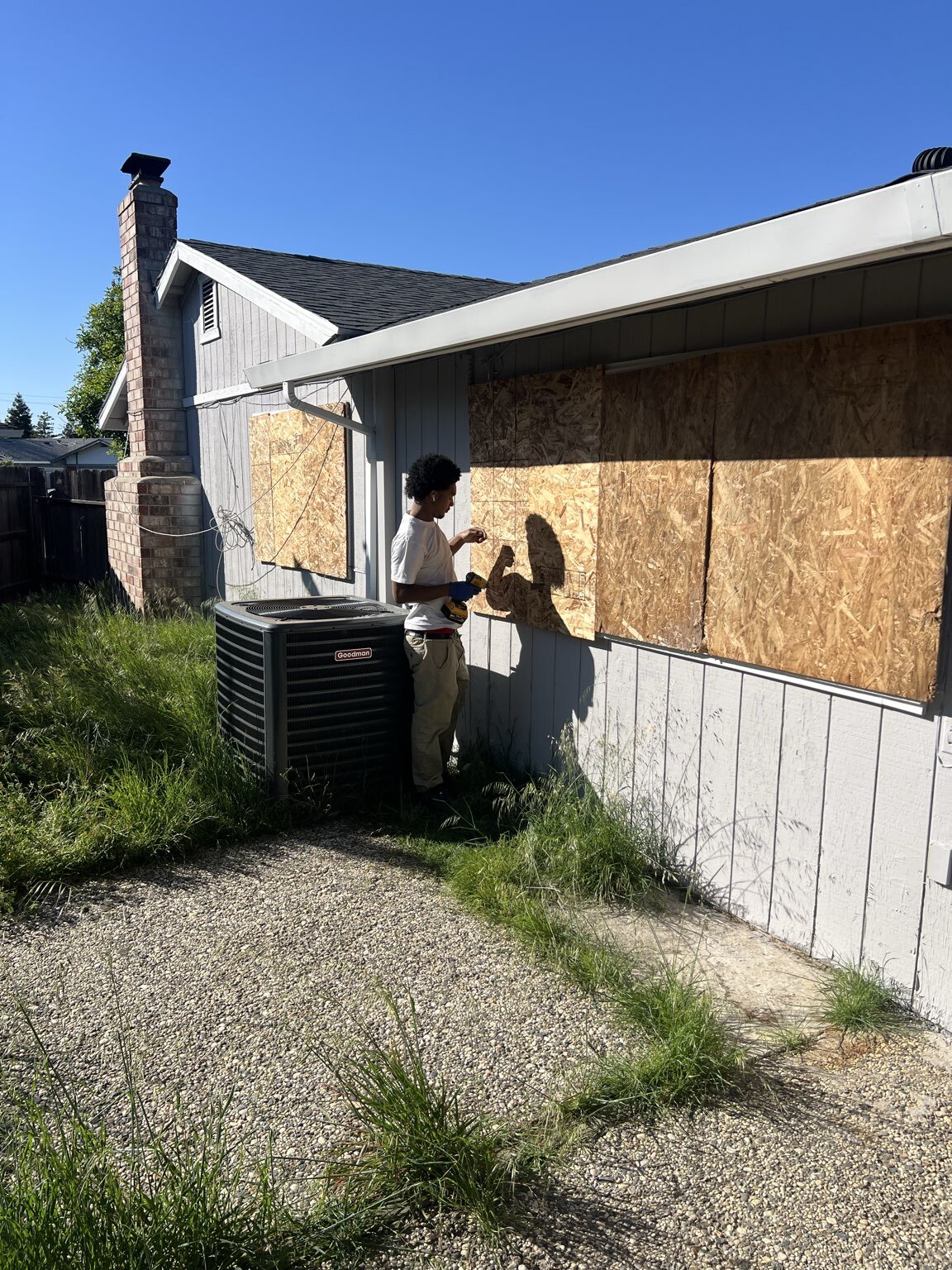
Darren’s experience is based on actual Sacramento-area transactions involving tenants, deferred maintenance, difficult communication, and properties that were not ready for traditional listing photos or repeated buyer showings.
Not every tenant-occupied transaction becomes simple the moment escrow closes. In this real Sacramento-area case, a tenant broke back into the property after Darren had already purchased it.
This behind-the-scenes video shows why experience matters when selling a rental with difficult occupants. Unexpected access problems, belongings, deferred repairs, communication issues, and post-closing complications require practical judgment—not polished promises.
The former owner had already completed the sale. Darren took responsibility for handling what happened afterward, illustrating one of the reasons a direct as-is buyer with real tenant experience can be valuable when a landlord wants to transfer the property and move forward.
Sellers should not have to rely only on polished claims. These videos show actual tenant-occupied and difficult rental properties Darren has worked with in the Sacramento region.
See what can happen after a seller transfers a rental as-is. The owner did not have to complete this work before selling, coordinate contractors, or remodel the house to compete for a retail buyer.
This tenant-occupied hoarder property required substantial work. The seller was able to transfer the house without first removing everything, completing renovations, or making it retail-ready.
Walk through an actual property with Darren and see the kinds of conditions an as-is cash buyer may take on after closing. The seller does not have to make the property perfect before discussing a sale.
“The most important proof is not a promise that every rental situation will be easy. It is showing that the buyer has already worked through difficult tenant conditions, deferred maintenance, belongings, repairs, and real people who needed a respectful solution.”Darren Brown — Licensed California Broker and Local Cash Buyer
These images come from actual Sacramento-area properties. They demonstrate why some landlords choose to sell a rental as-is rather than finance repairs, manage contractors, supervise a cleanout, and wait for a conventional sale.
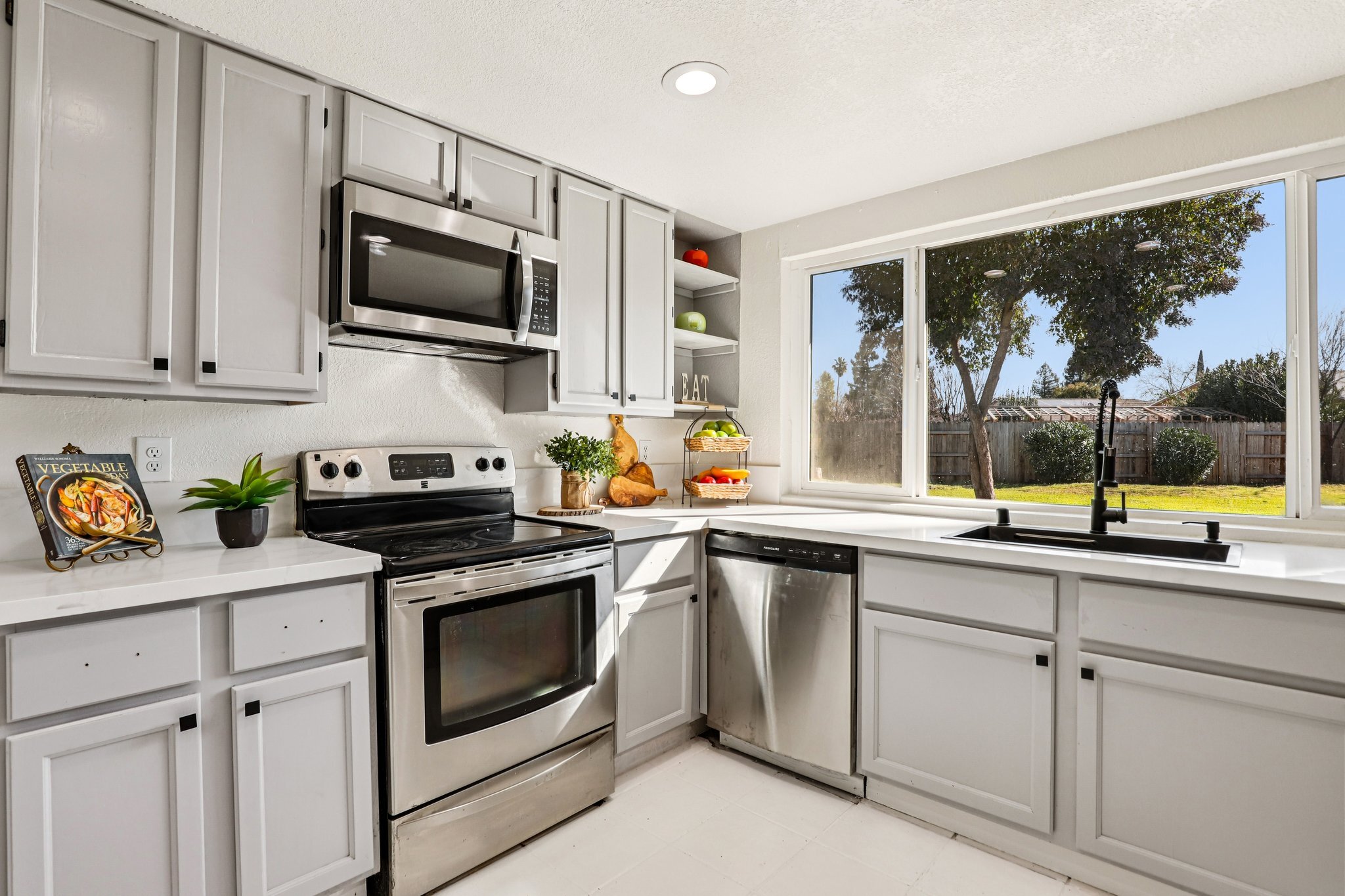
A real tenant-occupied transaction demonstrating the condition and improvement work a buyer may inherit after the seller closes.
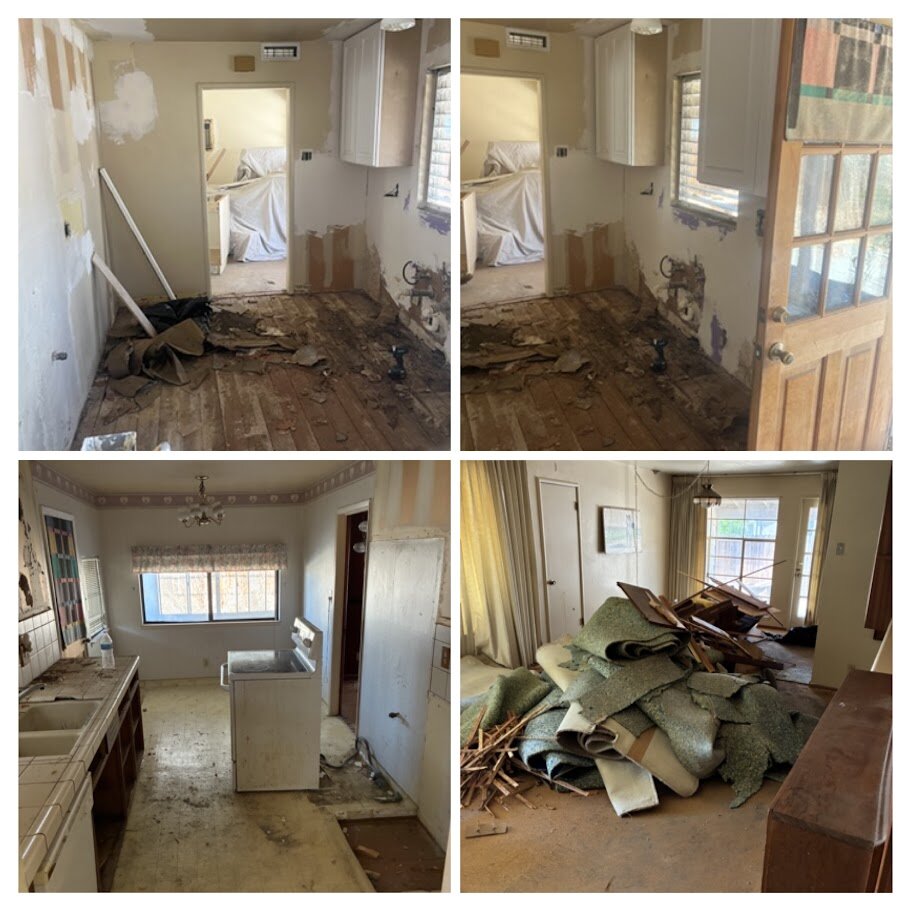
Work that occurred after the purchase—not a list of projects the former landlord had to complete before selling.
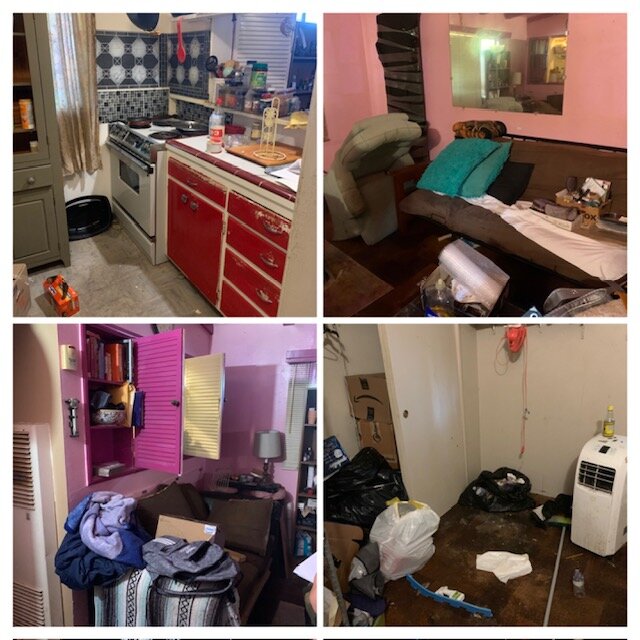
A rental property with repairs and deferred maintenance that became a candidate for a direct as-is purchase.
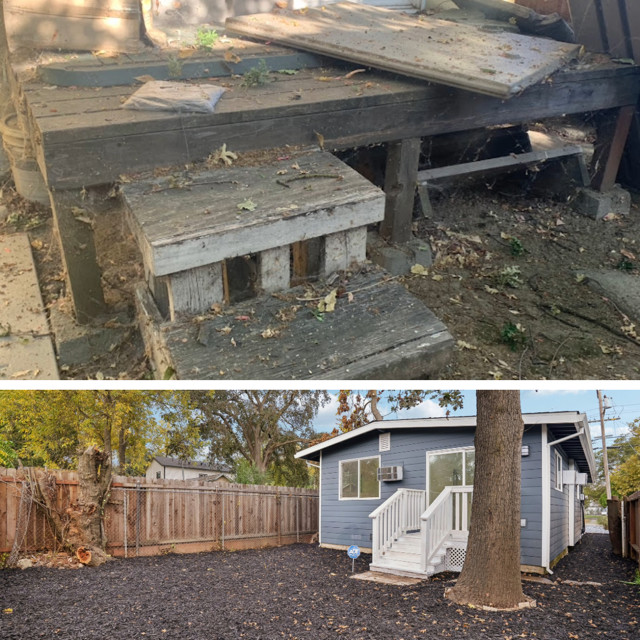
Deferred repairs can become another financial burden when a rental is no longer producing reliable income.
These sellers describe their own experiences working directly with Darren through real property transactions.
A homeowner shares firsthand feedback about working with Darren during the sale of a property.
Additional seller proof showing the communication, process, and personal experience behind a direct transaction with Darren.
A landlord may be handing over a valuable property, tenant information, access details, and a complicated occupancy problem. Before signing an agreement, independently verify the buyer’s identity, licensing, professional background, business registration, community involvement, and transaction experience.
Darren Brown combines direct-buying experience with a professional California real estate brokerage background.
View Broker Documentation →Veteran-owned service centered on accountability, direct communication, follow-through, and doing what was agreed upon.
View Military Retirement Proof →Darren’s business has documentation supporting its Disabled Veteran Business Enterprise certification.
View DVBE Certification →Sellers can review the California Secretary of State filing associated with Darren’s operating business.
View State Business Filing →Review the independent Better Business Bureau profile for Darren Buys Homes Cash before accepting an offer.
View BBB Business Profile →Darren maintains a public connection to the Sacramento-region professional and business community.
View Chamber Listing →Review additional seller feedback, property situations, and experiences involving Darren Buys Homes Cash.
Review Seller Testimonials →Examine Darren’s professional background, business identity, and supporting trust documentation in one place.
Review Professional Credentials →Use the Seller Trust Center to evaluate the company, process, proof, and direct-buying experience before deciding.
Visit The Seller Trust Center →Another homeowner explains what it was like to work with Darren. Real seller feedback gives property owners a better basis for evaluating the buyer before making a decision.
The right decision depends on the tenant, property condition, legal timeline, monthly carrying costs, available reserves, and how much additional landlord responsibility you are prepared to accept.
This may make sense when the owner has adequate reserves, wants to remain a landlord, and believes the payment problem can be resolved.
Some owners consult a qualified California landlord-tenant attorney and pursue the applicable legal process before selling.
A direct sale may be worth evaluating when the owner values certainty, wants to stop managing the property, or does not want to complete repairs before selling.
Darren can evaluate the rental in its current condition and explain how a direct as-is offer compares with continuing to hold the property, completing a tenant process, repairing the house, or attempting a traditional listing.
Tenant-occupied properties are not all the same. The best sale strategy can change depending on the lease, rent status, property condition, tenant cooperation, occupancy, documentation and how long the landlord is willing to keep carrying the property.
Use the guides below as a decision center. Each page addresses a different question Citrus Heights landlords commonly face when deciding whether to wait, pursue vacancy, repair the property, continue the tenancy or sell the rental occupied and as-is.
The right decision depends on the tenant, lease, rent status, property condition, access, timeline and what the seller is trying to accomplish. These Citrus Heights guides are designed to help landlords compare those variables before deciding whether to wait, pursue vacancy, repair the property or sell directly to a local cash buyer with the rental occupied and as-is.
Two inherited houses with identical floor plans can create completely different decisions when one is vacant and the other has tenants.
The occupied rental comes with a current income profile, tenant relationship, property condition, maintenance burden and future management responsibility. Those factors should be evaluated together.
Determine what rent is actually being collected rather than assuming the rental performs based only on an old lease or property-manager statement.
A consistent paying tenant creates a different inherited asset from a property with repeated delinquency, nonpayment or unresolved occupancy issues.
Taxes, insurance, repairs, utilities, management and future capital improvements determine whether the rental actually fits your objectives.
If you had cash equal to the value of this inherited rental today, would you intentionally use that money to buy this exact property with this exact tenant and these exact repairs?
If the answer is no, comparing an as-is sale becomes especially useful.
An inherited landlord may not have personally collected the tenant’s deposit or watched years of rent payments arrive. That makes documentation especially important.
If the prior owner left incomplete records, tell the buyer what is known and what remains uncertain. A direct buyer experienced with difficult properties can decide how that uncertainty affects the purchase.
That is not unusual with an inherited rental. The prior owner may have handled the tenant directly, used a property manager or gone years without conducting a detailed inspection.
A traditional retail sale can involve photography, repeated buyer showings, inspections, appraisals and contractor visits. An occupied direct sale can potentially reduce that activity because one buyer is evaluating the property for a direct purchase.
When the tenant cooperates, the buyer can evaluate the interior and better understand the repair scope before writing or finalizing the offer.
The buyer may need to work with fewer visits and account for additional uncertainty in areas that cannot be fully evaluated.
Years of occupancy can conceal repairs or deferred maintenance that the inherited owner has never personally seen.
A buyer familiar with occupied rentals can decide what level of access is necessary rather than automatically requiring a full retail-showing process.
Repairing before sale can make sense in some inherited-property situations. But the decision should be based on expected net proceeds rather than the assumption that every inherited rental must be improved before selling.
| Factor | Repair / Prepare First | Sell Occupied As-Is |
|---|---|---|
| Repair Capital | Seller funds contractors, materials and unexpected additional work. | Direct buyer may incorporate repairs into the purchase evaluation. |
| Tenant Coordination | Repair work may need to be coordinated around an occupied property. | Seller may avoid managing a large occupied renovation. |
| Holding Time | Taxes, insurance, maintenance and management continue while work is completed. | Seller can potentially transfer ownership on an earlier defined timeline. |
| Future Price | Improvements may increase marketability and eventual gross sale price. | Offer reflects the property in its current occupied condition. |
| Execution Risk | Seller assumes contractor, repair-budget and future-market uncertainty. | Buyer assumes more of the future rehabilitation responsibility after closing. |
The useful comparison is the amount you realistically expect to keep after repairs, holding expenses and selling costs versus the actual written occupied as-is offer available today.
The inherited rental does not have to be physically perfect before closing. But the buyer should understand the occupancy and available records before becoming the new owner.
Confirm the person signing has appropriate authority for the real estate sale.
Provide the available lease and occupancy information.
Identify rent, payment history and security-deposit records.
Disclose known repairs, damage and access limitations.
Complete the ownership transfer using clear written transaction terms.
An inherited rental still operates within California landlord-tenant rules. These official sources are useful when the sale raises questions about rental responsibilities, access or a possible effort to change or end the tenancy.
If authority to sell, probate, trust administration or heir rights are uncertain, obtain appropriate estate-law guidance. If tenant rights, possession, notices or entry are disputed, obtain appropriate landlord-tenant guidance.
Darren’s role is different: evaluate whether the inherited tenant-occupied real estate can be purchased as-is.
Stable payment history and a manageable tenancy may make continued ownership more attractive.
Limited maintenance exposure reduces the immediate capital burden of keeping the rental.
Net rental income after realistic expenses may fit your financial goals.
An inherited rental can be a useful long-term asset when ownership matches your goals rather than becoming an obligation you never wanted.
Continued ownership can create monthly expenses without the income the rental was expected to produce.
Roof, HVAC, plumbing, electrical or extensive interior work can turn an inherited rental into an immediate capital project.
Managing tenants, contractors and repairs remotely can add another layer of complexity to an inherited property.
The fact that you inherited a rental does not obligate you to build your life around managing it.
Potentially, yes. Once the appropriate person has authority to sell, a direct buyer may be willing to evaluate the property with the existing tenancy and condition incorporated into the transaction.
Inheriting an occupied rental creates ownership and tenancy responsibilities, but it does not necessarily mean you must operate the rental long term before exploring a sale.
Not automatically. Some direct buyers may purchase occupied property. The tenancy and applicable legal requirements should be understood before closing.
Gather the records that exist and identify what remains unknown. Missing documentation should be disclosed rather than replaced with assumptions.
Nonpayment does not automatically make the property unsellable. A direct buyer may evaluate the occupancy problem as part of the purchase.
Not necessarily. A direct as-is buyer may consider deferred maintenance, tenant damage and expected rehabilitation in the offer.
Disputes about ownership, authority or heir rights are legal matters and should be addressed with the appropriate estate-law professional before relying on a sale strategy.
Possibly. A performing tenant, manageable repairs and attractive net rental income may support keeping it. Compare those benefits with the current as-is sale option and your willingness to own rental property.
An inherited Citrus Heights rental can come with tenants, old leases, incomplete records, deferred maintenance and responsibilities you never planned to assume.
The first question is whether the appropriate person has authority to sell. Once that is established, the practical property decision becomes much clearer.
Gather the available tenant records. Understand the rent and deposit. Determine what you know about the house. Evaluate access. Estimate repairs. Then compare continued ownership with an occupied as-is sale.
You do not have to assume the only path is: inherit → become landlord → remove tenant → renovate → list.
A direct cash buyer experienced with tenant-occupied properties may provide another option: evaluate the rental exactly as it sits and transfer the property without first turning it into a vacant retail house.
You do not have to renovate the property or make it vacant simply to learn what Darren would consider paying for it in its present condition.
Share the available tenant information, rent, access and what you know about the repairs. Darren can evaluate the inherited rental as a direct cash buyer and give you an occupied as-is option to compare with keeping or preparing the property for a later sale.