I specialize in buying squatter-occupied, hoarder, tenant-occupied, fixer-upper, and mobile homes — especially for homeowners facing distress, code issues, or overwhelming situations. As a local Sacramento cash buyer and VETERAN real estate broker (CA DRE #01295232), I focus on real solutions with respect, clear communication, and fast closings. Primary service areas include Sacramento, South Sac, Citrus Heights, Natomas, Rio Linda, Oak Park, Florin, Del Paso Heights, North Highlands, Carmichael, and Orangevale. Check the testimonials and see why local sellers trust Darren Buys Homes Cash. You have nothing to lose by calling or texting (916) 300-7962 today — VETERAN-owned, local, and committed to helping you move forward.

Citrus Heights Landlord Decision Guide

Should I Evict My Tenant Before Selling My Citrus Heights Rental?

Not every landlord should automatically begin an eviction simply because they have decided to sell.

Evicting first can create a vacant house, easier access and a larger traditional buyer pool. But it can also mean more time, legal expense, lost rent, vacancy exposure, cleanup, repairs and uncertainty before the owner ever reaches the market.

Selling the rental with the tenant still there creates a different path. The buyer pool is narrower, but a direct cash buyer experienced with tenant-occupied properties may be willing to evaluate the tenant, property condition and occupancy situation exactly as they exist.

Eviction First • Sell Occupied • Time • Legal Cost • Vacancy Risk • Damage • Access • Buyer Pool
Real Citrus Heights Tenant Testimonial • Proof Before Theory

Before You Assume You Must Evict, See a Real Citrus Heights Tenant Situation

This is the kind of situation that makes an eviction-first decision worth examining carefully.

The Butternut Drive property involved an out-of-state landlord and an occupant who had not paid the prior owner for approximately 18 months. The house also had serious condition problems, including no working electricity or air conditioning when Darren purchased it.

Butternut Drive — Real Tenant Testimonial in Citrus Heights Darren purchased this tenant-occupied property directly. After closing, essential services were restored and Darren established a short-term rental arrangement with the occupant. The prior landlord was able to exit the property without first turning the house into a vacant retail listing.

This Is Why “Evict First” Should Be a Decision—Not an Automatic Rule

Sometimes the seller’s objective is not to become better at managing a difficult tenancy. It is to determine whether continuing the landlord problem is financially necessary in order to sell the property.

Real Tenant Deals Actual occupied-property experience rather than generic landlord theory
Direct Cash Buyer Can evaluate the tenancy and physical property together
As-Is Purchase Repairs and tenant-related condition can be considered before the seller spends money
Licensed Broker Professional real estate experience behind the transaction
Tenant Sale Decision Guide

Compare the Two Paths Before Starting the Longer One

The purpose of this guide is not to tell every landlord to evict or tell every landlord to sell occupied. It is to compare the economics and transaction realities of both paths before the owner commits to one.

Quick Answer

Should You Evict the Tenant Before Selling?

Not automatically.

Eviction first may make sense when vacancy is reasonably achievable, the property will become significantly easier to market, repairs can be completed efficiently and the expected improvement in net proceeds is large enough to justify the additional time and expense.

Selling occupied may deserve serious consideration when the landlord is facing a lengthy or uncertain possession problem, unpaid rent, limited access, deferred maintenance, tenant damage, ongoing carrying costs or simply no desire to continue managing the property.

The strongest comparison is therefore: What will I realistically net after completing the eviction, creating vacancy, repairing and selling—versus what can I receive by selling the rental occupied and as-is today?

Two Different Exit Strategies

Evict First vs. Sell the Rental Occupied

Path One — Eviction First

The landlord retains responsibility for the property and tenancy while pursuing possession. After vacancy, the owner can assess the full condition, clean the house, make repairs and expose it to a broader traditional buyer pool.

That can potentially produce a stronger retail sale—but only after the owner absorbs the costs required to reach that point.

Path Two — Sell Occupied

The landlord looks for a buyer willing to evaluate the house with the existing tenant or occupancy situation disclosed and still in place.

The potential buyer pool becomes narrower, but the seller may avoid waiting for vacancy, extensive preparation, repeated showings and a potentially expensive post-tenant renovation.

Neither Path Is Free

Evicting first can cost money before the sale. Selling occupied can reduce the pool of buyers and affect the direct offer. The landlord should compare the entire economic outcome rather than pretending either path has no cost.

The Six-Factor Landlord Test

What Should Determine Your Decision?

1. Time

How long are you realistically willing to remain the owner while the occupancy problem is handled and the property is prepared for sale?

2. Legal Cost

If legal action is required, consider the professional, filing, service and other expenses associated with pursuing possession.

3. Vacancy Risk

Once rent stops or the house becomes vacant, mortgage payments, taxes, insurance, utilities and maintenance may continue without rental income.

4. Property Damage

The owner may not know the complete property condition until access or possession improves. Damage discovered later can change the economics.

5. Access

Traditional listing photography, inspections, contractors and repeated showings can become difficult when tenant cooperation is limited.

6. Buyer Pool

Vacancy can open the property to more retail buyers. Selling occupied narrows the audience primarily to investors and direct purchasers willing to accept an existing tenancy.

The Number Landlords Often Miss

What Does It Cost To Wait for Vacancy?

The future vacant sale price is only useful when compared with the money required to reach that sale.

Cost / Risk Evict First Sell Occupied
Mortgage / Debt Service Continues while the landlord remains the owner. Ends when the direct sale successfully closes.
Lost Rent Nonpayment may continue during the landlord’s ownership period. Seller can evaluate whether exiting now is preferable to continuing the collection problem.
Legal Expense May become part of the cost required to regain possession. Seller evaluates whether completing that process personally is necessary before a sale.
Cleanup / Repairs Owner may need to fund the work before traditional marketing. Direct buyer may evaluate the house in its existing condition.
Insurance / Utilities / Taxes Continue while the property remains under the seller’s ownership. Seller’s ownership expenses generally stop after closing.
Management Burden Landlord continues handling the tenant and physical property. Seller can potentially transfer the property sooner through an occupied transaction.
Vacancy Does Not Automatically Reveal a Clean House

What If the Tenant Leaves More Damage Than Expected?

One of the largest economic unknowns in an eviction-first strategy is what the property will look like after possession is recovered.

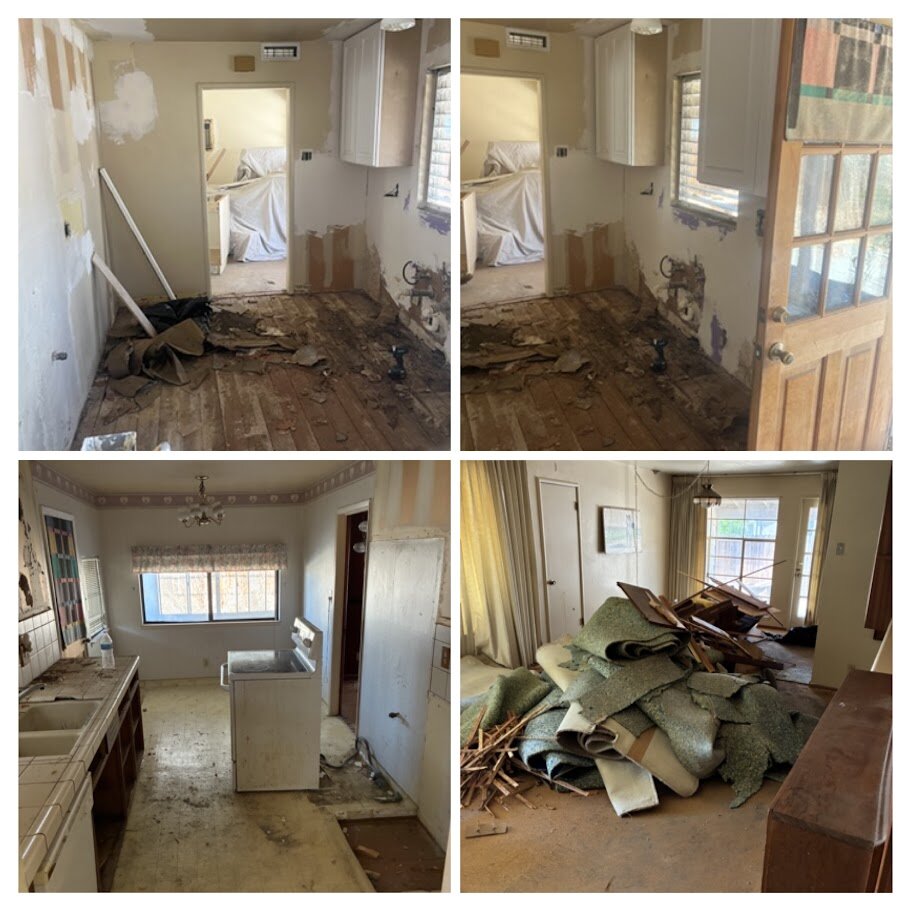
A landlord may discover damaged flooring, holes, debris, appliances that no longer work, neglected systems or years of deferred maintenance. The seller then faces a second decision after the tenant issue has already consumed time: repair the rental or sell it as-is.

Real difficult tenant property rehabilitation in progress
Real difficult-property rehabilitation. Tenant and occupancy problems can overlap with substantial deferred maintenance and cleanup after the landlord finally regains control.
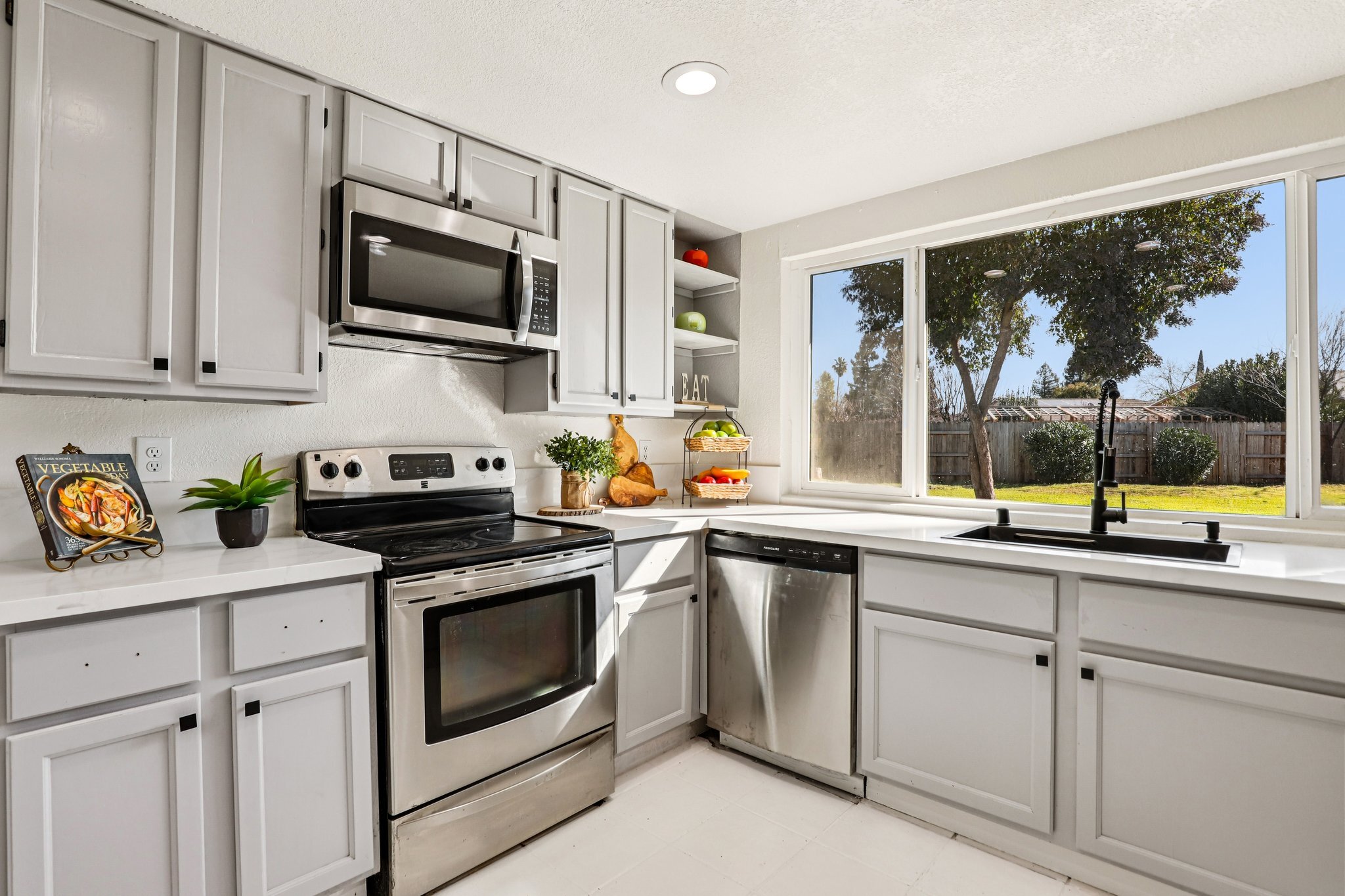
Real fixer property repair scope
Repair scope can change the decision. The future vacant price should be compared with the actual money and work required to get the property ready for that buyer pool.
Traditional Sales Require Access

Tenant Cooperation Can Determine How Easy the House Is To Market

A conventional listing can require photography, buyer showings, inspections, appraisers, repair contractors and additional access before closing.

That process may work well with a cooperative tenant. It becomes much more difficult when the occupant repeatedly reschedules, refuses voluntary cooperation or keeps portions of the property inaccessible.

Vacant Property

Generally provides the easiest access for contractors, photography, inspections and retail buyers.

Cooperative Tenant

An occupied sale may still function smoothly when access can be coordinated appropriately.

Limited Cooperation

A seller may find that repeated retail marketing activities become increasingly difficult to coordinate.

Direct Buyer

A direct buyer may require far fewer property visits than an extended retail-marketing process, depending on the transaction.

More Real Tenant Experience

Flaum Court — A Real Tenant Testimonial

Butternut is not Darren’s only occupied-property proof. Flaum Court provides another real tenant perspective from a property Darren purchased directly.

Flaum Court — Tenant Testimonial Outside the Property Real tenant interaction provides stronger evidence of occupied-property experience than generic claims that a buyer is “tenant friendly.”
Occupancy Risk Does Not Always End at Move-Out

A Vacant House Can Create a Different Kind of Risk

Vacancy can improve access and buyer appeal, but it does not automatically eliminate property-management risk.

At Flaum Court, a previous tenant broke back into the property after moving out. This is a real example of why landlords should include security, possession and vacancy exposure in the decision rather than assuming that “tenant gone” means every property problem is finished.

Flaum Court — Former Tenant Break-In After Move-Out Real transaction experience illustrates an important landlord point: vacancy can improve marketability while also introducing security and property-protection concerns that continue until the ownership transfer is complete.

Vacancy Has Value—But Vacancy Also Has Carrying Risk

The question is whether the increased buyer pool and potential sale price justify the additional period during which the landlord remains responsible for the property.

When Waiting May Be Worth It

Eviction First Can Be Rational When Vacancy Creates Enough Additional Value

The Property Needs Very Little Work

If the house can quickly transition from occupied to market-ready, vacancy may broaden the buyer pool without creating a major renovation project.

The Landlord Can Carry the Property Comfortably

Additional time may be less damaging when the owner has sufficient reserves and does not need an immediate exit.

Vacancy Materially Improves the Buyer Pool

Owner-occupant and financed buyers may create stronger competition once possession and property condition are resolved.

The Expected Net Improvement Is Significant

Waiting makes the most economic sense when the realistic increase in net proceeds is greater than the cost and risk required to reach vacancy.

When an Occupied Sale Becomes More Attractive

Sometimes the Landlord Wants To Sell the Problem With the Property

Rent Is Not Being Paid

Each additional month can increase the gap between ownership expense and rental income.

The Timeline Is Uncertain

A landlord may prefer a defined property exit rather than continuing an open-ended possession problem.

The House Needs Repairs Anyway

Regaining possession may only reveal another expensive project that still has to be solved before retail marketing.

The Owner Is Done Managing the Rental

A direct occupied sale may provide a practical landlord exit when the owner no longer wants to manage tenants, repairs and ongoing uncertainty.

Darren Brown’s Perspective I don’t assume the landlord has to solve the tenant problem before I can look at the property.

When I evaluate an occupied rental, I want to understand the real situation rather than pretend the tenant does not exist.

Is the tenant paying? Is there a written agreement? What kind of access is available? What is known about the property condition? Has the owner already begun an eviction or are they simply considering one?

Those facts matter because they affect the transaction and what I am taking on as a buyer.

But I do not believe every landlord should automatically spend additional months and money making a property vacant simply because they want to sell.

I would rather give the owner an occupied as-is option to compare. Then the landlord can decide whether recovering possession first is financially worth it.

Important Legal Boundary

Sale Strategy and Eviction Law Are Not the Same Question

This page is designed to help a Citrus Heights landlord compare two property sale strategies. It is not a substitute for legal advice about terminating a tenancy, serving notices, pursuing an eviction, entering the property or determining an occupant’s legal rights.

California landlord-tenant rules and the facts of a particular tenancy can affect what actions are legally available. If possession, notices, access, tenant rights or an active eviction are disputed, the landlord should obtain advice from a qualified California landlord-tenant attorney.

You Can Compare a Sale Without First Deciding the Legal Outcome

A seller can learn what a direct buyer would consider paying for the tenant-occupied property before deciding whether continuing an eviction-first strategy makes economic sense.

Verified Reviews Before the Universal Citrus Heights Insert

Tenant-Occupied Transactions Require More Than a High Offer

When a tenant, access problem or difficult property condition is involved, the seller should verify the buyer’s experience, communication, funds and ability to complete the transaction—not simply compare the headline price.

Real Transaction • Real Person • Real Property

Difficult Properties Are About More Than the House

Property condition is only one part of a difficult sale. Occupancy, communication, access, repairs, utilities, timing, belongings, and the people affected by the transaction can all matter.

The Citrus Heights Butternut Drive transaction is one example. The property had been occupied by a non-paying tenant for approximately 18 months. When Darren purchased the house, it was without working electricity and air conditioning. After closing, utilities and essential conditions were addressed and a short-term rental arrangement was established with the occupant.

That is a tenant-related transaction, but the larger lesson applies beyond rental property: a difficult sale often requires understanding the entire situation rather than looking only at the physical house.

Butternut Drive, Citrus Heights — real occupant testimonial following Darren’s purchase of a difficult rental property.

Why This Proof Belongs on Difficult-Property Pages

The value of this transaction is not simply that a tenant was involved. It demonstrates Darren’s willingness to evaluate properties with multiple overlapping complications rather than requiring the seller to solve every issue before a sale can be considered.

  • Occupied property
  • Long-term nonpayment
  • Utility problems
  • No working air conditioning at acquisition
  • Property-condition concerns
  • Post-closing occupant coordination
  • Direct as-is purchase
Citrus Heights • Real Transactions • Verified Local Experience

Real Experience With Difficult Citrus Heights Property Situations

Every difficult property has a different story. Some houses need major repairs. Others involve tenants, deferred maintenance, unwanted belongings, title complications, code concerns, vacancy, inherited ownership, or simply an owner who does not want to spend additional time and money preparing the property for a traditional sale.

Darren Brown’s approach is to evaluate the property and the seller’s situation as they actually exist. That means an owner can compare a direct cash offer without first remodeling, cleaning out, making the house retail-ready, or pretending difficult issues are not there.

The transaction proof below is included for one reason: to show the type of real-world property situations Darren has personally worked through. It is not a promise that every transaction will be identical. It is documented experience that sellers can evaluate before deciding who they want to work with.

California Licensed Real Estate Broker
Retired U.S. Air Force Veteran
Veteran-Owned Local Business
Direct As-Is Cash Buyer
Real Sacramento-Area Transactions
A Broader As-Is Selling Option

You Do Not Have To Make a Difficult Property Perfect Before Comparing Your Options

Traditional retail selling often works best when a property can be prepared, photographed, shown repeatedly, inspected, appraised, and financed without significant complications. Many Citrus Heights houses fit that model.

Others do not.

An owner may be dealing with repairs, an occupied house, accumulated belongings, an inherited property, deferred maintenance, title questions, code concerns, vacancy, vandalism, an aging rental, or another circumstance that makes conventional preparation less attractive.

A direct as-is sale provides another number and another strategy to compare. It does not automatically mean a cash offer is the best option. It means the seller can evaluate the property without first paying to transform it into a different property.

Property Condition

Evaluate the house as it sits, including deferred maintenance, damage, cleanup, major repairs, or outdated systems.

Occupancy & Access

Consider tenants, relatives, occupants, belongings, vacancy, limited access, or other practical issues affecting the sale.

Seller Priorities

Compare net proceeds, required investment, timeline, certainty, convenience, and transaction risk—not simply the advertised sale price.

Real Difficult-Property Case File

When An Unexpected Occupancy Problem Happened After The Sale

Difficult-property transactions are not always complicated because of repairs alone. In this real Sacramento-area transaction, a former tenant broke back into the property after Darren had already purchased it.

The former seller had already completed the transaction. Darren was then responsible for dealing with the unexpected access and security issue after ownership transferred.

This case is useful beyond tenant-related pages because it demonstrates what it means for a direct buyer to assume the practical risks that may remain after a difficult property closes.

Sellers evaluating an as-is buyer should consider more than the offer amount. They should also consider whether the buyer understands occupancy, belongings, access, deferred repairs, security, cleanup, title coordination, and unexpected problems.

Watch Real Property Proof

Difficult Properties And As-Is Experience You Can See

Sellers should not have to rely only on polished marketing claims. These videos show actual Sacramento-area properties Darren purchased and worked on after closing.

Flaum Court Work In Progress

See what happened after this property transferred as-is. The former owner did not have to complete this work before selling, coordinate the renovation, or prepare the house to compete for a retail buyer.

Circle Parkway Difficult Property

This tenant-occupied hoarder property required substantial work. The seller transferred the property without first removing everything, completing renovations, or making the house retail-ready.

See The Types Of Properties Darren Buys As-Is

Walk through an actual property with Darren and see the types of physical conditions a direct as-is cash buyer may take on after closing. A seller does not have to make a difficult house perfect before discussing a sale.

“The most important proof is not a promise that every difficult property will be easy. It is showing that the buyer has already worked through real occupancy problems, deferred maintenance, belongings, repairs, property-condition issues, and unexpected situations.”
Darren Brown — Licensed California Broker and Local Cash Buyer
Real As-Is Transaction Evidence

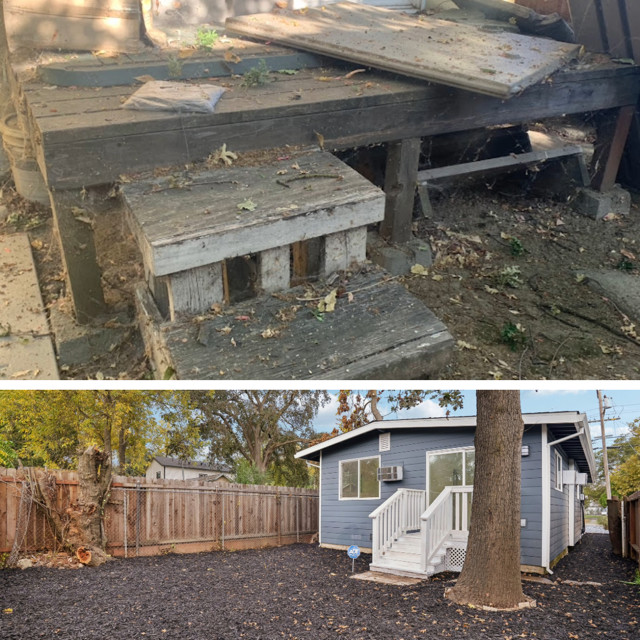
The Sellers Did Not Have To Make These Repairs First

These images come from actual Sacramento-area transactions. They demonstrate why property owners may compare an as-is sale with spending additional money on repairs, cleanout, contractor management, and retail preparation.

Real Seller Experiences

Hear From Homeowners Who Worked With Darren

These homeowners describe their own experiences working directly with Darren through real property transactions.

Seller Story: A Direct, Straightforward Sale

A homeowner shares firsthand feedback about working with Darren during a real property sale.

Seller Story: Communication Through Closing

Additional seller proof showing the communication, transaction process, and personal experience behind a direct sale with Darren.

Do Not Just Trust The Claims—Verify The Buyer

Whether a property has repairs, tenants, liens, deferred maintenance, code issues, title complications, unwanted belongings, vacancy, inherited ownership, or another difficult condition, the buyer should still be independently evaluated.

Before signing an agreement, sellers can verify Darren’s licensing, professional background, business registration, veteran status, community involvement, seller experiences, and transaction history.

Licensed California Real Estate Broker

Darren Brown combines direct cash home buying experience with a professional California real estate brokerage background.

View Broker Documentation →

Retired U.S. Air Force Veteran

Veteran-owned service centered on accountability, direct communication, follow-through, and doing what was agreed upon.

View Military Retirement Proof →

DVBE-Certified Business Owner

Darren’s business has documentation supporting its Disabled Veteran Business Enterprise certification.

View DVBE Certification →

California Business Registration

Sellers can review the California Secretary of State filing associated with Darren’s operating business.

View State Business Filing →

A+ BBB-Rated Business

Review the independent Better Business Bureau profile for Darren Buys Homes Cash before accepting an offer.

View BBB Business Profile →

Sacramento Metro Chamber Member

Darren maintains a public connection to the Sacramento region’s professional and business community.

View Chamber Listing →

Real Seller Experiences

Review additional seller feedback, property situations, and experiences involving Darren Buys Homes Cash.

Review Seller Testimonials →

Professional Credentials

Examine Darren’s professional background, business identity, and supporting trust documentation in one place.

Review Professional Credentials →

Sacramento Seller Trust Center

Use the Seller Trust Center to evaluate the company, process, transaction proof, and cash home buying experience before deciding.

Visit The Seller Trust Center →

Seller Story: Why They Chose Darren

Another homeowner explains what it was like to work directly with Darren. Real seller feedback gives a property owner a better basis for evaluating the person behind the offer before making a decision.

Compare The Real Paths Forward

Three Ways To Approach A Difficult Citrus Heights Property

The strongest option depends on property condition, available equity, repair costs, occupancy, title issues, timing, available cash, likely net proceeds, and how much additional work the owner wants to take on before selling.

1

Keep The Property And Resolve The Problems

Continued ownership may make sense when the property still fits the owner’s goals and there is enough time, money, and willingness to address the problems before reconsidering a sale.

  • Continue paying carrying expenses
  • Address repairs or deferred maintenance
  • Resolve occupancy or access issues when applicable
  • Work through title, code, or documentation concerns
  • Reevaluate selling later
2

Prepare The Property For A Traditional Sale

A conventional listing may be appropriate when the owner has the resources and time to prepare the property and wants broad exposure to retail buyers.

  • Complete needed repairs or improvements
  • Clean out and prepare the property
  • Coordinate access and showings
  • Navigate inspections and appraisal
  • Accept the timeline and financing variables of a retail sale

You Do Not Have To Decide Before You Know The Numbers

Darren can evaluate a Citrus Heights property in its current condition and provide a direct as-is option that can be compared with keeping the house, completing repairs, resolving other property issues, or preparing for a traditional listing.

Citrus Heights Seller Resource Center

More Citrus Heights Guides For Difficult Property And Landlord Situations

Use these local resources to compare selling options by property condition, tenant situation, ownership challenge, timing, and the type of sale you are considering.

Built from published Citrus Heights pages already present in the site sitemap. These resources cover tenant-occupied rentals, non-paying tenants, landlord exits, out-of-state ownership, squatters, hoarder properties, code violations, delinquent taxes, foreclosure, repairs, vacant homes, inherited houses, cash-sale timing, and buyer verification.
Local Seller Overview

Citrus Heights Local Hub

Start with the main Citrus Heights service-area page for local selling options and property situations.

Read Citrus Heights Guide →
Landlord & Tenant Problems

Rental Property With Non-Paying Tenants

A focused Citrus Heights guide for landlords dealing with missed rent while considering an as-is sale.

Read Citrus Heights Guide →
Local Case Study

Real 7-Day Citrus Heights Rental Case Study

See a real Citrus Heights rental-property case study involving non-paying tenants and a seven-day closing.

Read Citrus Heights Guide →
Tenant-Occupied Property

Sell A Tenant-Occupied House

Review options for selling a Citrus Heights house while a tenant is still occupying the property.

Read Citrus Heights Guide →
Tenant Exit Questions

What If My Tenant Won’t Leave?

Understand the selling questions that arise when a Citrus Heights tenant will not leave before a planned sale.

Read Citrus Heights Guide →
Landlord Exit Strategy

Tired Of Being A Landlord?

A Citrus Heights resource for owners comparing continued management with selling a rental property as-is.

Read Citrus Heights Guide →
Remote Ownership

Sell An Out-Of-State Rental

For landlords who own a Citrus Heights rental from outside the area and want to compare an as-is exit.

Read Citrus Heights Guide →
Rental Property Sale

Sell A Rental Property Fast

A broader Citrus Heights landlord resource covering a direct cash-buyer option for rental property.

Read Citrus Heights Guide →
Unauthorized Occupancy

Sell A Squatter House

Explore a Citrus Heights-specific resource for selling a house with squatters or unauthorized occupants.

Read Citrus Heights Guide →
Hoarder & Heavy Cleanout

Sell A Hoarder House Without Cleaning

For Citrus Heights properties with extensive belongings, debris, or cleanout needs that may be sold as-is.

Read Citrus Heights Guide →
Code & Property Condition

Sell A House With Code Violations

A Citrus Heights guide for owners facing code issues while evaluating an as-is sale.

Read Citrus Heights Guide →
Tax Problems

Sell With Delinquent Property Taxes

Review options when delinquent property taxes are part of a Citrus Heights home sale.

Read Citrus Heights Guide →
Foreclosure

Sell Before Foreclosure

A Citrus Heights resource for owners considering a sale before a foreclosure timeline advances further.

Read Citrus Heights Guide →
As-Is / No Repairs

Sell My House Without Repairs

Compare selling a Citrus Heights property in its present condition without completing repairs first.

Read Citrus Heights Guide →
Repair Decision

Do I Need To Fix My House Before Selling?

A decision-focused Citrus Heights resource for weighing repair costs against selling in current condition.

Read Citrus Heights Guide →
Fixer-Upper

Sell A Fixer-Upper House As-Is

For Citrus Heights homes with deferred maintenance, dated systems, or larger repair needs.

Read Citrus Heights Guide →
As-Is Seller Guide

Can I Sell My House As-Is?

A Citrus Heights-specific explanation of what an as-is sale can mean for repairs, preparation, and buyer expectations.

Read Citrus Heights Guide →
Vacant Property

Sell A Vacant House

Review a direct as-is option for an empty Citrus Heights property that may be costing money to hold.

Read Citrus Heights Guide →
Inherited Property

Sell An Inherited House

A Citrus Heights resource for owners evaluating the sale of an inherited house.

Read Citrus Heights Guide →
Cash Sale Process

How Does Selling A House For Cash Work?

Learn the basic Citrus Heights cash-sale process and what sellers can compare before accepting an offer.

Read Citrus Heights Guide →
Closing Timeline

How Fast Can I Sell For Cash?

A Citrus Heights-specific resource focused on timing, process, and what can affect a faster cash closing.

Read Citrus Heights Guide →
Buyer Verification

Legit Cash Home Buyers In Citrus Heights

Use this local guide when comparing cash buyers and checking experience, credibility, and the proposed transaction.

Read Citrus Heights Guide →
Local As-Is Cash Buyer

We Buy Houses In Citrus Heights

A Citrus Heights overview for owners comparing a direct as-is cash-buyer sale with other selling routes.

Read Citrus Heights Guide →
Cash Buyer Overview

Cash Buyers In Citrus Heights

Additional Citrus Heights information for sellers researching local cash-buyer options.

Read Citrus Heights Guide →
Official California Resources

Before Taking Legal Action, Separate the Sale Decision From the Eviction Process

A landlord can compare an occupied sale with an eviction-first strategy without pretending the legal process is simple. California Courts explains that an eviction generally begins with the required written notice and, if the tenant does not comply, may proceed into an unlawful detainer court case. The court also cautions that notice requirements depend on the circumstances and that local rules can matter. :contentReference[oaicite:0]{index=0}

Access is a separate issue. California Civil Code section 1954 addresses when a landlord may enter a dwelling and is an appropriate official reference when a tenant-occupied sale raises questions about entry for sale-related purposes. :contentReference[oaicite:1]{index=1}

These Sources Explain the Legal Framework—They Do Not Decide the Best Sale Strategy

The legal process answers what actions may be available and what procedures apply. The investment decision is different: whether completing that process before selling produces enough additional financial benefit to justify the time, expense and risk.

Avoid Building Your Sale Around a Perfect Timeline

The Eviction-First Strategy Has a Timing Variable You Do Not Fully Control

California Courts states that eviction cases can take 30 to 45 days or more after court papers are served, but that should not be treated as a guaranteed Citrus Heights timeline. The overall period can vary based on the notice, tenant response, court process and circumstances of the case. :contentReference[oaicite:2]{index=2}

More importantly for the seller, the legal timeline is only one part of the property timeline. Even after possession changes, the owner may still need to evaluate damage, remove belongings, restore utilities, complete repairs, obtain contractor access and prepare the rental for the intended buyer pool.

Legal Timeline

Notices and an unlawful-detainer case, if required, can introduce a period that is not equivalent to an ordinary real estate closing timeline.

Possession Timeline

Regaining physical control of the house is a separate milestone from deciding to begin the process.

Repair Timeline

Vacancy may reveal cleanup and repair work that cannot be fully scoped while the tenant is still occupying the property.

Retail Sale Timeline

After preparation, the landlord still needs a buyer, inspections, appraisal or financing where applicable, and a successful closing.

What If You Already Started?

An Active Eviction Does Not Mean You Have To Stop Comparing Sale Options

Some Citrus Heights landlords reach the sale decision only after notices have already been served or an unlawful-detainer case is underway.

At that point, the practical question becomes whether the owner wants to complete the possession process before selling or determine whether a buyer is willing to evaluate the property and tenancy with the existing circumstances disclosed.

The existence of an active case does not remove the need for legal advice or proper transaction documentation. It simply means the landlord can evaluate the economic sale alternatives while the legal situation is being handled.

Do Not Cancel or Alter an Active Legal Strategy Because a Buyer Makes a Verbal Promise

If an eviction is already underway, coordinate legal decisions with the attorney or appropriate professional handling the matter and evaluate any purchase proposal through a written contract.

The Second Problem May Begin After the First One Ends

What Happens If You Recover Possession and Discover a Major Repair Project?

A landlord considering eviction before sale may naturally focus on obtaining possession. But vacancy only answers the occupancy question. It does not tell the owner what condition the property will be in afterward.

Cleanup

Furniture, trash, stored property and general cleanout can add labor, hauling expense and time before other repairs even begin.

Deferred Maintenance

Roof, HVAC, plumbing, electrical or exterior issues may have accumulated independently of the tenant problem.

Tenant-Related Damage

Flooring, walls, doors, appliances or other components may require work before a retail buyer views the property favorably.

Unknown Conditions

Areas hidden by belongings or unavailable during the tenancy can reveal additional repair exposure once access improves.

This is why the eviction decision should not be evaluated separately from the expected physical condition of the rental after possession.

Vacancy Changes the Risk—It Does Not Eliminate It

A Vacant Rental Can Be Easier To Sell and Harder To Protect

Vacancy can make contractor work, photography and buyer access considerably easier. It can also leave the landlord responsible for a house producing no rent while still requiring utilities, security, insurance, yard maintenance and monitoring.

Your real Flaum Court experience illustrates this distinction. Even after the prior tenant moved out, the former occupant later broke back into the property. Vacancy improved possession but did not eliminate property-management risk.

Vacancy Advantage

More flexible access can make repairs, inspections and traditional marketing considerably easier.

Vacancy Exposure

Break-ins, vandalism, unauthorized re-entry and unnoticed maintenance problems can become concerns while the property waits for closing.

Practical Decision Scorecard

When Does Each Strategy Become More Attractive?

Situation Eviction / Vacancy First May Gain Value Selling Occupied May Gain Value
Tenant cooperation Possession appears achievable and the landlord has a clear reason to pursue a broader vacant-property buyer pool. Cooperation is poor and the owner wants to minimize continued management.
Property condition House needs limited, predictable work that could meaningfully improve retail marketability. Property already needs major repairs or extensive cleanup that the owner does not want to fund.
Cash flow Owner can comfortably absorb additional carrying costs and lost rent. Nonpayment or carrying expenses are already causing significant financial drag.
Timing Seller is comfortable waiting for possession, preparation and retail marketing. Seller values a defined exit from the rental sooner.
Buyer pool Vacant condition could materially broaden competition among retail buyers. Seller is comfortable targeting investors or direct cash buyers willing to purchase occupied.
Management tolerance Owner is willing to continue handling the tenancy and property. Owner’s primary goal is to stop being responsible for the rental problem.
If You Decide To Compare an Occupied Sale

Give the Buyer Enough Information To Evaluate the Real Tenancy

A serious direct buyer should not treat every tenant-occupied house the same. The purchase decision should be based on the tenancy and property that actually exist.

  • Current lease or rental agreement, if one exists.
  • Rent amount and payment history.
  • Security-deposit information.
  • Copies of notices already served, if relevant.
  • Information about any active legal proceedings.
  • Property-management records where available.
  • Known property-condition issues.
  • Repair or inspection reports already in the owner’s possession.
  • Information about access and tenant cooperation.

Better Information Creates Better Underwriting

A buyer who understands the actual rental situation before writing the agreement is less likely to discover the central problem later and attempt to re-price the transaction.

Frequently Asked Questions

Evicting Before Selling a Citrus Heights Rental

Do I have to evict my tenant before selling my Citrus Heights rental?

Not automatically. Depending on the tenancy and sale strategy, an investor or direct cash buyer may be willing to evaluate the property with the tenant still in place.

Will my rental be worth more if the tenant is gone?

Vacancy can broaden the buyer pool and improve access, but the landlord should compare that potential benefit with the time, legal expense, lost rent, repairs and carrying costs required to create vacancy.

Can I sell while an eviction is already underway?

A landlord can explore sale options while dealing with an active tenant matter. The legal case and sale transaction should be coordinated with appropriate professionals based on the specific circumstances.

Can a buyer purchase the house with a non-paying tenant?

Some direct or investor buyers may evaluate properties with non-paying occupants. The tenancy, documents, access and property condition should be disclosed and considered in the purchase terms.

What if my tenant will not cooperate with showings?

Limited cooperation can make conventional marketing harder. Landlords should follow applicable entry rules and may also compare a direct buyer requiring fewer property visits.

Should I repair tenant damage before selling?

Not automatically. Compare the cost and expected improvement in net proceeds with an as-is offer before funding the repair project.

Is selling occupied always faster than eviction first?

No. Every transaction differs. Selling occupied can eliminate some pre-sale steps, but timing still depends on buyer diligence, title, tenancy documentation and other closing requirements.

Should I stop an eviction if I receive a cash offer?

Do not make legal decisions solely because of a buyer’s verbal promise. If a case or notice process is underway, review the written purchase terms and obtain appropriate legal advice before changing course.

Citrus Heights Landlord Decision Summary

The Best Question Is Not Simply “Should I Evict?”

The better question is whether creating a vacant, repaired and retail-ready property is likely to improve your net outcome enough to justify everything required to get there.

For some Citrus Heights landlords, the answer will be yes. Vacancy can create better access, easier repairs and a larger buyer pool.

For others, months of additional ownership, unpaid rent, legal expenses, vacancy risk, tenant damage and repair costs can consume much of the expected benefit.

That is why an occupied as-is offer is useful even if you ultimately decide not to accept it. It gives you a real alternative to compare with the eviction-first path before committing additional time and money.

Compare Before You Commit

See What Your Citrus Heights Rental Could Sell for With the Tenant Still There

You do not have to finish an eviction, make the property vacant or repair every tenant-related condition simply to find out what a direct buyer would consider paying today.

Explain the tenancy, payment history, access and property condition. Darren can evaluate the rental as-is so you can compare an occupied sale with the cost and potential benefit of continuing the eviction-first strategy.