

Flaum Court Work In Progress
See what can happen after a seller transfers a rental as-is. The owner did not have to complete this work before selling, coordinate contractors, or remodel the house to compete for a retail buyer.
Selling an Auburn property can become more complicated when the house needs repairs, has tenants, sits vacant, will not pass inspection, has title or lien problems, includes unpermitted work, or simply no longer makes sense to keep.
Foothill properties can add another layer. Older improvements, larger lots, access, slope, deferred maintenance, outbuildings and major systems can all affect how a buyer evaluates the property and how much work a seller may face before a conventional sale.
This resource center brings those decisions together so Auburn homeowners and landlords can compare repairing, waiting, listing or selling directly to a local cash buyer as-is without treating every difficult property as though it needs the same solution.
An Auburn homeowner does not automatically need to repair, renovate, remove tenants, resolve every property-condition issue or prepare the house for a traditional listing before determining what it is worth.
The better starting point is to identify the real obstacle: property condition, tenants, access, vacancy, inspection, financing, title, liens, unpermitted work, distance, or simply the cost and effort of continuing to own the property.
From there, compare the realistic seller net from fixing and listing with the current as-is value available from a direct local cash buyer. This hub is organized around those decisions.
The Sudbury transaction in nearby Cameron Park involved tenant and occupancy complications, access problems, major code violations and property-condition issues at the same time.
That is why this Auburn resource center is organized around the whole seller decision rather than one isolated problem. A difficult property may involve occupancy, repairs, title, code, holding costs and timing all at once.
The useful question is not simply “What is wrong with the house?” It is “What actually has to be solved before I can sell—and what could potentially transfer to the buyer as-is?”
Read independent Google feedback from property owners who have worked with Darren Buys Homes Cash on direct, as-is and complicated property transactions.
A property can often be evaluated before the seller completes every repair or improvement.
Compare what remains after repairs, holding costs, commissions, concessions and transaction expenses.
Occupancy, leases, access and payment status can affect buyer type, timing and value.
Major systems, deferred maintenance, inspection concerns and unpermitted work can affect financing and marketability.
Larger lots, older improvements, access and site conditions should be evaluated only when they actually apply to the property.
Repair, list, wait, keep the property or compare a direct as-is cash sale based on the seller’s actual goals.
Start here if you want to understand what selling your Auburn house in its current condition can look like without first renovating it.
Review Auburn As-Is Selling →Review sale options when renters remain in the property and occupancy must be considered as part of the transaction.
Review Auburn Tenant Sale Options →Compare repair cost, holding time and potential future seller net before spending money on the property.
Compare Repair vs. Sell As-Is →Learn how property condition, repair exposure and buyer risk can affect the current value of an Auburn house.
Review Auburn As-Is Value →These resources focus on the physical condition of the Auburn property and whether repairing first is financially worthwhile.
Understand the no-repairs path when the property needs work but the seller does not want to manage the project.
Explore the economics of selling a repair-heavy house without first turning it into a retail renovation.
Compare carrying costs, security, maintenance and repair decisions when the property is already empty.
Learn how inspection concerns can affect conventional buyers, negotiations and the as-is alternative.
Explore sale options when property condition makes traditional buyer financing difficult.
Reassess condition, pricing, financing and sale strategy after a listing did not produce a closing.
A landlord may want to exit because of the tenant, the property, the economics—or all three. These guides address different points in that decision instead of assuming every occupied rental should be handled the same way.
The parent guide for occupied, vacant and damaged Auburn rentals.
Start With the Rental Exit Guide → Sell an Auburn Rental During an EvictionCompare continuing the existing possession process with selling while the situation remains unresolved.
Review Active-Eviction Options → Evict First or Sell Occupied?Compare vacancy value with legal expense, lost time, repair exposure and carrying costs.
Compare Evict vs. Sell → Sell With a Non-Paying TenantEvaluate the exit when rental income has stopped but ownership costs continue.
Review Non-Paying Tenant Options → Sell an Auburn Rental With a Lease in PlaceUnderstand how an existing lease can affect buyer type, rental value and the timing decision.
Review Lease-in-Place Options → Tenant Damaged the Property Before SaleCompare documentation, repair costs and selling the rental in its present condition.
Review Tenant-Damage Options → Sell an Auburn Rental From Another StateReduce repeated travel, contractor management and remote sale preparation.
Review Long-Distance Landlord Options →Sellers sometimes begin with a sale method before identifying the real problem. They assume they need to renovate because the house needs work. They assume they need vacancy because tenants are present. They assume they need to clear every title or property issue before a buyer can even evaluate the house.
A better approach is to separate what must legally or practically be addressed before closing from what a qualified buyer may be willing to assume after closing.
That distinction helps the seller compare the true cost of solving every issue personally with transferring some of the future work to a direct as-is buyer.

Although Auburn is the primary focus of this page, difficult-property situations are not limited by city boundaries. Darren works with homeowners and property owners across the greater Sacramento and Placer County region, including Sacramento, Lincoln, Roseville, and Rocklin. The transaction evidence, seller experiences, tenant situations, repair-heavy properties, and as-is examples shown throughout this page are intended to demonstrate real regional experience that remains relevant to Auburn sellers over time.
Whether the property is in Auburn, Sacramento, Lincoln, Roseville, Rocklin, or another nearby Northern California community, the same practical questions often apply: what will repairs cost, how much additional carrying time is acceptable, what happens with occupants or belongings, and how does a direct as-is cash offer compare with preparing the property for a traditional listing?
An Auburn property can become difficult to keep for many reasons: deferred maintenance, tenant problems, an inherited house, vacancy, liens, code concerns, major repairs, rising carrying costs, or simply a change in the owner’s plans. The mortgage, property taxes, insurance, utilities, maintenance, and repair exposure can continue even when the property is no longer serving the owner well.
Some Auburn owners have the time, reserves, and desire to repair the house and pursue a traditional listing. Others live out of the area, inherited the property, are managing tenants or family occupants, are facing major repair estimates, or simply no longer want to invest more time and money before selling.
A direct as-is sale offers another path. Instead of first trying to create a perfect vacant property, the owner can compare the likely net outcome of continuing to hold the rental against an offer from a buyer who understands tenant-occupied and problem-property transactions.
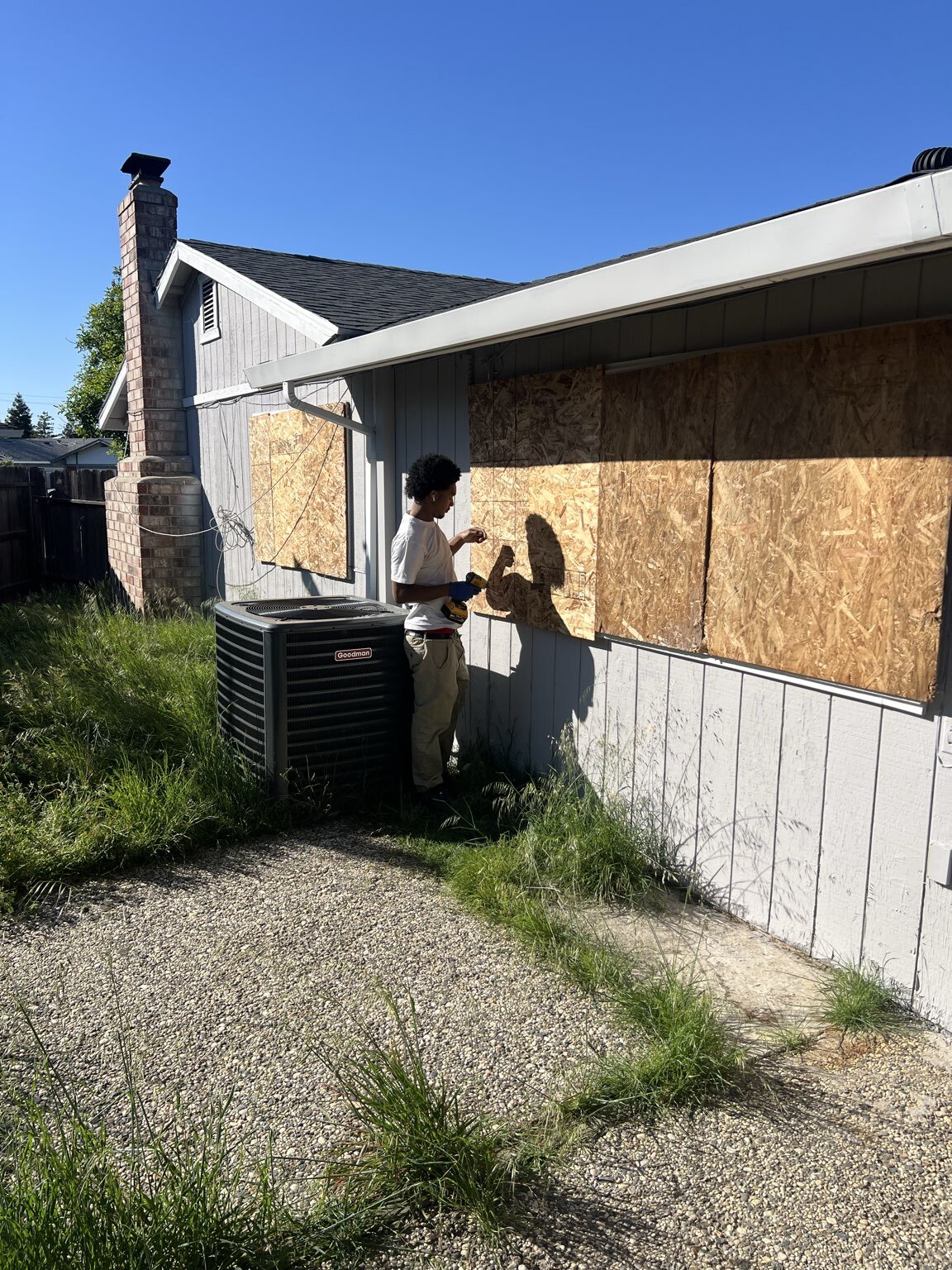
Darren’s experience is based on actual Northern California transactions involving tenants, deferred maintenance, inherited ownership, vacancy, difficult communication, and properties that were not ready for traditional listing photos or repeated buyer showings.
A traditional listing may make sense when the owner has time, repair money, easy access, and a property that can compete well with retail inventory. A local cash buyer may be worth comparing when the priority is certainty, speed, fewer contingencies, or a no-repairs as-is sale.
That comparison can be especially useful when an owner wants to sell a rental property as-is, sell a house with tenants, sell a tenant-occupied house, sell a rental property with tenants, sell a house with a non-paying tenant, sell a rental with a non-paying tenant, or simply sell a house fast without first renovating it for the market.
The practical question is not whether every seller should choose a direct cash buyer. It is whether the net, timeline, workload, and certainty of an as-is cash buyer or local as-is home buyer compare favorably with repairing and listing the Auburn property.
Not every tenant-occupied transaction becomes simple the moment escrow closes. In this real Sacramento-area case, a tenant broke back into the property after Darren had already purchased it.
This behind-the-scenes video shows why experience matters when selling a difficult property as-is. Unexpected access problems, belongings, deferred repairs, communication issues, tenant concerns, and post-closing complications require practical judgment—not polished promises.
The former owner had already completed the sale. Darren took responsibility for what happened afterward, illustrating one reason a direct cash buyer with real difficult-property experience can be valuable when an Auburn owner wants to transfer the property as-is and move forward.
Auburn sellers should not have to rely only on polished claims. These videos show actual tenant-occupied, repair-heavy, and difficult properties Darren has worked with throughout the greater Sacramento and Placer County region. That broader regional experience includes sellers and property situations relevant to Auburn, Sacramento, Lincoln, Roseville, and Rocklin.
See what can happen after a seller transfers a rental as-is. The owner did not have to complete this work before selling, coordinate contractors, or remodel the house to compete for a retail buyer.
This occupied property required substantial work. The seller was able to transfer the house without first removing everything, completing renovations, or making it retail-ready.
Walk through an actual property with Darren and see the kinds of conditions an as-is cash buyer may take on after closing. An Auburn seller does not have to make the property perfect before comparing a no-repairs as-is sale with a traditional listing.
“The most important proof is not a promise that every property situation will be easy. It is showing that the buyer has already worked through difficult occupants, deferred maintenance, belongings, repairs, and real people who needed a respectful solution.”Darren Brown — Licensed California Broker and Local Cash Buyer
These images come from actual Northern California properties and provide evergreen regional proof for property owners in Auburn, Sacramento, Lincoln, Roseville, and Rocklin. They demonstrate why some Auburn owners compare a no-repairs as-is sale with financing repairs, managing contractors, supervising a cleanout, preparing for showings, and waiting for a conventional sale.
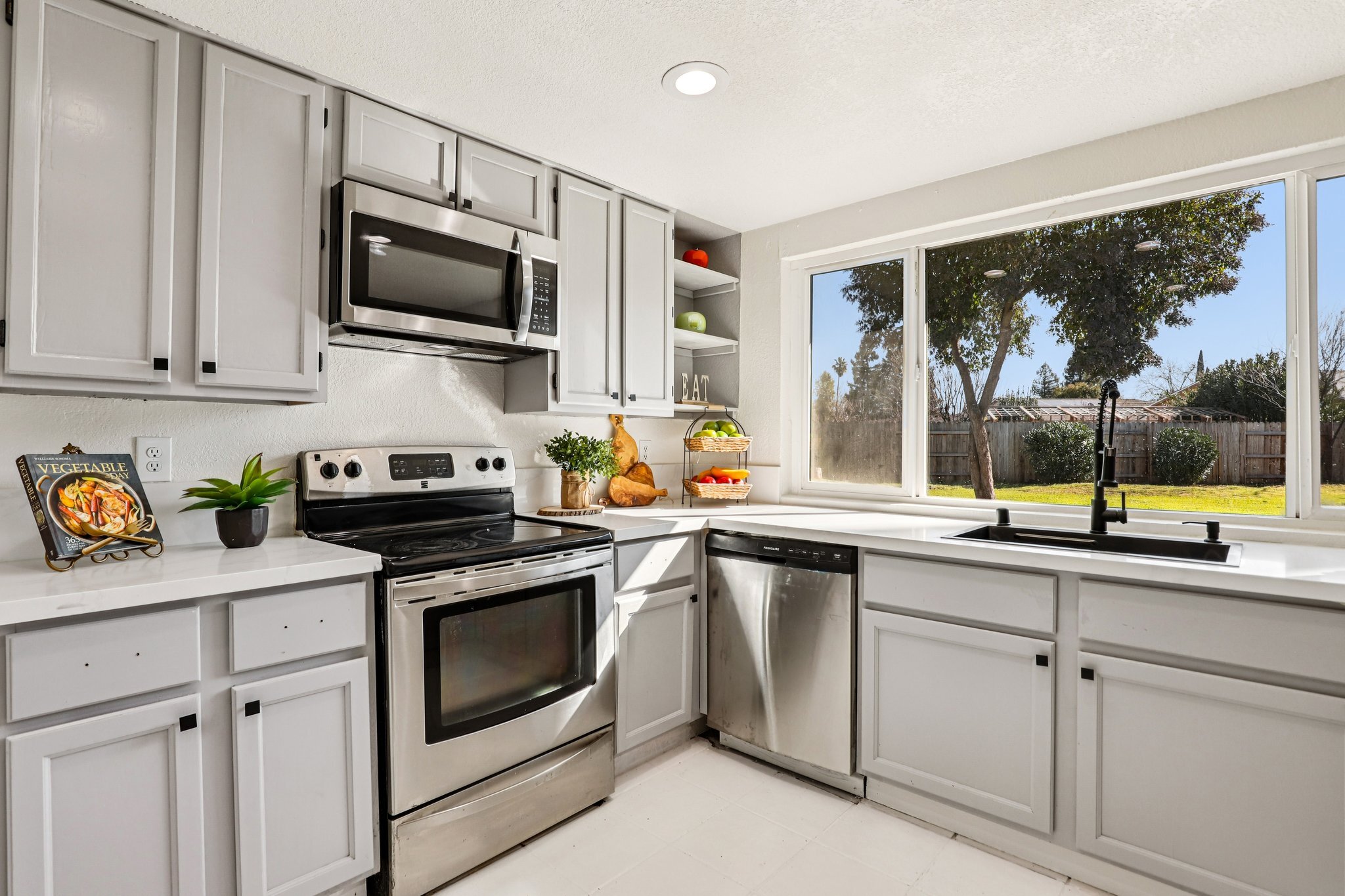
A real occupied-property transaction demonstrating the condition and improvement work a buyer may inherit after the seller closes.
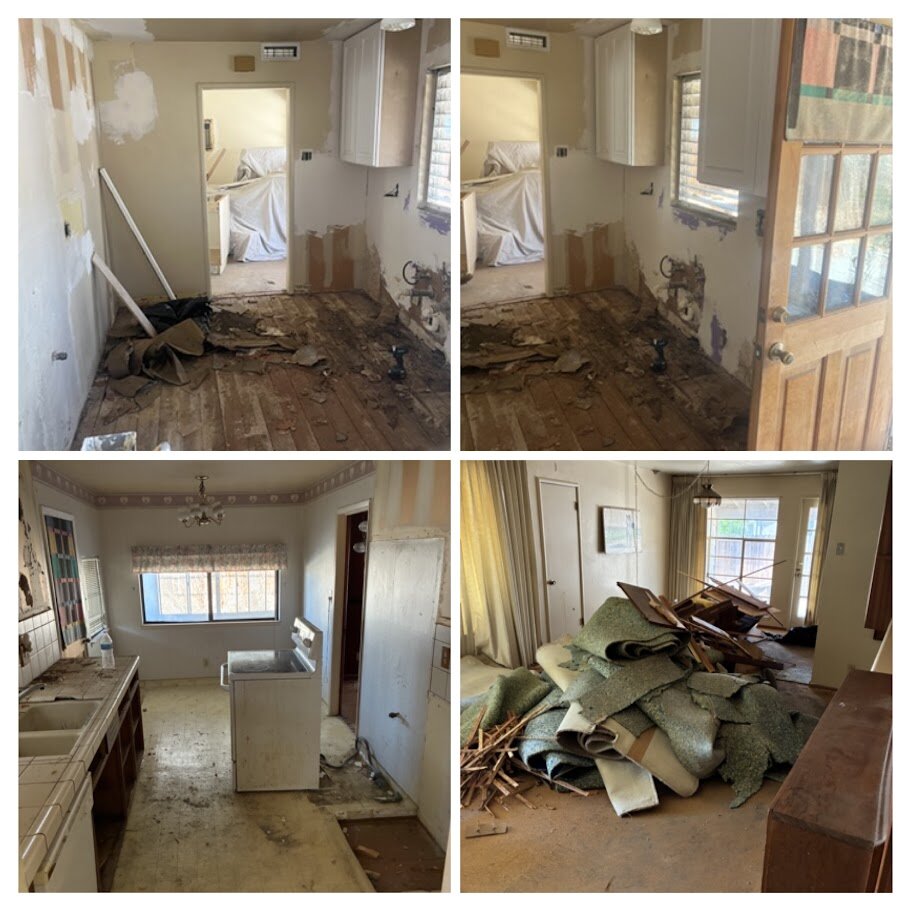
Work that occurred after the purchase—not a list of projects the former owner had to complete before selling.

A property with repairs and deferred maintenance that became a candidate for a direct as-is purchase.
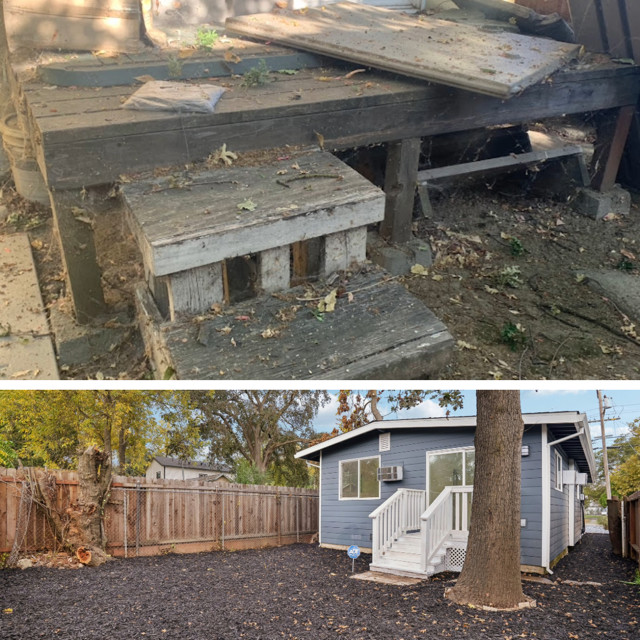
Deferred repairs can become another financial burden when a property no longer fits the owner’s plans or budget.
These sellers describe their own experiences working directly with Darren through real property transactions—useful proof for Auburn owners comparing a local cash buyer with a traditional listing.
A homeowner shares firsthand feedback about working with Darren during the sale of a property.
Additional seller proof showing the communication, process, and personal experience behind a direct transaction with Darren.
An Auburn homeowner may be handing over a valuable property, access details, tenant information, repair issues, and years of equity. Before signing an agreement, independently verify the cash buyer’s identity, licensing, professional background, business registration, community involvement, and transaction experience.
Darren Brown combines direct cash-buying experience with a professional California real estate brokerage background.
View Broker Documentation →Veteran-owned service centered on accountability, direct communication, follow-through, and doing what was agreed upon.
View Military Retirement Proof →Darren’s business has documentation supporting its Disabled Veteran Business Enterprise certification.
View DVBE Certification →Sellers can review the California Secretary of State filing associated with Darren’s operating business.
View State Business Filing →Review the independent Better Business Bureau profile for Darren Buys Homes Cash before accepting an offer.
View BBB Business Profile →Darren maintains a public connection to the Sacramento-region professional and business community while serving property owners across Auburn, Sacramento, Lincoln, Roseville, Rocklin, and surrounding Northern California communities.
View Chamber Listing →Review additional seller feedback, difficult property situations, and direct as-is sale experiences involving Darren Buys Homes Cash.
Review Seller Testimonials →Examine Darren’s professional background, business identity, and supporting trust documentation in one place.
Review Professional Credentials →Use the Seller Trust Center to evaluate the company, process, proof, and direct cash-buying experience before deciding who to work with.
Visit The Seller Trust Center →Another homeowner explains what it was like to work with Darren. Real seller feedback gives Auburn property owners a better basis for evaluating a direct cash buyer before making a decision.
The right decision depends on property condition, occupancy, repair costs, title issues, carrying costs, available reserves, timing, and how much additional work the owner is prepared to accept.
This may make sense when the Auburn owner has adequate reserves, still wants the property, and has a realistic plan for repairs, tenants, maintenance, and future carrying costs.
Some owners invest in repairs, cleanout, staging, and preparation so the property can compete for a traditional retail buyer.
A direct sale may be worth evaluating when the Auburn owner values certainty, wants to reduce seller workload, or does not want to complete repairs, cleaning, or remodeling before selling.
An Auburn owner can compare the likely net from a direct as-is cash offer with continuing to hold the property, completing repairs, preparing for showings, paying commissions and concessions, or attempting a traditional listing. The goal is to understand the difference between a cash buyer vs. listing—not to assume one option is automatically better.
An Auburn house may be physically sellable but still have liens, title questions, unpermitted work or other issues that complicate a conventional transaction. Those problems should be evaluated individually instead of assuming the seller must solve everything before a buyer can look at the property.
Understand how recorded liens can affect payoff, closing and the seller’s actual net proceeds.
Review how ownership, title defects and closing issues can affect the timing and structure of a sale.
Learn why additions, conversions and work completed without permits can create appraisal, inspection, financing and value questions.
Auburn includes properties that do not fit neatly into the same condition assumptions as newer tract housing. Some homes may have larger parcels, sloped sites, mature trees, older improvements, outbuildings or access considerations. None of those issues should be assumed simply because a house is in Auburn—but when they exist, they can materially affect the repair plan, buyer pool and as-is value.
Driveway condition, slope, drainage and access can matter when they affect maintenance, construction or buyer usability.
Older additions, outbuildings or modifications may require closer evaluation of condition and documentation.
Roof, HVAC, electrical, plumbing and other major components can carry more weight than cosmetic updates in an as-is valuation.
Larger lots, vegetation, fencing and exterior maintenance can add ongoing ownership cost when they actually apply to the property.
Sellers often compare a cash offer with an estimated retail price without first understanding how repairs, risk, holding time and transaction costs affect both numbers. These Auburn resources focus specifically on value and seller net.
Review how current condition and buyer risk affect the property’s as-is value.
Understand the role of repairs, systems, property condition and resale risk in cash-offer math.
Compare price, repairs, commissions, concessions, holding costs and certainty using realistic seller net.
| Factor | Repair / Prepare / List | Direct As-Is Sale |
|---|---|---|
| Repairs | Seller decides what work to complete and funds the project. | Buyer evaluates existing condition and repair exposure. |
| Tenants | Occupancy may affect showings, marketability and closing strategy. | A buyer experienced with occupied rentals may evaluate the tenancy as part of the purchase. |
| Inspection / Financing | Buyer financing and inspections can create repair requests, concessions or transaction risk. | Cash removes lender property-condition requirements, although the buyer still evaluates risk. |
| Holding Costs | Continue through repairs, preparation, marketing and escrow. | May be reduced if the direct transaction closes sooner. |
| Sale Price | May be higher after preparation if the market supports the work. | Usually reflects current condition and buyer-assumed future costs. |
| Seller Net | Future price minus repairs, holding costs, commissions when applicable, concessions and transaction expenses. | Written as-is offer minus any seller costs specified in the transaction. |
Tenant and occupancy problems, serious code violations, difficult access and property-condition complications existed at the same time. It is a useful example of why title, occupancy and physical condition should not always be analyzed separately.
Review the Sudbury Case Study →An out-of-state landlord, a non-paying tenant and significant property problems were handled through a direct sale that closed with the tenant still in place.
Review the Butternut Case Study →A tenant-occupied property with heavy condition, belongings, cleanup and repair work demonstrates why some landlords compare an as-is sale instead of personally managing the entire property project.
Review the Circle Parkway Case Study →I first want to understand what is actually making the Auburn property difficult. Sometimes it is repairs. Sometimes it is the tenant. Sometimes it is title, access, deferred maintenance or the fact that the owner lives hundreds of miles away.
Those facts matter because the best decision is not always the same. A clean property in good condition may be worth preparing and listing. A repair-heavy rental with an unresolved tenant situation may produce a very different comparison.
I also look at the seller’s real net. If the property can produce a higher future price only after months of work, contractor expense, carrying costs and traditional selling costs, the seller should see that full comparison before committing to the project.
The purpose of this resource center is to help an Auburn seller identify the problem first and then choose the sale method that actually fits it.
Find additional resources for as-is houses, tenant-occupied rentals, inherited homes, repairs, vacant property and direct cash-sale options.
A house needing minor repairs may deserve a different strategy than a heavy fixer. A stable rental with a paying tenant is different from a property in eviction. A clean title issue is different from substantial unpermitted work. A remote landlord has different practical concerns from an owner who lives nearby.
That is why the useful starting point is the property’s actual situation—not the sale method.
Once the problem is identified, the seller can compare repairing, waiting, listing or selling directly to a local as-is cash buyer using realistic time, cost, risk and seller net.
This Auburn resource center is designed to connect those decisions so sellers can move from “What do I do with this property?” to a clear next step.
Yes. A seller can compare the property’s current-condition value with the expected financial result from repairing and selling later. Buyer type and property condition affect the available options.
Potentially. Tenant-occupied properties can be sold, but lease terms, tenant rights, access, deposits and occupancy expected after closing need to be handled appropriately.
Not automatically. Some buyers will consider occupied rentals. The seller should compare the time and cost of obtaining vacancy with the realistic value of selling occupied.
Non-payment does not automatically prevent a sale. It can affect buyer risk, access, value and the seller’s decision about whether to pursue possession first.
Document the property condition and compare realistic repair costs with the property’s current as-is value before assuming a renovation is necessary.
Yes. Significant condition issues may reduce the conventional buyer pool or affect financing, but the property can still be evaluated by buyers willing to purchase it in current condition.
Properties with substantial condition problems may be difficult for financed buyers. A cash buyer does not depend on mortgage lender property-condition requirements.
Potentially. Recorded liens can affect title, payoff and seller net. The exact issue should be identified so escrow, title professionals and appropriate advisors can determine what is required for closing.
Some title issues can be resolved as part of the sale process while others require additional work. The first step is identifying the actual defect rather than assuming the property cannot be sold.
Potentially. Unpermitted additions or alterations can affect buyer confidence, financing, insurance, appraisal and valuation. An as-is buyer may evaluate that uncertainty as part of the offer.
A buyer may consider current market value, required repairs, major systems, property-specific risk, holding and transaction costs, and the uncertainty involved in the project.
It depends on the property. Compare the likely future sale price after subtracting repairs, holding costs, commissions when applicable, concessions and other transaction expenses with the written as-is offer available today.
Yes. Much of a sale can potentially be coordinated remotely through local property access, electronic communication and escrow, depending on the transaction.
No. Site conditions, lot size, access, improvements and major systems should be evaluated only when they actually apply to the property. Auburn homes can vary substantially from one property to another.
No. A clean, marketable house may produce a stronger net through a conventional listing. A direct as-is sale becomes particularly worth comparing when repairs, tenants, financing problems, title issues, distance or timing make preparation more costly or uncertain.
Tell me about the property, tenants, repairs, access or other issue you are dealing with. I can evaluate the house in its current condition and give you a written cash offer to compare with repairing, waiting or listing.
Get My Auburn As-Is Cash Offer